
How to Leave a HIPAA Compliant Voicemail: Best Practices and Examples
By Adom FrancisLast modified: July 22, 2025
Voted Top Call Center for 2024 by Forbes
Virtual Receptionists
Save time and money with our virtual receptionists.
AI Receptionist
AI-powered receptionist that answers, routes, and qualifies calls 24/7.
Enterprise Solutions
Solutions designed to scale with your organization’s needs.
Legal Services
Our virtual legal receptionists are experts in legal intake.
Last modified: July 22, 2025
Ensuring a voicemail is HIPAA compliant is essential for protecting patient privacy and avoiding legal issues. HIPAA compliance is governed by the Health Insurance Portability and Accountability Act (HIPAA), a federal law enforced by the Department of Health and Human Services (HHS), which sets accountability standards for safeguarding protected health information (PHI). This article will walk you through how to leave a HIPAA compliant voicemail, including key steps and best practices.
Key Takeaways
HIPAA-compliant voicemails must protect patient information by disclosing only essential details and verifying identities before leaving messages.
Obtaining written consent from patients is essential when discussing any detailed information in voicemails to ensure trust and compliance.
Using secure communication tools and conducting calls in private settings are critical best practices for safeguarding patient information and maintaining HIPAA compliance.
Compliant voicemails are crucial for safeguarding patient information and avoiding legal issues. The HIPAA Privacy Rule dictates the handling of patient information in communications, including voicemails. HIPAA stands for the Health Insurance Portability and Accountability Act, a federal law that sets national standards for protecting sensitive patient data. Thus, any voicemail from a healthcare provider must protect patient health information in accordance with HIPAA standards.

Non-compliance with HIPAA guidelines in voicemails can result in severe legal consequences, emphasizing the importance of confidentiality.
HIPAA regulations apply to both voicemail and answering machines, and healthcare providers must ensure these devices are secure to protect patient privacy.
Healthcare providers should use HIPAA-compliant tools and services, such as encrypted communication tools, and ensure voicemails are left in secure environments to receive hipaa compliant voicemails.
Responding to voicemails requires prioritizing patient privacy to avoid unintentional breaches. For example, when leaving messages for prescription refills, include only necessary details such as the patient’s name and a request for a callback. Incoming messages, whether on voicemail or answering machines, must be protected under HIPAA regulations. Understanding these regulations is the first step toward compliant communication.
A HIPAA compliant voicemail must include only essential information and avoid disclosing sensitive patient data. Key elements include limiting information, obtaining patient consent, and verifying identity before leaving a hipaa compliant voicemail message.
Each element is vital for maintaining HIPAA compliance.
Basic Information Only
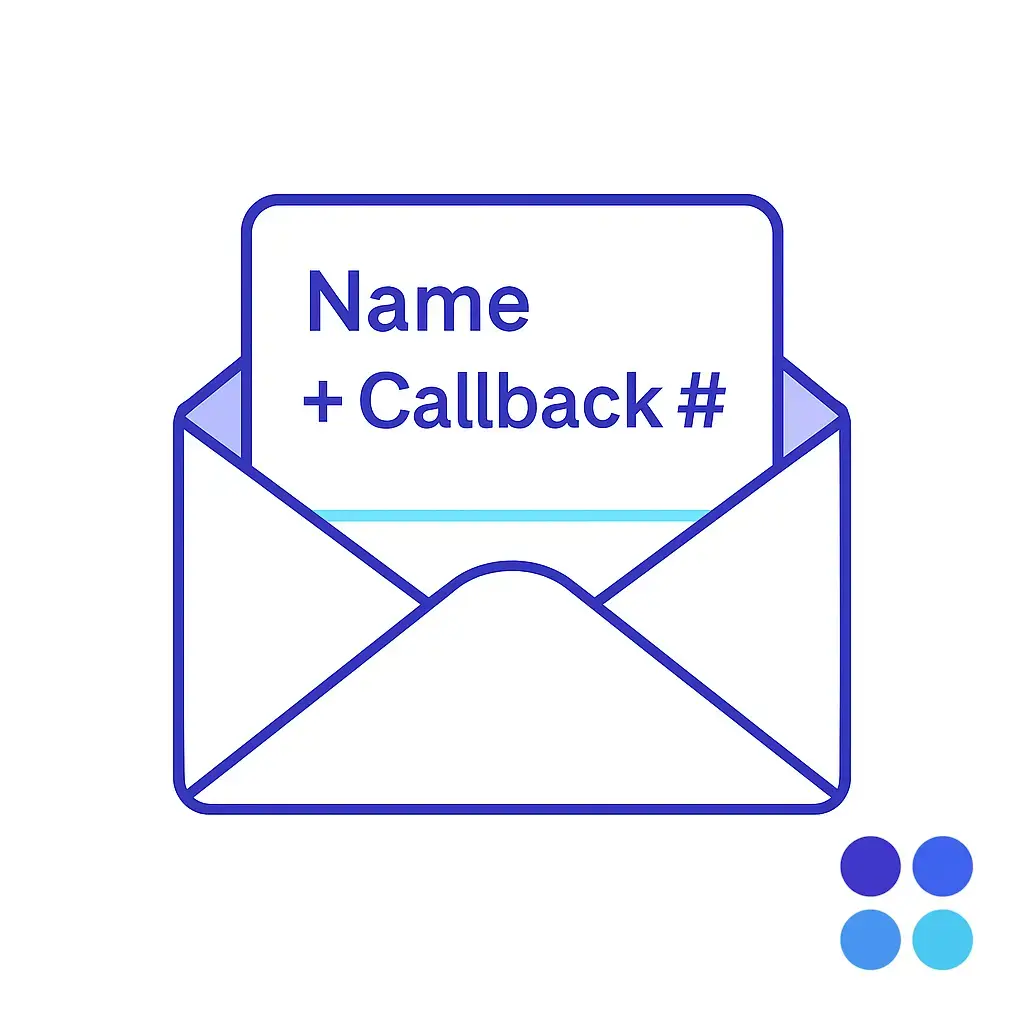
A HIPAA compliant voicemail should include only essential information, such as the patient’s name and a callback number, without sensitive medical details.
The medication name should not be included in the voicemail to protect patient privacy and remain HIPAA compliant.
This practice protects confidential information and reduces the risk of unauthorized access.
Healthcare providers should always make calls in private areas to prevent unauthorized access to patient information when leaving voicemails. Secure communication tools are essential for protecting patient information and ensuring compliance by health care providers.
Obtaining Patient Consent

Obtaining written consent from patients is necessary before discussing detailed information in a voicemail.
This consent ensures patients are aware of and agree to the type of information that might be left in their voicemail.
Specific written consent from the patient is required to leave a message with detailed information in a voicemail. This practice helps maintain trust and transparency between healthcare providers and patients.
Verifying Identity Before Leaving a Message

Verifying the recipient’s identity is crucial to ensure the message is left for the correct person, especially in the context of a covered entity.
This step prevents unauthorized individuals from accessing sensitive patient information, protecting patient privacy.
Predefined voicemail scripts ensure your voice message remains compliant with HIPAA regulations. When crafting a script, avoid including the patient name if there is a risk that other members of the household or workforce might access or overhear the message. These scripts should include only the phone number and minor details relevant to the communication.
Examples of general callback requests, appointment reminders, prescription refill reminders, and other forms are provided below, with the first example included.
General Callback Request Script
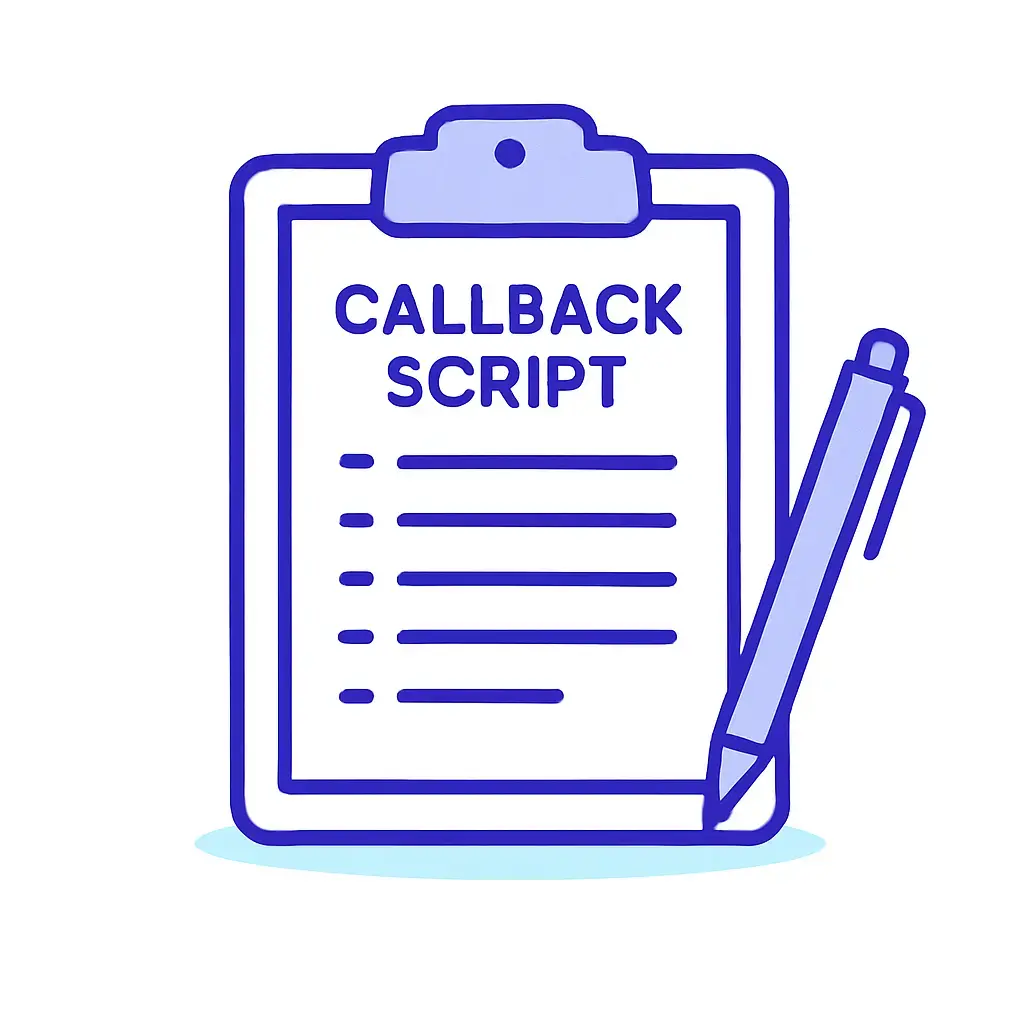
An example of a vague and brief HIPAA compliant voicemail script:
“Hello [Name of Patient].
This is [Name] from [Practice].
I attempted to contact you.
However, it seems you are currently unavailable.
I would appreciate it if you could give me a call this afternoon.
You can reach me at [Phone Number].
Thank you.”
Specialty doctors must avoid mentioning specific medical conditions or specialties when leaving voicemails to prevent potential HIPAA violations.
For non-urgent callers seeking support, include resources like local mental health organizations or a 24/7 hotline/text service, such as 988.
Appointment Reminder Script
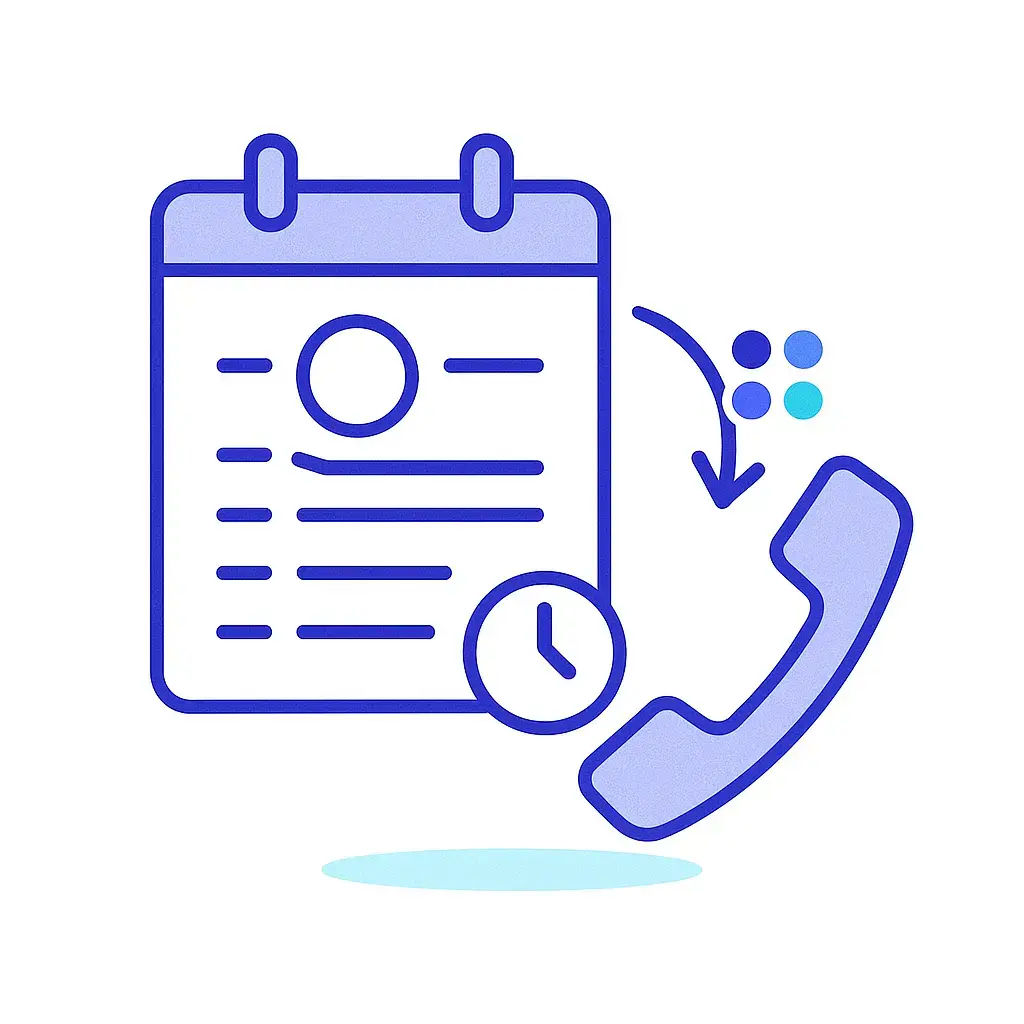
Appointment reminders help patients remember their upcoming appointments. Including a specific reminder date and time helps patients remember their appointments without breaching privacy.
A simple script: “Hello [Name of Patient], this is a reminder for your upcoming appointment on [Date] at [Time]. Please call us at [Phone Number] if you need to reschedule. Thank you.”
Prescription Refill Reminder Script
Maintaining confidentiality is crucial; thus, avoid sensitive details related to medications. Do not include the medication name in the voicemail message. Encouraging patients to contact the office for further details maintains the patient’s confidentiality.
Following best practices is essential for HIPAA compliance when leaving voicemails. This includes:
Documenting voicemail policies
Using encrypted voicemail systems
Ensuring clear and concise messaging
Avoiding discussion of billing issues in voicemail messages to prevent potential HIPAA violations
Confidentiality should always be prioritized to ensure HIPAA compliance.
Responses should focus on general information and disclose limited information that could reveal a patient’s identity.
Conduct Calls in Private Areas
To avoid unauthorized disclosures and potential HIPAA violation, conduct phone calls in private settings.
Leaving voicemails in public or overheard areas could lead to multiple types of HIPAA violations.
When leaving voicemails, conduct patient calls in a private room to safeguard patient information. Isolated locations reduce the risk of unauthorized individuals overhearing sensitive information.
Use Secure Communication Tools
Using encryption tools for voicemails can significantly enhance security measures and protect patient data.
Encrypted voicemail services also enhance the protection of patient health information.
Before discussing any patient information, confirm the caller’s identity through a secure method. Use security questions or previous communication references to verify the caller’s legitimacy.
Training Staff on HIPAA Compliance

Regular training sessions on HIPAA requirements help staff understand the importance of compliant communication.
Ongoing education on HIPAA regulations is vital for staff to properly handle patient information and communication.
Continuous education on HIPAA regulations keeps staff aware of their obligations regarding patient privacy and protected health information. Regular training on HIPAA guidelines helps mitigate risks associated with unauthorized disclosures and ensures compliance with hipaa rules. Additionally, it is important to understand when HIPAA applies.
Protecting voicemail messages is a critical responsibility for healthcare providers and covered entities under the HIPAA Privacy Rule. To maintain a hipaa compliant voicemail system, it’s essential to implement safeguards that prevent unauthorized access to protected health information (PHI). This means using compliant voicemail solutions that offer features like encryption, access controls, and audit controls to monitor who accesses messages and when.
Healthcare providers should always limit the amount of sensitive information disclosed in voicemail messages.
Avoid including details such as lab results, diagnosis, or medication names — only share the minimum necessary information, such as the patient’s name and a callback number.
By following these guidelines, providers can protect PHI, reduce the risk of a HIPAA violation, and ensure that all voicemail messages remain compliant with hipaa regulations.
Regularly reviewing voicemail policies and training staff on the importance of safeguarding messages further strengthens compliance. By prioritizing the security of voicemail messages, covered entities can uphold the privacy rule and maintain patient trust.
Ensuring that voicemail systems are HIPAA compliant is essential for healthcare providers who handle patient information. The HIPAA Security Rule requires covered entities to implement technical safeguards that protect electronic protected health information (ePHI), including voicemail messages. To achieve hipaa compliance, voicemail systems should be equipped with encryption, secure authentication, and robust access controls to prevent unauthorized access.

Healthcare providers should also conduct regular risk assessments to identify and address any vulnerabilities in their voicemail systems.
This proactive approach helps ensure that all voicemail messages are protected in accordance with hipaa regulations and the hipaa privacy rule.
Additionally, implementing audit controls allows providers to track access to messages and detect any potential breaches.
By choosing hipaa compliant voicemail solutions and maintaining strict security measures, healthcare providers can protect patient privacy, avoid hipaa violations, and demonstrate their commitment to safeguarding sensitive information. Adhering to both the privacy rule and the hipaa security rule is key to maintaining trust and compliance in all patient communications.
When healthcare providers need to leave a voicemail for a family member, it’s important to balance effective communication with strict HIPAA compliance. The HIPAA Privacy Rule requires covered entities to obtain written consent from patients before disclosing any protected health information (PHI) to family members or other individuals. Before leaving a voicemail message, always confirm that the family member is authorized to receive information about the patient.
To create a hipaa compliant voicemail for a family member, limit the message to only the most essential information — such as a request for a callback — without including sensitive details about the patient’s health or treatment.
Avoid mentioning specific diagnoses, medications, or test results.
Using a hipaa compliant voicemail system with encryption and access controls further protects PHI and ensures that only authorized individuals can access the message.
By following these steps, healthcare providers can communicate with family members while maintaining patient privacy, protecting sensitive information, and staying compliant with hipaa regulations. This approach helps build trust with patients and their families, while upholding the highest standards of privacy and security.
Ensure that responses to voicemail do not include any details that could identify a patient. When responding, avoid mentioning if the patient is seeing more than one doctor, as this could compromise the patient's privacy.
This section will cover the best practices for avoiding sensitive information and confirming caller identity for covered entities.
Avoiding Sensitive Information
When leaving voicemails for patients, follow these HIPAA guidelines:
Avoid disclosing sensitive information.
Include only basic information such as the patient’s name.
Provide your callback number.
Omit any sensitive medical details.
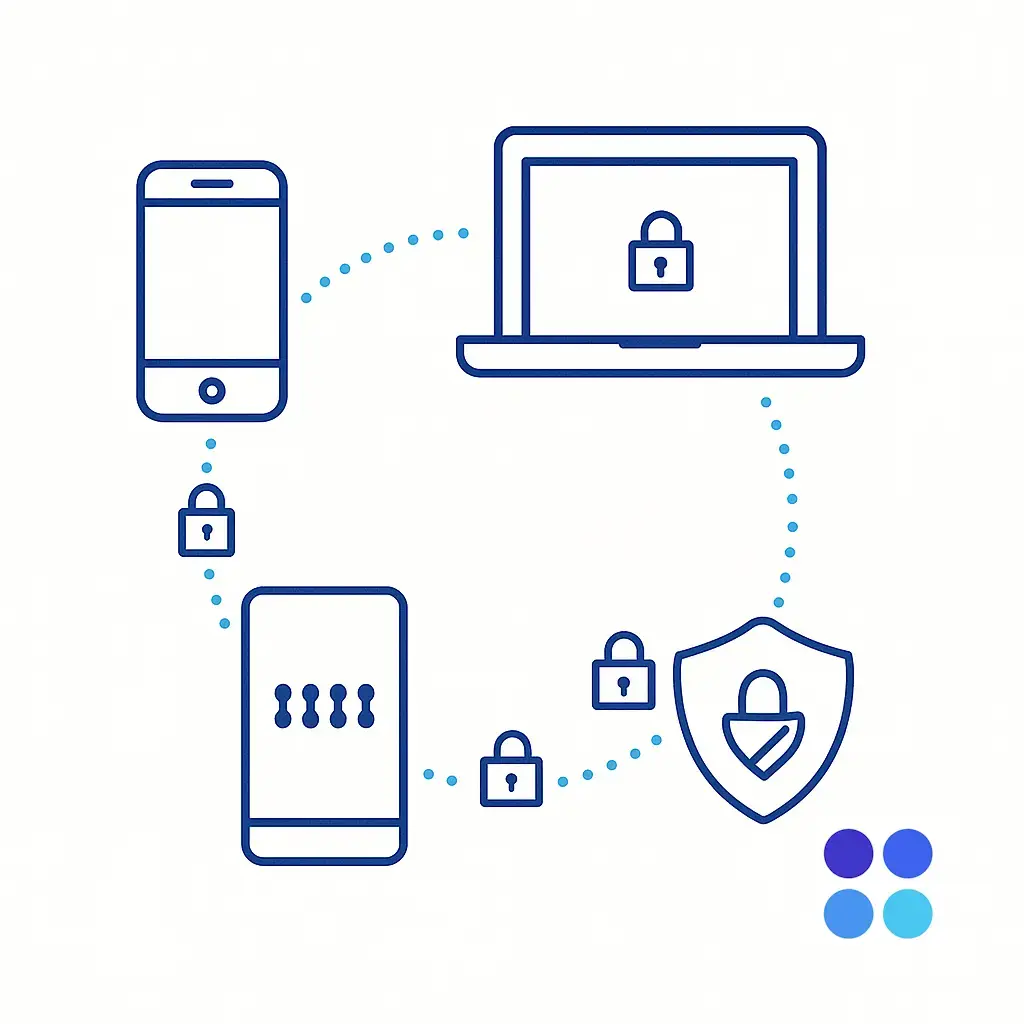
To ensure compliance with patients’ privacy wishes and protect their information, follow these best practices:
Obtain written consent from patients before leaving detailed messages.
Make calls in private areas.
Use secure communication tools to protect patient information.
Ensure that your practice name is clearly communicated to patients.
Confirming Caller Identity
Always check the current patient consent status before leaving a detailed voicemail. Verifying a caller’s identity is crucial to protect patient information and ensure HIPAA compliance.
Before discussing any patient-related details, confirm the identity of the person on the other end of the line. This step helps ensure that sensitive information is only shared with authorized individuals.
Go Answer’s virtual receptionist services are designed to handle HIPAA compliant calls and voicemails, ensuring healthcare providers can manage communications without violating patient privacy. Their services include trained professionals who follow strict protocols to ensure all communication remains compliant with HIPAA regulations.

Go Answer features a secure communications infrastructure that safeguards sensitive information through robust encryption and strict access controls, protecting patient data during voicemail and calls.
By utilizing Go Answer’s services, healthcare providers can enhance operational efficiency while ensuring HIPAA compliance, ultimately benefiting patient trust and safeguarding their information.
Virtual Receptionist Solutions
Standard protocols for voicemail handling can significantly reduce the risk of breaches. Go Answer offers various services centered around virtual receptionist and contact center solutions.
With over 30 years of experience in the call center and customer service industry, Go Answer offers expertise and reliability in managing your communications.
Secure Messaging Infrastructure
Go Answer implements a secure messaging infrastructure that safeguards electronic communication and upholds HIPAA standards. A secure messaging infrastructure that supports encrypted communication is essential for protecting patient data.
Healthcare providers should prioritize patient confidentiality by using secure methods for transmitting voicemails. Go Answer is equipped to handle a wide range of customer service needs with the necessary technology, infrastructure, and expertise.
Take the first step toward ensuring HIPAA compliant communications by getting started with Go Answer today. Our services are designed to protect patient information and improve operational efficiency.
Contact us for a free consultation to discover how we can help you maintain compliance while enhancing your human services practices that includes communicating and implementing audit controls.
Ensuring HIPAA compliance in voicemails is crucial for protecting patient information and avoiding legal repercussions. By understanding HIPAA regulations, crafting compliant voicemail scripts, and following best practices, healthcare providers can maintain privacy and trust.
Go Answer offers HIPAA compliant services that can help healthcare providers manage their communication needs effectively. Prioritize patient privacy and compliance by leveraging our secure communication solutions. Together, we can ensure that your practice remains compliant and your patients’ information stays protected.
A HIPAA compliant voicemail must include only essential information, specifically the patient's name and a callback number, while excluding any sensitive medical details. This approach ensures patient confidentiality and regulatory compliance.
Obtaining patient consent is crucial for HIPAA compliance because it respects their privacy wishes and fosters trust in the healthcare relationship. This consent ensures that patient information is handled appropriately and legally.
To ensure that your voicemail scripts are HIPAA compliant, include only the patient's name and phone number along with minimal relevant details, while avoiding any sensitive medical information. This approach safeguards patient privacy and helps maintain compliance.
To ensure HIPAA compliance when leaving voicemails, conduct calls in private areas and use secure communication tools. Additionally, keep voicemails concise and avoid sharing in-depth patient details.
Go Answer ensures HIPAA compliant communications through its virtual receptionist services and secure messaging infrastructure, allowing healthcare providers to manage calls and voicemails while protecting patient privacy effectively.

Learn why thousands of companies rely on Go Answer.
Try us risk-free for 14 days!
Enjoy our risk-free trial for 14 days or 200 minutes, whichever comes first.
Have more questions? Call us at 888-462-6793
Learn why thousands of companies rely on Go Answer.
Have more questions? Call us at 888-462-6793
If you would like to get in contact with a Go Answer representative please give us a call, chat or email.

Thanks for your interest!
A representative will be reaching out to you shortly.
Have more questions? call us on 888-462-6793
