
How to Handle Holiday Call Volume Without Burning Out Your Team
By Adom FrancisLast modified: December 16, 2025
Voted Top Call Center for 2024 by Forbes
Virtual Receptionists
Save time and money with our virtual receptionists.
AI Receptionist
AI-powered receptionist that answers, routes, and qualifies calls 24/7.
Enterprise Solutions
Solutions designed to scale with your organization’s needs.
Legal Services
Our virtual legal receptionists are experts in legal intake.
Last modified: December 16, 2025
As the holidays approach, customer phones light up. Promotions, time‑limited sales and shipping worries spur people to pick up the phone and call. For businesses, those calls translate to orders, revenue and loyalty — but they also strain front‑line teams. Research shows that many businesses experience higher inbound call volumes during peak seasons, with spikes that can rise well above normal days.

During the Thanksgiving–Cyber Monday window alone, contact center volume increased dramatically year over year. If your team isn’t prepared, those surges can lead to missed revenue, rushed conversations and staff burnout.
This guide explores why holiday call volume spikes, how missing calls affects your bottom line and team morale, and practical strategies to keep service steady without exhausting employees. Finally, we look at virtual receptionists as a scalable solution and explain why Go Answer’s 24/7 U.S.‑based service can help businesses thrive during the season.
Holidays aren’t just about gift shopping; they compress months of purchasing into a few weeks. Several forces converge to make the phones ring relentlessly:
Seasonal promotions and sales events. Brands pack the calendar with Black Friday deals, Cyber Monday flash sales and limited‑time discounts. Peak‑season call volumes often climb significantly above typical daily volumes because customers call about product availability, promotion details and coupon codes.
Impulse buying and returns. Holiday marketing triggers quick decisions. Surveys show that a majority of Americans make impulse purchases during the holidays and spend hundreds of dollars per impulsive buy. Many of these purchases lead to order modifications, address changes or returns, spiking call volumes further.
Customer service expectations. Most customers expect a problem solved the same day, and fast response times are often cited as the most important part of good service. As call traffic peaks, patience wanes — if the line rings more than a few times, customers may take their business elsewhere.
Put simply, holiday shopping compresses consumer demand into a short window, and customers pick up the phone whenever there is uncertainty. Your call center or front desk becomes the lifeline. Without preparation, this influx can quickly overwhelm staff.
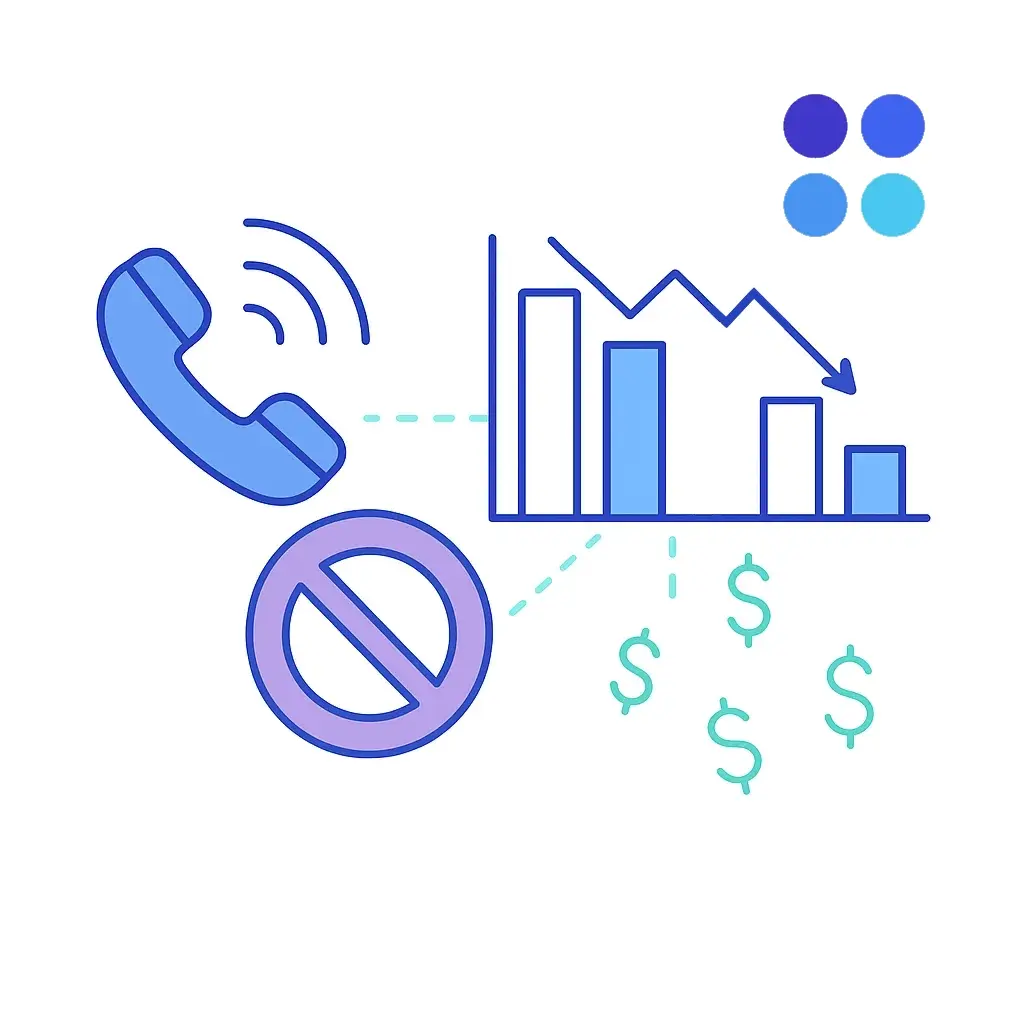
Callers who hear a busy signal seldom try again. When a substantial portion of daily holiday calls go unanswered and a large percentage of callers will not leave voicemails, a business can lose dozens of potential customers every day. Assuming only a fraction of those missed calls would convert, the lost revenue adds up quickly: hundreds or thousands of dollars per day, tens of thousands per month and tens of thousands more across a three‑month peak season.

Missed calls damage more than revenue. Phone contact remains the preferred support channel for many consumers. When calls go unanswered, customers feel neglected and may post negative reviews or move to competitors. Research shows that a substantial share of customers will switch companies after a bad experience.
Missed calls also lower customer lifetime value. Customers who abandon the call often buy from a competitor and may not return. With holiday purchases often leading to additional questions or follow‑on purchases, losing a single call can mean losing future business. On top of that, every ad and social media campaign drives prospects to call — wasting those leads undermines your return on investment.
In short, ignoring calls during the holidays can erode brand trust, revenue and marketing ROI. To protect profits, businesses must prioritize accessibility and responsiveness.
While capturing revenue is critical, the people on the phone lines can suffer under prolonged holiday demand. Studies indicate that most call‑center employees report high stress levels, and a significant share feel close to burnout. A majority of customers hang up after waiting a couple minutes, pressuring agents to resolve problems quickly. This time pressure contributes to stress and rushed conversations. High stress leads to steep turnover rates, forcing companies to continuously hire and train new agents. Recruiting and ramping up new staff during peak season is expensive and may degrade service.
Burnout doesn’t happen overnight. It builds when agents face unrelenting queues, little control over schedules and a lack of tools to handle calls efficiently. Agents who feel unsupported may deliver curt service or quit, compounding the problem. Thus, any holiday strategy must balance service levels with employee well‑being.
Businesses can’t control how many people call, but they can control how ready their operations are. The following strategies, drawn from industry best practices and research, help manage holiday call volumes without burning out your team.

Start with data. Review call logs from previous holidays to identify daily peaks, call durations and frequently asked questions. Combine this with marketing calendars (dates of promotions, product launches, shipping cutoff deadlines) to predict surges. Tools such as workforce management software use historical and real‑time data to forecast staffing needs, ensuring you aren’t caught off guard. Monitoring occupancy rates — the proportion of time agents spend on calls — helps prevent fatigue. Occupancy that is consistently higher invites stress; occupancy that is too low wastes resources.
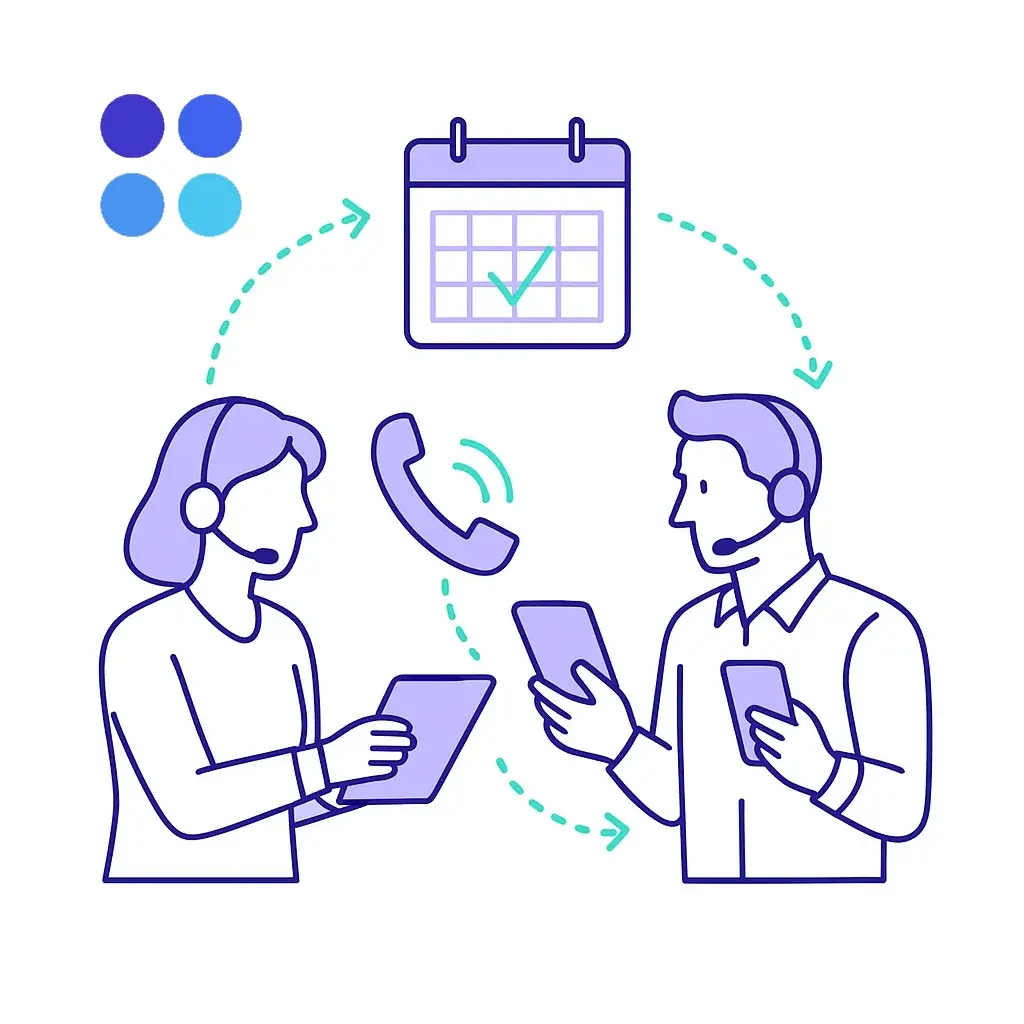
Holiday demand doesn’t affect just one department. Cross‑training front desk staff, call center agents and even back‑office employees to handle basic customer inquiries provides a buffer when call queues spike. Using staggered shifts, split schedules and temporary workers helps spread the workload. Remember that more agents won’t always solve the problem if they aren’t properly trained — investing in early training ensures new staff know how to answer holiday‑specific questions (e.g., return policies, shipping windows) and can use your systems effectively.
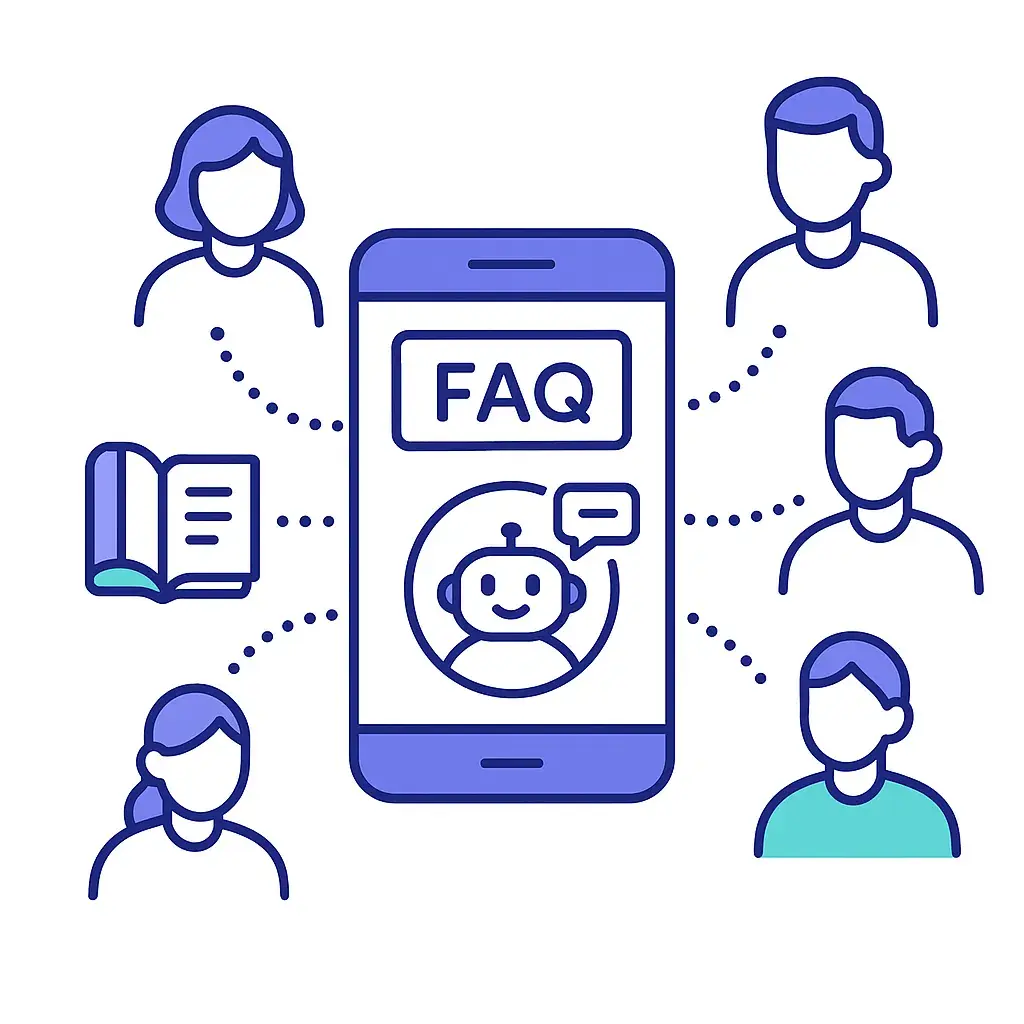
Not every caller needs human assistance. During the holiday period ticket volumes can surge dramatically, yet most customers prefer to self‑serve when possible. By expanding your online knowledge base, FAQs and order‑status portals, you deflect routine questions from your phone lines. Smart chatbots and answer bots can resolve a portion of issues and save agents hours every week. On the phone side, interactive voice response systems can provide order status or store hours automatically. When customers can find answers quickly, they are less likely to call, freeing your agents for more complex issues.
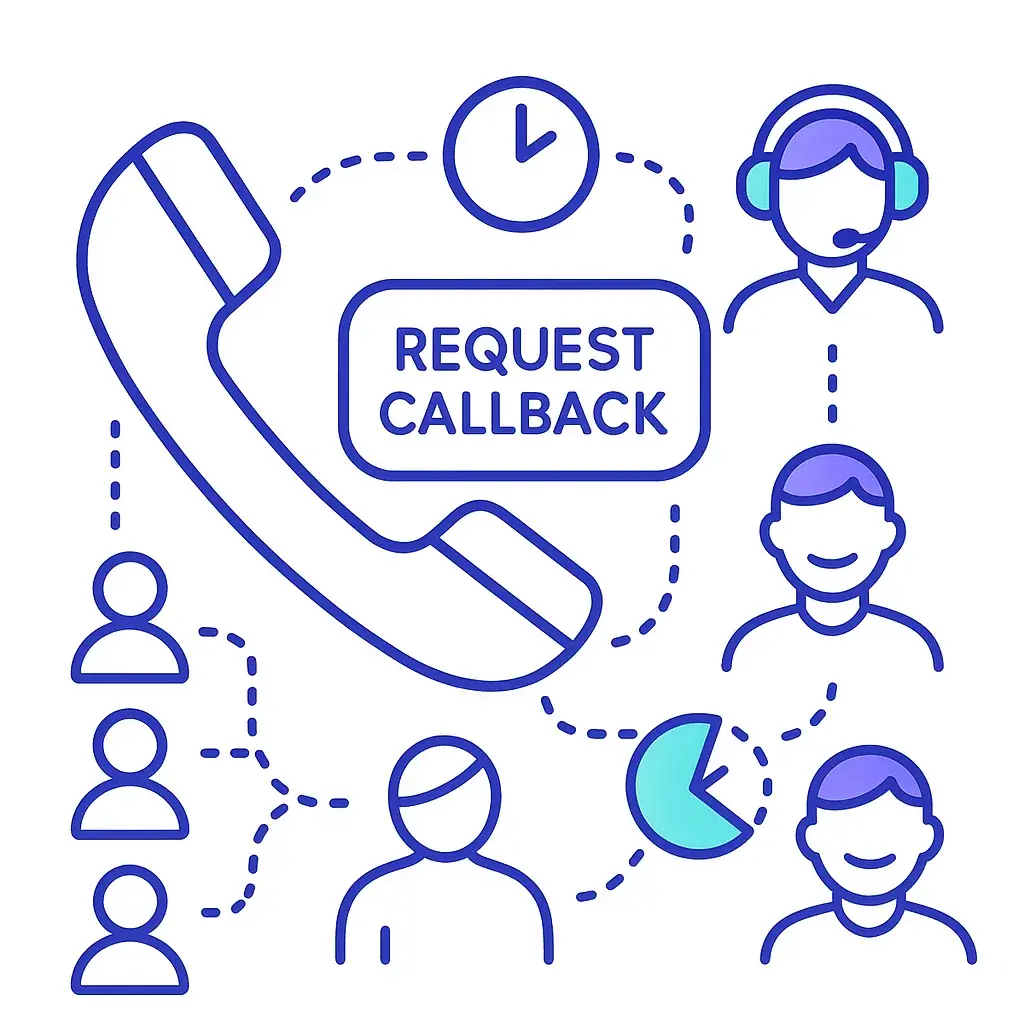
Queueing wears down callers and agents. Studies indicate many customers will abandon a call after waiting a couple minutes. Offering a call‑back option lets customers hang up while keeping their place in line, reducing frustration. Call‑back technology also smooths demand: during lulls, agents can return calls and catch up. You maintain service levels while giving agents breathing room.
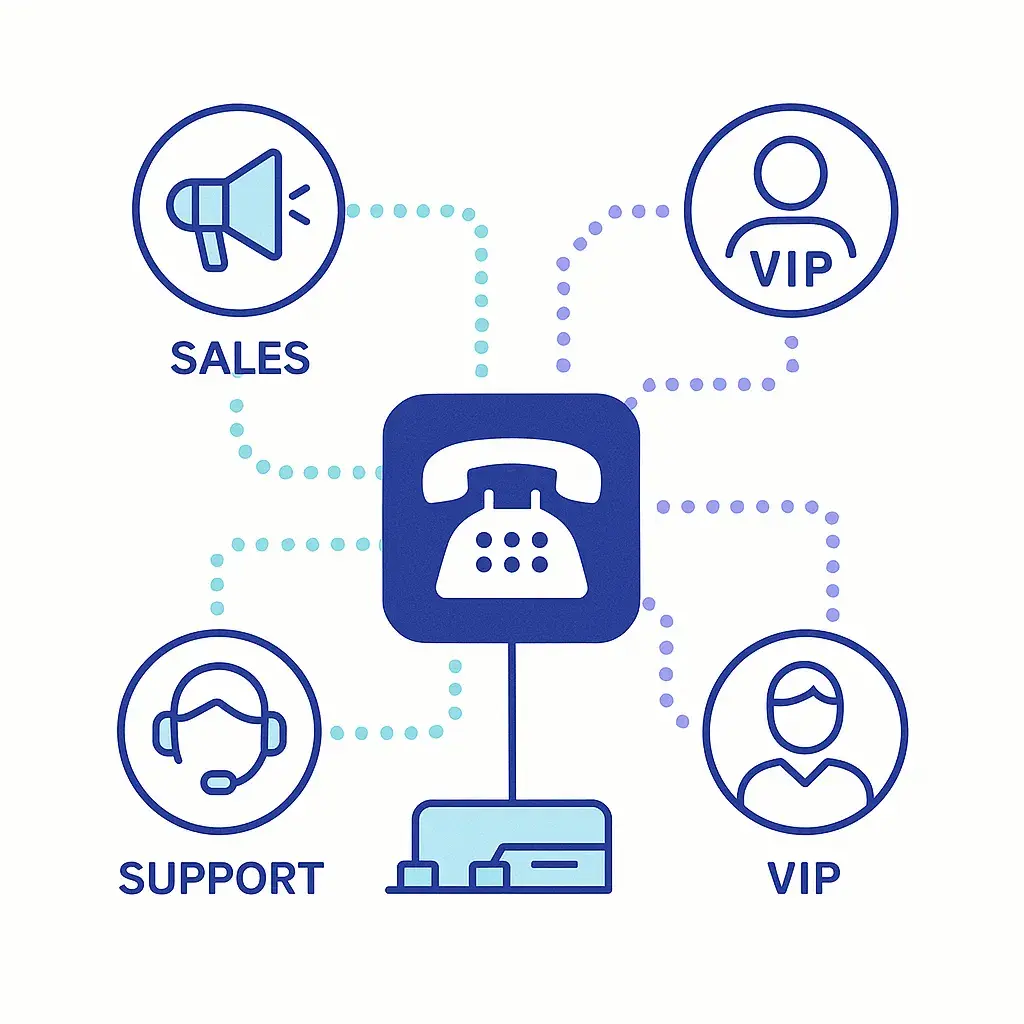
Advanced call routing directs callers to the right person or department immediately, reducing transfers and handle time. For example, a call from a known VIP customer could be prioritized and routed to a seasoned agent, while order status inquiries could be handled by automated systems. Smart routing shortens wait times, reduces mis‑transfers and makes agents more efficient.
Holiday surges don’t always coincide with typical work hours. Adopting remote or hybrid work models allows you to tap into a wider talent pool and scale up quickly. Industry research suggests that the remote contact‑center workforce is growing; hiring remote agents can cover off‑peak hours or assist in emergency situations, spreading the workload and allowing your core team to maintain regular schedules.
Stressed agents deliver poor service. Provide training on time‑management and de‑escalation techniques, but also invest in well‑being programs — regular breaks, meditation apps or mental health resources. Monitor key metrics like average handle time and call abandonment rate to ensure workloads are reasonable. Recognizing and rewarding employees who handle holiday rushes effectively boosts morale and retention.
Implementing these strategies can significantly reduce hold times, improve first‑call resolution and ease the burden on your team. But even well‑run operations may struggle to cover every hour. That’s where virtual receptionist services come in.
A virtual receptionist is a remote professional or AI‑assisted service that answers calls on your behalf, routes them appropriately and handles routine tasks. Unlike traditional call centers, virtual receptionists are available around the clock and scale with your needs. Their benefits address many holiday‑specific challenges.
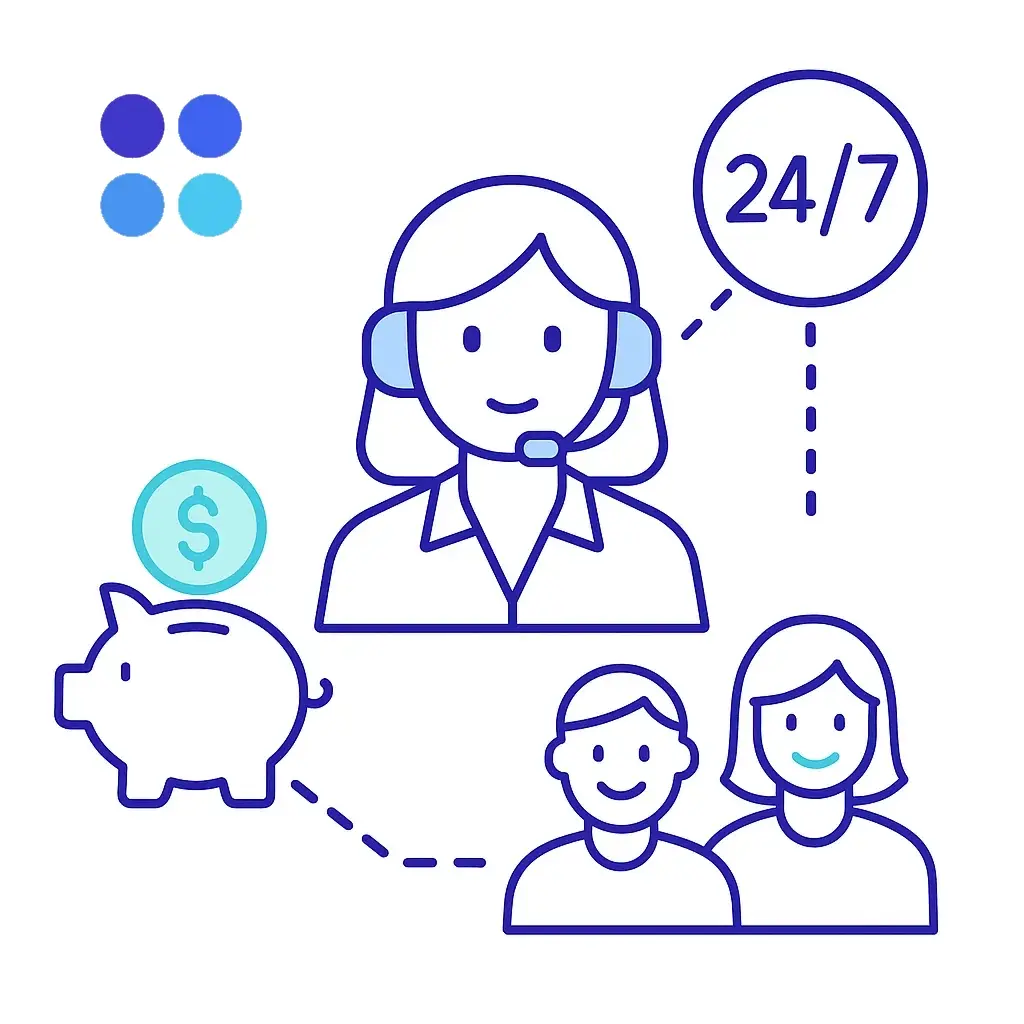
Modern customers expect round‑the‑clock support, yet most companies staff phones only during office hours. Fast response times are repeatedly cited as the most important part of good service. When phones go unanswered after hours, most customers won’t try again. A virtual receptionist solves this by keeping your line open every hour of the day. Always‑on answering — through AI or live receptionists — covers nights, weekends and holiday mornings. Customers can also request a callback or leave a message in a structured way. This constant availability captures leads that competitors miss when they close their doors.
Independent service providers highlight how live answering delivers peace of mind: a reliable team will pick up your calls any time. They also note that virtual receptionists can take messages and capture details day or night and represent your business after hours. These promises align with holiday expectations; even when your staff is off enjoying festivities, your phones remain covered.
Hiring additional in‑house staff for a few months is costly. Staffing a front desk often leaves gaps during nights, weekends and peak hours, whereas virtual receptionists deliver the same coverage at a fraction of the cost. The service typically charges predictable monthly or per‑minute fees, replacing salaries, benefits and overtime. Automation absorbs overflow, so you don’t have to recruit and train temporary hires.
Additional research underscores the savings: businesses save on salary, benefits, equipment and office space because virtual receptionists work remotely. They operate on a pay‑as‑you‑go model, so you pay only for the time and services you need. This flexible billing means you can scale up during the holiday rush and scale back afterward without layoffs.
Your front desk shapes first impressions. Virtual receptionists maintain a consistent, professional customer experience by using branded greetings and multi‑language scripts, ensuring reliability even during peaks. Service providers emphasise adding a human voice to your answering service, noting that a top service lets you put the phone down, knowing a reliable team will help pick it up 24/7.
Consistency matters because rushed holiday interactions often leave customers dissatisfied. A virtual receptionist handles calls calmly, giving agents more time to focus on complex cases and delivering a better experience.
Surges can overwhelm the best‑run call centers. A virtual receptionist, backed by AI voice agents, absorbs call spikes without cracking, answering frequently asked questions or deflecting repetitive calls so your staff handles high‑value conversations. During peaks, overflow routing and callback options spread demand and prevent hold times from ballooning. Analytics and dashboards help managers forecast spikes and adjust resources.
If your business serves international customers, holiday callers may speak different languages. Modern virtual receptionists can greet callers in their preferred language automatically and offer region‑specific menus. This eliminates friction for global e‑commerce, healthcare or travel businesses, ensuring callers always feel understood.
Manual note taking slows agents and leads to mistakes. Many virtual receptionists integrate directly with CRMs, logging calls, voicemails and notes and triggering follow‑up tasks automatically. Integration ensures teams share the same information, so customers don’t have to repeat themselves. Some services also push data into your web‑based sales or ticketing systems and schedule follow‑up calls.
Combined, these benefits free your core team from repetitive tasks, reduce training costs and provide coverage when you need it most. For small businesses, virtual receptionists can serve as the entire front desk; for larger operations, they handle overflow and after‑hours calls.
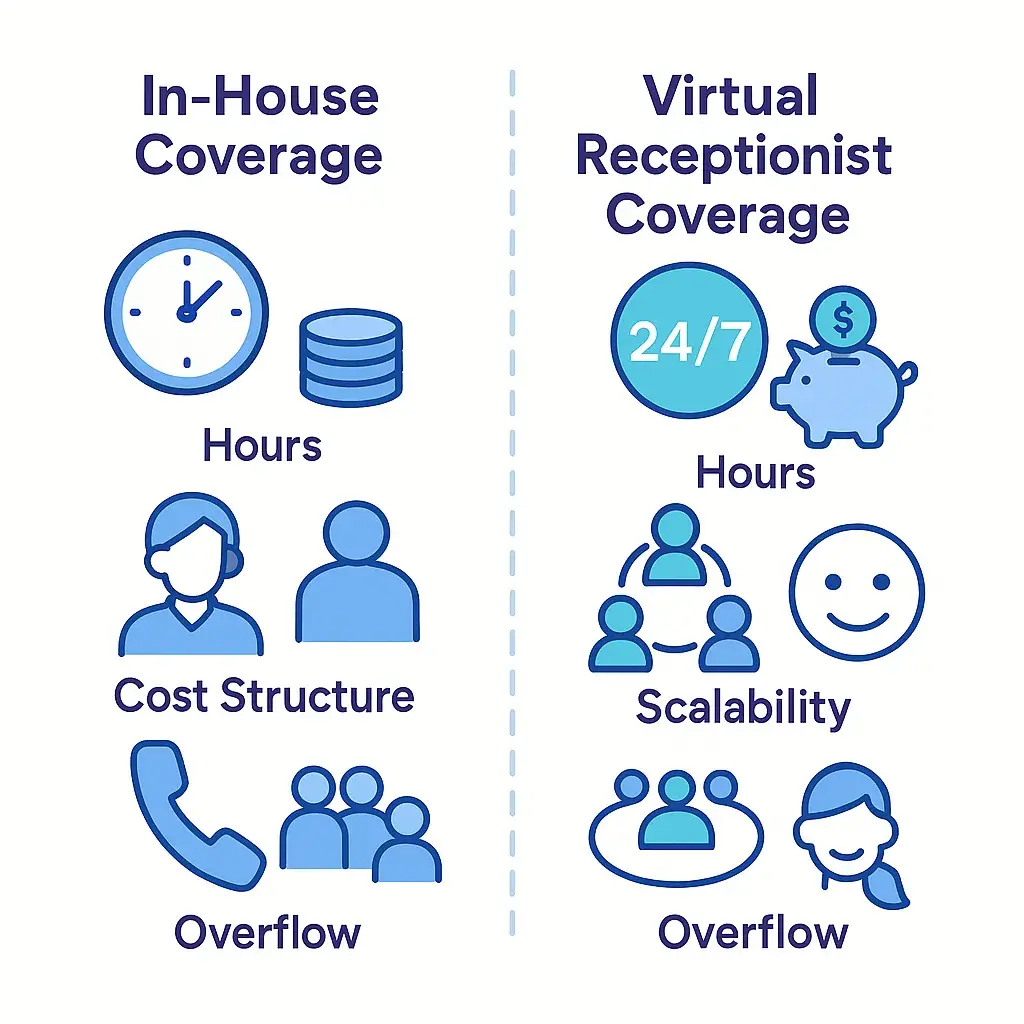
Aspect | In‑House Coverage | Virtual Receptionist Coverage |
Hours | Typically limited to business hours; overtime needed for nights/weekends | 24/7/365 coverage so every call is answered |
Cost Structure | Salaries, benefits, overtime and recruitment costs | Predictable per‑minute or monthly fees; pay only for time used |
Scalability | Difficult to scale quickly; hiring/training required | Flexible — scale up during spikes and down during slow periods |
Consistency | Service quality varies with staff availability, turnover and fatigue | Branded greetings and trained agents ensure consistent, professional experience |
Overflow Handling | Overflow leads to long queues or missed calls | Callbacks, AI and routing absorb overflow and reduce hold times |
Multilingual Support | Usually limited to agents’ languages | Supports multiple languages and region‑specific menus |
Selecting the right provider involves more than price. Keep these considerations in mind:

Coverage and availability. Ensure the service offers true 24/7 coverage — including weekends and holidays — so you don’t miss calls. Look for providers that assign receptionists in shifts.
Industry expertise. Ask whether agents understand your sector. Some providers specialise in legal, healthcare or e‑commerce, while others are generalists.

Integration capabilities. Ensure the service integrates with your CRM, helpdesk or booking software, so call data flows automatically.
Training and quality assurance. Inquire about training programs and whether calls are monitored for quality. You need agents who can pronounce products correctly, follow scripts and handle common issues.
Nearshore versus offshore. If your customer base is primarily in the United States, an receptionist whose native language is English may better understand cultural nuances and time zones. Go Answer positions itself as a 24/7 partner with flexible plans, making it easier to provide a familiar voice during American holidays.
Scalability and flexibility. Choose a partner that lets you adjust call volumes easily. For example, Go Answer’s services scale up during the holiday rush and scale down afterward, avoiding long‑term commitments.
Security and compliance. Ensure the provider meets relevant data‑protection standards for your industry, especially if calls involve personal or financial information.
Holiday call surges are as predictable as holiday decorations. Shoppers scramble to place orders and check statuses; marketing teams flood inboxes with promotions; and supply‑chain hiccups create new questions. Studies show contact‑center volumes can increase dramatically during peak weeks, and many businesses see inbound calls jump by large percentages. Missing those calls can cost tens of thousands of dollars and leave customers frustrated.
Preparing for the rush is both an art and a science. Analyze last year’s data, cross‑train staff, adopt self‑service tools and provide call‑back options. Optimize routing, leverage remote agents and support your team’s well‑being. These measures help maintain service levels while keeping employees engaged. Still, there will be times when internal resources aren’t enough — nights, weekends, or unexpected spikes that exceed forecasts. That’s where virtual receptionists shine.
Virtual receptionist services offer constant availability, cost efficiency and professional consistency. They capture after‑hours calls, route inquiries intelligently, scale with demand and provide multilingual support. For businesses seeking a competitive edge during the holidays, partnering with a service like Go Answer — known for its 24/7 U.S.‑based coverage and flexible plans — can be the difference between a busy season and a truly successful one.
The holidays should be joyous for customers and businesses alike. By planning ahead and leveraging the right resources, you can handle call spikes gracefully, support your team and delight customers without burning out. Ready to make this holiday season your best yet? Contact Go Answer today and see how seamless, round‑the‑clock support can transform your customer experience.

Learn why thousands of companies rely on Go Answer.
Try us risk-free for 14 days!
Enjoy our risk-free trial for 14 days or 200 minutes, whichever comes first.
Have more questions? Call us at 888-462-6793
Learn why thousands of companies rely on Go Answer.
Have more questions? Call us at 888-462-6793
If you would like to get in contact with a Go Answer representative please give us a call, chat or email.

Thanks for your interest!
A representative will be reaching out to you shortly.
Have more questions? call us on 888-462-6793
