
End-of-Year Business Planning: Is Your Phone Coverage Ready for 2026?
By Adam AlovisLast modified: December 23, 2025
Voted Top Call Center for 2024 by Forbes
Virtual Receptionists
Save time and money with our virtual receptionists.
AI Receptionist
AI-powered receptionist that answers, routes, and qualifies calls 24/7.
Enterprise Solutions
Solutions designed to scale with your organization’s needs.
Legal Services
Our virtual legal receptionists are experts in legal intake.
Last modified: December 23, 2025
As 2025 draws to a close, business leaders are juggling a familiar set of tasks — closing the books, finalizing budgets and mapping strategies for the coming year. Operational systems often receive cursory attention in year‑end planning, yet one system in particular directly influences revenue capture, customer experience and operational resilience: your phone coverage. A phone isn’t just a device that rings; it is the digital front door of your organization. It represents the connection between your team and your customers, and it shapes every caller’s first impression.
This article takes a strategic look at phone coverage as a core operational system, explores the year‑end challenges of staffing, budgets and growth, and shows how virtual receptionist services — especially flexible, bilingual solutions like Go Answer — can help you scale confidently into 2026.
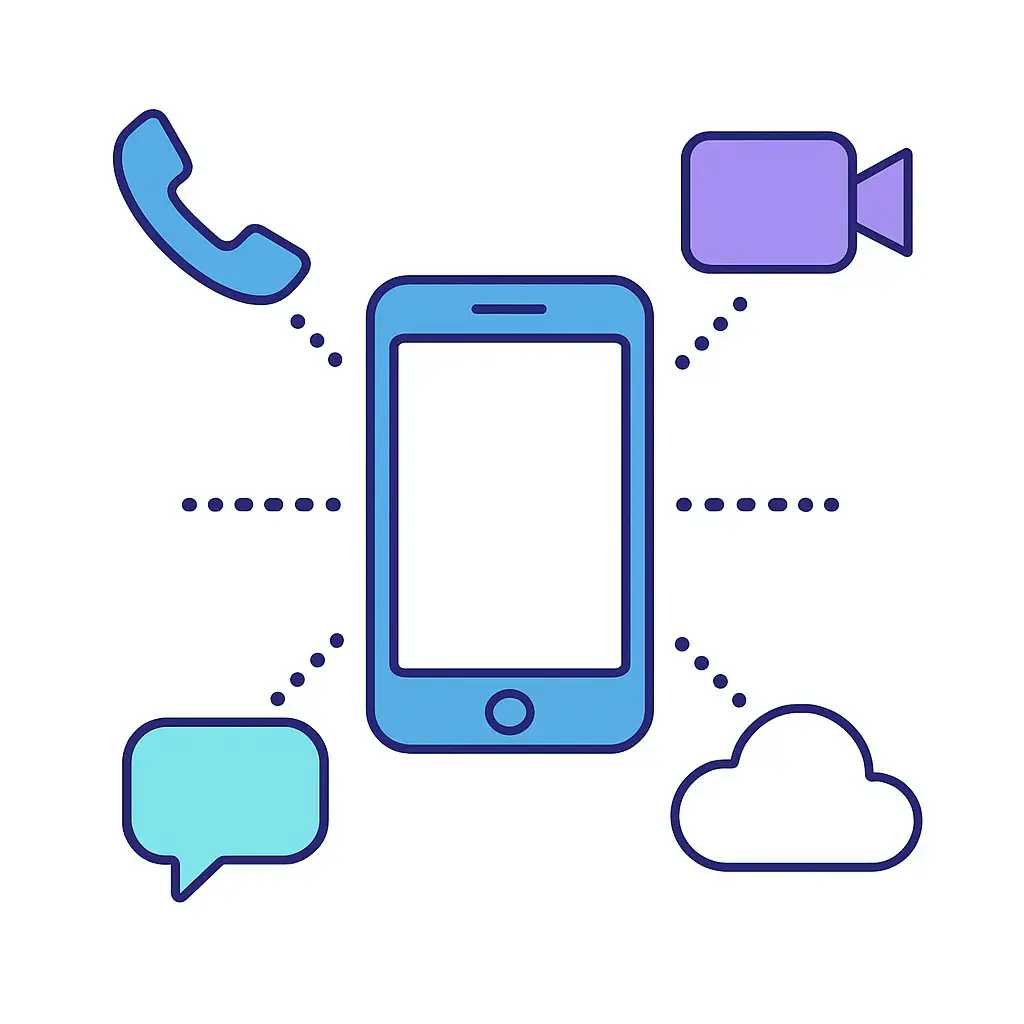
Modern businesses rely on integrated communication systems that handle voice, video, messaging and data. A reliable phone system isn’t a luxury; it is fundamental for fostering strong customer relationships, ensuring team collaboration and driving productivity. Key features of today’s systems — such as call routing, voicemail‑to‑text, video conferencing and CRM integration — ensure inquiries are handled promptly and information flows across the organization. Unified communications platforms merge voice and data into a single interface, allowing teams to manage calls, emails and meetings in one place and reducing the risk of missed messages. The scalability of cloud‑based systems lets businesses add or remove users and features as their needs evolve.

Upgrading from traditional PBX equipment to cloud‑based phone systems lowers maintenance costs and increases flexibility. Businesses that invest in modern phone systems can reduce monthly communication expenses by consolidating voice and data onto one network. More importantly, a modern system allows organizations to maintain continuous contact with customers — even during remote work or hybrid arrangements. Without reliable coverage, a single missed call can translate into lost revenue, negative reviews or diminished loyalty. When you view your phone coverage as a core operational system rather than a necessary evil, you start to see how it influences your entire customer journey.
Year‑end planning is a strategic moment to rethink operations. It’s not just about closing the books but about reflecting and preparing for the year ahead. Reviewing revenue performance, assessing vendor relationships, evaluating payroll spend, planning for seasonal support and focusing on strategic partnerships are tasks that should be part of year‑end operational strategies. During this process, phone coverage should be considered alongside other core systems because its performance influences sales, support and reputation.
From a budgeting perspective, the stakes are high. Budgets are not just spreadsheets; they are strategic plans that determine whether an organization hits growth targets, avoids costly risks and secures its future in an uncertain market. Aligning budgets with the C‑suite on strategic priorities helps ensure that financial plans become trusted roadmaps. Finance leaders are encouraged to invest in scenario planning to navigate market volatility and to recognize the hidden burdens of budgeting, such as the toll it takes on staff. Recognizing phone coverage as a recurring line item — complete with equipment, licenses, staffing and the cost of missed calls — brings this often overlooked expense into strategic view.

One of the hardest parts of year‑end planning is balancing staffing needs with budget constraints. Organizations in healthcare, education, professional services and other sectors must evaluate what worked, optimize costs and plan strategically. True staffing costs extend beyond wages; they include recruitment, onboarding, training, overtime, benefits and even the hidden cost of burnout and turnover. Supplemental staffing can offset these costs by providing flexibility and preserving retention.
A mixed staffing model — where permanent staff are supported by supplemental professionals — creates flexibility and ensures staffing levels can adjust to fluctuating demand. In budgeting terms, core salaries are predictable expenses, while supplemental staffing is a scalable resource used strategically during high‑demand periods. When applied to phone coverage, this means planning for enough staff to handle core business hours while supplementing coverage with outsourced or virtual receptionists during spikes, after hours or seasonal surges. Proactively budgeting for this mix can prevent emergency overtime or crisis hiring when call volumes spike unexpectedly.
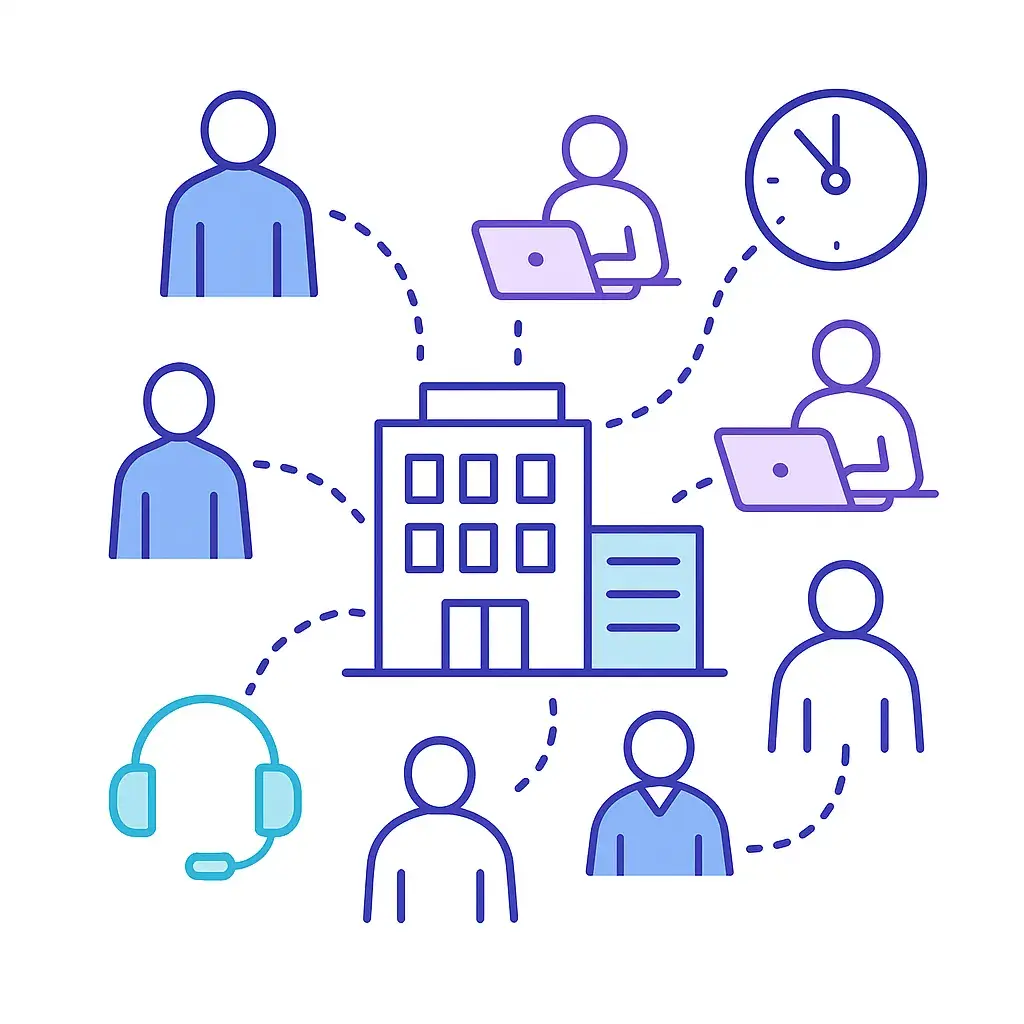
Growth ambitions often collide with finite resources. As you prepare for the year ahead, it’s essential to align the finance plan with your growth goals and collaborate between finance and sales teams to ensure assumptions reflect reality. Scenario planning helps stress‑test assumptions about revenue, labor costs and cash preservation.
For phone coverage, scenario planning might model call volume increases due to marketing campaigns or new product launches, or forecast the impact of entering new geographic markets requiring multilingual support. Including contingencies — budget lines dedicated to emergency coverage — creates agility to respond to unexpected shifts without derailing your broader financial plan.

As businesses plan for growth, they must ensure that their customer experience scales accordingly. Consumers expect to interact with brands on their terms, across multiple channels and languages. Today’s customers engage with products and services at all hours; round‑the‑clock availability isn’t just a nice‑to‑have, it positions a business as customer‑centric.
Customers are more likely to make another purchase after a great service experience. Offering 24/7 support directly translates into higher satisfaction and loyalty, while sending a message that the company cares about its customers at all times. Reduced churn, faster issue resolution and the ability to serve a global customer base are further advantages of continuous coverage.
Traditional in‑house receptionists have inherent constraints: limited hours, single‑call handling capacity and dependence on an individual’s knowledge. Virtual receptionists emerged to eliminate these constraints while maintaining professional standards. A virtual receptionist is a remote professional who handles inbound communications — phone calls, web chats and text messages — on behalf of a company. Operating around the clock, virtual receptionists provide continuous coverage across time zones and holidays. Their fundamental value proposition is simple: convert every caller into a captured opportunity rather than a missed connection.
Virtual receptionist services solve operational challenges that directly impact revenue capture, customer satisfaction and team productivity. Key benefits include:

Eliminating missed calls: Every call receives prompt attention, preventing lost leads and frustrated customers.
Consistent customer experience: Trained agents deliver a standardized tone and voice across calls, emails and texts.
Spam filtering: Advanced systems block spam and robocalls, giving back productive hours to your team.
Accurate appointment setting and reminders: Virtual receptionists handle scheduling with precision and send reminders across channels.
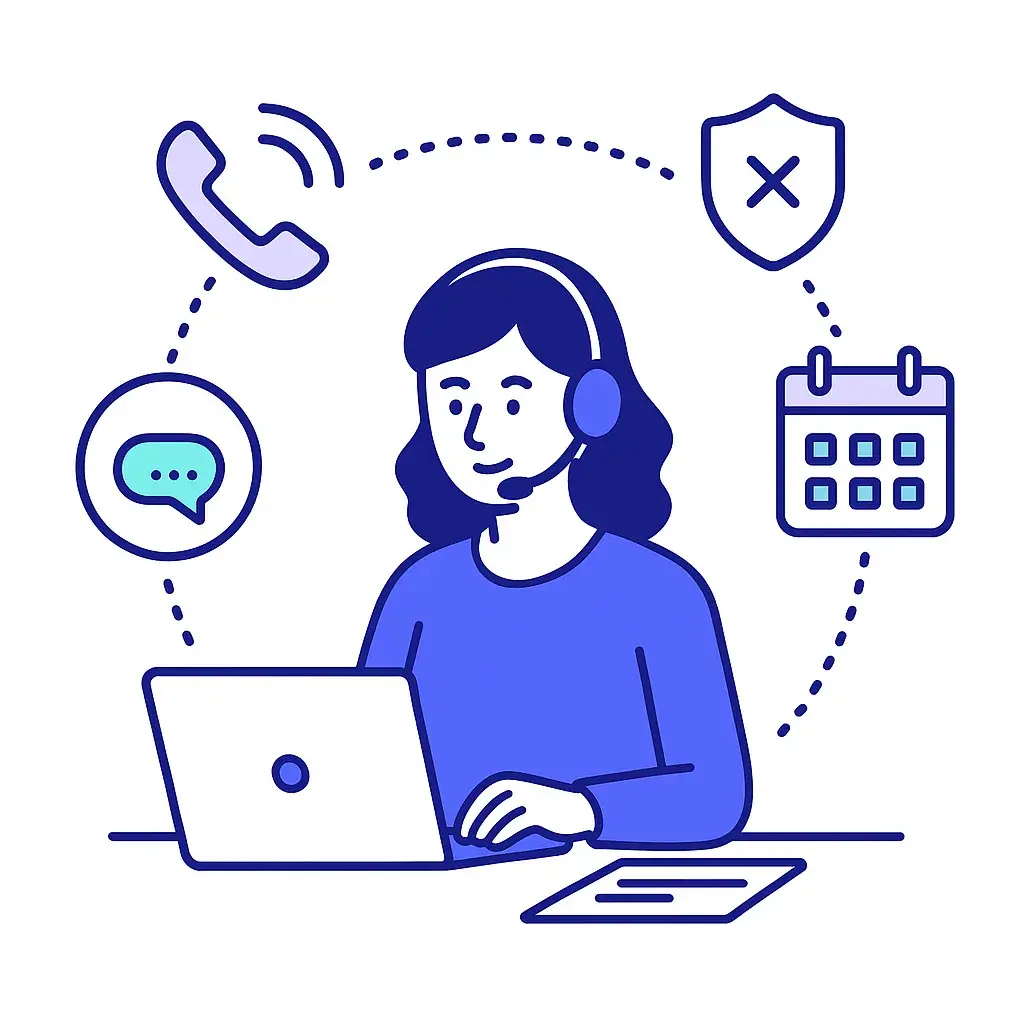
After‑hours coverage: Services answer calls on evenings, weekends and holidays, ensuring customers always reach a live professional.
Professional call transfers: Agents route calls to the right person, screening out spam and ensuring priority callers reach the right resource.
Overflow handling: During peak periods or campaigns, virtual receptionists manage increased call volume so internal staff can focus on core tasks.
Lead qualification and intake: Agents gather essential details, qualify leads and capture key information directly into your CRM.
Multi‑channel support: Many services handle not just phone calls but also chat, email and text messaging, providing customers with multiple ways to interact with your brand.
By outsourcing these tasks to a specialized provider, your team can focus on higher‑value work and deliver a more consistent customer experience.
One powerful advantage of virtual receptionist services is the ability to offer multilingual support without adding the overhead of hiring bilingual staff. In the United States, nearly one in four residents speaks a language other than English at home, and about three‑quarters of shoppers prefer to buy in their native language. Spanish is by far the most common non‑English language. Offering bilingual support is therefore both a revenue opportunity and a competitive advantage. It allows businesses to reach the roughly 37 million Spanish speakers in the United States and positions the brand as inclusive and customer‑centric. Bilingual support also facilitates lead capture in multiple languages and enables expansion into new markets. It’s not just about translation; it’s about making every caller feel understood and valued.
Go Answer stands out among virtual receptionist providers because it combines flexibility, bilingual capabilities and proven experience.
Go Answer’s live answering service ensures your business stays open even when you’re asleep. The company offers flexible support packages, handling overflow calls, after‑hours calls or every call depending on your needs. Packages include CRM integrations that seamlessly connect your call data to existing systems, and they provide a risk‑free trial so businesses can experience the service before committing. Whether you need complete coverage or supplemental support during busy seasons, Go Answer scales up or down with your call volume and budget.
One of Go Answer’s most attractive features is the absence of long‑term contracts. The company offers flexible month‑to‑month plans that can scale up or down as needed. There are no hidden fees, and transparency is emphasized through the AlwaysOn™ mobile app and client portal, which provide real‑time visibility into call activity. This flexibility allows businesses to align phone coverage costs with seasonal demand, growth initiatives or budget constraints — an important consideration when building annual budgets and forecasts.
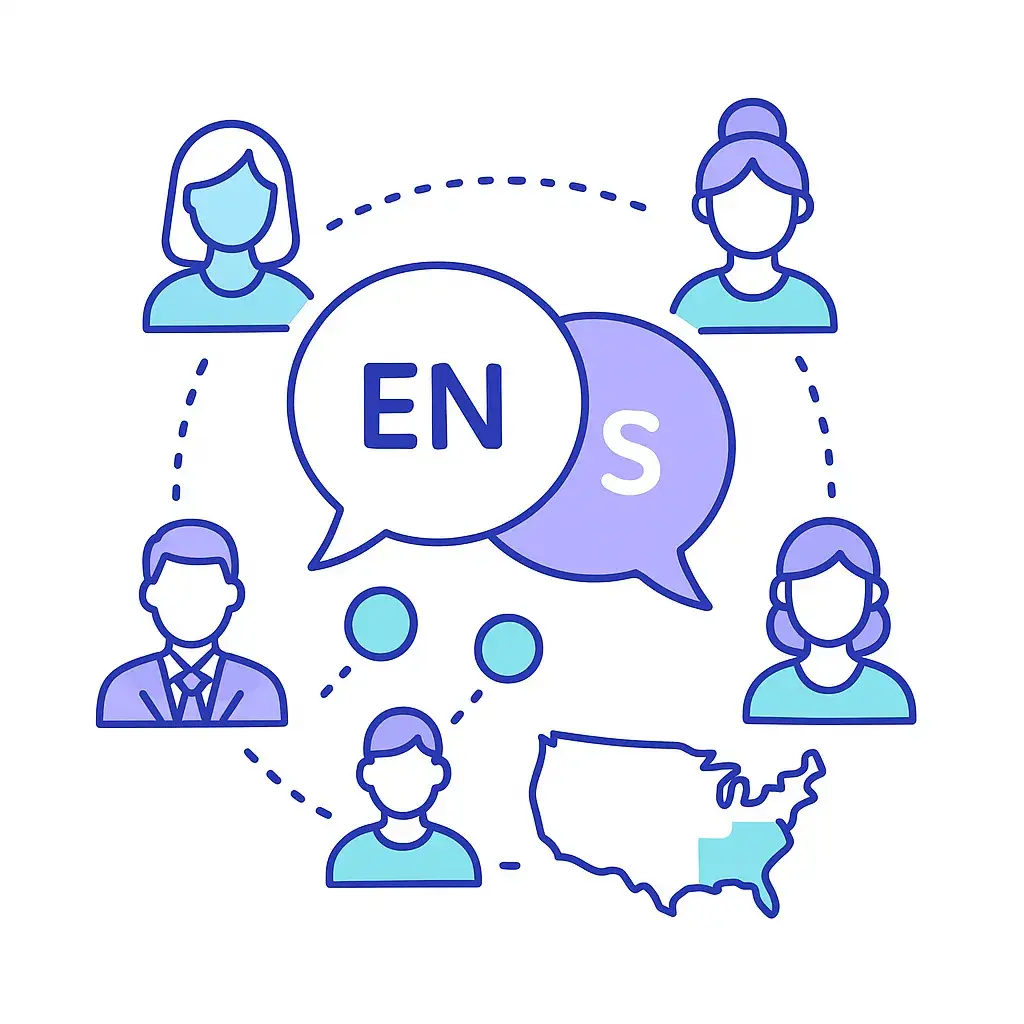
Go Answer provides bilingual virtual receptionists fluent in English and Spanish, effectively removing language barriers. The company’s bilingual answering service enables businesses to reach the U.S.’s millions of Spanish speakers and supports diverse industries, including healthcare, legal, real estate, e‑commerce and finance. Bilingual receptionists foster trust, improve customer engagement and enhance retention. They capture leads in both languages and facilitate efficient communication, ensuring no opportunity is lost because of language barriers.
Go Answer boasts decades of experience and has been recognized by national business outlets as a top call center. The company leverages this experience to provide personalized support. Unlike one‑size‑fits‑all services, Go Answer tailors call handling to your brand’s tone, protocols and customer expectations. Dedicated account managers provide support 24 hours a day, 365 days a year, and the team’s human empathy and professionalism foster loyalty. For businesses considering the cost of missed calls, Go Answer emphasizes that every missed call is a missed opportunity — and that their 24/7 coverage helps capture revenue that might otherwise slip through the cracks.
Evaluating phone coverage should be part of your year‑end audit. Here are key questions to guide your assessment:
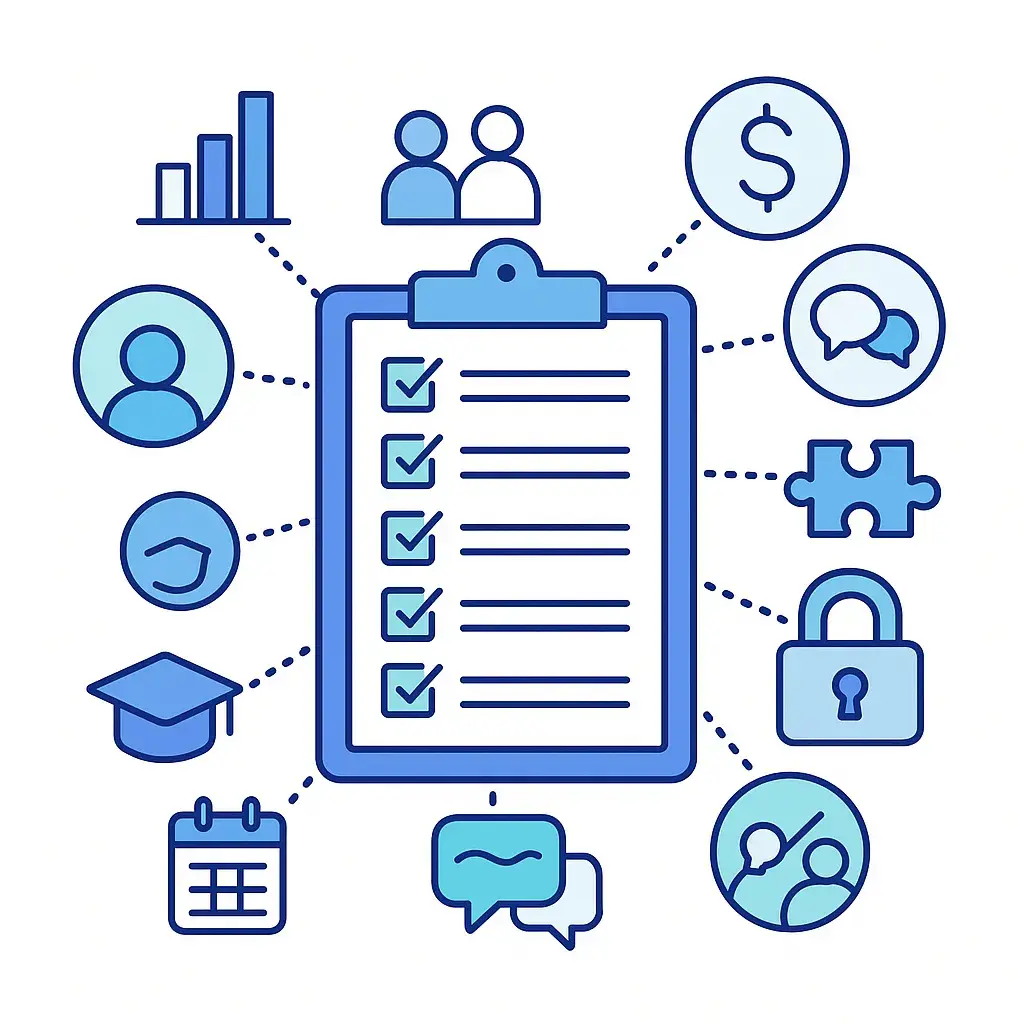
How will managed phone coverage support both on‑site and remote teams? Unified communications platforms bring voice, video, messaging and conferencing into one interface, enhancing collaboration for in‑office and remote workers.
How reliable is your phone system? Cloud‑hosted services with redundancy can offer uptime guarantees as high as 99.999 percent, ensuring continuity even during outages.
What security features protect your calls and data? Look for end‑to‑end encryption, secure user authentication and advanced firewalls, especially if you handle regulated information.
When can you contact technical support, and where is it located? Round‑the‑clock, domestic support reduces downtime and ensures that technicians understand your business environment.
What is the transition like when switching to a cloud‑based system? Evaluate onboarding processes, training and whether the provider can migrate your setup with minimal disruption.
Does your provider offer bilingual or multilingual coverage? Ensure that language support matches your customer base, considering that many consumers prefer to communicate in their native language.
Is your coverage scalable? Your provider should offer flexible plans to handle seasonal spikes, marketing campaigns or expansion into new markets.
How well does the system integrate with your existing tools? CRM and calendar integrations streamline workflows and reduce manual data entry.
Are call handling instructions customizable? Personalized greetings and call flows maintain brand consistency and allow you to route calls appropriately.
Review call data: Examine call volume patterns, peak times and missed call rates to identify coverage gaps.
Assess staffing: Determine whether in‑house staff can handle predicted call loads or if supplemental staffing and virtual receptionists are needed.
Budget for coverage: Include phone coverage costs — hardware, software, staffing and outsourcing — in your 2026 budget; use scenario planning to estimate call increases due to campaigns or market expansion.
Evaluate after‑hours coverage: Ensure calls are answered during evenings, weekends and holidays to capture leads and enhance customer satisfaction.
Check bilingual capabilities: Confirm that your phone coverage can accommodate the languages your customers speak; consider Spanish‑language support to reach millions of U.S. residents.
Test integration with systems: Verify that your phone system integrates with CRM, scheduling and helpdesk platforms for seamless data flow.
Review security and compliance: Ensure end‑to‑end encryption and compliance with industry regulations.
Plan for seasonal spikes: Build contingency budgets and support arrangements for peak seasons or campaigns.
Train internal stakeholders: Educate staff on using the phone system, handling escalations and leveraging call analytics.
Engage a partner: Consider partnering with a provider like Go Answer to test coverage through a risk‑free trial and gather insights.
Following this checklist will help you create a phone coverage plan that aligns with your business objectives and prepares you for the challenges of the coming year.
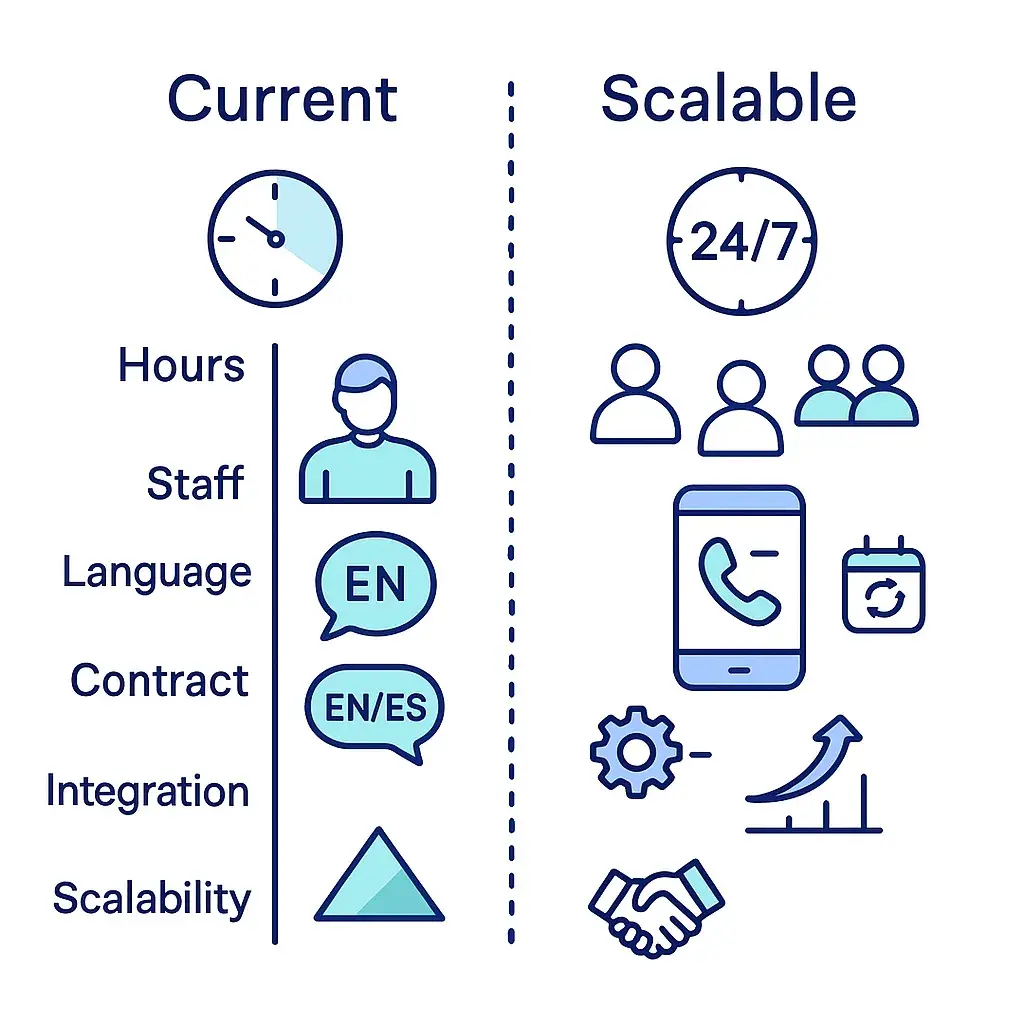
Aspect | Current Coverage | Scalable Coverage (Go Answer) |
Coverage Hours | Business hours only; voicemail after hours | 24/7 live agents handle every call |
Staffing Model | Fixed in‑house staff | Flexible, on‑demand teams handle overflow, seasonal or full coverage |
Language Support | English only | English & Spanish bilingual support |
Contract Terms | Long‑term equipment leases | Month‑to‑month plans with no long‑term contracts |
Integration Capability | Limited or manual CRM updates | Seamless CRM and calendar integration via APIs |
Scalability | Difficult to adjust quickly | Plans can scale up or down based on call volume and seasonal demand |
This table illustrates how scalable, outsourced coverage addresses the limitations of traditional phone systems. With scalable coverage, your business is always open, bilingual and flexible, with integration into your existing workflows.
End‑of‑year business planning is a balancing act — budgeting, staffing and strategic growth all compete for attention. In the rush to close the books, phone coverage is often overlooked, yet it functions as a core operational system that affects revenue, customer satisfaction and brand reputation. Modern, scalable phone coverage goes beyond a ringing line; it merges unified communications technology, continuous availability and multilingual support to deliver seamless experiences.

The operational burden of staffing call coverage can be alleviated by virtual receptionist services that eliminate missed calls, provide consistent customer experiences and handle after‑hours and overflow calls. Bilingual support is no longer optional: millions of U.S. residents speak a language other than English, and research shows that multilingual support increases loyalty and revenue. Incorporating bilingual capabilities into your phone coverage strategy is essential for growth and inclusivity.
Go Answer’s flexible, bilingual, award‑winning virtual receptionists offer a proven path to scale without sacrificing quality. Their month‑to‑month plans, transparent reporting and integration options align well with the strategic goals of companies planning for 2026. As you finalize your year‑end reviews and budgets, ask tough questions about your phone coverage, follow the checklist above and consider how flexible, scalable services can help you meet your growth objectives.
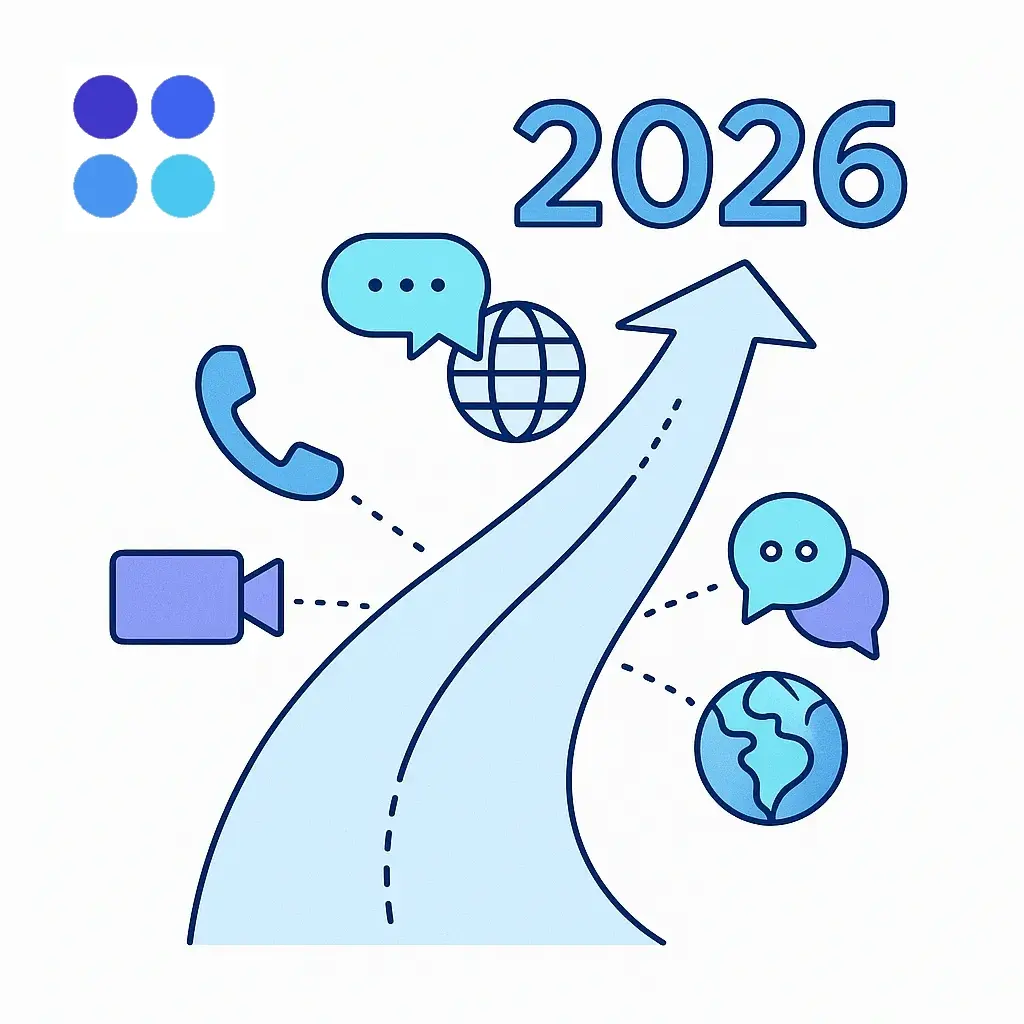
A strategic investment in phone coverage today ensures that when 2026 arrives, your business will be ready — 24 hours a day, in any language.

Learn why thousands of companies rely on Go Answer.
Try us risk-free for 14 days!
Enjoy our risk-free trial for 14 days or 200 minutes, whichever comes first.
Have more questions? Call us at 888-462-6793
Learn why thousands of companies rely on Go Answer.
Have more questions? Call us at 888-462-6793
If you would like to get in contact with a Go Answer representative please give us a call, chat or email.

Thanks for your interest!
A representative will be reaching out to you shortly.
Have more questions? call us on 888-462-6793
