
2026 Call Center Trends: What’s Changing, What’s Staying, and How Smart Teams Will Adapt
By Eddie FieldsLast modified: January 13, 2026
Voted Top Call Center for 2024 by Forbes
Virtual Receptionists
Save time and money with our virtual receptionists.
AI Receptionist
AI-powered receptionist that answers, routes, and qualifies calls 24/7.
Enterprise Solutions
Solutions designed to scale with your organization’s needs.
Legal Services
Our virtual legal receptionists are experts in legal intake.
Last modified: January 13, 2026
Call centers aren’t just “support” anymore. In 2026, they’re becoming the front door to the brand, the intake engine for revenue, and the real-time feedback loop for operations.
What’s interesting isn’t that the industry is changing. It’s how it’s changing: less about shiny tech for tech’s sake, more about building dependable systems that protect customer experience while keeping labor and complexity under control.
Below are the call center trends that matter most in 2026 — written for business owners and operations leaders who want outcomes, not hype — and how Go Answer fits into a practical, modern coverage strategy.
A lot of the early AI conversation sounded like: “Replace your whole front desk.” That’s not what most businesses actually need.
In 2026, the more realistic use of AI is:
Handling basic intake and simple FAQs
Collecting key details before handoff
Routing calls based on urgency, customer type, or schedule
Assisting agents live (suggesting answers, summarizing, tagging topics)
This is a shift from AI as the “voice of the company” to AI as the support system behind the voice. The result is better speed and consistency without sacrificing the trust that comes from a real human interaction.
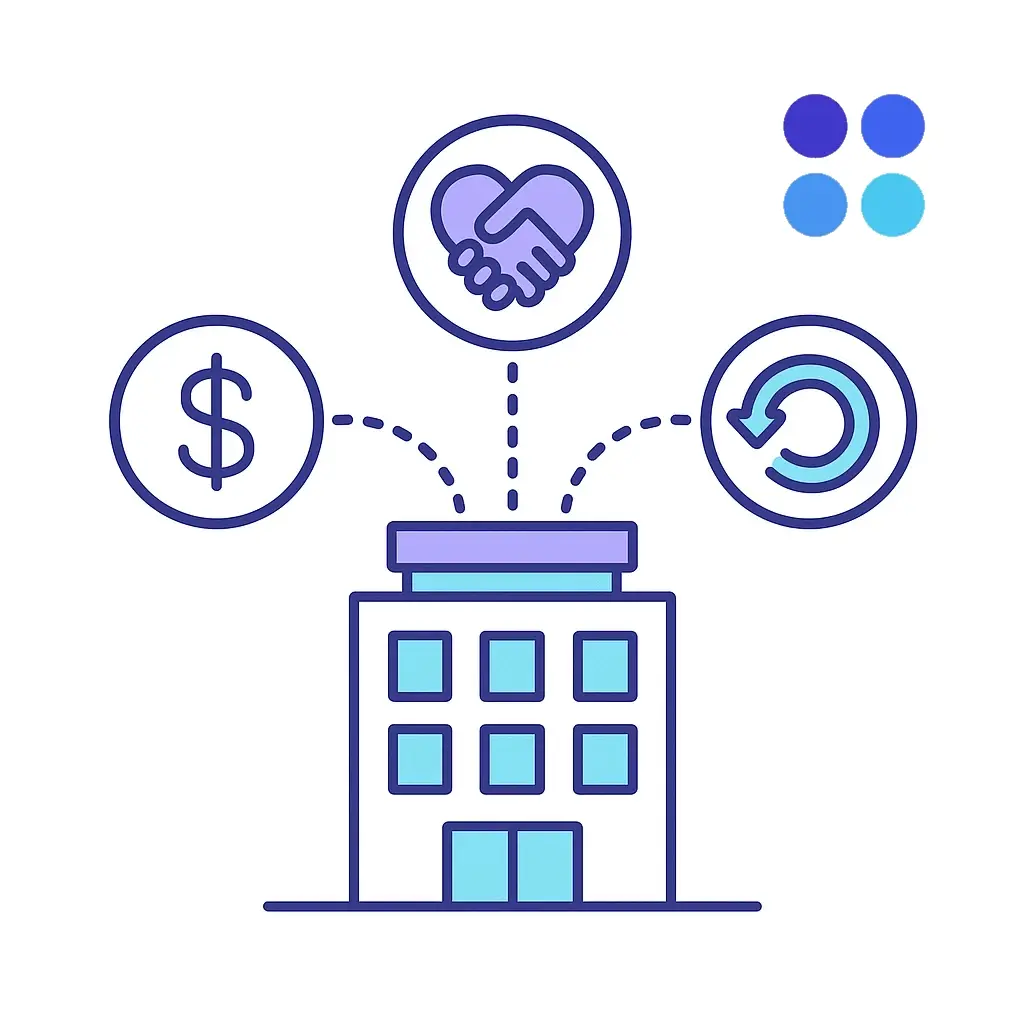
What to do in 2026: Don’t ask “AI or humans?” Ask “Where do we want automation to reduce friction — and where do we want humans to build trust?”
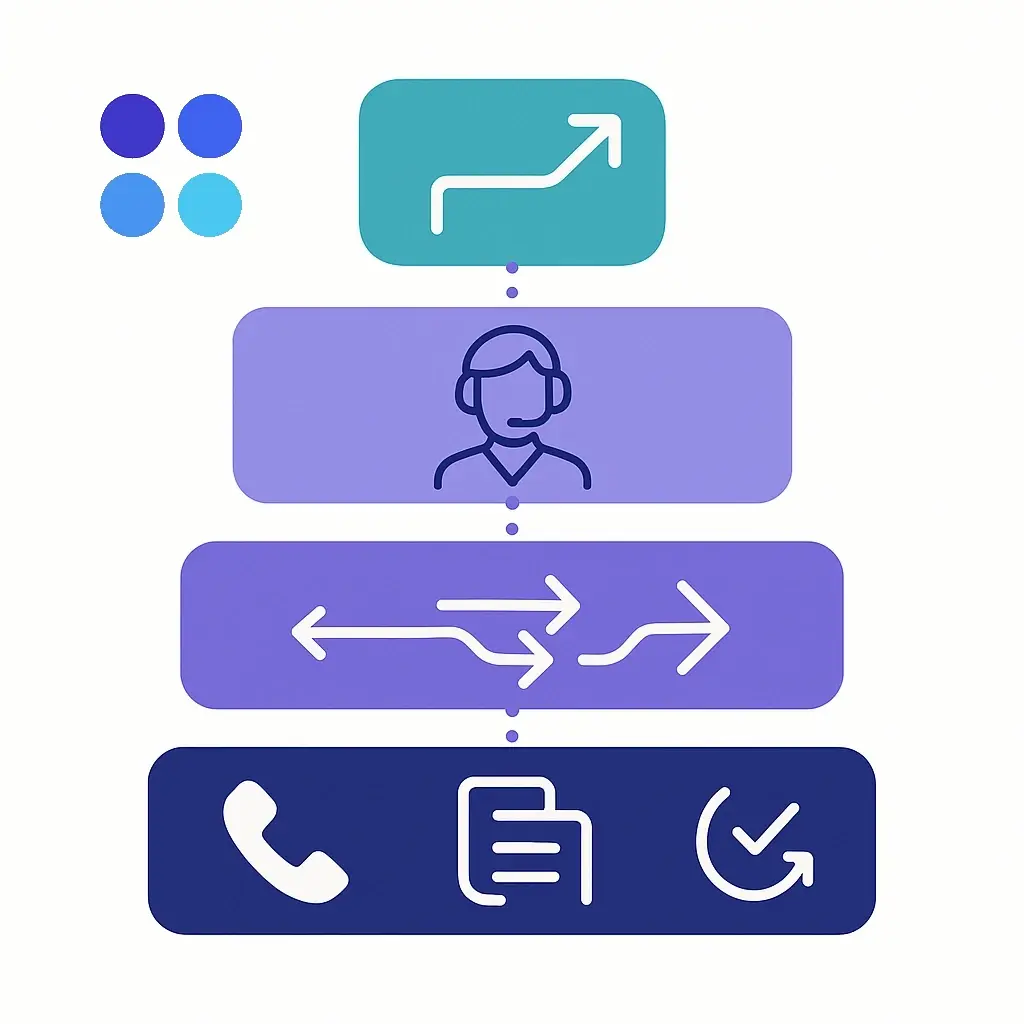
The best-run call operations are designing coverage like a layered system:
Layer 1: Always-on answering so calls never hit voicemail
Layer 2: Intelligent triage so urgent calls get fast resolution
Layer 3: Human handling for anything nuanced, emotional, or high-stakes
Layer 4: Clear escalation paths to the right person at the right time
Hybrid doesn’t mean complicated. It means your phone experience is consistent across busy hours, slow hours, after-hours, and holidays.
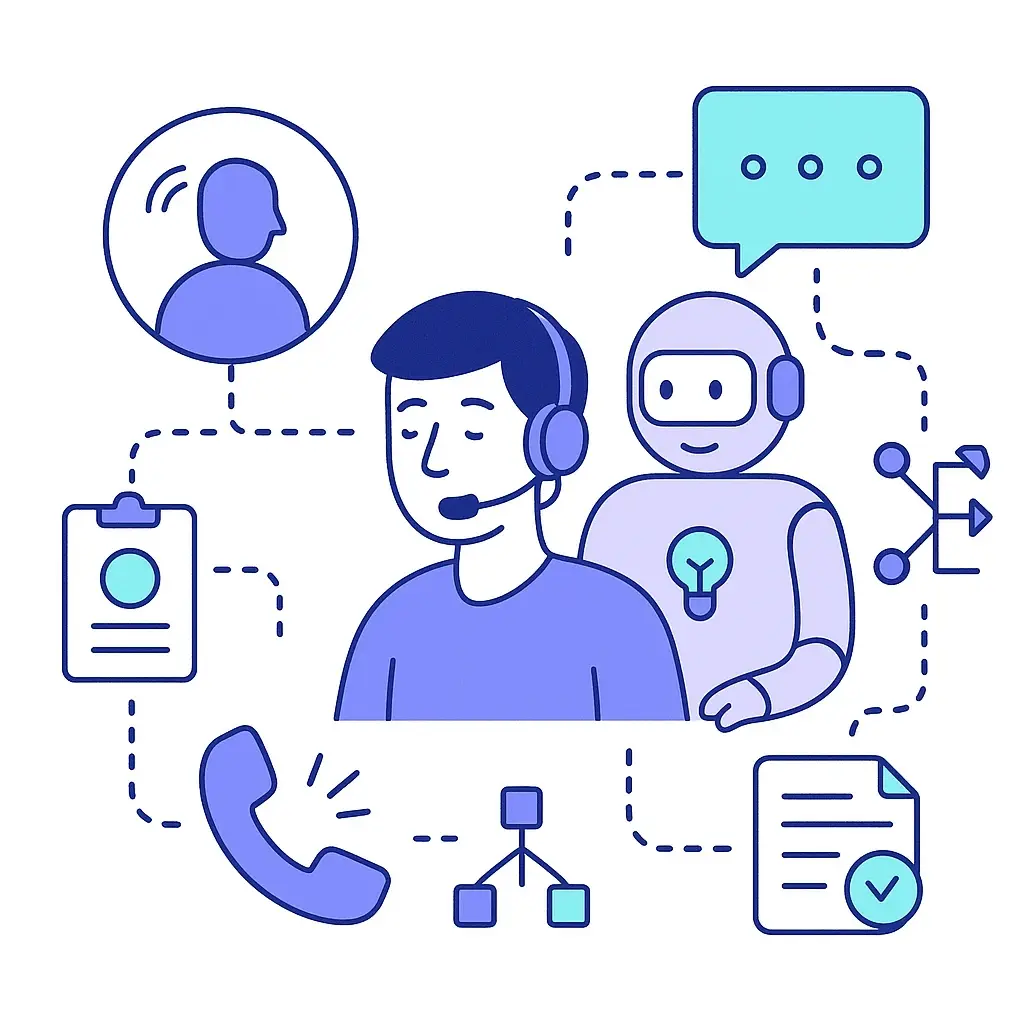
Where Go Answer fits: Go Answer is built for flexible coverage — human-first reception supported by smart workflows — so you can scale responsiveness without rebuilding your whole staffing model.
Callers don’t compare your business to “similar businesses.” They compare you to the last great experience they had — maybe with a bank, a delivery service, or a healthcare system.
In 2026, customers expect:
Short hold times
Clear answers
Confident, empathetic communication
Fast resolution or a reliable next step
At the same time, many businesses are trying to control payroll, reduce turnover, and avoid over-hiring “just in case.”
That tension is why outsourced receptionist and call handling services are becoming less of a “nice-to-have” and more of an operational decision.
The old view: after-hours coverage is for emergencies only.
The 2026 view: after-hours coverage protects revenue.
If you serve industries like home services, legal, healthcare, property management, or any appointment-based business, the calls that come in after 5pm often include:
New leads who are still shopping
Existing customers with time-sensitive issues
Schedule changes that prevent no-shows
“I need help now” scenarios that create loyalty when handled well
Even in general B2B services, after-hours calls are often coming from decision-makers who finally have time to make the call.
What to do in 2026: Stop treating after-hours like an edge case. Treat it like a measurable channel.
Every missed call creates a decision point for the caller:
Try again later
Call your competitor
Send an email (and forget)
Give up
In 2026, customers have less patience for friction — especially on mobile. The operational takeaway is simple: answering quickly isn’t just a customer service metric. It’s a conversion metric.
If you’re seeing missed calls during peak hours, lunch, mornings, or seasonality spikes, your “capacity plan” is telling you something.
A lot of teams still manage by volume: how many calls, how long, how many answered.
2026 is pushing operations leaders toward consistency metrics:
Was the caller greeted professionally?
Was the message captured accurately?
Did the caller leave with a clear next step?
Was the call handled according to the business’s process?
Because callers don’t judge you on average performance. They judge you on their call.
This is one reason well-trained receptionist teams continue to matter: consistency isn’t accidental — it’s operational.
Businesses are getting more specific about what they need at the front line.
Instead of “take a message,” they want:
Lead qualification questions (without sounding like a form)
Appointment scheduling rules
Escalation logic (who gets called, when, and for what)
Industry-specific scripts and terminology
Bilingual support where it improves the customer experience
This is particularly true for legal intake, healthcare calls, and any business where details matter.
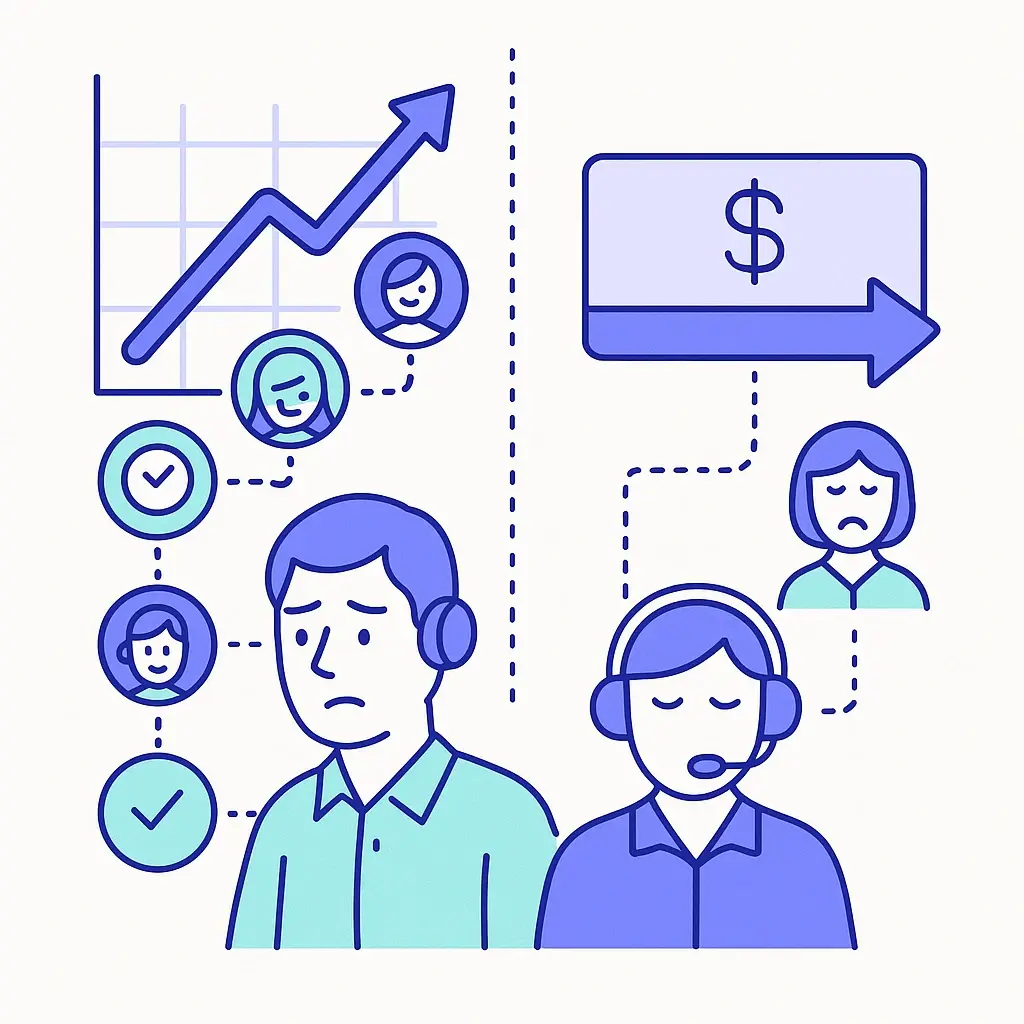
Where Go Answer fits: Go Answer’s strength is flexibility — building call handling around your workflow so your phone coverage feels like an extension of your team, not an outsourced “answering machine.”
In many markets, bilingual phone coverage has moved from “nice” to “necessary.”
In 2026, more operations leaders are realizing:
You don’t need bilingual staff on payroll full-time to offer bilingual answering
You do need reliable coverage that doesn’t make non-English speakers feel like an inconvenience
When people feel understood, they trust faster — and stay longer
For service businesses especially, bilingual coverage isn’t just an inclusion play. It’s a growth lever.
As call centers become the “front door” to the brand and the intake engine for revenue, leadership teams are getting serious about attribution.
In 2026, the question isn’t just “Did we answer?” It’s:
What happened because we answered?
Which calls became booked appointments, qualified leads, resolved issues, or retained customers?
Which call types are creating repeat contact (and cost) because the first interaction didn’t set a clear next step?
This matters because phone operations are one of the few places where you can see revenue, customer experience, and operational friction all collide in real time. When you track outcomes (not just volume), you can make smarter decisions about staffing, scripts, escalation, and automation.
What smart teams do in 2026:
Define call outcomes the same way you define sales pipeline stages (e.g., New Lead Captured → Qualified → Scheduled → Sold).
Tag calls by intent (new lead, existing customer, billing, emergency, scheduling, complaint).
Review a weekly dashboard that shows speed-to-answer and conversion impacts, not just call counts.
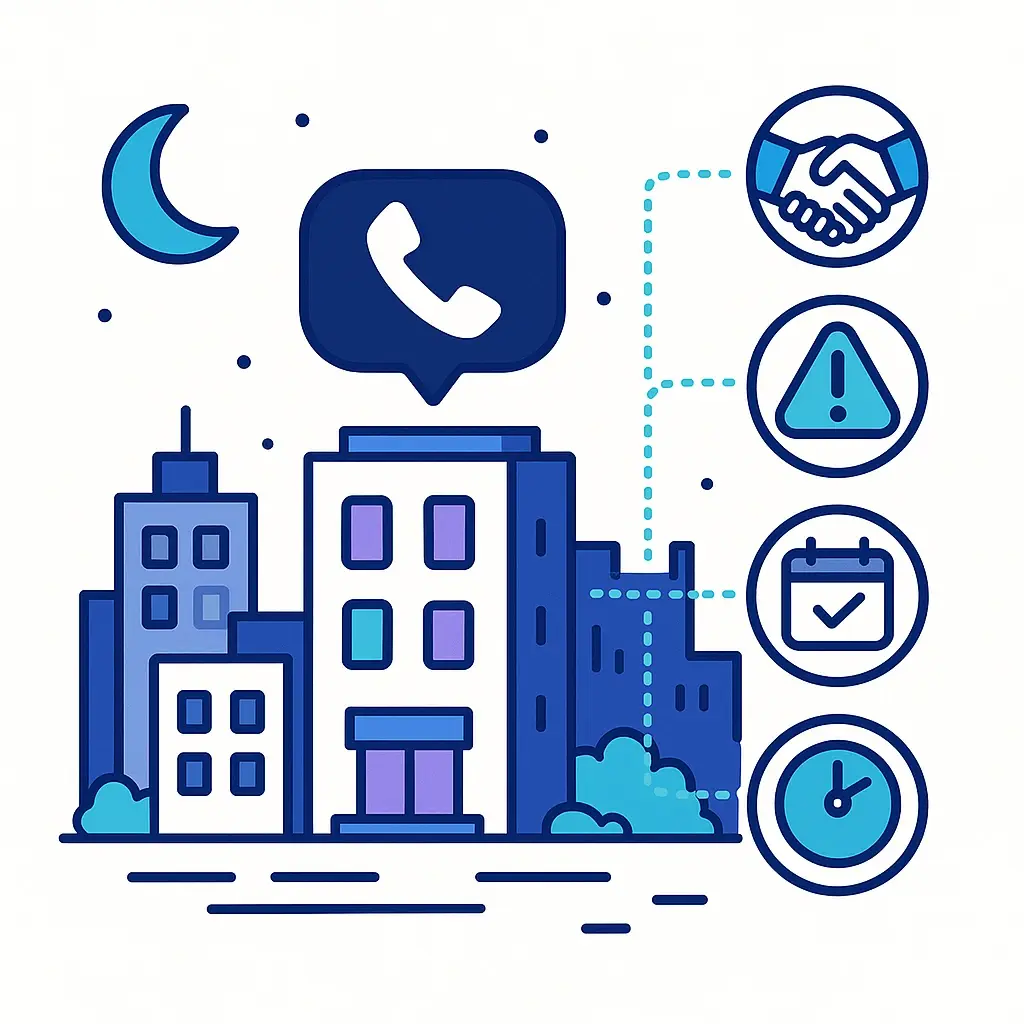
Practical payoff: when you can show that “answering fast” is a conversion metric — not just a service metric — you’ll finally get internal alignment to fund the right coverage model.
The article already points out the shift from generic answering to configured intake — qualification questions, scheduling rules, escalation logic, and terminology that fits the industry.
In 2026, that expands into something even more valuable: decision-ready intake.
Meaning: after the call, the next person in your workflow (dispatcher, office manager, attorney, nurse, salesperson) doesn’t just get a message — they get the right details, captured the right way, in a format that supports action.
This is how smart teams reduce back-and-forth and speed up resolution without over-hiring.
Decision-ready intake usually includes:
A short set of must-have fields (name, number, location, urgency, service type, timeframe, budget/insurance where appropriate).
A clear triage branch (“urgent now” vs “schedule later,” “new lead” vs “existing account”).
A defined handoff rule: when does it escalate, to whom, and how fast? (Text? Call? Ticket?
A “caller next step” line that prevents uncertainty: “You’re scheduled for Tuesday at 2pm,” “A technician will call you within 15 minutes,” or “We received your details and will confirm by 9am tomorrow.”
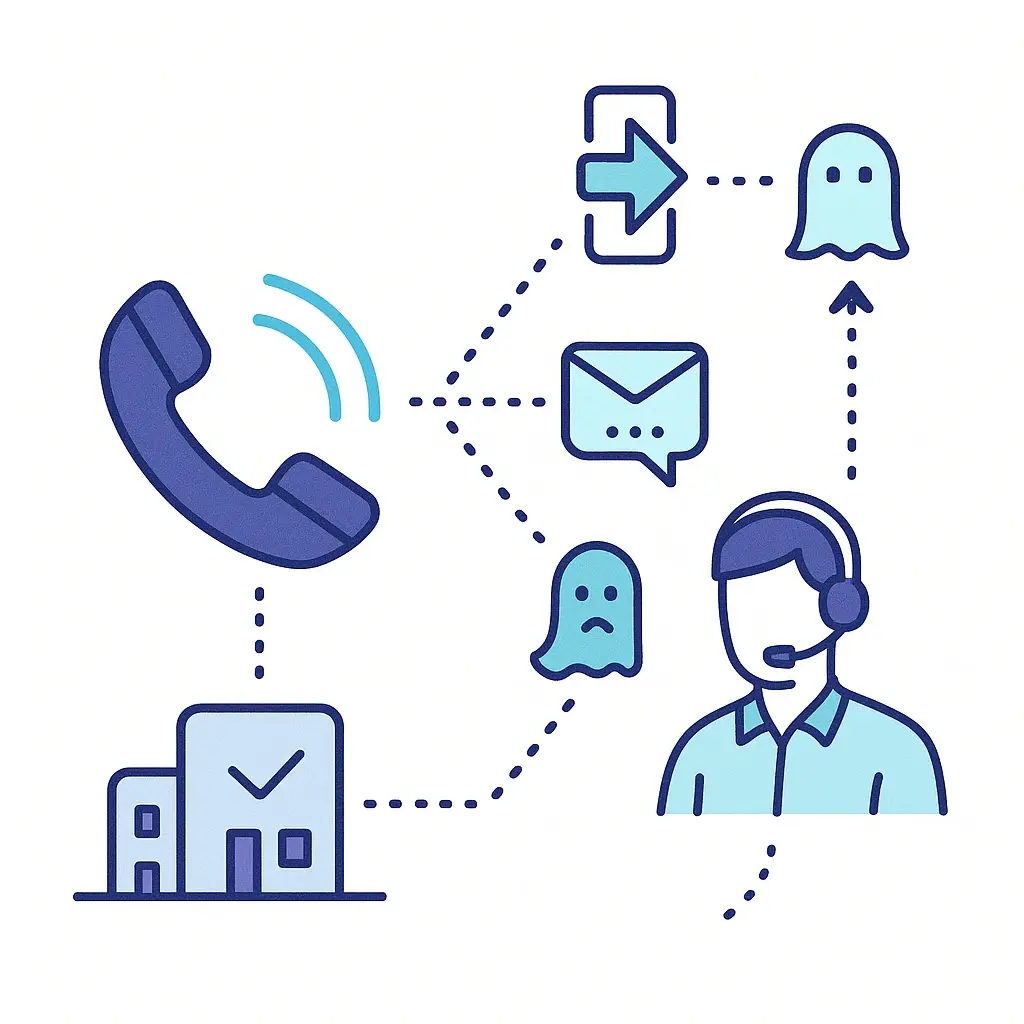
What to do in 2026: take your current scripts and rewrite them around handoff usefulness. If your internal team still has to call back just to ask the basics, the front-end system is leaking time and trust.
One of the most important ideas in the article is that hybrid coverage should be layered and consistent — always answered, human where it matters, automated where it helps.
The next step in 2026 is designing a system that holds up when reality hits:
the phones spike at lunch,
a receptionist calls out sick,
a storm triggers emergency calls,
a marketing campaign works too well,
or your in-house team is on another line.
Graceful failure means the caller experience stays professional and the business still gets usable information — even when you’re stretched.
What graceful failure looks like:
If wait time crosses a threshold, the call automatically goes to an overflow path that still follows your intake rules (instead of voicemail or chaos).
If the call is urgent, it triggers a defined escalation sequence — no guessing, no “who’s on duty?” scramble.
If the caller can’t be fully resolved, they still leave with a clear next step every time.
If AI is used, it’s used as routing/assist — not as an unguarded replacement that creates frustration or trust issues.
This is also where “too many tools” becomes a real risk: if every scenario has a different system, the customer experience becomes inconsistent and your team spends more time managing exceptions than serving callers.
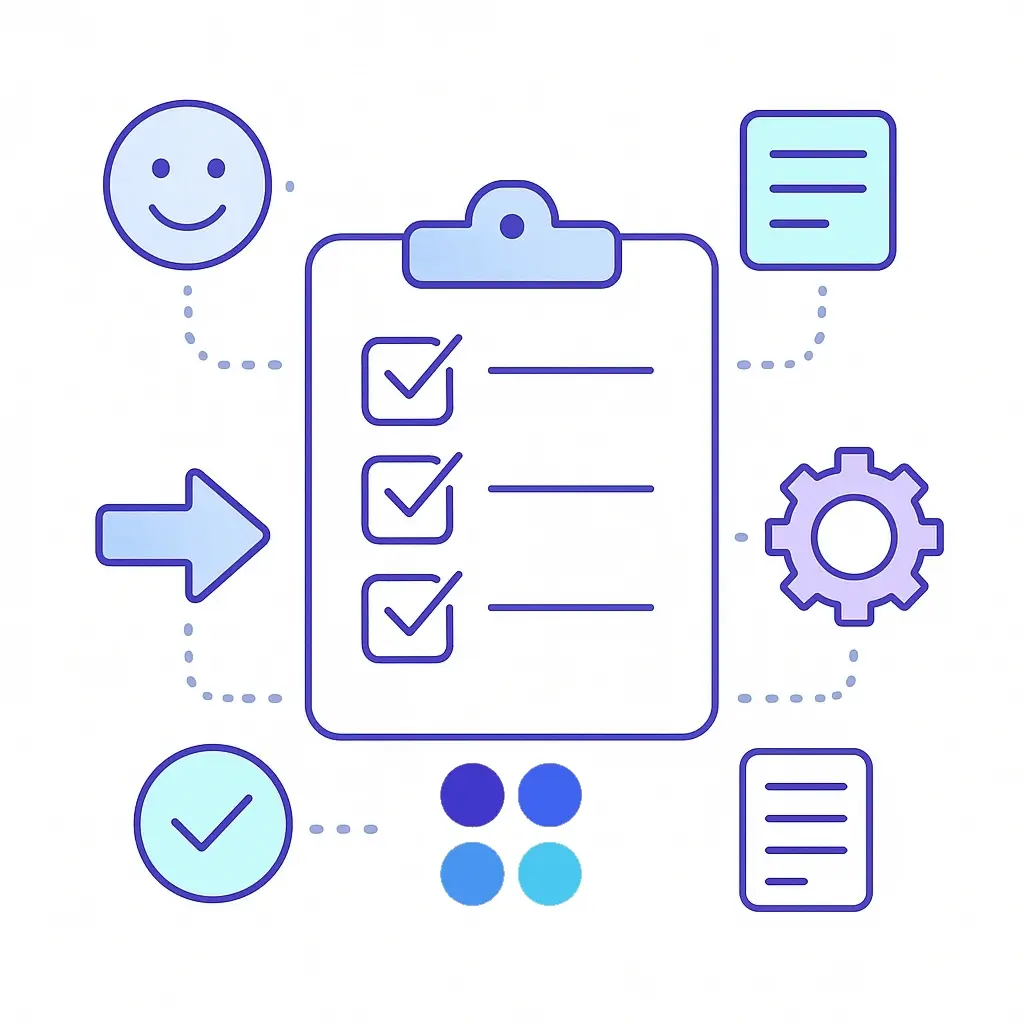
What to do in 2026: design two paths for every major call type:
the ideal path (resolved/scheduled/qualified), and
the fallback path (captured + escalated + next step given).
If your fallback path is voicemail, you don’t have a fallback — you have a leak.
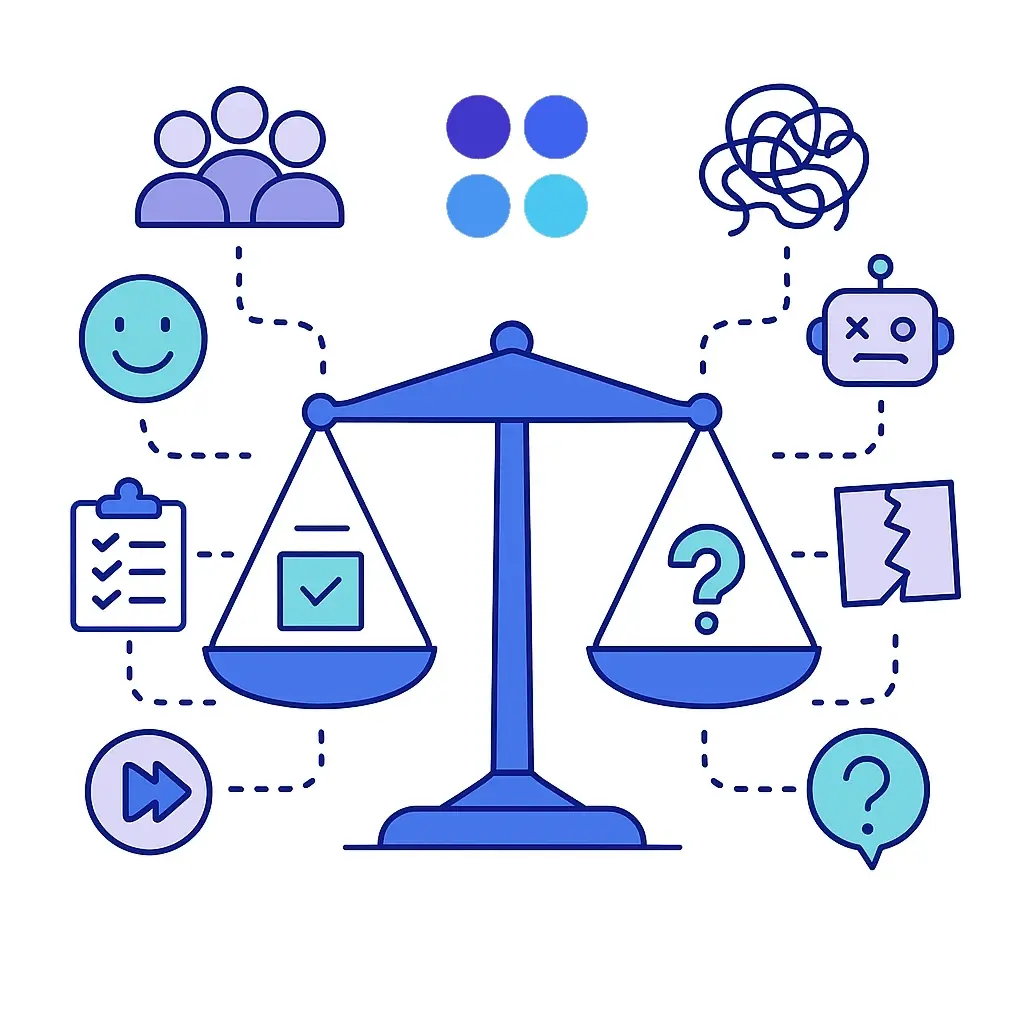
Pros
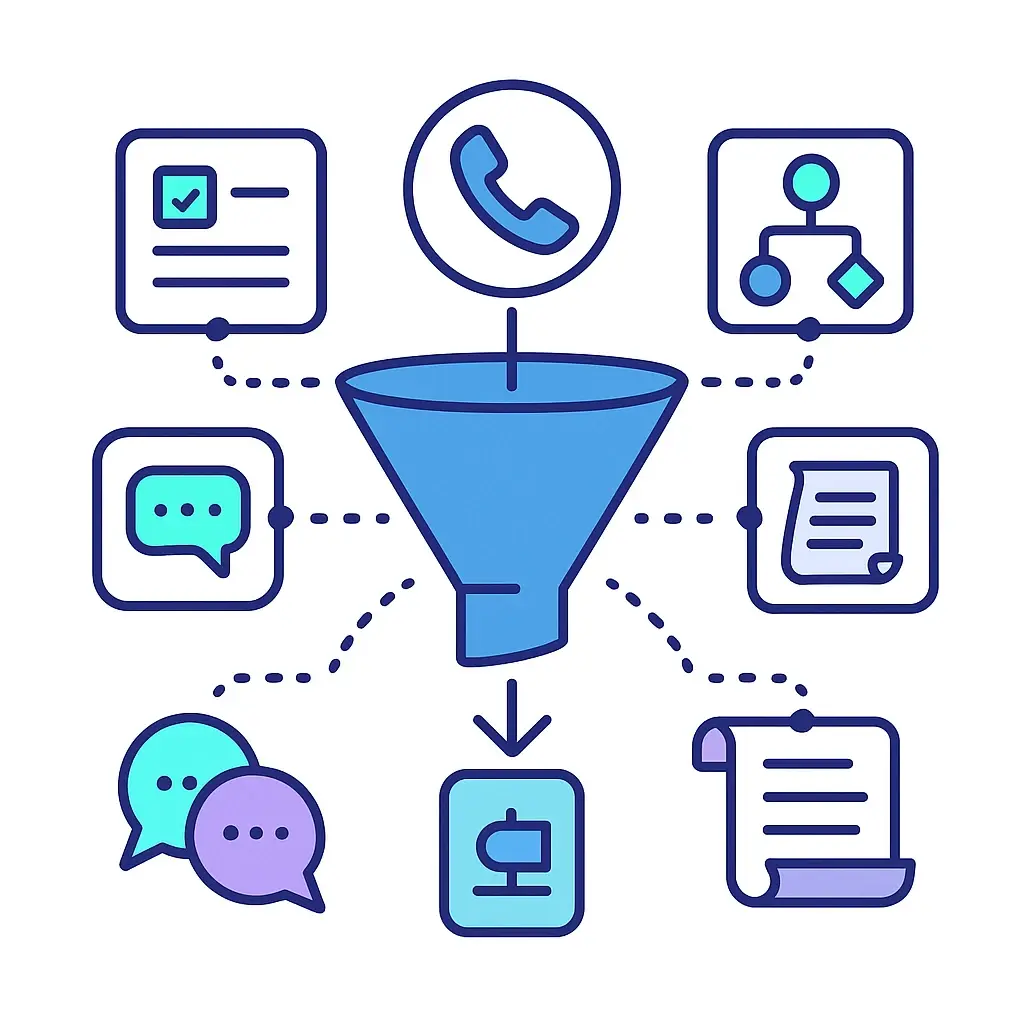
More flexible staffing models (scale up/down without chaos)
Better customer experience without ballooning payroll
More consistent intake and fewer “dropped balls”
Faster response for urgent and revenue-driving calls
Cons
Too many tools can create a messy caller experience
Poorly implemented AI can frustrate callers and hurt trust
Inconsistent scripts and processes create uneven results
If you don’t define escalation rules, “coverage” becomes confusion
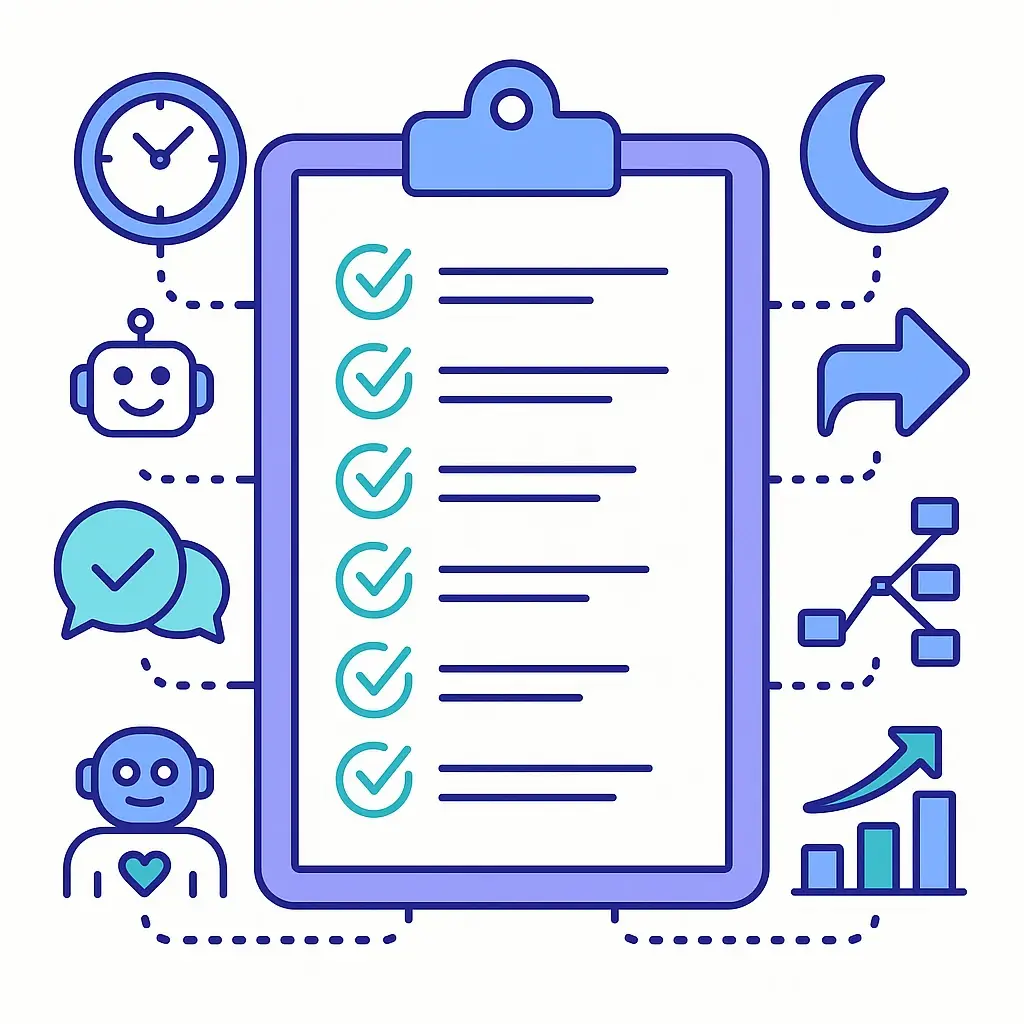
Use this to sanity-check your current phone coverage:
Do we answer consistently during peak hours (not just on calm days)?
Do we have reliable after-hours coverage?
Do callers get a clear next step every time?
Are messages and intake details accurate and usable?
Do we have escalation rules for urgent calls?
Can we scale quickly for seasonality or marketing campaigns?
Do we have bilingual support if our market needs it?
Are we using AI intentionally — or just because it’s available?
If you’re hitting “no” on more than two of these, you don’t have a people problem — you have a system problem.
The teams that win in 2026 won’t be the ones who chase every trend.
They’ll be the ones who build a phone experience that is:
Always answered
Human where it matters
Automated where it helps
Consistent across every shift
Flexible enough to handle growth
That’s the core idea behind modern virtual receptionist services. Go Answer is human-first by design, with smart technology support that helps ensure the caller gets the right experience, the business gets the right information, and nobody on your team gets burned out trying to cover everything.
Call center trends for 2026 aren’t about replacing people. They’re about protecting customer experience while making operations more resilient.
If your phones are a revenue channel, a reputation channel, and a customer retention channel — and they are — then “coverage” is no longer a staffing detail. It’s part of your growth plan.
Go Answer helps businesses build that plan with dependable, customizable call handling designed for the realities of 2026.

Learn why thousands of companies rely on Go Answer.
Try us risk-free for 14 days!
Enjoy our risk-free trial for 14 days or 200 minutes, whichever comes first.
Have more questions? Call us at 888-462-6793
Learn why thousands of companies rely on Go Answer.
Have more questions? Call us at 888-462-6793
If you would like to get in contact with a Go Answer representative please give us a call, chat or email.

Thanks for your interest!
A representative will be reaching out to you shortly.
Have more questions? call us on 888-462-6793
