
Is an AI Virtual Receptionist Right for Your Business? Key Questions to Ask
By Rob ReynoldsLast modified: January 6, 2026
Voted Top Call Center for 2024 by Forbes
Virtual Receptionists
Save time and money with our virtual receptionists.
AI Receptionist
AI-powered receptionist that answers, routes, and qualifies calls 24/7.
Enterprise Solutions
Solutions designed to scale with your organization’s needs.
Legal Services
Our virtual legal receptionists are experts in legal intake.
Last modified: January 6, 2026
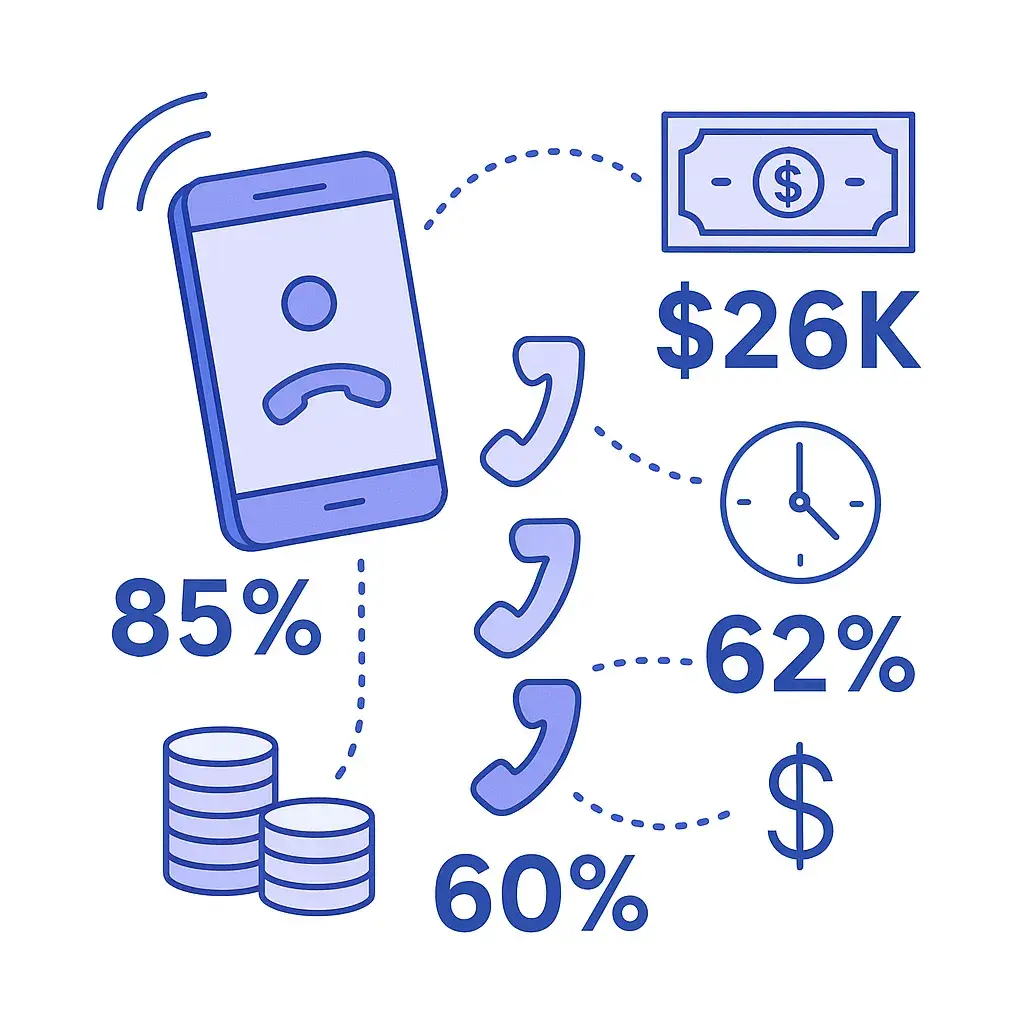
When customers call your business they aren’t simply looking for a polite greeting; they want fast answers, appointment slots and reassurance that they’ve reached a professional organization. Yet many companies leave callers hanging on hold, send them to voicemail after hours or rely on a single overworked employee to juggle phones, schedules and complex inquiries. Research shows just how costly this can be. A study notes that 85% of unanswered callers never try again, leading to an average revenue loss of $26,000. Another study found that small businesses miss 62.2% of after‑hours calls and that 60% of potential customers hang up if the call isn’t answered. Each missed call translates to $100–$200 in lost revenue.
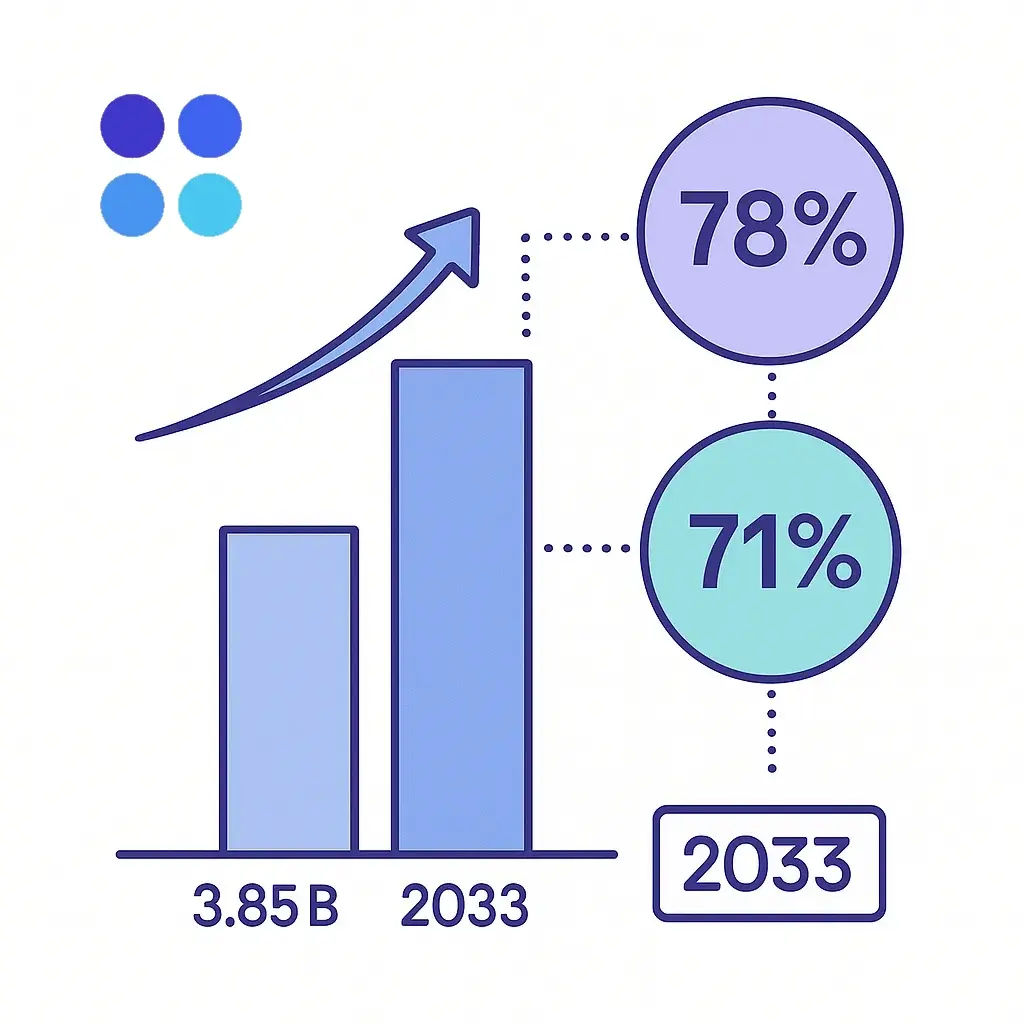
Against this backdrop, artificial intelligence (AI) promises to be a game changer. Voice AI platforms use natural‑language processing and speech synthesis to answer calls, understand questions, schedule appointments and route calls — all without human intervention. The market is expanding rapidly. Analysts project the virtual receptionist market will grow from $3.85 billion in 2024 to $9 billion by 2033, a compound annual growth rate of 9.8%. 78% of organizations already use AI in at least one business function, and 71% regularly use generative AI. This momentum suggests AI receptionists are becoming a standard part of business infrastructure.
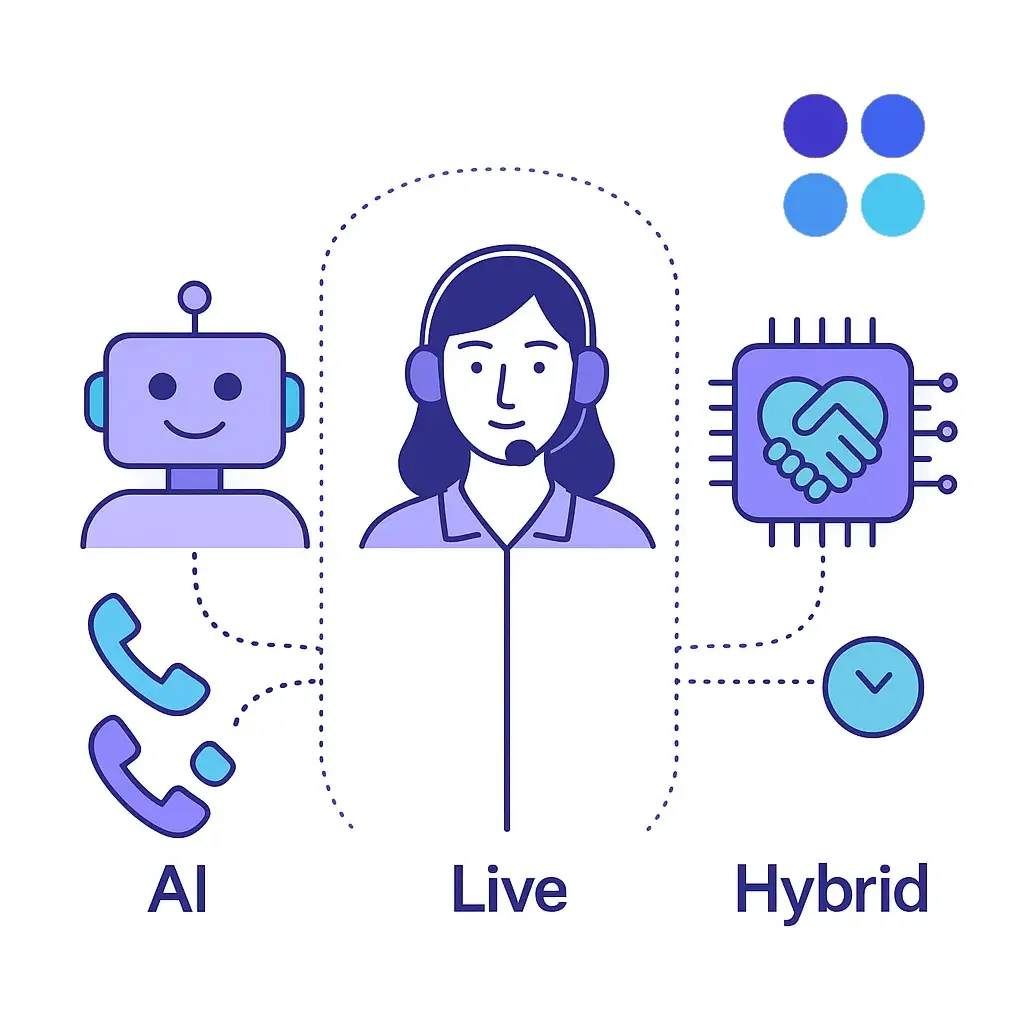
However, the question isn’t whether AI exists. The real decision is whether an AI virtual receptionist is right for your business. Not every organization needs full automation, and even those embracing AI often combine it with live human receptionists to deliver the best experience. This guide aims to help you evaluate your needs objectively, address common objections and provide a balanced view of AI, live and hybrid reception solutions.
An AI virtual receptionist uses conversational AI to handle routine tasks like answering common questions, screening calls, collecting information through structured intake, booking appointments and routing callers. Unlimited simultaneous call handling is a signature benefit: AI receptionists can manage multiple calls without degradation while live agents can only handle one call at a time. AI systems follow consistent logic, so every caller receives the same scripted responses. They also support 24/7 availability, eliminating the coverage gaps associated with staff lunch breaks, sick days or holidays.
A live receptionist (sometimes called a virtual receptionist service) involves trained human agents who answer calls remotely, screen leads, take messages and schedule appointments. Humans excel at complex decision‑making and empathy: they can adapt tone, interpret nuance and build rapport. However, their capacity is limited to one call per agent, and they cannot provide cost‑effective 24/7 coverage without shifts and overtime.
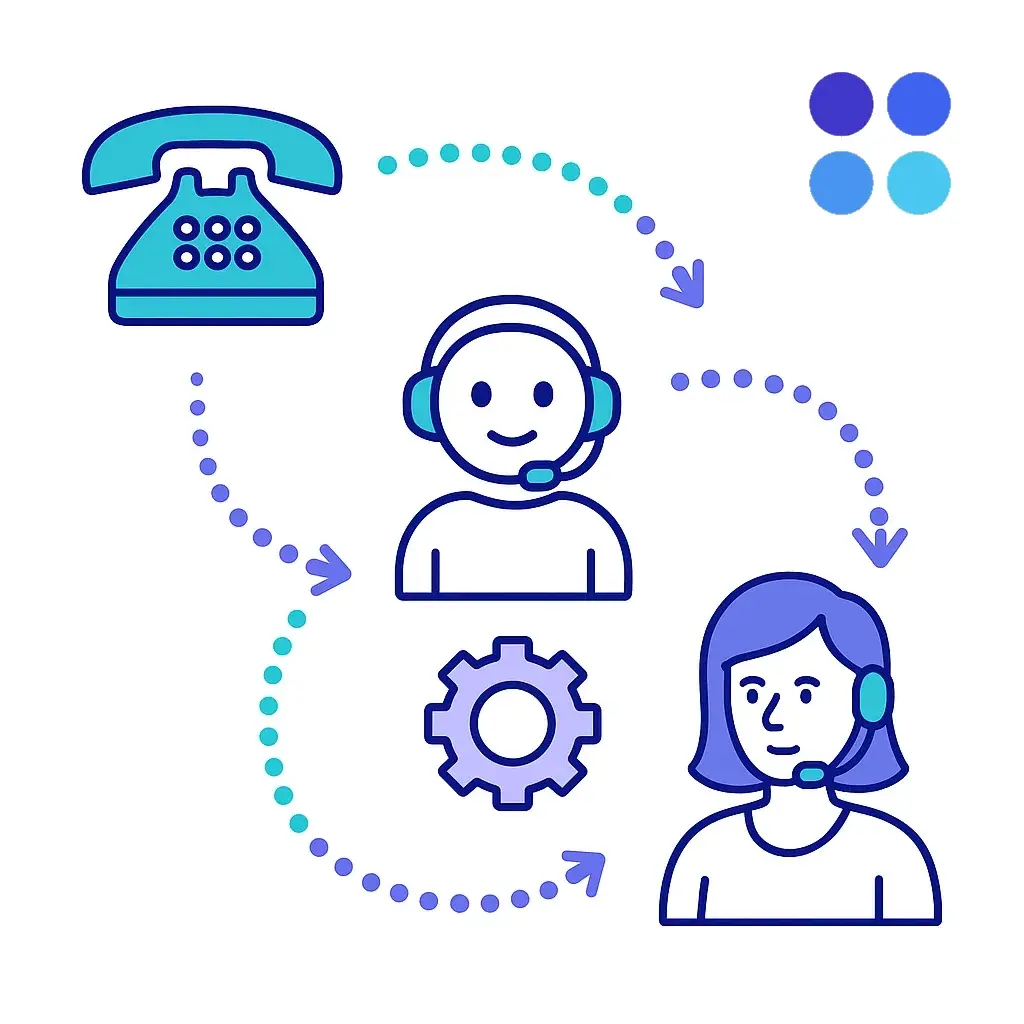
A hybrid model blends AI with live agents. Routine calls are handled by the AI, while complex calls or escalations transfer to humans. Many providers — including Go Answer — offer this flexibility. High‑volume routine calls are managed efficiently by automated systems, while complex situations receive human attention. This approach delivers cost efficiency without sacrificing quality on calls requiring empathy or judgment.
Choosing a call‑handling solution isn’t simply about liking technology; it’s about aligning with your business goals, call patterns and customer expectations.
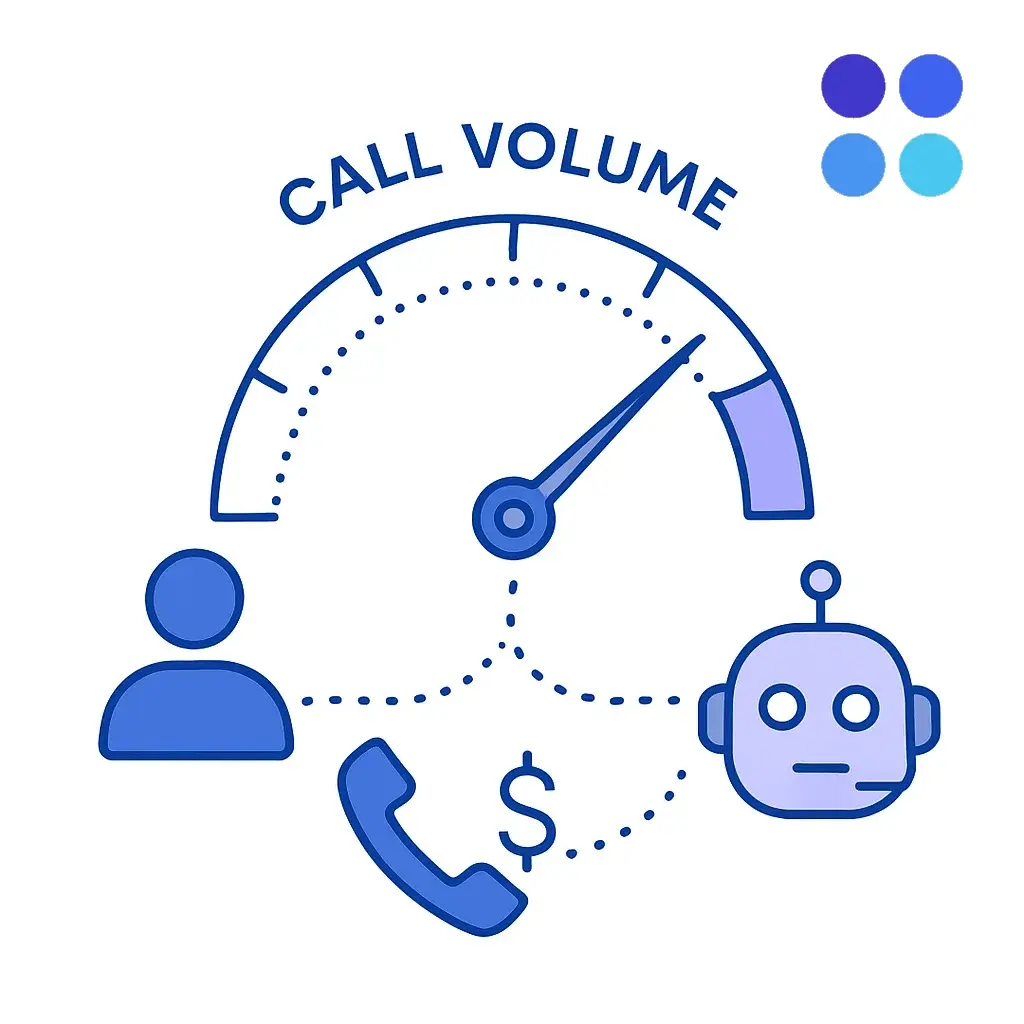
Call volume: High call volume is often the tipping point for adopting AI. If you’re handling just a few calls a day, a live receptionist or owner‑answered phone might suffice. But when the phone rings nonstop — especially outside business hours — AI’s scalability shines. Small businesses miss 62% of after‑hours calls, and approximately 40% of all incoming calls to businesses go unanswered. Each missed call can cost $100–$200 in lost revenue and contribute to annual losses of $126,000–$250,000 for a business missing only 4–5 calls per day. If your inbound call volume spikes during busy seasons or marketing campaigns, AI can answer every caller simultaneously instead of forcing them to wait or leave voicemails.
That doesn’t mean AI is only for large enterprises. Solo entrepreneurs and small firms may find AI valuable because after‑hours coverage is expensive. An in‑house receptionist costs at least $35,000 per year and incurs hidden expenses like leave entitlements and overtime. In contrast, AI phone services cost roughly $30–$200 per month. When call volume is moderate but unpredictable — say you miss a few leads each week during lunch or after 5 p.m. — a hybrid AI/live solution may be more cost‑effective than hiring another staff member.
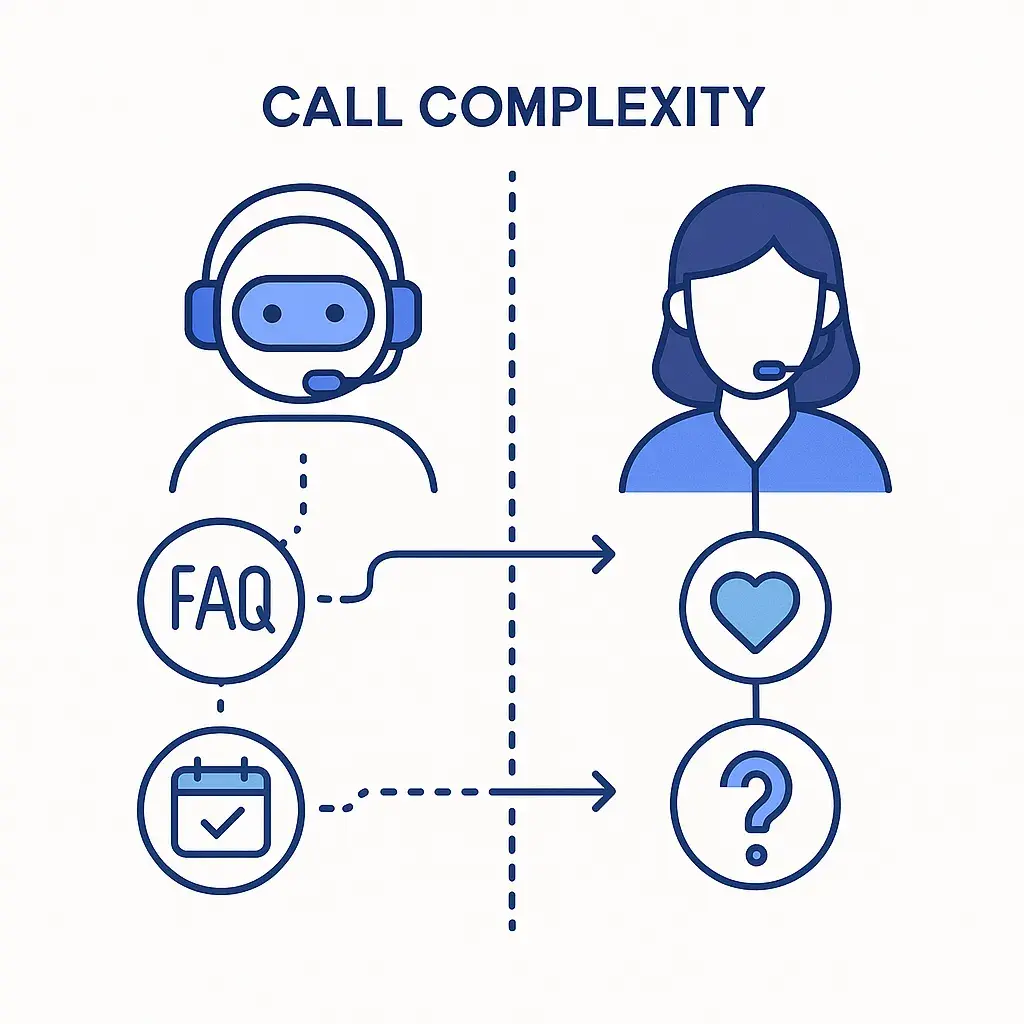
Call complexity: Not all calls are created equal. Some inquiries are straightforward — asking about hours of operation, booking an appointment, checking order status — while others require empathy and context. AI excels at routine tasks and structured intake but is limited to the rules and scenarios it has been programmed for. It struggles with ambiguous situations that require improvisation or emotional intelligence. Live receptionists can listen, interpret tone and adapt to unexpected requests.
You should examine the ratio of routine to complex calls. If 80% of your calls are repetitive FAQs or simple bookings, AI could handle them effortlessly and transfer the remaining 20% to a live agent. The hybrid approach ensures that callers with sensitive or nuanced needs — such as legal consultations, medical emergencies or high‑value sales prospects — speak with a real person. Many businesses have found success by letting AI triage calls: it collects information, recognizes keywords indicating complexity and then escalates the call to a human.
Budget and ROI: Financial considerations often drive the decision. Traditional staff come with salaries, benefits, training costs, turnover and management overhead. Hidden costs of turnover, training and coverage can add $10,000 or more per year to a receptionist’s salary. When you factor in after‑hours coverage, costs multiply: paying employees time‑and‑a‑half or double time for evenings, weekends and holidays quickly pushes annual compensation beyond $50,000.
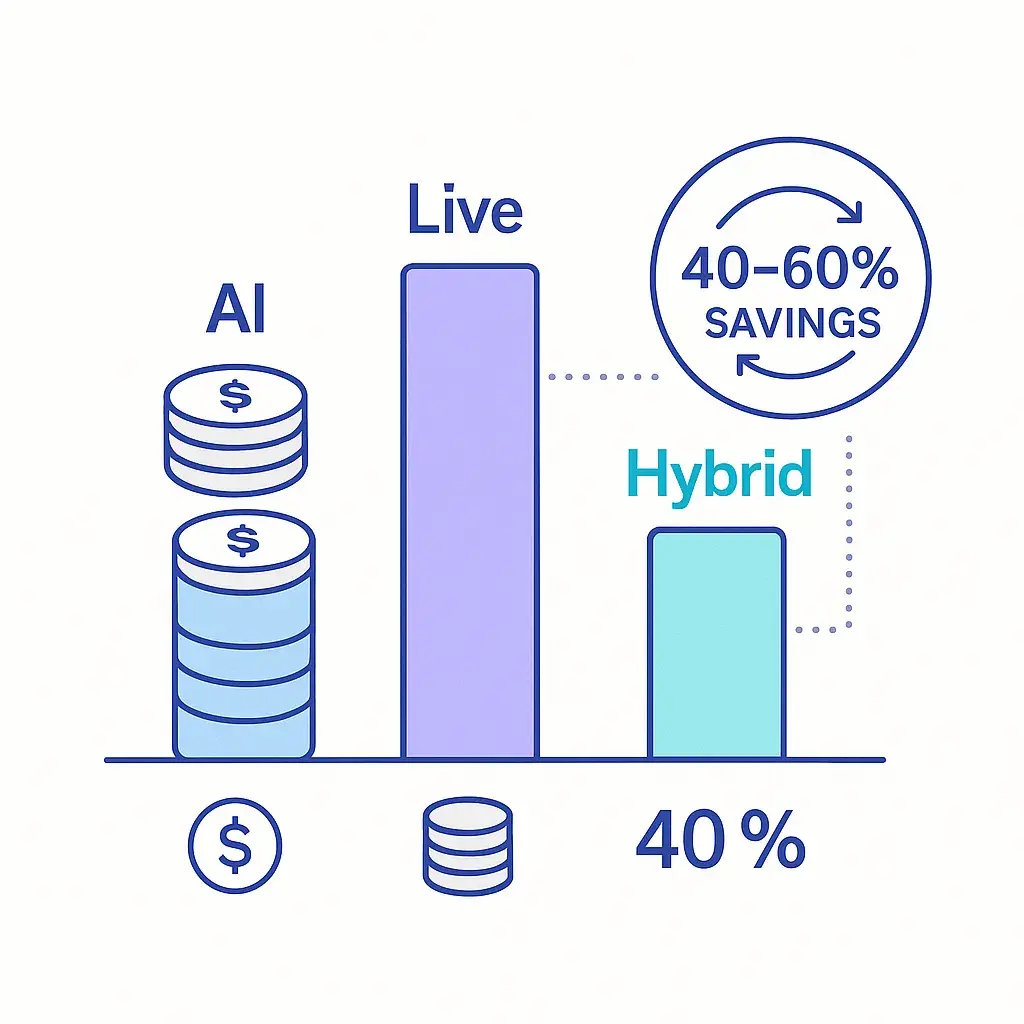
AI receptionists are priced mostly on usage. AI services typically range from $30–$200 per month, while hybrid services range from $200–$2,000 per month for more complex tasks. Cost reduction expectations are significant: businesses implementing AI receptionists report overhead savings of 40–60% because they eliminate salary, benefits and overtime expenses. Market analysts note that the AI agents market could grow from $5.4 billion in 2024 to $50.31 billion by 2030, implying that companies view AI not merely as a cost‑cutting measure but a strategic investment.
That said, there are costs beyond the monthly subscription. AI systems require initial configuration — building a knowledge base of your business, customizing scripts and integrations. You might need to allocate time for testing and training. If calls are infrequent, these upfront efforts may not pay off immediately. A live receptionist might deliver more value per call in those cases. Balance the potential savings against the complexity of your setup and the criticality of personal touch.

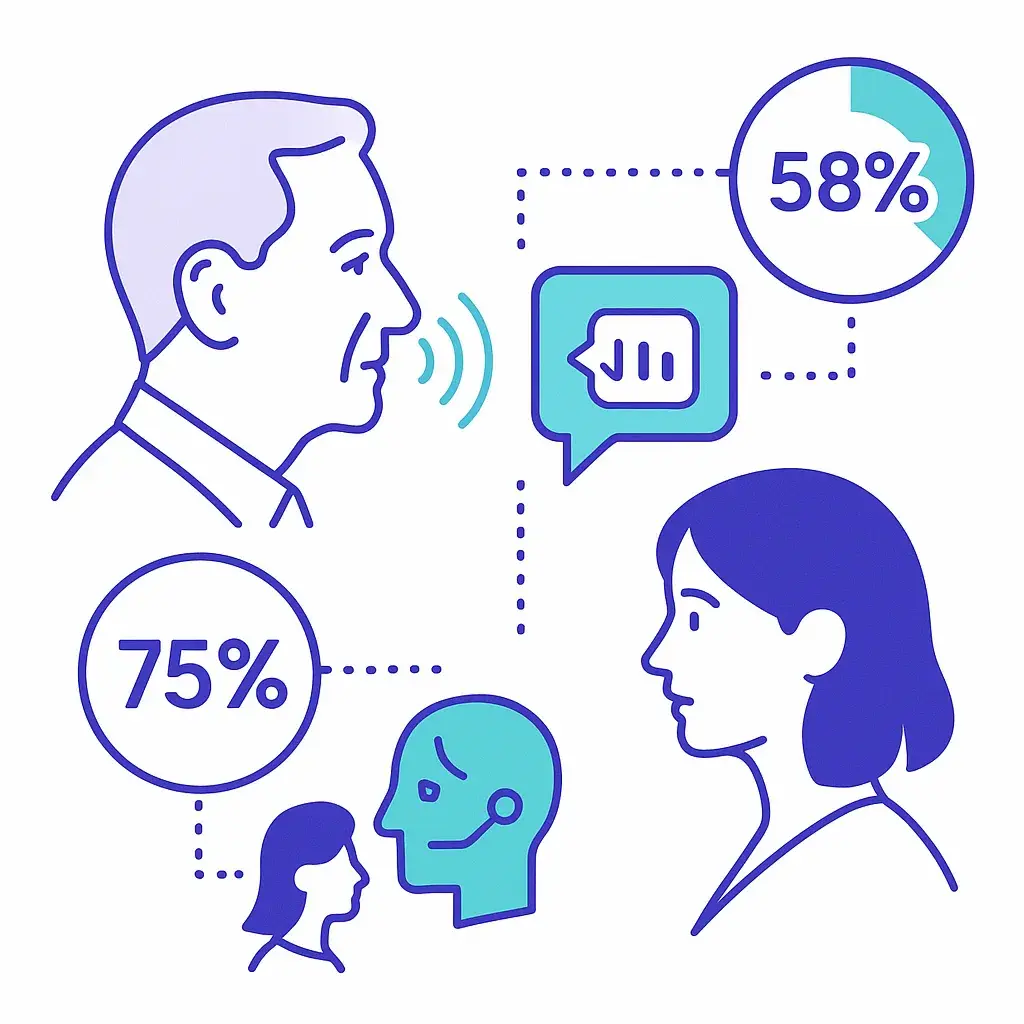
Customer expectations and experience: An AI receptionist will interact directly with your customers, so you need to understand their expectations. A key concern is whether callers will notice they’re talking to a machine. Fortunately, voice synthesis technology has improved dramatically. A 2025 study found that listeners often mistake AI voice clones for humans — participants labelled AI‑generated voice clones as human in 58% of trials and rated them nearly as real as human voices. They had no sensitivity to distinguish between human and cloned voices. This suggests that well‑designed AI voices can sound natural enough for many callers.
Yet preferences vary. 75% of after‑hours callers still prefer speaking to a real human. Consumers may also expect empathy when discussing sensitive topics. Industries like legal services, healthcare and luxury goods benefit from human interaction because nuance, trust and relationship‑building matter. Customer expectations also differ by demographic; older callers may appreciate a gentle human voice, while younger digital natives might value quick automation.
Therefore, it’s critical to align your call handling with your audience’s comfort. Provide clarity in your greeting (“Hi, this is Ava, your virtual assistant”) so callers aren’t deceived. For those who insist on speaking with a person, offer an immediate path to reach a live agent. Go Answer’s AI solution, for example, uses human supervision and configurable escalation triggers to ensure complex or sensitive calls go straight to a professional operator. This type of hybrid design respects varying customer preferences.
Adopting AI can trigger legitimate concerns among business owners. Let’s explore the most frequent ones.
“Will callers know it’s AI?” Modern AI voices are astoundingly lifelike. The research described above concluded that voice clones and human voices were rated as sounding similarly real. On average, 58% of callers misidentified AI voices as human, indicating that the technology has reached a point where most listeners cannot distinguish between them. Additionally, AI voices were found to be as trustworthy — if not more — than human voices in certain tests.
That said, transparency builds trust. Let callers know they’re interacting with an automated assistant. Many customers appreciate honesty and will focus on whether the system resolves their issue quickly rather than whether it’s human. You can also tailor the AI’s voice to match your brand — some services let you pick accents, tone and style, giving the perception of a unique “virtual receptionist” rather than a robotic voice.
“What if it gets something wrong?” This objection is grounded in reality. AI systems occasionally generate incorrect responses — known as hallucinations — or misunderstand user intent. Senior Executive’s 2025 think‑tank report warns that AI hallucinations can undermine trust, cause financial loss and even lead to regulatory penalties. In regulated industries, this can be disastrous. The report advises companies to implement human‑in‑the‑loop validation and rigorous oversight.
A responsible AI receptionist solution should include safety mechanisms. Go Answer builds decision trees and knowledge bases in collaboration with clients. Responses are bounded by your approved content, minimizing the risk of hallucination. Calls outside the AI’s expertise are automatically escalated to live agents. Regular monitoring and quality assurance help refine the AI’s responses over time. In many cases, AI actually reduces errors: human receptionists suffer from distraction, fatigue and inconsistent training. Studies on human error show that automated data entry systems achieve 99.96–99.99% accuracy, whereas human accuracy ranges from 96–99%, resulting in 100 times more errors when large volumes are considered. Such statistics suggest that well‑implemented AI can deliver greater consistency than humans, provided there is oversight.
“Is AI impersonal?” The perception that AI is cold or robotic often arises from experiences with poorly designed IVR menus. Today’s AI voice assistants can adopt a conversational tone, pause naturally and use context to provide appropriate responses. Research found that AI voice clones were rated nearly as trustworthy as human voices, and participants couldn’t reliably distinguish between them. On the flip side, many people simply want quick answers without chit‑chat — especially when scheduling a routine service. For those customers, an efficient AI may feel more respectful of their time.
Nevertheless, empathy matters. Live receptionists excel at conveying understanding during emotional or high‑stakes conversations. A hybrid approach can preserve warmth where needed while leveraging AI for efficiency. You can also script your AI with empathetic language (“I’m sorry to hear that; let me help you”) and provide options to connect to a person. Remember that 76% of consumers say they would stop doing business with a company after just one bad experience. The goal is to prevent negative experiences by matching the right type of interaction to the customer’s needs.
How do you know when it’s time to implement AI? Use the following checklist to gauge your readiness:
You’re missing calls or sending them to voicemail. More than 60% of after‑hours calls go unanswered, and missed calls represent lost revenue. If you find yourself returning messages each morning or losing leads to competitors, AI may help.
Call volume is increasing. If your team struggles to keep up during peak times, an AI receptionist can handle unlimited simultaneous calls.
Your calls are mostly routine. When the majority of inquiries revolve around scheduling, business hours, product availability or simple FAQs, automation can answer them efficiently.
You need 24/7 coverage. Customers call during evenings, weekends and holidays. AI provides round‑the‑clock availability without overtime costs.
You’re watching your budget. AI services cost a fraction of a full‑time employee and reduce overhead by 40–60%.
You’re comfortable with technology and can invest time in setup. AI systems require configuration, training and periodic updates. If you’re willing to work with a provider to build a knowledge base and test responses, you’ll get better results.
You have a plan for escalation and quality control. Successful AI adoption includes human oversight. Make sure you or your provider can monitor calls, adjust scripts and handle complex questions.
If most of these statements resonate, your organization is likely ready to explore an AI receptionist. If only one or two apply — or if your calls involve sensitive, high‑stake interactions — consider starting with a hybrid or stick with live receptionists.
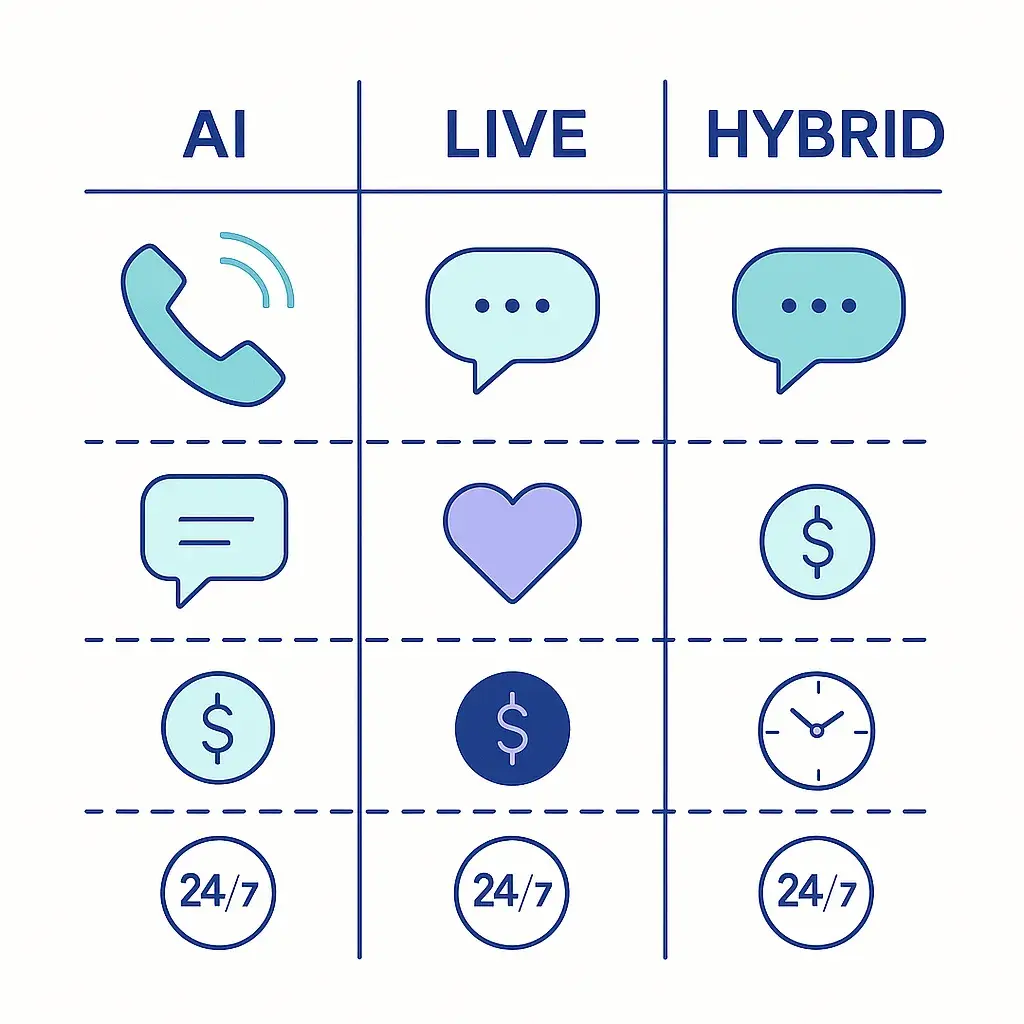
Below is a simplified matrix comparing AI, live and hybrid receptionists against common business needs. Use it as a framework — not a prescription — for deciding what fits best.
Business Need | AI Receptionist | Live Receptionist | Hybrid |
High call volume / multiple concurrent callers | Handles unlimited simultaneous calls. Ideal for busy periods. | Limited to one call per agent; may lead to hold times. | AI manages routine calls while overflow or complex calls route to humans. |
Complexity & empathy | Limited to programmed logic; best for structured intake. | Excels at complex decision‑making and empathy. | AI triages basic inquiries, then escalates nuanced cases to humans. |
Budget constraints | Monthly subscription ($30–$200) with significant savings. | Salaries plus benefits (~$35,000+) and hidden costs like overtime. | Mix of AI’s cost savings and human service; pricing sits between the two. |
24/7 availability | Provides round‑the‑clock coverage. | Requires multiple shifts and overtime pay. | AI covers after hours; live agents work standard shifts. |
Brand & customer experience | Consistent responses; modern voices sound natural. | Human nuance and empathy; builds relationships but may vary in quality. | Offers consistent service with personal touch for sensitive interactions. |
Implementation effort | Requires initial setup and periodic tuning. | Requires recruiting, training and management. | Requires both processes: design AI flows and train live agents. |
Adopting AI doesn’t mean surrendering control. Go Answer’s virtual receptionist solution is designed to operate as an extension of your business, blending automation with human expertise.
Configuration and Customization. The system is configured using your scripts, FAQs and preferred tone. You decide how the AI greets callers, what information it collects, and when it should offer to connect the caller to a person. With unlimited simultaneous call handling, your business can scale without sacrificing service quality.
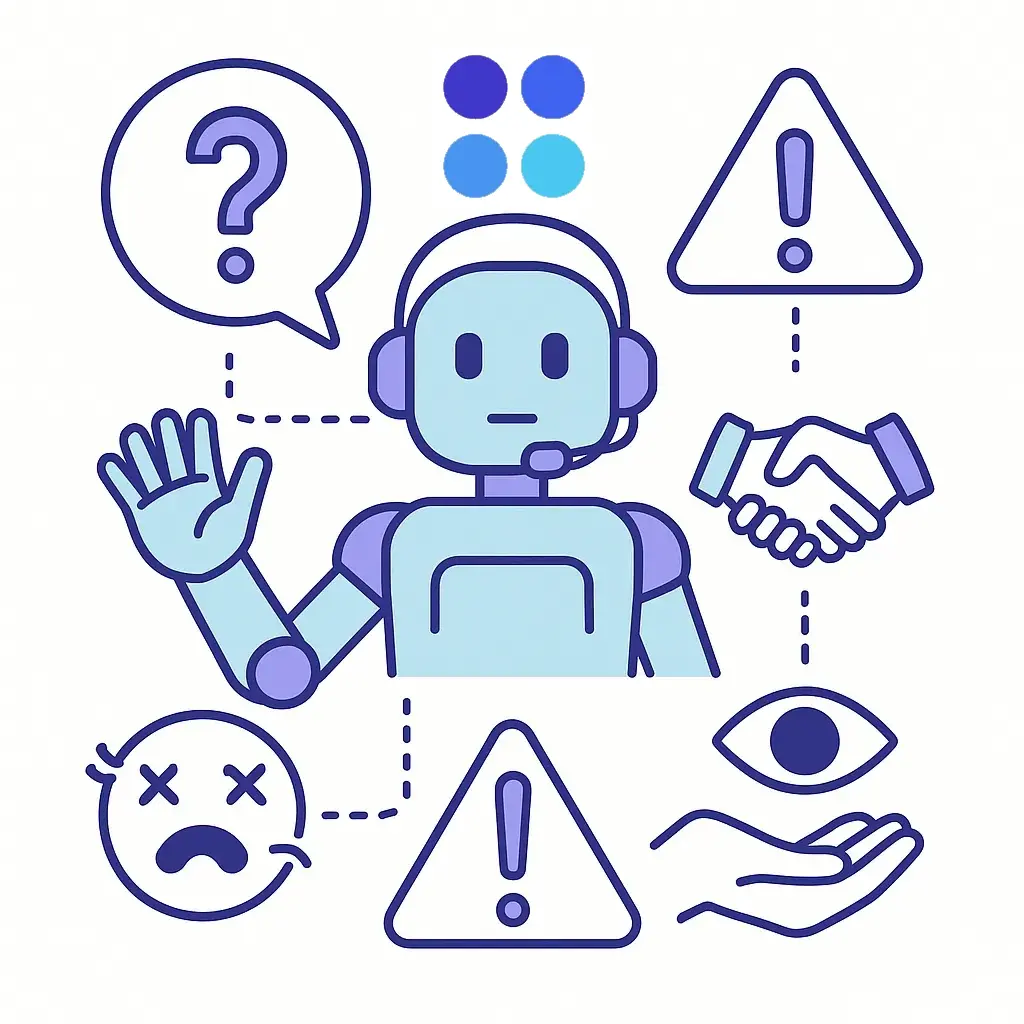
Human‑in‑the‑loop Oversight. Go Answer monitors AI interactions and regularly reviews call transcripts. This ensures that responses remain accurate and relevant, mitigating the risk of hallucinations or outdated information. Human validation is essential for protecting brand integrity.
Live Escalation. When the AI detects a high‑value lead, distressed caller or complex question, it can transfer the call to a live Go Answer receptionist. This hybrid approach ensures that sensitive conversations receive human attention while routine inquiries are handled efficiently.
Reporting and Integration. Call data and transcripts integrate with your CRM, scheduling tool or practice management software. Insights from AI conversations highlight common questions and emerging customer needs. Over time, the system’s knowledge base evolves, further reducing repetitive calls and freeing your team to focus on core tasks.
An AI virtual receptionist isn’t a magic cure‑all — it’s a tool. Like any tool, its value depends on how and why you use it. Studies show that missed calls directly impact revenue, and that automated systems provide substantial cost savings and scalability. At the same time, humans offer empathy and judgment, and some customers still prefer a person on the line. A hybrid model often offers the best of both worlds, combining AI efficiency with human warmth.
By evaluating call volume, call complexity, budget and customer expectations, you can determine whether an AI receptionist fits your business. Use the checklist above to assess your readiness and the decision matrix to weigh your options.
Finally, work with a trusted AI Virtual Receptionist provider like Go Answer. We prioritize configuration, oversight and seamless escalation to live agents. When implemented thoughtfully, an AI virtual receptionist can help you capture more leads, deliver consistent service and free your team to focus on high‑value work — without compromising on the personal touch that defines your brand.

Learn why thousands of companies rely on Go Answer.
Try us risk-free for 14 days!
Enjoy our risk-free trial for 14 days or 200 minutes, whichever comes first.
Have more questions? Call us at 888-462-6793
Learn why thousands of companies rely on Go Answer.
Have more questions? Call us at 888-462-6793
If you would like to get in contact with a Go Answer representative please give us a call, chat or email.

Thanks for your interest!
A representative will be reaching out to you shortly.
Have more questions? call us on 888-462-6793
