
Why Small Businesses Lose Customers After Hours (And How to Stop It)
By Troy Van WillisLast modified: December 30, 2025
Voted Top Call Center for 2024 by Forbes
Virtual Receptionists
Save time and money with our virtual receptionists.
AI Receptionist
AI-powered receptionist that answers, routes, and qualifies calls 24/7.
Enterprise Solutions
Solutions designed to scale with your organization’s needs.
Legal Services
Our virtual legal receptionists are experts in legal intake.
Last modified: December 30, 2025
Running a small business means juggling many responsibilities at once. You work tirelessly to attract new customers, deliver a quality product or service, manage finances, and keep your team happy. Yet one critical area often falls through the cracks: what happens after you lock the doors at the end of the day. Prospective clients, loyal customers, and even people facing urgent issues still call long after regular business hours. When no one picks up, those callers don’t always wait until tomorrow. They move on. The result is a loss of revenue and reputation that can compound over time.
Small companies may assume that a voicemail greeting is sufficient, or that their email auto‑reply will satisfy people until they return. But in reality, modern consumers expect immediacy. They might work late or have urgent questions outside of nine‑to‑five. If a competitor answers the phone at 8 pm or offers live chat support at midnight, your business looks out of touch by comparison. The impact goes beyond missed opportunities: it signals that you don’t care as much as the company that was available. That perception can damage trust with potential customers and erode loyalty among existing ones.
This article explores why after‑hours calls are so important, why small businesses lose customers during those hours, and what you can do to stop it. It addresses different types of calls — leads, emergencies, and existing customers — with examples from multiple industries. You’ll also see how a virtual receptionist service offers a practical, affordable, 24/7 solution, and how Go Answer’s customizable approach can protect your brand after hours.
When the lights go off at the end of the day, callers don’t stop. The risks of ignoring or mishandling after‑hours calls include more than losing a single sale. They can ripple through your reputation and bottom line. Here’s why:
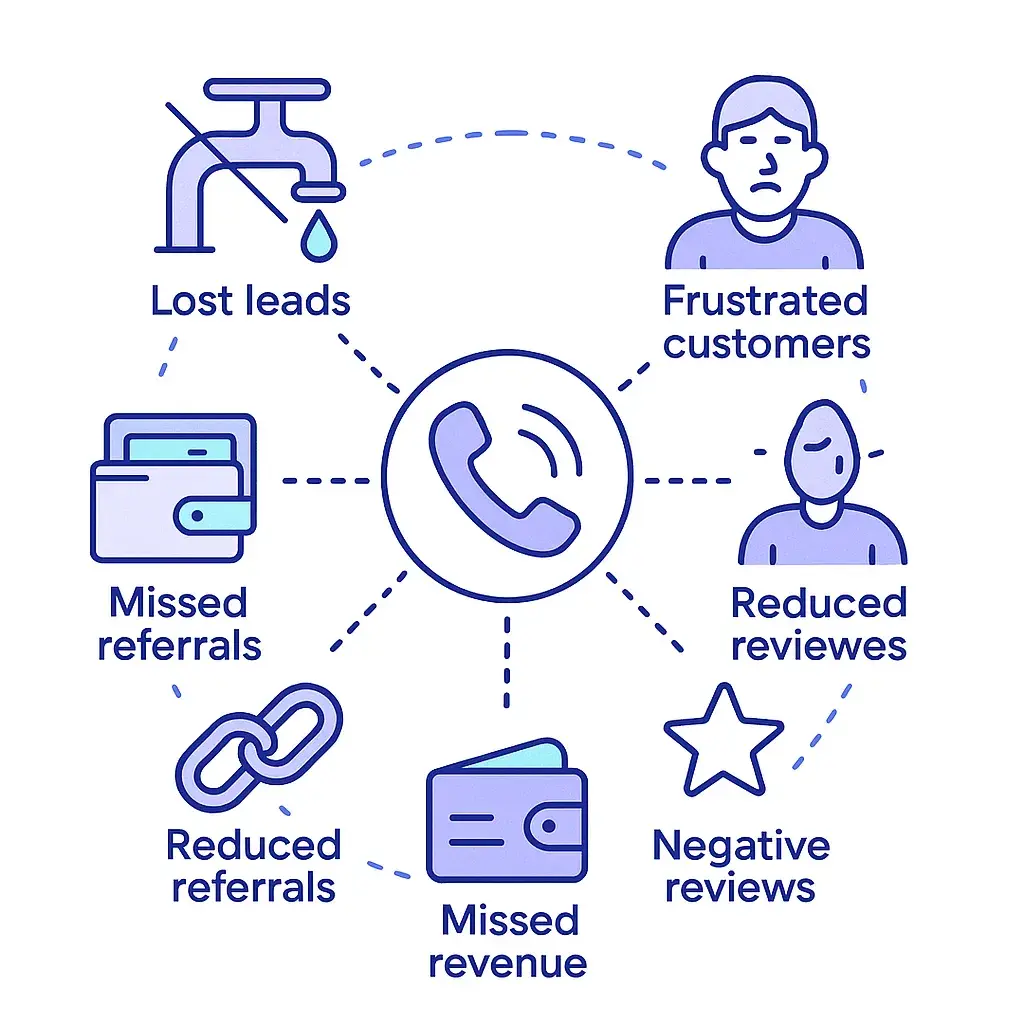
Lost leads: People shopping for services or products often contact multiple businesses. If you don’t answer, they may call a competitor who does, and you never get the chance to earn their business.
Abandoned emergencies: For companies in home services, healthcare, legal, finance, or property management, calls can involve urgent situations. Ignoring these means you fail people when they need you most. That hurts your reputation and might even expose you to liability.
Frustrated existing customers: Your loyal customers want to schedule appointments, ask questions about orders, or get updates on their accounts. When they reach voicemail, frustration builds and loyalty erodes.
Negative reviews: In the age of online feedback, someone unable to reach your business may leave a negative review. These comments live on long after the moment of inconvenience.
Missed revenue: Every unanswered call is potential revenue slipping away. Whether it’s a project, a subscription renewal, or an upsell opportunity, ignoring a phone call can directly impact your earnings.
Reduced referrals: Satisfied customers recommend businesses to friends, family, and colleagues. Dissatisfied ones do the opposite. Poor after‑hours support can lead to fewer referrals and a tarnished word‑of‑mouth reputation.
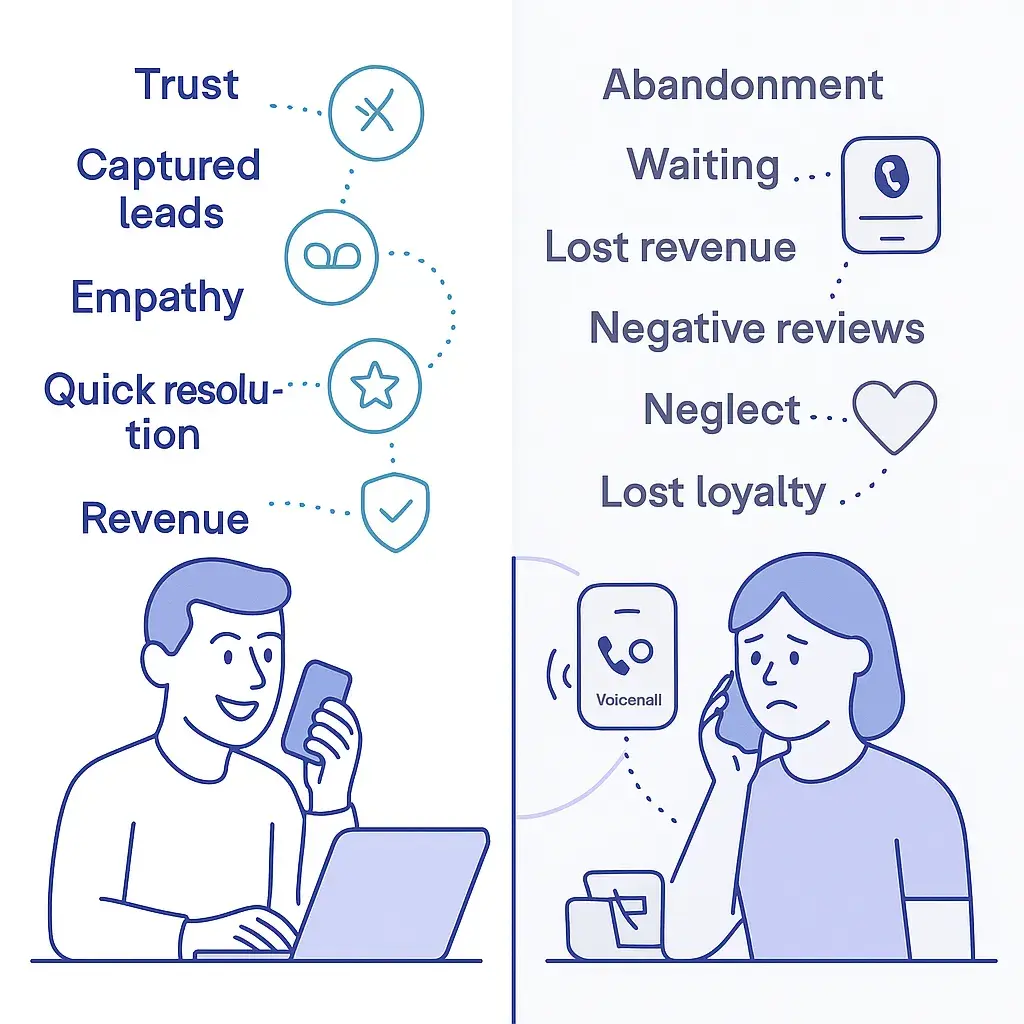
Answered Calls | Unanswered Calls |
Create immediate customer trust | Erode confidence and trust |
Capture leads before competitors | Send leads elsewhere |
Show empathy during emergencies | Leave people feeling abandoned |
Allow questions to be resolved promptly | Force customers to wait or give up |
Lead to bookings, sales, or subscription renewals | Represent lost revenue opportunities |
Encourage positive reviews and referrals | Invite negative feedback and complaints |
Reinforce brand reliability | Suggest neglect or disorganization |
Build long‑term loyalty | Diminish repeat business |
This comparison underscores the difference that an after‑hours answer makes. When you pick up the phone, you demonstrate that your company values every caller. When you don’t, you convey that their concerns are not important enough.
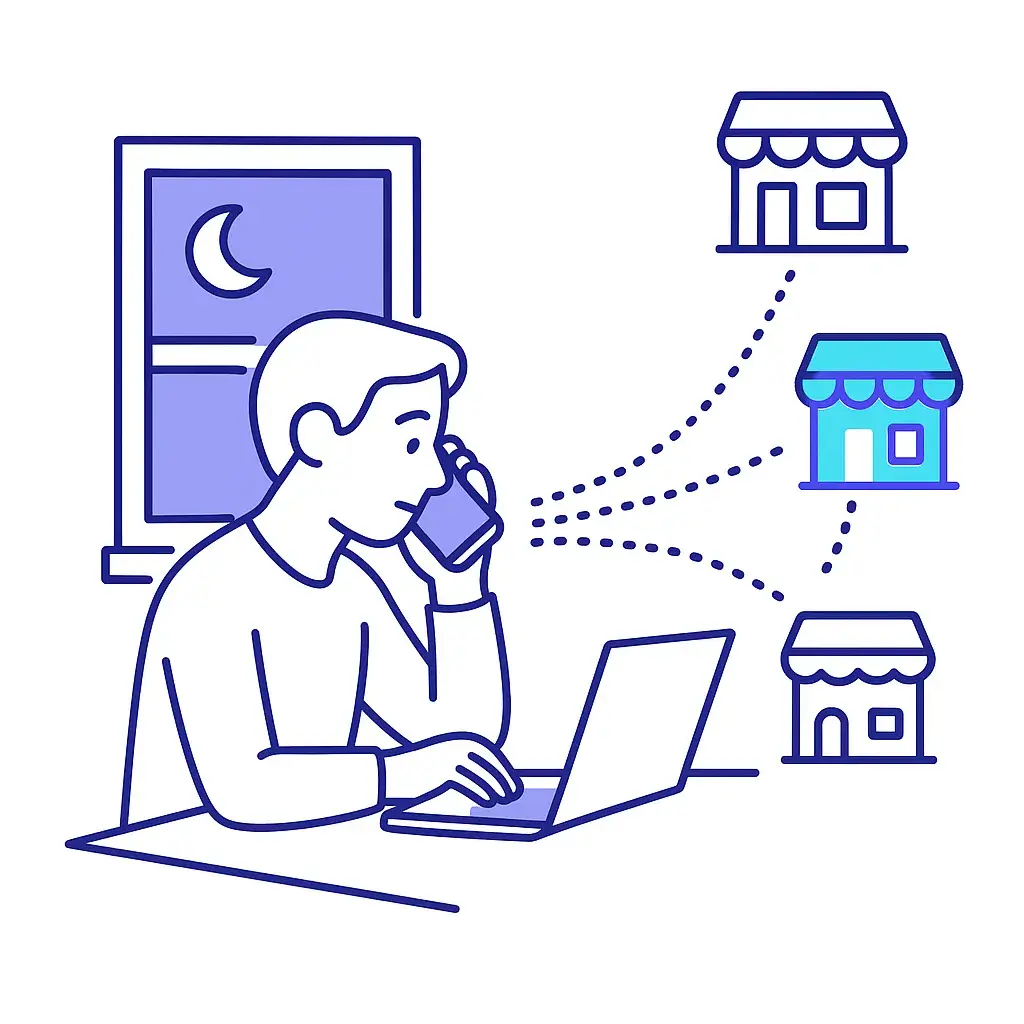
People researching a service or product often do so in the evening or on weekends. It might be after work, during a lunch break, or while they’re juggling family responsibilities. For the company they contact, that call is a crucial first impression.
Answering live allows you to learn about the caller’s needs, explain your offerings, and schedule a consultation or provide a quote. It humanizes your brand and sets you apart from competitors who rely on voicemail. When no one answers, the caller may dial the next listing on their search results. By the time you return the call the next business day, they may have already signed with someone else.
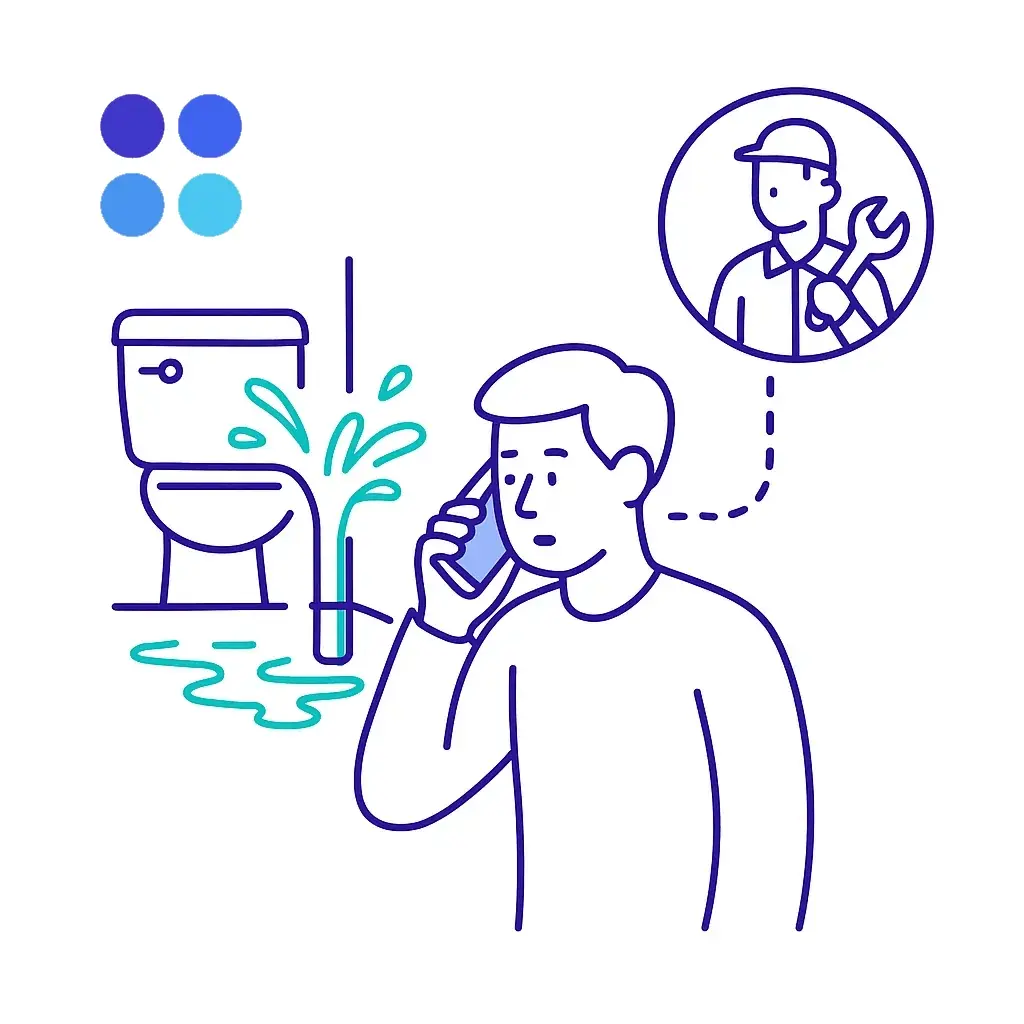
In many industries, calls outside of business hours involve urgent situations. An overflowing toilet at midnight, a dental emergency on a Sunday, a property management issue after a storm, a data breach in the early morning — these aren’t convenient to handle, but they matter deeply to the person on the other end of the line.
Responding to urgent calls shows that your business is dependable. Even if you can’t immediately resolve the problem, acknowledging it and setting expectations goes a long way. When urgent calls go unanswered, the caller may suffer damage, pain, or financial loss. They may also perceive your company as indifferent. That can have long‑term implications for your reputation.

Your existing customers might call to reschedule appointments, ask about an invoice, or get clarification about a service. These interactions might not seem urgent, but they are key touchpoints that reinforce loyalty. When someone is left waiting until morning for a simple answer, they feel undervalued. Over time, small frustrations can accumulate and push them toward a competitor.
A live after‑hours response allows you to address issues promptly or reassure the customer that their message has been heard and will be acted on quickly. It keeps the relationship strong.
Every industry faces unique after‑hours challenges. Some face emergencies at all hours, while others handle a steady stream of inquiries from potential customers who work late. Let’s look at how different businesses are affected and what they can do.
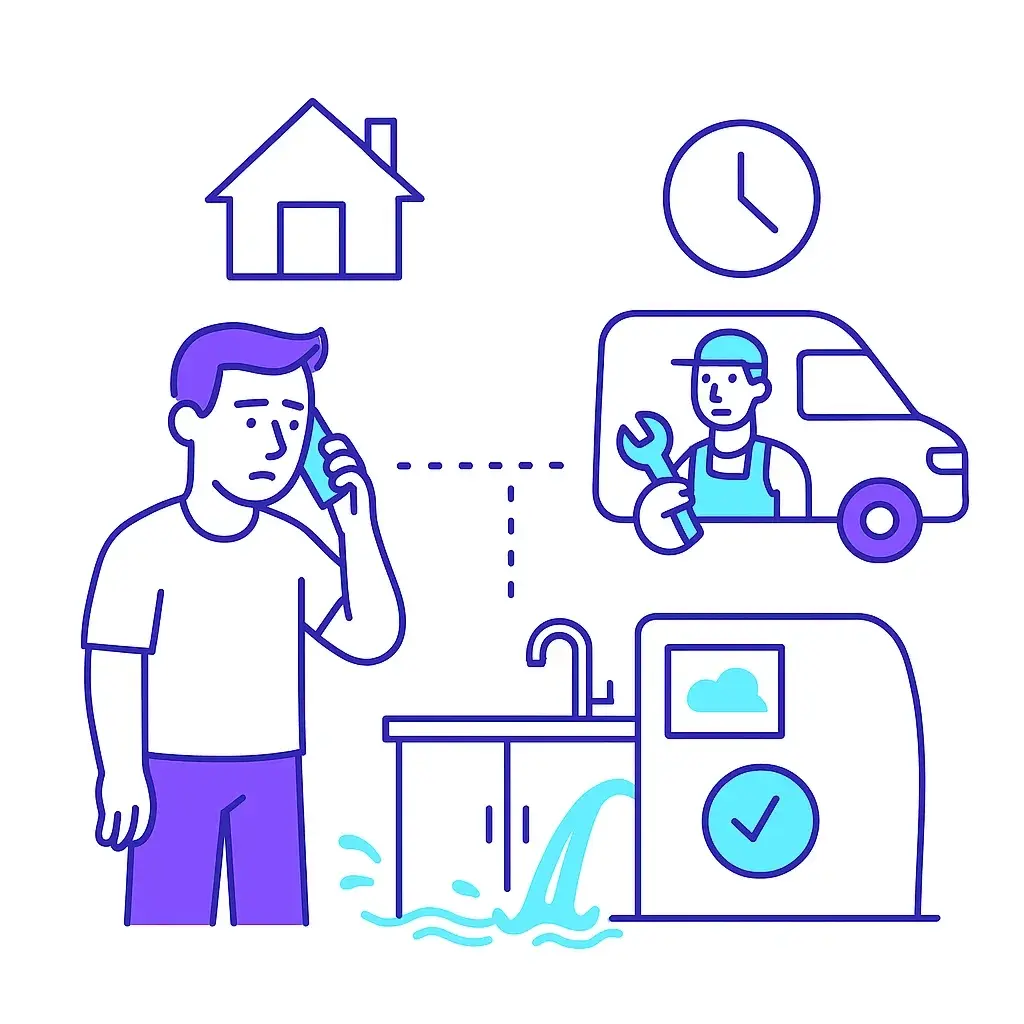
Plumbers, electricians, HVAC technicians, and restoration companies receive calls at every hour because problems like leaks, outages, and floods rarely happen on schedule. For many homeowners, a prompt response from a professional is critical. If your company doesn’t pick up, they may call someone else. Even if a caller leaves a voicemail, by the time you return it they may have contracted another service.
A 24/7 answering service can screen calls to distinguish emergencies from routine inquiries. For urgent issues, the service can patch the caller through to an on‑call technician or send a message to your team. For routine requests, it can schedule appointments for the next business day. This approach helps you provide round‑the‑clock support without the cost of staffing a full in‑house team overnight.

Online shoppers expect instant responses. They might need help placing an order, asking about shipping, or requesting a return authorization. If they encounter errors or confusion late at night, a live representative can guide them through a purchase, preventing cart abandonment. Failing to answer may result in lost sales and negative reviews.
A virtual receptionist or live chat support can handle questions about product availability, order status, return policies, and more. They can also upsell complementary products and resolve payment issues before customers lose patience. You don’t need to be a large corporation to offer this level of service — small retailers can partner with a third‑party provider to deliver the same experience.
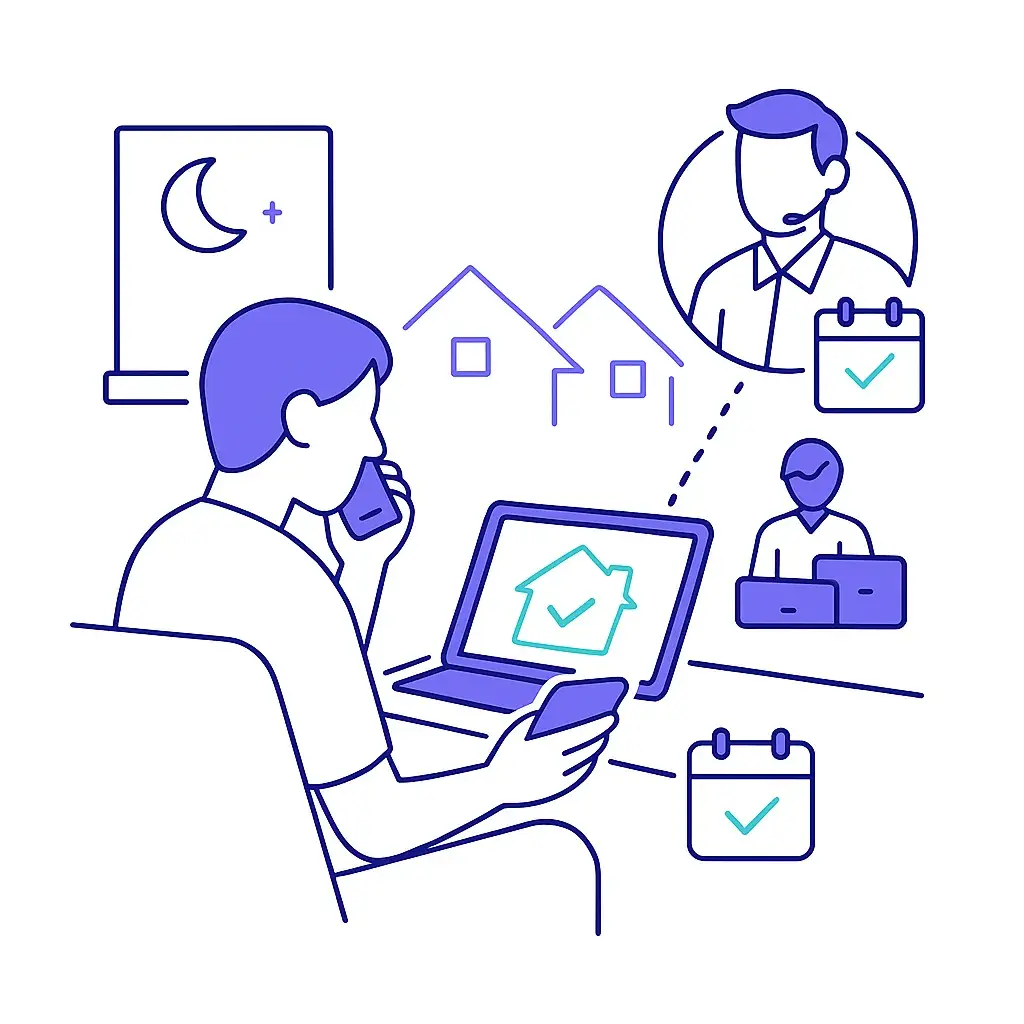
House hunters and prospective renters often call after work or on weekends when they have time to explore listings. Property management companies receive calls from tenants about maintenance issues at unpredictable times. In both cases, failing to answer quickly can cost you a sale or create unhappy tenants.
With a 24/7 answering service, you can capture leads as soon as they express interest. The service can collect key details, schedule showings, and provide information about the property. It can also triage maintenance calls, dispatching urgent issues to your team and logging routine requests for the next day. This keeps tenants happy and ensures prospective buyers don’t slip away.
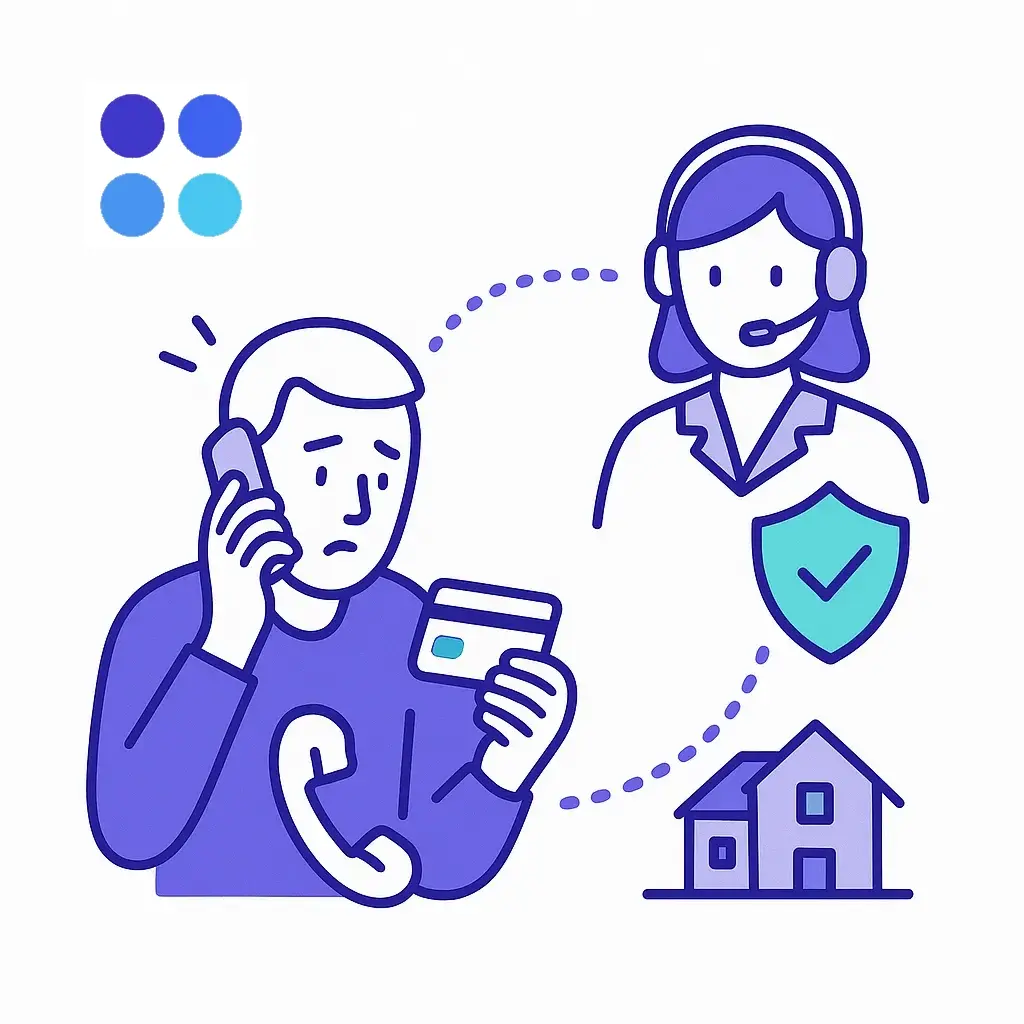
Clients who need financial advice, help with claims, or assistance with account questions often appreciate immediate support. In emergencies — such as a lost credit card or urgent coverage question — a timely response is essential. At the same time, privacy and compliance are paramount in this industry.
Partnering with a professional answering service ensures calls are handled securely and according to your protocols. Agents can verify identities, gather relevant information, and either transfer the call to an on‑call advisor or log the details for the next business day. This level of responsiveness builds trust and fosters long‑term client relationships.

Medical and wellness providers — such as doctors, dentists, veterinarians, physical therapists, and counselors — deal with sensitive matters. After‑hours calls may involve symptoms, medication questions, urgent care inquiries, or appointment rescheduling. People seek reassurance when they’re worried or in pain.
A virtual receptionist service can provide compassionate care by taking messages, answering basic questions, and escalating emergencies to the appropriate clinician. For non‑emergency calls, the service can schedule appointments, send reminders, and follow up on test results or prescriptions. This ensures patients feel cared for and reduces no‑shows and cancellations.
A virtual receptionist service can provide compassionate care by taking messages, answering basic questions, and escalating emergencies to the appropriate clinician. For non‑emergency calls, the service can schedule appointments, send reminders, and follow up on test results or prescriptions. This ensures patients feel cared for and reduces no‑shows and cancellations.
Individuals seeking legal representation for issues like personal injury, family law, or criminal defense often need guidance quickly. They may call after hours because that’s when they have privacy and time to discuss sensitive matters. Missing these calls can mean losing a client to another law firm.
A legal‑focused answering service can intake calls, gather crucial case details, and offer empathy during stressful times. The service can schedule consultations, connect urgent calls to the attorney on call, and reassure callers that their matters will be handled promptly. This ensures you never miss a potential client while maintaining professionalism and confidentiality.
Software companies, managed service providers, and IT consultants often serve clients who operate globally or outside normal business hours. A server crash or cybersecurity threat can occur at any time. When your clients call you at 2 am, they expect to hear a human voice.
An after‑hours answering team trained in tech support can troubleshoot basic issues, identify the severity of a problem, and initiate escalation protocols. They can also manage routine inquiries, such as password resets and account access, freeing your technical team to focus on more complex tasks. This ensures that your clients feel supported and their operations run smoothly.
Hotels, bed‑and‑breakfasts, travel agencies, and event venues operate in a 24/7 world. Guests might call to confirm reservations, ask about amenities, or request late check‑ins. Travelers may need help with itinerary changes at odd hours. Silence on the other end can result in cancellations.
An answering service can provide booking assistance, answer questions about policies, and manage last‑minute changes. It can also offer information about local attractions and services. This keeps guests happy and encourages positive reviews and repeat visits.
Event planners, venue managers, caterers, and entertainment providers often receive inquiries after work hours. Clients might call to check availability, discuss last‑minute details, or address changes to event plans. Quick responses show professionalism and reliability.
Partnering with a virtual receptionist helps you capture all event leads and manage ongoing events efficiently. The service can provide pricing, check calendar availability, relay messages to the appropriate staff, and ensure clients feel supported throughout the planning process.

Consultants, accountants, marketing agencies, and other professional service providers spend their days meeting with clients and delivering projects. After‑hours calls may involve new project inquiries or follow‑ups on ongoing work. Delays in answering can make prospects think you lack capacity or interest.
An after‑hours answering solution allows you to collect essential information, set expectations for a callback, and keep communication flowing. It also helps existing clients feel valued, even when their questions arise outside regular hours.
Staffing a full in‑house call center around the clock is rarely feasible for a small business. The cost of salaries, benefits, training, and infrastructure can be prohibitive. Yet the need for after‑hours coverage remains. That’s where a virtual receptionist comes in.
A virtual receptionist is a trained professional who answers your calls from a remote location. Using advanced call routing and integrated software, the receptionist acts as an extension of your team. They greet callers in your company’s name, follow scripts you design, and either handle the inquiry or route it to the right person.
Benefits of a virtual receptionist include:
Availability: Calls are answered 24/7/365, ensuring that no one is left waiting. This includes evenings, weekends, and holidays.
Professionalism: Virtual receptionists are trained to provide courteous, knowledgeable service. They can follow your brand tone and represent your business accurately.
Cost efficiency: Outsourcing allows you to pay only for the calls you receive, rather than employing full‑time staff overnight. This keeps overhead manageable.
Customization: You define how calls are handled. For example, urgent calls can be patched through immediately, while routine messages are logged for follow‑up. Scripts and FAQs can be tailored to your business and industry.
Scalability: As call volume fluctuates, the virtual receptionist service adapts. There’s no need to hire additional staff for busy seasons or reduce hours during slower periods.
There are many answering services on the market, but not all are created equal. Go Answer differentiates itself by focusing on quality, customization, and industry expertise. Here’s how:
Dependable coverage: Go Answer offers 24/7 live answering by real people. No matter when a call comes in, your callers are greeted promptly by a friendly voice.
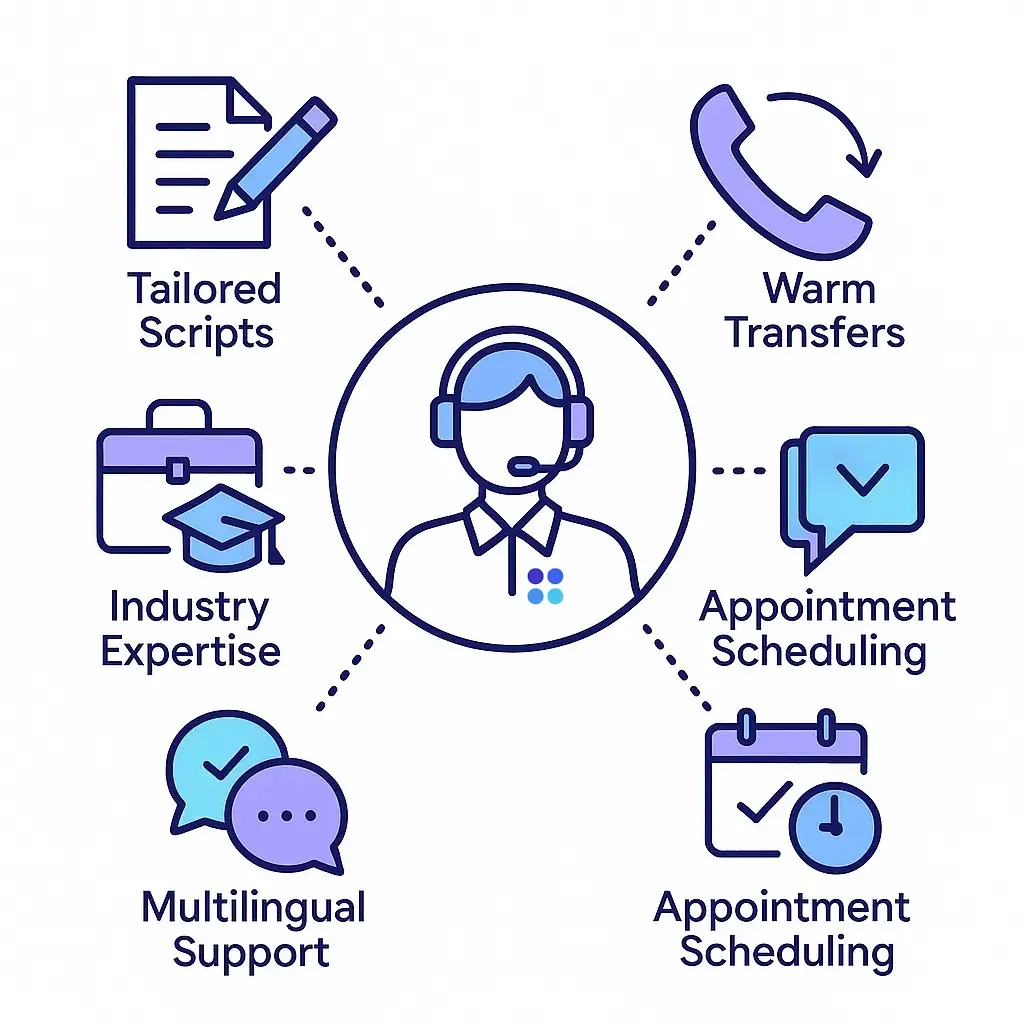
Tailored scripts: Your business isn’t like any other, so your call scripts shouldn’t be either. Go Answer works with you to create messaging that reflects your brand, industry terminology, and customer needs. This ensures consistency and professionalism.
Warm transfers: When a call requires immediate escalation, Go Answer can transfer it to you or the appropriate team member. This reduces friction and ensures urgent matters are handled quickly.
Appointment scheduling: The service integrates with popular calendar systems to book appointments, schedule demos, or reserve consultations on your behalf.
Multilingual support: Bilingual agents help you serve a diverse customer base. Whether your callers speak English, Spanish, or another language, they feel understood and supported.
Industry knowledge: Go Answer trains its receptionists on the nuances of specific industries. Whether you’re a law firm, dentist, real estate agency, or technology company, you can trust that your virtual receptionist understands the jargon and expectations.
Compliance and privacy: Data security and compliance are essential, especially for medical, legal, and financial services. Go Answer follows industry regulations and best practices to protect sensitive information.
This comprehensive approach allows Go Answer to act as a seamless extension of your team. Customers and prospects won’t know they’re speaking to an outsourced receptionist. They’ll simply feel heard and respected.
Small businesses lose customers after hours because they assume that people will call back or that voicemail is sufficient. In reality, consumers have plenty of choices and little patience. They expect immediate attention, even at 10 pm or on a holiday. When you’re not available, they move on. The consequences are lost revenue, negative reviews, and a diminished reputation.
You don’t have to build a 24/7 call center to meet this demand. A virtual receptionist service like Go Answer provides the coverage, professionalism, and customization you need without the expense and complexity of hiring an internal team. It ensures that leads feel valued, emergencies are handled promptly, and existing customers stay loyal.
Investing in after‑hours support is an investment in your company’s growth and reputation. By prioritizing the caller experience at all times, you send a message that you care deeply about your customers and are dedicated to solving their problems. That care is what sets successful small businesses apart, and it’s what will keep people coming back. Don’t let another call slip through the cracks. Make after‑hours support a cornerstone of your strategy and watch your business thrive.

Learn why thousands of companies rely on Go Answer.
Try us risk-free for 14 days!
Enjoy our risk-free trial for 14 days or 200 minutes, whichever comes first.
Have more questions? Call us at 888-462-6793
Learn why thousands of companies rely on Go Answer.
Have more questions? Call us at 888-462-6793
If you would like to get in contact with a Go Answer representative please give us a call, chat or email.

Thanks for your interest!
A representative will be reaching out to you shortly.
Have more questions? call us on 888-462-6793
