
Bilingual Call Center Services: How Enterprise Teams Improve Coverage, QA, and Customer Experience
By Adam AlovisLast modified: October 27, 2026
Voted Top Call Center for 2024 by Forbes
Virtual Receptionists
Save time and money with our virtual receptionists.
AI Receptionist
AI-powered receptionist that answers, routes, and qualifies calls 24/7.
Enterprise Solutions
Solutions designed to scale with your organization’s needs.
Legal Services
Our virtual legal receptionists are experts in legal intake.
Last modified: October 27, 2026
Many teams start looking for bilingual call center services after a simple pattern shows up in the queue: strong demand, uneven coverage, and too much risk when an English-only workflow meets a Spanish-speaking caller. That problem gets bigger in multi-location operations, intake-heavy environments, after-hours schedules, and overflow periods where speed and accuracy both matter.
This guide is for enterprise buyers, operations leaders, customer experience teams, legal intake managers, and healthcare administrators evaluating a spanish call center, bilingual answering service, or broader bilingual customer support model. You will learn how to compare staffing options, design routing workflows, tighten QA, and choose the metrics that actually show whether the program is working.
What is a bilingual call center? A bilingual call center is a customer-contact operation built to handle interactions in two languages, usually English and Spanish, with matched staffing, routing, scripts, QA, and escalation rules in both languages. For enterprise teams, success depends less on translation alone and more on consistent coverage, intake quality, and operational control.
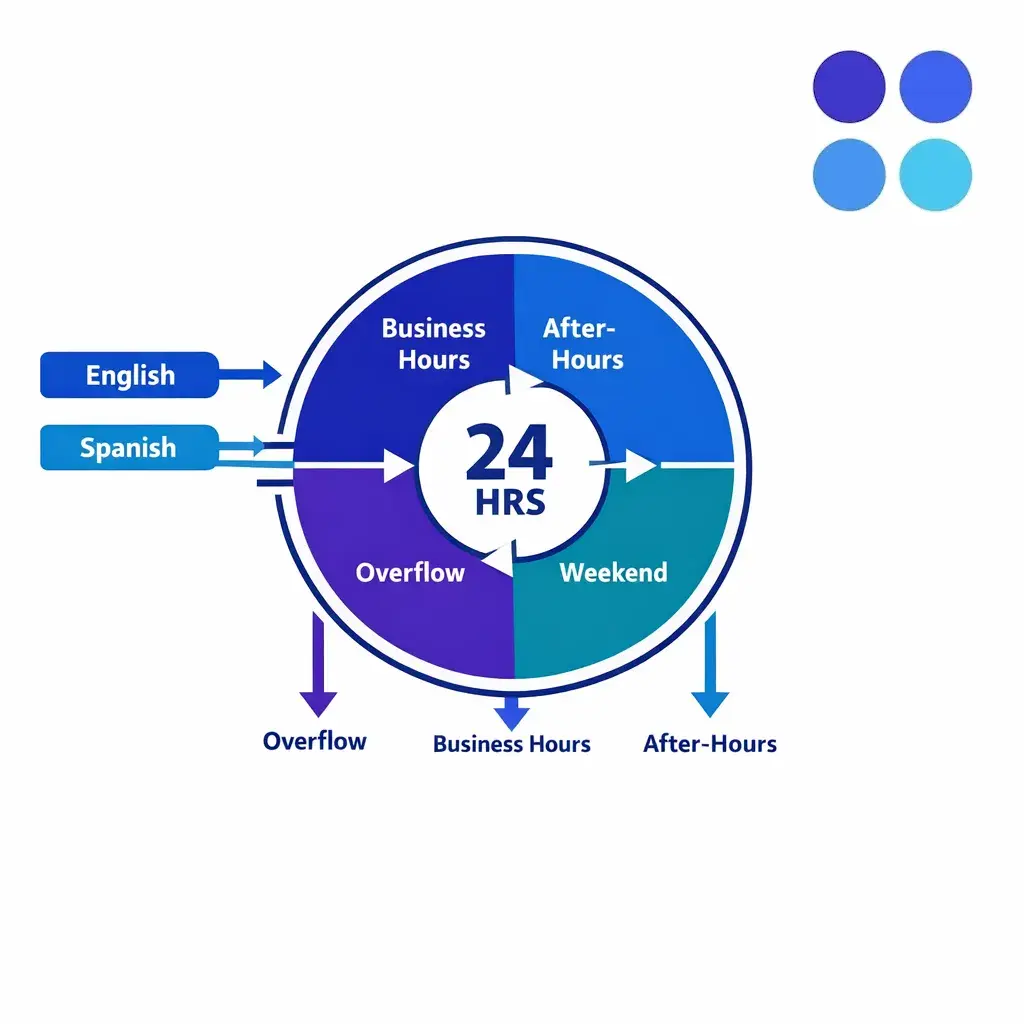
Bilingual call center services deliver dependable English/Spanish coverage across business hours, nights, weekends, and overflow — so demand meets matched staffing, routing, scripts, and QA in both languages.
Many buyers searching for a spanish call center are really looking for a more specific outcome: dependable English/Spanish coverage that works across voice, chat, form follow-up, appointment setting, lead capture, and after-hours intake. In enterprise settings, bilingual support is rarely a stand-alone feature. It is part of the wider service design.
If your organization has formal language-access obligations for people with limited English proficiency, bilingual support is not just a convenience layer. It becomes part of how you protect access, reduce friction, and make sure customer-facing workflows are usable in practice.
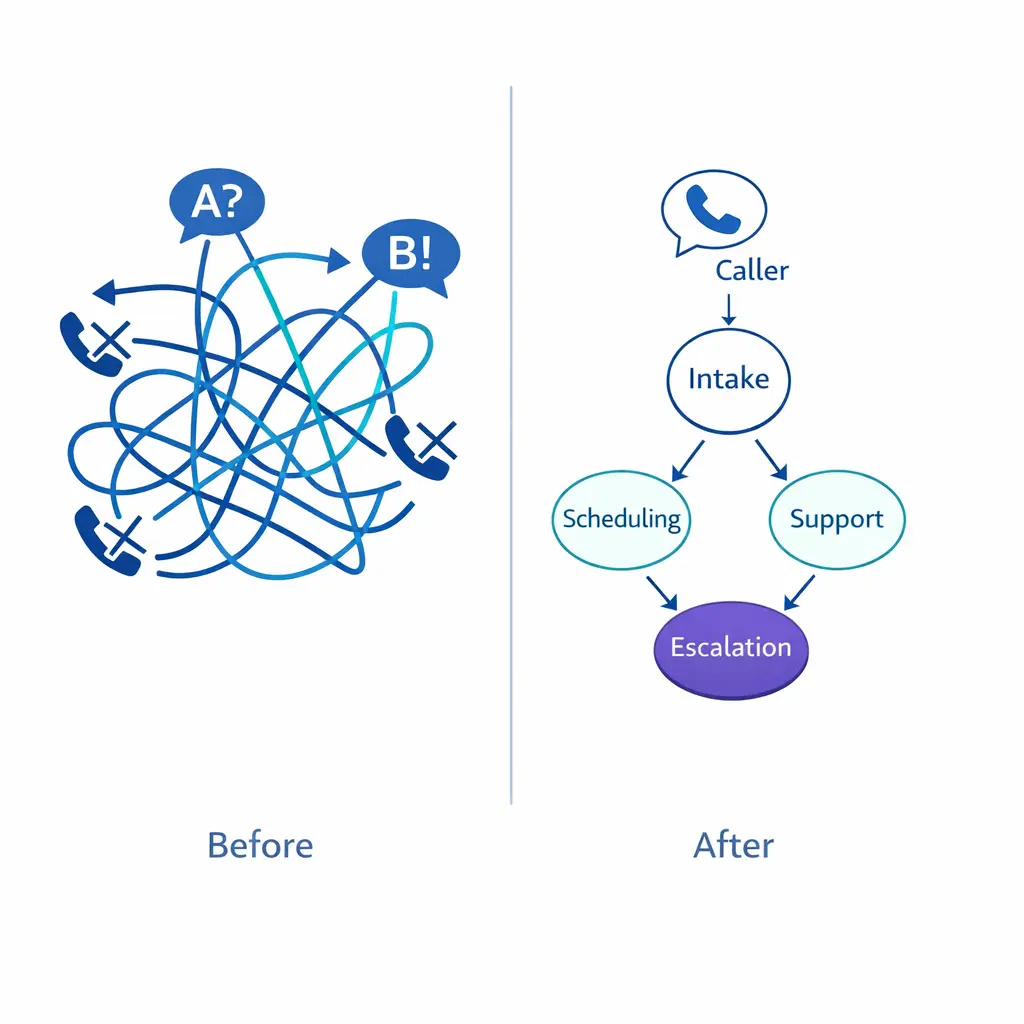
Bilingual coverage removes the dead end in routing. Instead of a transfer maze, a Spanish-speaking caller reaches the right queue directly, which cuts avoidable transfers and repeated explanations.
If you are comparing models, use this quick framework.
In practice, enterprise teams do not choose between these labels for branding reasons. They choose based on workflow depth. If the provider only needs to capture a message and route it correctly, a bilingual answering service may be enough. If the provider must resolve issues, complete intake, or manage more complex customer journeys, you need a fuller bilingual call center or multilingual call center design.
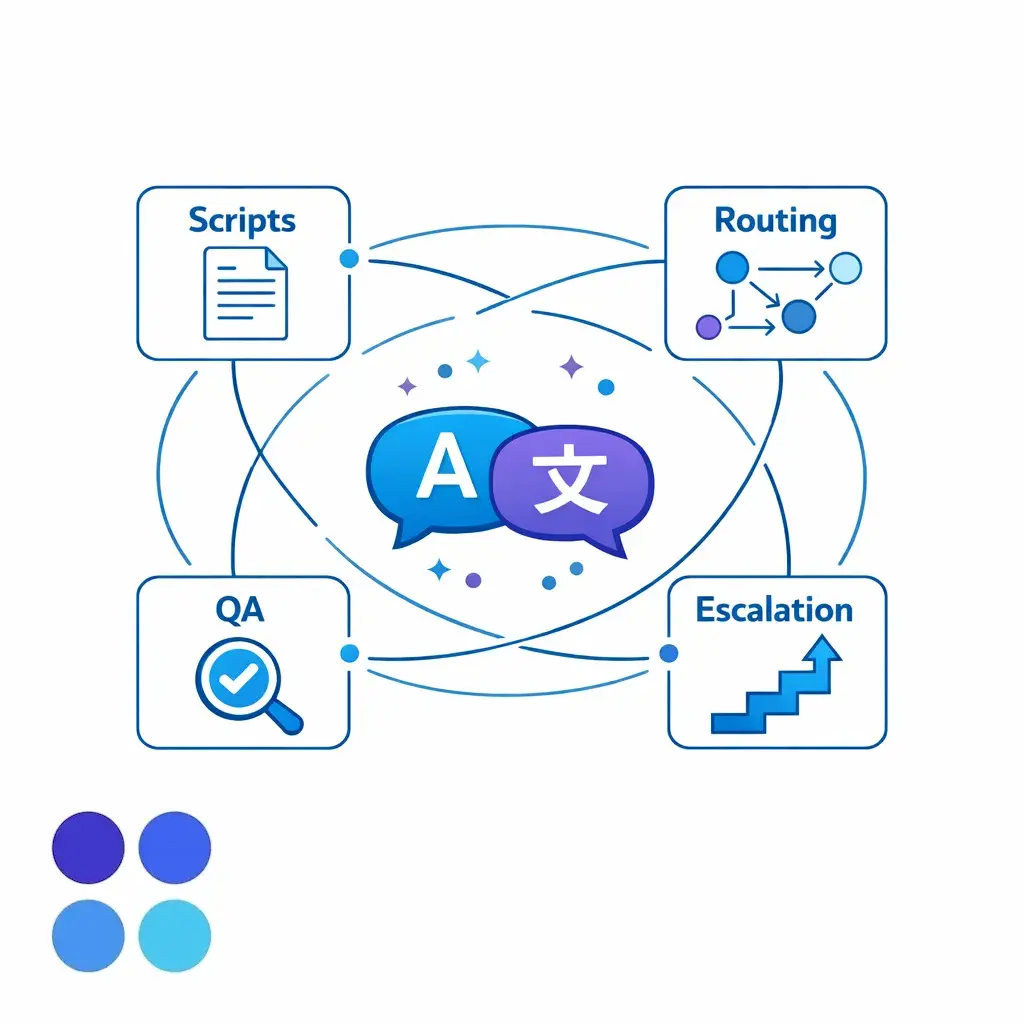
Enterprise bilingual support is not a translation problem. It is a layered workflow of scripts, routing, QA, and escalation, so the language layer sits on top of real operating control.
Bilingual support becomes especially valuable when speed and trust determine the outcome of the interaction. That is common in legal intake, healthcare scheduling, home services, property management, insurance-related workflows, and any multi-location business that cannot afford dropped calls after hours.
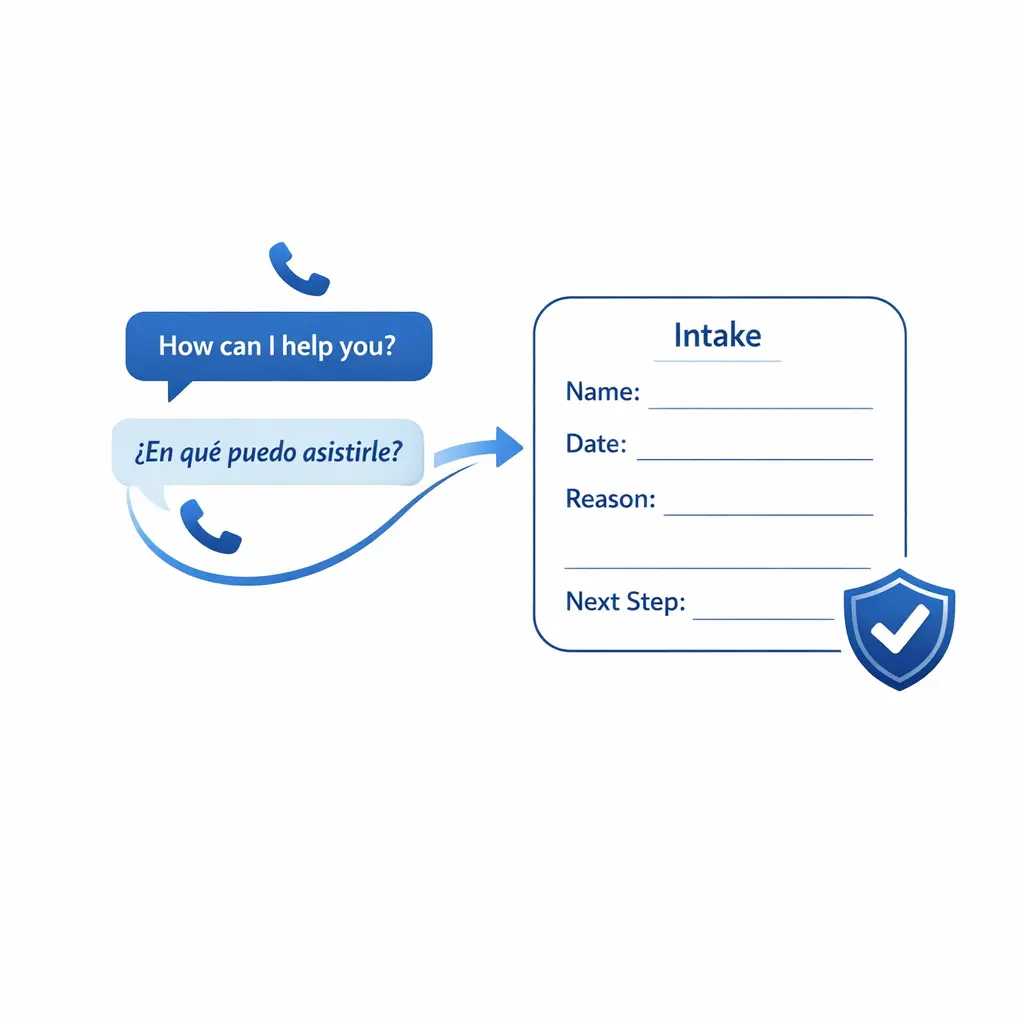
Intake quality decides the outcome in legal, healthcare, and service workflows. Bilingual agents should capture facts, names, dates, and next steps accurately at first contact, not just take a message.
The biggest mistake buyers make is treating bilingual support as a translation problem. Enterprise teams usually need a capacity and consistency solution. When English and Spanish coverage are planned together, you can stabilize queue performance instead of creating a second-class experience for one language group.
Coverage improves because language does not become a dead end in the routing flow. QA improves because scripts, verification steps, and escalation rules are reviewed in both languages instead of improvised by individual agents. Customer experience improves because callers get help in the language they are most comfortable using, without a transfer maze or repeated explanation.
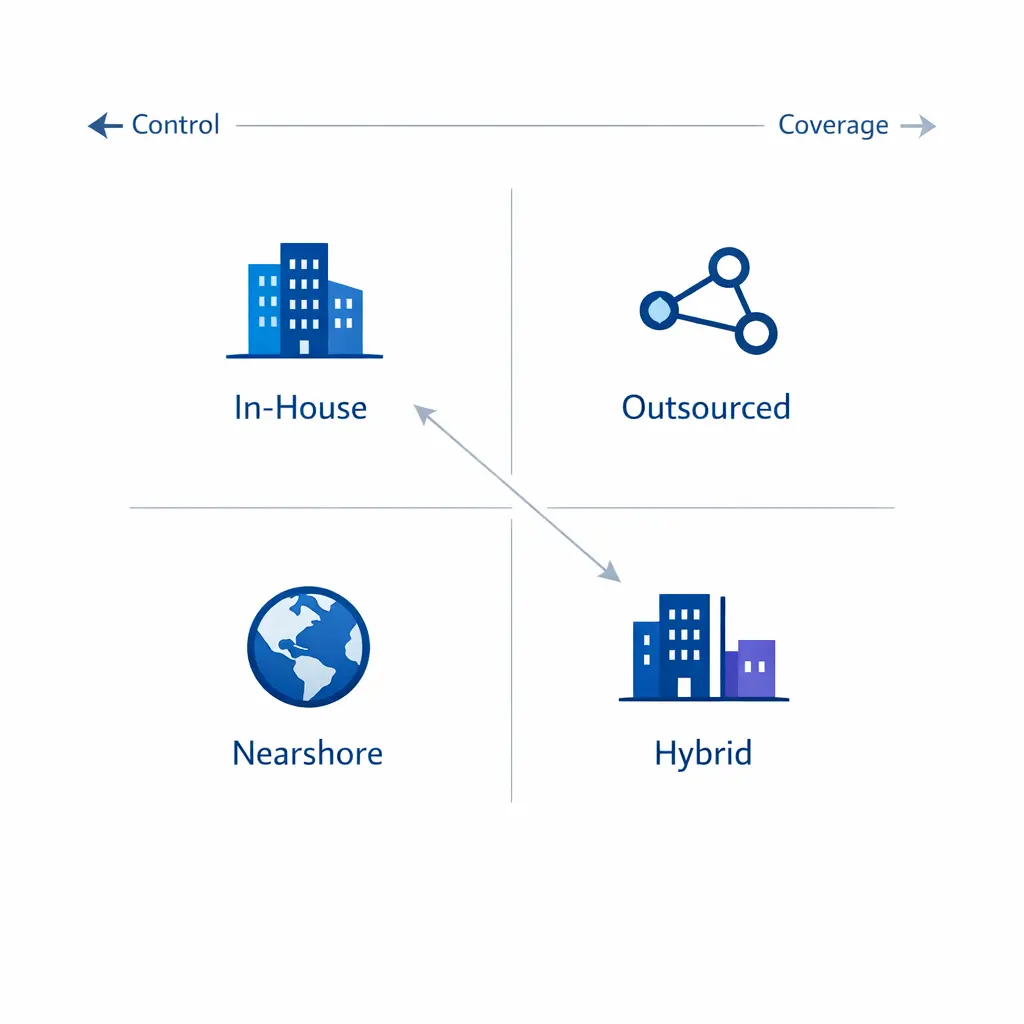
Compare four staffing models — in-house, outsourced, nearshore, and hybrid. The right choice depends on complexity, required hours, data sensitivity, and how much control you need over coaching.
Well-designed bilingual customer support can help teams:
For high-volume operations, the operational gain is often simple: fewer dropped opportunities and fewer recoverable failures. A bilingual support outsourcing model can also give enterprises a cleaner path to scale than trying to hire for every shift and location internally.
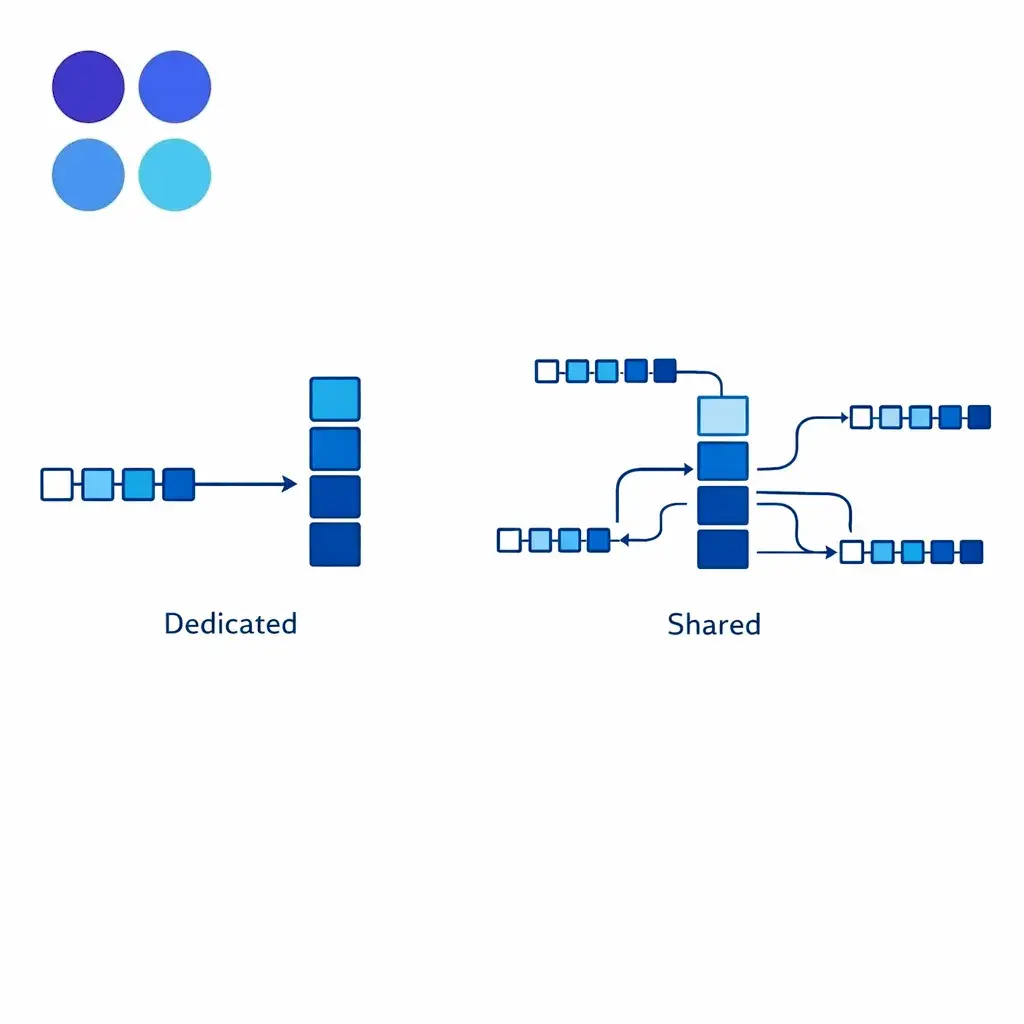
Dedicated agents fit complex, regulated, or conversion-sensitive workflows and make calibration easier. Shared pools suit variable volume and narrow workflows where flexibility matters more than depth.
There is no universal best model. The right choice depends on complexity, required hours, data sensitivity, and how much control you need over coaching and performance management.
In-house makes sense when the workflow is highly specialized, brand-sensitive, or tightly tied to internal systems and supervisors. The challenge is coverage. Many teams can staff daytime demand but struggle with nights, weekends, holidays, lunch-hour spikes, and unexpected absenteeism.
Outsourced works well when the main need is reliable coverage, faster deployment, and more elasticity across locations or campaigns. The tradeoff is governance. You need strong onboarding, clear scripts, QA controls, and reporting discipline so the vendor behaves like an extension of your team.
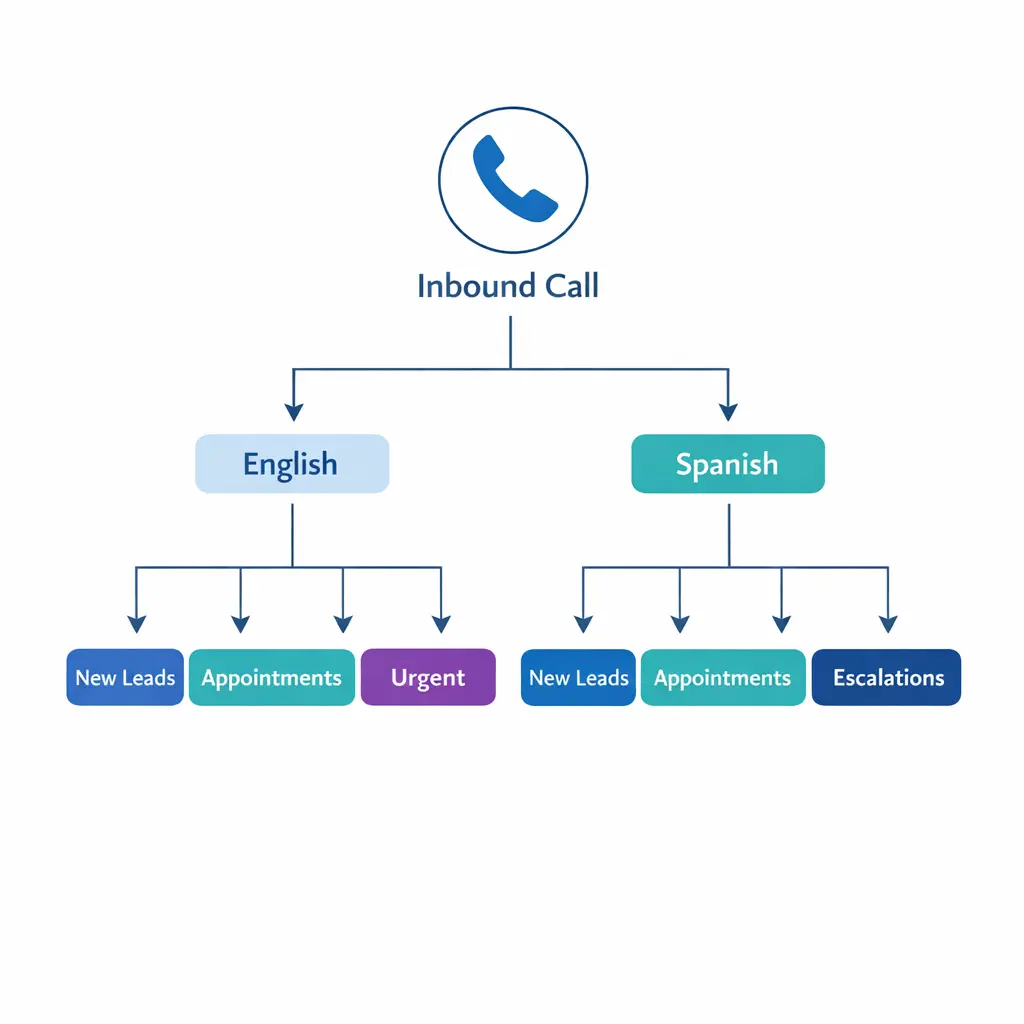
Start language handling before the agent. Early IVR language selection plus skills-based routing sends English and Spanish callers to the right specialized queue, with a defined fallback when no agent is free.
Nearshore can be attractive when you want strong English/Spanish availability, time-zone alignment, and scalable staffing. The real evaluation question is not geography alone. It is whether the provider can meet your workflow, compliance, and escalation requirements without increasing operational noise.
Hybrid is often the most practical enterprise answer. Internal teams keep complex, high-risk, or high-value interactions, while the partner handles after-hours, overflow, tier-one bilingual customer support, or front-end intake. This model usually gives the best balance between control and coverage.
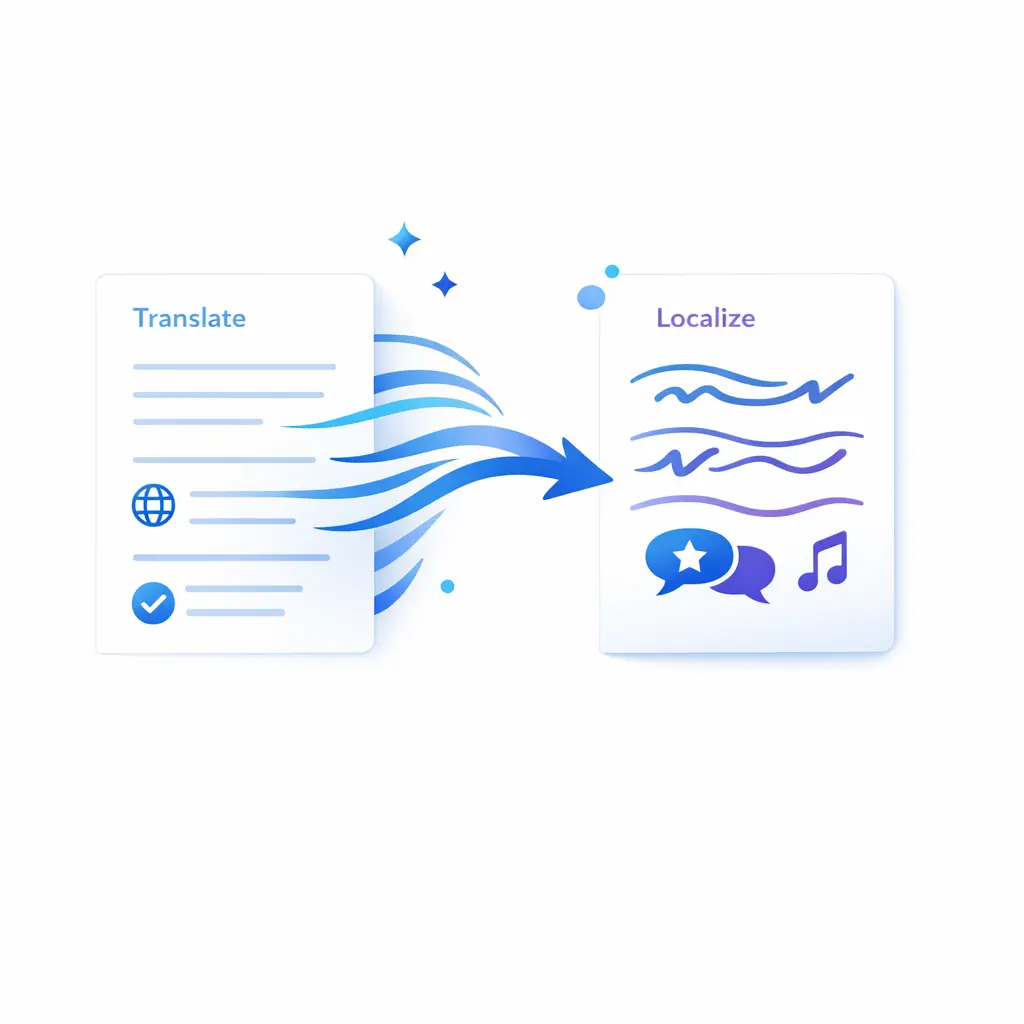
A direct translation of an English script rarely works. Localize key phrases, disclosures, and empathy lines so they sound natural and stay accurate — cleaner QA and less handle-time friction.
Dedicated agents are usually the better fit when the workflow is complex, regulated, or conversion-sensitive. They learn your terminology, systems, escalation rules, and quality expectations faster. They also make calibration easier because you are coaching against a stable team.
Shared pools can work when volumes are variable, the workflow is narrow, and you need flexibility more than deep specialization. For overflow or message-taking, a shared model may be efficient. For legal intake, medical scheduling, or nuanced customer retention, dedicated coverage is usually safer.
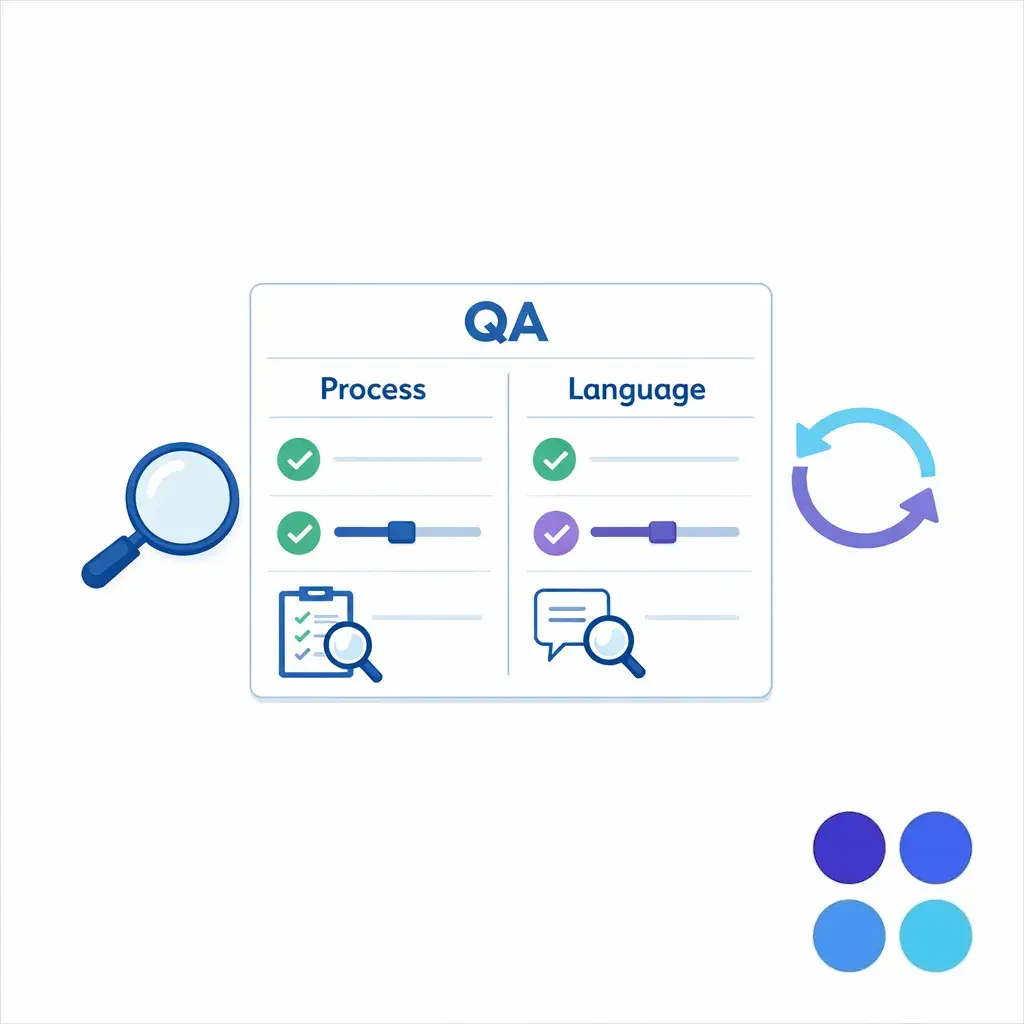
A strong bilingual scorecard measures two things at once: workflow accuracy and language execution. Keep one core scorecard across languages, then add a small layer for language accuracy and cultural fit.
Fluency alone is not enough. Buyers should look for agents who can handle nuance, explain next steps clearly, and move naturally between empathy and precision. That matters when discussing symptoms, legal facts, billing disputes, appointment preparation, or emotionally charged service issues.
Cultural alignment also matters. Localized phrasing, tone, and expectations around formality can change how a caller experiences the interaction. Strong bilingual call center services build escalation paths for the moments when a caller needs a specialist, a supervisor, or a more advanced explanation than a front-line agent should give.
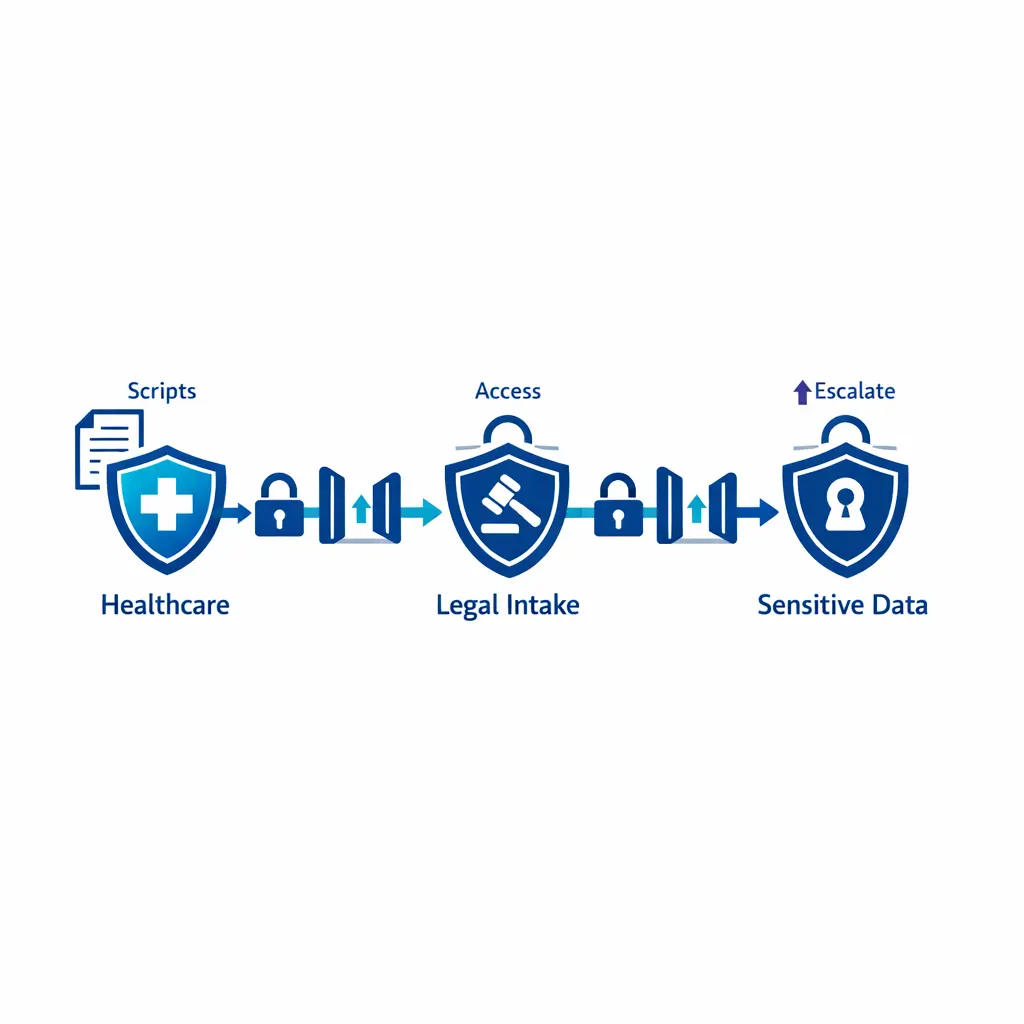
Regulated bilingual workflows need guarded boundaries: documented scripts, controlled permissions, and clear escalation. Structured intake with narrow agent authority is safer than free-form conversation.
The best bilingual service design starts before the call reaches an agent. You need to decide where language preference is identified, how it is stored, and how it shapes the rest of the workflow across channels.
On voice, the cleanest pattern is early language selection in the IVR, followed by queueing rules that respect that choice. If the caller is already known in your CRM or scheduling platform, language preference should pre-populate future routing whenever possible.
For web chat, forms, SMS follow-up, and intake callbacks, the same logic applies. Ask once, save the preference, and route accordingly. If a Spanish-speaking agent is unavailable, the workflow should define the next best option: callback, specialist transfer, interpreter escalation, or urgent-handling exception.
Do not assume that one bilingual queue solves everything. Different workflows often need separate skill groups for new leads, existing customers, appointments, urgent issues, and escalations. The language layer should sit on top of that structure, not replace it.
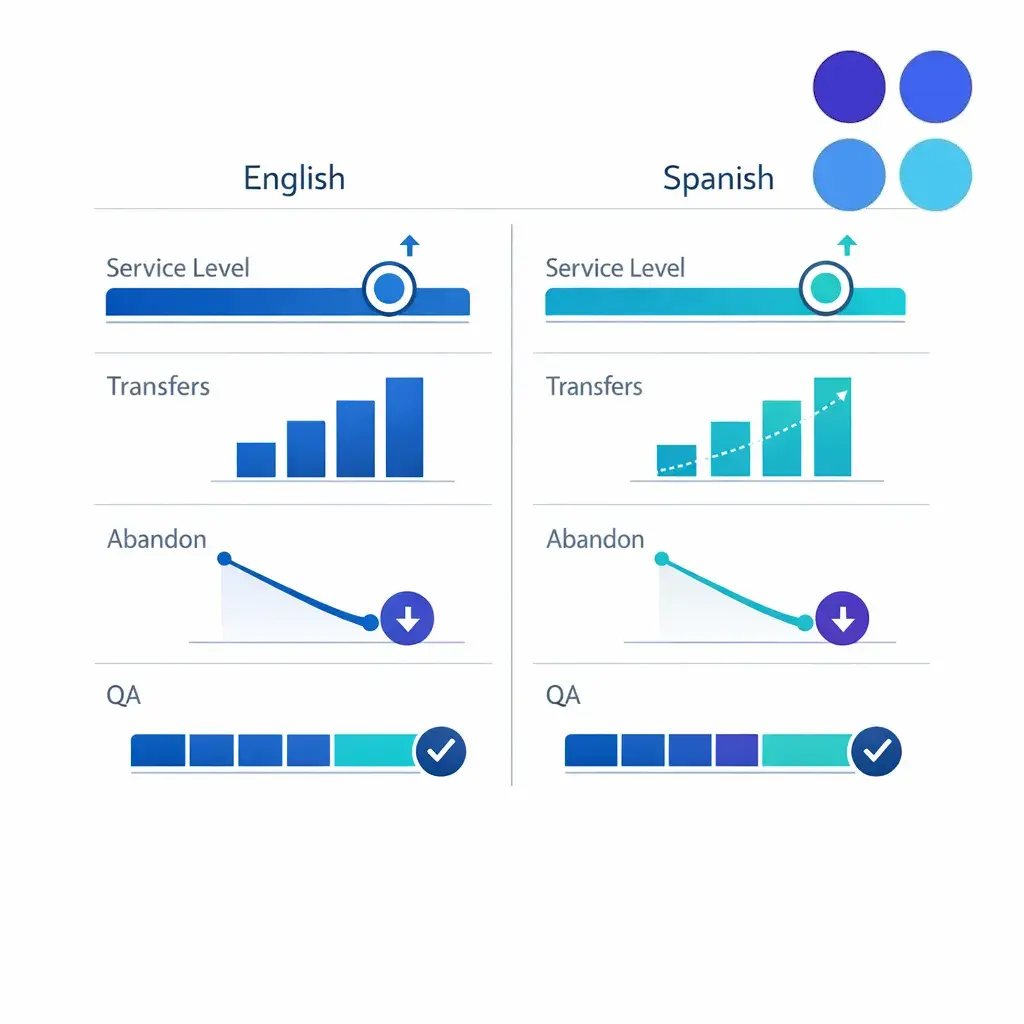
Report bilingual performance separately and together. If the blended dashboard looks healthy but Spanish abandonment or transfers lag, the operation still has a hidden quality gap.
A direct translation of an English script is rarely enough. Enterprise teams should localize key phrases, disclosures, empathy lines, and explanations so they sound natural and remain accurate. That is especially important for legal intake, healthcare instructions, payment language, and service recovery.
Good localization also reduces handle-time friction. Agents do not have to mentally rewrite awkward phrasing in real time, and callers are less likely to pause, clarify, or misinterpret the next step. The result is cleaner QA and more consistent customer experience.
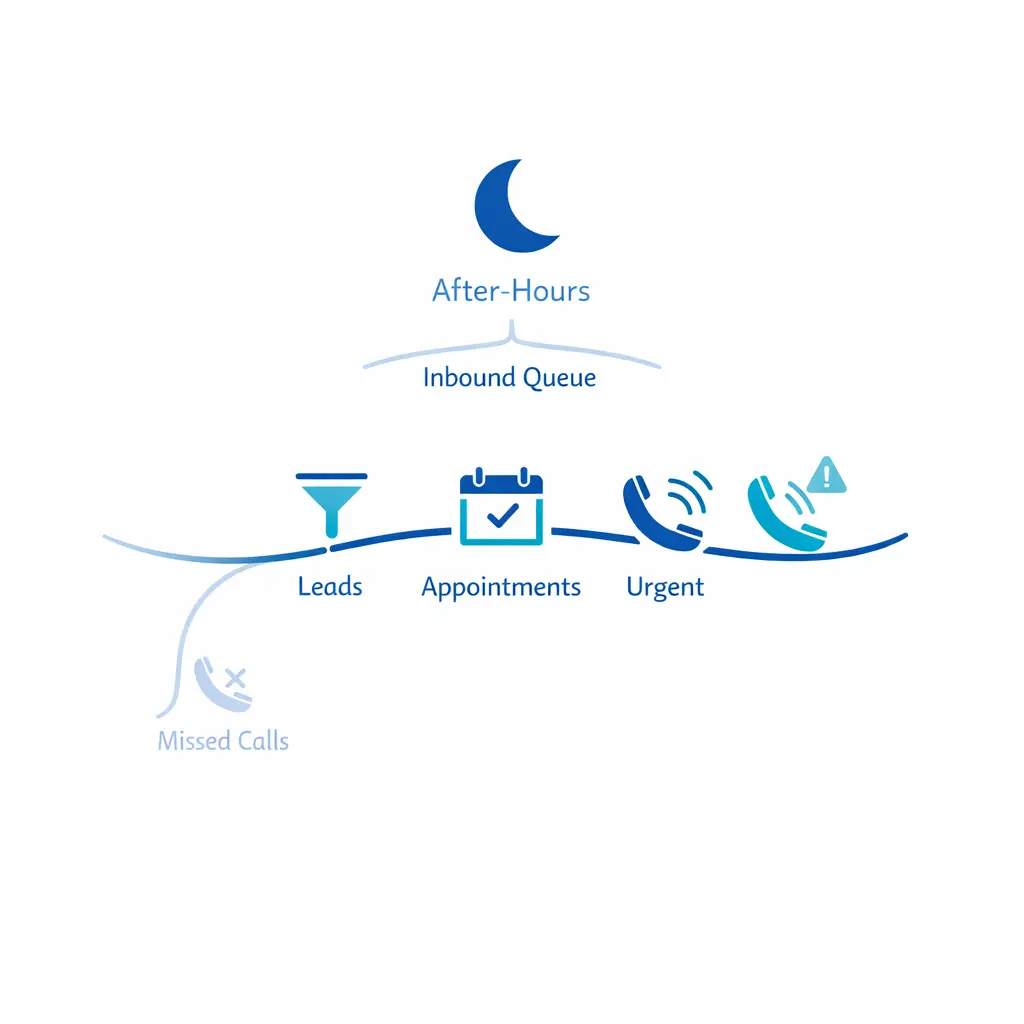
After-hours coverage protects revenue. When internal staff logs off, a bilingual queue should turn would-be missed calls into captured leads, scheduled callbacks, and correctly routed urgent issues.
If you want bilingual support to improve performance instead of just extend hours, QA has to be built into the design. That means the same level of monitoring, review, and coaching you would expect in English, with language-specific controls added where needed.
A strong bilingual scorecard usually measures two things at once: workflow accuracy and language execution. The first covers authentication, data capture, compliance statements, proper routing, and documentation. The second covers clarity, natural phrasing, listening, empathy, and whether the caller left the interaction understanding the next step.
Try to keep one core scorecard across languages, then add a small bilingual layer for language accuracy and cultural fit. If you create completely separate QA systems for English and Spanish, it becomes harder to compare performance fairly and coach consistently.
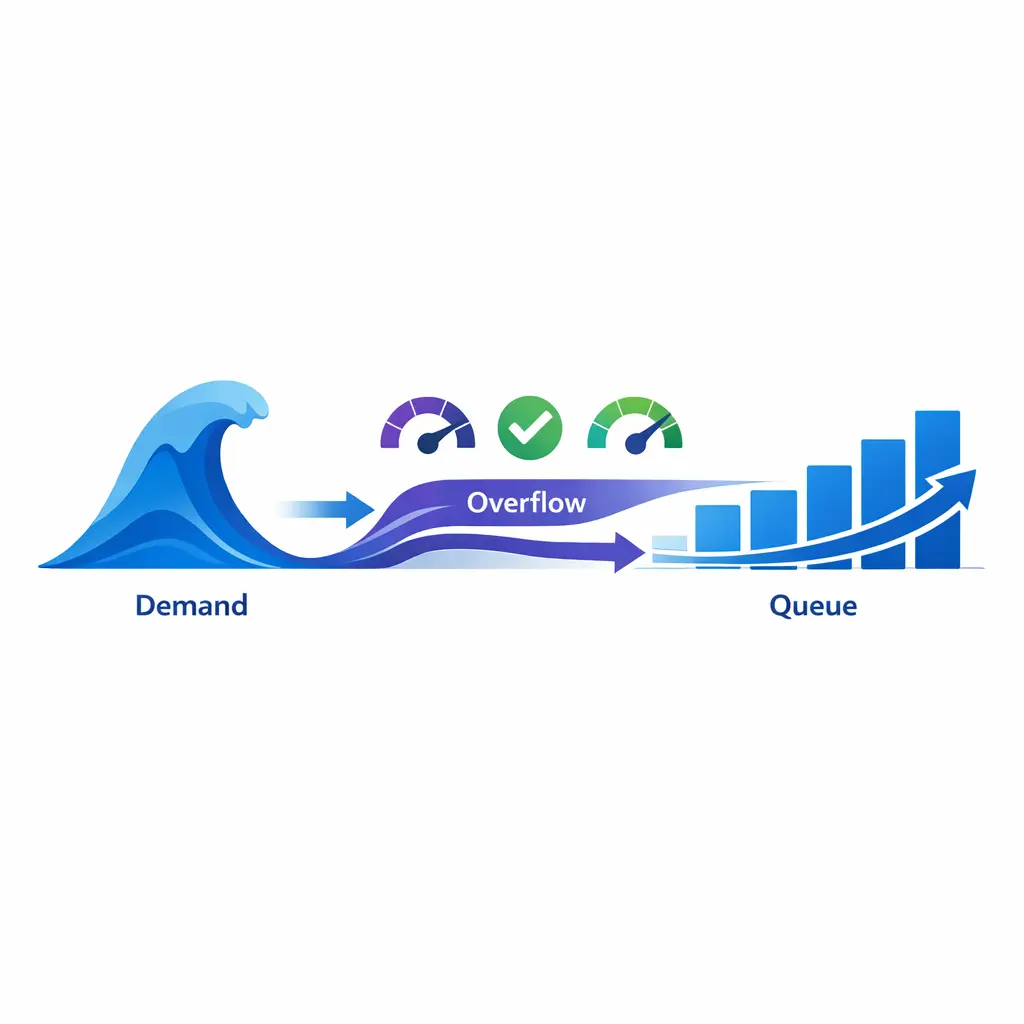
Overflow readiness keeps service levels stable during peaks, campaigns, weather events, or staffing gaps — excess volume is diverted into bilingual support instead of dropped calls.
Healthcare organizations should map bilingual support to the 2024 HHS final rule under Section 1557 of the Affordable Care Act and to the National CLAS Standards if language access is part of the patient-facing operating model. In practical terms, that usually means documented scripts, defined escalation options, and clear ownership for communications that need extra review.
Legal intake needs a different kind of control. Agents should capture facts, avoid giving case advice, use attorney-approved disclaimers, and know when to stop and escalate. The safer model is structured intake with narrow agent authority, not free-form conversation.
For regulated financial or customer-information workflows, scripts, authentication steps, and vendor oversight should align with the FTC Safeguards Rule when sensitive data is handled by phone or in related support processes. The same logic applies to recordings, access permissions, note-taking, and retention practices.
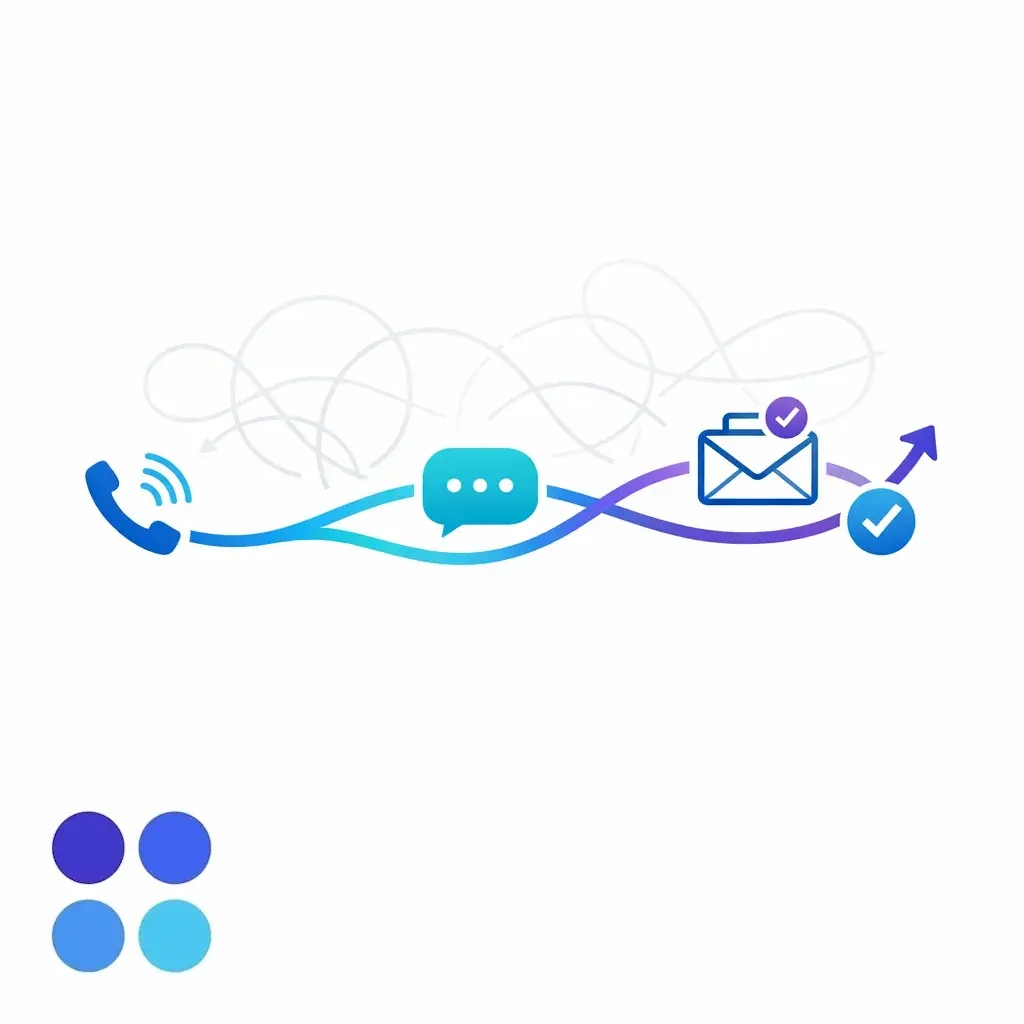
Customer experience improves when callers get help in their preferred language without a transfer maze or repeated explanation — a direct path from contact to resolution.
Report bilingual performance separately and together. Leaders should be able to see how English and Spanish queues perform by hour, location, workflow, and agent group. If the combined dashboard looks healthy but Spanish abandonment or transfer rates are lagging, the operation still has a quality gap.
Calibration matters just as much as reporting. Review the same interactions across QA, operations, and client stakeholders so everyone agrees on what "good" sounds like in both languages. That step is often what turns a bilingual support program from adequate to dependable.
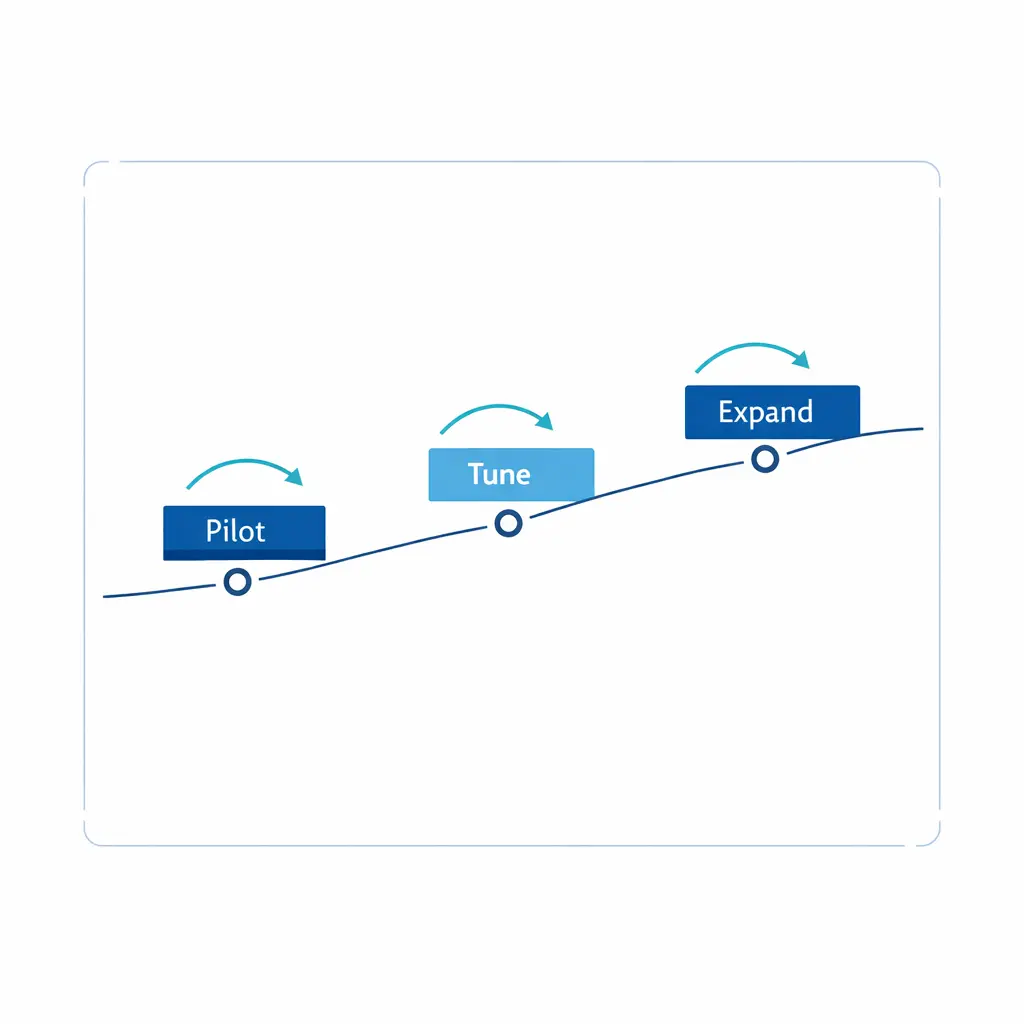
A phased launch beats a big-bang rollout. Start with one queue, client group, or location, tune scripts, routing, and reporting, then expand once the model proves out.
For many healthcare organizations, the biggest recent shift is that language access has moved higher on the operational priority list as teams interpret the updated Section 1557 rulemaking from HHS in day-to-day workflows. Even where a business is not directly covered, buyer expectations have changed. Leaders now expect bilingual voice support to match the quality of chat, intake forms, scheduling, and follow-up processes.
The practical takeaway is simple: enterprise bilingual support is becoming less about "Can you answer in Spanish?" and more about "Can you operate the full workflow with the same control, visibility, and reliability?" That is the standard buyers should use.
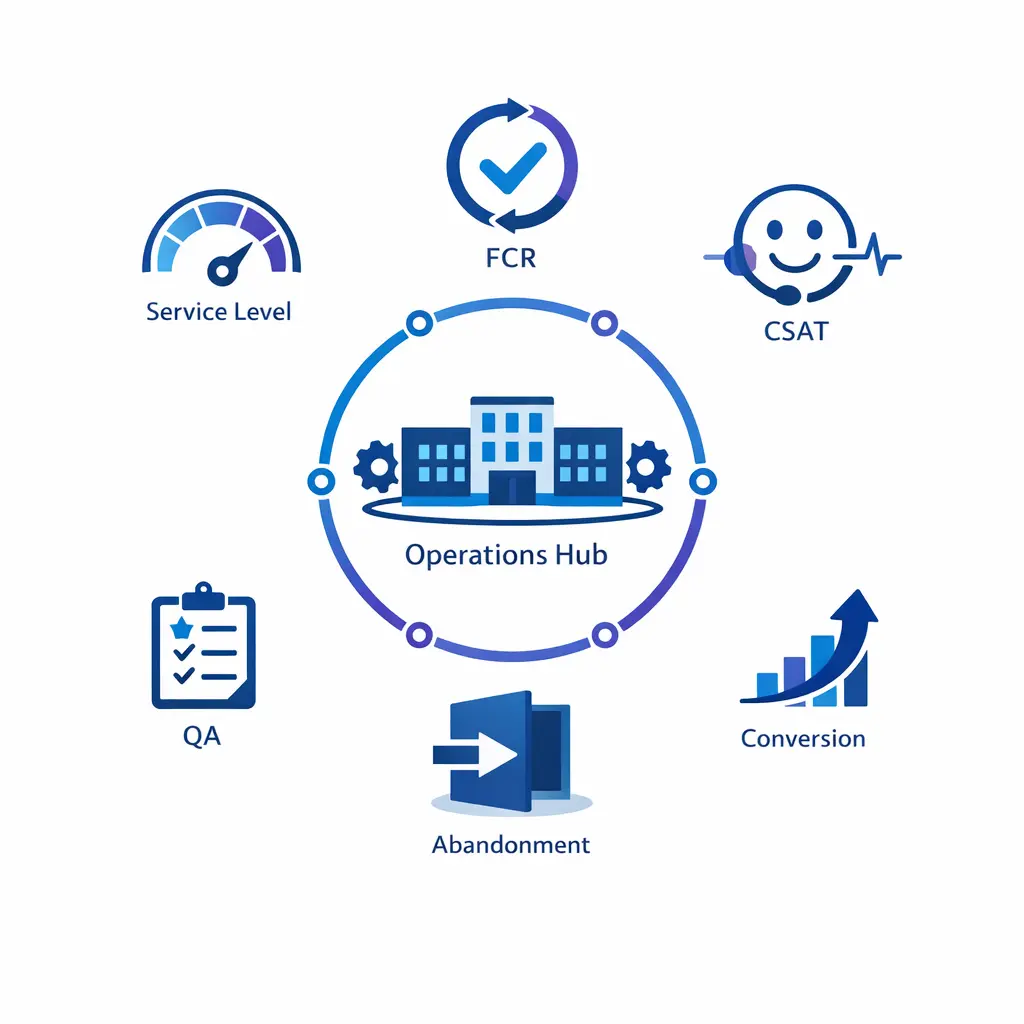
Track the few metrics that matter — service level, first-call resolution, CSAT, QA score, abandonment, and conversion — and split each by language, channel, time of day, and workflow.
Before launch, define a small set of customer service metrics that both your team and the provider will use. Too many dashboards create noise. Too few hide risk.
The most useful bilingual metrics are the ones that show whether customers are reaching the right team quickly, whether issues are getting resolved, and whether intake quality is holding up under volume. Split each metric by language, channel, time of day, and workflow type whenever possible.
For enterprise teams, two supporting views are especially useful. First, track transfer rate by language so you can see whether callers are being bounced around. Second, track after-hours outcomes separately so you know whether your bilingual answering service is truly protecting revenue and response time when internal staff is offline.
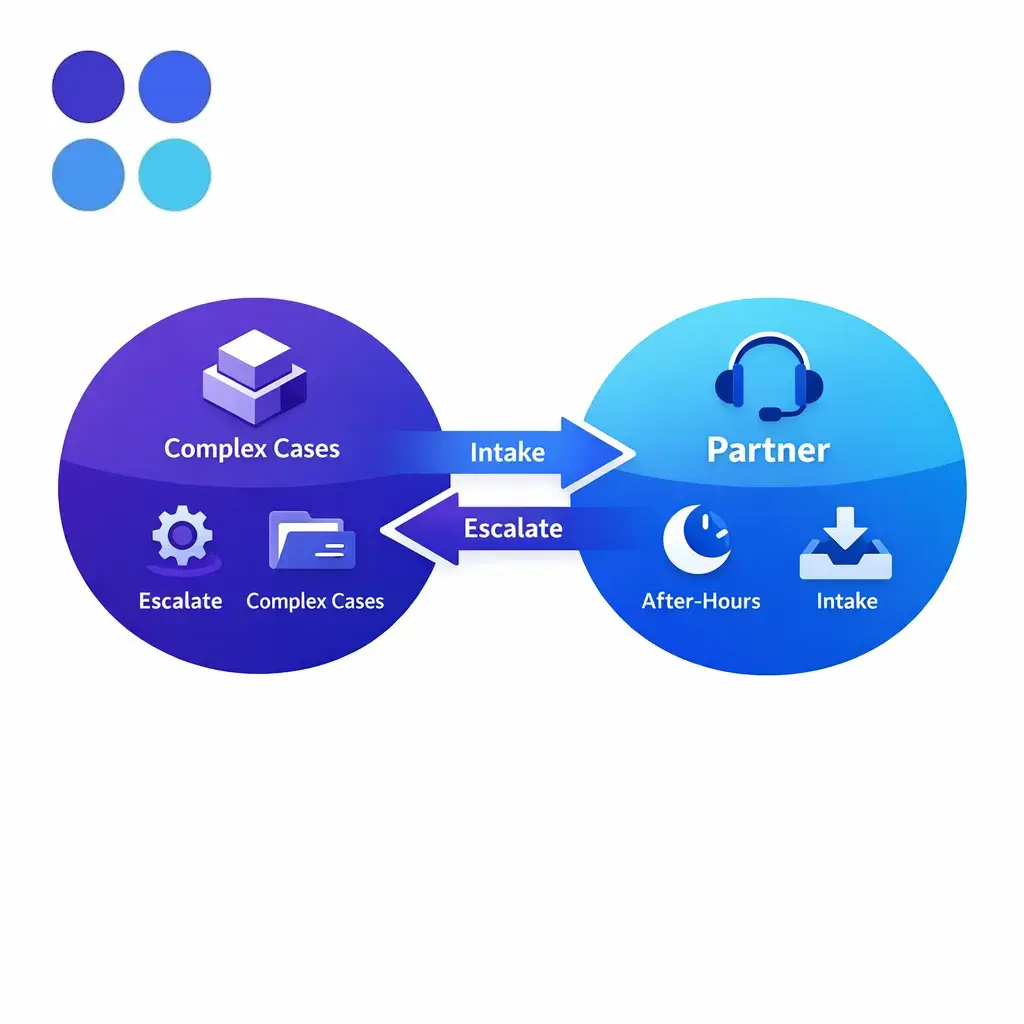
Hybrid is often the most practical enterprise model: internal teams keep complex, high-value work while a partner covers after-hours, overflow, tier-one bilingual support, and front-end intake.
The right partner is not just the one with Spanish-speaking agents. It is the one that can show you how staffing, routing, QA, reporting, and escalation will work for your exact use case.
Ask practical questions like these:
If you are asking, "How can bilingual services help my business?" the best answer is operational, not abstract. The right model can help you answer more calls, protect after-hours response, improve intake accuracy, and deliver a more consistent customer experience for both English- and Spanish-speaking customers.
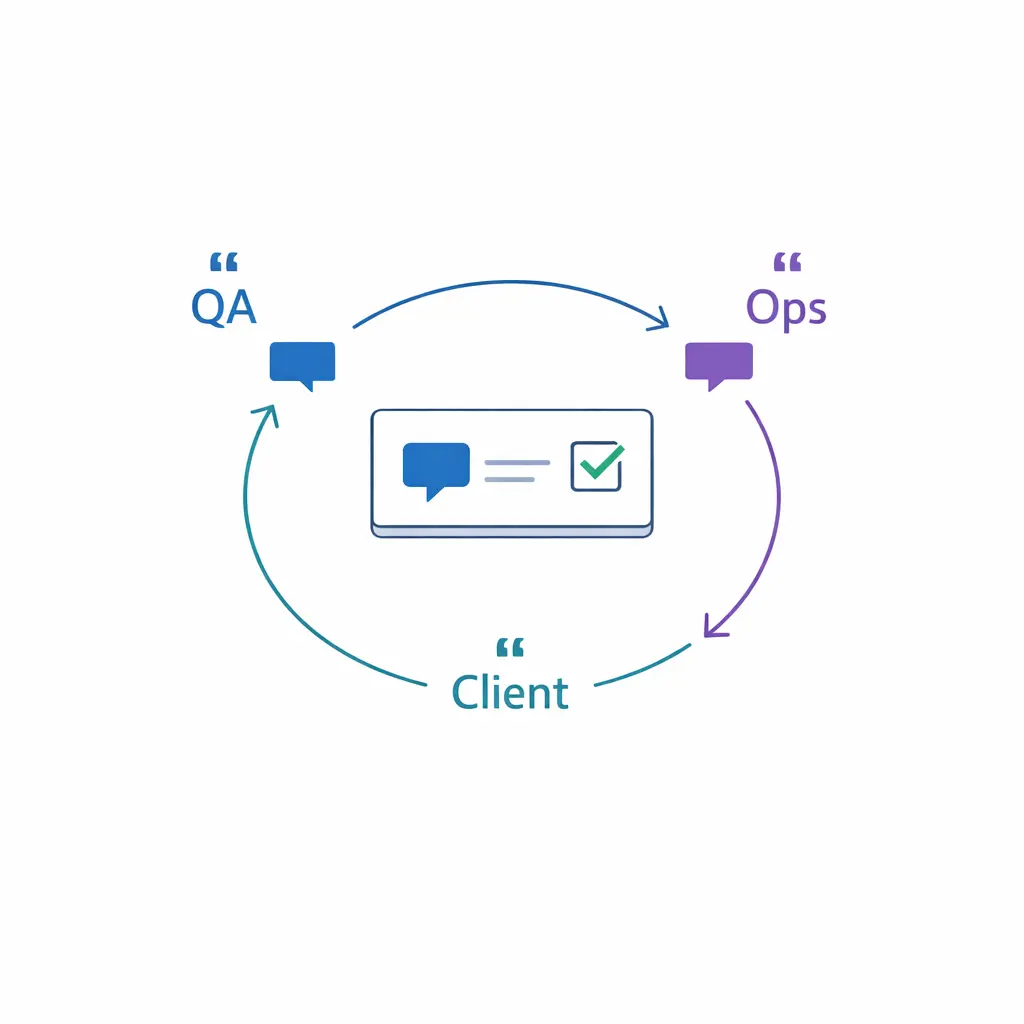
Calibration aligns QA, operations, and client stakeholders on what "good" sounds like in both languages — the step that often turns a bilingual program from adequate to dependable.
Most failures do not come from lack of intent. They come from treating bilingual support as a staffing purchase instead of a workflow design project.
A common misconception is that any fluent bilingual agent can handle complex intake. In reality, regulated or conversion-sensitive workflows need training boundaries, approved scripts, and clear escalation rules. Fluency helps, but process control is what makes the model enterprise-ready.
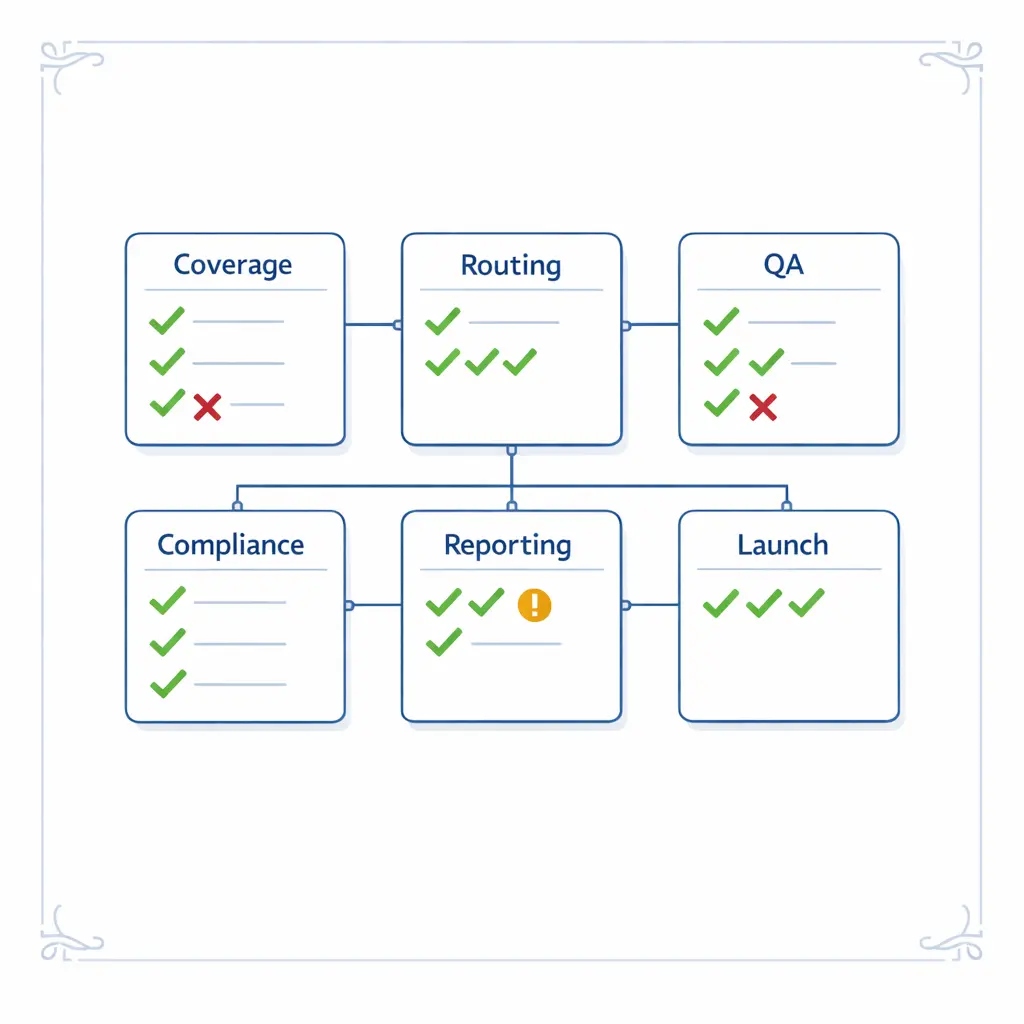
The right partner is not just the one with Spanish-speaking agents. It is the one that can show how coverage, routing, QA, compliance, reporting, and launch readiness work for your exact use case.
If you are planning a launch in the next 30 to 60 days, keep the scope tight and the controls clear. Start with the workflow that creates the most operational pain or the highest revenue risk.
If you want to explore enterprise BPO options, see how the workflow would actually run, or view use cases for after-hours coverage and intake-heavy programs, Go Answer can help you map the operating model before you commit to full rollout.
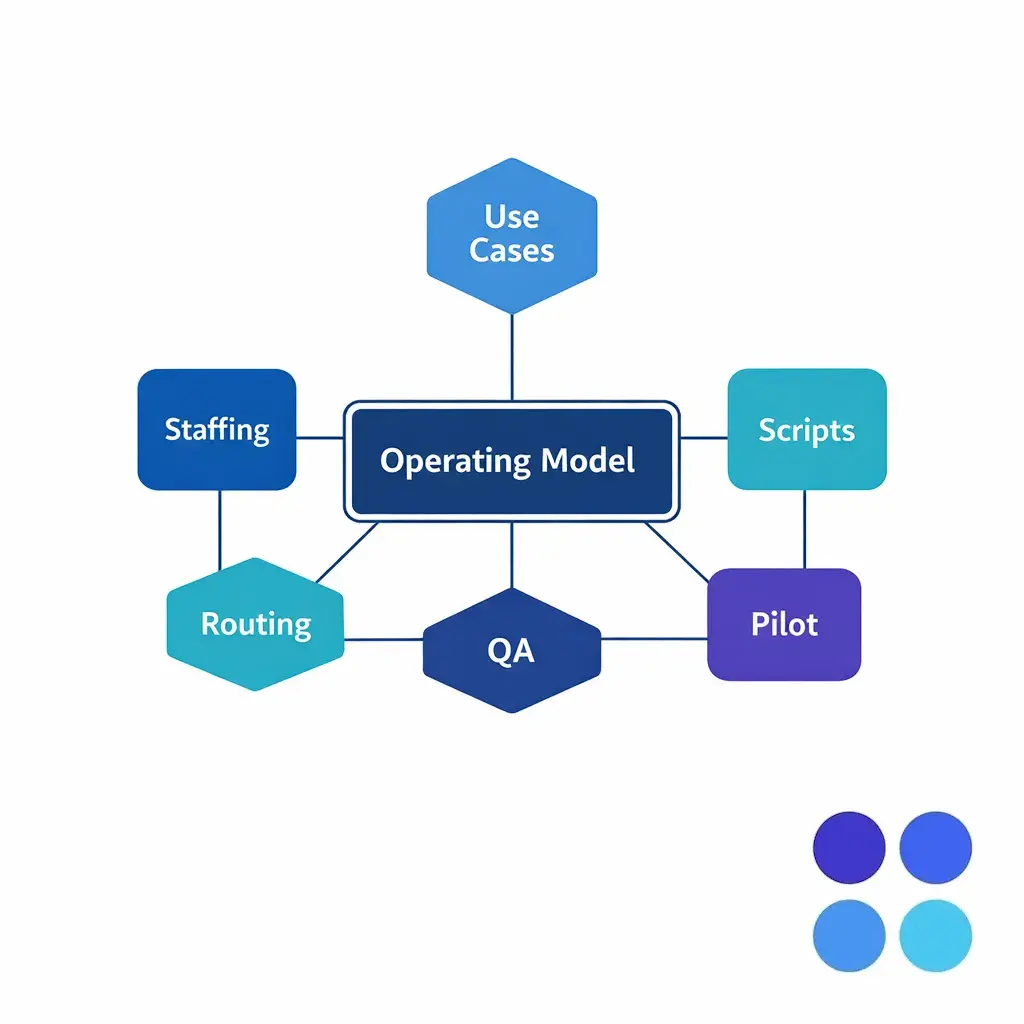
Before launch, map the operating model: use cases, demand, staffing, localized scripts, routing, QA, compliance, and a pilot. Keep the scope tight and the controls clear.
If your team is evaluating bilingual call center services, bilingual answering service coverage, or a larger enterprise call center BPO strategy, the next step is to review your volumes, channels, escalation rules, and QA goals against a realistic staffing plan. That is how you avoid buying capacity without buying control.
When you are ready, Book a Discovery Call to discuss coverage, intake quality, after-hours workflows, and the reporting structure you would need to manage performance with confidence.

Learn why thousands of companies rely on Go Answer.
Try us risk-free for 14 days!
Enjoy our risk-free trial for 14 days or 200 minutes, whichever comes first.
Have more questions? Call us at 888-462-6793
Learn why thousands of companies rely on Go Answer.
Have more questions? Call us at 888-462-6793
If you would like to get in contact with a Go Answer representative please give us a call, chat or email.

Thanks for your interest!
A representative will be reaching out to you shortly.
Have more questions? call us on 888-462-6793
