
Spanish Call Center Support: When Enterprise Teams Need Bilingual Coverage and What to Measure
By Troy Van WillisLast modified: September 15, 2026
Voted Top Call Center for 2024 by Forbes
Virtual Receptionists
Save time and money with our virtual receptionists.
AI Receptionist
AI-powered receptionist that answers, routes, and qualifies calls 24/7.
Enterprise Solutions
Solutions designed to scale with your organization’s needs.
Legal Services
Our virtual legal receptionists are experts in legal intake.
Last modified: September 15, 2026
If Spanish-speaking callers reach voicemail or English-only overflow, revenue and service quality can slip quickly. According to the U.S. Census Bureau, Spanish is the most common non-English language spoken at home in the United States, which makes Spanish-language coverage a practical operations issue, not a niche add-on. For multi-location service businesses, healthcare practices, legal intake teams, and other inbound-heavy organizations, the real question is not whether to offer bilingual phone support. It is how to deliver it with the same speed, accuracy, and governance expected from the English queue.
A Spanish call center is a support or intake operation that can handle Spanish-language calls end to end. In enterprise settings, that means more than a translated greeting. It usually includes bilingual agents, system access, approved scripts, escalation rules, and reporting that lets leaders measure Spanish contacts as a real service line.
This guide explains when enterprise teams typically need Spanish call center support, what bilingual call center services should actually include, which coverage models fit different workloads, and what to measure after launch. It also covers QA benchmarks, translation consistency, scheduling support, and escalation rules for industries where first-contact quality directly affects revenue, compliance, and customer trust.
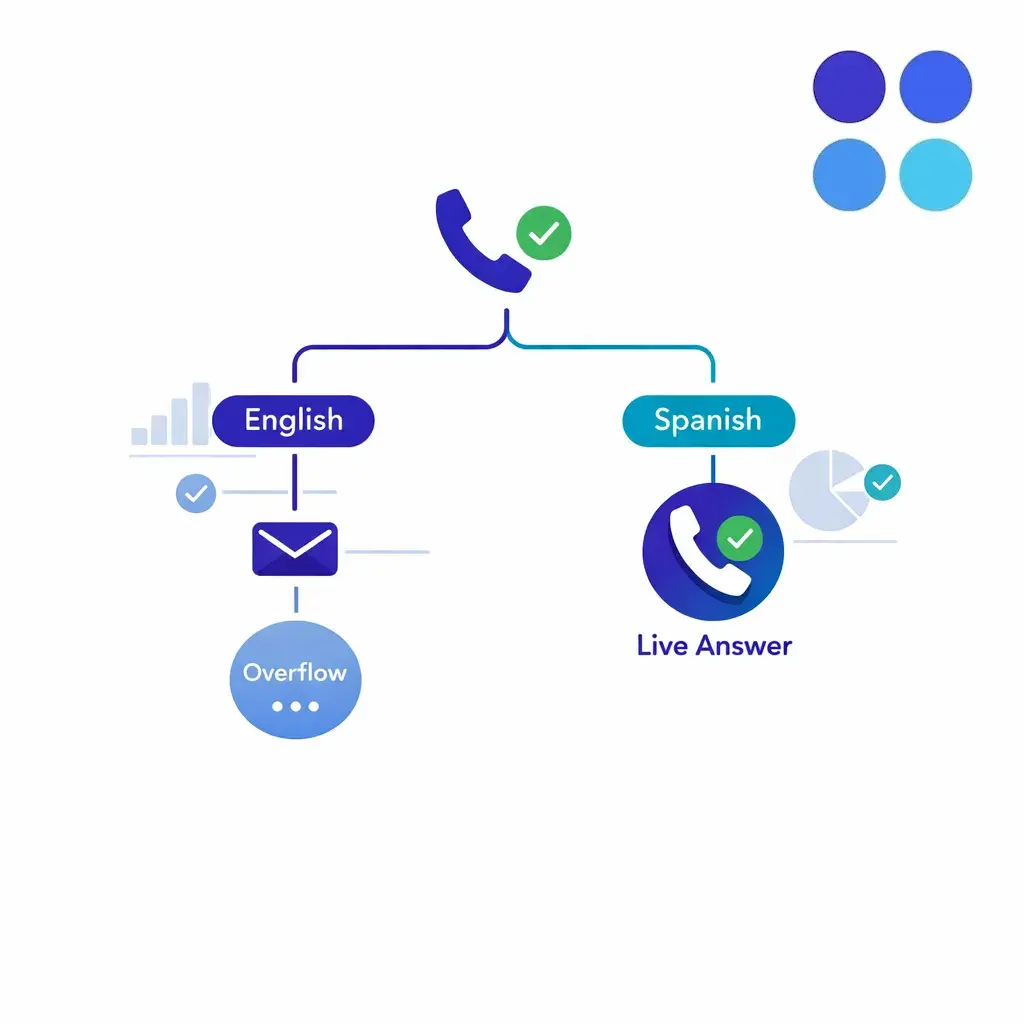
Spanish-speaking callers should reach live bilingual support, not voicemail or English-only overflow. With Spanish the most common non-English language spoken at home, dependable coverage is an operations issue, not a niche add-on.
Inbound-heavy teams live or die by the first interaction. When the first call is a schedule request, a case inquiry, an urgent maintenance issue, or a support problem, even a small language gap can create missed opportunities, incomplete records, and repeat calls. That is why Spanish answering service coverage matters most in environments where the phone is still the fastest path to action.
Enterprise teams also need to think past courtesy. Bilingual customer support affects conversion rate, intake completeness, time to disposition, and the caller's willingness to stay on the line long enough to finish the process. If Spanish callers can start the journey but cannot complete it, the organization still carries the cost of demand without getting the operational outcome.
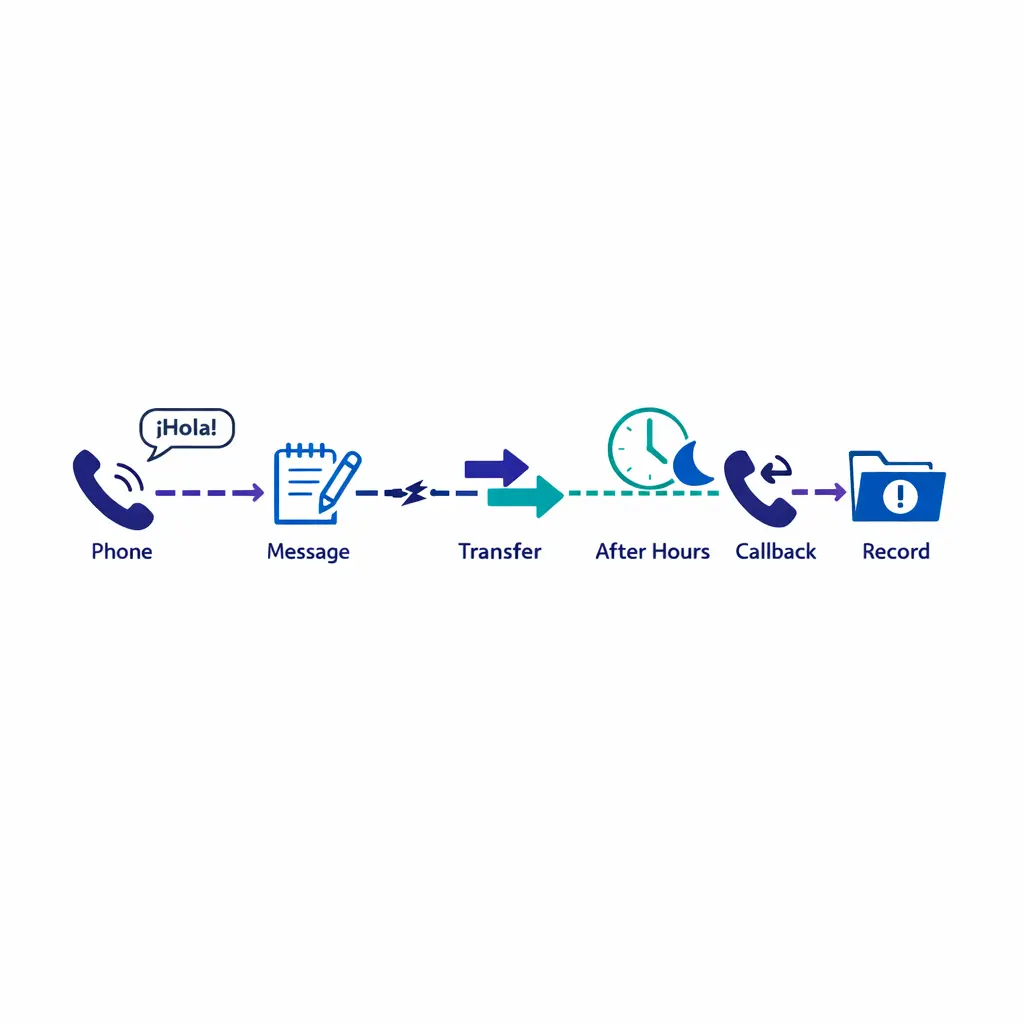
Partial or after-hours-only Spanish coverage creates fragmented call paths: more transfers, longer delays, and incomplete records. The caller experience changes by shift, which makes QA harder and erodes trust.
Many organizations begin with a narrow model: one bilingual employee, an overflow vendor that mainly takes messages, or after-hours-only call center Spanish support. That can buy time, but it often creates inconsistent explanations, more transfers, and weaker documentation. The caller experience changes by shift, which makes QA harder and trust easier to lose.
Partial coverage is especially risky when a call contains sensitive details or a narrow response window. In those cases, the problem is not simply that a Spanish-speaking caller waited longer. The bigger problem is that the workflow can fragment across agents, departments, or languages before the issue is resolved.
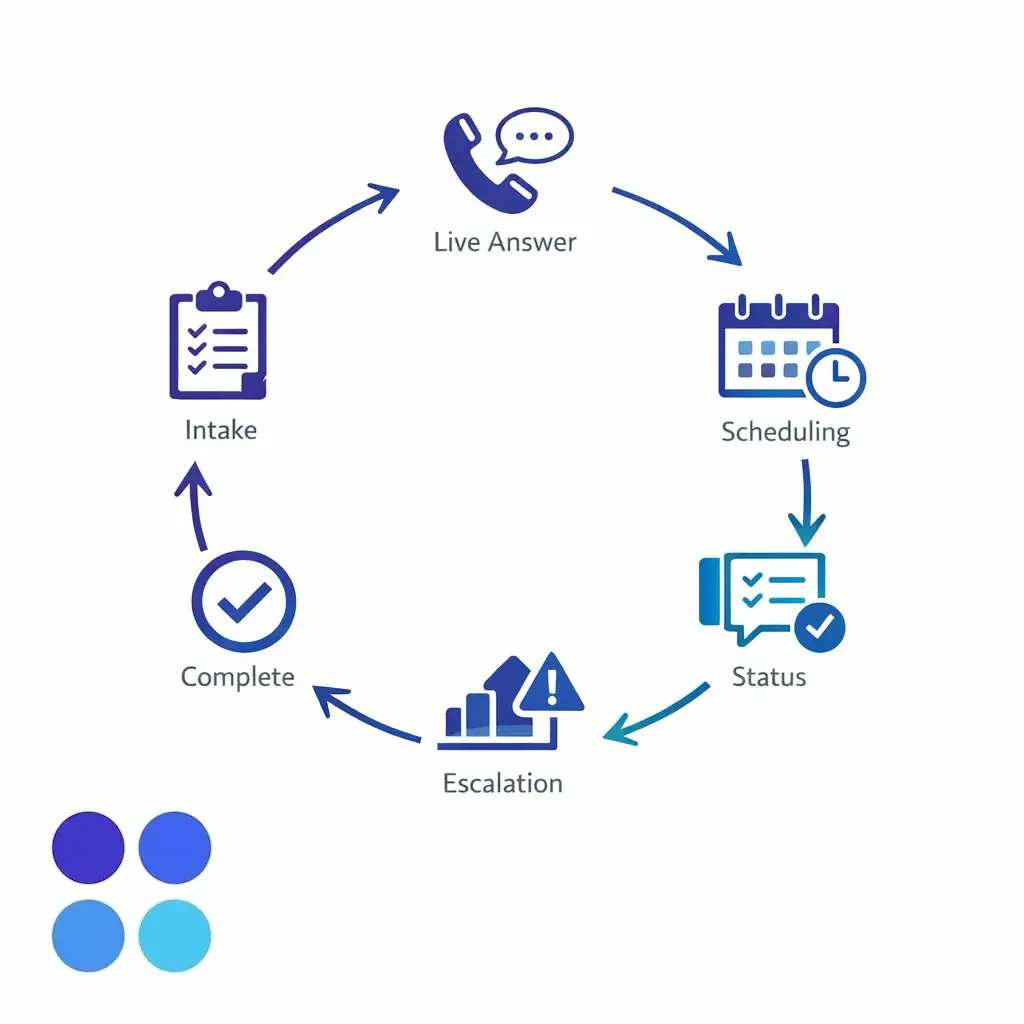
Full Spanish support means task completion, not just a translated greeting. Agents should schedule, take intake, update status, and finish the workflow in one continuous process instead of routing callers away.
For most buyers, a Spanish call center starts with live answer coverage for inbound customer service, overflow, and after-hours continuity. The core standard is simple: Spanish callers should reach the right team, get the right explanation, and leave the call with the right next step. If agents can only greet the caller in Spanish and then route them away, the program is not delivering full bilingual phone support.
That is why mature bilingual call center services usually share the same SOPs, dispositions, and business rules across languages. The language changes, but the operating model should not. If the English queue can solve an issue directly, the Spanish queue should be designed to solve the same issue with the same discipline.
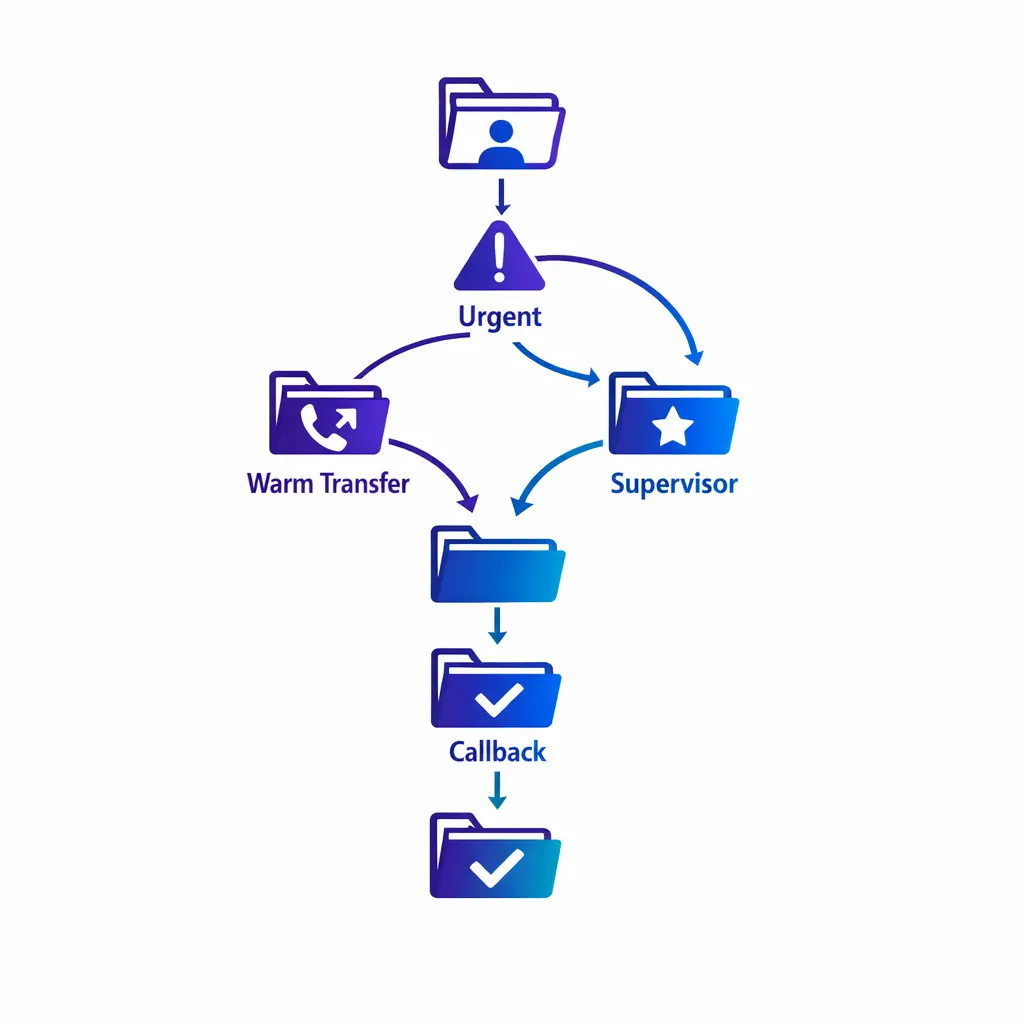
Define escalation rules before launch. A shared decision tree for urgent issues, warm transfers, and callbacks preserves bilingual continuity, so callers never have to retell their story in English mid-interaction.
High-value programs let agents complete work, not just record a message. Depending on the business, that may include appointment scheduling, lead qualification, patient or client intake, order-status handling, address updates, billing questions, or simple account maintenance. The most useful metric is not handled volume alone. It is the number of interactions that end in a completed task.
This is where translation consistency becomes operational, not cosmetic. Dates, fees, disclaimers, urgency labels, and next-step instructions need approved phrasing so agents do not improvise under pressure. Without that discipline, bilingual customer support becomes unpredictable even when agent language skills are strong.
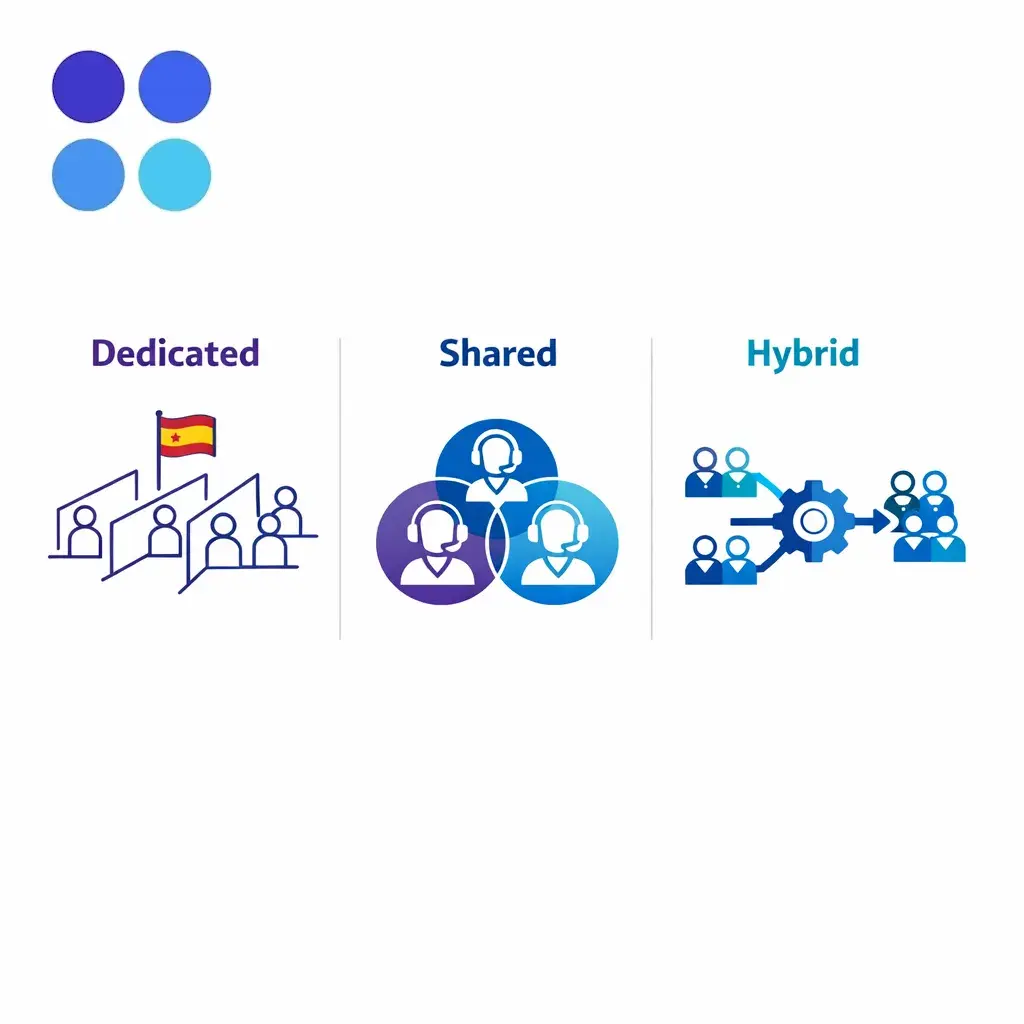
Compare three coverage models: a dedicated Spanish queue, a fully bilingual shared-agent model, and a hybrid. Most inbound-heavy teams land on hybrid for the best balance of efficiency and consistency.
Enterprise programs should define escalation rules before launch. Teams need a shared decision tree for urgent issues, warm transfers, callback commitments, supervisor involvement, and what information must be captured before the call moves elsewhere. The goal is bilingual continuity, so a caller does not have to retell the same story in English midway through a sensitive interaction.
Strong escalation design also protects internal teams. It separates work the provider can finish from work that must return to licensed staff, internal specialists, or higher-risk departments, while still preserving the record of what happened on the call.
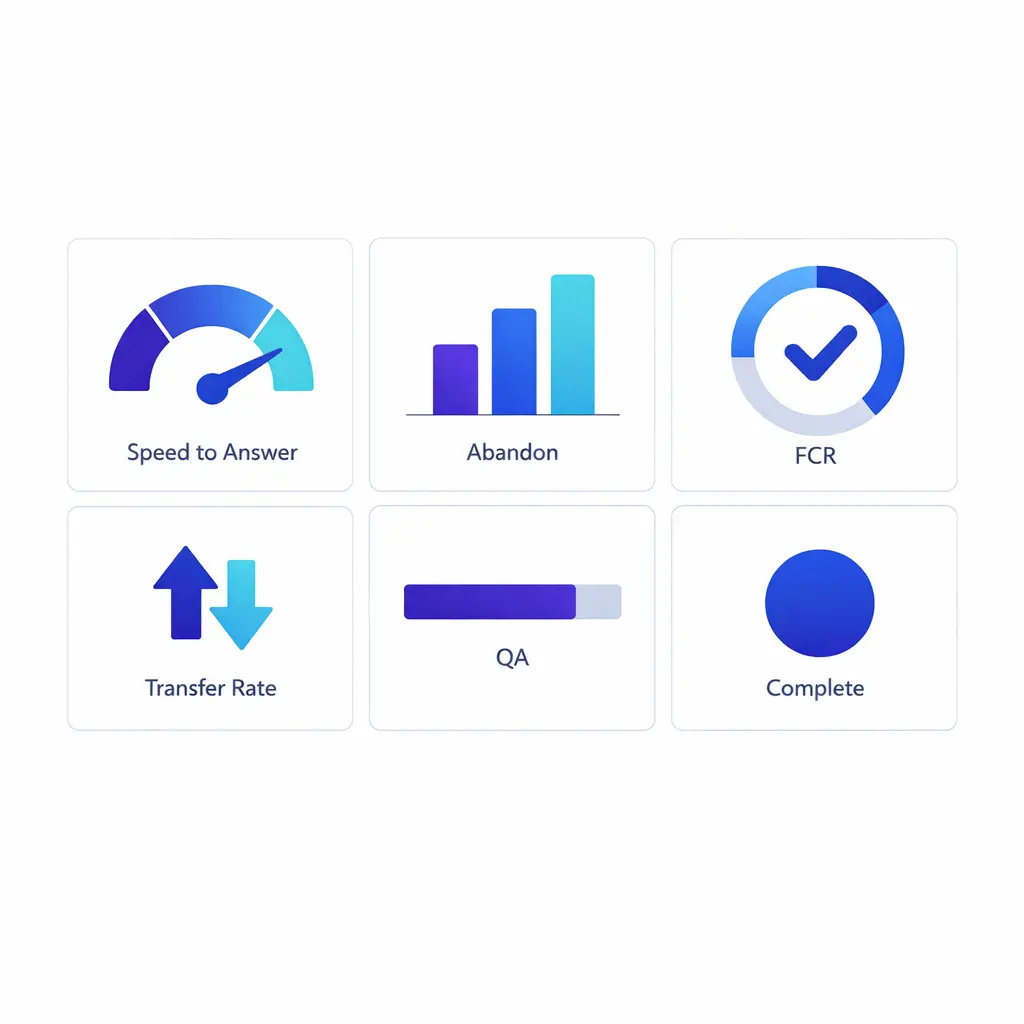
Give Spanish support its own scorecard. Track answer speed, abandonment, transfers, QA, and workflow completion separately, so leaders can see whether bilingual coverage reduces friction or just masks it.
The right model depends on volume, hour-by-hour demand, workflow complexity, and how much variability the organization can tolerate. In practice, most buyers compare three structures before they decide how to staff multilingual customer service by phone.
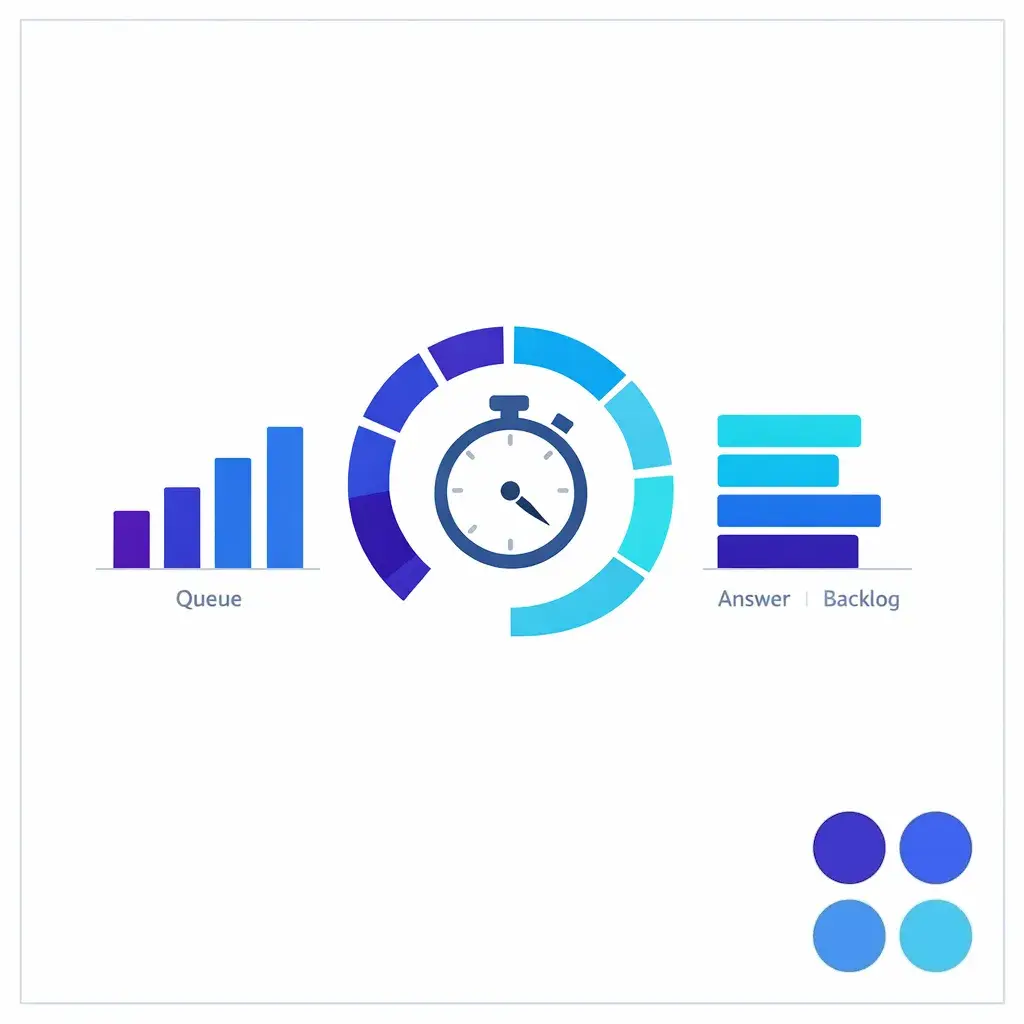
Start with service level and speed to answer at the Spanish queue level. Teams often use 80/20 (answering 80% of calls within 20 seconds), but the right target depends on urgency and staffing depth.
Geography matters less than execution. Buyers should compare accent fit, training depth, hours of management coverage, escalation speed, system security, and how easily the provider can mirror internal workflows. For simpler customer service tasks, a broader staffing footprint can work well. For regulated intake, high-emotion calls, or brand-sensitive conversations, closer oversight often matters more than headline labor savings.
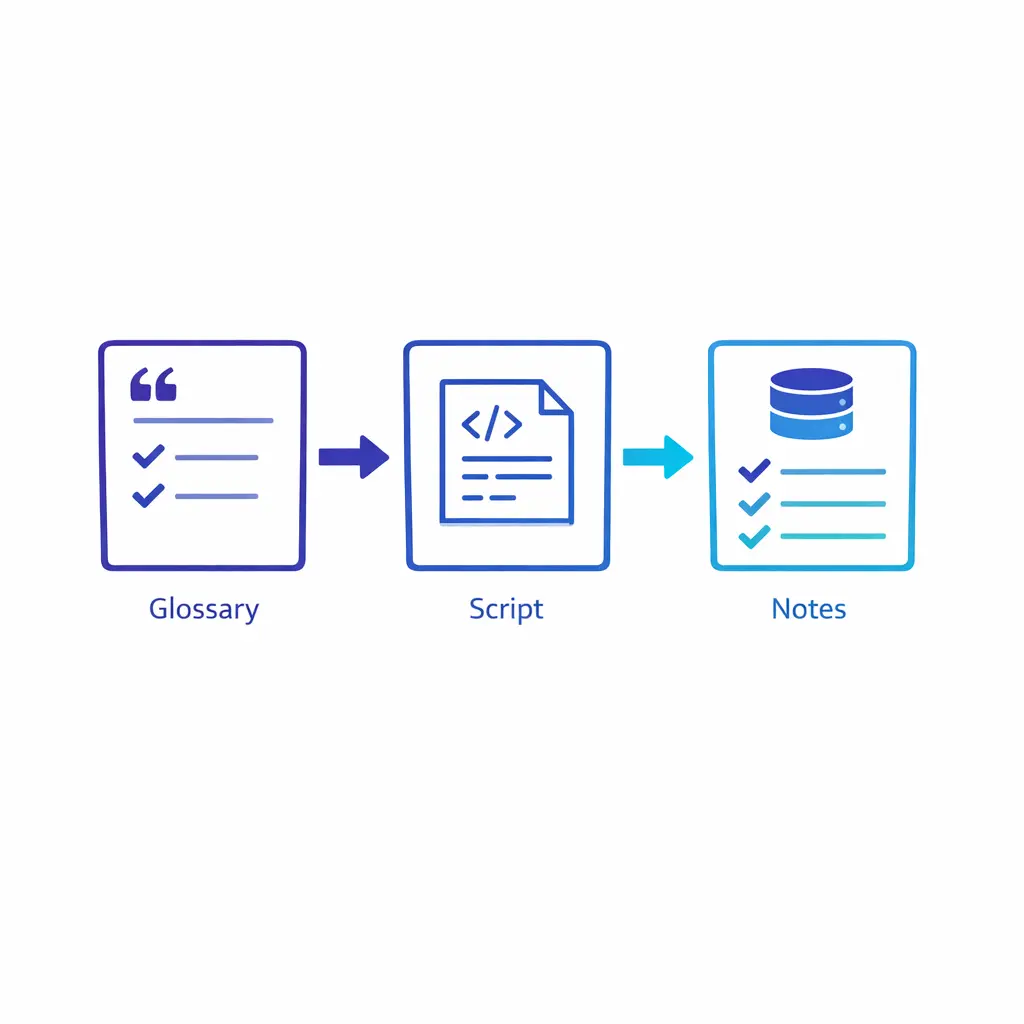
Translation consistency is operational, not cosmetic. Align an approved glossary with scripts, macros, and system notes so prices, consent language, and next steps stay consistent across every Spanish interaction.
A Spanish support program should have its own scorecard. If Spanish contacts are blended into a general performance bucket, leaders cannot tell whether bilingual coverage is actually reducing friction or simply masking it. Start with a small set of metrics that show both queue performance and business outcome quality.
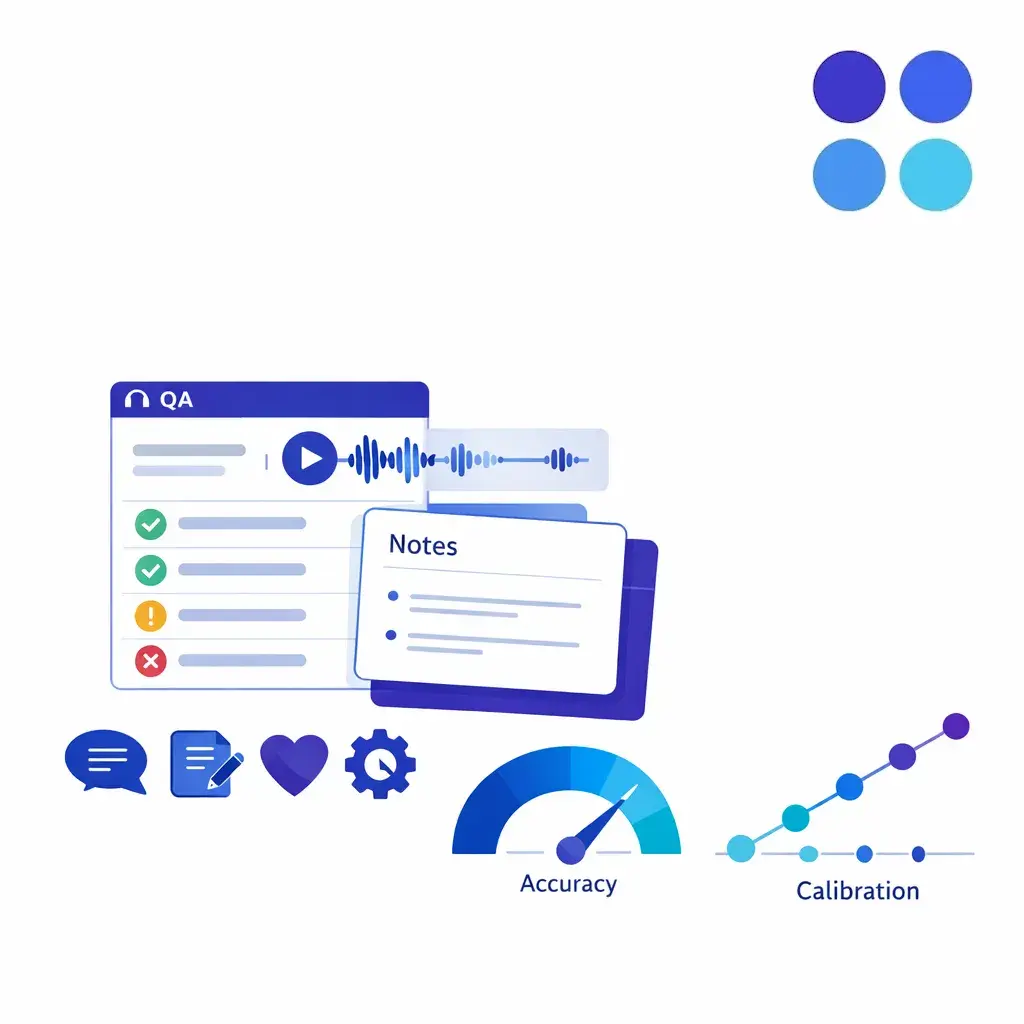
Spanish QA should combine language checks, empathy, accuracy, notes, and process adherence in one scorecard, reviewed by people who understand both the language and the workflow.
Start with service level and speed to answer at the Spanish queue level. In many contact-center planning conversations, teams use 80/20 as shorthand for answering 80 percent of calls within 20 seconds. Whether that target is right for your business depends on urgency, staffing depth, and how much abandonment you can tolerate without harming revenue or service continuity.
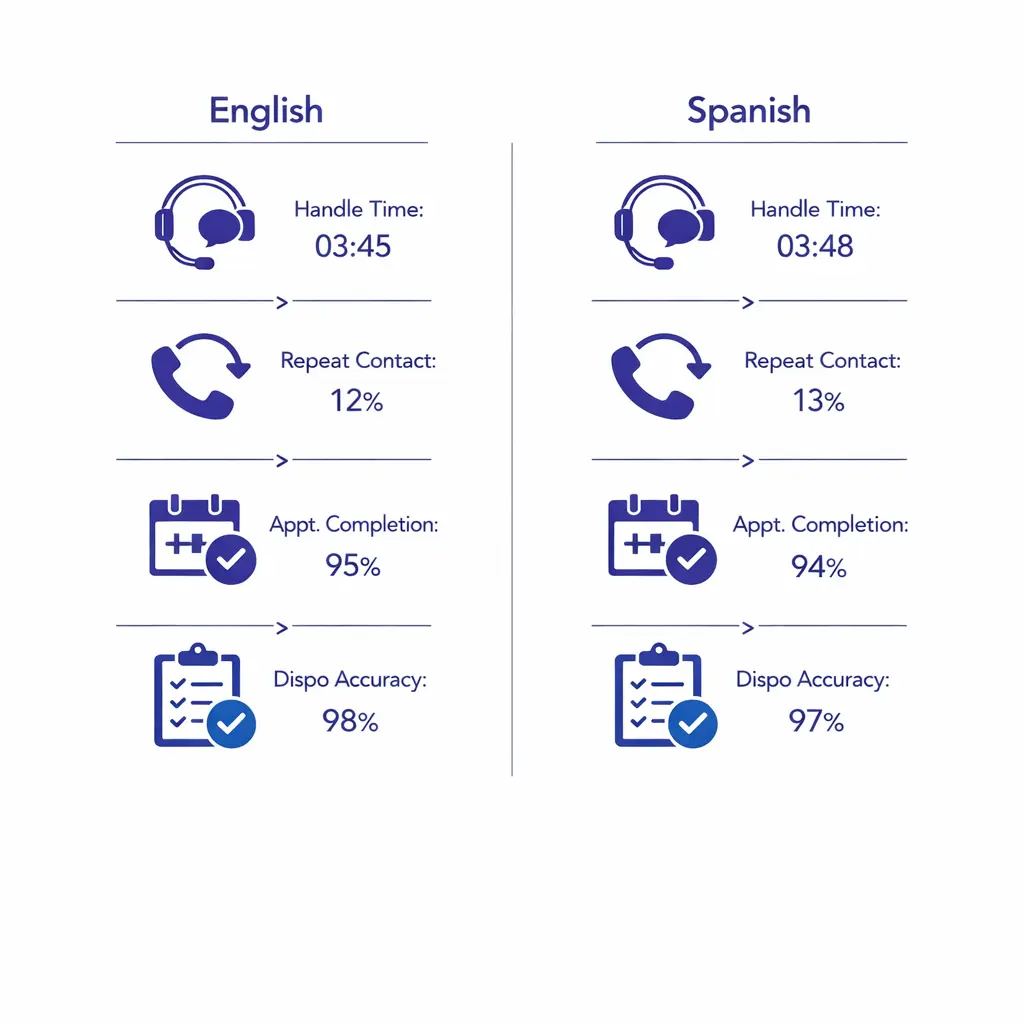
Calibrate English and Spanish side by side. Compare handle time, repeat calls, appointment completion, and disposition accuracy; the goal is equivalent operational reliability across languages, not identical averages.
First-call resolution is one of the clearest indicators of program quality because it shows whether the bilingual team can actually finish the work. Transfer rate adds context. If calls keep moving because of language limitations, missing authorizations, or unclear routing rules, the issue is usually in program design rather than agent effort. Abandonment then becomes a secondary signal that staffing or queue design needs attention.
QA should score accuracy, empathy, call control, correct terminology, documentation quality, and whether the agent completed the required workflow. For scheduling-heavy businesses, add appointment set rate, reschedule rate, and whether the caller left the interaction with a confirmed next step. These measures connect enterprise call center QA to real business outcomes instead of treating Spanish support as a language-only function.
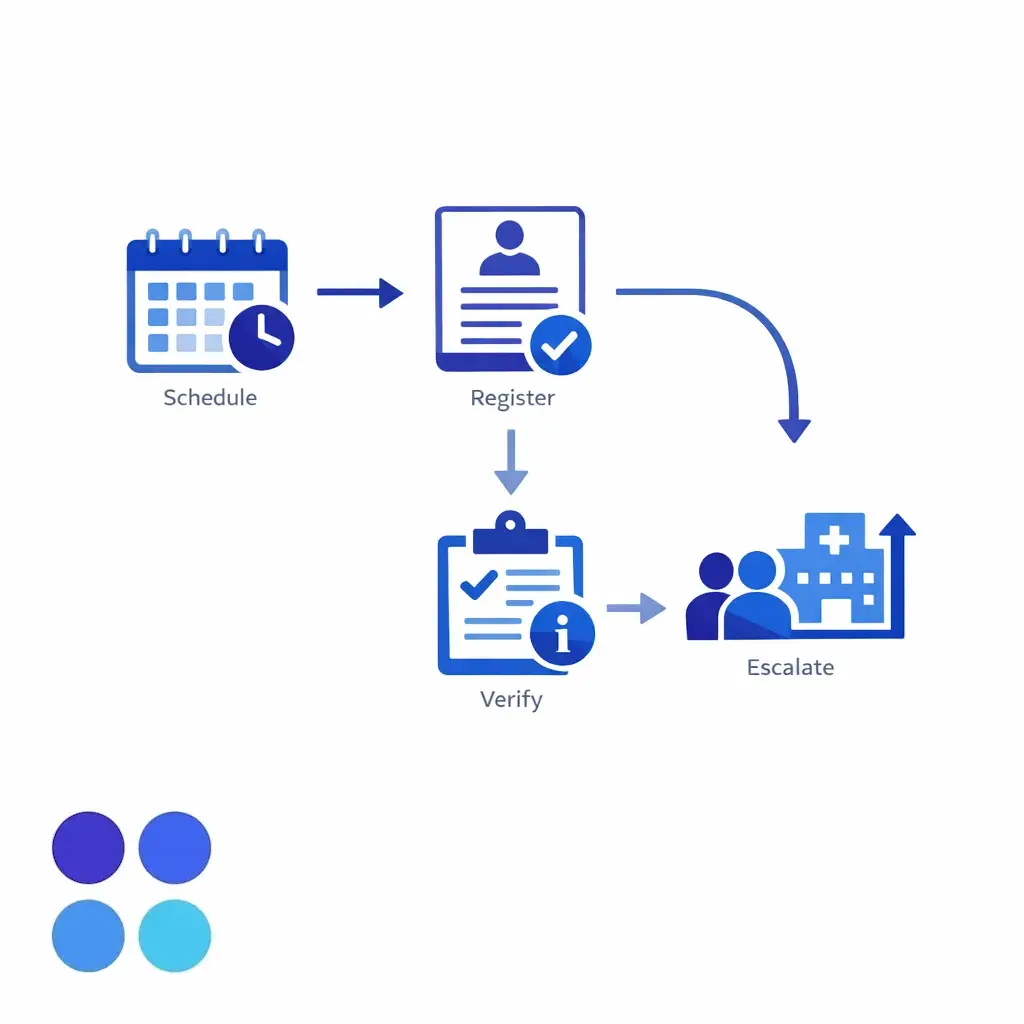
Healthcare bilingual support needs process control: bilingual scheduling, accurate registration capture, clear next-step explanations, and escalation rules that keep clinical and administrative issues moving.
Spanish QA should be reviewed by people who understand both the language and the workflow. A call can sound polished and still be wrong if the agent misses a required question, uses the wrong urgency label, or enters weak notes in the system. Monitoring should combine scorecards, coaching, and calibration sessions so quality does not drift across shifts.
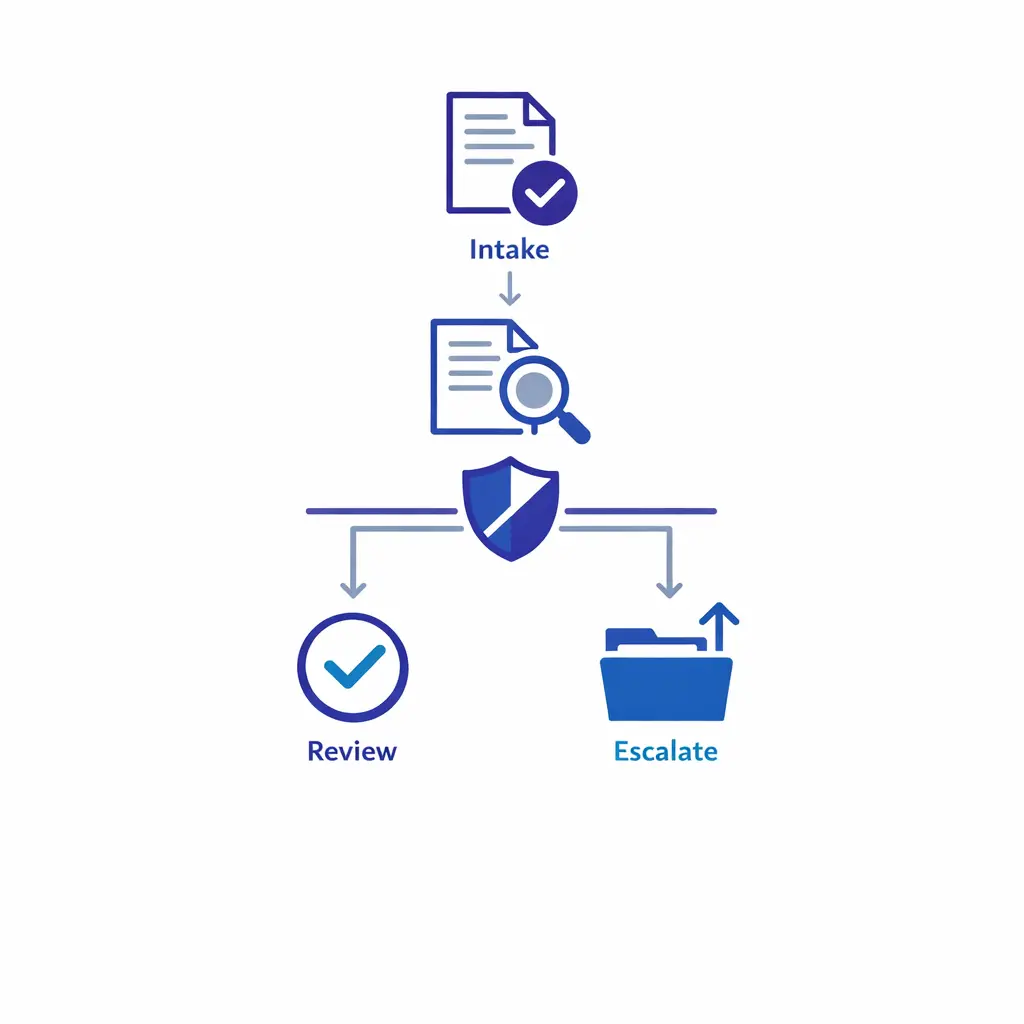
Legal bilingual intake is more than translation. Agents must know which facts to capture, when to stop, how to avoid overpromising, and when to escalate a conflict-sensitive matter.
Most bilingual programs improve quickly when they stop relying on ad hoc translation. Build a controlled glossary for prices, consent language, appointment terms, legal or medical explanations, escalation categories, and closing statements. Then connect that glossary to scripts, macros, templates, and QA forms so it governs both what the caller hears and what the internal team reads later.
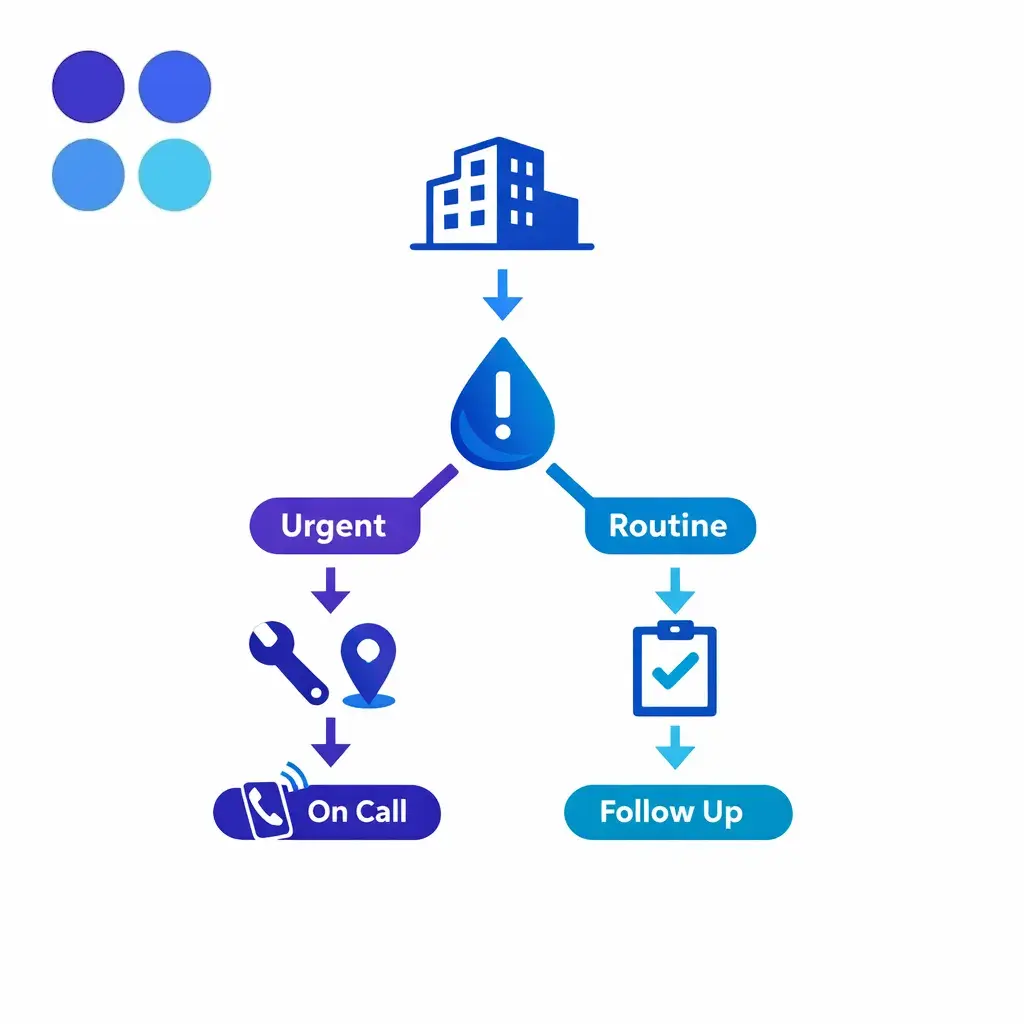
For property management, value shows up in triage. Agents separate urgent maintenance from routine requests, verify location and access, and trigger the right on-call path without slowing the caller.
Enterprise leaders should compare English and Spanish results side by side. Look for gaps in handle time, repeat calls, appointment completion, disposition accuracy, and downstream correction work. The goal is not identical averages on every metric. The goal is equivalent operational reliability across languages.
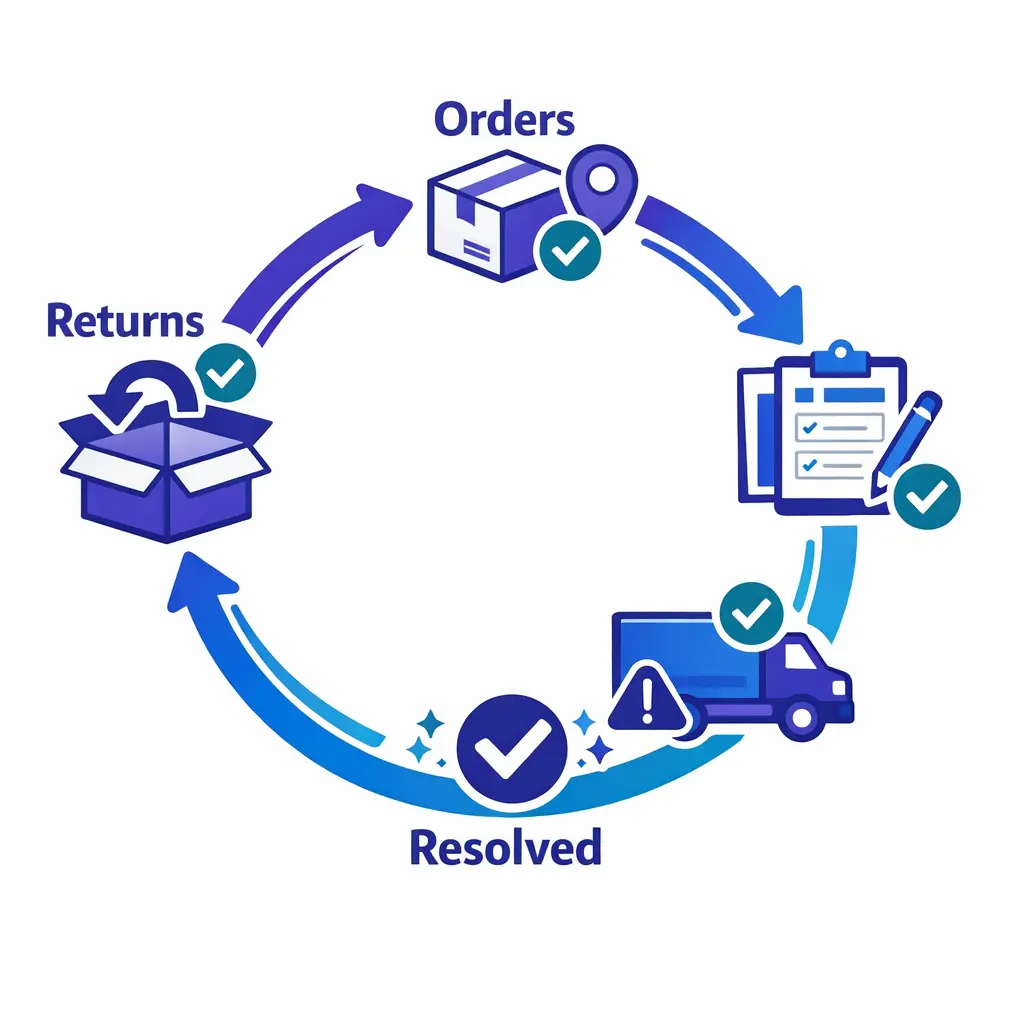
In e-commerce and high-volume care, Spanish support is a containment strategy: resolving order status, returns, and delivery issues directly reduces repeat contacts and back-office cleanup.
Healthcare bilingual support needs stronger process control than a generic multilingual customer service queue. Organizations that fall under Section 1557 need language-access workflows that are non-discriminatory, and the National CLAS Standards provide a practical operating framework. In day-to-day terms, that means bilingual scheduling, accurate registration capture, clear next-step explanations, and escalation rules that keep clinical or administrative issues moving without confusion.
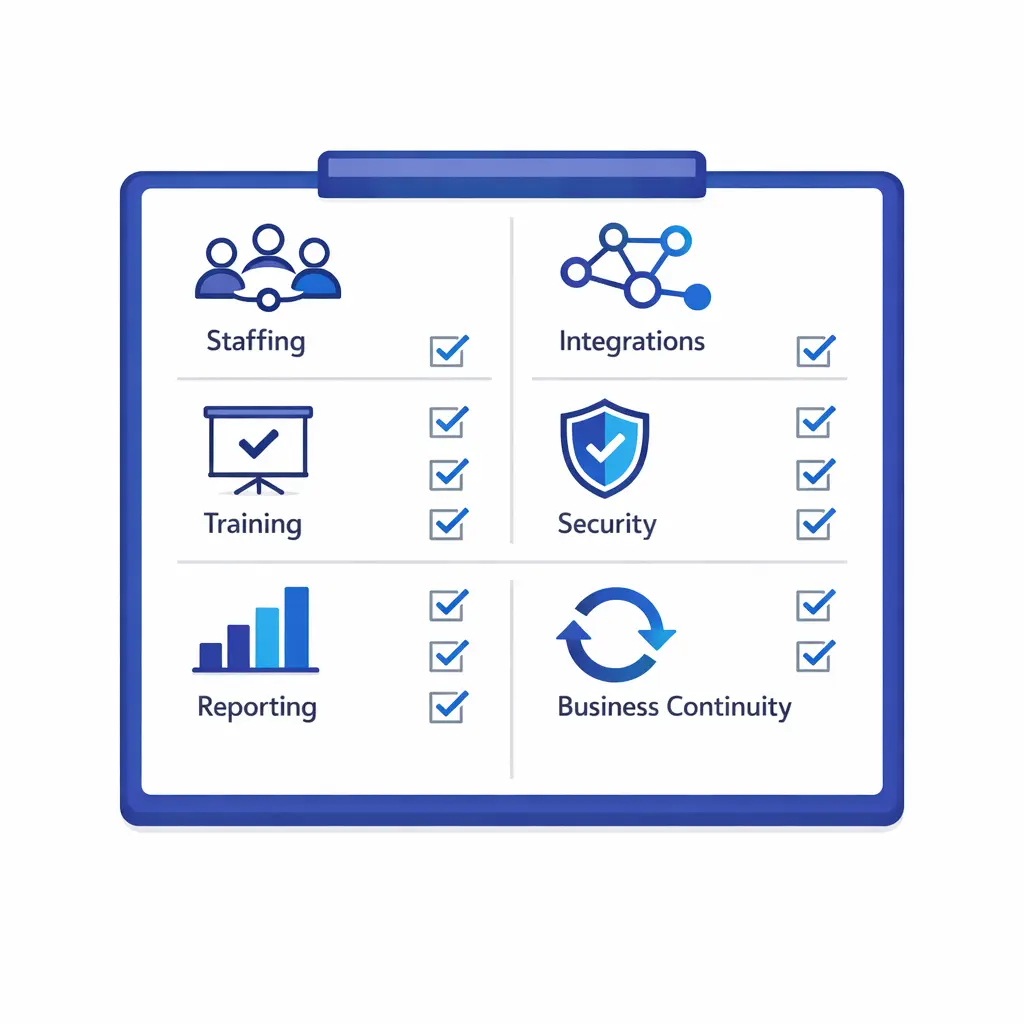
Evaluate providers on staffing, training, integrations, security controls, and language-specific reporting. The partner should work inside your CRM and workflow, not beside it.
Legal bilingual intake is not just a translation task. Agents need to know which facts to capture, when to stop gathering details, how to avoid overpromising, and when to escalate. Workflow design should respect the duties described in ABA Model Rule 1.18 on prospective clients while still preserving fast response for new matters.
For property management, the value of a Spanish answering service shows up in triage quality. Agents should be able to separate urgent maintenance from routine requests, verify location and access details, and trigger the right on-call path without slowing the caller down. After-hours coverage matters most here because the cost of misrouting is operational, reputational, and sometimes safety-related.
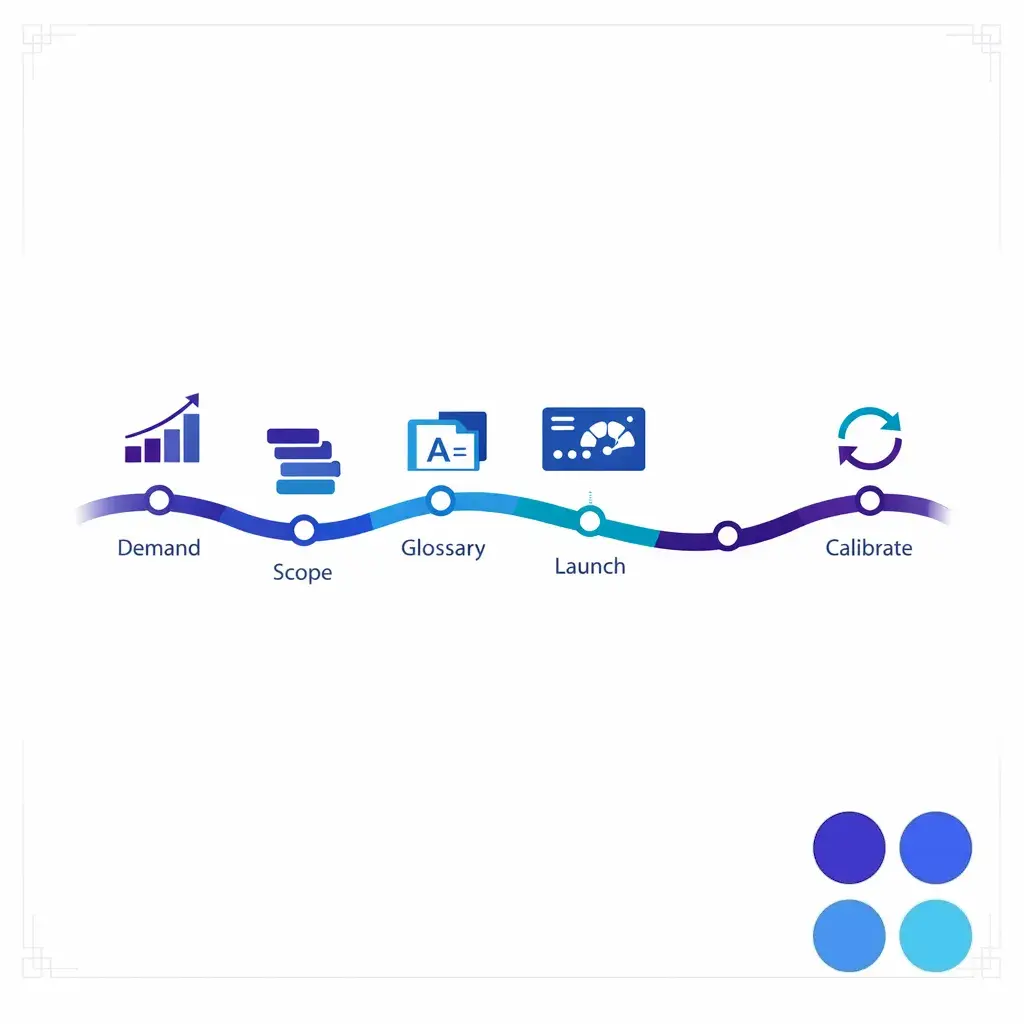
Launch in phases: estimate demand by hour, define scope, approve terminology, train, launch with a scorecard, then calibrate weekly until the program is stable.
In e-commerce or high-volume customer care, Spanish support is often a containment strategy. If bilingual agents can resolve order-status questions, returns, delivery issues, and simple exceptions directly, repeat contacts fall and the core support team stays focused on higher-complexity work. The same principle applies to overflow programs: the faster the bilingual team can finish standard interactions, the less back-office cleanup the brand absorbs later.
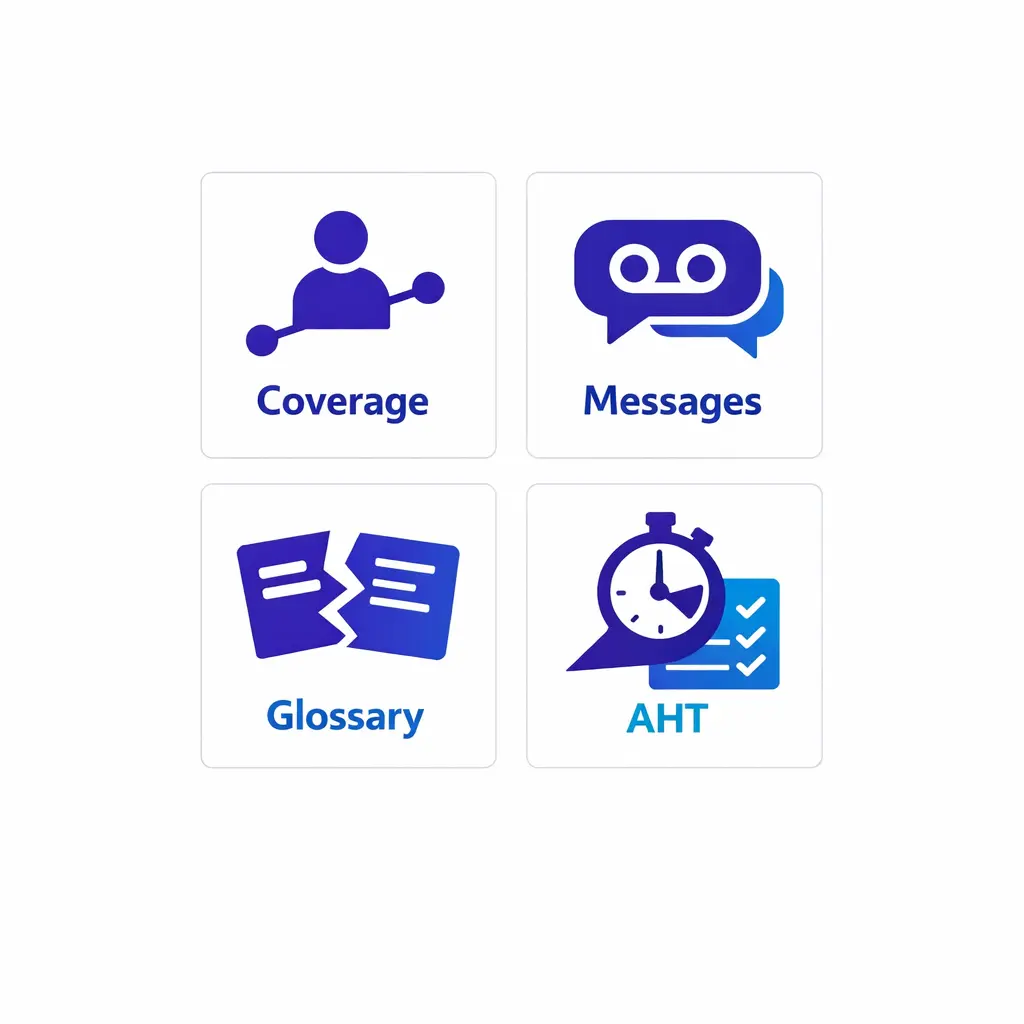
Avoid the common mistakes: one bilingual employee is not full coverage, translation is not execution, message-only support loses conversion, and handle time alone is a weak measure.
Ask how the provider tests spoken and written Spanish, how it retrains agents when scripts change, and how supervisors monitor quality during peak and after-hours windows. Review business continuity planning, overflow design, recording controls, and whether the platform can report Spanish performance separately from the general queue.
The provider should work inside your actual workflow, not beside it. That means creating records in your CRM, help desk, scheduling platform, or intake system, and returning structured notes your team can act on without rework. If the workflow touches protected health information, the partner should map handling practices to the HIPAA Privacy Rule. If agents may take card payments or payment details, the process should be designed around PCI DSS.
For enterprise buyers, reporting depth is often the deciding factor. Ask for language-specific visibility into answer speed, abandonment, first-call resolution, transfers, QA, scheduling outcomes, and escalation reasons. Providers such as Go Answer are most useful when they can connect bilingual coverage to measurable operating outcomes instead of presenting Spanish support as a generic add-on.
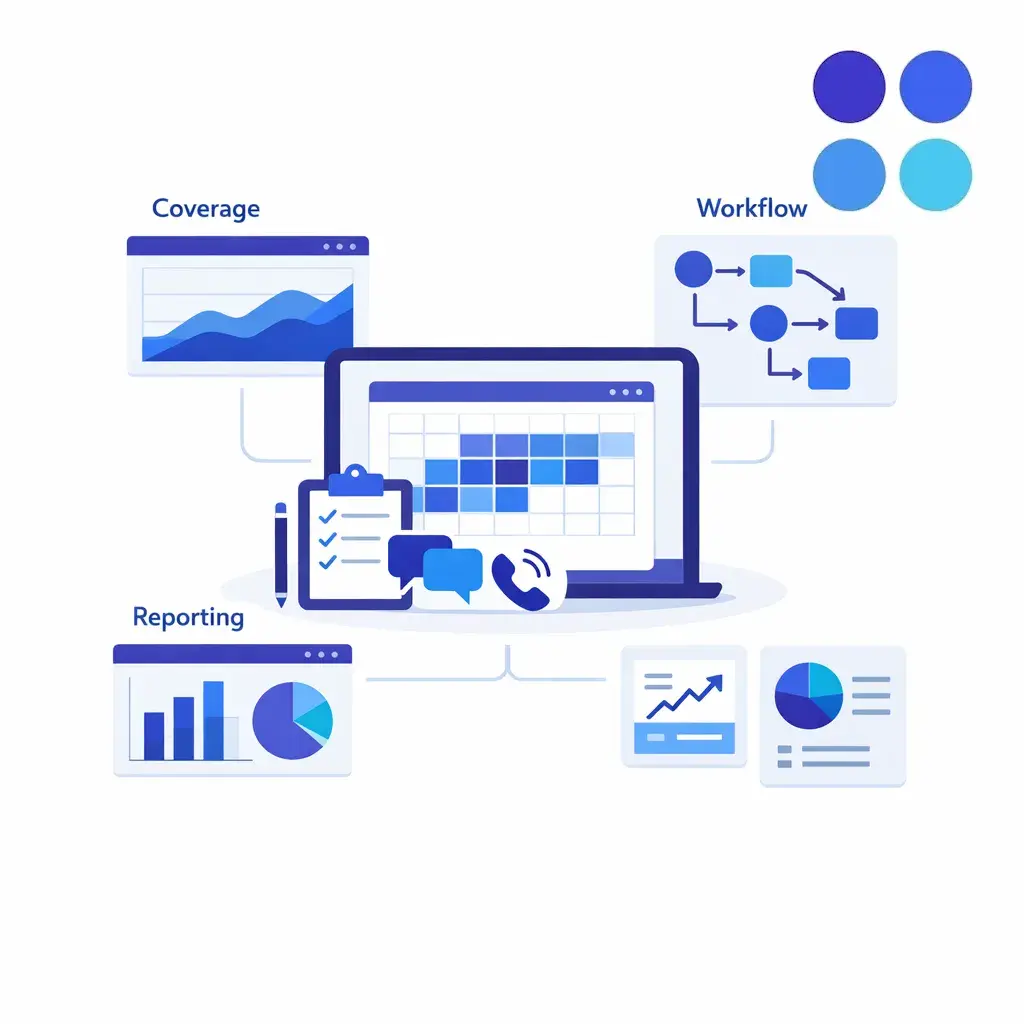
Start with a discovery call to define coverage windows, workflow scope, and reporting before you buy, then design around intake quality, scheduling success, and escalation control.
A bilingual call center is a support operation that can serve customers in two languages across the full workflow. That usually includes live answer coverage, system access, approved scripts, QA standards, and escalation rules in both languages.
In day-to-day operations, 80/20 usually means a target of answering 80 percent of calls within 20 seconds. It is a planning shorthand, not a law. For Spanish-language support, the better question is whether the target matches your call urgency, staffing depth, and acceptable abandonment rate.
In practice, buyers usually compare inbound, outbound, blended, and omnichannel or contact-center models. Spanish coverage can fit any of them, but inbound and blended environments tend to show the biggest gaps first because they depend on immediate understanding and accurate next steps.
Use a balanced scorecard: service level, speed to answer, first-call resolution, transfer rate, QA score, glossary compliance, script adherence, scheduling success, abandonment, and escalation containment. Then review Spanish results separately from English results so leadership can see whether bilingual customer support is truly equivalent across languages.
If your team is evaluating a Spanish call center, bilingual answering service, or broader bilingual customer support program, the next step is to define the coverage window, workflow scope, and reporting you need before you buy. Go Answer can help enterprise teams design around intake quality, scheduling success, escalation control, and dependable coverage. When you are ready, Request Pricing or Book a Discovery Call and use that conversation to explore enterprise BPO options, see how the model works, or review relevant use cases.

Learn why thousands of companies rely on Go Answer.
Try us risk-free for 14 days!
Enjoy our risk-free trial for 14 days or 200 minutes, whichever comes first.
Have more questions? Call us at 888-462-6793
Learn why thousands of companies rely on Go Answer.
Have more questions? Call us at 888-462-6793
If you would like to get in contact with a Go Answer representative please give us a call, chat or email.

Thanks for your interest!
A representative will be reaching out to you shortly.
Have more questions? call us on 888-462-6793
