
Inbound Call Center Services: Coverage, QA, and Metrics for High-Volume Support Lines
By Rob ReynoldsLast modified: October 6, 2026
Voted Top Call Center for 2024 by Forbes
Virtual Receptionists
Save time and money with our virtual receptionists.
AI Receptionist
AI-powered receptionist that answers, routes, and qualifies calls 24/7.
Enterprise Solutions
Solutions designed to scale with your organization’s needs.
Legal Services
Our virtual legal receptionists are experts in legal intake.
Last modified: October 6, 2026
High-volume support lines fail when demand spikes, call reasons vary, and coverage is treated as a simple staffing problem. Missed or mishandled calls can quickly affect intake quality, customer experience, scheduling accuracy, and after-hours responsiveness.
This guide is for enterprise and multi-location service businesses, legal intake-heavy firms, healthcare practices, and any team evaluating inbound call center services or inbound customer support outsourcing. You will learn what an inbound call center does, which services matter most at scale, how strong QA works, and which metrics actually help buyers make better operating decisions.
Inbound call center services are the structured handling of customer-initiated contacts such as answering questions, processing orders, and resolving complaints. In practice, that can include appointment setting, intake, dispatch coordination, escalation handling, overflow support, and after-hours coverage.
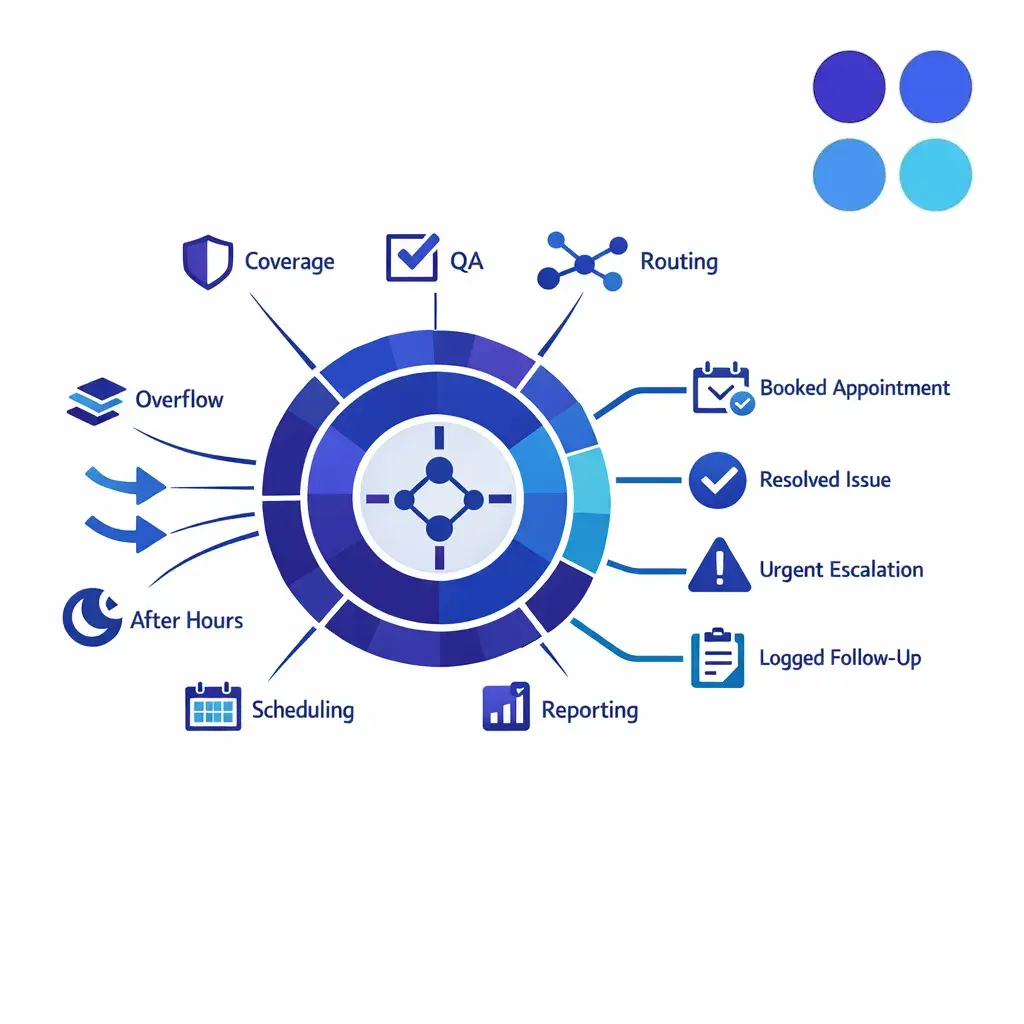
An inbound call center is your customer-facing control tower: it receives every customer-initiated contact, identifies intent, resolves what it can, and routes urgent matters correctly across business hours, peaks, and multiple locations.
An inbound call center handles contacts that the customer starts. An outbound team starts the interaction, usually for follow-up, reminders, collections, lead generation, or proactive outreach.
That difference matters because the operating model is different. Inbound programs are built around availability, triage, resolution quality, and queue protection, while outbound programs are built around campaigns, contact rates, scripts, and conversion goals.
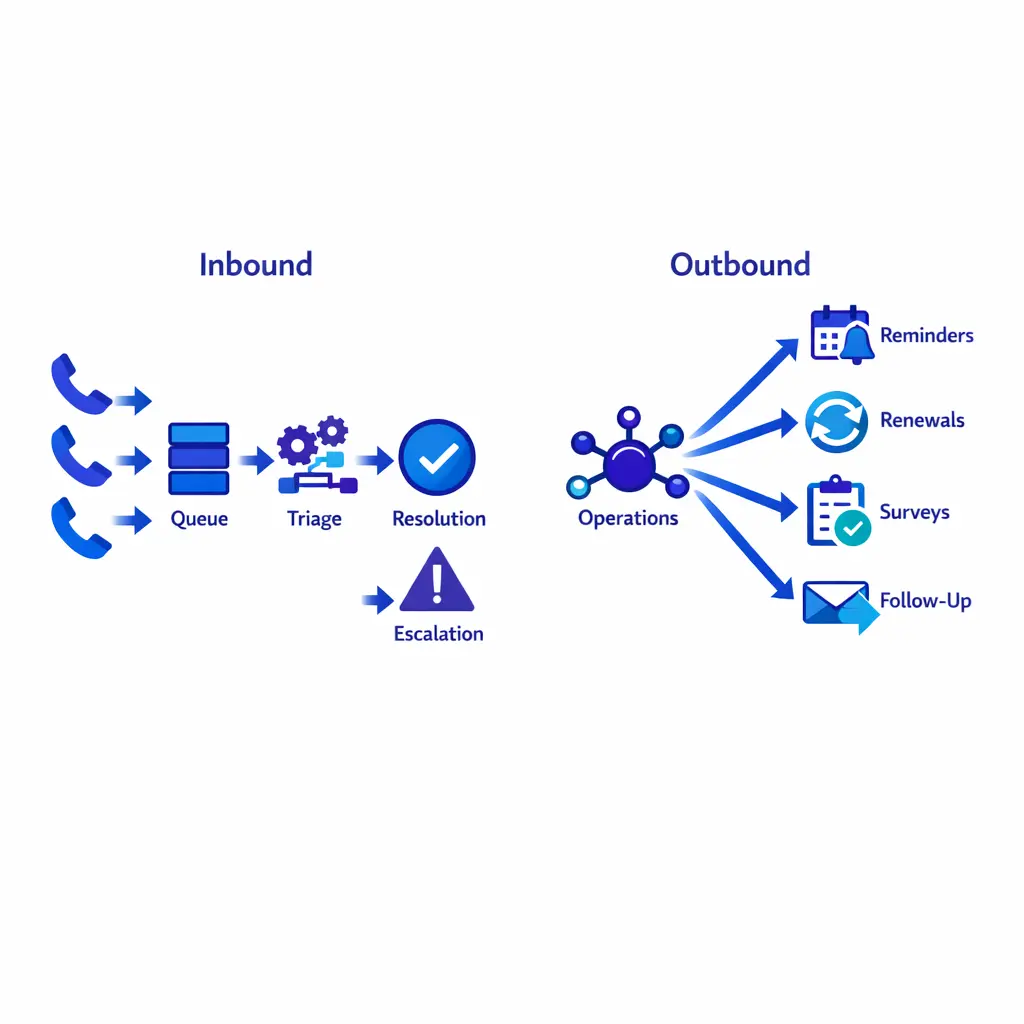
Businesses usually need an inbound call center when internal teams cannot reliably cover demand across business hours, peak periods, or multiple locations. The need becomes more obvious when the line handles a mix of simple requests, urgent exceptions, and revenue-sensitive inquiries.
A clear example of an inbound call center is a multi-location clinic that needs appointment scheduling, refill message capture, after-hours triage handoff, and escalation rules that protect patient experience. Another is a legal intake team that needs fast screening, complete case details, and dependable handoff when volume jumps after advertising, news events, or firm-wide campaigns.
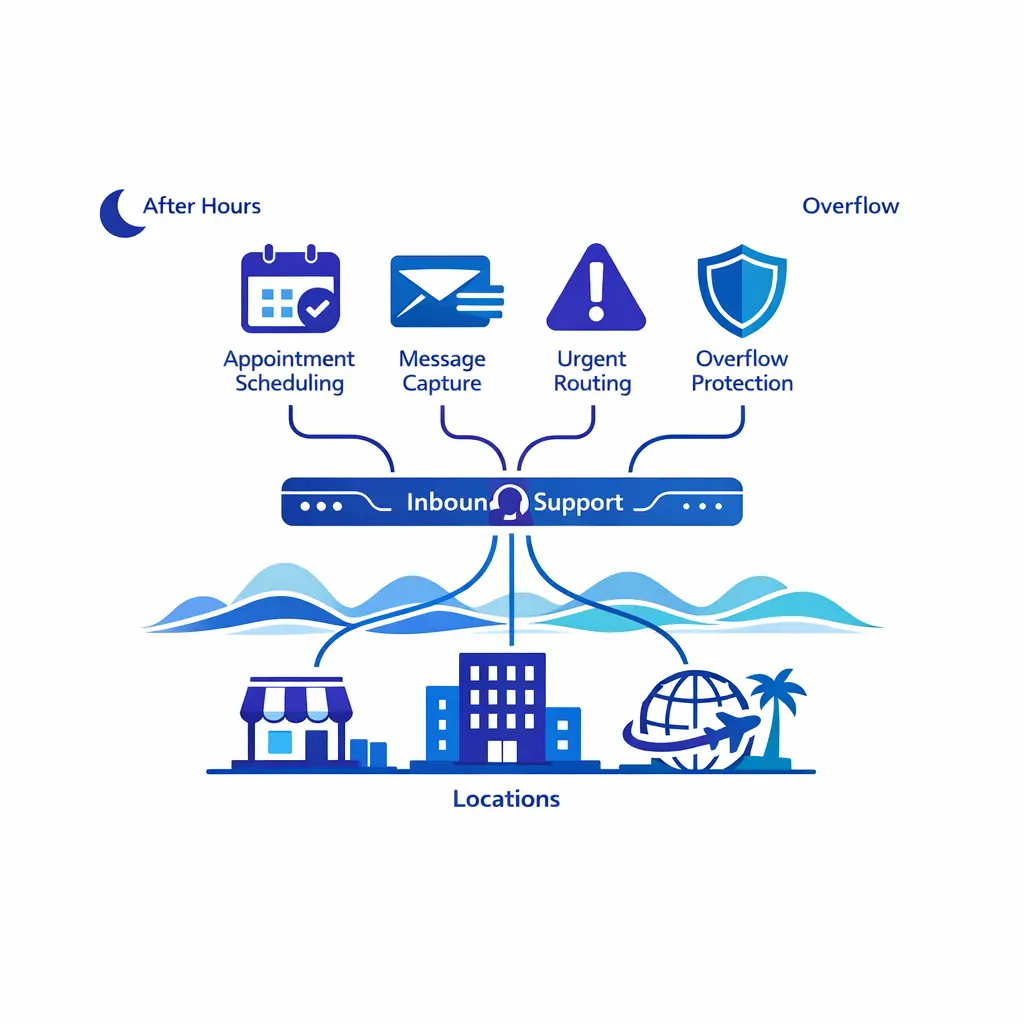
For multi-location brands and franchises, a shared inbound layer stabilizes unpredictable demand, absorbs peaks and after-hours volume, and keeps intake consistent so no location loses callers to busy signals or voicemail.
For high-volume operations, the goal is not just answering more calls. The goal is designing a front line that protects response time, captures complete information, and gets each caller to the right next step.
This is the core of most inbound call center services. Agents answer routine questions, verify information, document the interaction clearly, and resolve the request when the workflow allows it.
For high-volume lines, consistency matters as much as speed. The business needs clear scripts, disposition rules, and escalation thresholds so the same issue receives the same treatment regardless of shift, site, or agent.
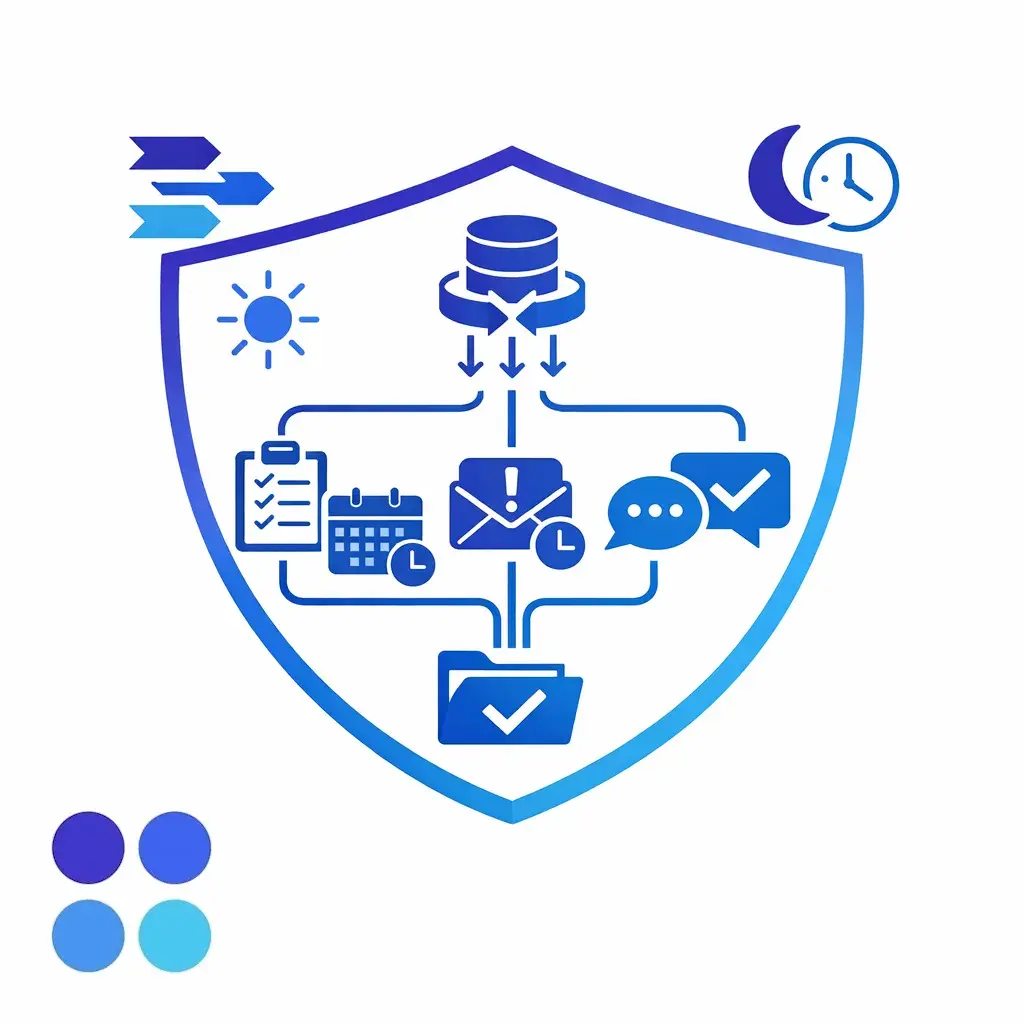
Overflow support protects the queue when internal teams are at capacity; after-hours coverage protects the brand when the office is closed. Both work best when they follow the same greeting logic, intake standards, and escalation rules as the primary line.
Some inbound contact center services handle troubleshooting, account access issues, device questions, or software support. In those cases, the provider needs stronger knowledge management, better ticket discipline, and clearer boundaries between first-line resolution and specialist escalation.
For buyers, the main question is not whether the partner offers help desk support. It is whether they can document symptoms, use the right tools, and move the issue forward without creating repeat contacts.
Many high-volume inbound businesses care less about generic customer service and more about transaction accuracy. That includes booking appointments, confirming availability, collecting service details, dispatching field teams, or capturing complete intake for the next internal step.
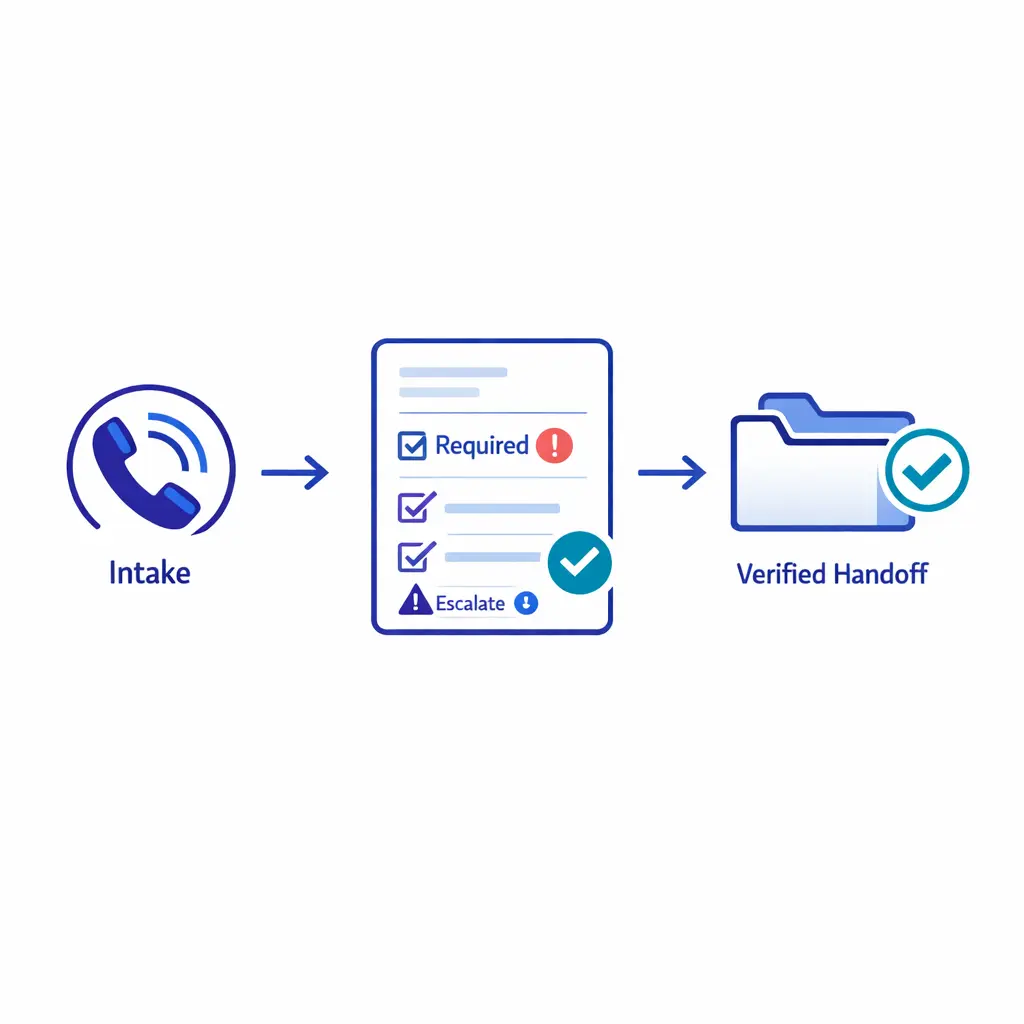
Structured call handling keeps transactions accurate: a good outsourced inbound team knows exactly which fields are required, which exceptions need live escalation, and which situations can wait for standard follow-up.
Many buyers use the term inbound call center even when the work spans voice, web forms, chat, SMS, or portal requests. The operating principle is the same: receive inbound demand, classify it correctly, and move it through a controlled workflow.
Escalation handling is where weak programs usually break. If the provider cannot define urgency tiers, ownership rules, and response windows, the business will see avoidable callbacks, duplicated work, and frustrated customers.
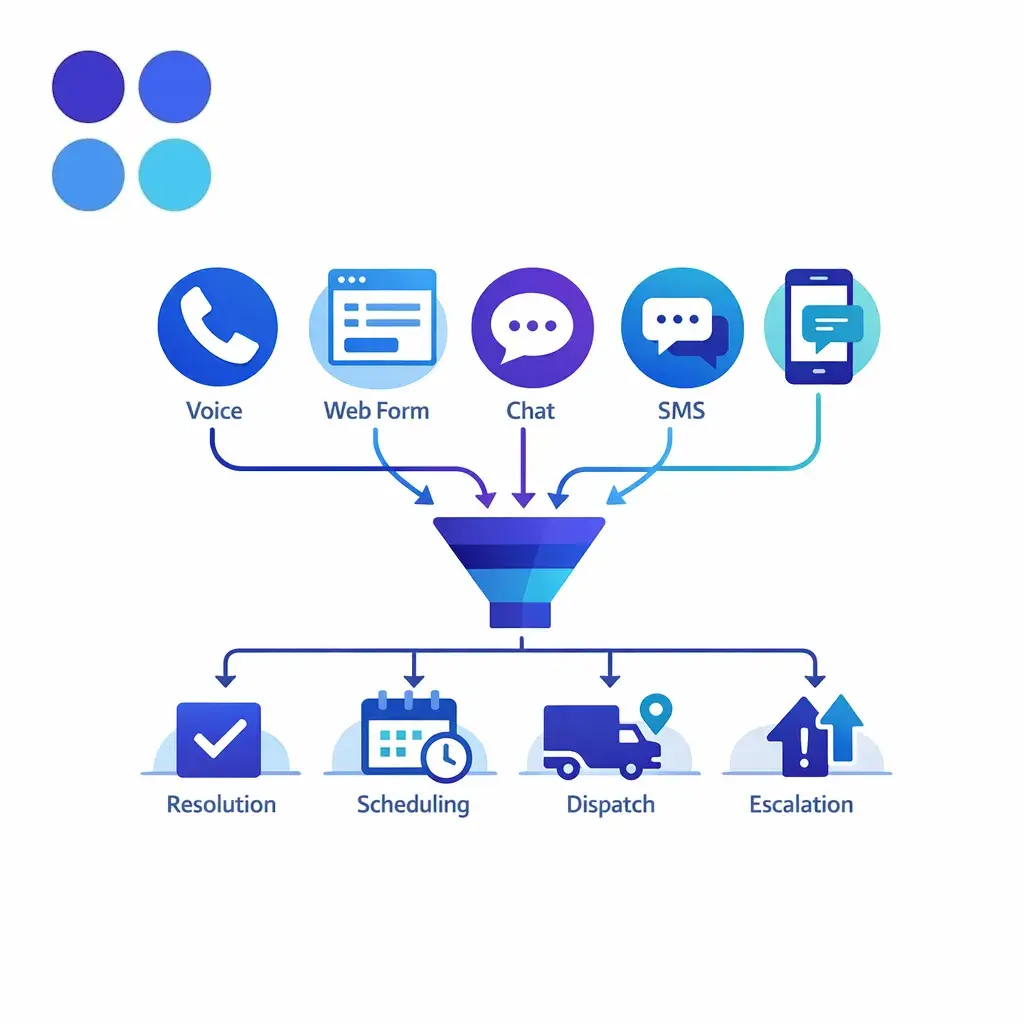
Voice, chat, SMS, and web forms should converge into one controlled intake and escalation workflow, so every channel is classified, prioritized, and routed by the same rules instead of living in separate silos.
At scale, the front door matters. A strong queue usually starts with interactive voice response so callers can identify reason for contact, location, language, or urgency before the live handoff.
From there, routing should reflect business logic, not just agent availability. The best model sends each call to the most appropriate queue based on service line, complexity, language, account type, or urgency, while still giving operations a fallback path when volumes surge.
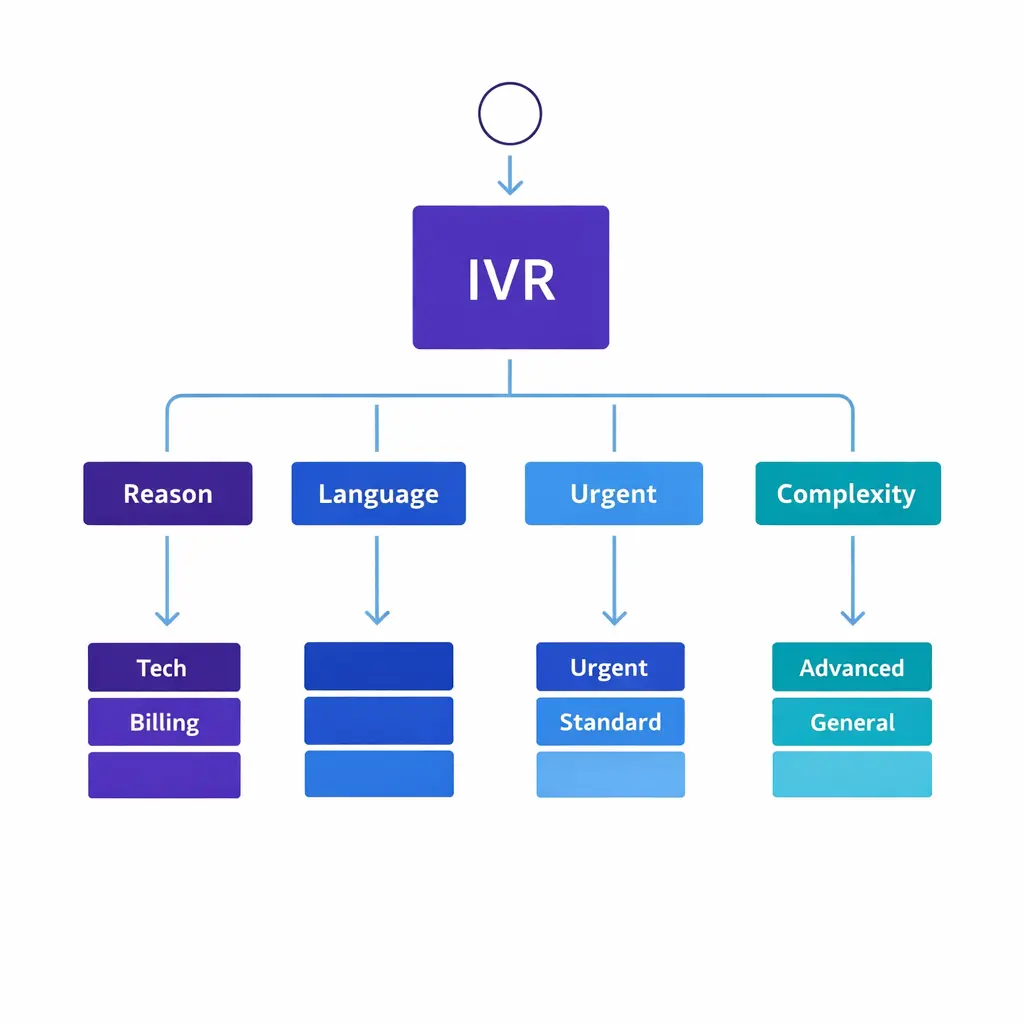
An IVR and skills-based routing map sorts callers by reason, language, urgency, and complexity, sending each to the right queue while preserving a fallback path when volume surges.
High-volume inbound support should be designed around demand variability. That means planning for predictable peaks, seasonal swings, campaign-driven spikes, and the daily gaps between ideal staffing and actual attendance.
Shared coverage can work well for routine overflow and after-hours demand. Dedicated teams usually make more sense when the workflow requires deeper system access, more nuanced scripts, stricter QA, or tighter integration with internal operations.
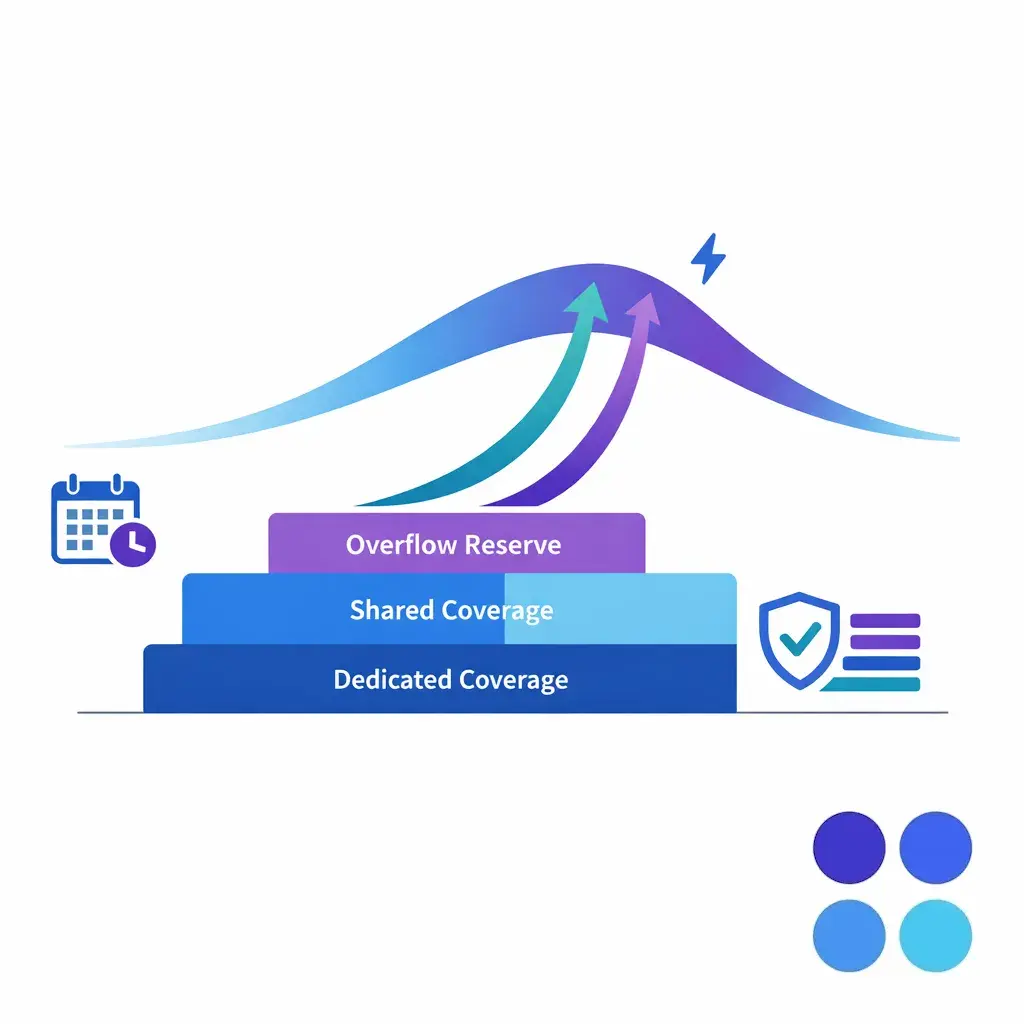
Plan staffing around peaks and seasonality: shared coverage handles routine overflow and after-hours demand, while dedicated teams fit workflows that need deeper system access, nuanced scripts, and tighter integration.
Bilingual coverage is not just a staffing checkbox. It affects routing design, QA standards, script maintenance, and reporting because language mismatch creates avoidable handle time, poor intake quality, and caller frustration.
The same is true for 24/7 support. Overnight and weekend coverage should have clearly defined responsibilities, not a stripped-down version of daytime operations with weaker documentation and looser escalation discipline.
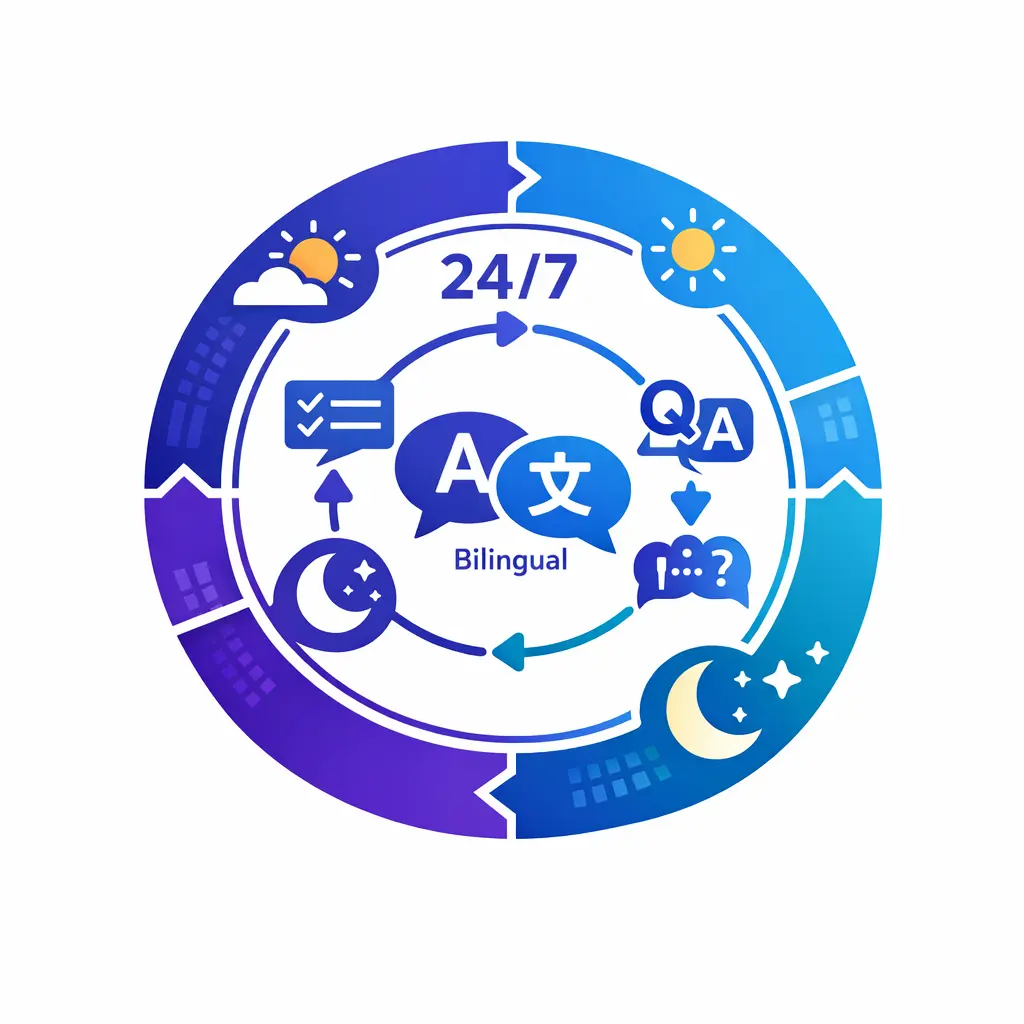
Bilingual and 24/7 coverage should deliver equal process quality across every shift, with the same routing design, QA standards, and escalation discipline overnight and on weekends as during the day.
Good QA starts with a scorecard tied to business outcomes. For some programs that means empathy and courtesy, but for high-volume lines it also means accuracy, required-field completion, escalation correctness, script adherence, and next-step clarity.
Calibration is what keeps the scorecard useful. If supervisors, clients, and QA reviewers score the same call differently, the operation will create noise instead of coaching value.
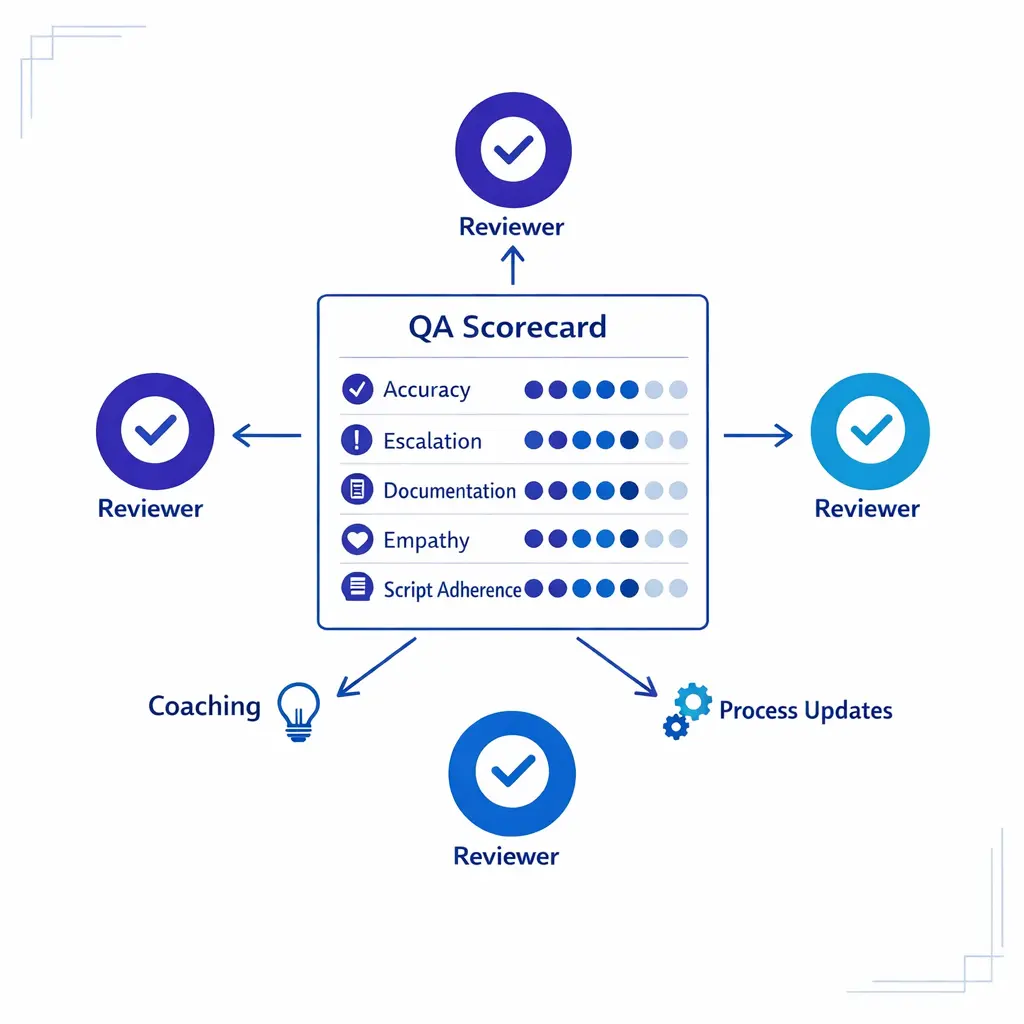
A QA scorecard should measure accuracy, required-field completion, escalation correctness, and script adherence, and regular calibration keeps supervisors, clients, and reviewers scoring the same call the same way.
Monitoring should lead to action, not just reporting. Reviews should identify where the workflow breaks, whether the problem came from agent behavior or process design, and what coaching or knowledge update should happen next.
That is also where the answer to "What skills are needed for inbound calls?" becomes practical. Agents need listening discipline, system navigation, de-escalation, note quality, sound judgment, and the ability to follow process without sounding robotic.
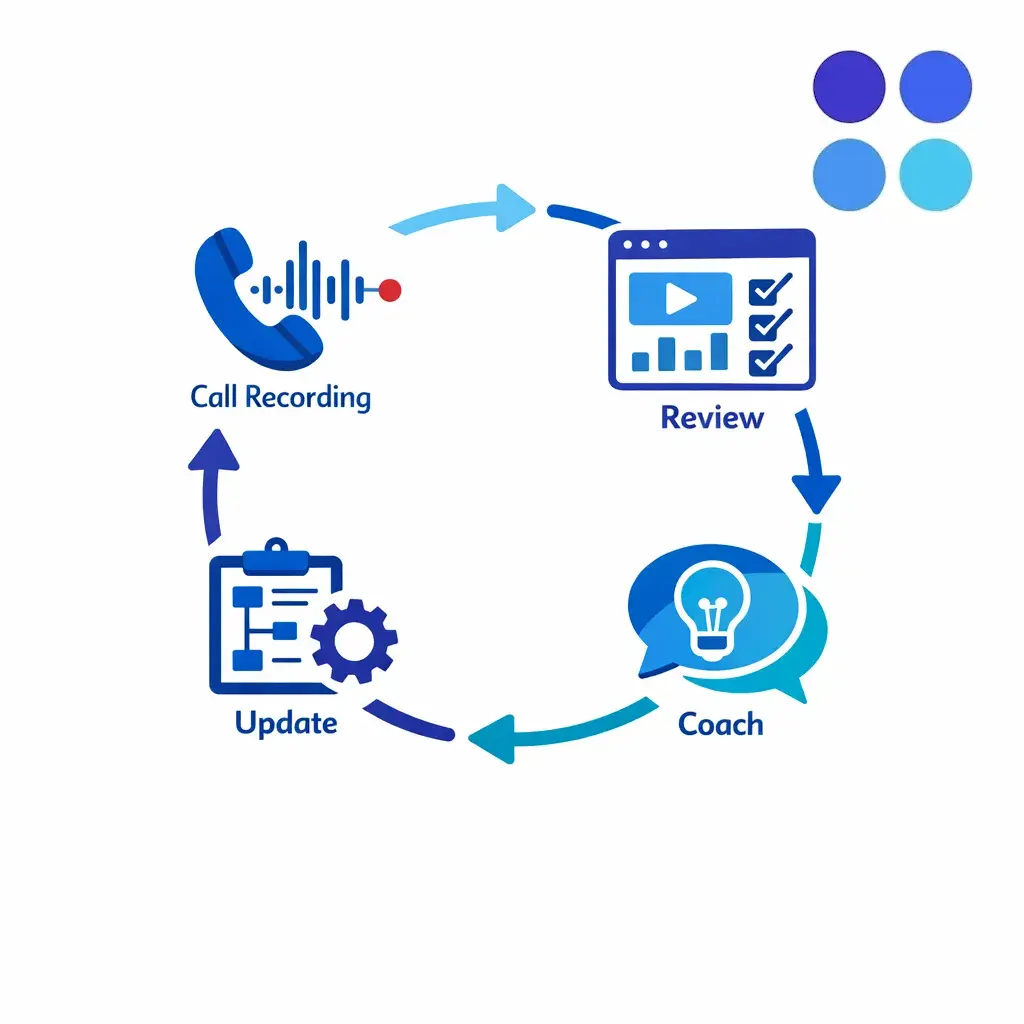
Close the loop: recorded-call review should feed directly into coaching and knowledge updates, so monitoring drives real improvement instead of stopping at a dashboard.
Healthcare programs need more than a friendly voice. If workflows touch protected health information, the provider should show controls aligned to the HIPAA Security Rule, along with documented access rules, message handling procedures, and audit-ready operating discipline.
For legal intake-heavy environments, the same principle applies even when the workflow is different. The provider should use controlled scripts, consistent case capture, documented escalation rules, and versioned SOPs so quality does not depend on individual agent memory.
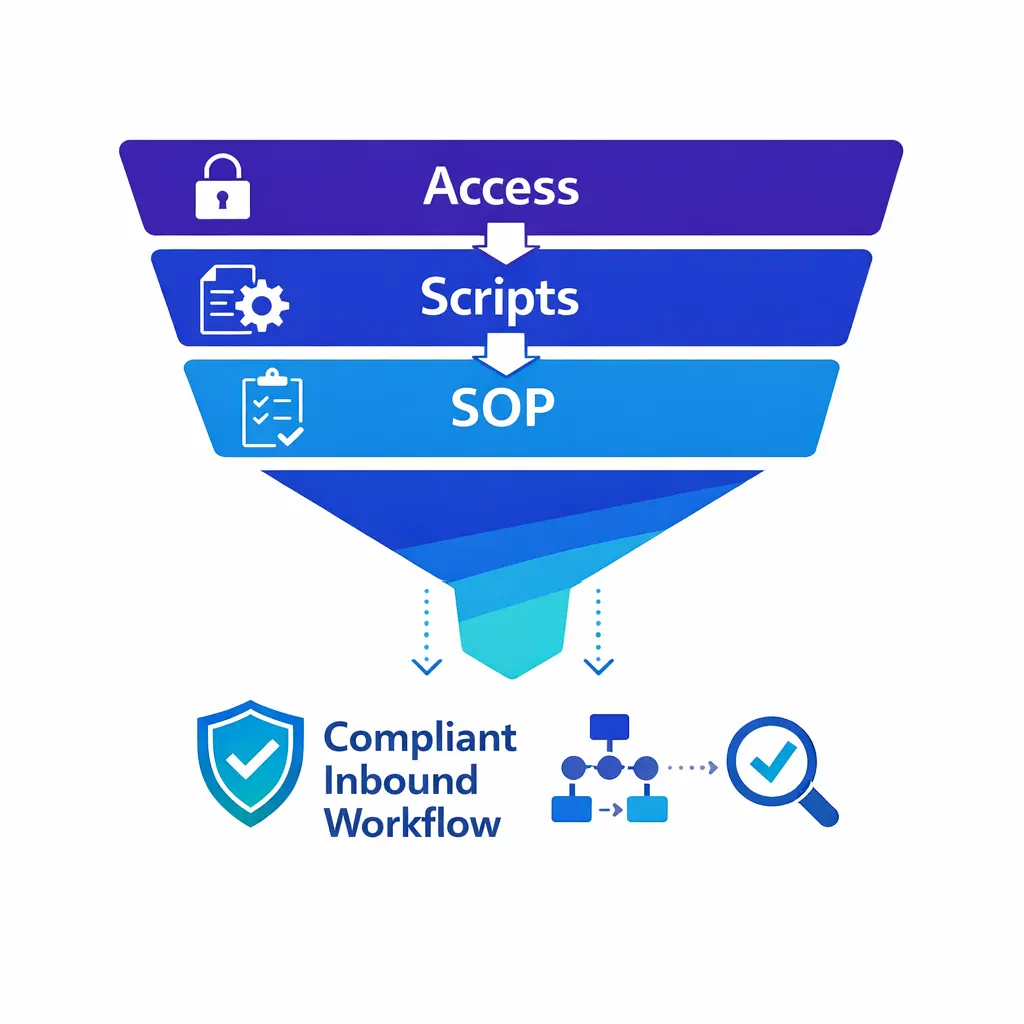
Controlled scripts, secure access, documented escalation rules, and versioned SOPs form the governance backbone that keeps quality consistent and keeps regulated healthcare and legal intake audit-ready.
Start with service level because it ties the queue to a promised answer target. When teams talk about an 80/20 rule, they usually mean a goal of answering 80 percent of calls within 20 seconds.
ASA matters because it shows the caller's actual waiting experience. Service level tells you whether you hit the target you set, while average speed of answer tells you how the queue felt in real time.
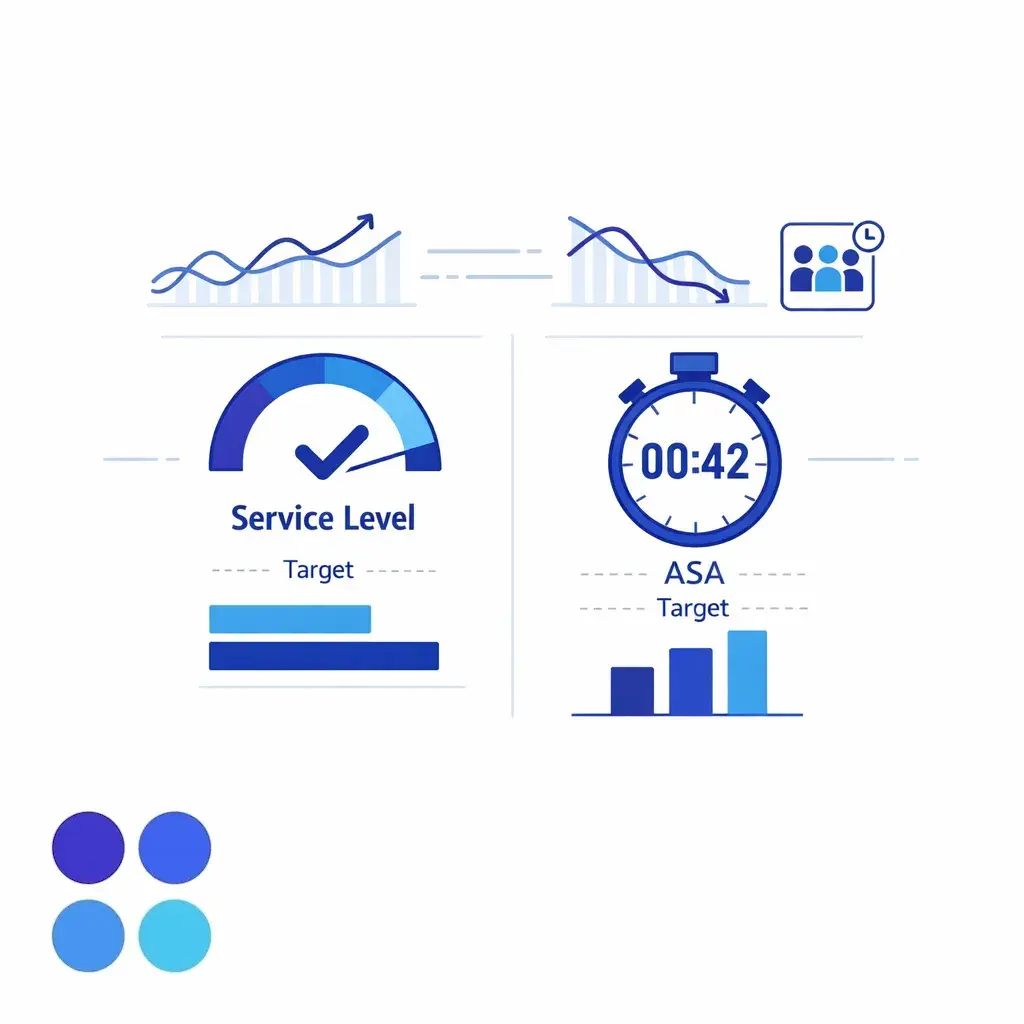
Track service level and ASA together: service level shows whether you hit your answer target (often 80% within 20 seconds), while average speed of answer shows how the wait actually felt to callers.
First-call resolution is one of the clearest ways to tell whether the line is solving problems instead of creating repeat work. Pair it with CSAT and abandonment rate to see both outcome quality and caller patience under pressure.
If FCR drops while contacts repeat, the issue is often poor routing, weak knowledge access, inconsistent training, or intake that captures too little detail. If abandonment rises, the queue may be understaffed, misrouted, or forcing callers through the wrong front-end path.
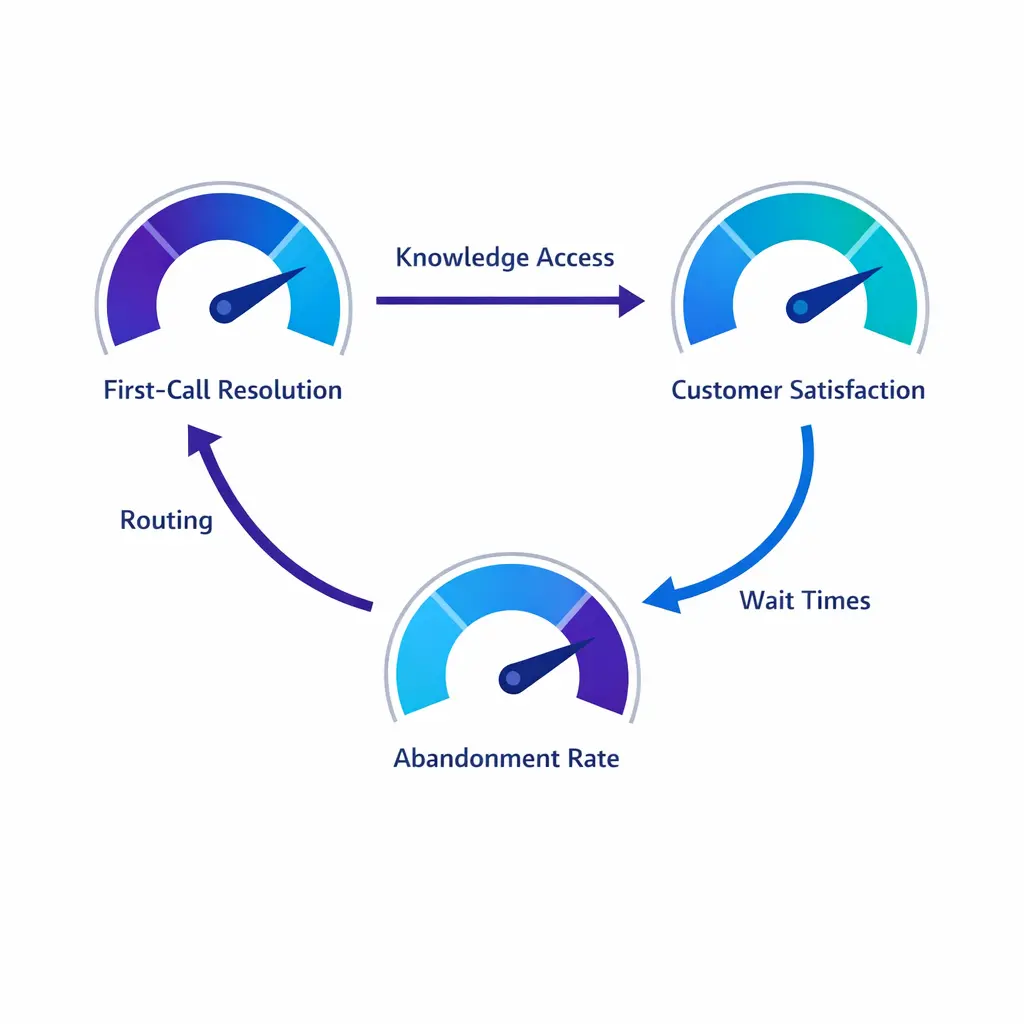
First-call resolution, CSAT, and abandonment rate are connected outcomes: read them together to see both resolution quality and caller patience, and to spot routing, knowledge, or staffing gaps early.
Watch average speed of answer, average handle time, occupancy, and abandonment metrics together instead of isolating one number. AHT can improve for the wrong reason if agents rush customers, skip discovery, or push avoidable escalations downstream.
Escalation rate should also be interpreted carefully. High escalation can mean agents are undertrained, but it can also mean the routing model is sending the wrong calls to the wrong tier.
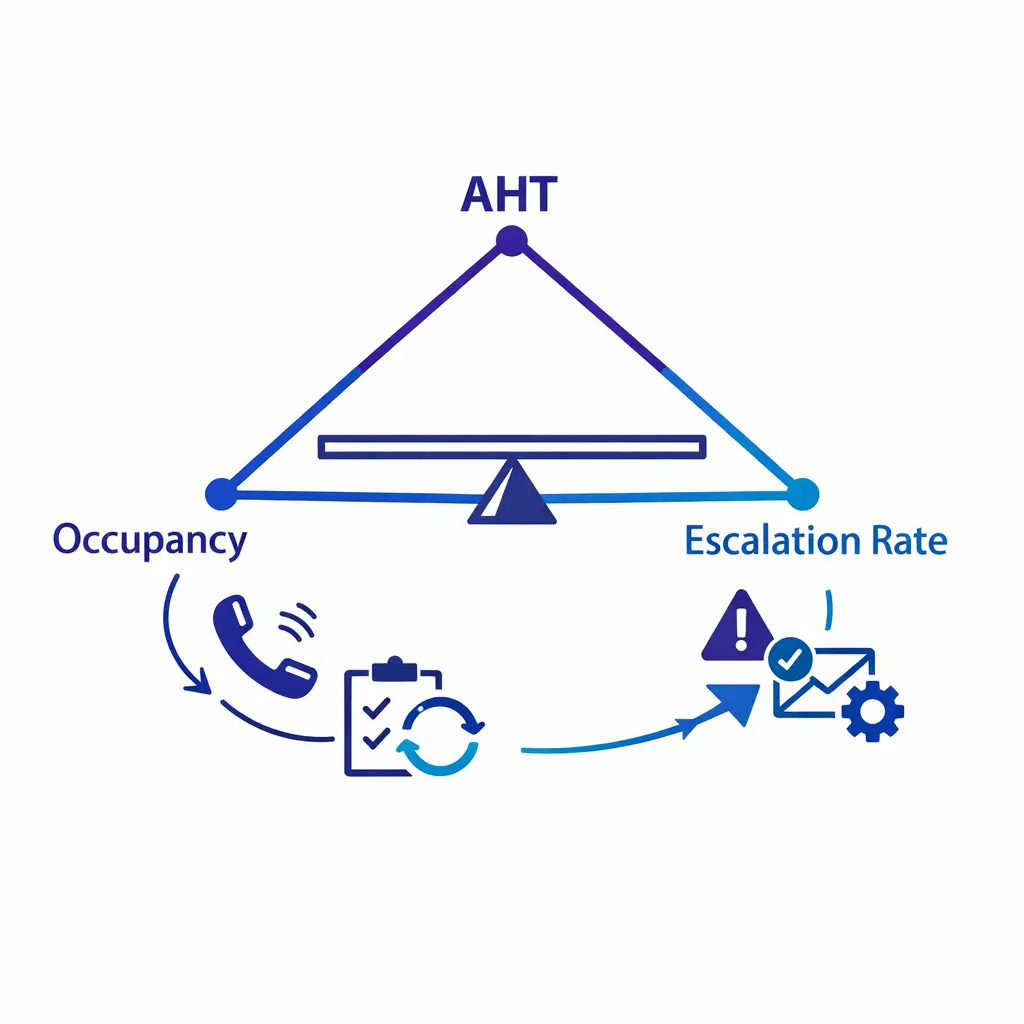
Handle time, occupancy, and escalation rate must be interpreted together: a "better" AHT can hide rushed calls or downstream escalations, and high escalation can signal routing problems, not just training gaps.
Metrics become useful when they change action. If service level is unstable only at lunch or late afternoon, fix schedules before replacing the provider. If AHT rises on one call type, review the script, system friction, and knowledge base before blaming the agent team.
The same logic applies to QA. If the same failure appears in both low-FCR calls and high-escalation calls, that is usually a signal to retrain, rewrite workflow steps, or redesign routing rather than simply coach harder.
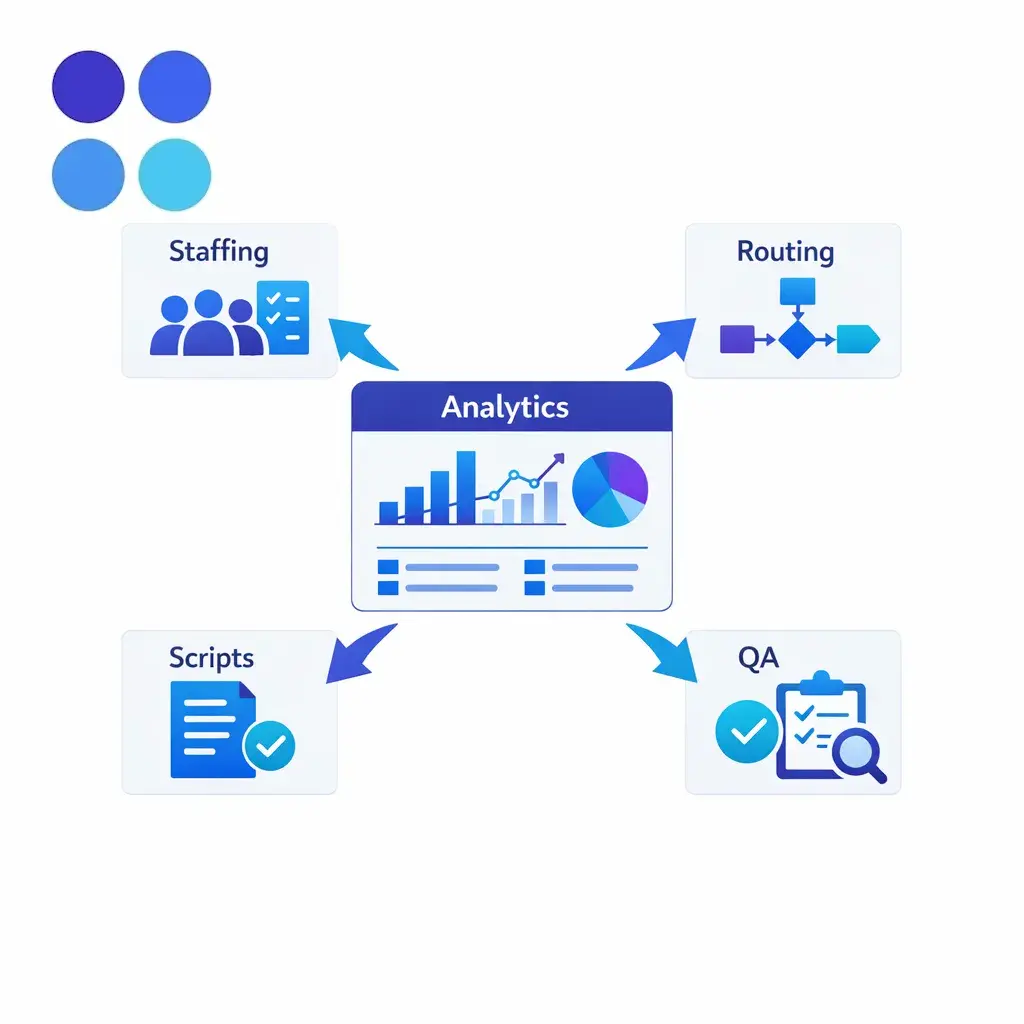
Turn metrics into decisions: let them drive staffing changes, script fixes, routing adjustments, and QA priorities. A number is only useful when it changes what you do next.
The right provider for a simple overflow queue may be the wrong provider for healthcare scheduling or legal intake. Buyers should evaluate whether the partner has the right process discipline, reporting maturity, and comfort with the systems the workflow depends on.
Security questions should be specific. Ask how access is controlled, how call data is handled, how QA is documented, how knowledge updates are approved, and how after-hours exceptions are escalated when internal teams are unavailable.
On pricing, the more useful question is not "What is the cheapest rate?" but "What model matches our call pattern?" Costs will depend on whether you need shared overflow, dedicated coverage, 24/7 support, bilingual agents, complex intake, or deeper integration with your stack.
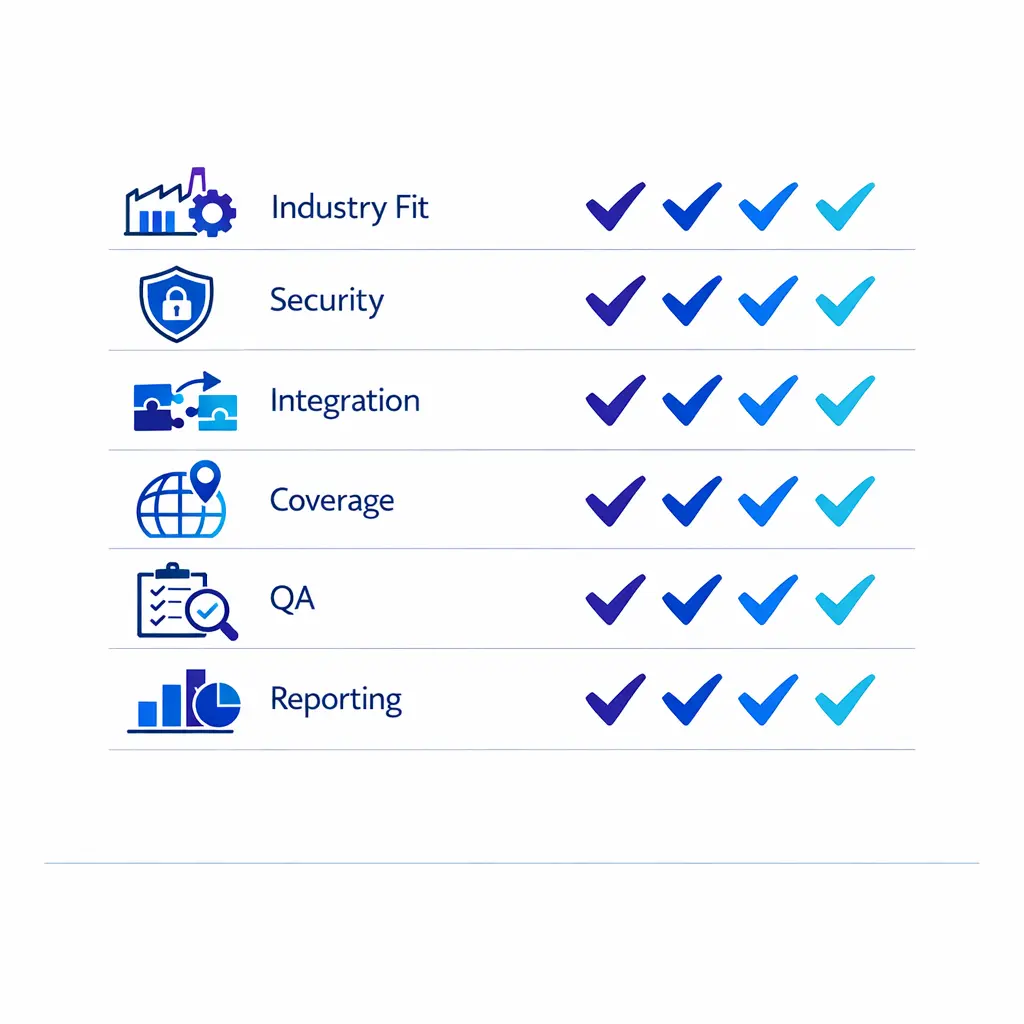
Evaluate providers on a clear checklist: industry fit, security, integration, QA maturity, and reporting readiness. The right partner for overflow may be the wrong one for healthcare scheduling or legal intake.
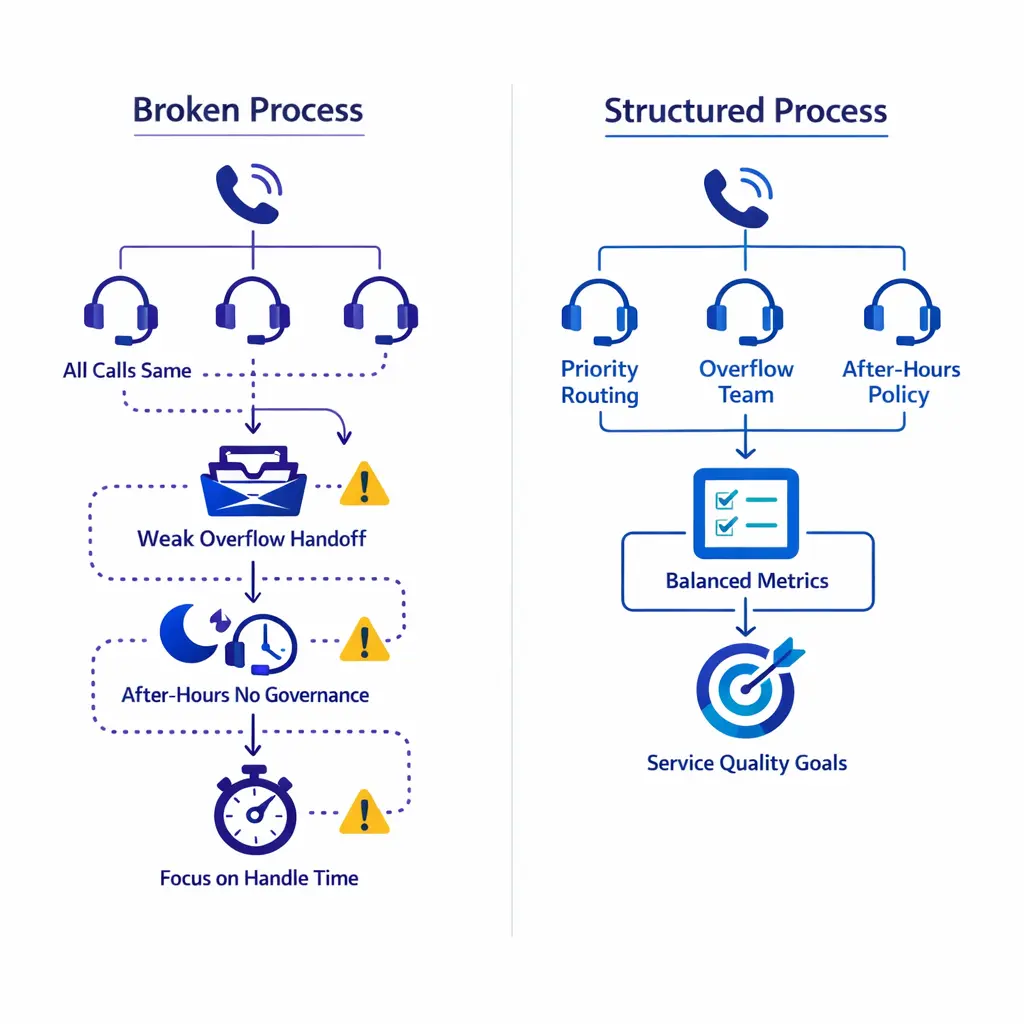
Common queue-design mistakes are avoidable: treating every call the same, optimizing handle time too early, running overflow as informal backup, and leaving nights and weekends without clear governance.
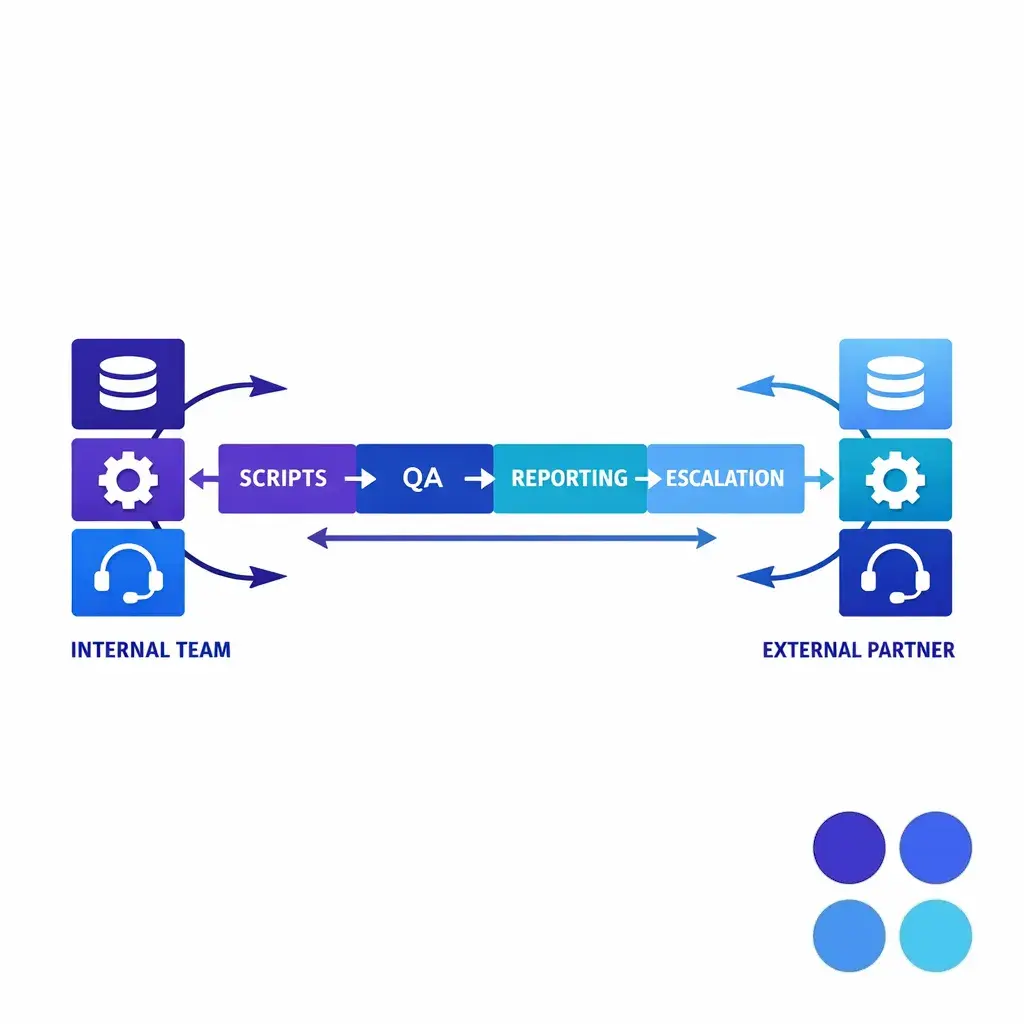
The best inbound partner works as a seamless extension of your operation: structured intake, dependable overflow, after-hours responsiveness, and QA that supports real operating outcomes, not a disconnected vendor with limited context.
Go Answer is a strong fit for organizations that need more than basic answering coverage. The value is highest when the job requires structured intake, dependable overflow protection, after-hours responsiveness, and QA that supports real operating outcomes.
That matters for multi-location service businesses, legal intake teams, and healthcare workflows where accuracy and escalation discipline are just as important as answer speed. An inbound call center partner should feel like an extension of the operation, not a disconnected vendor absorbing overflow with limited context.
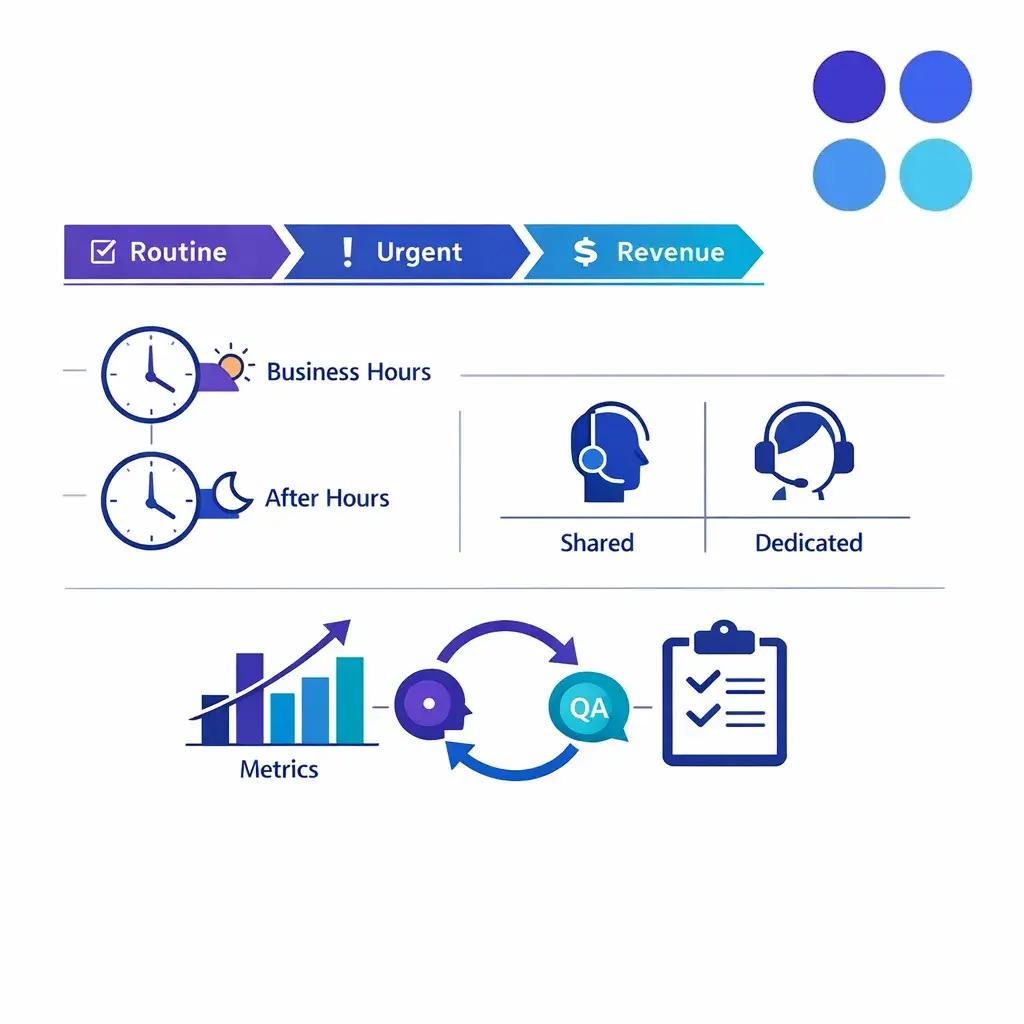
Map your coverage model before launch: list call types, separate routine from urgent and revenue-sensitive contacts, set queue priorities for each time window, and choose the metrics that will drive staffing and QA.
If you are comparing providers, Go Answer can help you map coverage, workflow design, QA expectations, and reporting into a practical operating plan. You can Request Pricing, Book a Discovery Call, or Talk to a Specialist based on the volume, hours, and complexity you need to support.
If you are still evaluating options, you can Explore Enterprise BPO, See How It Works, and View Use Cases to compare overflow support, after-hours coverage, and broader inbound customer support outsourcing models.

Learn why thousands of companies rely on Go Answer.
Try us risk-free for 14 days!
Enjoy our risk-free trial for 14 days or 200 minutes, whichever comes first.
Have more questions? Call us at 888-462-6793
Learn why thousands of companies rely on Go Answer.
Have more questions? Call us at 888-462-6793
If you would like to get in contact with a Go Answer representative please give us a call, chat or email.

Thanks for your interest!
A representative will be reaching out to you shortly.
Have more questions? call us on 888-462-6793
