
How to Outsource Customer Service: A Step-by-Step Guide for Enterprise and Multi-Location Brands
By Eddie FieldsLast modified: October 13, 2026
Voted Top Call Center for 2024 by Forbes
Virtual Receptionists
Save time and money with our virtual receptionists.
AI Receptionist
AI-powered receptionist that answers, routes, and qualifies calls 24/7.
Enterprise Solutions
Solutions designed to scale with your organization’s needs.
Legal Services
Our virtual legal receptionists are experts in legal intake.
Last modified: October 13, 2026
Customer service outsourcing is the practice of assigning some or all support interactions to an external team that works under your processes, systems, and service standards, so your business can extend coverage, stabilize response times, and scale without hiring every shift internally.
This guide is for enterprise and multi-location brands, legal intake-heavy firms, healthcare organizations, and other high-volume inbound businesses that need reliable coverage without sacrificing quality. You will learn how to outsource customer service with a practical operating plan, from readiness assessment and vendor review to SLA design, knowledge transfer, pilot rollout, and ongoing performance management.
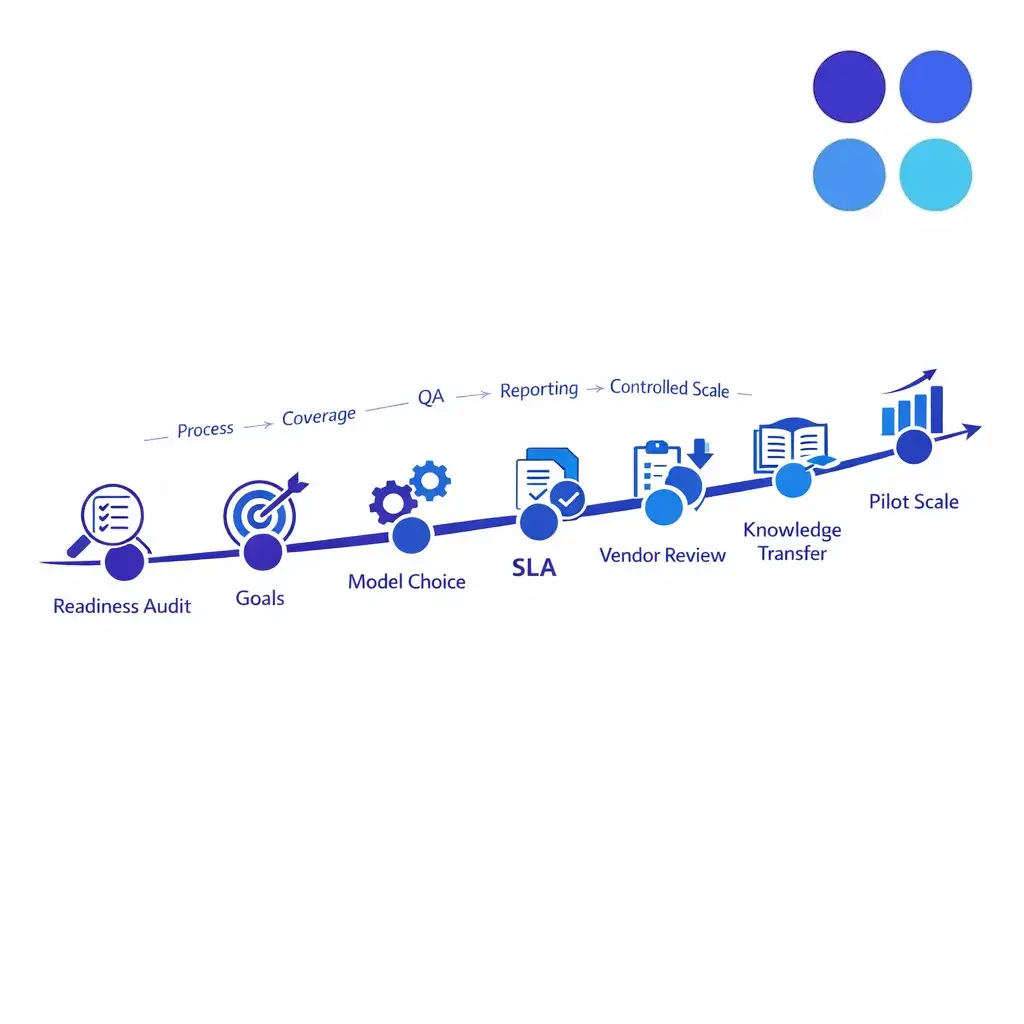
Outsourcing customer service works best as a seven-step roadmap: assess readiness, define scope and metrics, choose a model, evaluate vendors, build the SLA, transfer knowledge, then pilot and scale carefully.
To outsource customer service is to move selected support work to an outside provider while keeping control of brand standards, escalation rules, reporting, and customer outcomes. In a strong customer service outsourcing process, the provider is not just answering calls or tickets. It is operating as an extension of your service organization.
For enterprise teams, that distinction matters. The goal is not simply lower headcount cost. The goal is better coverage, more consistent execution across locations, cleaner intake, and more predictable service levels during nights, weekends, spikes, and overflow periods.
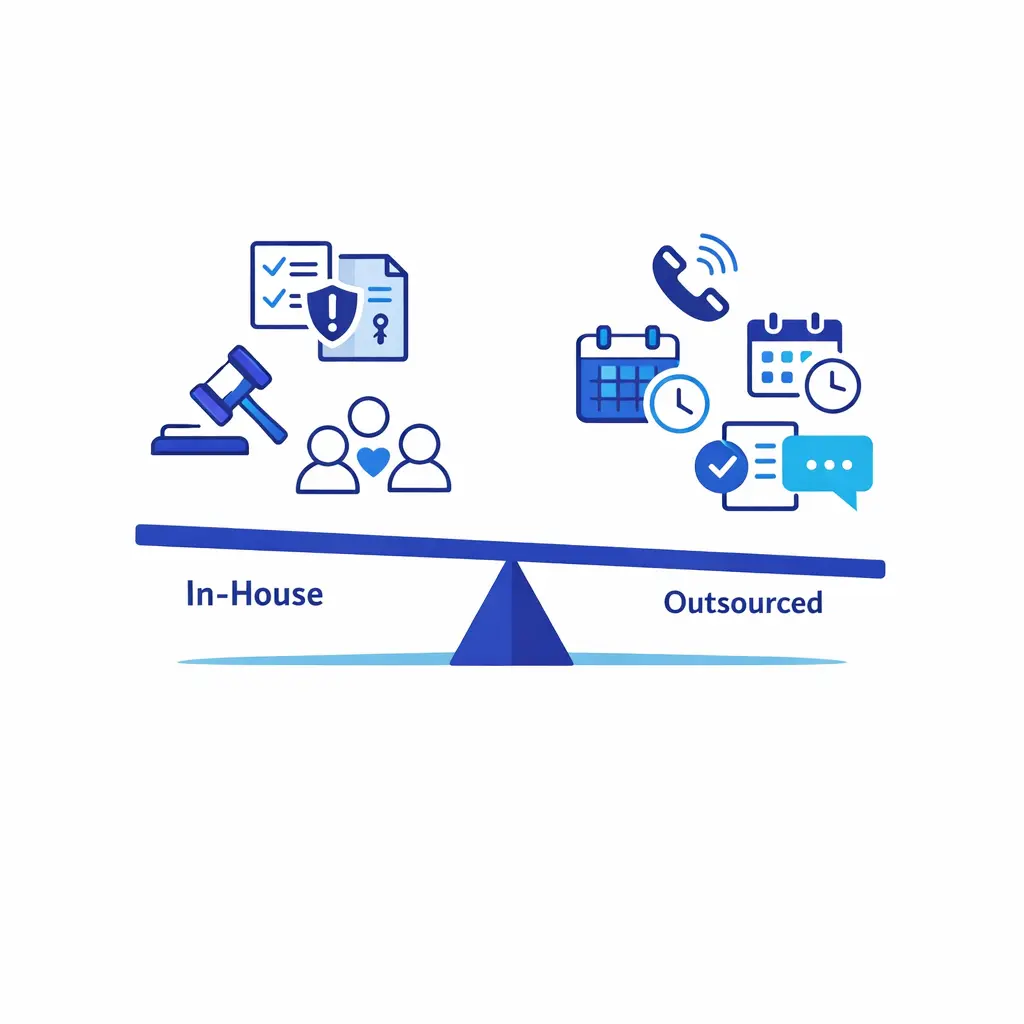
The real decision is not all-internal vs all-outsourced. Keep complex, regulated, high-authority work in-house; move repeatable, high-volume, measurable work — first response, overflow, after-hours, scheduling, intake — to a partner.
Customer support outsourcing can cover much more than a basic outsourced call center. The best candidates are high-volume, rules-based interactions that can be documented, measured, and escalated cleanly when judgment or authority is needed.
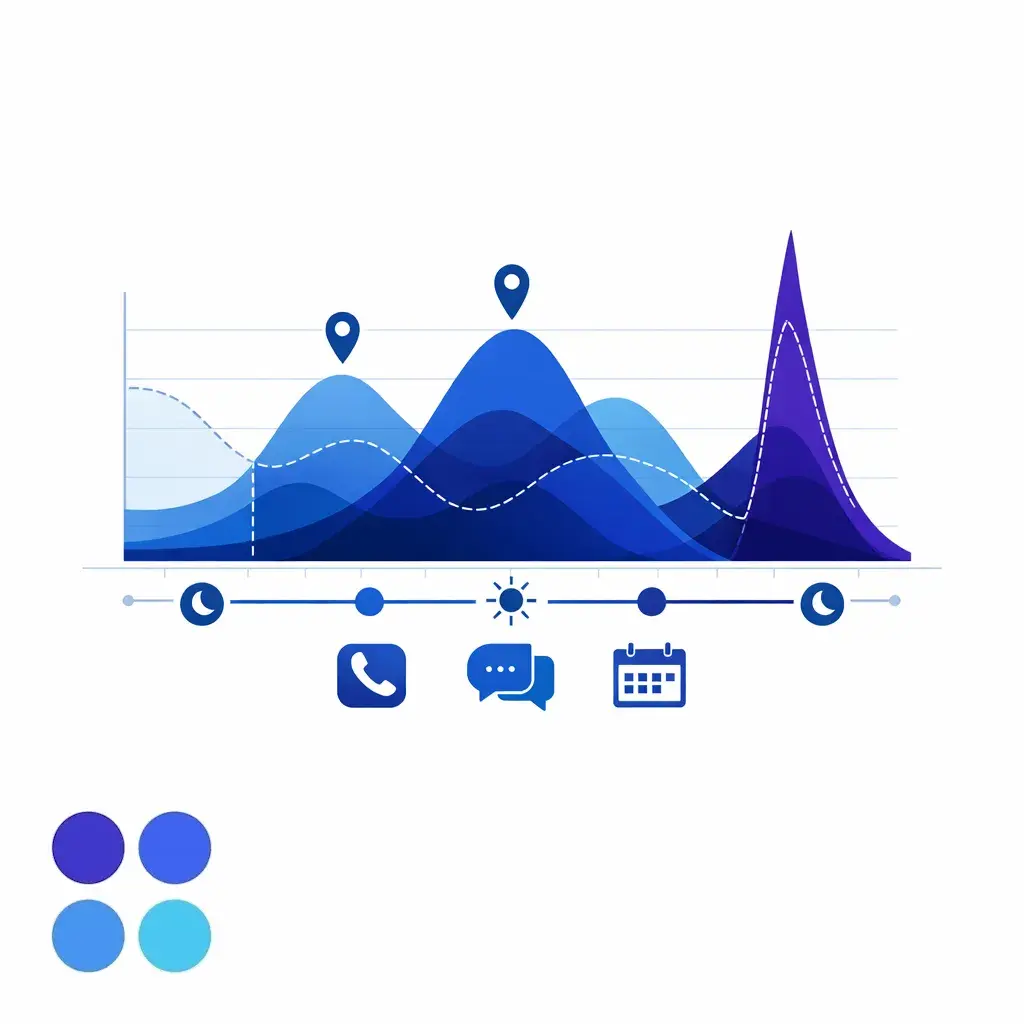
Outsource when demand outgrows your staffing model: missed after-hours calls, quality that varies by location, specialists stuck on first-touch work, or a need for 24/7 coverage and overflow protection without permanent excess headcount.
Outsourcing makes sense when service demand is bigger than your current staffing model can cover well. That often happens when one team is trying to handle location variance, extended hours, seasonal peaks, acquisition growth, or specialized escalations all at once.
BPO customer service means customer support delivered by a business process outsourcing partner. Companies outsource customer support to improve coverage, scale faster, and protect internal teams from routine demand, but the best programs start with a clearly defined scope rather than handing off everything at once.
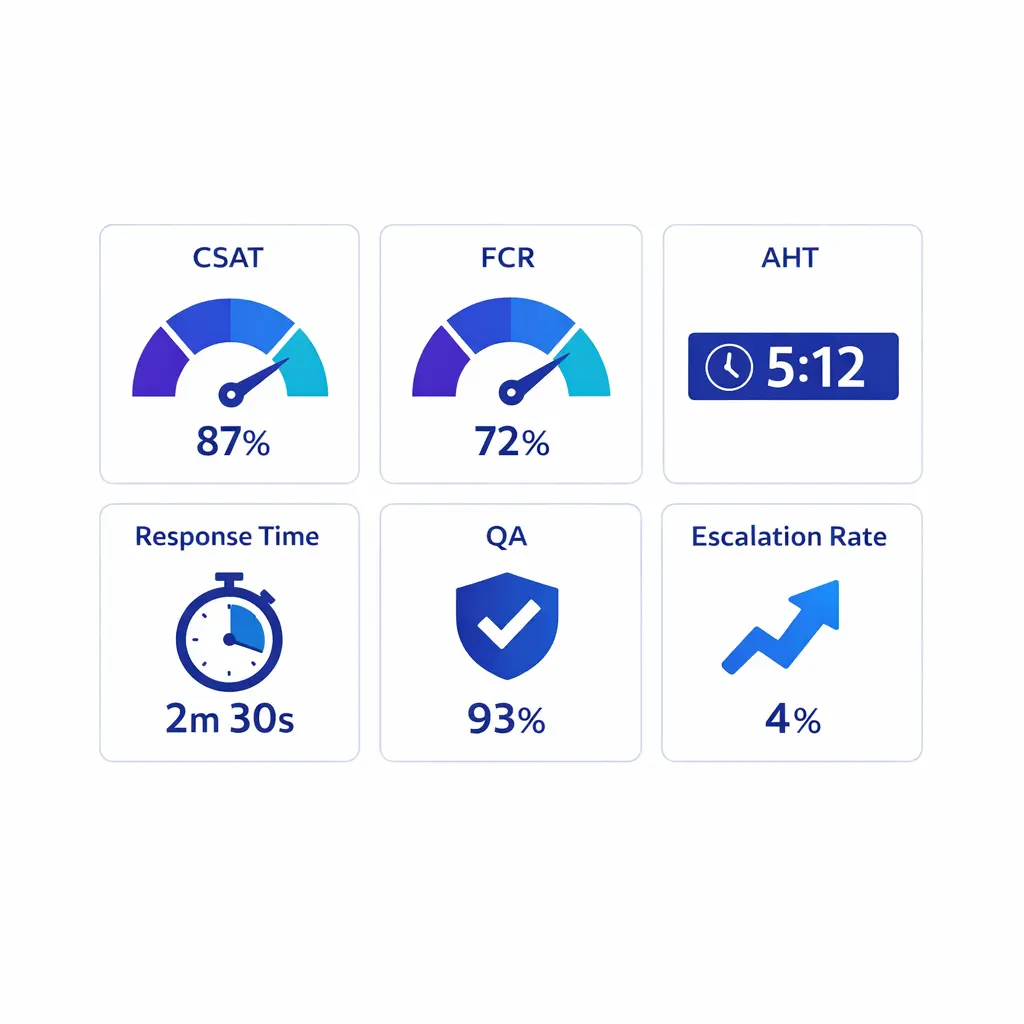
Pick a scorecard that reflects both experience and control: CSAT, FCR, AHT, response time, QA score, and escalation rate — plus a business outcome like booked appointments or completed intake forms.
Most enterprise leaders are not choosing between "all internal" and "all outsourced." They are deciding which work belongs in-house, which work belongs with a partner, and how the two groups share accountability.
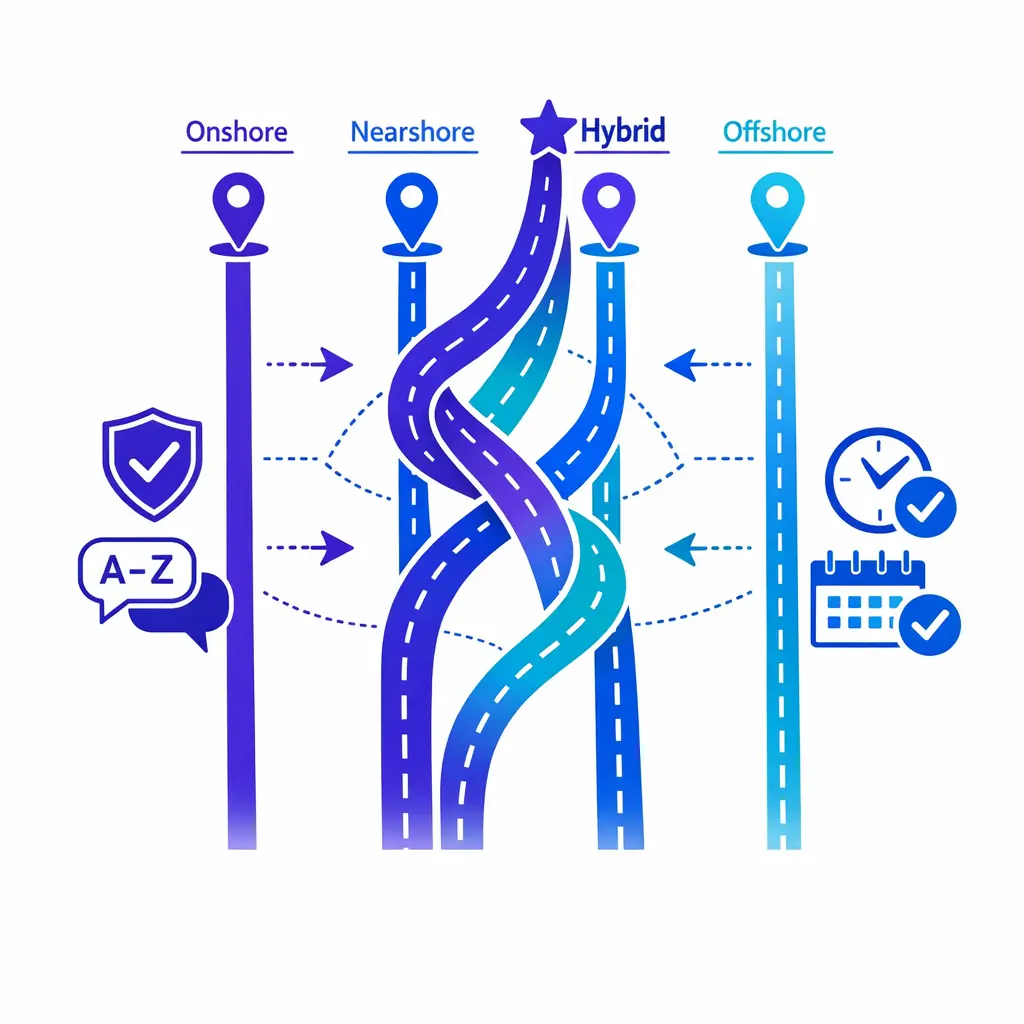
There is no universally best geography. Onshore fits high-empathy, high-context, or regulated work; nearshore and offshore add scale and multilingual coverage. Ask which model protects outcomes, not which is cheapest.
Start with your current operation, not with a vendor pitch deck. Pull at least a recent operating snapshot by channel, location, daypart, and issue type. You want to understand when demand spikes, which contacts are repetitive, where abandonment or delay appears, and which interactions create the most downstream rework.
For multi-location brands, break the audit down far enough to see local variation. A national support program can fail if one region needs different hours, one practice group has different intake rules, or one product line generates a very different contact pattern than the rest of the business.
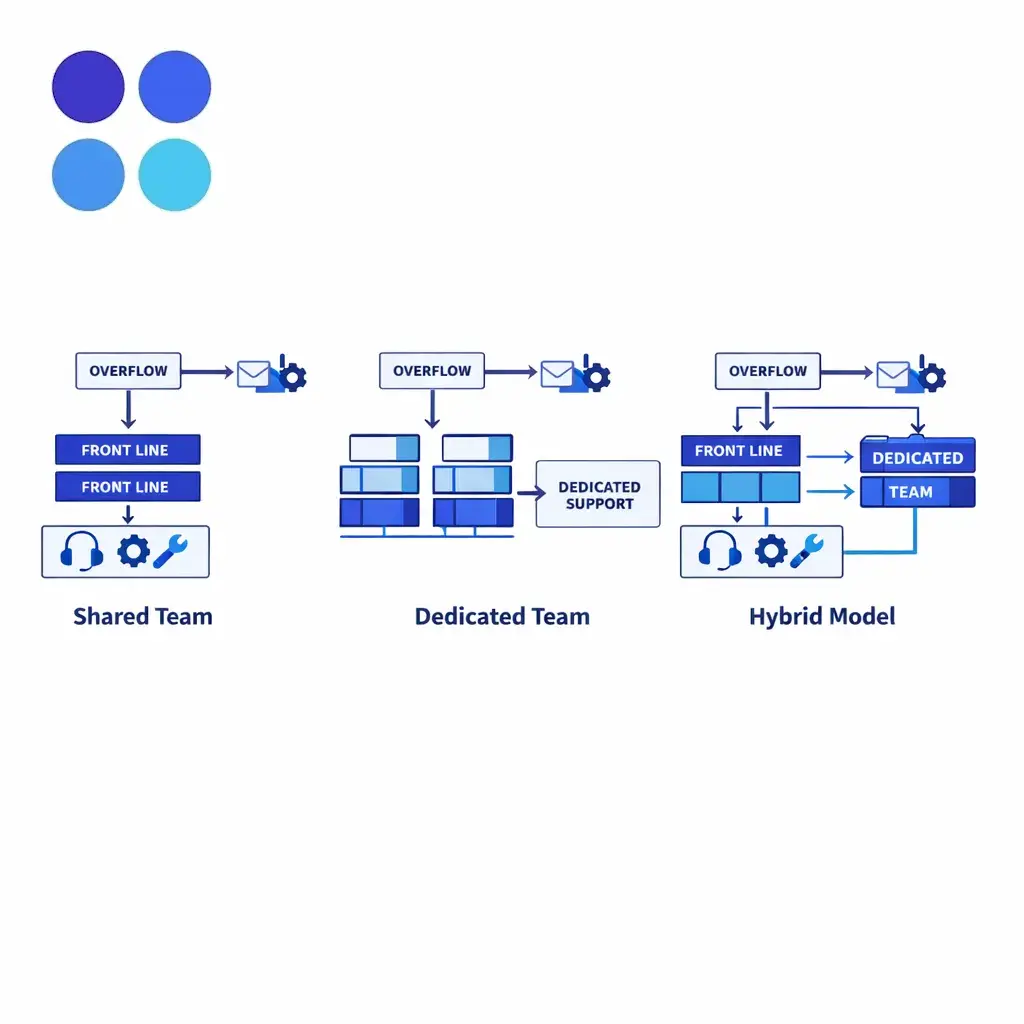
Shared teams suit predictable, standardized work; dedicated teams fit complex workflows and tightly controlled brand voice; a hybrid — shared coverage plus a dedicated pod for priority queues — often works best for enterprises.
This is the most important design decision in the entire support outsourcing guide. Keep work in-house when it requires authority, deep judgment, negotiation, licensed expertise, or sensitive relationship management. Outsource work that is procedural, high-volume, and supported by a clear script, knowledge base, and escalation path.
For example, a healthcare group may outsource scheduling and first-touch inquiry handling, while clinical advice stays internal. A litigation support or PI firm may outsource initial intake and after-hours lead capture, while legal advice, conflict decisions, and case strategy stay with the firm.
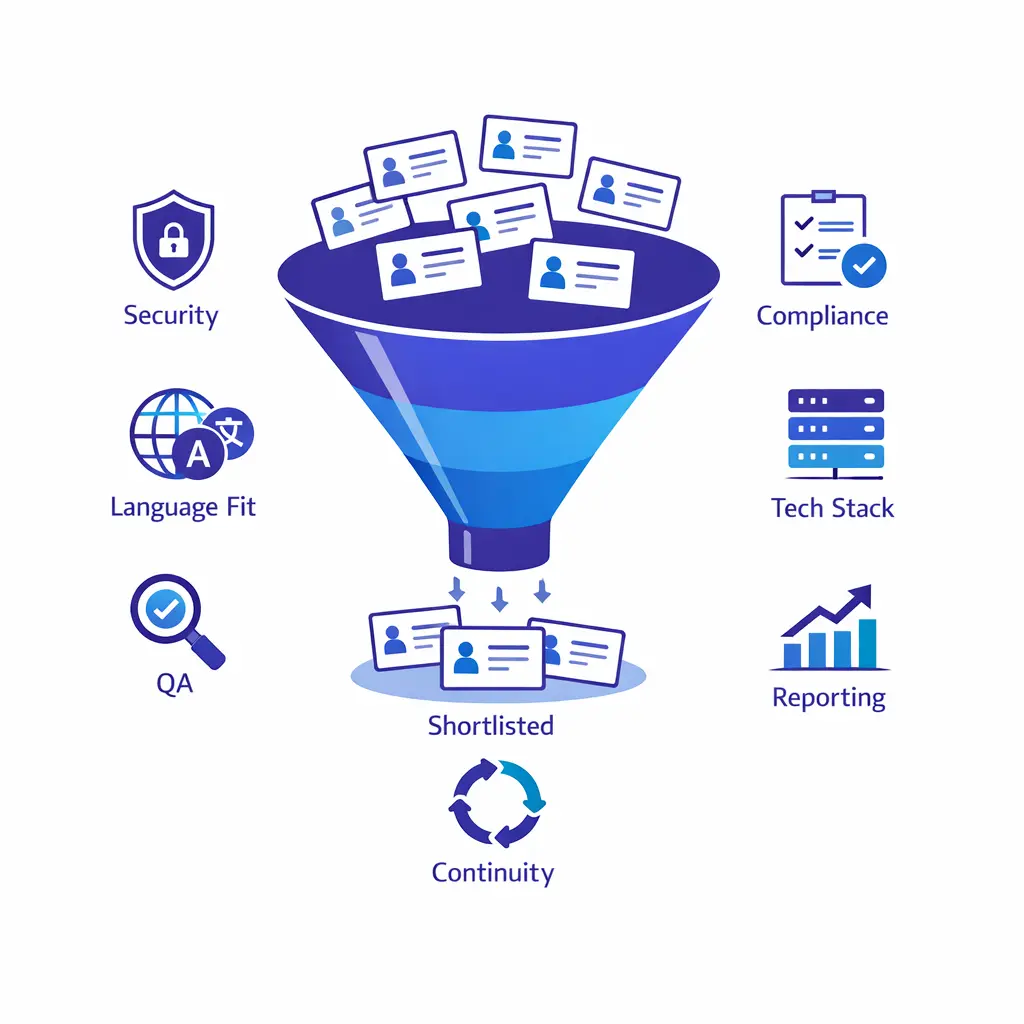
Start vendor evaluation with risk, not price. A shortlist funnel filters providers by security, compliance, language and workflow fit, reporting depth, and governance before pricing conversations go too far.
Before you compare providers, write down why this program exists. Your goals might include extending service hours, reducing missed opportunities, improving intake consistency across locations, absorbing overflow during campaigns, or creating a more resilient operating model during turnover or growth.
Be specific about scope. Define the channels, hours, locations, languages, products, and inquiry types included in phase one. Also define what is out of scope, because unclear boundaries are one of the fastest ways to create quality drift and internal frustration.
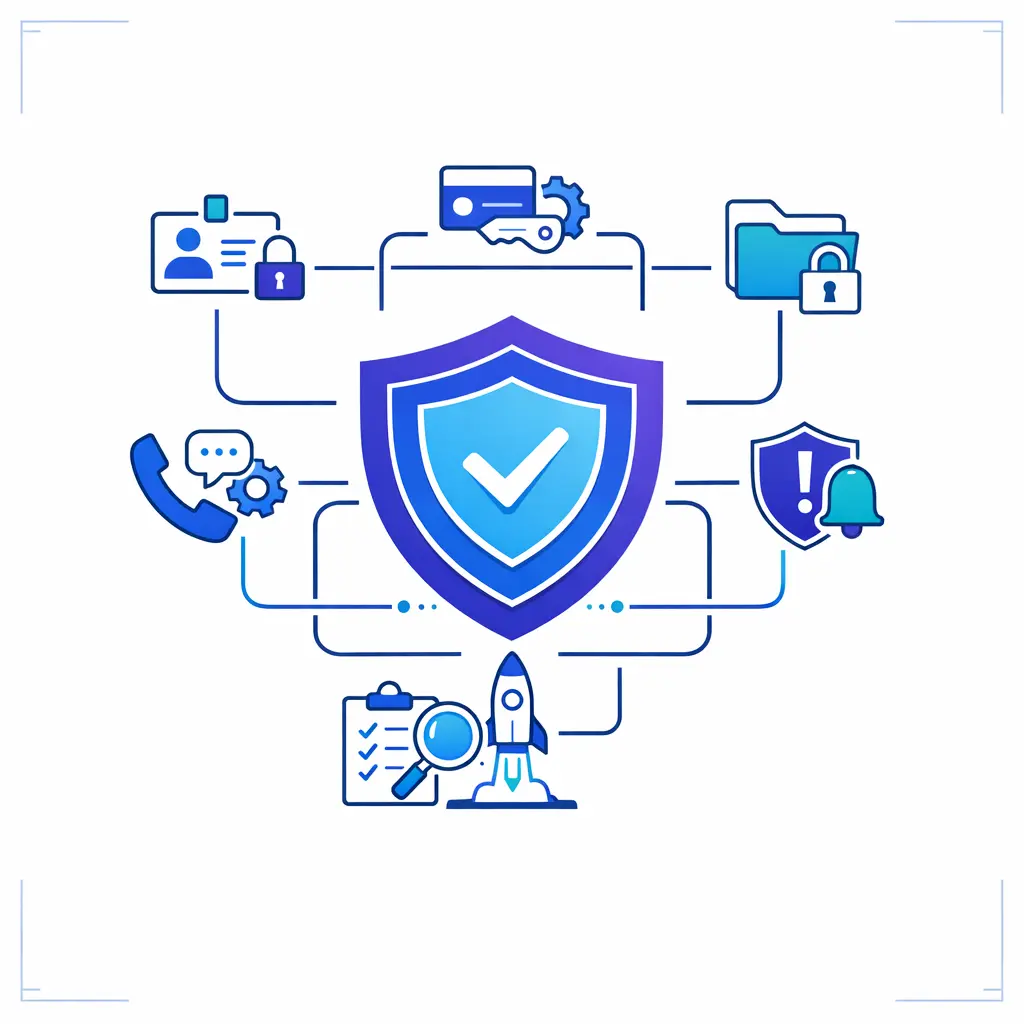
Build security into the operating model: settle the BAA, access controls, encryption, monitoring, and incident response — and map controls to the relevant HIPAA, PCI, and confidentiality requirements — before launch.
Pick a scorecard that reflects customer experience and operational control. Too many programs drown in reporting but still miss the signals that actually matter.
Intake-heavy organizations should add a business outcome measure such as booked appointments, qualified leads, completed intake forms, or accepted transfer rate. That keeps the program tied to revenue and service continuity, not just agent activity.
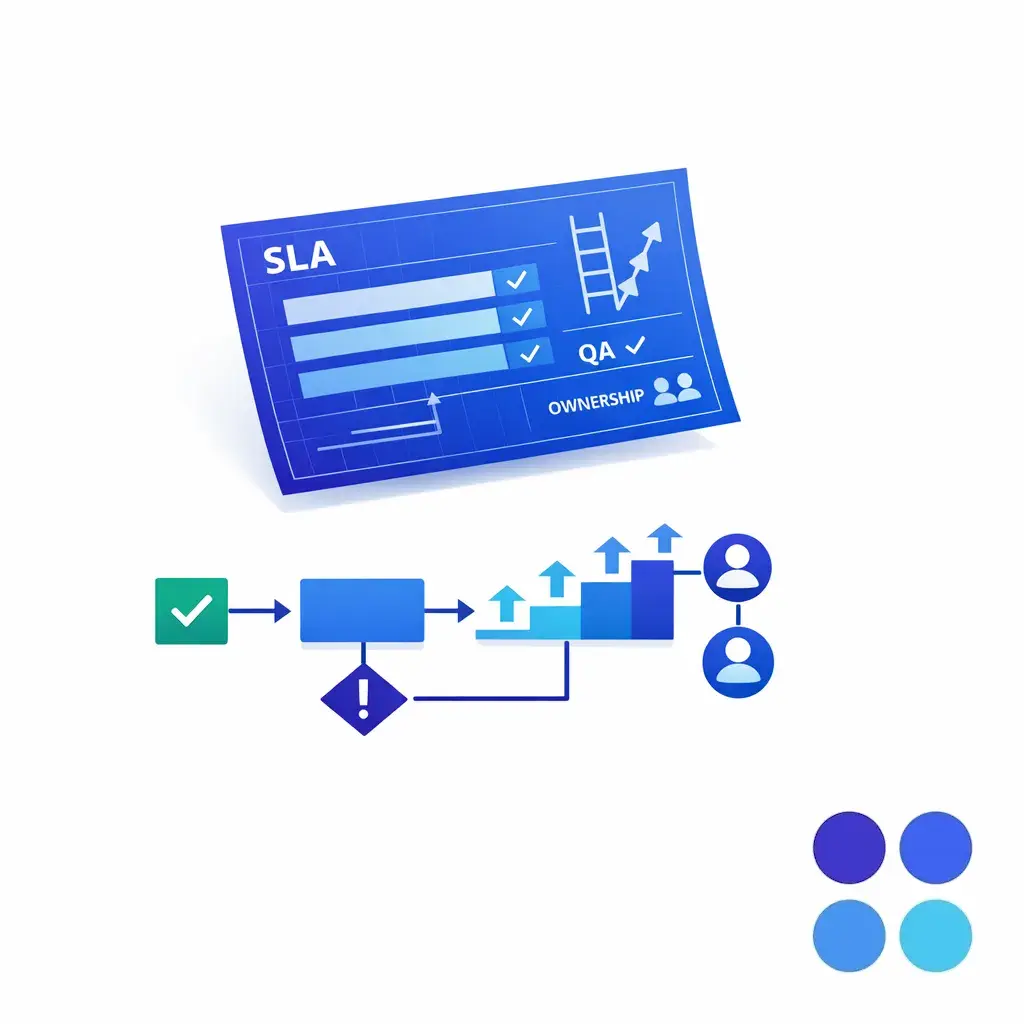
An SLA and governance blueprint defines service levels by channel and time, a QA rubric for soft skills and process accuracy, escalation rules, named owners, and a weekly, monthly, and quarterly review rhythm.
There is no universally best geography. The right model depends on your hours, language expectations, complexity, regulatory posture, and customer sensitivity to nuance. Onshore models often fit high-empathy, high-context, or highly regulated work, while nearshore and offshore models can be useful for scale, multilingual coverage, and broader schedule flexibility.
Instead of asking which geography is cheapest, ask which geography protects outcomes. If your brand depends on trust, detailed intake accuracy, or location-specific service consistency, quality fit and supervision matter more than wage differentials.
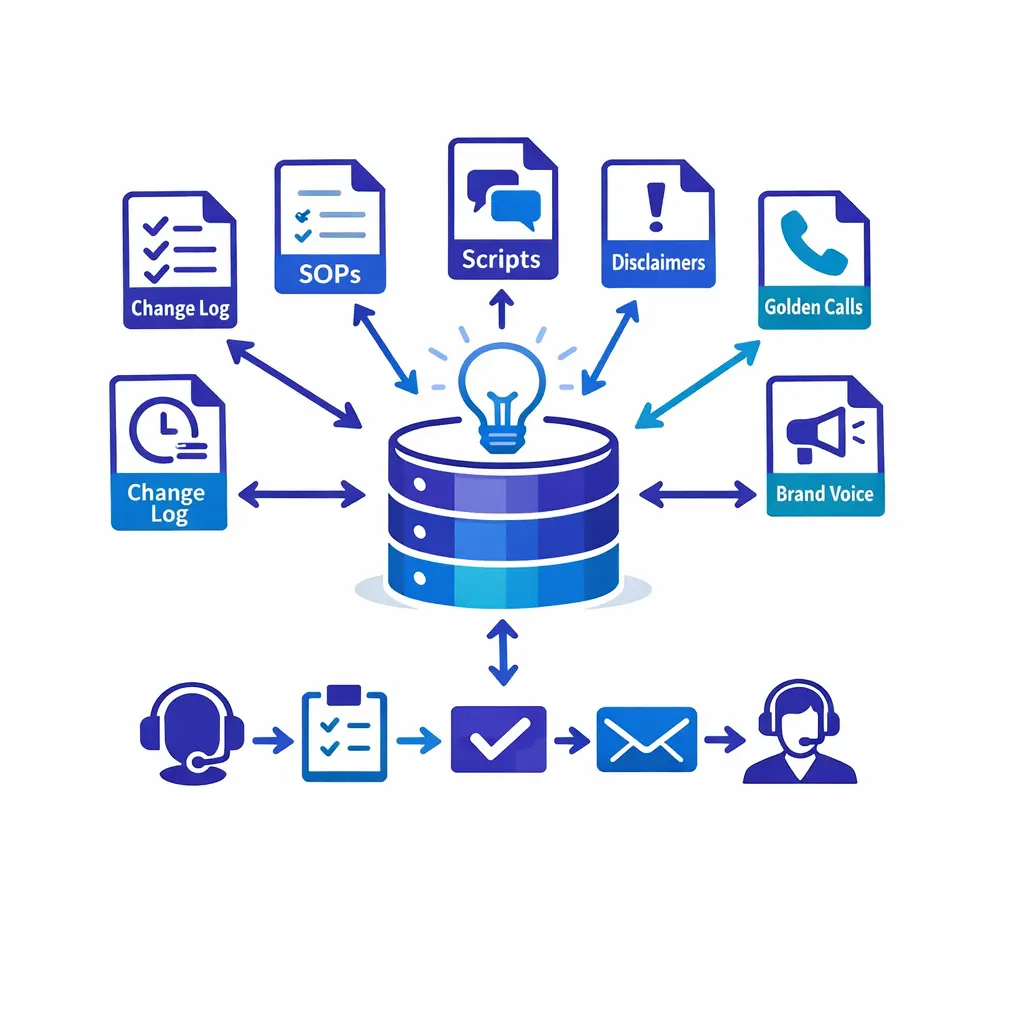
Knowledge transfer makes or breaks the program. Give the partner current SOPs, approved scripts, disclaimers, escalation rules, location exceptions, and a short library of golden calls from one source of truth.
A shared team is efficient for predictable, standardized work and lower utilization periods. A dedicated team is stronger when your workflows are complex, your brand voice is tightly controlled, or you need agents deeply trained on your systems and exception handling.
A hybrid team often works well for enterprise service organizations. Shared coverage can absorb nights, weekends, and overflow, while a dedicated pod handles high-priority queues, complex campaigns, or intake programs where continuity and QA are critical.
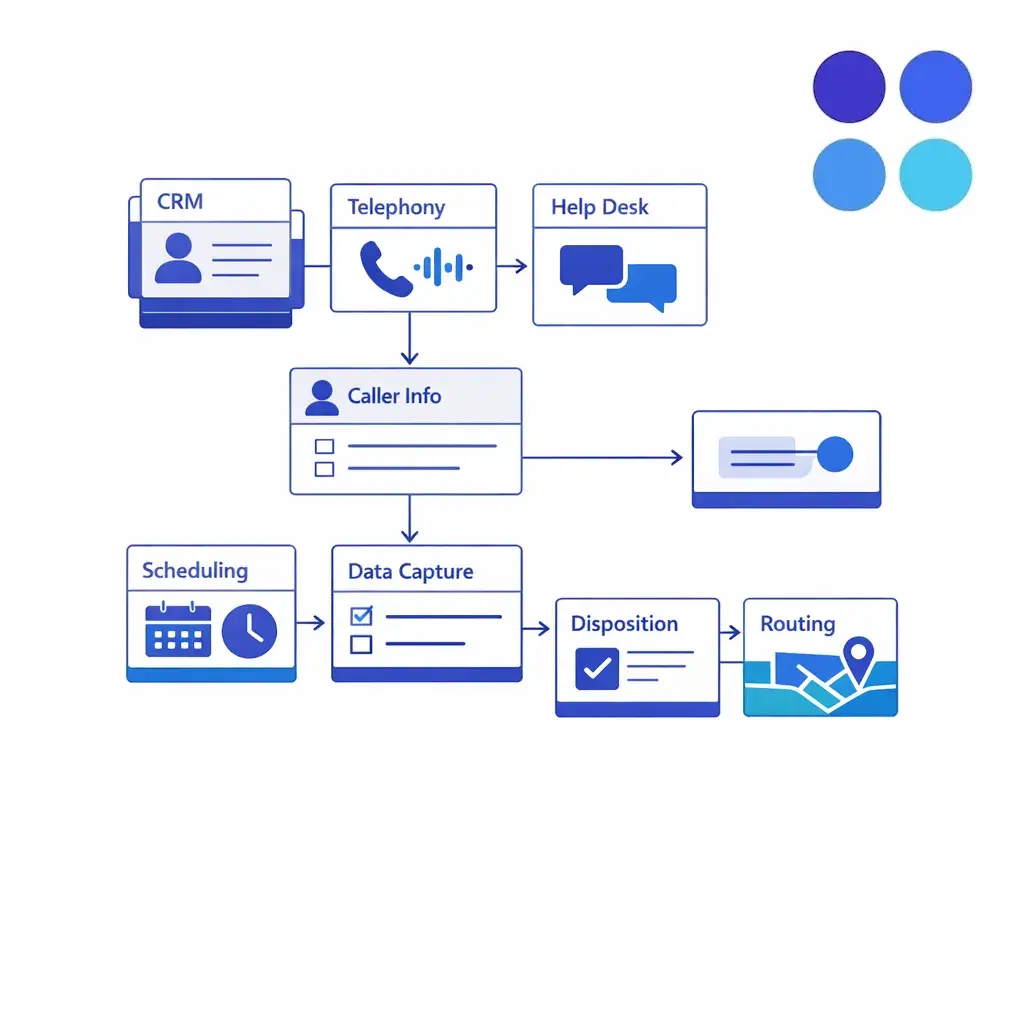
Integrate what the pilot needs, and integrate it well. The partner should identify the caller, capture the right data, select the right outcome code, and route the case onward without copying data across systems.
Human-led support is still the safest fit for emotionally charged, high-value, or regulated conversations. AI-assisted support can improve speed when it is used for routing, summaries, suggested replies, knowledge retrieval, or after-call documentation rather than replacing judgment outright.
If AI is part of the design, set controls that are consistent with the NIST AI Risk Management Framework. Define what data the model can see, who approves knowledge changes, how exceptions are escalated, and what the human reviewer must verify before a response is finalized.
The common outsourcing choices are onshore, nearshore, offshore, and hybrid. In practice, hybrid is often the most usable enterprise model because different channels and interaction types rarely need the same staffing, geography, or escalation depth.
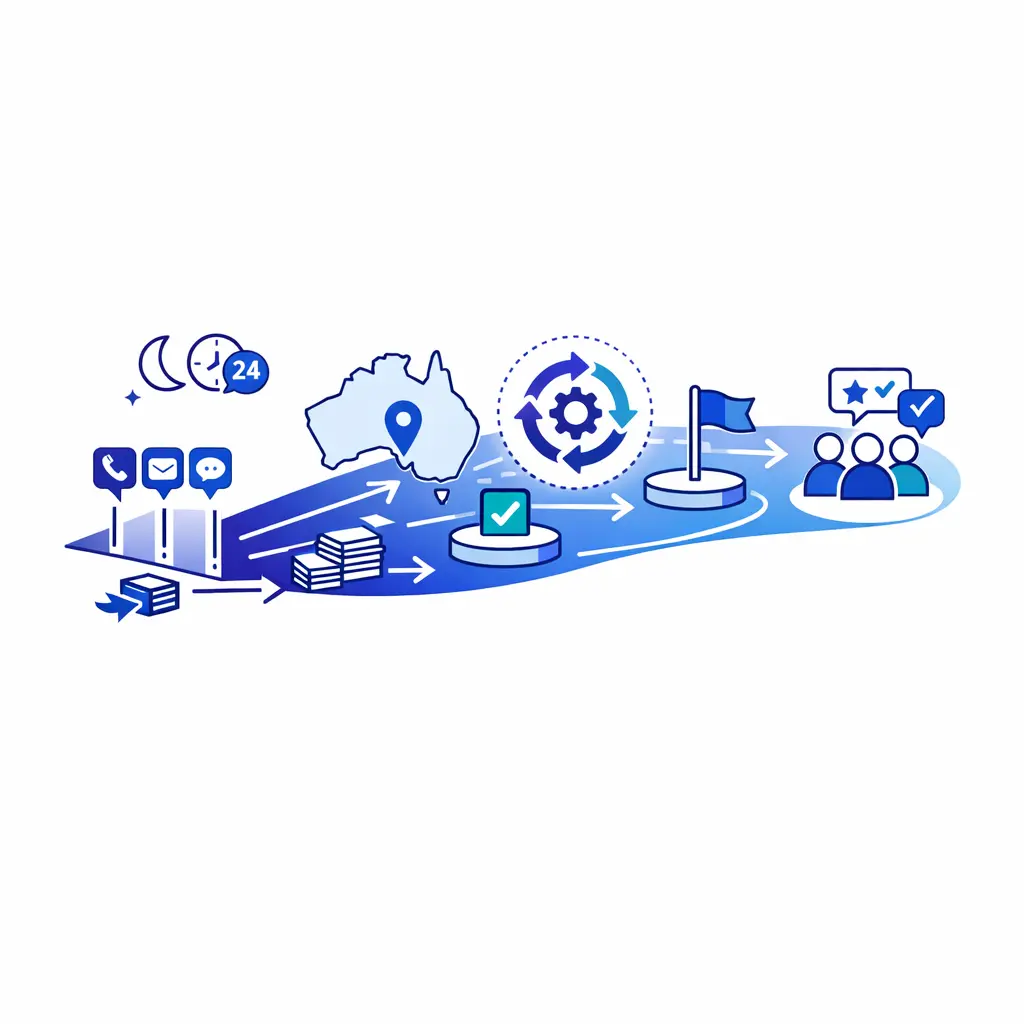
Do not launch enterprise-wide on day one. Start with a narrow pilot — after-hours answering, overflow for one unit, or one campaign's intake — important enough to matter but small enough to manage closely.
Vendor evaluation should begin with risk review, not pricing. If an outsourced team creates, receives, maintains, or transmits protected health information as a business associate, the BAA, access model, training plan, and permitted-use boundaries need to be settled before launch.
For healthcare workflows, the technical review should map controls to the HIPAA Security Rule. That includes how the provider handles authentication, workstation access, encryption, monitoring, retention, and incident response for the systems your agents will use.
For legal intake, outsourcing does not remove firm responsibility. Law firms still retain confidentiality of information duties and supervision duties for nonlawyer assistance, so scripts, escalation rules, recording settings, and data access should be reviewed with counsel before go-live.
If agents take payment details by phone, design the workflow around PCI DSS rather than allowing card data to spill into free-text notes, recordings, or unsupported side channels.
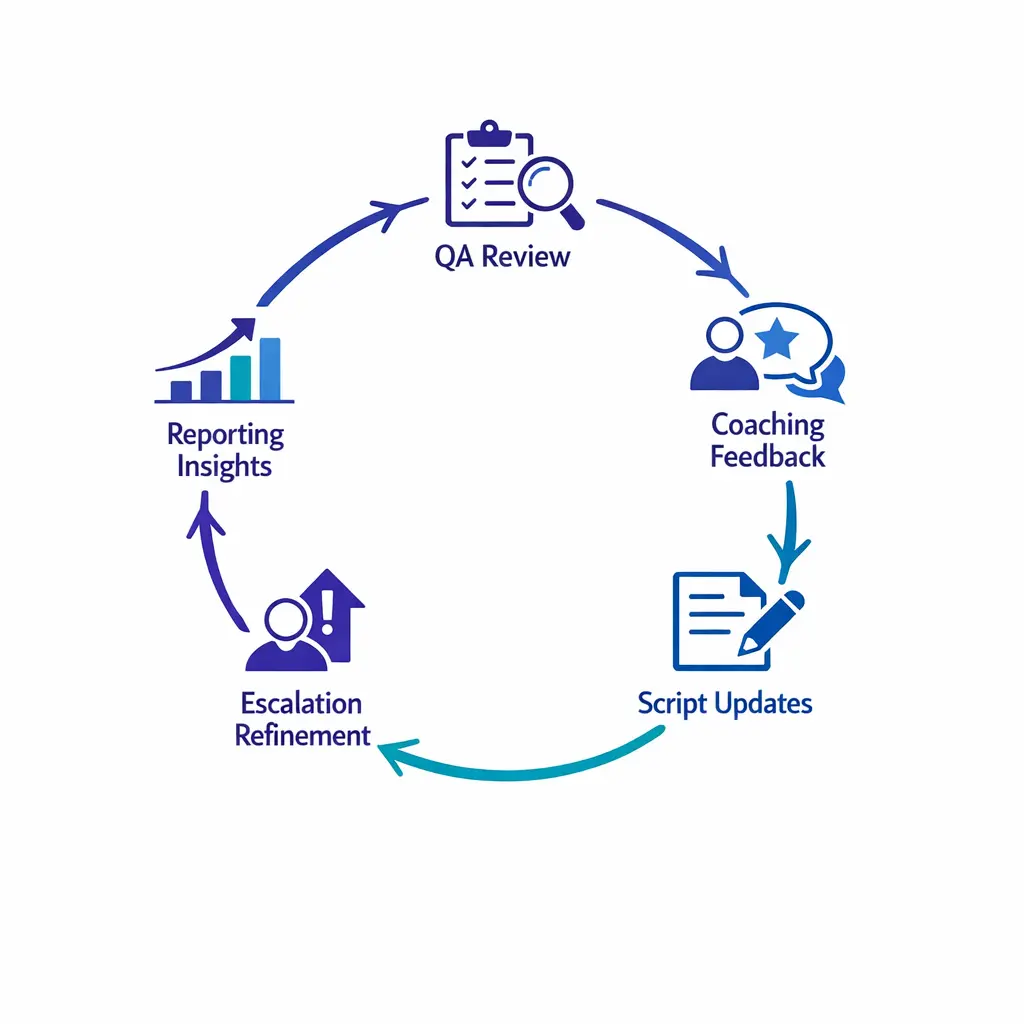
The first weeks should be tightly managed: frequent calibration, daily interaction review, and fast resolution of knowledge gaps, plus internal change management so managers and specialists know what the partner will handle.
Operational fit matters as much as security. Assess language quality, listening skills, phone etiquette, location awareness, and the provider's ability to handle nuanced scripting without sounding robotic. Ask to hear sample calls and see the actual QA form used by supervisors.
Then look at the stack. The provider should support your CRM, help desk, telephony, scheduling, and ticketing environment without creating unnecessary swivel-chair work. Reporting should show performance by channel, queue, location, issue type, and hour, not just a weekly average that hides problems.
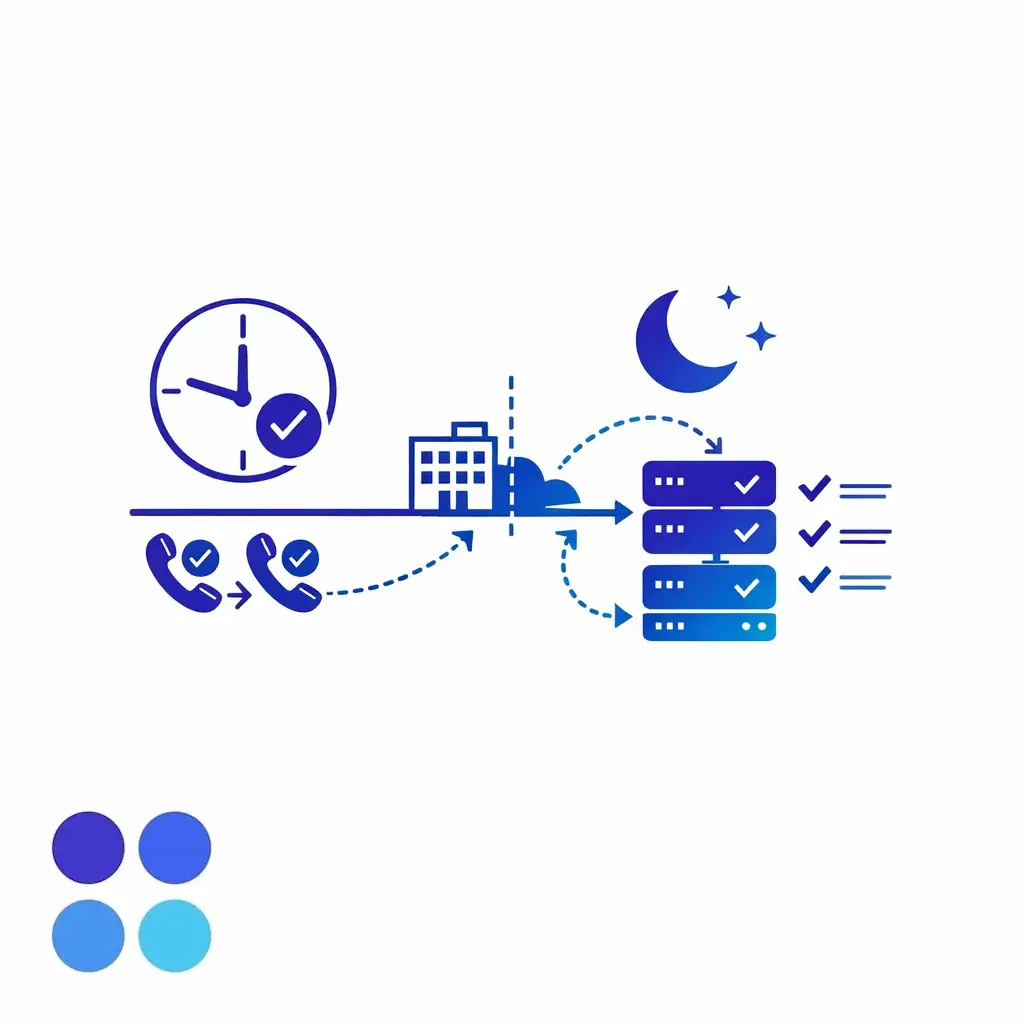
Overflow and after-hours coverage protect the brand when internal teams are at capacity or the office is closed — routed smoothly so no customer contact is missed during nights, weekends, or spikes.
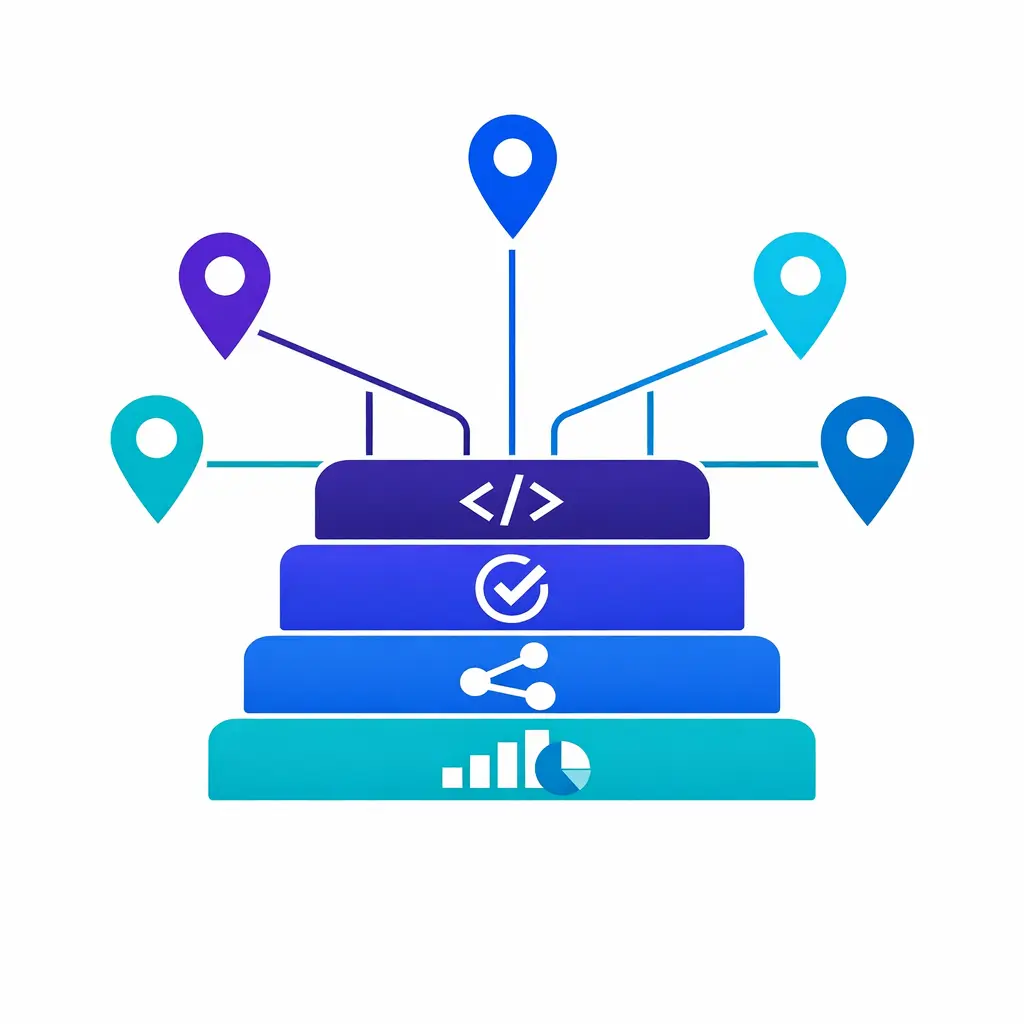
For multi-location brands, feed every location into one standardized service framework with unified rules and reporting, so quality does not drift by region, manager, or product line.
Your SLA should define exactly what good looks like. Set service levels by channel and time period, including answer speed targets, abandoned contact thresholds, response windows, and priority rules for urgent queues. Then add a QA rubric that scores both soft skills and process accuracy.
Escalation design deserves equal weight. Define when the outsourced support team can resolve independently, when it must warm transfer, when it should create a ticket, and who is accountable for closing the loop. Enterprises lose time when the vendor escalates quickly but the internal owner is unclear.
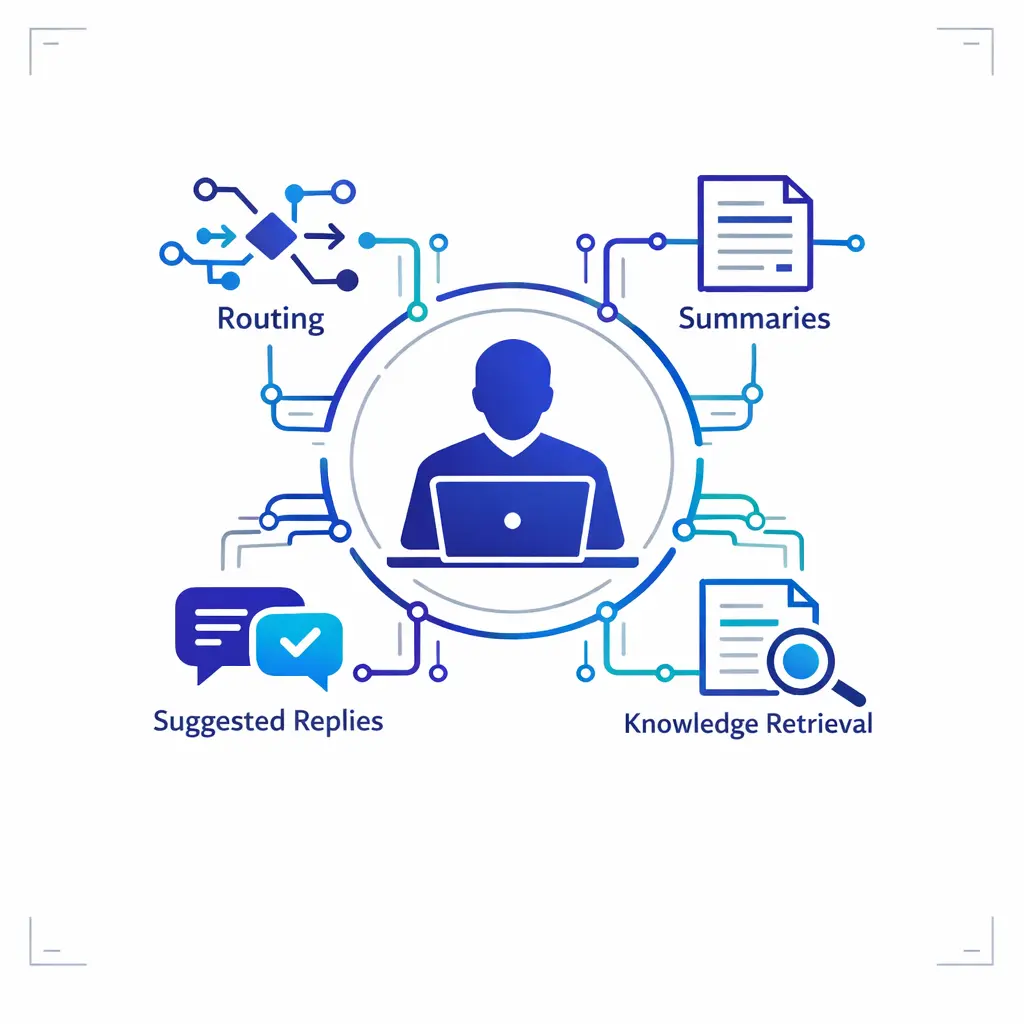
Human-led support stays safest for emotional, high-value, or regulated conversations. Use AI for routing, summaries, suggested replies, and after-call documentation under clear oversight — not to replace judgment.
Every program needs one named operational owner on each side. That person manages performance, change requests, knowledge updates, and recurring issue review. Without clear ownership, even a good provider becomes reactive.
Create a simple governance rhythm. Weekly operations reviews should cover staffing, QA findings, escalations, and known blockers. Monthly business reviews should cover trends, root causes, and improvement work. For larger programs, a quarterly executive review keeps the outsourcing strategy aligned with broader service goals.
Pricing varies too much for one number to be useful. Cost is usually driven by coverage hours, channel mix, shared versus dedicated staffing, complexity, languages, QA requirements, integrations, compliance controls, and reporting depth.
Focus on total operating value, not headline rate. A lower-cost proposal can become more expensive if it creates missed calls, poor intake quality, more rework for internal teams, or inconsistent service across locations.
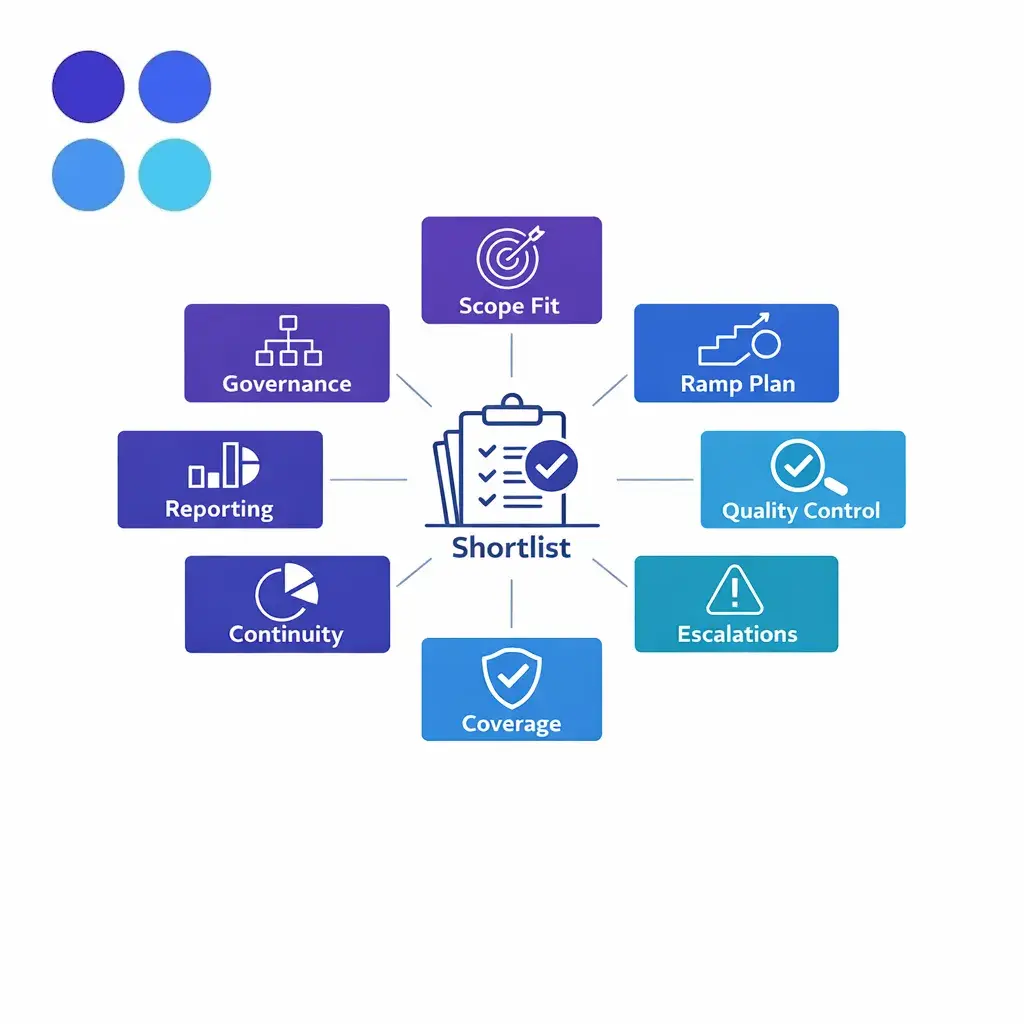
A strong RFP asks the questions that matter: scope fit, ramp plan, quality control, escalation triggers, coverage for nights and spikes, continuity, reporting cadence, and day-to-day governance ownership.
Knowledge transfer is where many customer service outsourcing strategies either become stable or start to slip. The provider needs current SOPs, approved scripts, approved disclaimers, escalation rules, location-specific exceptions, and clear examples of good and bad interactions.
Build a single source of truth. That should include service policies, opening and closing language, disposition codes, escalation paths, and a change log. For complex programs, create a short library of "golden calls" so agents hear the tone, pacing, and judgment you expect in real interactions.
Integrate only what the pilot needs, but integrate it well. At minimum, the outsourced support team should be able to identify the caller or customer, capture the right data, select the right outcome code, and route the case into the next internal workflow without copying information across systems.
Phone-first programs benefit from screen pops, call dispositioning, scheduling access, warm transfer logic, and notification rules for on-call staff. The less manual interpretation agents need, the faster your ramp and the more consistent your QA results.
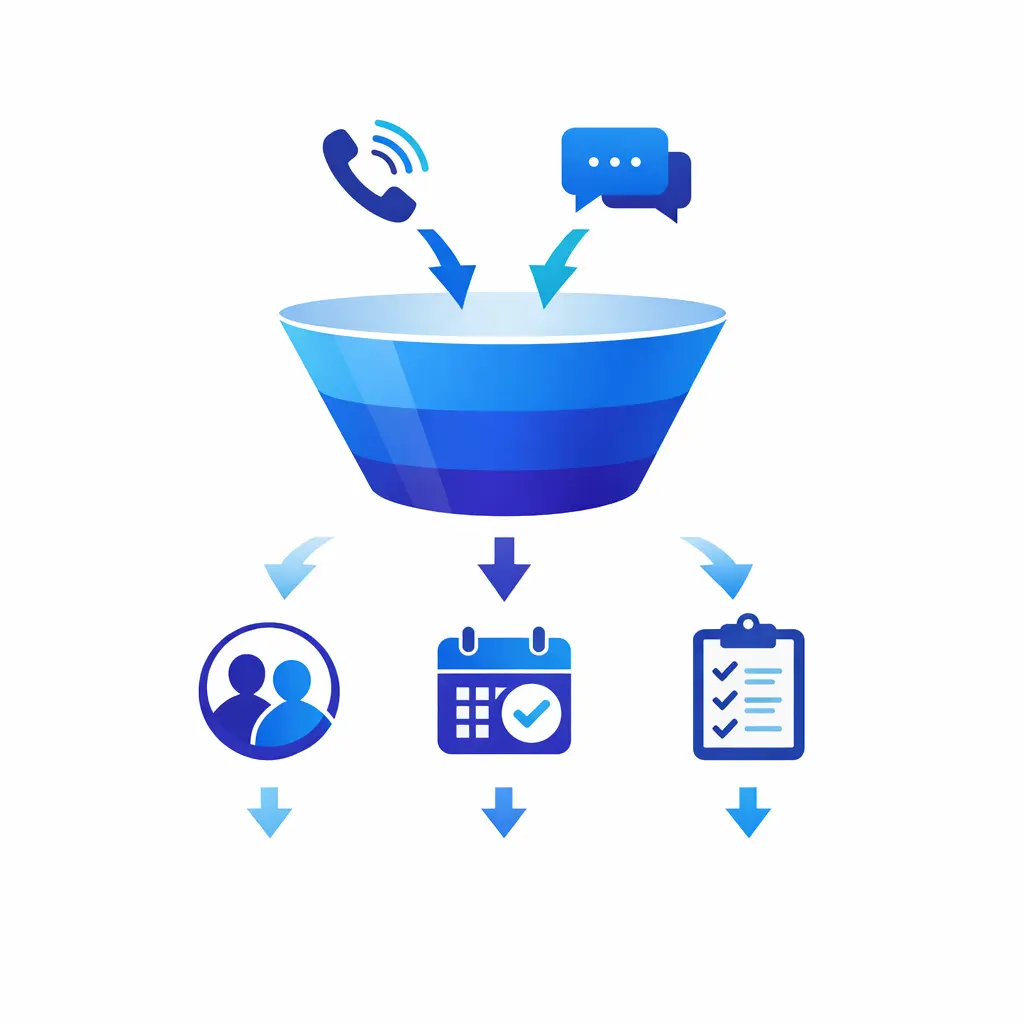
Tie the program to business outcomes, not just agent activity. Better intake connects answered calls to booked consults, captured leads, and completed intake forms that protect revenue and continuity.
Do not launch enterprise-wide on day one. Start with a limited scope such as after-hours answering, overflow calls for one business unit, intake for one campaign, or a tightly defined inquiry family. The pilot should be important enough to matter but narrow enough to manage closely.
This is especially effective for multi-location organizations. You can validate scripts, routing, reporting, and escalation ownership in one region before expanding the model across the network.
The first weeks should be highly managed. Run frequent calibration sessions, review interactions daily, and resolve knowledge gaps fast. Tight feedback loops prevent a small misunderstanding from spreading through every shift.
Internal change management matters too. Store leaders, practice managers, intake owners, and specialists should know what is changing, what the partner will handle, how escalations arrive, and who can approve script changes. A good pilot is not just a vendor test. It is an operating model test.
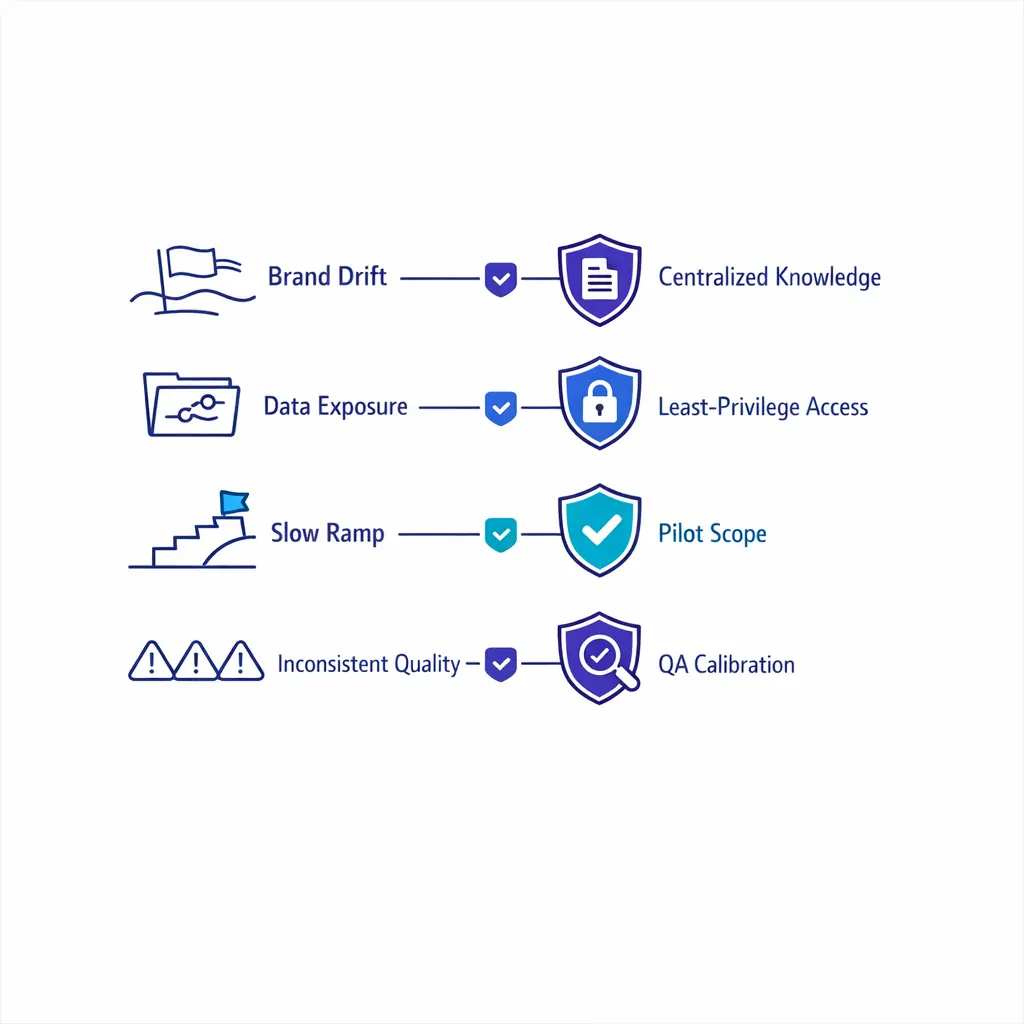
Most risks are avoidable with the right safeguards: centralized knowledge for brand control, least-privilege access for security, a narrow pilot for slow ramps, and weekly QA calibration for quality consistency.
Brand control is usually lost through weak documentation, not through outsourcing itself. If scripts are vague, exceptions are undocumented, or local managers give conflicting instructions, the provider will fill the gaps inconsistently.
Prevent that by centralizing knowledge ownership, approving change requests through one process, and calibrating QA with real interactions every week. The partner should sound like your brand because you have made the standards clear and enforceable.
Security should be built into the operating model, not treated as a procurement checkbox. Vendor access, authentication, logging, monitoring, and incident response should align with the NIST Cybersecurity Framework 2.0, and permissions should be limited to the minimum systems and data required for the assigned work.
If automation or AI is used anywhere in the workflow, apply the same discipline to prompt access, knowledge updates, output review, and auditability. The safest model is one where data boundaries, approval rights, and human oversight are documented before launch, not after the first quality issue.
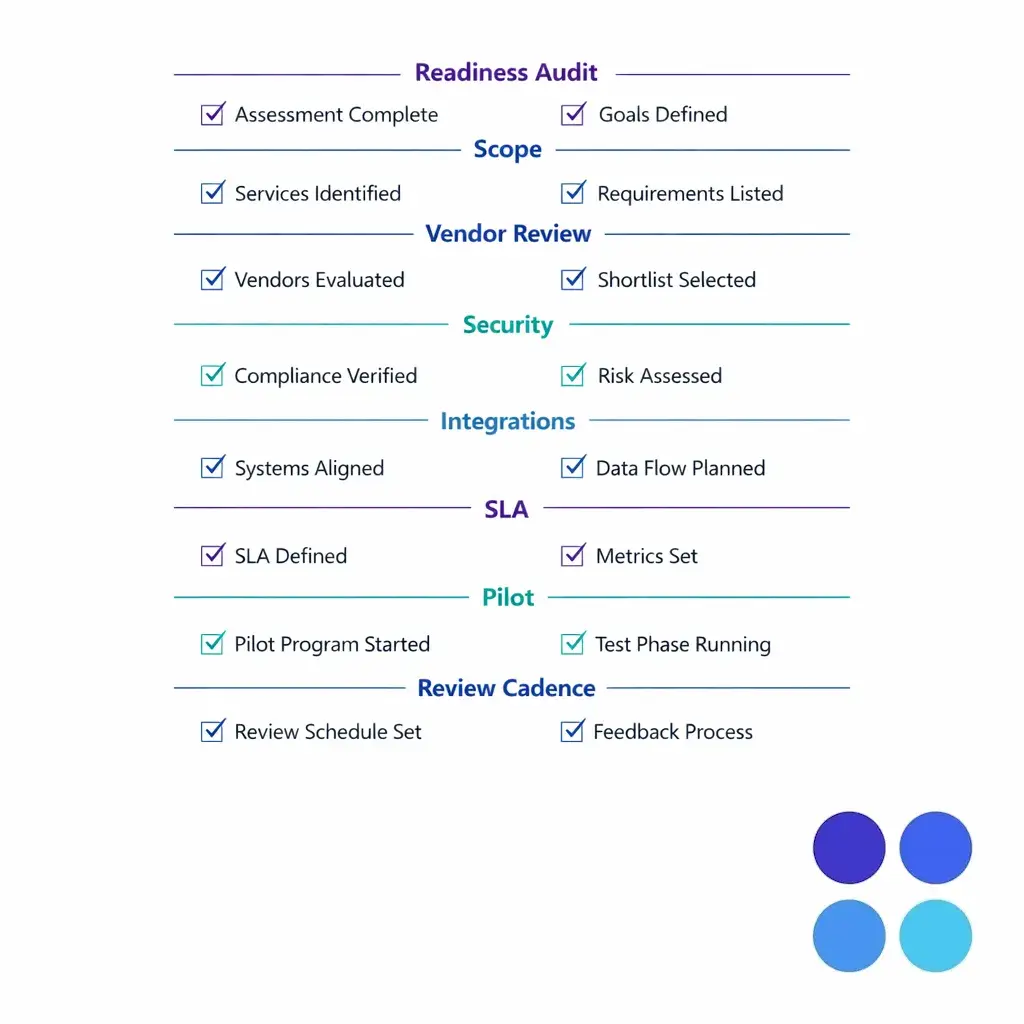
Use a prelaunch checklist before you sign, launch, or scale: document channels and volumes, separate routine from regulated work, set the business case, choose staffing and geography, review security, and name owners.
These problems usually come from trying to outsource too much too fast. When scope is broad, documentation is immature, and local exceptions are hidden in email threads, agents take longer to ramp and supervisors spend more time correcting preventable mistakes.
Keep the first wave narrow, standardize dispositions, and make issue review part of the governance cadence. A smaller pilot with tight QA almost always scales better than a big launch driven by urgency.
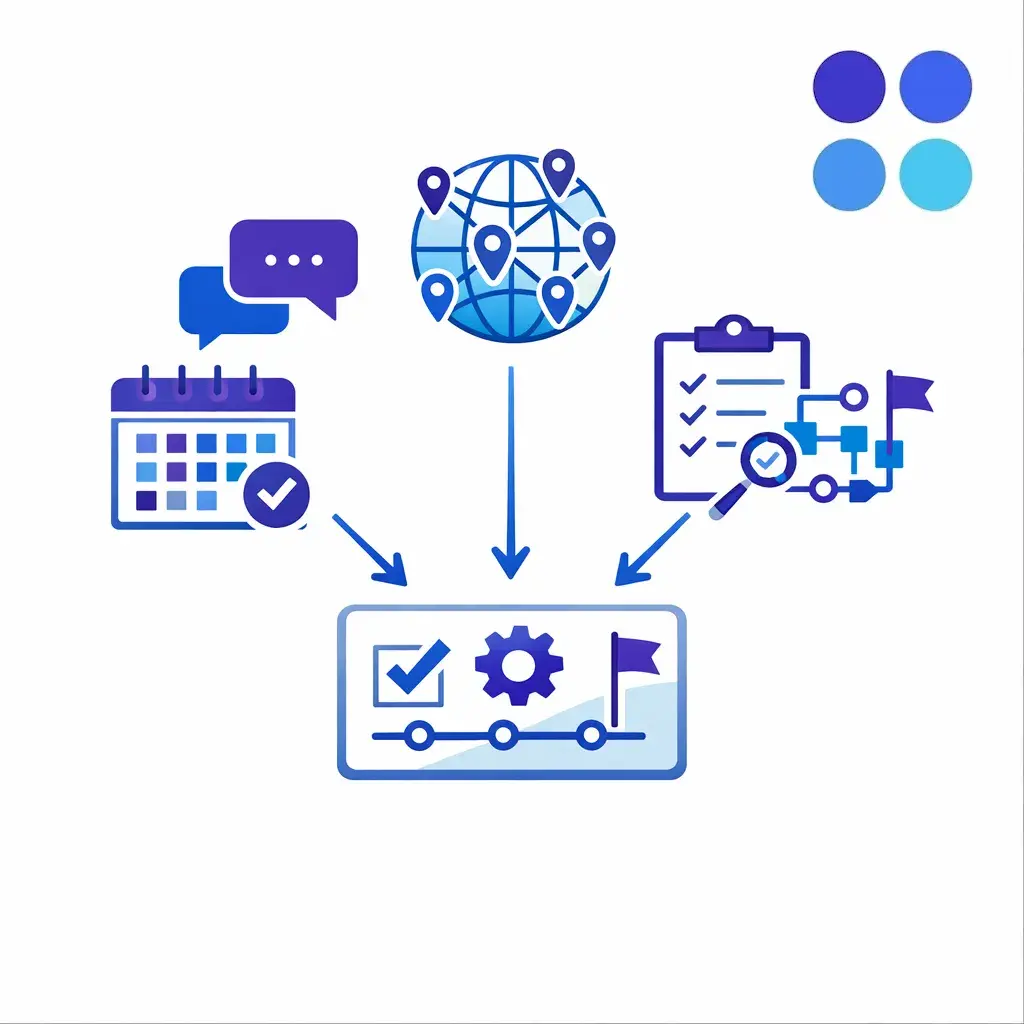
When you are ready to map scope, governance, and rollout, a low-risk discovery call is the next step — designed around dependable coverage, stronger QA, and a cleaner handoff between outsourced and internal teams.
Use this checklist before you sign, launch, or scale any outsourced support team.
If you are asking how to outsource customer service the right way, this is the answer in practical terms: start narrow, define ownership, protect quality, and scale only after the pilot proves the model. That is how enterprise teams get the benefits of customer care outsourcing without losing control of customer experience.
If your organization needs after-hours coverage, overflow handling, intake quality, or more consistent service across locations, Go Answer can help you design a lower-risk rollout. The goal is not just to add capacity. It is to create dependable coverage, stronger QA, and a cleaner handoff between outsourced and internal teams.
When you are ready to map scope, governance, and rollout options, Book a Discovery Call with Go Answer to review your current support model and request pricing for an enterprise-ready solution.

Learn why thousands of companies rely on Go Answer.
Try us risk-free for 14 days!
Enjoy our risk-free trial for 14 days or 200 minutes, whichever comes first.
Have more questions? Call us at 888-462-6793
Learn why thousands of companies rely on Go Answer.
Have more questions? Call us at 888-462-6793
If you would like to get in contact with a Go Answer representative please give us a call, chat or email.

Thanks for your interest!
A representative will be reaching out to you shortly.
Have more questions? call us on 888-462-6793
