
Back Office BPO for Legal Intake: Which Tasks to Outsource First Without Breaking Chain of Custody
By Troy Van WillisLast modified: August 11, 2026
Voted Top Call Center for 2024 by Forbes
Virtual Receptionists
Save time and money with our virtual receptionists.
AI Receptionist
AI-powered receptionist that answers, routes, and qualifies calls 24/7.
Enterprise Solutions
Solutions designed to scale with your organization’s needs.
Legal Services
Our virtual legal receptionists are experts in legal intake.
Last modified: August 11, 2026
Legal intake-heavy firms hit a predictable wall. The phones may still be getting answered, but the documentation layer behind intake starts to fray when volume rises, after-hours work spills into the next day, or staff spend too much time cleaning records instead of moving matters forward.
This guide is for firms evaluating back office business process outsourcing for legal intake, especially plaintiff-side, mass tort, litigation support, and other high-volume case intake operations. You will learn what back-office intake support actually covers, which tasks are safest to outsource first, how to protect documentation quality and chain of custody, where QA belongs, and what operating controls matter before you scale.
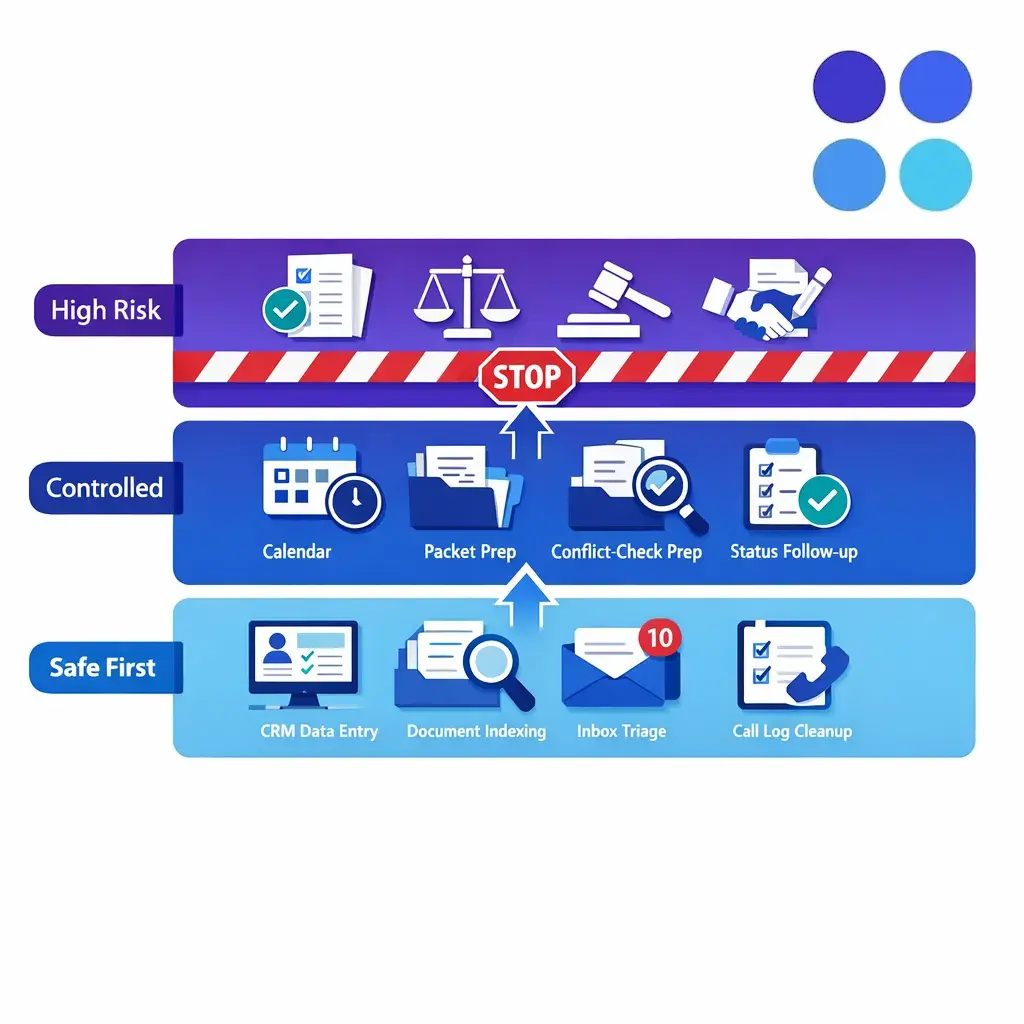
Start with high-volume, rules-based tasks and keep legal judgment in-house. A safe-first ladder makes outsourcing auditable instead of risky.
Back office business process outsourcing in a legal intake environment means using an external team for repeatable documentation and workflow work after first contact, while the firm keeps legal judgment, sensitive evidence decisions, and final matter acceptance in-house. The broader concept of business process outsourcing is delegating defined business processes to a third party under managed controls.
For legal intake outsourcing, front-office work is the live interaction. It includes answering, rapport, basic screening, urgency spotting, and securing the next step with the caller.
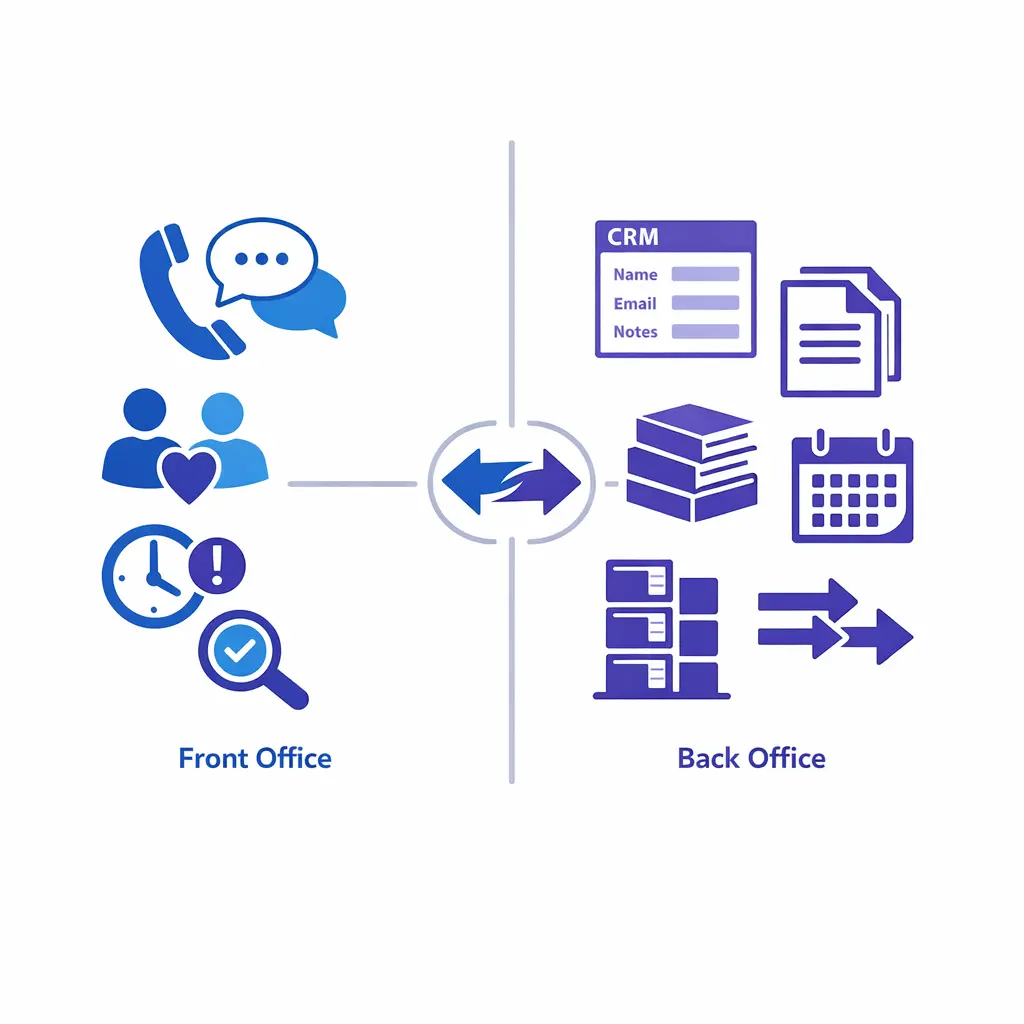
Front office is the live call. Back office is the structured documentation work after the facts exist: CRM updates, indexing, packet prep, scheduling, and queue management.
Back-office support starts once the facts exist and the work becomes operational. That includes CRM updates, document indexing, packet prep, scheduling coordination, status follow-up, queue management, and other back office support services that keep matters moving without requiring legal judgment.
Legal intake services, as used here, are the repeatable processes that capture facts, collect documents, prepare conflict-check information, route records, and move a prospective matter toward attorney review. In a typical intake documentation workflow, the steps are first-contact capture, fact collection, document gathering, conflict-check prep, packet generation, scheduling, and handoff.
Legal intake is not ordinary admin work when a note, upload, text, or signed form may later matter in a dispute. If a record may need authentication under Rule 901, every handoff should be attributable, time-stamped, and easy to reconstruct.
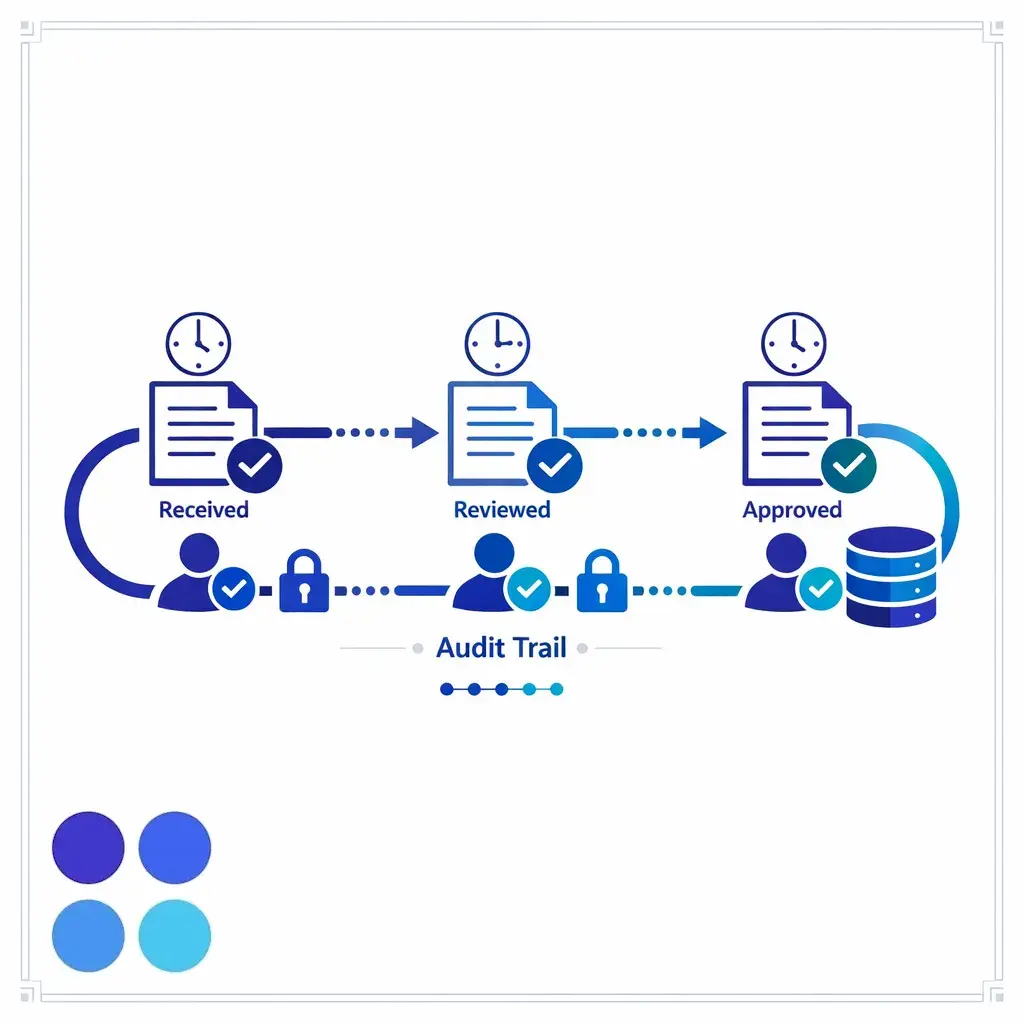
If a record could need authentication under Rule 901, every handoff must be attributable, time-stamped, and easy to reconstruct.
That is why the first outsourcing question should not be price. It should be whether the task can be standardized without creating ambiguity about who touched the record, what changed, and who approved the next step.
You are usually ready to outsource when intake response still looks acceptable, but the documentation layer is slipping. The warning signs are practical: aging unworked records, duplicate entries, incomplete required fields, late packet delivery, inconsistent follow-up ownership, and staff relying on memory instead of a visible queue.

Aging records, duplicates, incomplete fields, and late packets signal a coverage and documentation problem, not a judgment problem.
Another common trigger is after-hours spillover. If calls or web forms are getting captured but next-day follow-up work is uneven, the firm does not need more judgment first. It needs cleaner throughput and better task coverage.
Separate work into two buckets. Operationally urgent tasks are repetitive steps that keep the file moving. Legally sensitive tasks involve judgment, evidence handling choices, substantive qualification decisions, or anything that can materially affect the record if done incorrectly.
The safest first move is to outsource tasks with high volume, clear rules, and low discretion. The later move is to outsource tasks that touch legal interpretation, chain-of-custody-sensitive materials, or final acceptance authority.
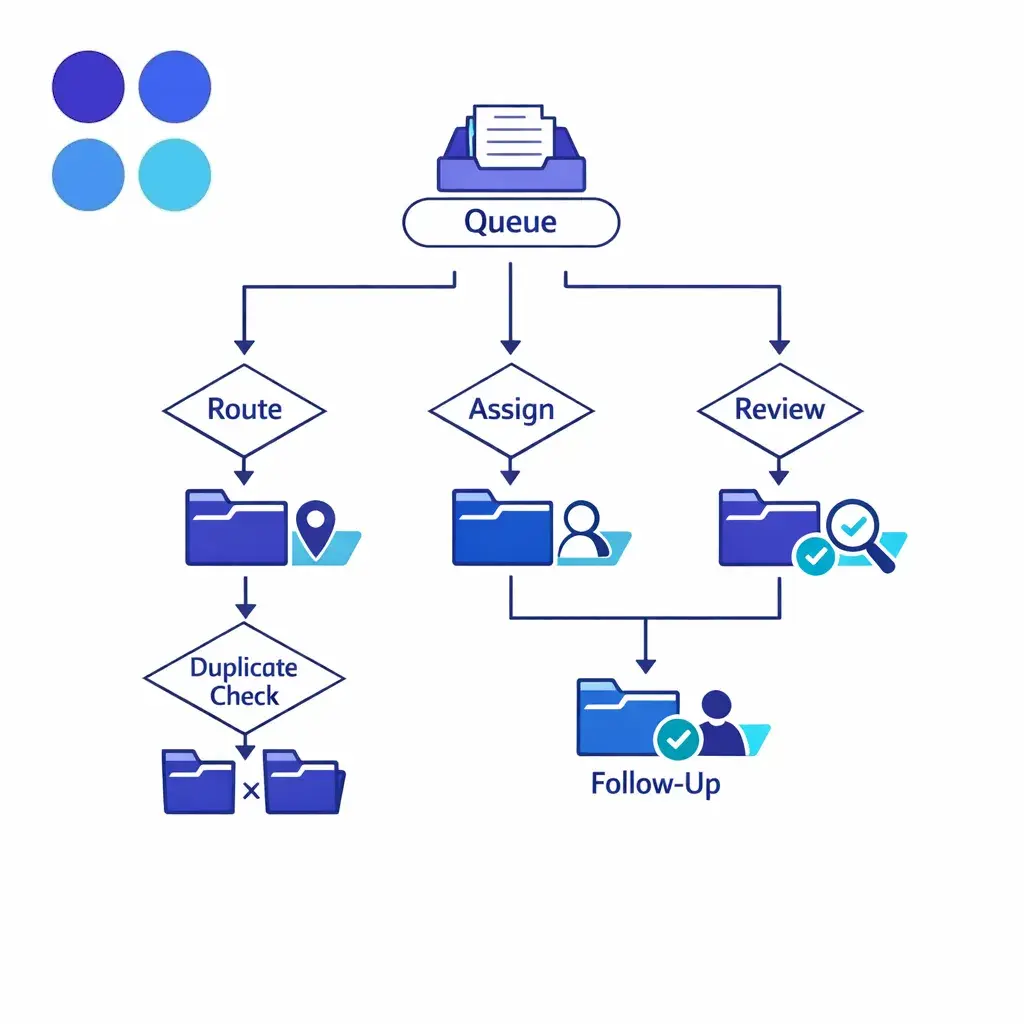
Route intake records with fixed, documented rules so outsourced staff move files forward without making legal calls.
These are usually the best first candidates for back office business process outsourcing because they are structured, trainable, and easy to audit:
The goal of the safe-first tier is simple. Remove repetitive workload from attorneys and intake managers without giving the vendor authority to interpret, decide, or alter the meaning of the file.
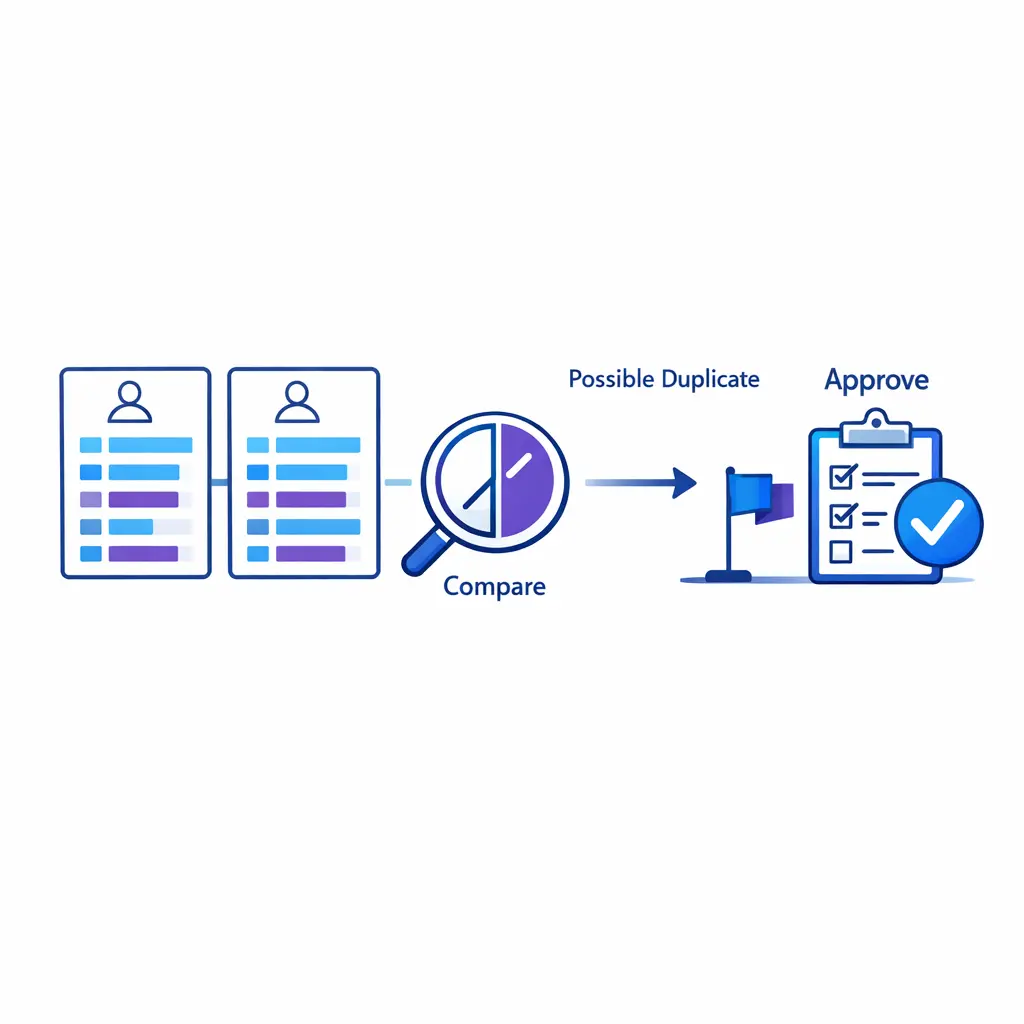
Let the vendor surface likely duplicate records, but keep the final merge decision and approval inside the firm.
These tasks can be outsourced after the safe-first tier is stable and measurable:
Controlled-tier work is workflow-linked. It is still process work, but the output moves directly into attorney review, onboarding, or downstream litigation support workflows, so QA and approval gates have to be tighter.
Depending on practice area, the intake documents in this tier may include intake forms, incident summaries, authorizations, fee agreements, conflict sheets, and record-request paperwork. That is why template control matters as much as staffing.
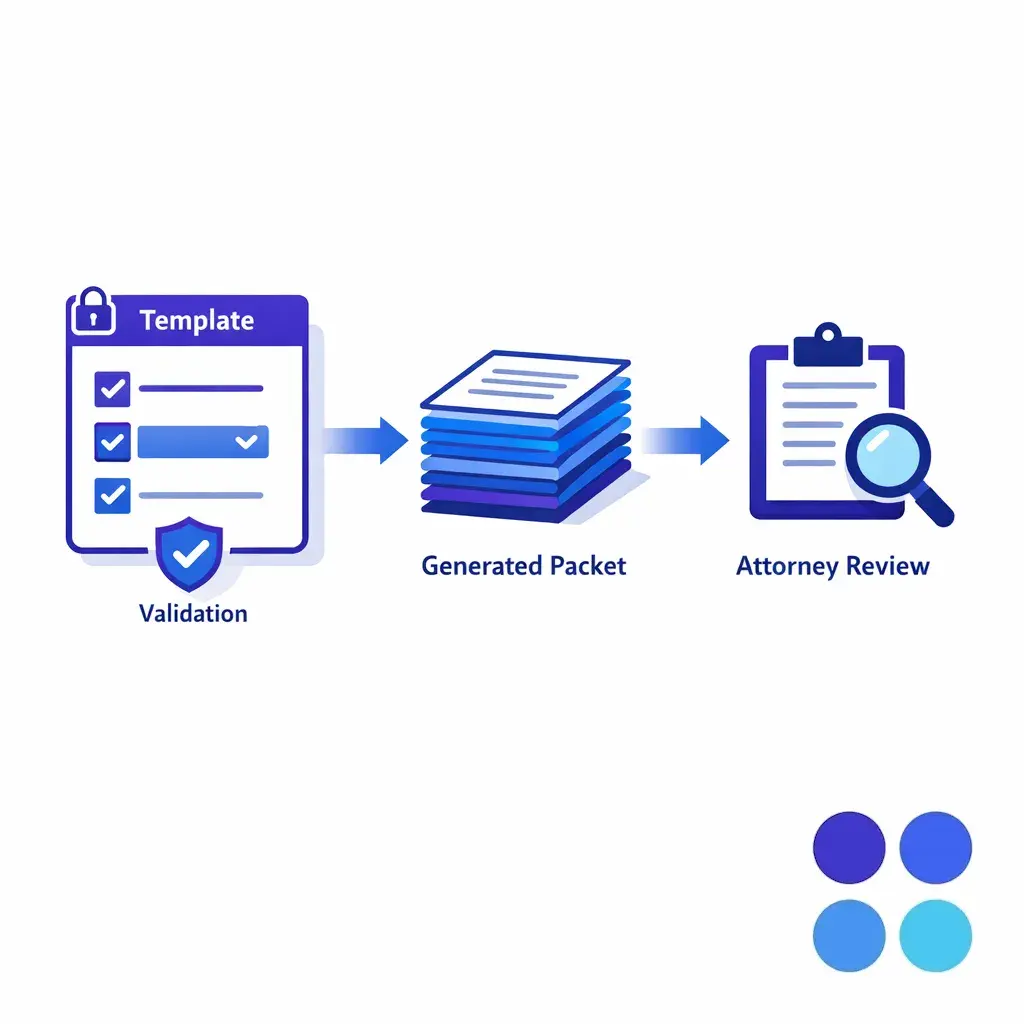
Required fields and locked templates let outsourced staff assemble intake packets consistently, with validation instead of guesswork.
Keep these tasks in-house until the process is mature, well supervised, and supported by proven controls:
If a task can change case posture, privilege, admissibility arguments, or client expectations, delay it. Outsource the motion around the judgment before you outsource the judgment itself.

Evidence decisions, qualification, and final acceptance stay with the firm. Outsource the work around the judgment, not the judgment itself.
Any vendor model has to respect the lawyer's duty of confidentiality under ABA Model Rule 1.6 and the obligation to supervise nonlawyer assistance under ABA Model Rule 5.3. In practice, that means vendor access should be narrow, documented, and tied to a task, not broad convenience.
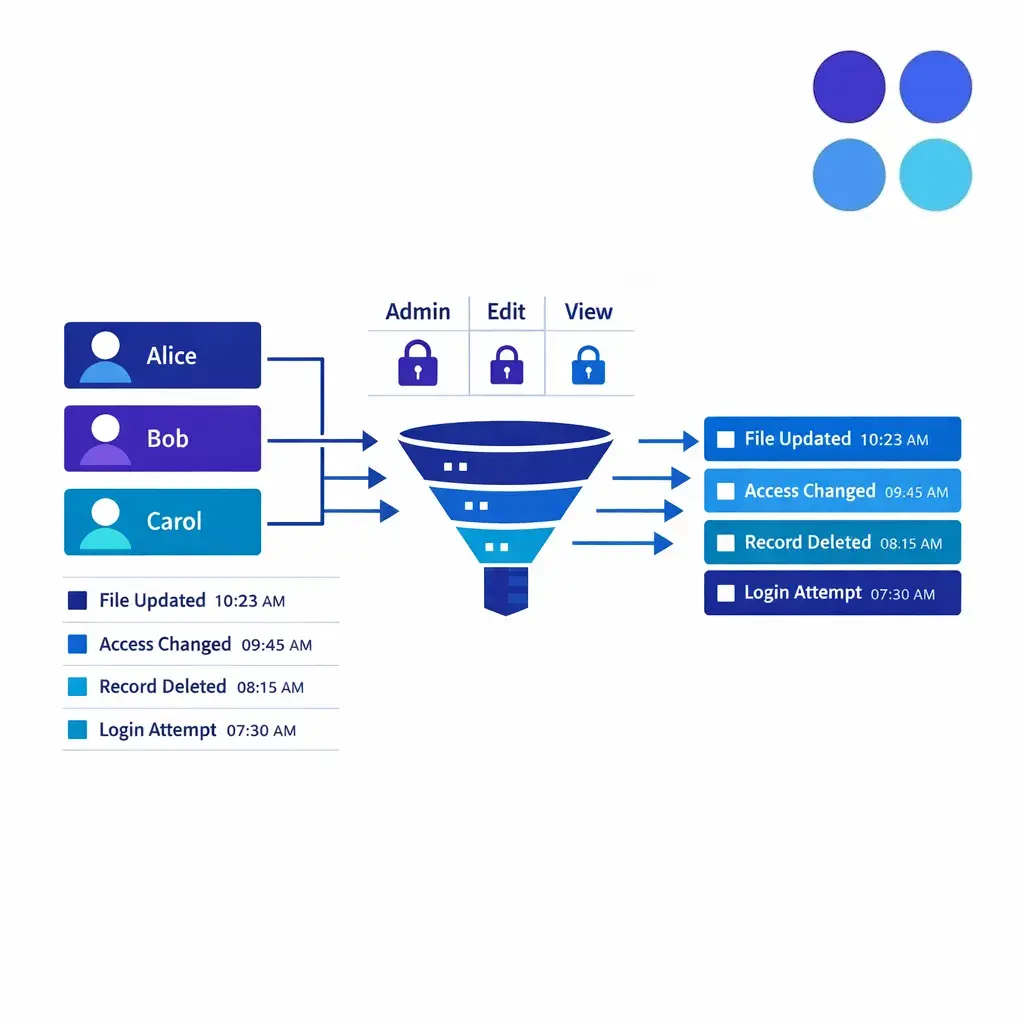
Use named accounts, least-necessary permissions, and audit logging so you can always see who opened, edited, exported, or reassigned a record.
Use named accounts, least-necessary permissions, and system settings that support the access control and audit logging controls described in NIST SP 800-53 Rev. 5. If the firm cannot see who opened, edited, exported, or reassigned a record, the workflow is too loose for legal intake.
Every outsourced task should start with a naming standard and a version rule. A vendor should never guess whether a document is final, superseded, unsigned, pending review, or received from the client but not yet verified.
The document workflow process should be explicit from receipt to classification, validation, routing, approval, storage, and retention. Set one handoff rule for each document type so no record floats between teams without a known owner.
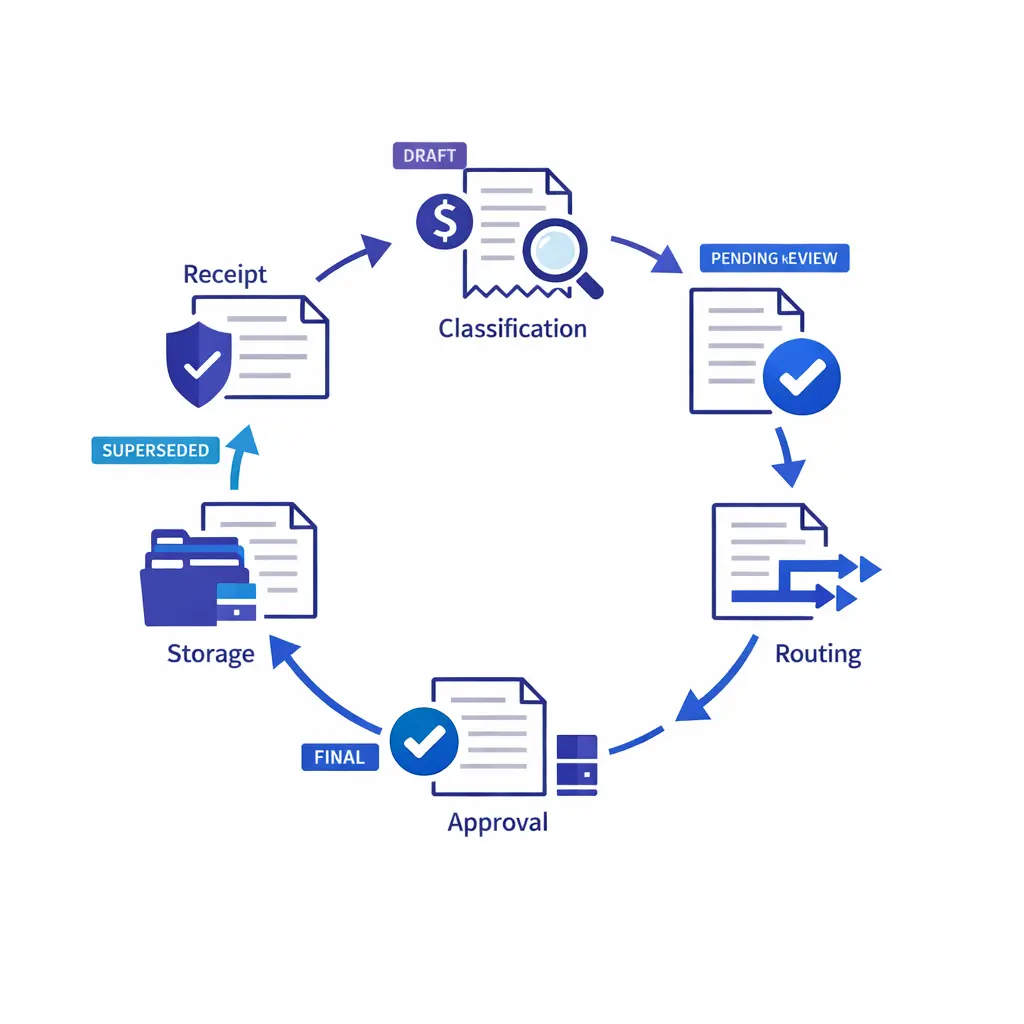
Mark each file as final, superseded, unsigned, or pending so no record moves between teams without a known status and owner.
Chain-of-custody protection is mostly about what happens when something goes wrong. Missing uploads, altered dates, incomplete authorizations, and conflicting caller notes should trigger a documented exception path with a named in-house owner.
Do not let outsourced staff silently fix a record that may matter later. Require them to flag the issue, preserve the original, note the exception reason, and wait for approval when the change could affect the factual history of intake.
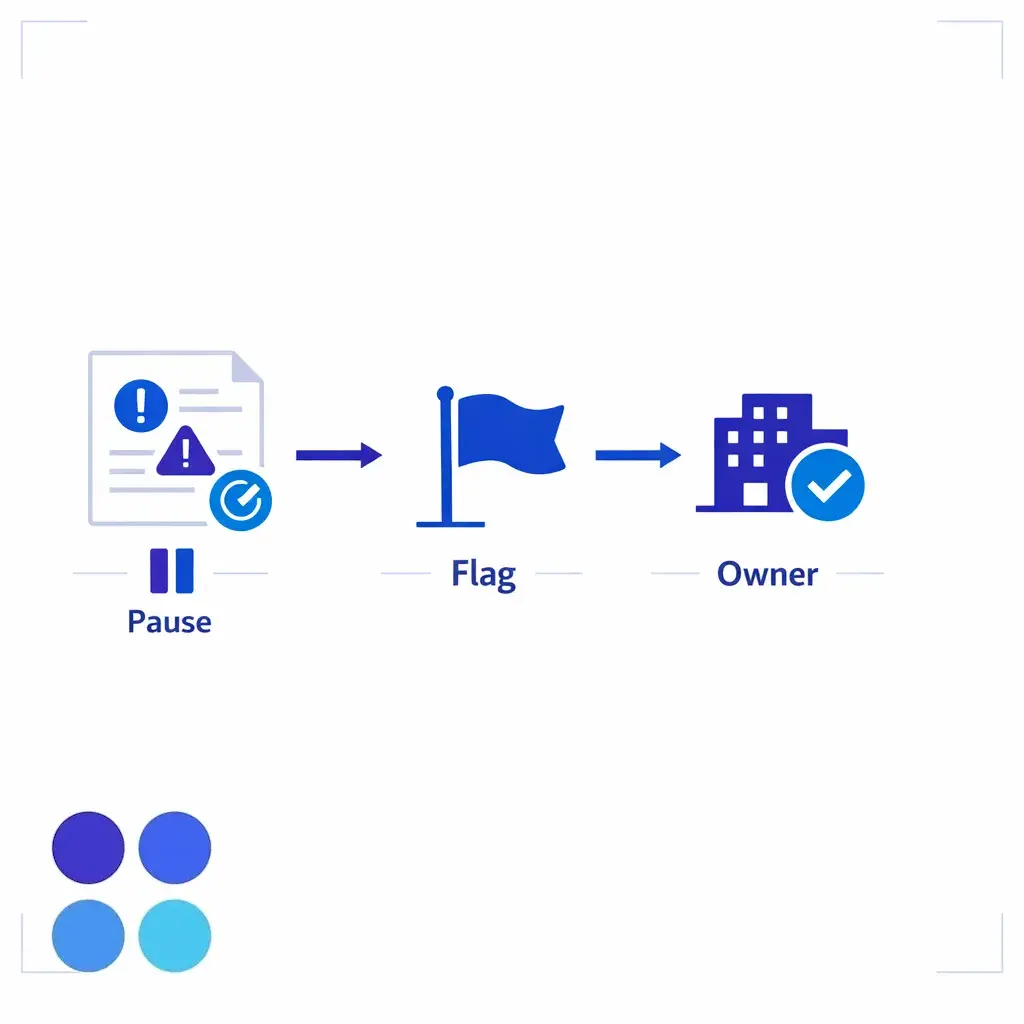
Missing or altered records should pause and route to a named in-house owner, with the original preserved and the reason logged.
Vendor QA should verify process compliance. In-house QA should verify record integrity, legal sensitivity, and whether the output supports the firm's actual intake standards.
That division matters because outsourcing does not transfer responsibility for supervised nonlawyer work. The firm sets the definition of complete, accurate, escalation-worthy, and ready for attorney review.
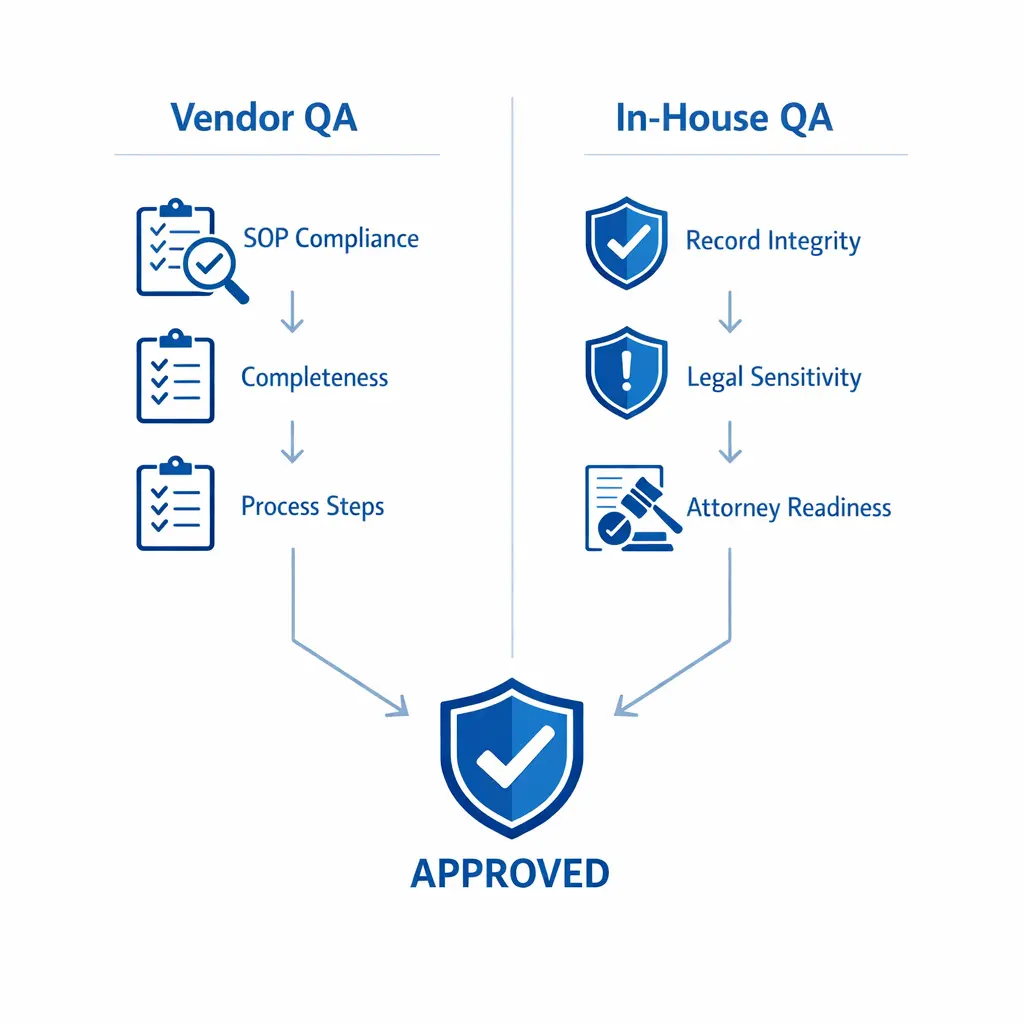
Vendor QA checks process compliance; in-house QA checks record integrity and legal sensitivity. Responsibility for supervised work stays with the firm.
Start with daily sampling on newly outsourced tasks, then move to risk-based sampling once accuracy stabilizes. Exceptions should be categorized, reviewed, corrected, and fed back into training within a short rework loop.
The most useful QA review does not just score errors. It identifies whether the error came from unclear SOPs, a bad template, weak system validation, or an avoidable training gap.
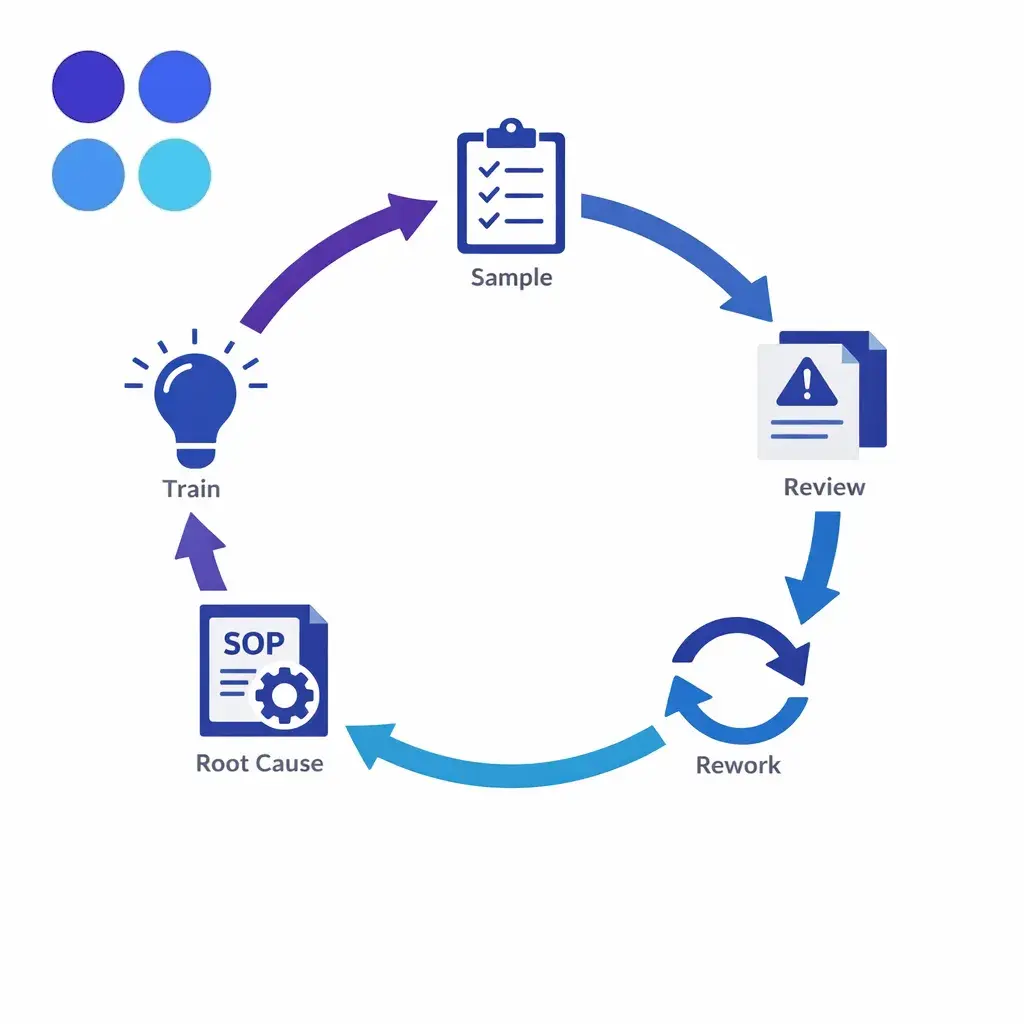
A short rework loop turns errors into better SOPs, templates, and training instead of repeated mistakes.
Use a small scorecard that shows whether the outsourced process is getting safer and faster at the same time:
If a vendor can only show speed, you do not yet have enough governance. In legal intake outsourcing, quality visibility is part of the service, not an extra.
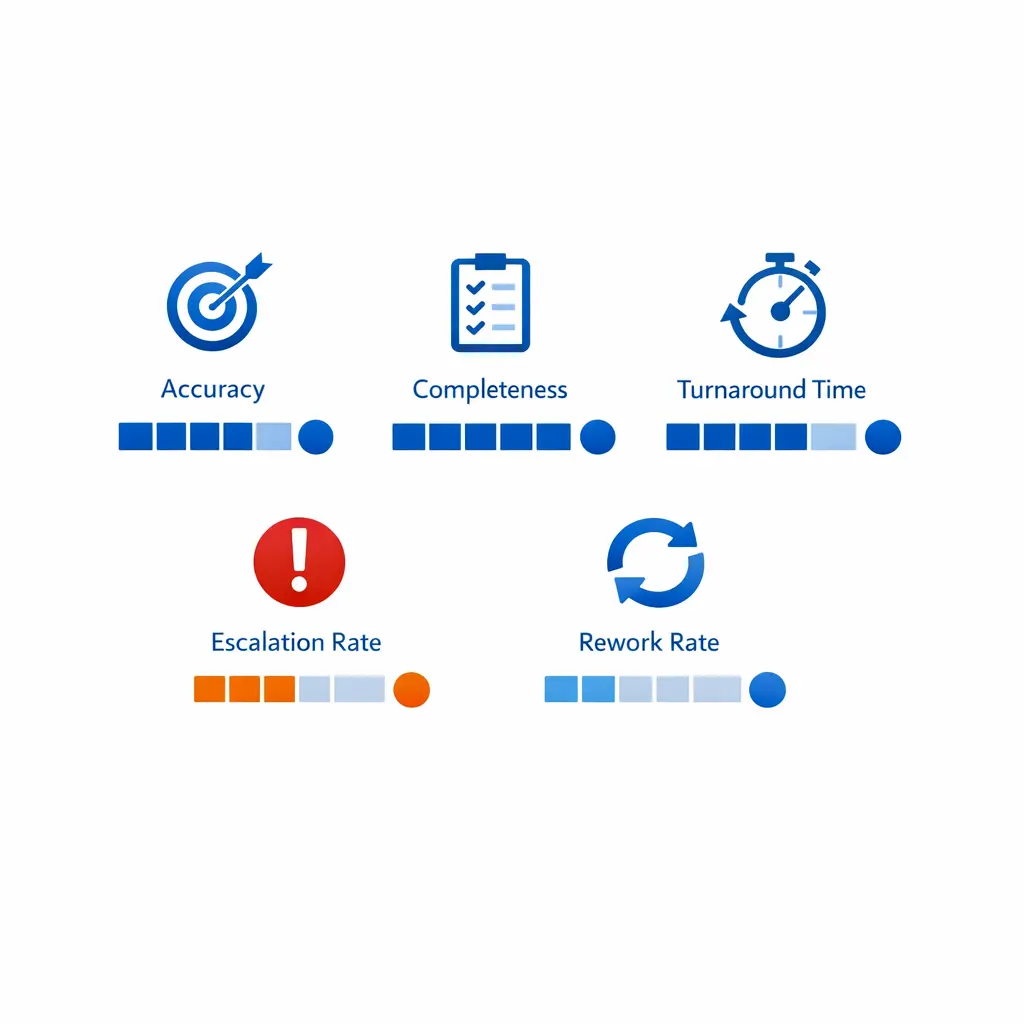
Accuracy, completeness, turnaround, escalation rate, and rework show whether outsourced intake is getting safer and faster together.
Write SOPs at the field level, not the concept level. "Prepare intake packet" is too vague. A usable SOP tells the team which source fields to use, which template version to select, what cannot be edited, where to save the output, and what triggers escalation.
Pair the SOP with a service level agreement that measures response time, completion time, escalation handling, and QA thresholds. Add specific checkpoints for records that are incomplete, corrected after submission, or moved into a sensitive queue.
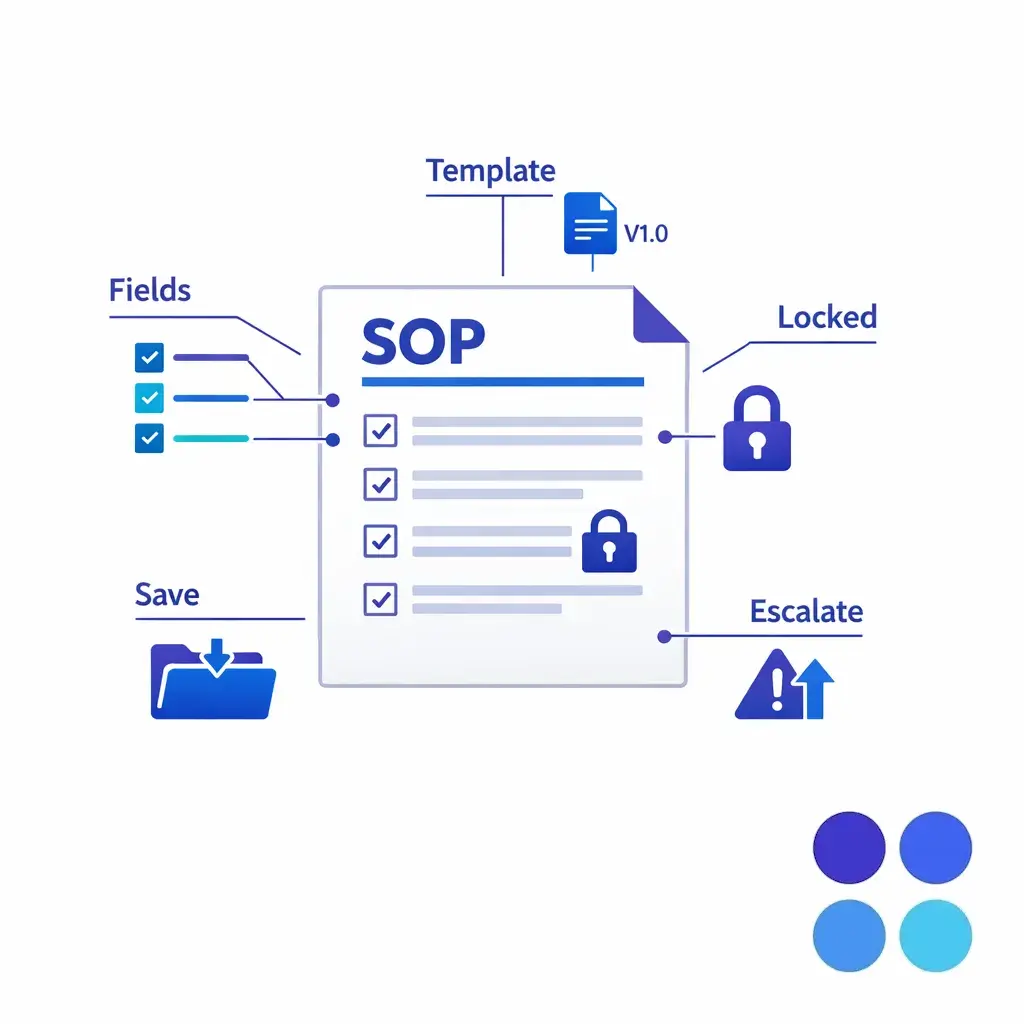
Specify exact source fields, template versions, save locations, what cannot be edited, and what triggers escalation, so quality does not depend on memory.
Good controls make the right action easy and the wrong action visible. Use locked templates, structured fields, dropdown dispositions, and required-field validation so quality does not depend on memory.
Where possible, keep vendor work inside your systems instead of passing files around by email. Shared inboxes and ad hoc spreadsheets create version confusion faster than almost anything else.
Retention rules vary by jurisdiction, practice area, and record type, so your vendor should follow the firm's written retention schedule rather than inventing one. The same rule applies to deletion, export rights, local downloads, and the use of personal devices.
If intake touches medical information, police reports, or signed authorizations, treat those records as restricted from day one. Confidentiality is easiest to protect when the workflow assumes sensitivity before it encounters a problem.
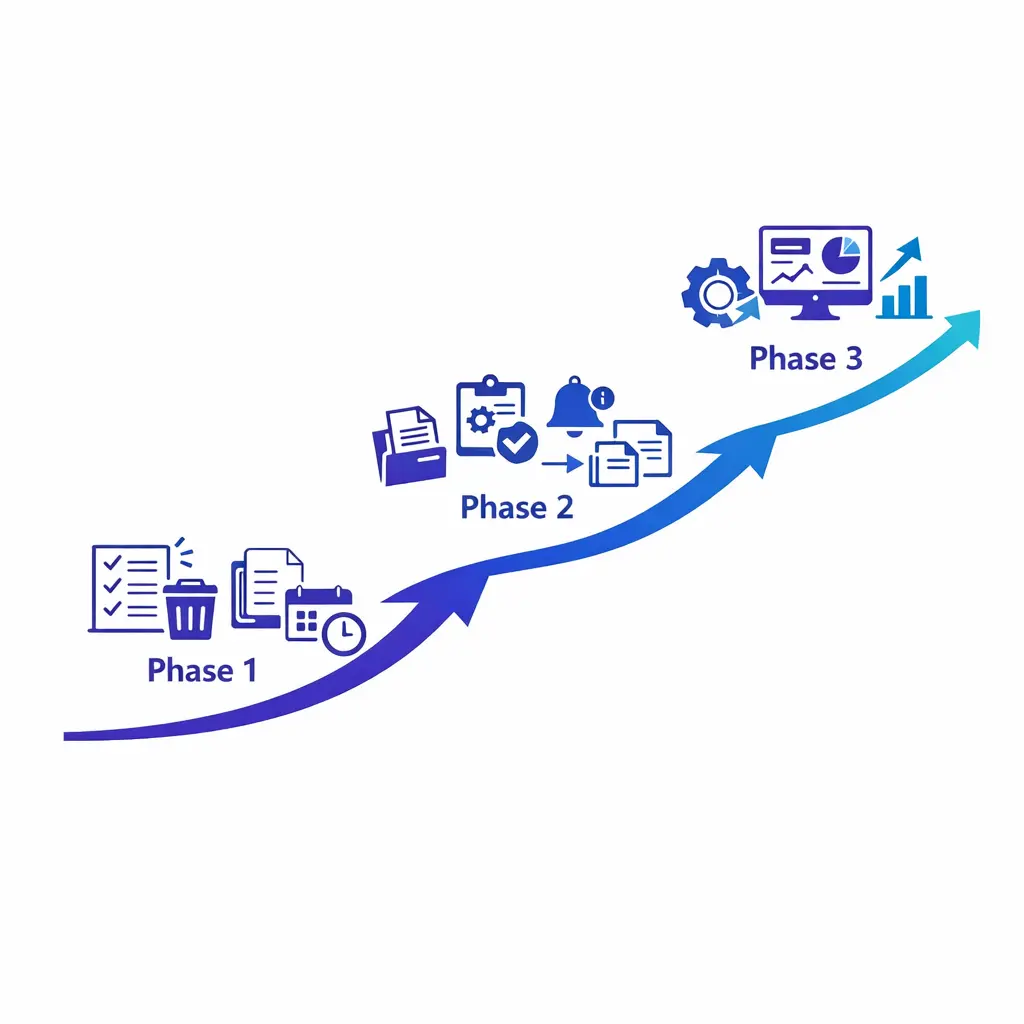
Move from low-risk admin work, to workflow-linked documentation support, to scaled automation, proving control at each step before adding volume.
Start with one or two safe-first tasks, one system, and one QA owner. Train to a fixed SOP, review daily samples, and measure completion accuracy before you add volume.
This phase should prove three things: the vendor can follow instructions, the audit trail is visible, and internal staff trust the output enough to stop redoing it.
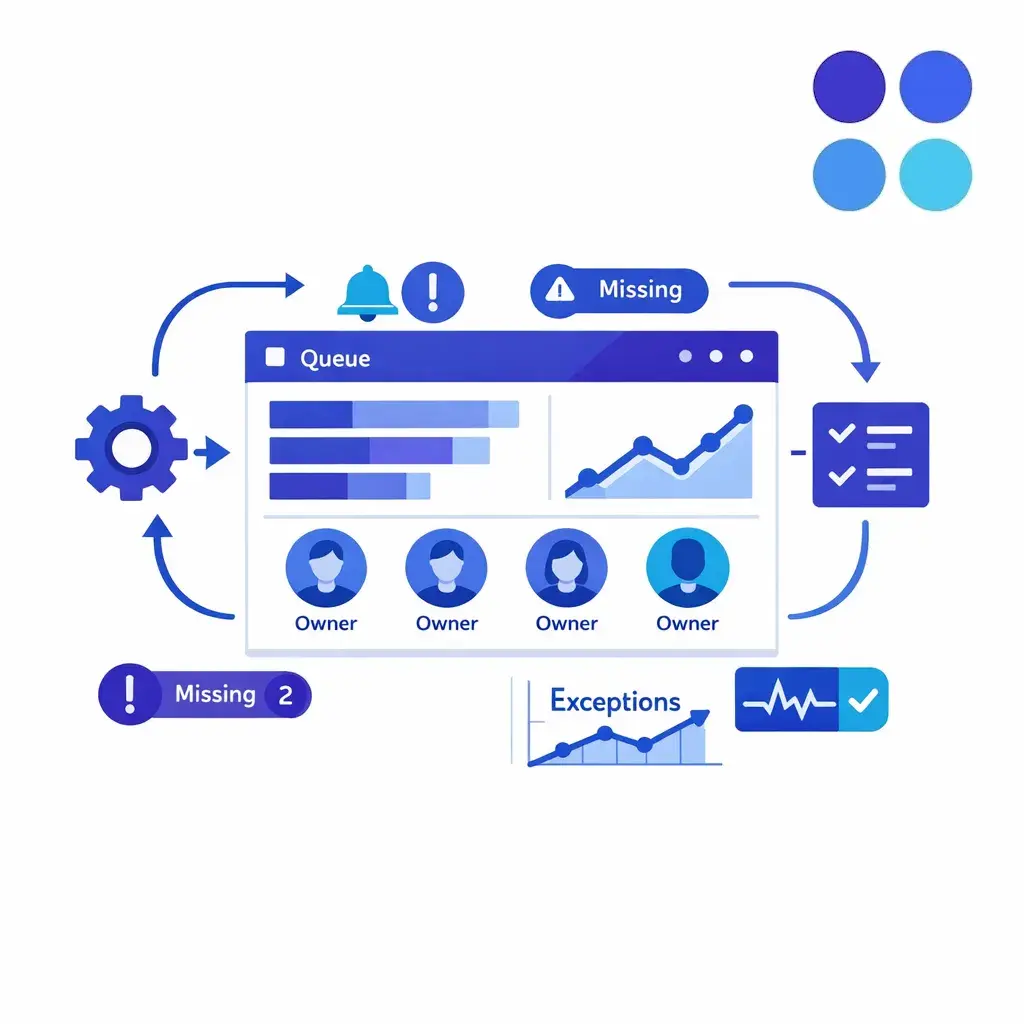
At scale, dashboards should show queue health, missing items, exception trends, and owner accountability in near real time.
Next, add controlled-tier tasks such as scheduling support, packet prep, and conflict-check preparation. Expand only after you have stable naming rules, escalation logic, and a clean exception process.
This is usually the right point to formalize weekly QA reviews and root-cause reporting. By then, you are no longer testing simple capacity. You are testing operating discipline.
Once the manual process is stable, add automation around routing, reminders, document requests, and dashboard reporting. Automation should reduce variation, not hide it.
At scale, the strongest back office business process outsourcing model is one where reporting shows queue health, missing items, exception trends, and owner accountability in near real time.
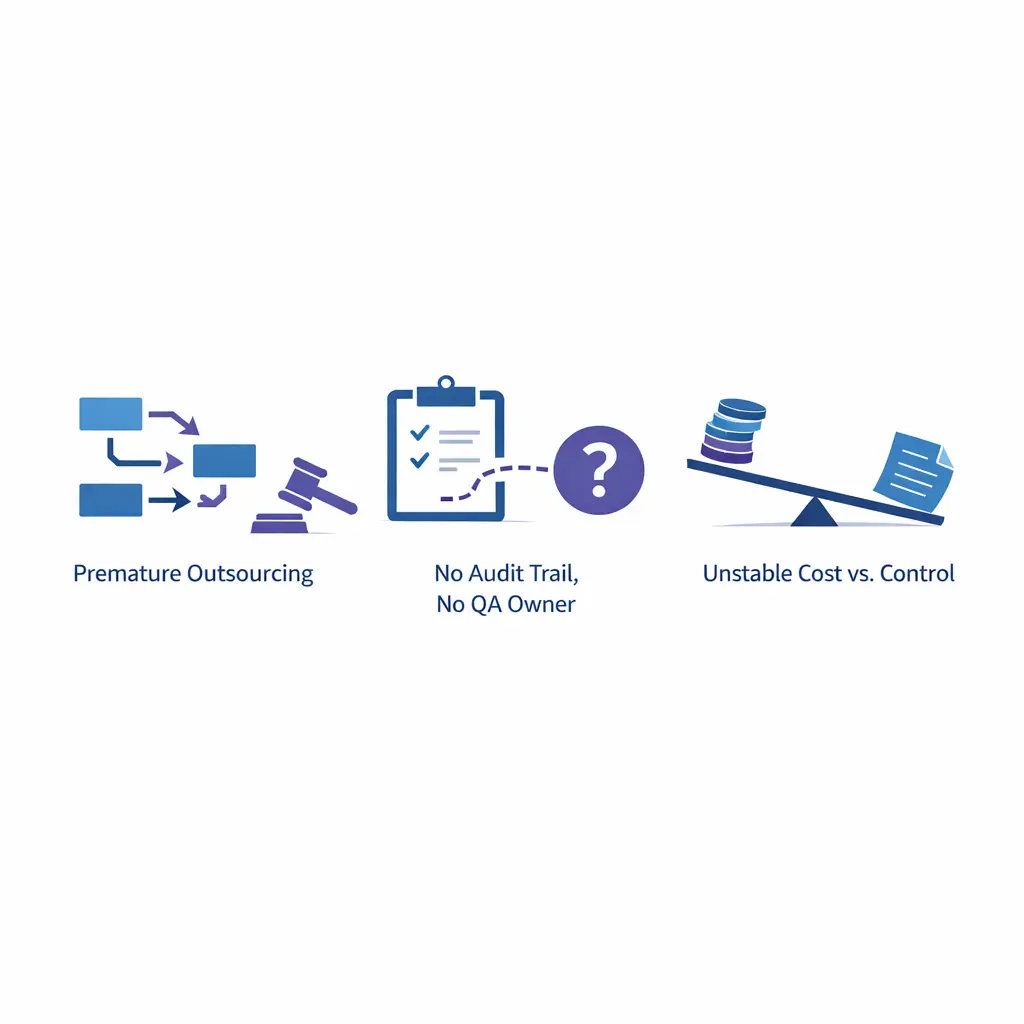
Outsourcing a fuzzy process, having no internal QA owner, and chasing price before control are the failures that undo legal intake outsourcing.
Firms get into trouble when they outsource a fuzzy process. If your team cannot explain the intake documentation workflow in clear steps, an external team will amplify the ambiguity rather than solve it.
A vendor can have capable people and still fail in your environment if nobody owns QA internally. The missing-owner problem usually shows up as inconsistent corrections, unclear approvals, and records that change without a clean explanation.
Back office support should lower internal strain, but the first win should be control, not price. A cheaper model that creates rework, weakens the record, or forces attorneys to double-check everything is not actually cheaper.
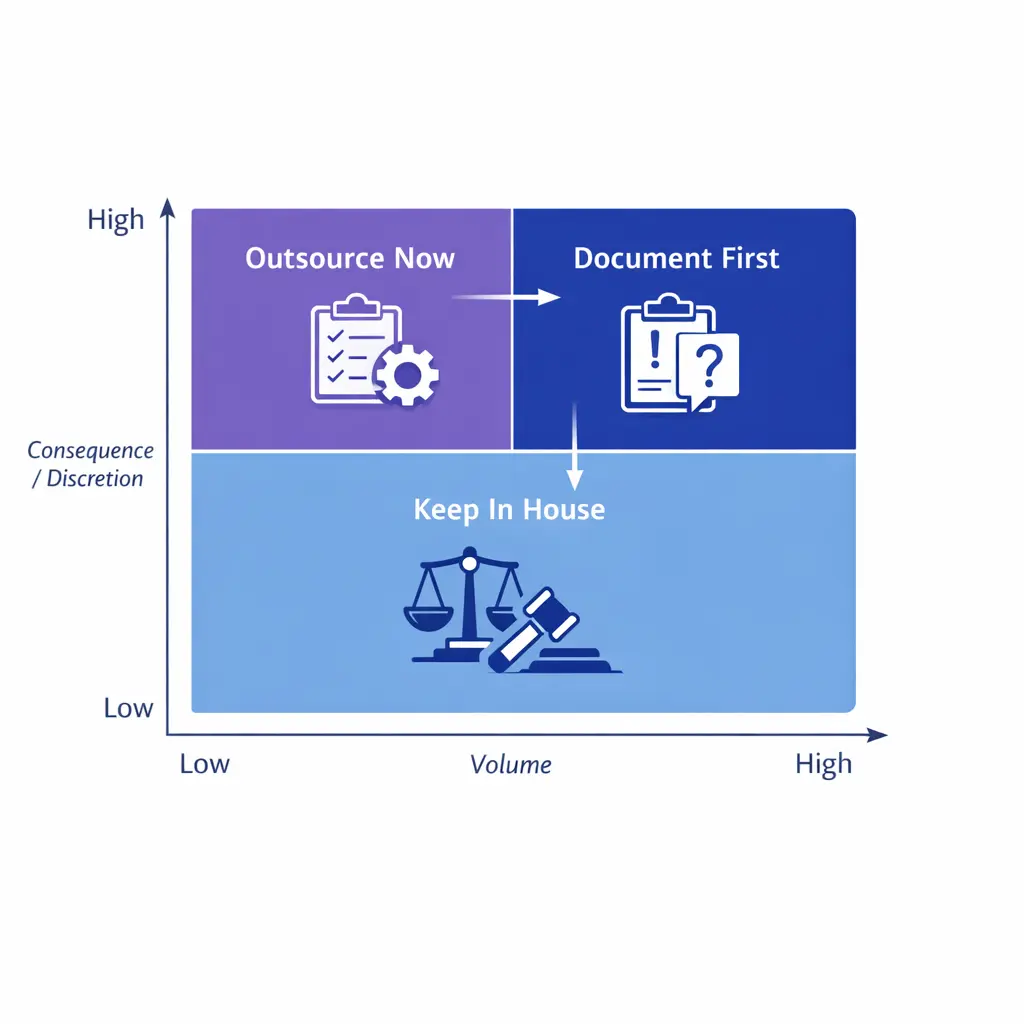
Outsource now, document first, or keep in-house, based on volume, discretion, and how much a task can alter the factual record.
Use this simple framework when deciding where to start:
If a task is high volume and low discretion, it belongs near the front of the rollout. If it is low volume but high consequence, slow down and tighten controls before you consider outsourcing it.
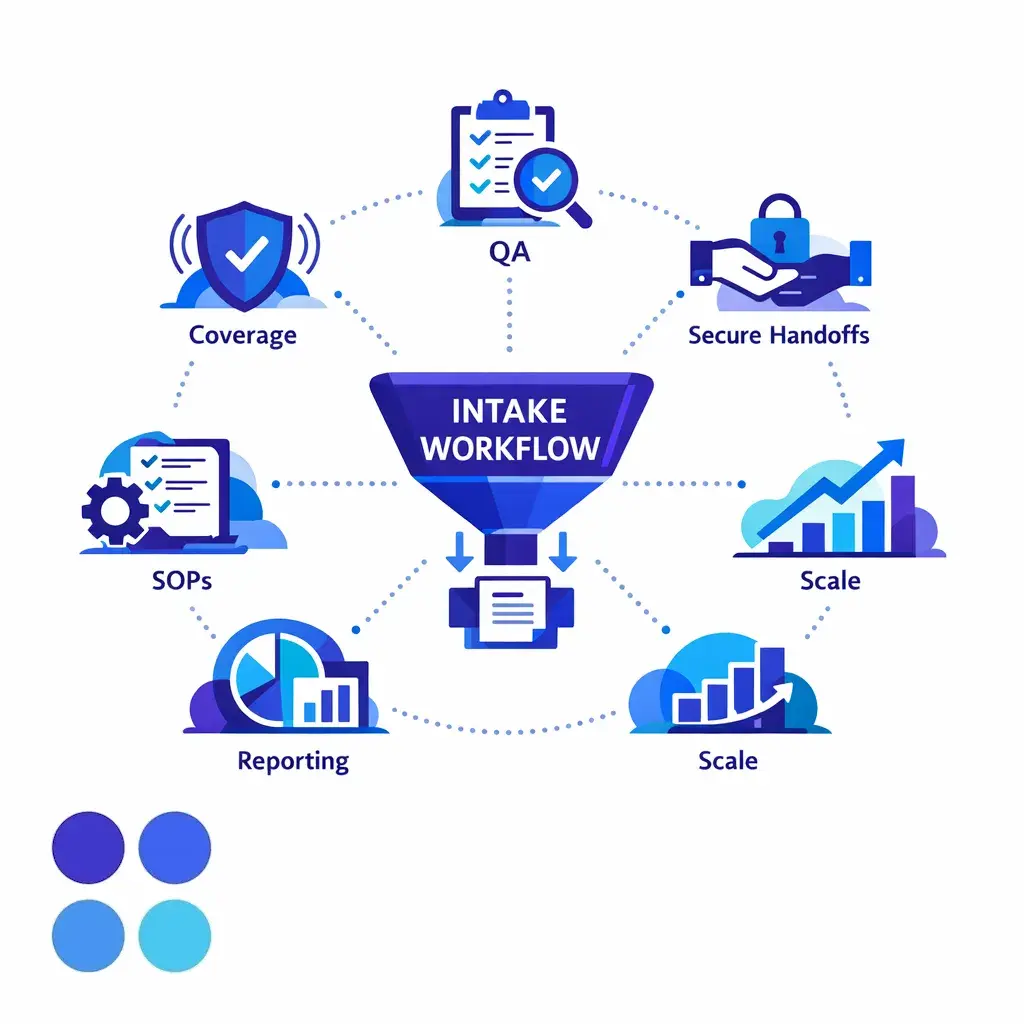
The right model balances coverage, QA, and secure handoffs, so you add capacity without weakening documentation control or chain of custody.
If your firm needs more capacity but cannot afford weaker documentation control, Go Answer can help you design a phased support model around coverage, QA, and reliable handoffs. The right rollout keeps the firm's judgment in-house while offloading the repetitive work that slows intake down.
You can Request Pricing or Book a Discovery Call to talk to a specialist about task selection, QA structure, and how to scale without losing chain-of-custody discipline. If you are comparing enterprise BPO options, use that conversation to see how it works, pressure-test your SOPs, and view the use cases that match your intake workflow.

Learn why thousands of companies rely on Go Answer.
Try us risk-free for 14 days!
Enjoy our risk-free trial for 14 days or 200 minutes, whichever comes first.
Have more questions? Call us at 888-462-6793
Learn why thousands of companies rely on Go Answer.
Have more questions? Call us at 888-462-6793
If you would like to get in contact with a Go Answer representative please give us a call, chat or email.

Thanks for your interest!
A representative will be reaching out to you shortly.
Have more questions? call us on 888-462-6793
