
Call Center Outsourcing vs. In-House Teams: Which Is Right for Your Business?
By Eddie FieldsLast modified: August 25, 2026
Voted Top Call Center for 2024 by Forbes
Virtual Receptionists
Save time and money with our virtual receptionists.
AI Receptionist
AI-powered receptionist that answers, routes, and qualifies calls 24/7.
Enterprise Solutions
Solutions designed to scale with your organization’s needs.
Legal Services
Our virtual legal receptionists are experts in legal intake.
Last modified: August 25, 2026
For enterprise and multi-location service businesses, the contact center is no longer just phones. It is revenue capture, brand protection, and operational risk management rolled into one, especially when you handle high-stakes intake (legal) or sensitive data (healthcare).
This guide is for operators, CX leaders, and practice or firm administrators deciding between call center outsourcing and an in-house team. You will learn how to compare cost models, coverage, quality control, compliance, and implementation risk, plus when a hybrid in-house vs outsourced call center model is the smartest move.
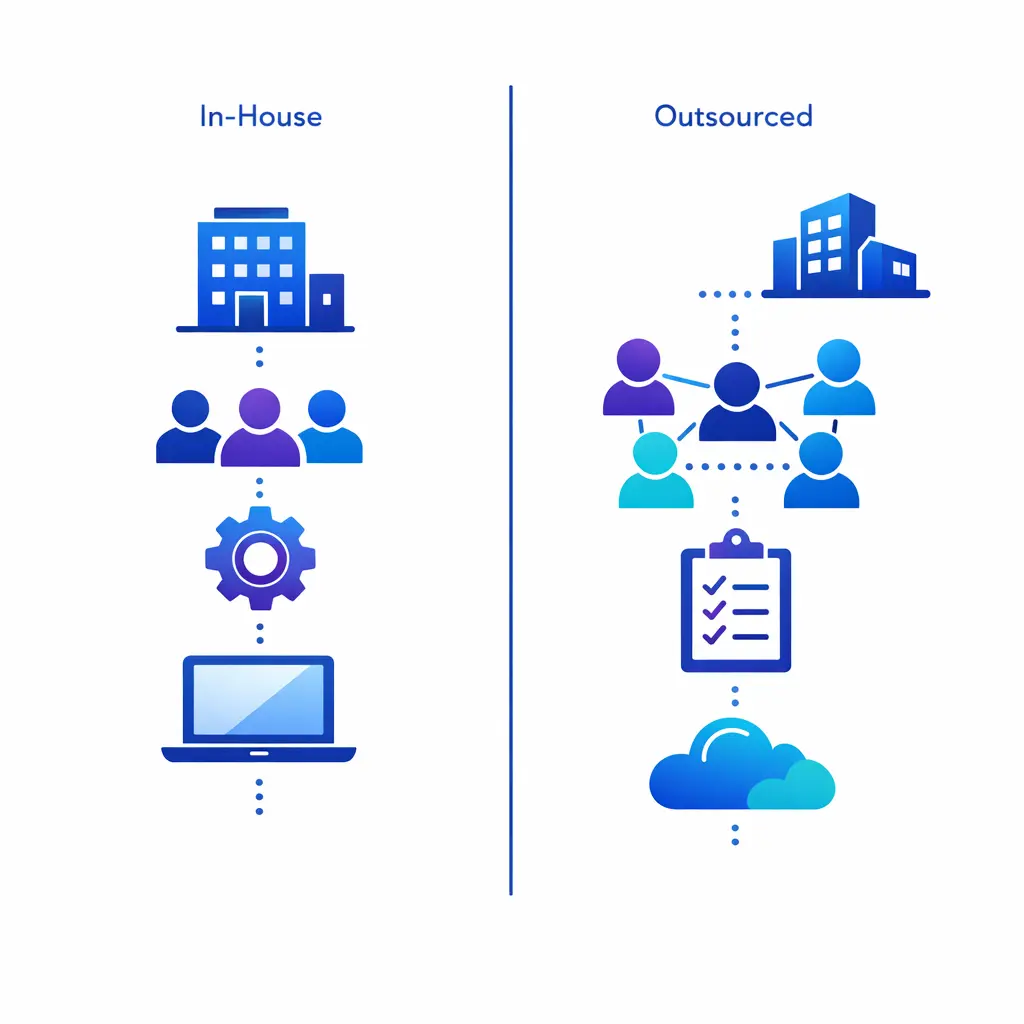
The contact center is revenue capture, brand protection, and risk management at once. The right model depends on coverage needs, quality control, cost, and compliance.
Before comparing vendors or hiring plans, clarify what outcomes the function must deliver. Answering calls is a tactic; the real job is usually a mix of revenue conversion, service recovery, and risk reduction.
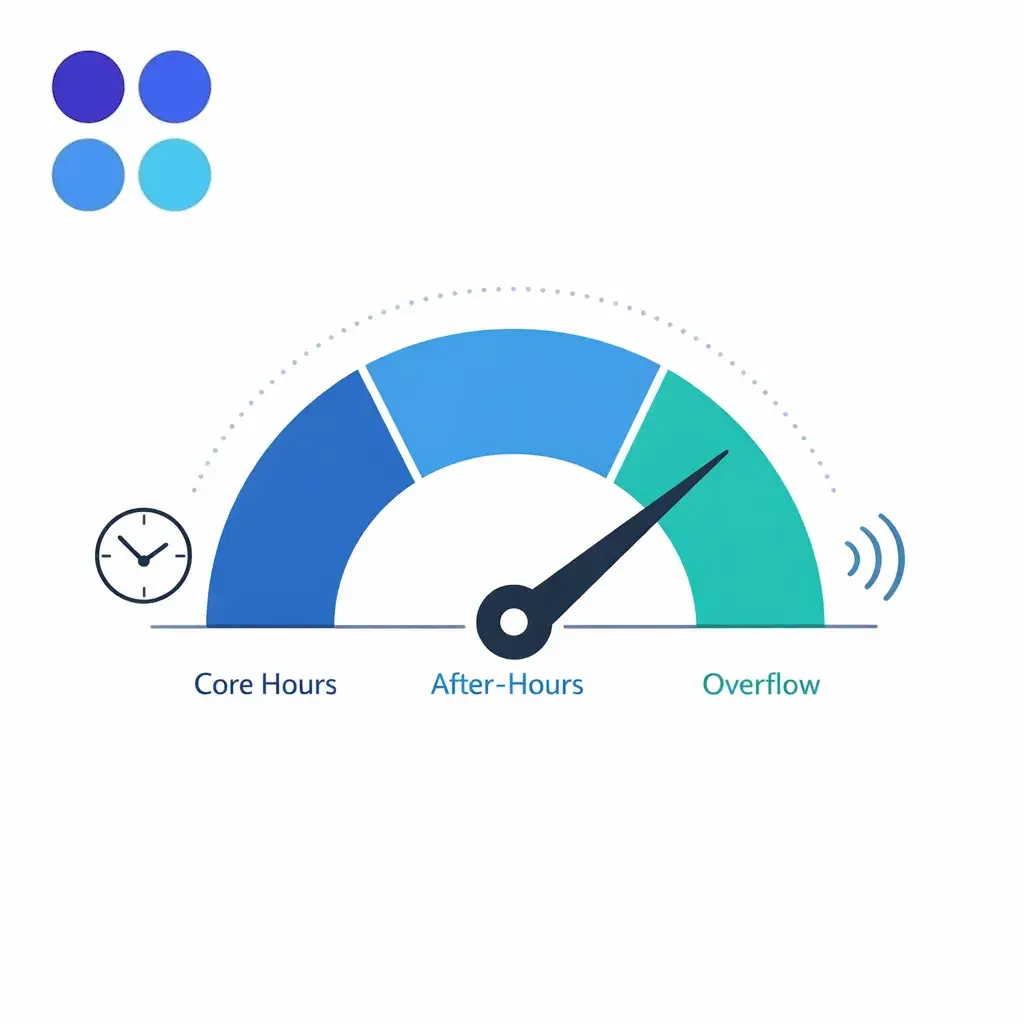
Decide what coverage the job really needs: business hours, 24/7, weekends, holidays, or overflow during peaks. Coverage gaps are where revenue and trust leak.
Call center outsourcing can mean anything from basic answering service coverage to fully managed customer service outsourcing with QA, reporting, and continuous improvement. In-house teams can range from a small receptionist group to a multi-site contact center with workforce management and formal training.
The best choice depends on where you need tight control versus where you need elasticity. Most enterprise buyers end up comparing three models: fully in-house, fully outsourced call center services, or a hybrid approach.
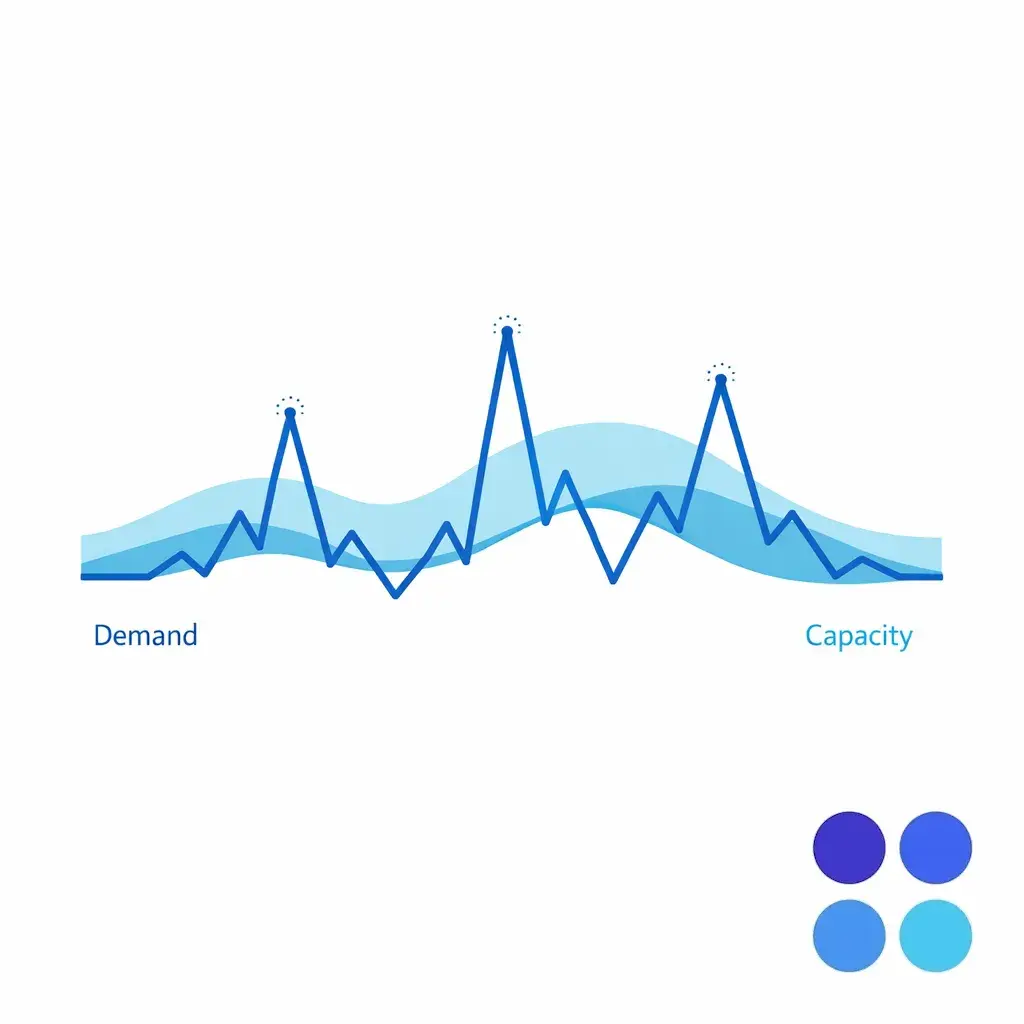
If volume spikes with campaigns, seasons, or emergencies, outsourcing adds elasticity without constant hiring cycles. Stable volume often favors an efficient in-house team.
If your call volume is stable, an in-house team can be efficient and culturally aligned. If your demand spikes unpredictably (campaigns, seasonal surges, emergencies, litigation advertising bursts, or multi-location call routing), outsourcing can provide quicker elasticity without constant hiring cycles.
Hybrid is often ideal when you need daytime continuity but also require after-hours and overflow coverage. This is common for healthcare practices, dispatch-heavy services, and legal intake-heavy firms that cannot afford missed calls.
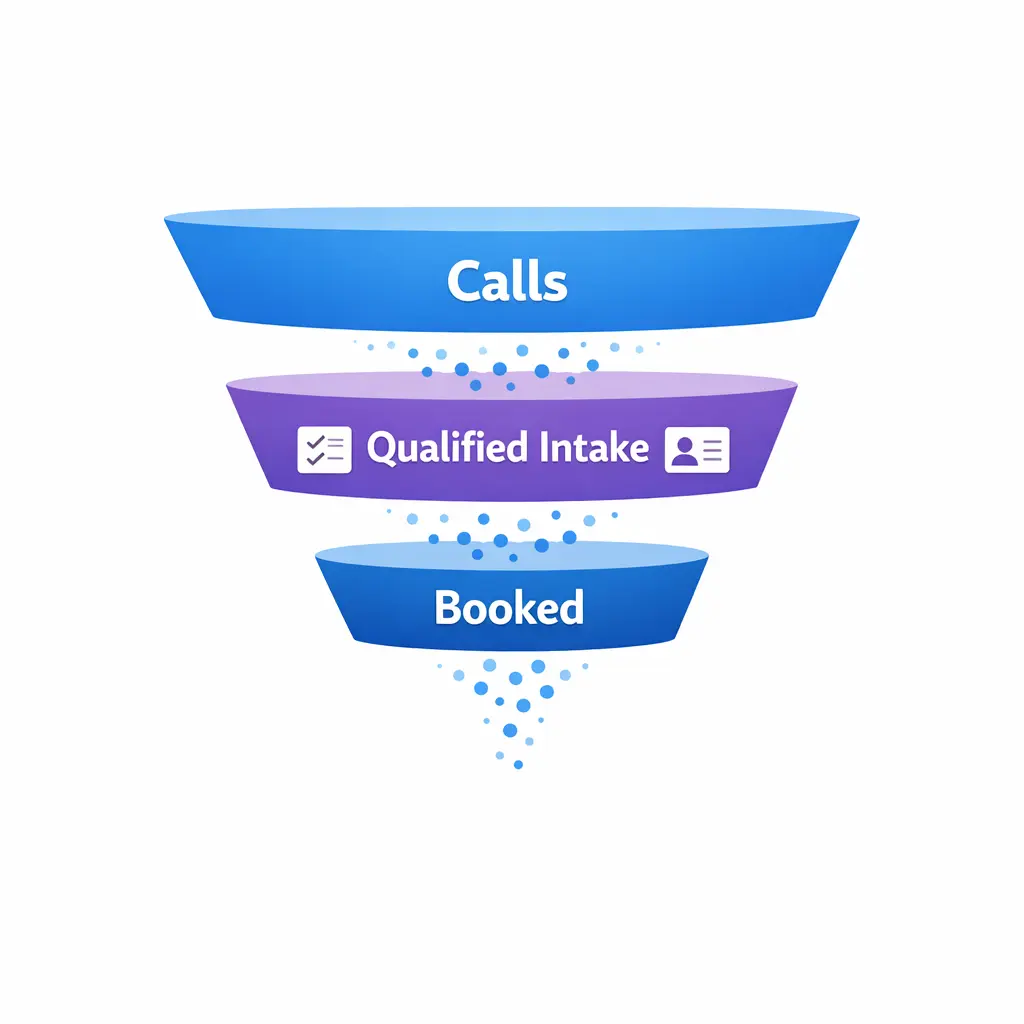
The first touch should capture complete, accurate information and route to the right next step. Weak intake quietly lowers conversion and booked appointments.
In-house teams tend to create fixed costs: recruiting, training, scheduling coverage, management time, and tooling. Outsourcing shifts more of that burden into a vendor fee, which can make costs more variable and easier to align with demand.
When estimating call center costs, avoid comparing hourly rates in isolation. Employer labor costs typically include more than wages, and the Bureau of Labor Statistics Employer Costs for Employee Compensation (ECEC) framework is a useful reminder that benefits and legally required costs are real line items that affect your fully loaded cost per productive hour.
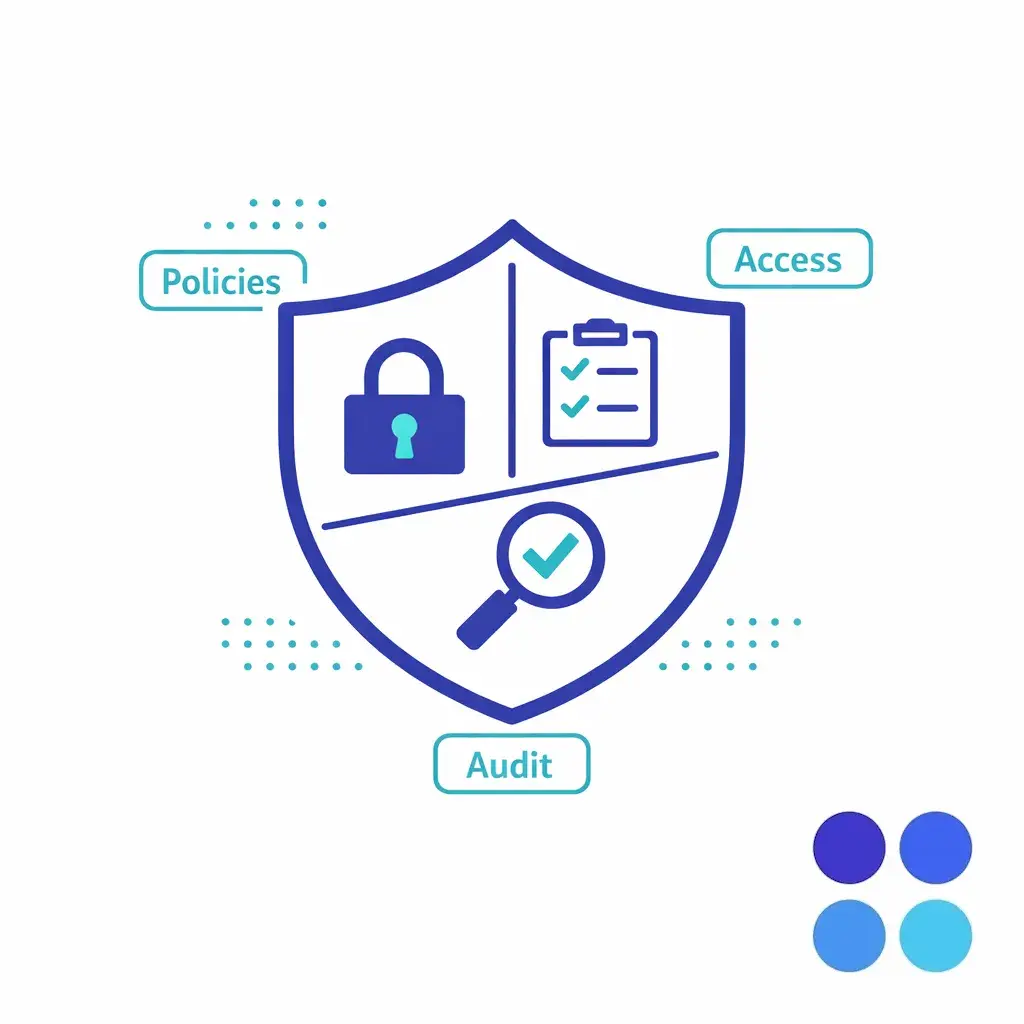
For regulated call handling, design around security controls, policies, and audits from the start, not vendor marketing. Compliance has to be testable.
The biggest performance gap between outsourced and in-house is rarely friendliness. It is consistency: how reliably each interaction captures the right information, follows the right workflow, and routes the customer to the right next step.
For legal intake and high-value appointment conversion, quality depends on repeatable systems: call flows, decision trees, QA scoring, coaching loops, and clear escalation rules. Ask whether the model you choose can prove performance with recordings, scorecards, and measurable conversion and resolution outcomes.
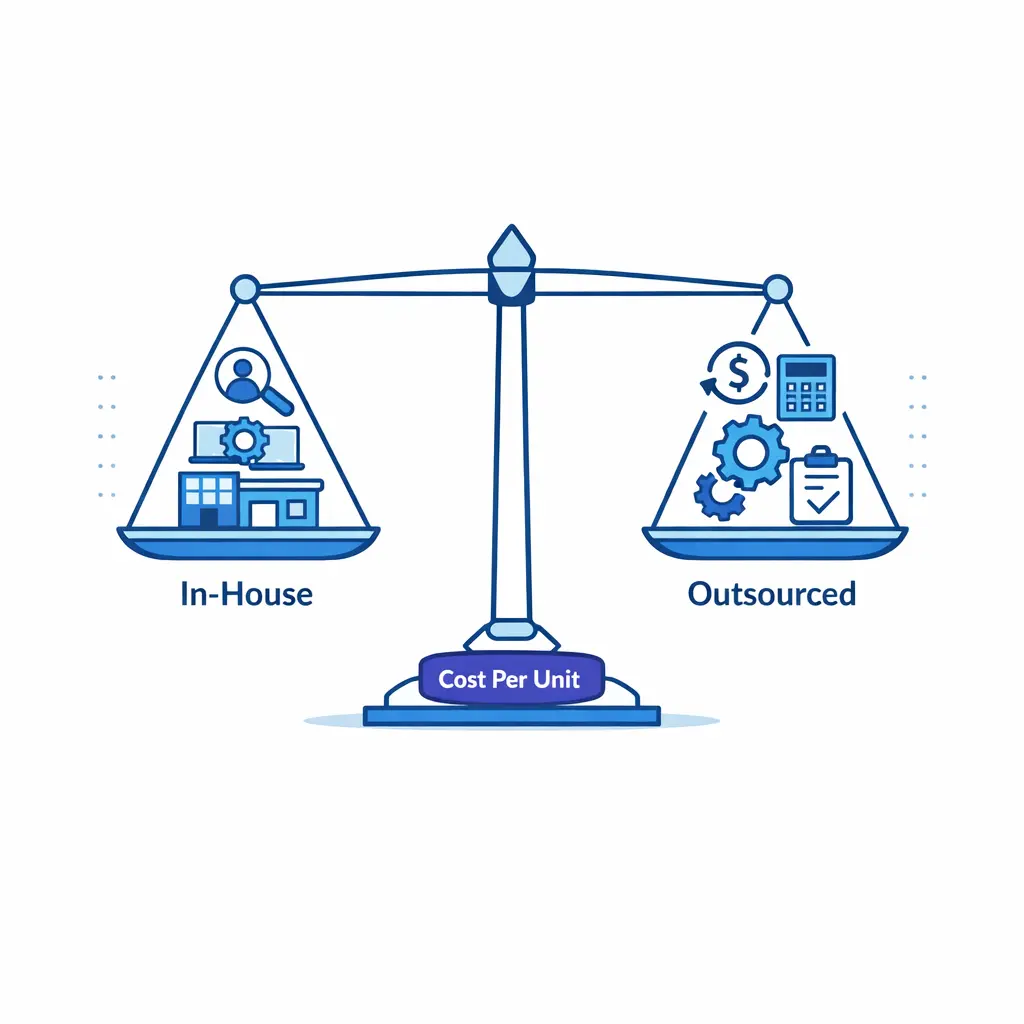
Do not compare hourly rates in isolation. Weigh fully loaded cost against measurable outcomes: appointments, qualified leads, resolution rates, and reduced abandonment.
In-house teams are easiest to change quickly when your processes shift weekly, your services are complex, or your brand requires nuanced handling. Outsourced contact center outsourcing services can still move fast, but only if the vendor has a disciplined change management process and you assign internal ownership for approvals, testing, and training updates.
A practical test is to ask: how long does it take to update a script, change an intake form, or add a new escalation path? If your business changes constantly, build for operational agility first, then optimize for cost.
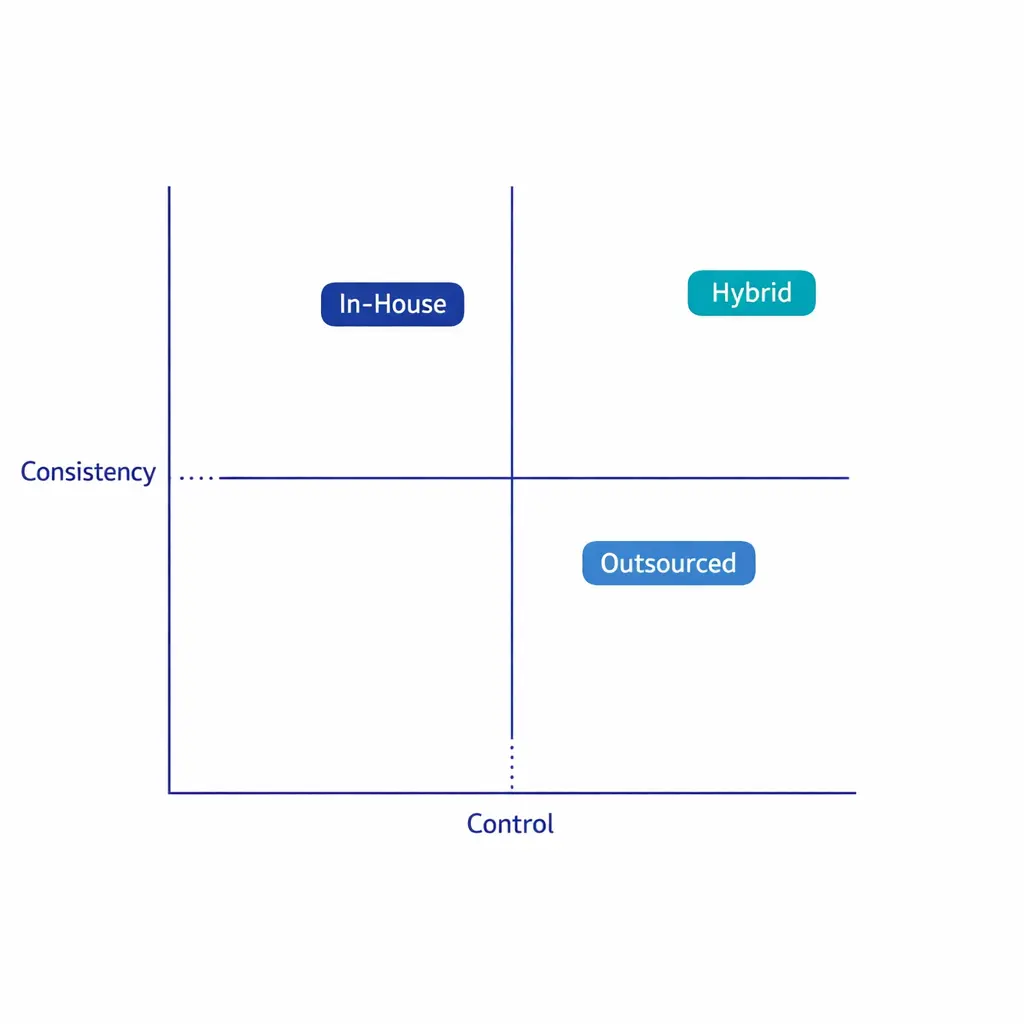
In-house offers fast, nuanced control; a disciplined outsourced partner offers repeatable consistency. Map which calls need which before you decide.
Whether in-house or outsourced, you should expect visibility into demand drivers (who is calling and why), operational performance (speed to answer, abandonment, handle time), and business outcomes (appointments booked, qualified leads, cases accepted, issues resolved).
Outsourcing works best when governance is explicit: service-level targets, QA definitions, calibration meetings, and a single owner on both sides. In-house works best when your leadership team treats the contact center as a managed operation, not an admin function.
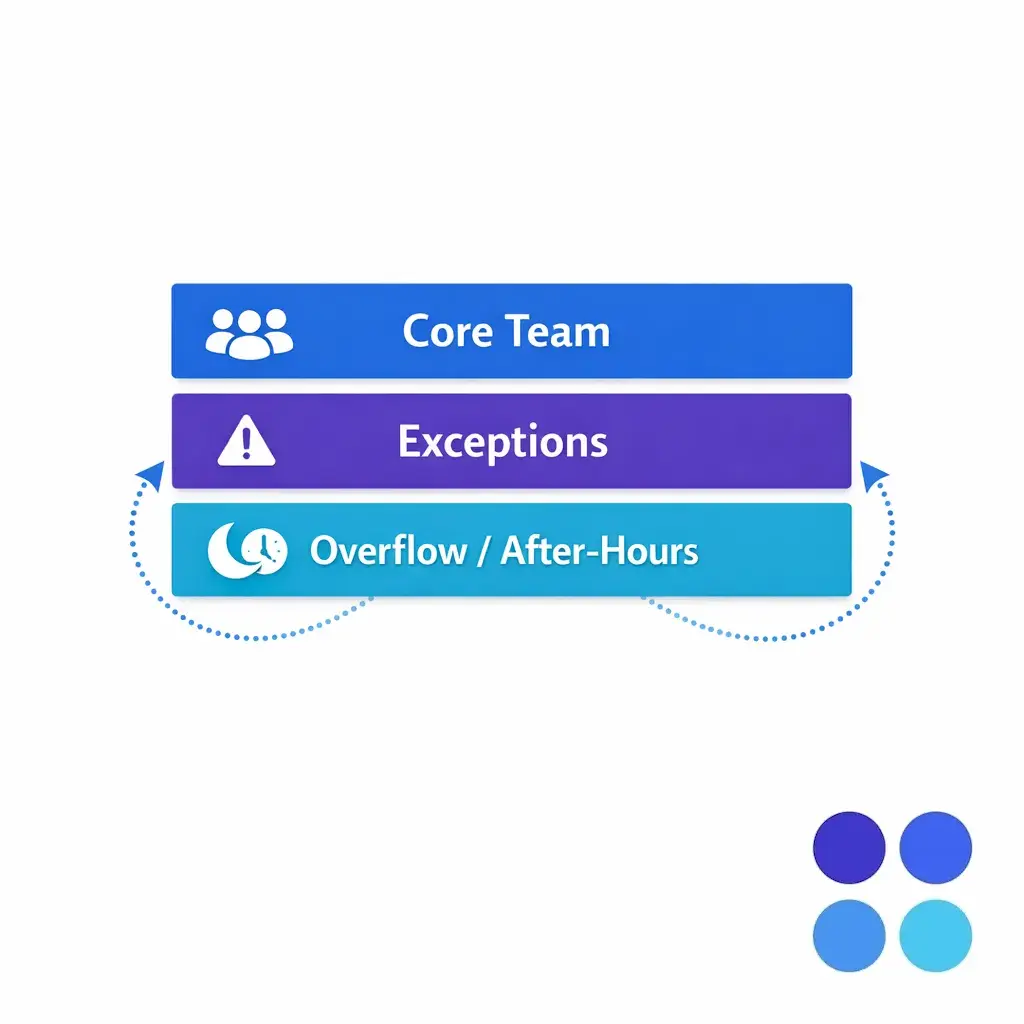
A core in-house team handles VIPs and complex cases while an outsourced partner covers overflow and after-hours, keeping coverage stable when volume spikes.
If your contact center touches protected health information, you need to design the model around HIPAA requirements, not vendor marketing. The HIPAA Privacy Rule sets standards for how covered entities and their partners use and disclose PHI, and the HIPAA Security Rule establishes administrative, physical, and technical safeguards for electronic PHI.
When using outsourced call center services that create, receive, maintain, or transmit PHI, you typically need a HIPAA Business Associate agreement (BAA) and a clear understanding of what data is accessed, stored, and retained across systems and recordings.
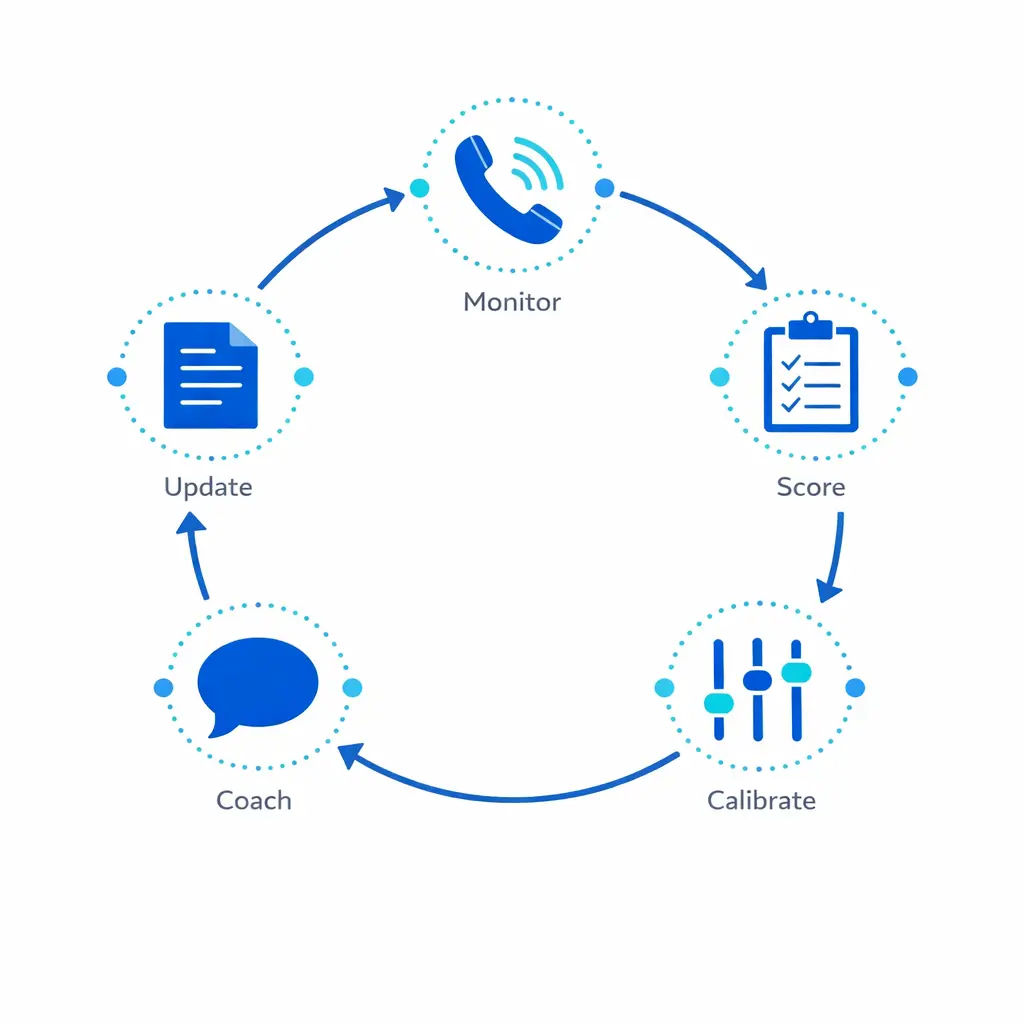
Consistency comes from monitoring, scorecards, calibration, coaching, and script updates. Ask any model to prove performance with recordings and measurable outcomes.
Legal intake is not standard customer support. Even before a signed engagement, intake may involve sensitive facts and identity details, and mishandling can damage trust or create downstream risk.
At a minimum, your intake workflows should align with confidentiality expectations, including limiting access and controlling disclosures, consistent with ABA Model Rule 1.6 on confidentiality of information. In practice, that means building process guardrails: secure access, role-based permissions, clean escalation paths, and careful handling of call notes and recordings.
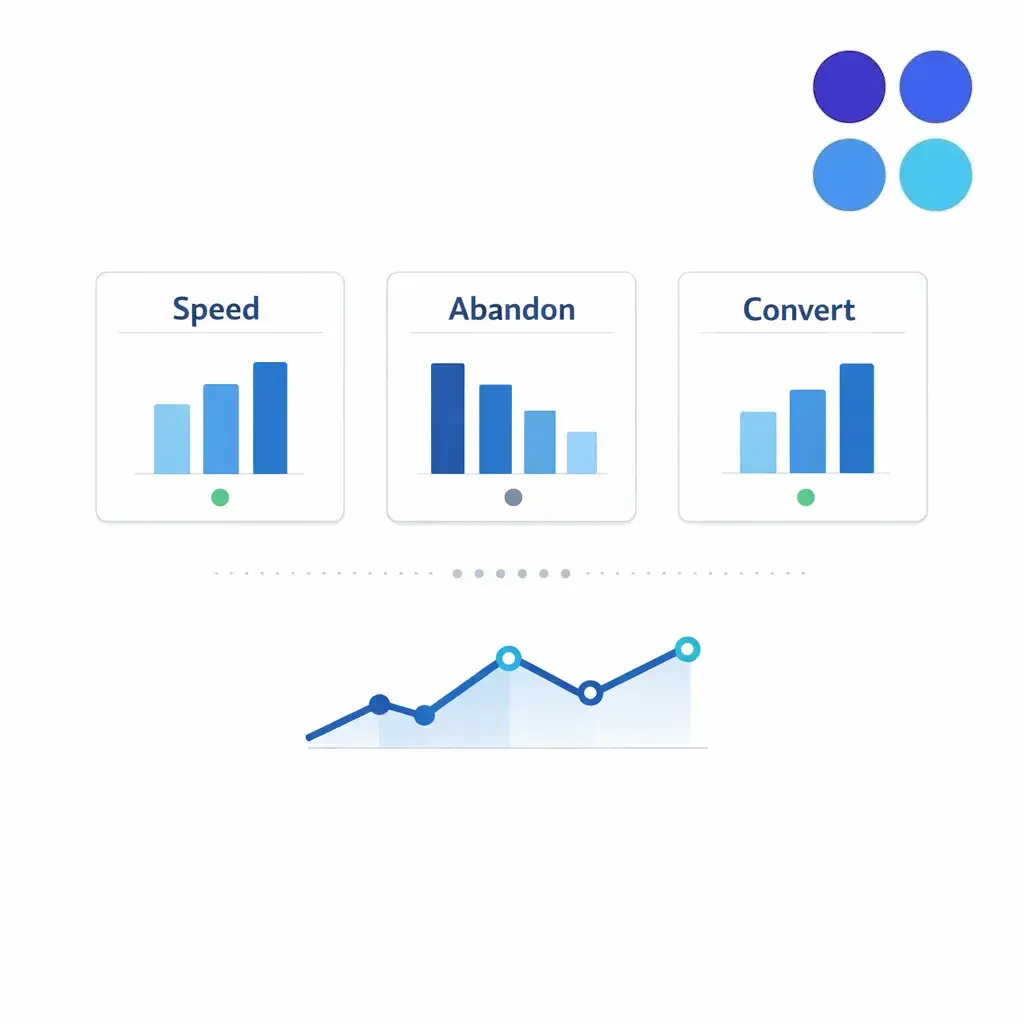
Expect visibility into demand drivers, speed to answer, abandonment, and business outcomes like booked appointments and qualified leads, in-house or outsourced.
Security and compliance should be testable, not implied. Whether you run an in-house operation or choose a BPO call center, ask for evidence of controls, audit readiness, and how the vendor manages operational discipline at scale.
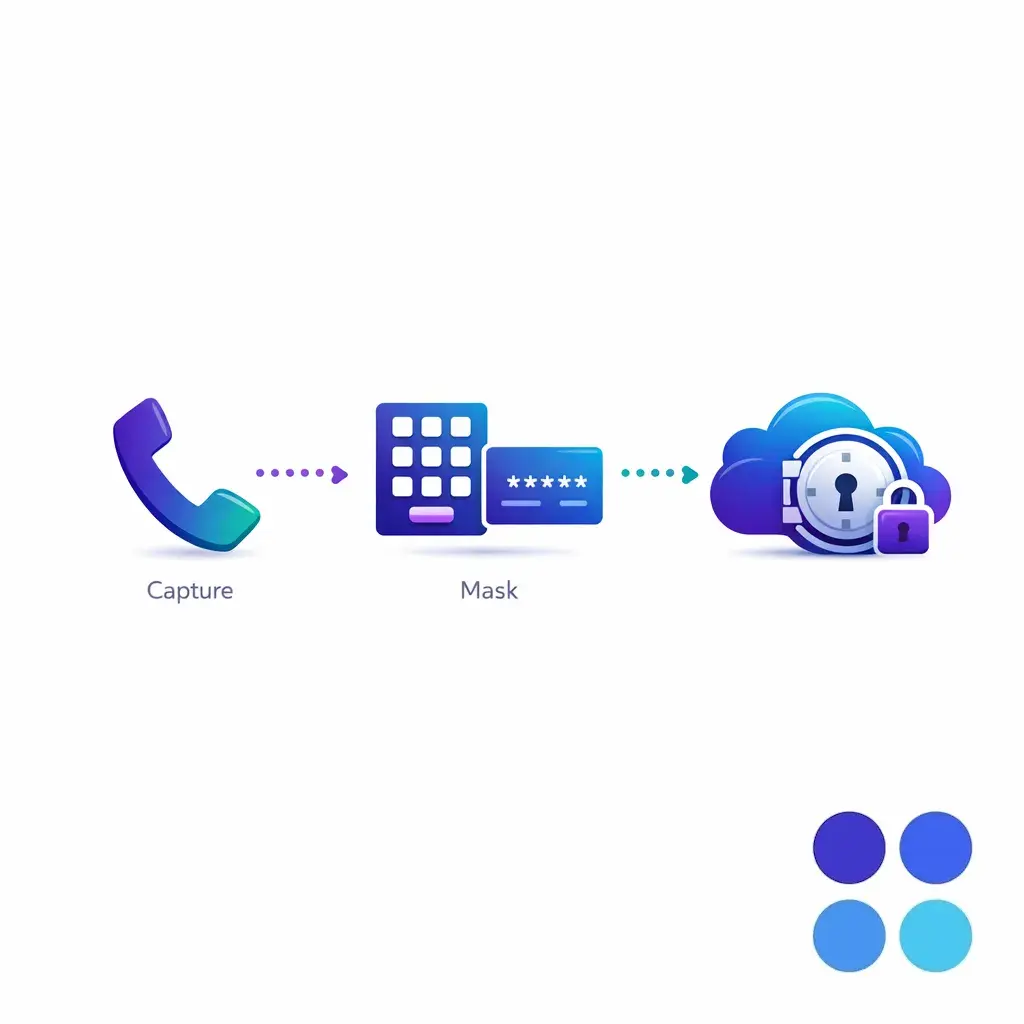
If agents take card payments, confirm PCI DSS alignment and whether they can hear, see, or record card data. Mask sensitive data in recordings.
In 2026, the biggest shift is that outsourcing is no longer synonymous with a separate, offshore-only operation, and in-house is no longer synonymous with a single office. Distributed staffing, tighter security expectations, and higher customer demands for fast, informed service have pushed both models toward more formal operating discipline.
As a result, buyers are optimizing for reliability and repeatability: documented playbooks, measurable QA, clearer governance, and better integration with systems of record. The winning model is the one you can run consistently under real-world conditions like peaks, after-hours emergencies, and staffing churn.
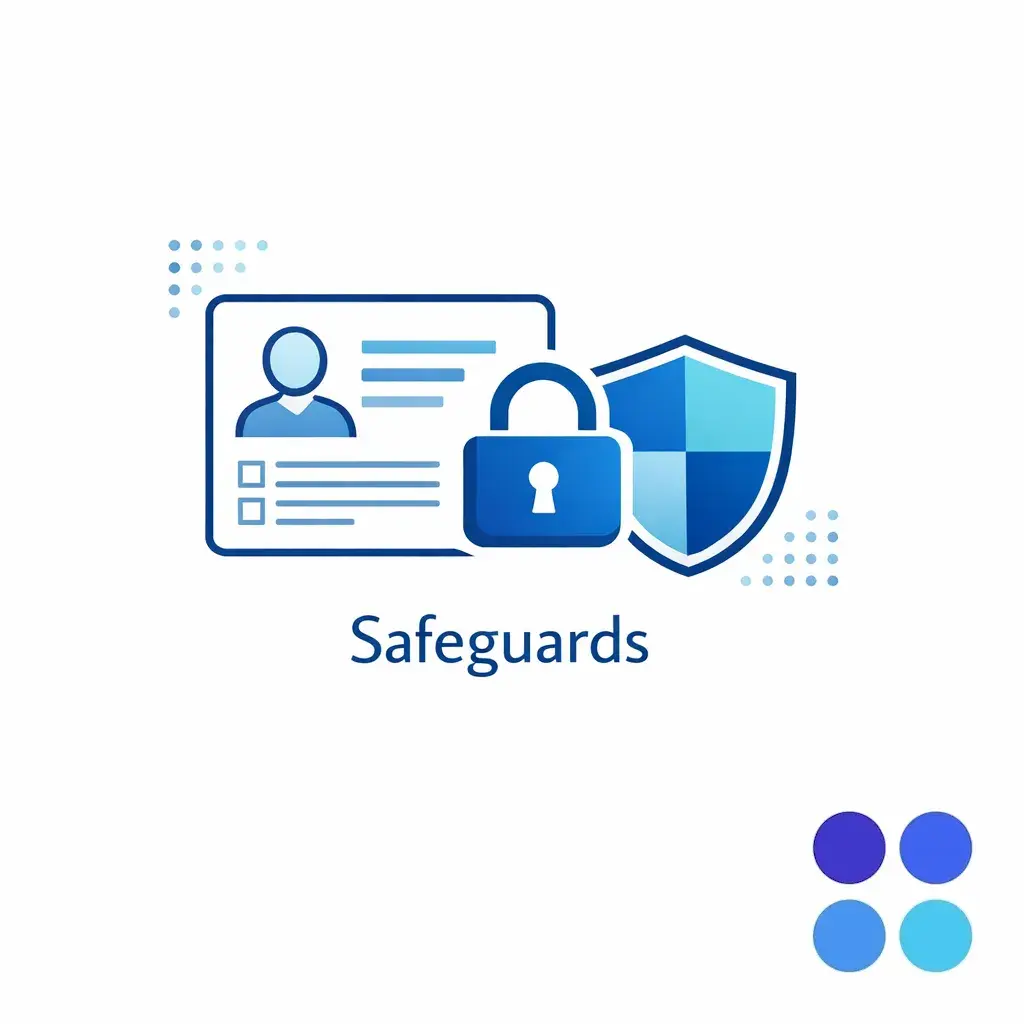
If the center touches PHI, design around the HIPAA Privacy and Security Rules and a Business Associate agreement, with clear rules for access, storage, and retention.
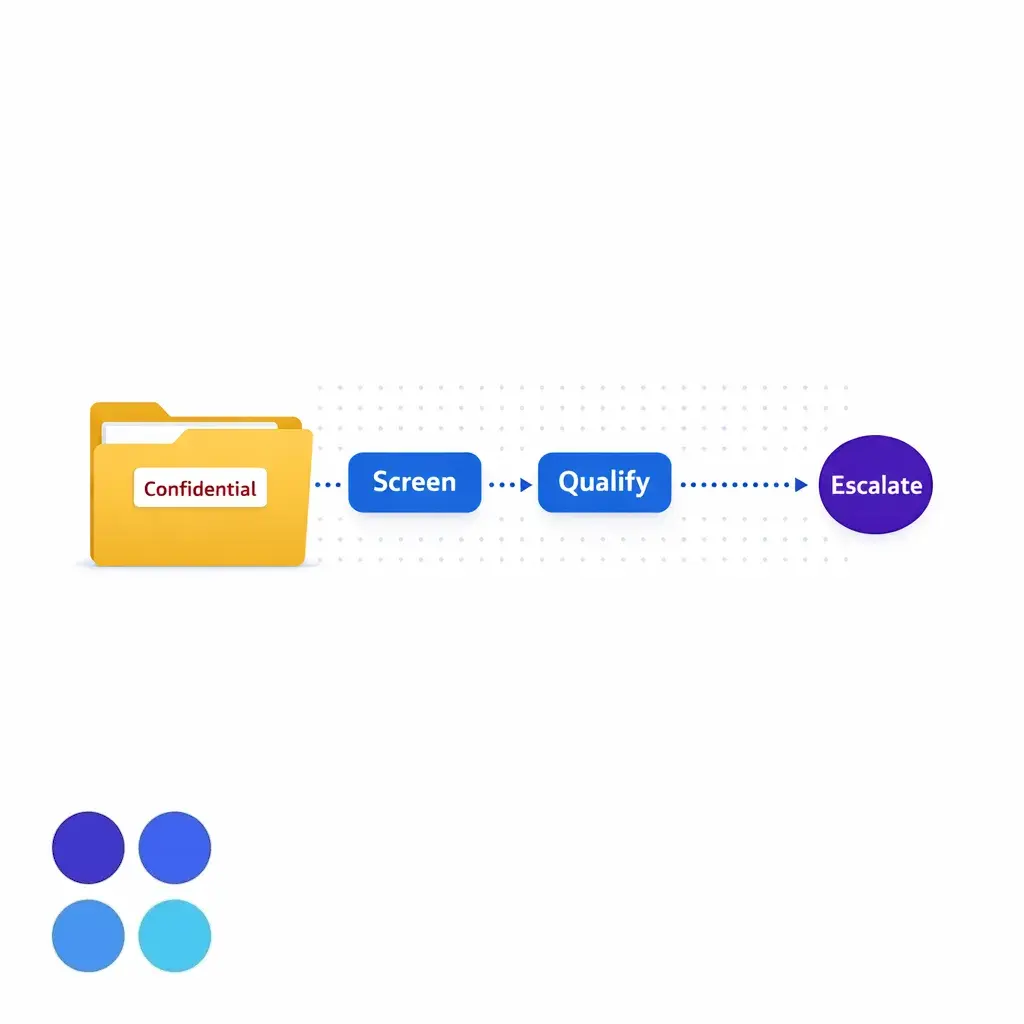
Even before engagement, intake handles sensitive details. Build secure access, role-based permissions, clean escalation paths, and careful note and recording handling.
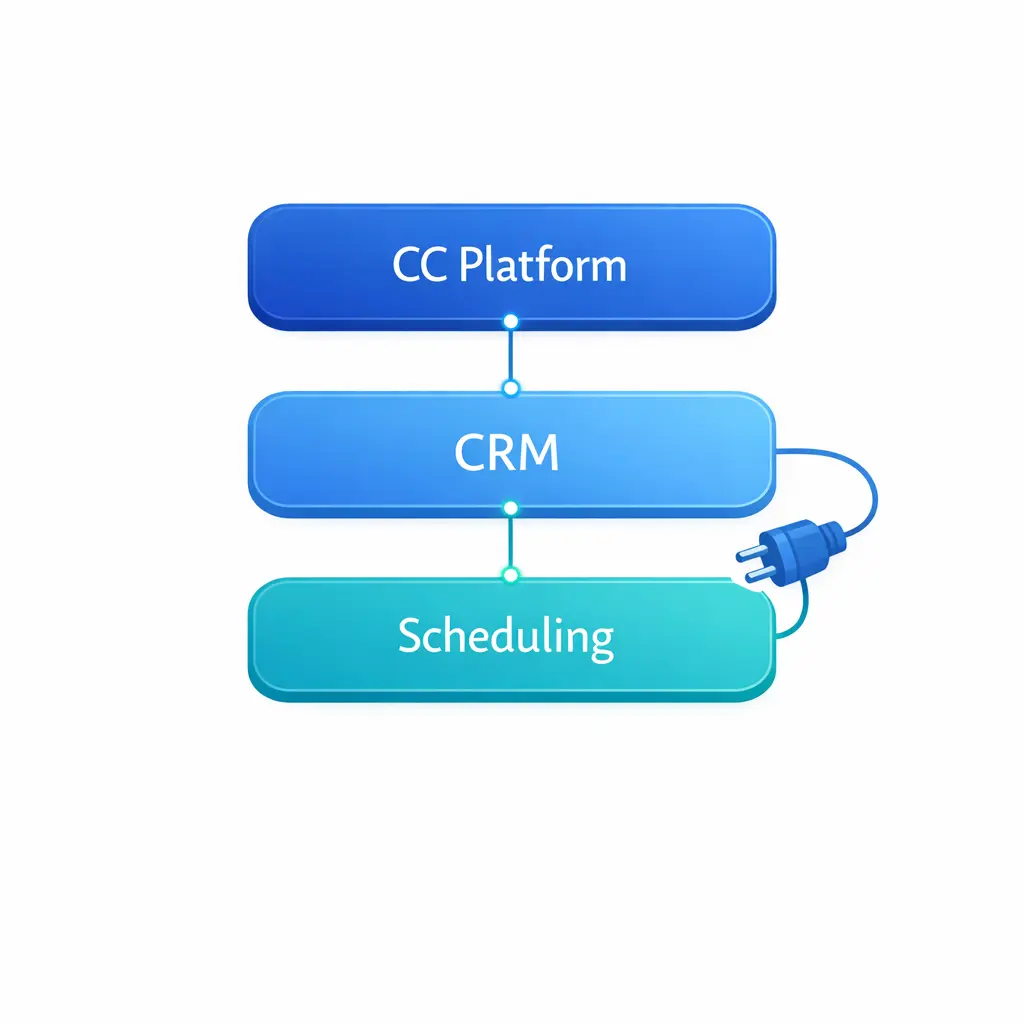
Coverage means little if systems do not connect. Confirm the call platform, CRM, EHR, scheduling, and analytics integrate cleanly and carry data correctly.
Most failures in customer service outsourcing come from unclear ownership and incomplete workflow design. Treat the transition like an operational rollout, not a procurement event.
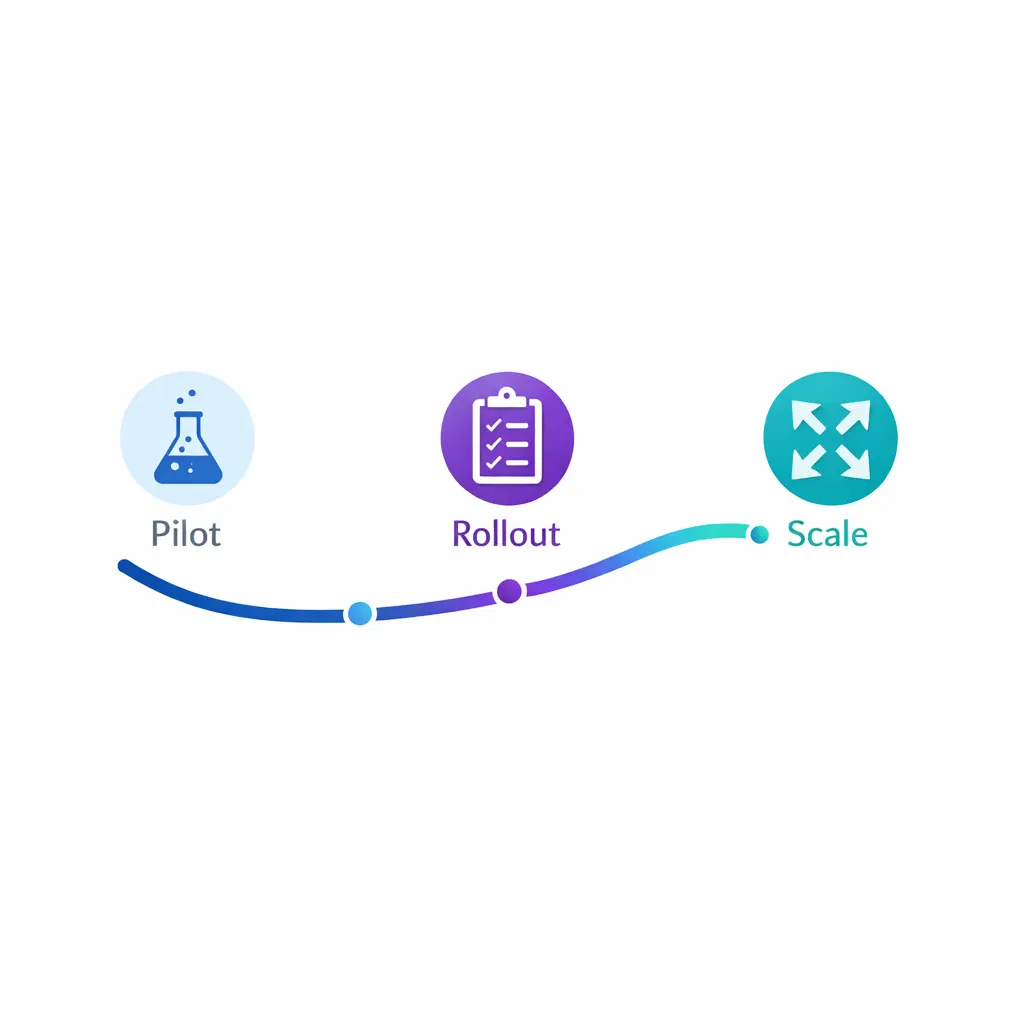
Start with one queue, run parallel testing for scripts and routing, then expand once outcomes are validated, so you switch or blend without losing calls.
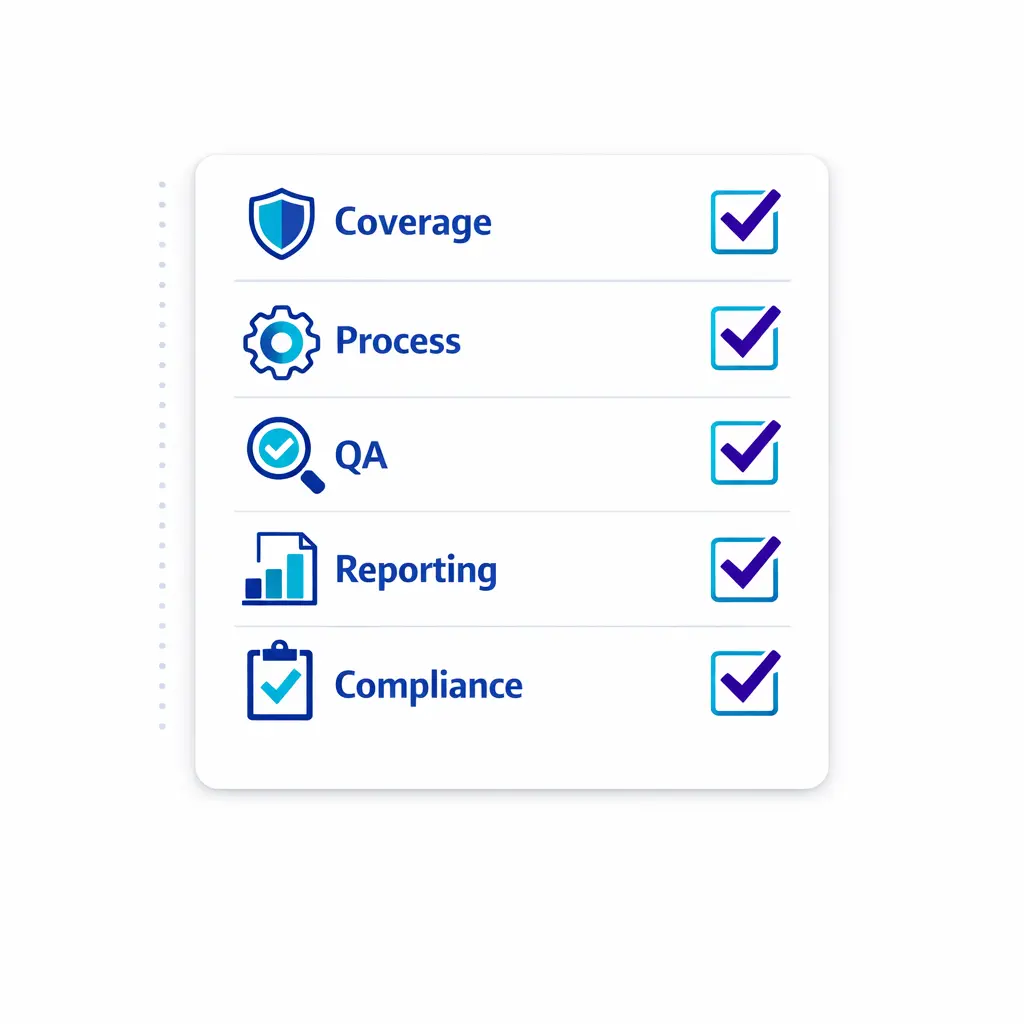
Score each model on coverage, process, QA, reporting, and compliance. The right choice is the one you can run consistently under real-world conditions.
If your priority is reliable coverage, consistent intake quality, and a scalable operating model, it can help to see what an enterprise-ready approach looks like in practice. Go Answer is often used for overflow and after-hours coverage, legal intake workflows, and high-volume inbound operations where consistency matters as much as speed.
You can Request Pricing or Book a Discovery Call to discuss your call flows, compliance needs, and what a hybrid or fully outsourced model would look like for your locations.

Learn why thousands of companies rely on Go Answer.
Try us risk-free for 14 days!
Enjoy our risk-free trial for 14 days or 200 minutes, whichever comes first.
Have more questions? Call us at 888-462-6793
Learn why thousands of companies rely on Go Answer.
Have more questions? Call us at 888-462-6793
If you would like to get in contact with a Go Answer representative please give us a call, chat or email.

Thanks for your interest!
A representative will be reaching out to you shortly.
Have more questions? call us on 888-462-6793
