
BPO for Growing Businesses: What to Outsource First (and What to Keep In-House)
By Troy Van WillisLast modified: March 3, 2026
Voted Top Call Center for 2024 by Forbes
Virtual Receptionists
Save time and money with our virtual receptionists.
AI Receptionist
AI-powered receptionist that answers, routes, and qualifies calls 24/7.
Enterprise Solutions
Solutions designed to scale with your organization’s needs.
Legal Services
Our virtual legal receptionists are experts in legal intake.
Last modified: March 3, 2026
Growth creates a predictable set of operational problems: more calls than your team can answer, inconsistent intake quality across locations, longer billing cycles, and leaders spending time on work that does not move the business forward.
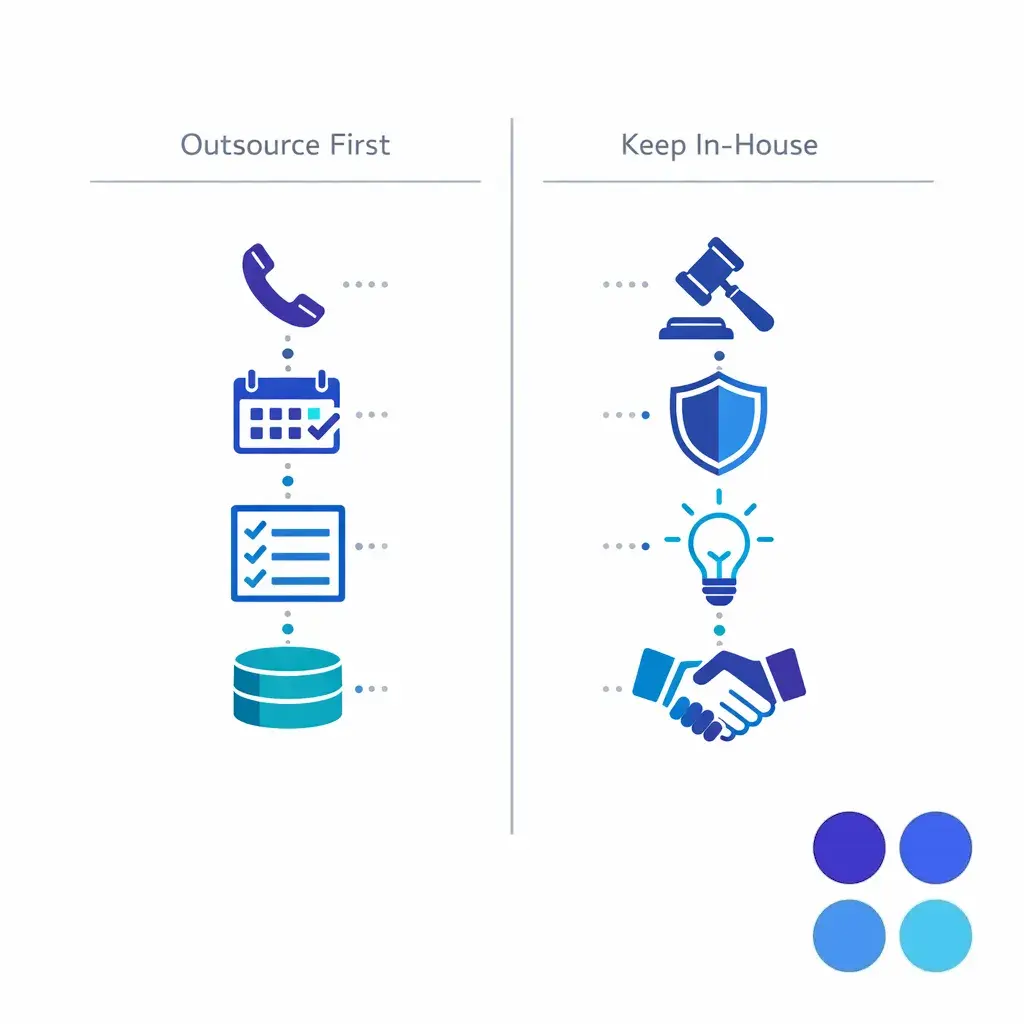
This article is for enterprise and multi-location service businesses, intake-heavy legal teams, and healthcare practices that need reliable coverage, repeatable quality assurance, and scalable workflows without sacrificing control or compliance.
You will learn a practical way to decide what to outsource first, what to keep in-house, how to structure an SLA for BPO, and how to avoid the common mistakes that make business process outsourcing (BPO) underperform.
Business process outsourcing (BPO) is the practice of delegating defined, repeatable processes to a specialized partner that runs them against agreed standards, reporting, and governance. In growing service businesses, BPO services usually fall into two buckets: customer-facing workflows (like inbound calls and appointment setting) and back office outsourcing (like data entry and administrative processing).
BPO is not the same as “just hiring a remote person.” The difference is operational discipline: documented processes, training, QA, staffing coverage, escalation paths, and performance management measured against an SLA for BPO.
In 2024 and beyond, buyers are holding outsourced customer support and back office outsourcing partners to higher standards around security controls, incident readiness, and documentation. Many procurement and compliance teams increasingly align vendor expectations to frameworks such as the NIST Cybersecurity Framework (CSF), because it provides a shared language for governance, risk management, and controls.
For healthcare and clinics, outsourcing decisions also increasingly involve documented safeguards for electronic protected health information under the HIPAA Security Rule. For legal and litigation support workflows, leadership is more likely to require formal confidentiality controls and supervision practices consistent with professional responsibility duties such as ABA Model Rule 1.6 on confidentiality.
Bottom line: the “bpo industry” conversation has shifted from cost savings alone to measurable reliability, defensible quality, and vendor risk management.
When you are deciding what to outsource first, do not start with a list of tasks. Start with the type of work.
Repeatable: clear steps, stable scripts, consistent definitions of “done.”
Volume-driven: demand spikes by hour, day, campaign, season, or location.
Time-sensitive: missed calls, slow follow-up, and after-hours gaps directly reduce revenue or outcomes.
Measurable: you can define quality, turnaround time, and escalation triggers.
High-judgment: requires nuanced decision-making, clinical judgment, or legal strategy.
Core to differentiation: your unique customer experience, brand voice, or proprietary method.
High-risk without tight controls: where errors create regulatory exposure, ethical issues, or reputational damage.
With that framing, most growing companies get the fastest ROI by outsourcing customer access first, then expanding into back-office processes once the handoffs and data governance are mature.
If you have a high-volume inbound business, missed calls and long hold times are usually the first operational choke point. Inbound call center outsourcing is often the quickest win because the work is time-sensitive, repeatable, and easy to measure (speed to answer, abandonment, message accuracy, appointment set rate).
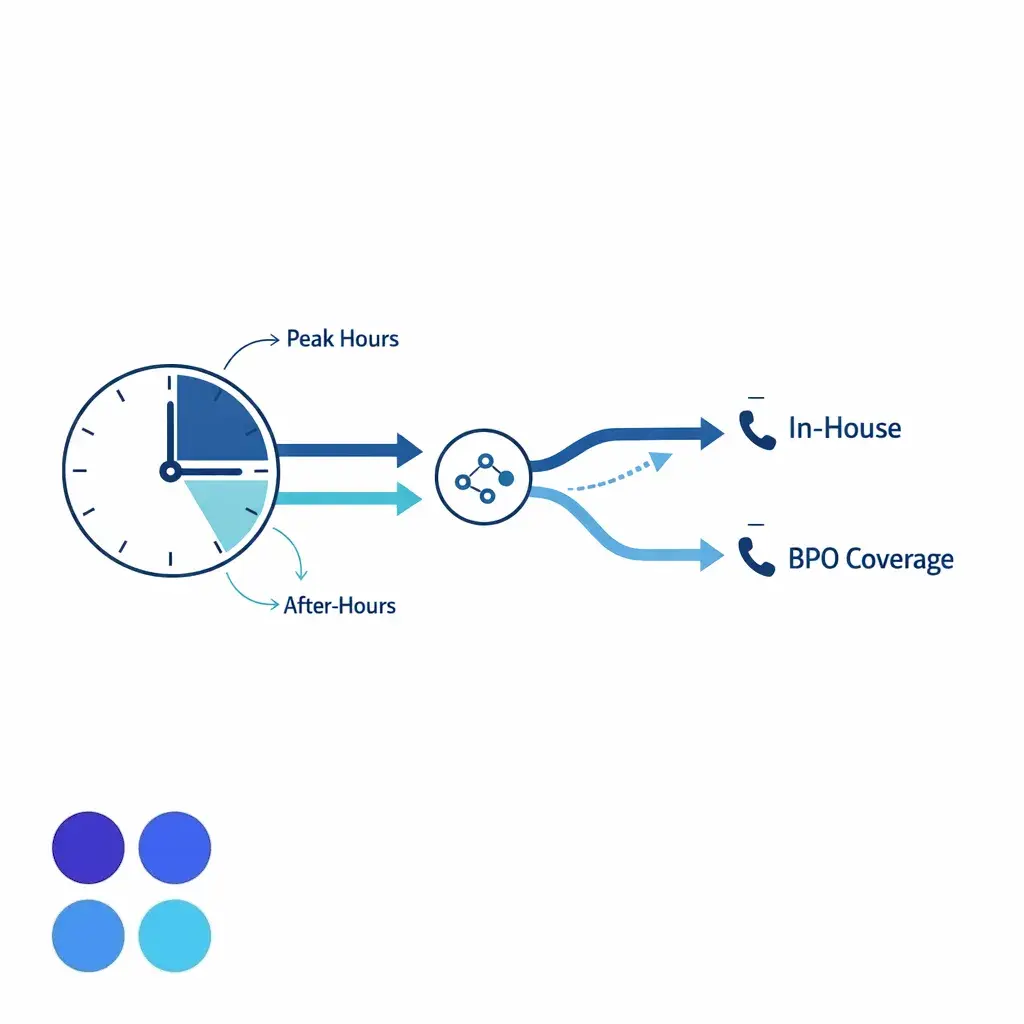
Start by outsourcing the moments your in-house team struggles most: lunch hours, evenings, weekends, seasonal peaks, marketing surges, and multi-location overflow routing. Keep high-stakes escalations and complex exceptions in-house, but outsource the “catch, qualify, route” layer.
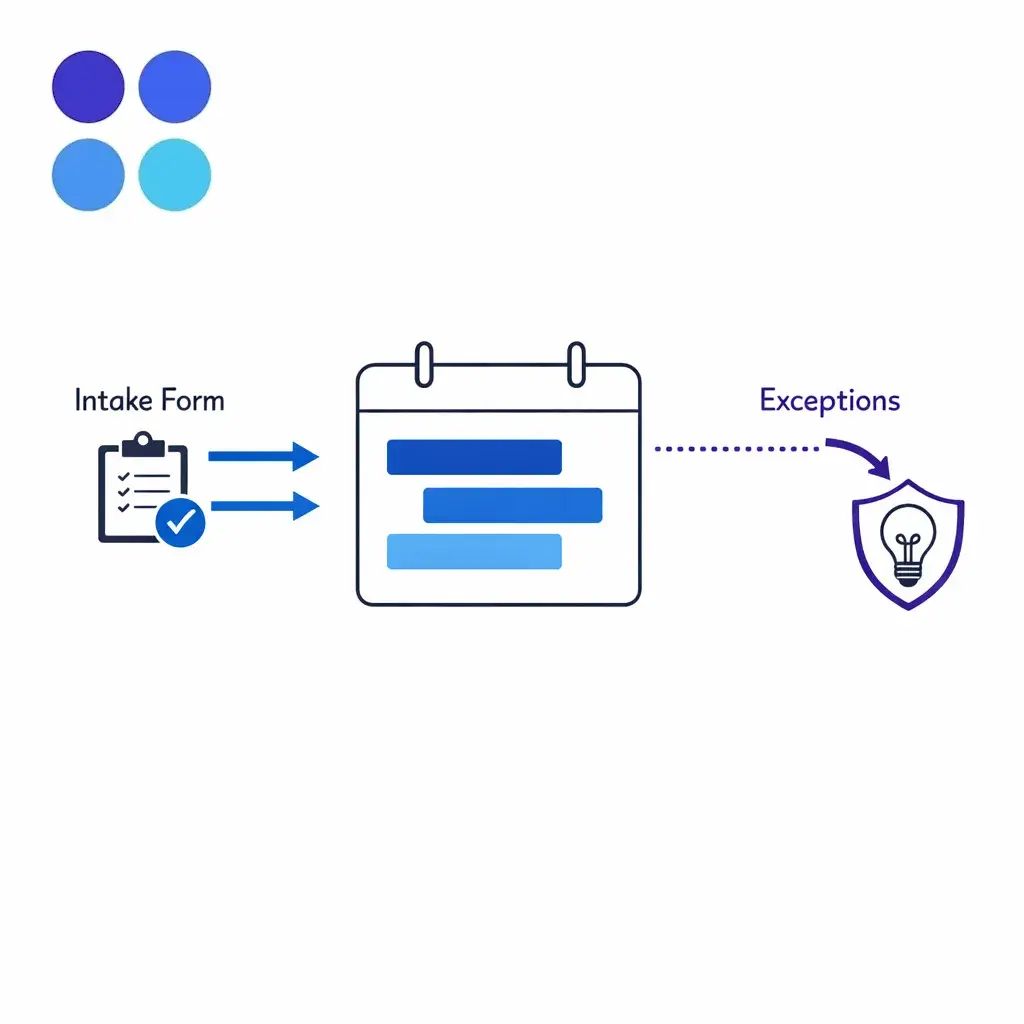
Appointment setting outsourcing works best when you can define eligibility criteria, scheduling rules, and what counts as a “confirmed” appointment. This is especially effective for multi-location businesses where each site has different hours, services, and provider availability.
To protect quality, separate the workflow into two parts: the outsourced team handles structured intake and booking, while your internal team owns exceptions (same-day emergencies, sensitive cases, special authorizations, or complex rescheduling rules).
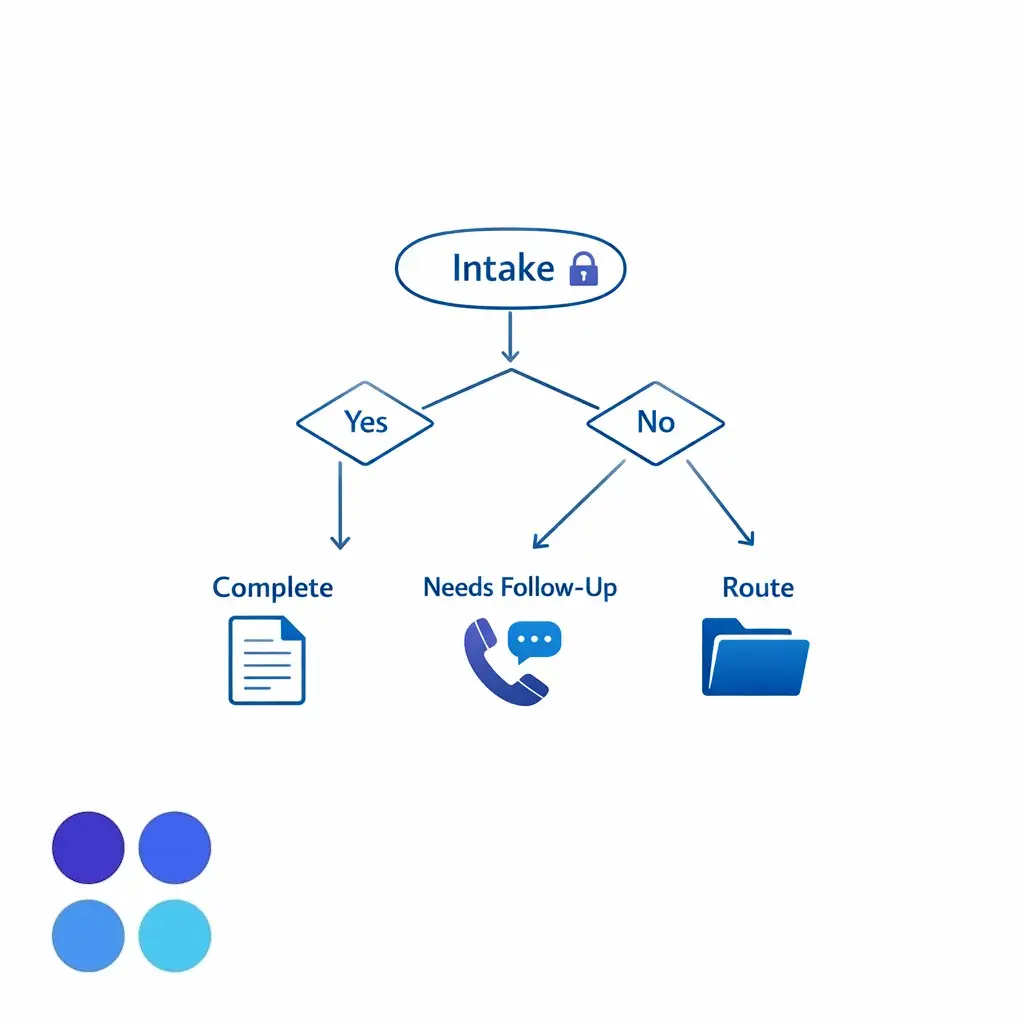
Legal intake-heavy firms often have a large surface area of repetitive work: capturing facts, checking for completeness, issuing next-step instructions, and routing to the right team. These steps are ideal for business process outsourcing services when scripts and decision trees are clear.

What to keep in-house: legal advice, nuanced case viability decisions, conflict management policy, and any steps where you want attorney-led discretion. Treat the BPO layer as a structured intake engine, not a substitute for legal judgment.
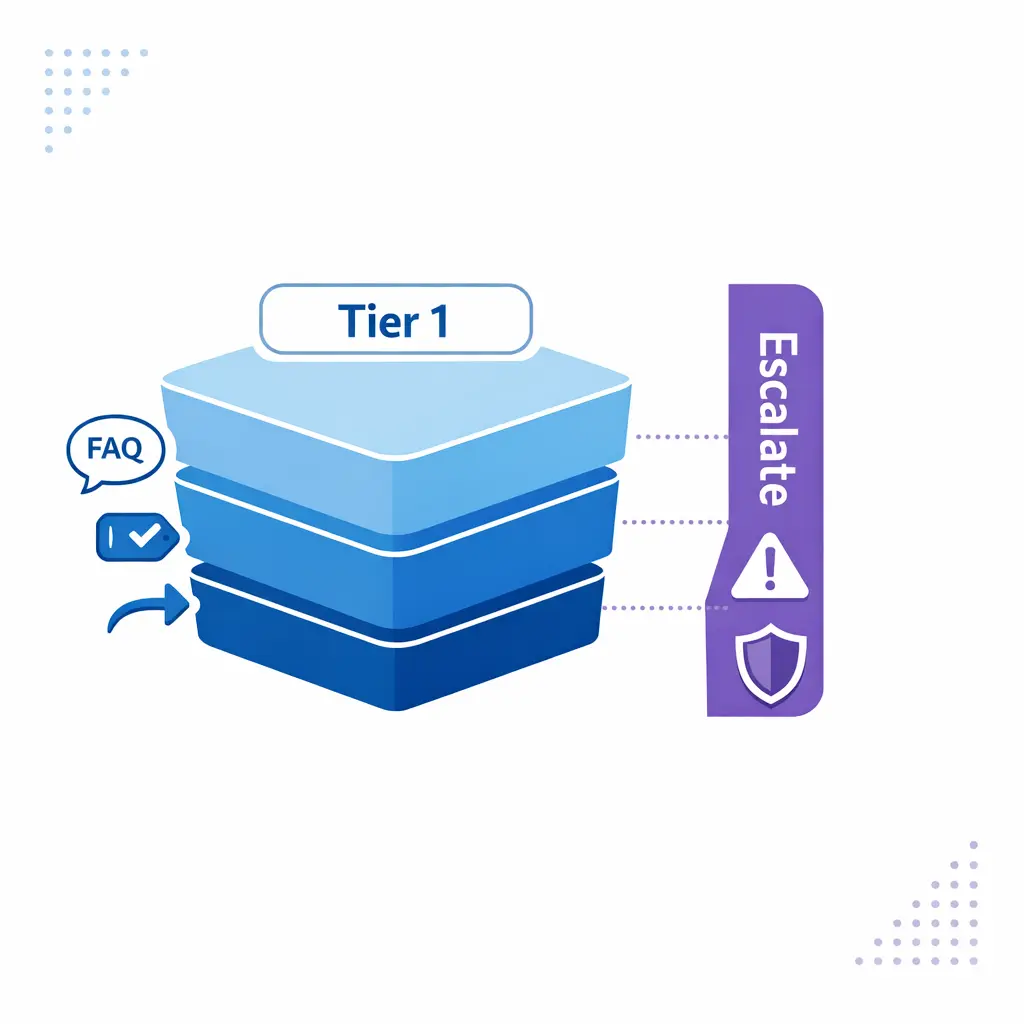
Outsourced customer support performs well when issues can be categorized, scripted, and escalated predictably. Start with Tier 1: basic FAQs, status checks, policy explanations, and routing to the right department.
Define a strict “escalate immediately” list for safety, revenue, and reputation risks. In practice, a strong outsourced call center partner can reduce internal interruptions by handling routine requests while improving response time for urgent escalations.
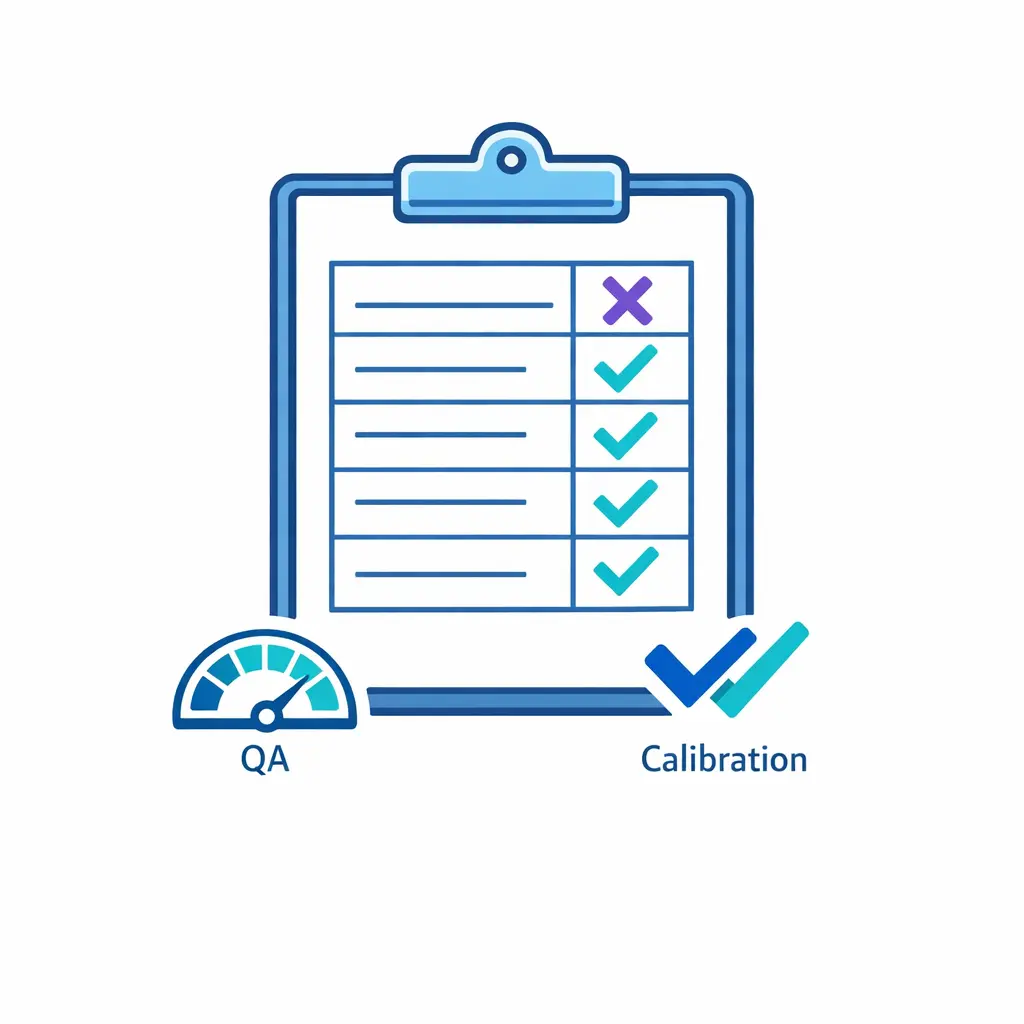
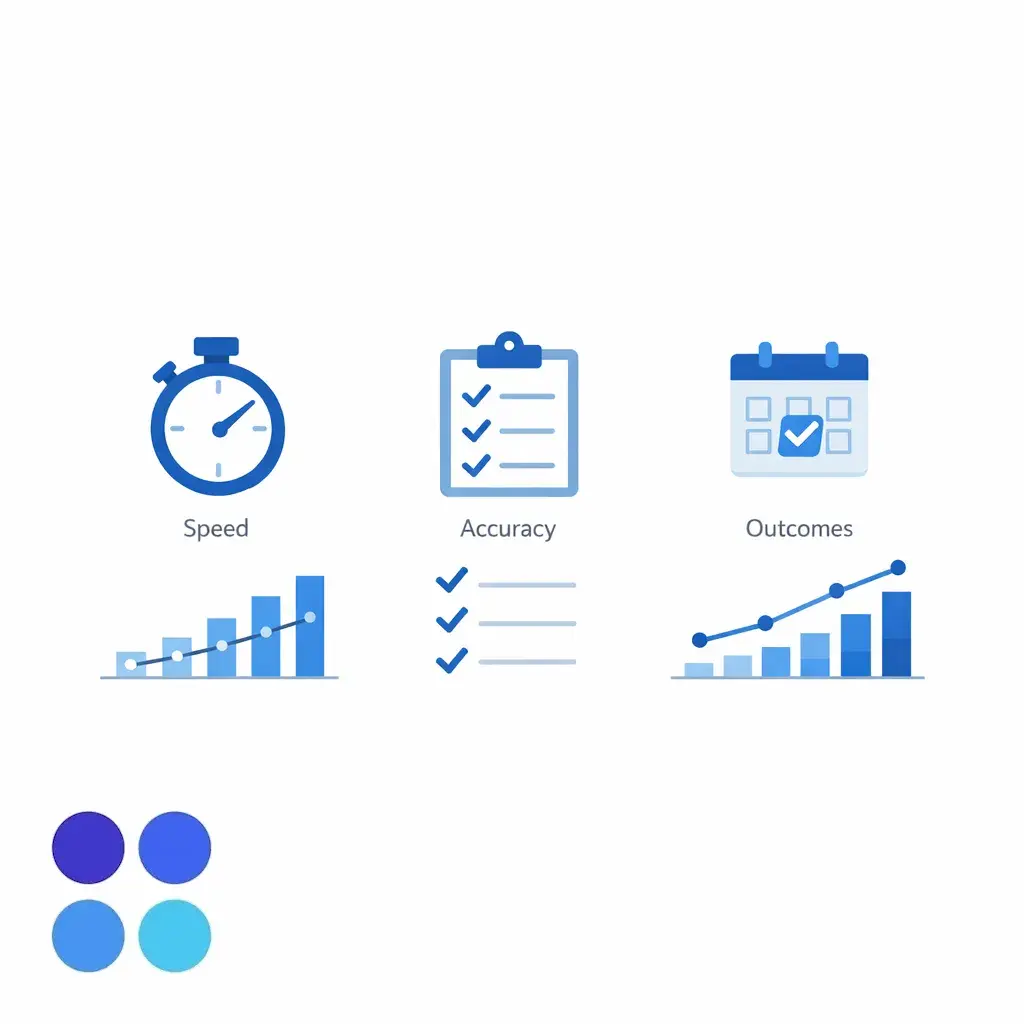
QA outsourcing can be one of the highest-leverage moves for distributed or multi-location teams because it turns “we think service is inconsistent” into measurable coaching data. Done well, QA is not just scoring. It is calibration, trend reporting, script improvements, and feedback loops to operations.
If you record calls or monitor interactions, your program should be designed with applicable consent and monitoring requirements in mind. In the U.S., call interception and recording rules can be implicated under the federal wiretap statute at 18 U.S.C. § 2511, and state rules can be more restrictive, so it is important to align monitoring practices with counsel and local requirements.
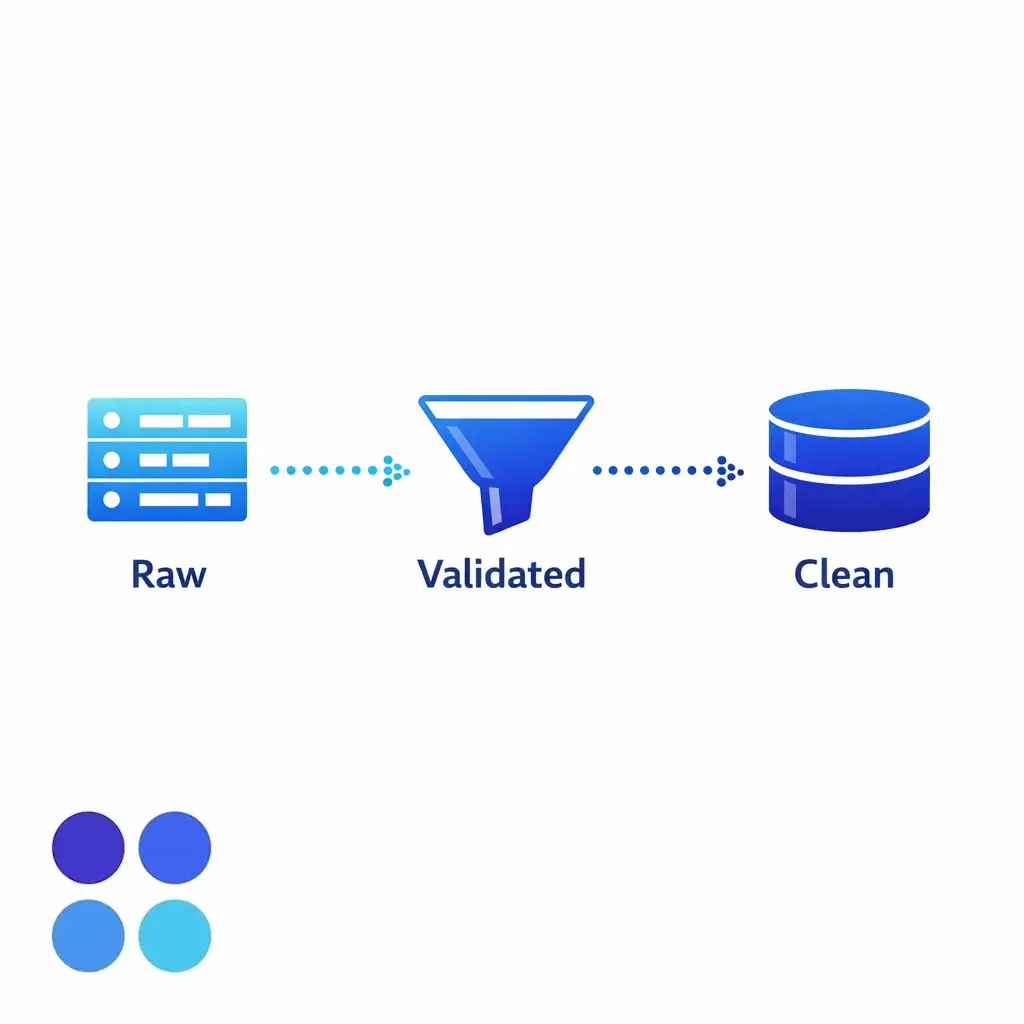
Back office outsourcing is often the second wave after phones and scheduling stabilize. Good starting points include structured data entry, document tagging, ticket enrichment, list hygiene, and standardized reporting prep.

The reason to start here is not just cost. These processes frequently create compounding errors when done inconsistently across locations. Outsourcing them with clear definitions and QA can improve downstream performance for billing, collections, case management, and analytics.
The goal is not to outsource everything. The goal is to outsource the right layer so your internal team can focus on decisions, relationships, and improvement.
Business strategy and policy: pricing, service guarantees, exception policy, and brand standards.
Complex escalations: high-value clients, sensitive complaints, cancellations that require discretion, and reputational risk events.
Clinical decision-making: for healthcare, anything that could be construed as diagnosis or triage should be governed under your clinical protocols and compliance program; safeguards for ePHI should align to the HIPAA Security Rule.
Legal judgment: legal advice, strategy, and tasks that require attorney discretion; confidentiality obligations remain central under ABA Model Rule 1.6.
Process ownership: someone internally must own SOPs, approvals, and continuous improvement, even if the work is outsourced.
A helpful rule: if the process output becomes a binding promise, a clinical determination, or a legal commitment, your internal team should keep final authority and sign-off.
Most BPO outsourcing failures are scoping failures. The work was “outsourced,” but the process was not clearly defined, the handoffs were unclear, or the tools were not ready.
Choose one workflow with clear success criteria. For example: “After-hours calls for Locations A–D,” “New lead intake for Campaign X,” or “Appointment reminders and confirmations for Service Line Y.”
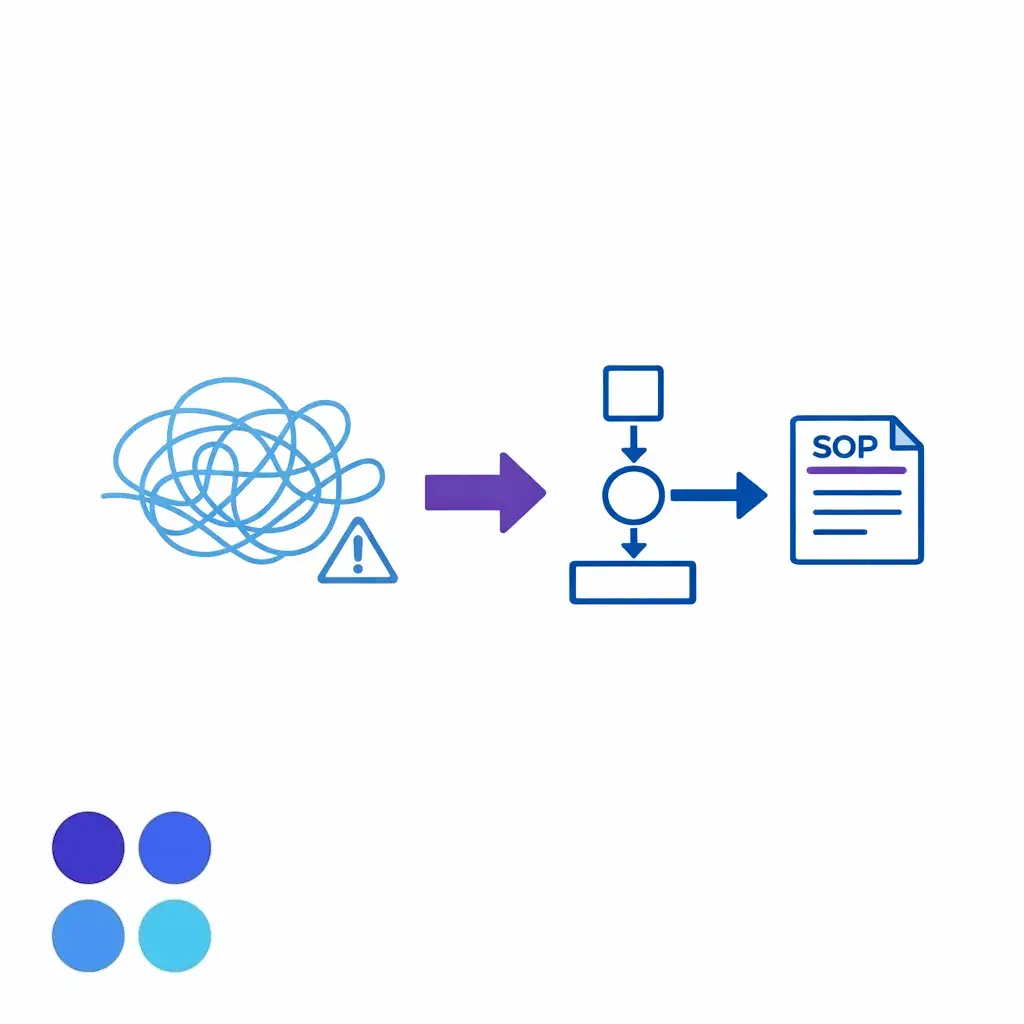
Then define what the BPO team will do, what they will not do, and exactly where escalations go. If you cannot write it down, you are not ready to outsource it.
Even the best outsourced call center cannot produce consistent results if scripts and policies are inconsistent across internal teams. Before launch, centralize the following:
Approved scripts and call flows
Definitions for dispositions and outcomes
Escalation matrix (who, when, how, and expected response time)
Location-specific details (hours, services, provider coverage, holidays)
Compliance notes and “never say / never do” rules
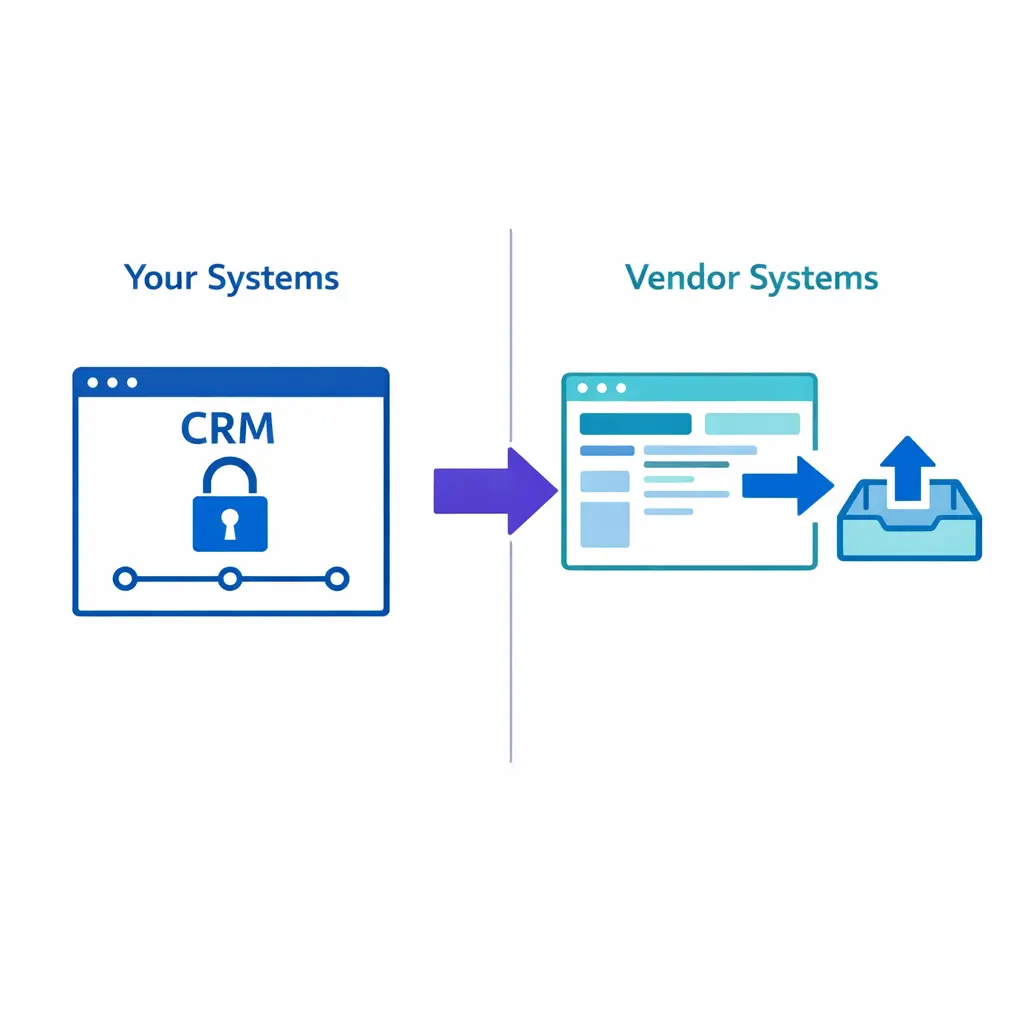
One of the most important design choices is whether the BPO team works inside your systems (CRM, practice management, EHR, case management) or in theirs with a defined handoff. Working inside your systems can improve visibility and reduce re-entry, but it also requires stronger access controls, training, and auditability.
An SLA for BPO should do more than promise “good service.” It should translate your business goals into measurable commitments and operating rhythms.
Speed to answer: define a target (for example, percentage of calls answered within a set number of seconds).
Abandonment: define acceptable abandonment, plus what happens when volume spikes.
Schedule adherence: define staffing reliability for peak windows and after-hours blocks.
QA scorecard: define critical errors (automatic fail) vs coaching opportunities.
Data accuracy: required fields completed, accuracy thresholds, and rework policy.
Script compliance: required disclosures, required questions, and prohibited language.
Appointment outcomes: show rate, reschedule rate, confirmation rate.
Intake outcomes: qualified rate, completeness rate, time-to-first-follow-up.
Escalation handling: time-to-escalate, time-to-resolution for defined categories.
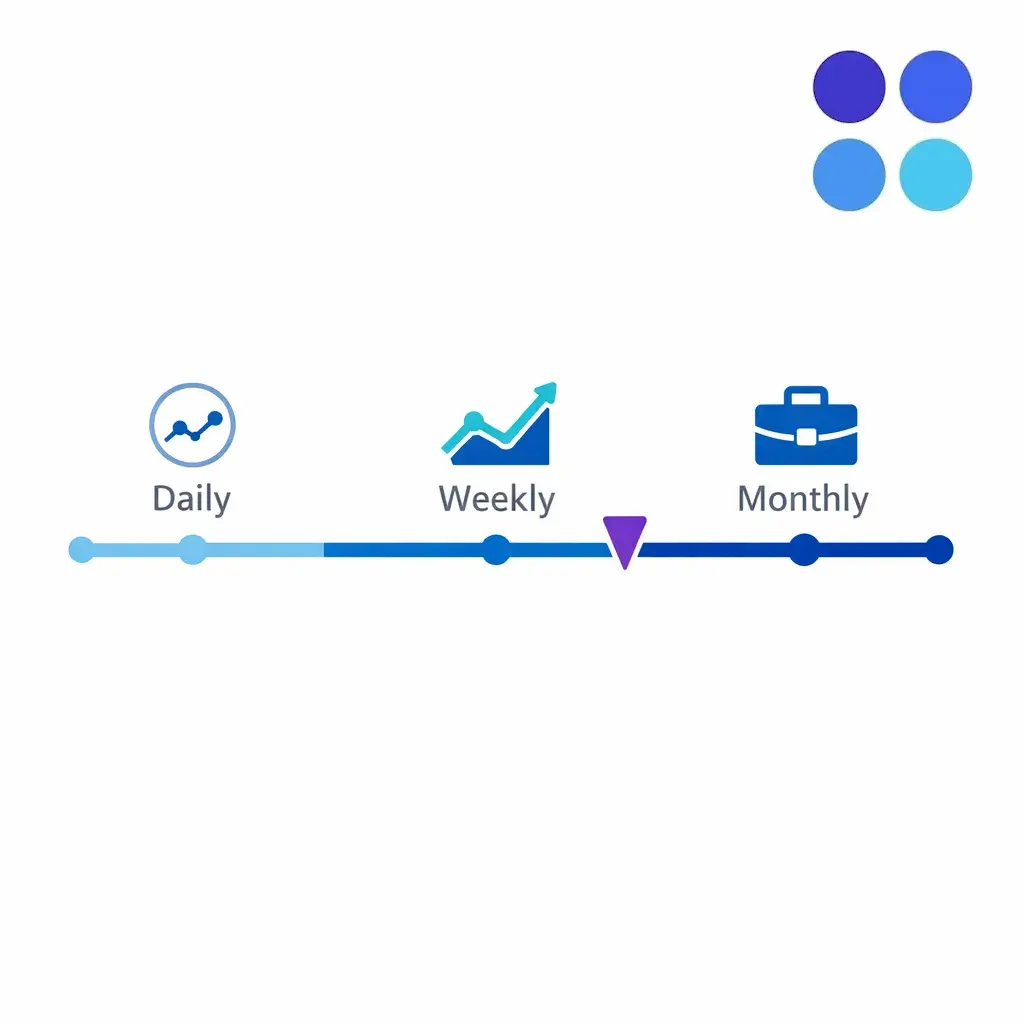
Reporting cadence: daily snapshot for volume + weekly trends + monthly executive review.
Calibration: scheduled QA calibration sessions so internal and outsourced teams grade quality the same way.
Continuous improvement: a formal mechanism for script updates, workflow changes, and retraining.
The most effective SLA structures include a short list of “non-negotiables” (critical errors, compliance failures, security violations) plus a smaller set of performance targets that are reviewed and adjusted as the process matures.
Compliance is not a reason to avoid BPO. It is a reason to be specific about governance, contracts, and controls.
If your outsourced partner will handle protected health information, you typically need a Business Associate Agreement consistent with HHS guidance on HIPAA business associates. Operationally, you also want clear guardrails around minimum necessary access, role-based permissions, and incident response aligned to the HIPAA Security Rule.
Outsourcing legal intake can work well, but it must be designed for confidentiality, access control, and supervision expectations. Keep your internal team accountable for policy and oversight consistent with duties reflected in ABA Model Rule 1.6, and ensure the outsourced team is trained on what they can collect, what they cannot promise, and when to escalate.
If your outsourced workflows include outbound calling or texting (including appointment reminders, follow-ups, or lead outreach), you should ensure your program aligns with applicable consent and marketing rules under the FCC’s telemarketing and robocalls guidance. Even when a workflow is operationally “simple,” outreach rules can be a risk multiplier if governance is unclear.
Many enterprise buyers request third-party assurance reports as part of vendor due diligence. If a provider offers SOC reporting, understand what report type applies and what it covers, using the AICPA’s overview of SOC reporting as a reference point for terminology and scope.
You do not need perfection to start. You need a clear view of the data involved, the risk tolerance for the workflow, and the controls that make the risk acceptable.
If your internal process is unclear, inconsistent, or constantly changing, a BPO partner will not “fix it” by sheer effort. Stabilize the workflow first, then outsource it.
BPO companies are most effective when you define outcomes, not just headcount. If your requirement is “two agents,” you will get two agents. If your requirement is “90% of calls answered within X seconds with Y QA score,” you are managing a process.
Even with quality assurance outsourcing, your organization must own the standards. Assign one accountable process owner per outsourced workflow, with authority to approve scripts, define critical errors, and update the escalation matrix.
Fast answers do not matter if intake data is wrong, appointments are booked incorrectly, or messages are incomplete. Balance responsiveness metrics with accuracy and outcome metrics.
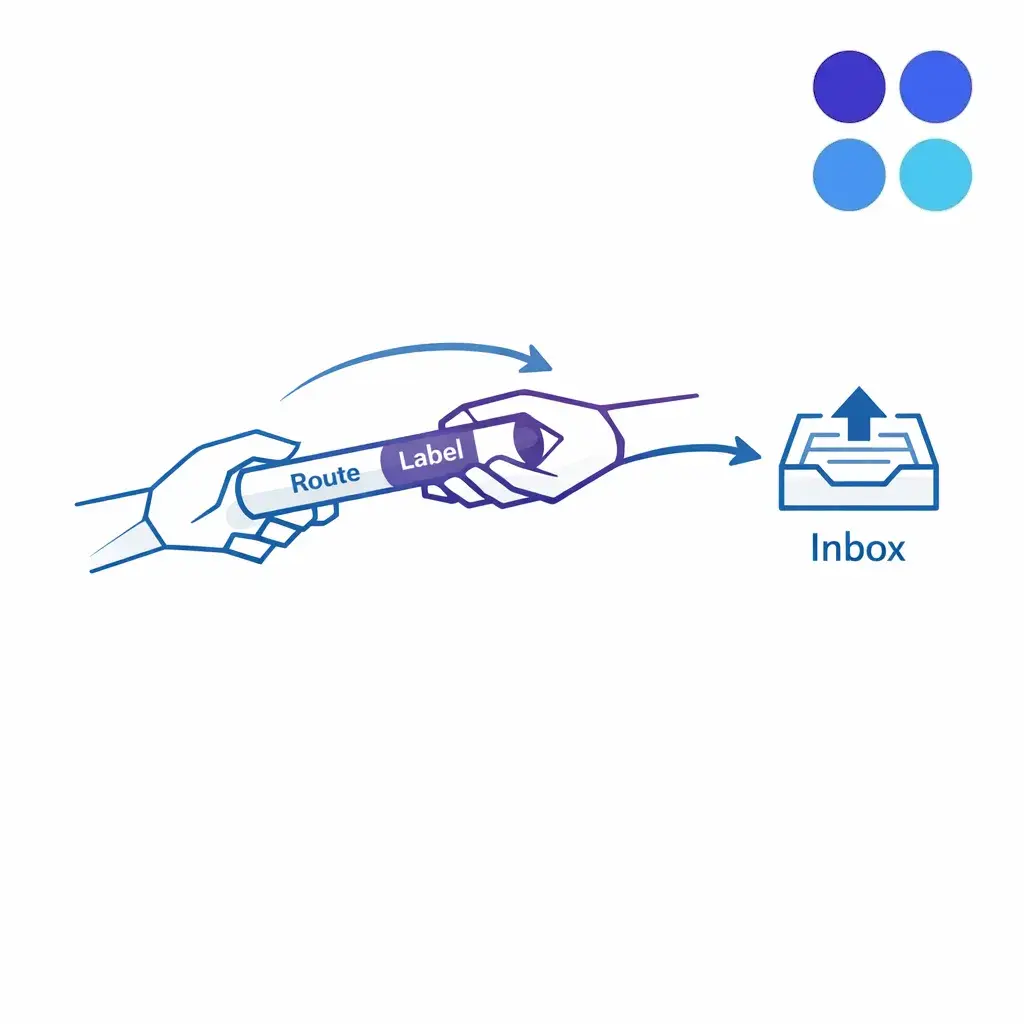
Many BPO engagements fail at the boundary between outsourced work and in-house teams. Fix the handoff with clear definitions: what gets routed, where it goes, how it is labeled, and what response time is required.
You do not need a massive transformation program to get value from business process outsourcing. You need a controlled rollout with feedback loops.
Pick one scope (overflow calls, after-hours, or appointment setting).
Document scripts, policies, and dispositions.
Define SLA targets and “critical error” rules.
Set reporting and escalation cadence.
Implement a QA scorecard and weekly calibration.
Review contact drivers and update scripts.
Identify the top 3 failure modes and fix them with training and SOP changes.
Add chat/email support or additional locations.
Extend into structured back office outsourcing (data enrichment, document tagging, reporting prep).
Refine incentives so the provider is rewarded for outcomes, not volume.
For high-growth teams, the best timing signal is simple: when leaders spend more time managing coverage gaps than improving customer experience, it is time to bring in BPO services with a real operating model.
Inventory your demand: identify peak call windows, after-hours volume, and which locations are consistently understaffed.
Choose your first workflow: start with inbound call center outsourcing or appointment setting outsourcing before more complex back office processes.
Write the “definition of done”: required fields, required disclosures, routing rules, and escalation triggers.
Decide what stays internal: complex escalations, high-judgment decisions, policy ownership, and final approvals.
Define your SLA for BPO: responsiveness + accuracy + outcomes + governance cadence.
Validate compliance fit: confirm HIPAA business associate needs using HHS business associate guidance, and align monitoring/recording practices with applicable law such as 18 U.S.C. § 2511 and relevant state requirements.
Plan the handoff: where data lands, who owns follow-up, and how exceptions are handled.
Schedule calibration: weekly QA calibration for the first 60 days.
If you are evaluating BPO services for overflow coverage, outsourced customer support, or back office outsourcing, the fastest way to reduce risk is to map one workflow end-to-end and pressure-test the SLA and QA plan before you expand scope.
Go Answer works with high-volume inbound teams that need dependable coverage, strong intake quality, and operational reporting that leadership can actually use. If you want to explore fit, bring one workflow (for example, after-hours calls or appointment setting) and your current pain points, and aim for a 30-day pilot plan you can measure.
Request Pricing based on your call volume, hours, and workflow complexity.

Learn why thousands of companies rely on Go Answer.
Try us risk-free for 14 days!
Enjoy our risk-free trial for 14 days or 200 minutes, whichever comes first.
Have more questions? Call us at 888-462-6793
Learn why thousands of companies rely on Go Answer.
Have more questions? Call us at 888-462-6793
If you would like to get in contact with a Go Answer representative please give us a call, chat or email.

Thanks for your interest!
A representative will be reaching out to you shortly.
Have more questions? call us on 888-462-6793
