
Legal Answering Service vs. Legal Intake Service: Which Workflow Fits Your Firm's Growth Goals?
By Matt O'HaverLast modified: July 21, 2026
Voted Top Call Center for 2024 by Forbes
Virtual Receptionists
Save time and money with our virtual receptionists.
AI Receptionist
AI-powered receptionist that answers, routes, and qualifies calls 24/7.
Enterprise Solutions
Solutions designed to scale with your organization’s needs.
Legal Services
Our virtual legal receptionists are experts in legal intake.
Last modified: July 21, 2026
Many firms ask for a legal answering service when the bigger issue is actually intake design. If calls are being missed, consultations are not getting booked, or signed-case efficiency is flattening, the real question is not only coverage. It is how much of the front-end workflow should be handled live, consistently, and with enough structure to move a matter forward.
This guide is for managing partners, firm administrators, intake managers, and litigation support teams deciding between message taking and structured legal client intake. It explains where a law firm answering service ends, where legal intake services begin, and where a hybrid legal intake answering service can make sense.
You will learn how the two workflows differ in staffing, script depth, qualification, conflict collection, escalation, documentation, and the KPIs that matter most. The goal is simple: choose the workflow that fits your current growth stage without overbuying complexity or underbuilding the front door to your firm.
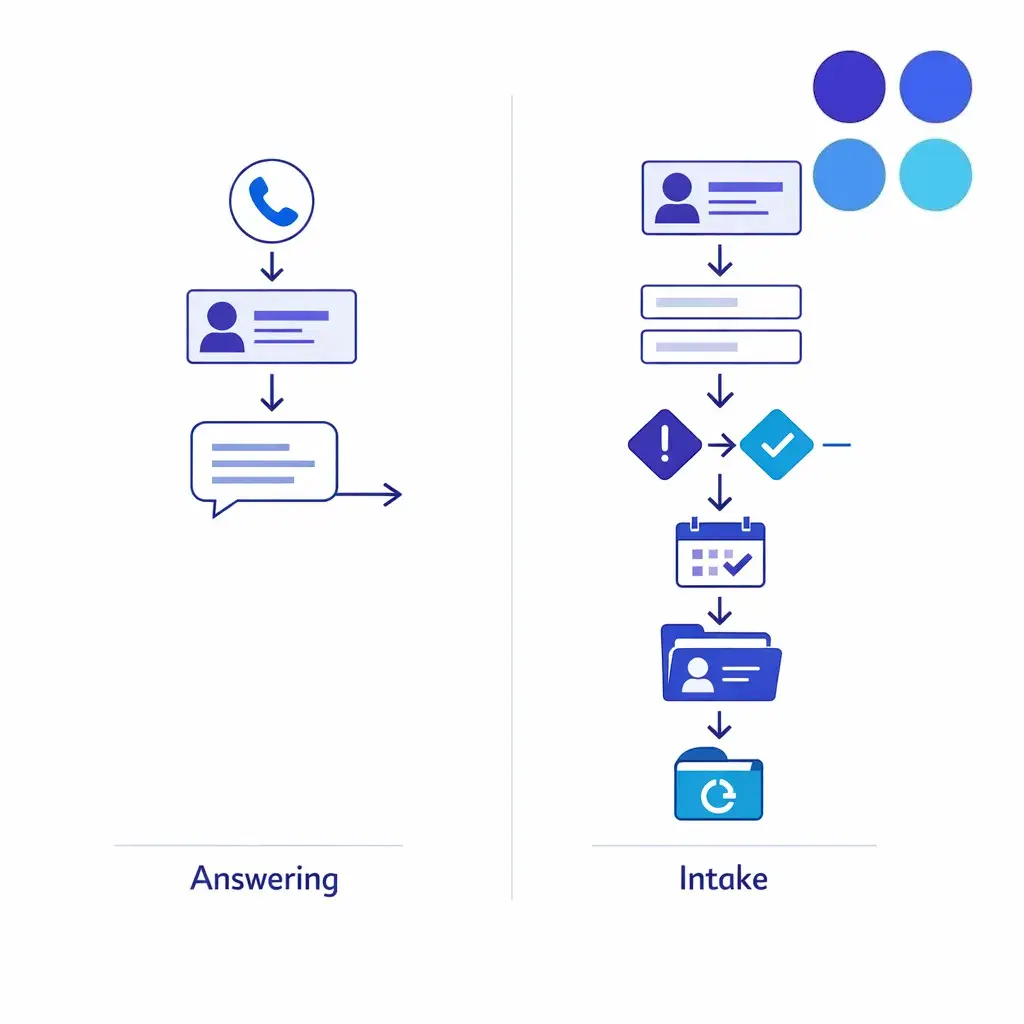
The split is simple: a legal answering service captures and routes contacts, while a legal intake service also gathers matter facts, applies screening, and drives the caller to the next approved step.
For this article, a legal answering service means live call coverage focused on answering, routing, basic message capture, and sometimes simple scheduling. A legal intake service means a more structured workflow that collects matter details, applies screening criteria, documents the interaction, and pushes the caller toward the next approved step.
A legal intake answering service sits between the two. It still provides live call coverage like a legal receptionist service or attorney answering service, but it also follows a deeper script, captures more facts, and can support qualification, consultation booking, or handoff into a law firm intake service.
A legal call center or virtual receptionist for law firms can be configured for either model. The label alone does not tell you what happens after "hello," so firms should evaluate the workflow itself rather than the service name.
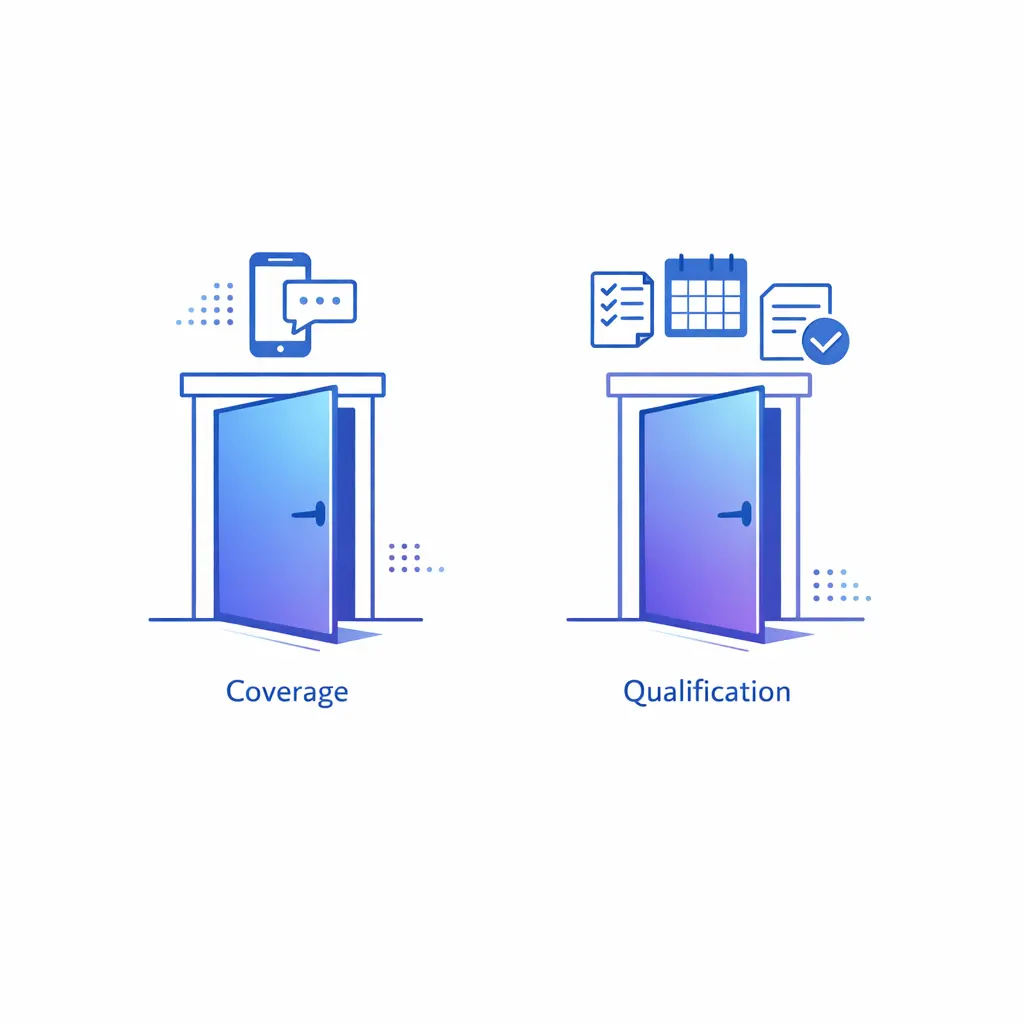
The service label rarely tells you what happens after "hello." One door is simple call coverage; the other is deeper qualification. Evaluate the workflow itself, not the name.
A legal intake specialist gathers the information a firm needs to decide what should happen next. That usually includes caller identity, matter basics, urgency, fit against screening criteria, and the next approved action such as a consult booking, attorney review, or decline.
The legal intake process starts when a caller reaches the firm and ends when the matter is documented and routed. In between, the workflow typically includes identity capture, issue spotting, qualification questions, conflict data collection, urgency triage, note entry, and appointment or escalation steps.
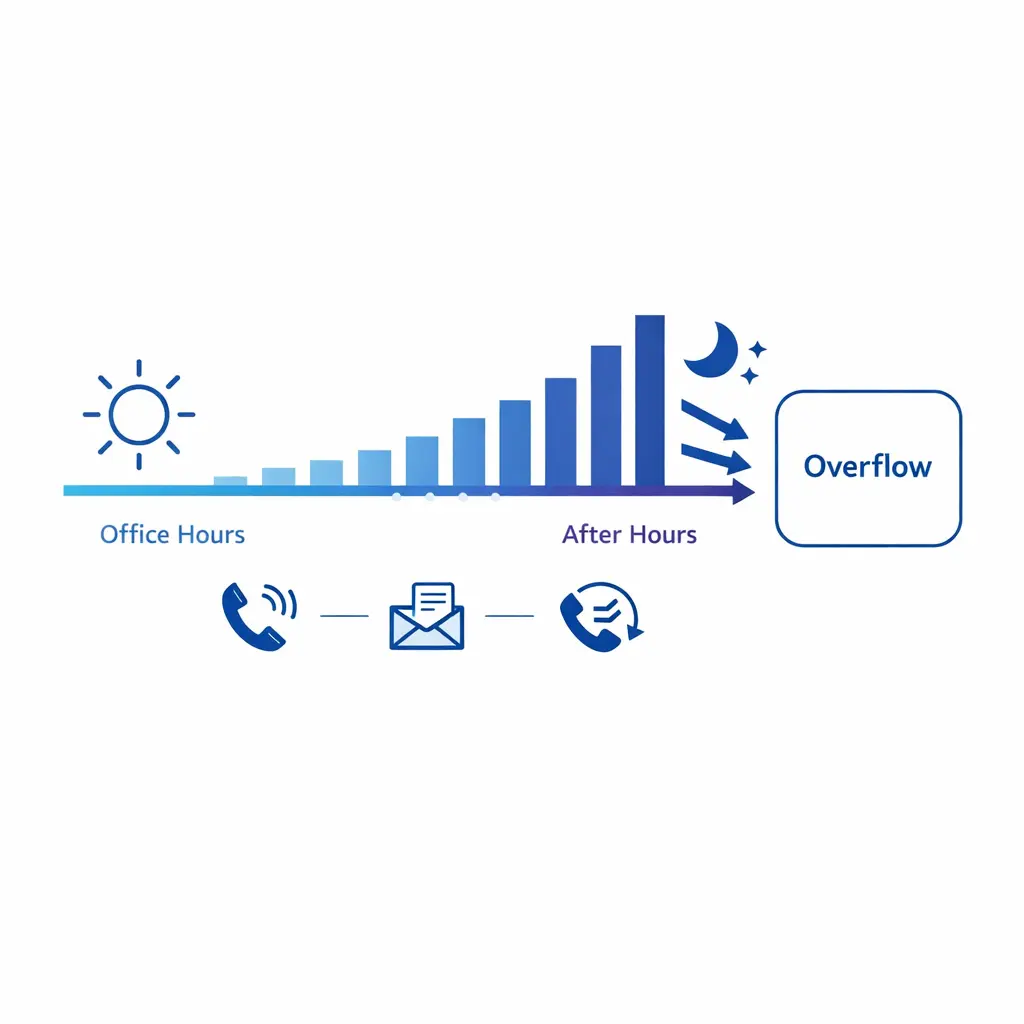
If the main leak is unanswered calls at night, on weekends, or during trial-heavy days, an after-hours legal answering service restores live coverage without redesigning intake.
If your main problem is unanswered calls during evenings, weekends, lunch hours, or trial-heavy days, a legal answering service is often the cleanest fix. An after hours legal answering service can give the firm live coverage without redesigning the entire intake operation.
This model works well when callers mainly need reassurance that a real person answered, a message was captured accurately, and the right team member will respond. A law firm answering service can also support overflow when in-house staff are strong during business hours but cannot keep up during spikes.
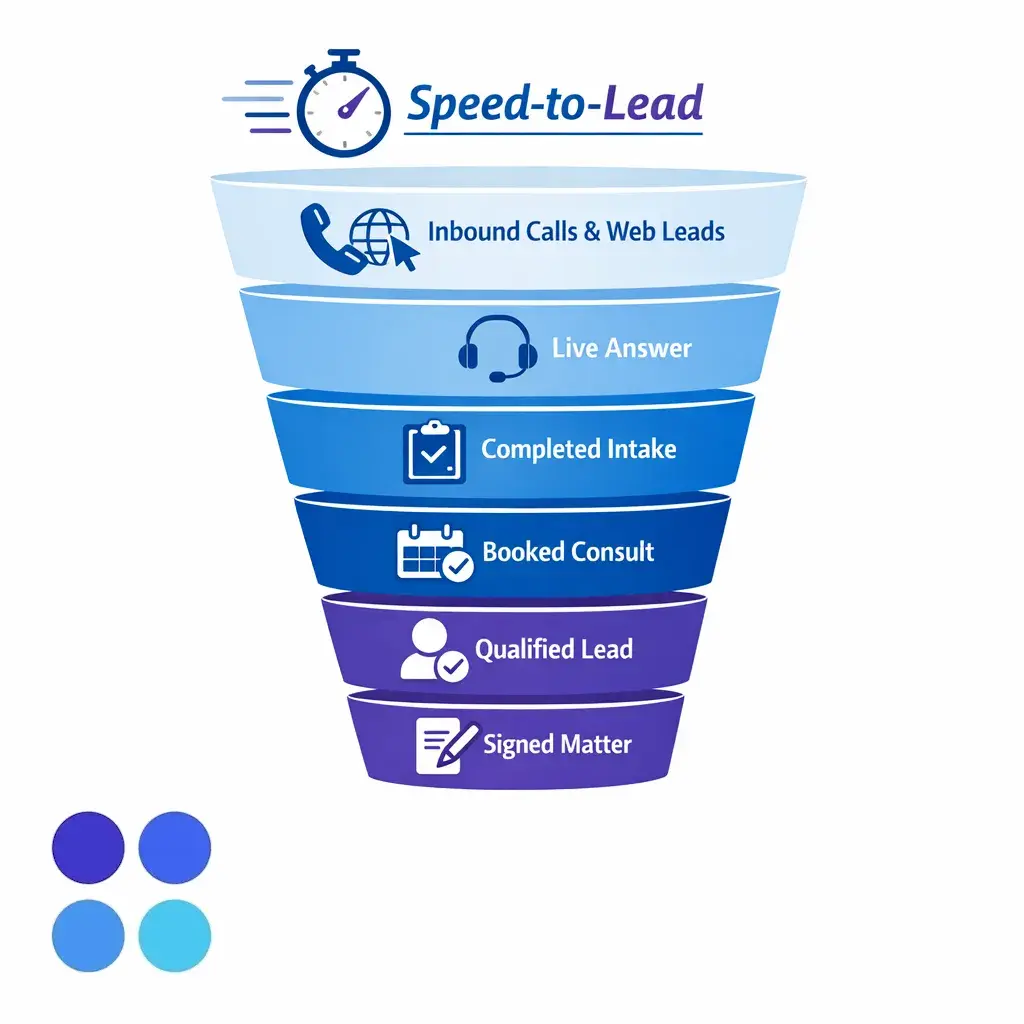
When a lead goes cold fast, speed is the whole game: answer quickly, reassure the caller, and respond before the inquiry is lost, even without full intake on every call.
Some practices do not need deep intake on every inbound contact. If the volume is uneven, the practice mix is broad, or the attorney still prefers to make the first real screening decision, message taking may be enough. This is common in small firms, boutique practices, and firms where many callers are existing clients, opposing counsel, vendors, or court contacts rather than new legal leads.
Sometimes the immediate goal is simple: answer fast, calm the caller, and make sure the firm responds before the lead goes cold. That matters because lead-response research summarized by Harvard Business Review found that firms contacting a web lead within an hour were far more likely to qualify it than firms that waited longer. If your biggest leak is missed first contact, the best legal answering service acts as a reliable front door, and it does not need to perform full legal client intake on every call to create value.
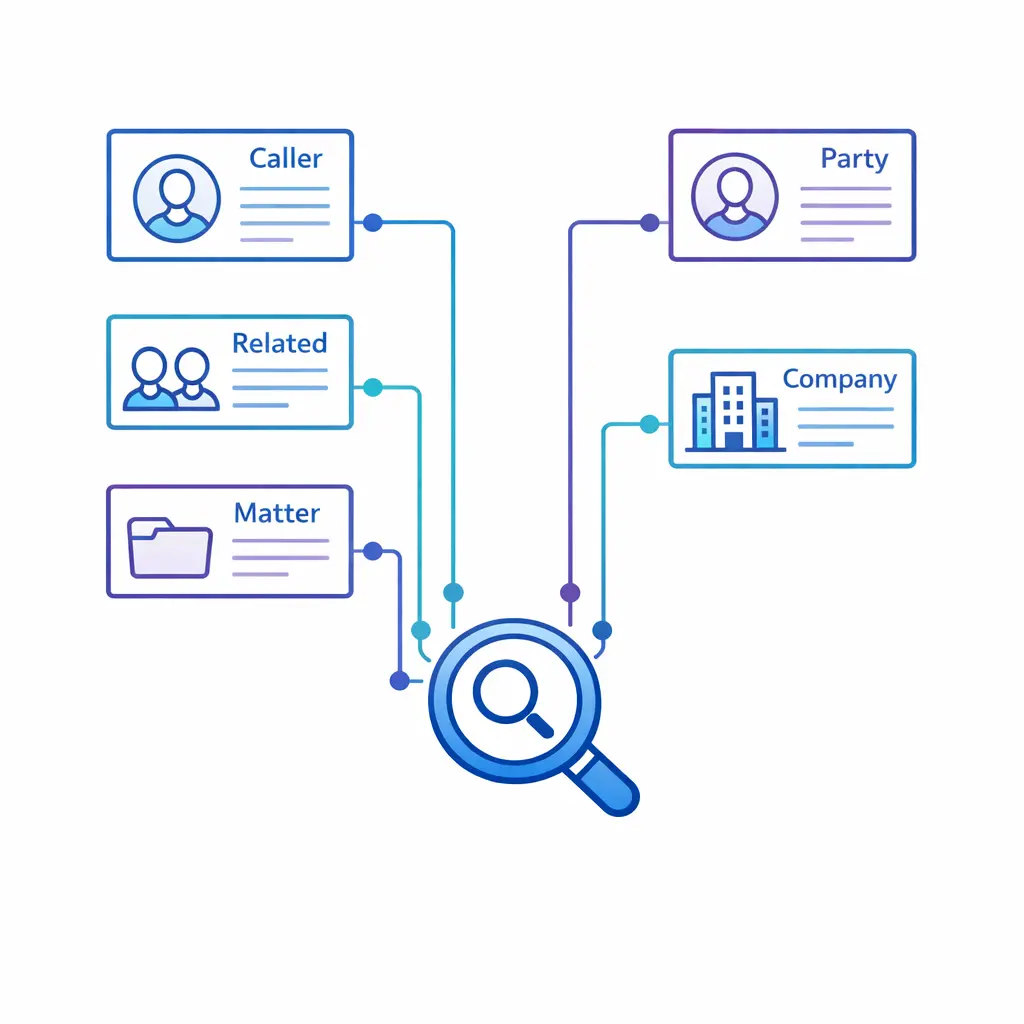
Intake shines when the firm needs a repeatable method to gather every conflict-search field, capture deadlines, and flag urgent facts before attorney review.
If your firm buys leads, depends on referrals, or runs high-volume plaintiff marketing, basic message taking is usually not enough. In those environments, legal intake services help the firm determine whether the caller matches practice-area criteria before staff time is spent on a consult.
This is especially important because information shared by a prospective client can trigger duties before engagement under ABA Model Rule 1.18 on duties to prospective clients. A structured intake workflow helps the firm decide what to ask, what not to ask, and how to route the matter once the initial facts are known.
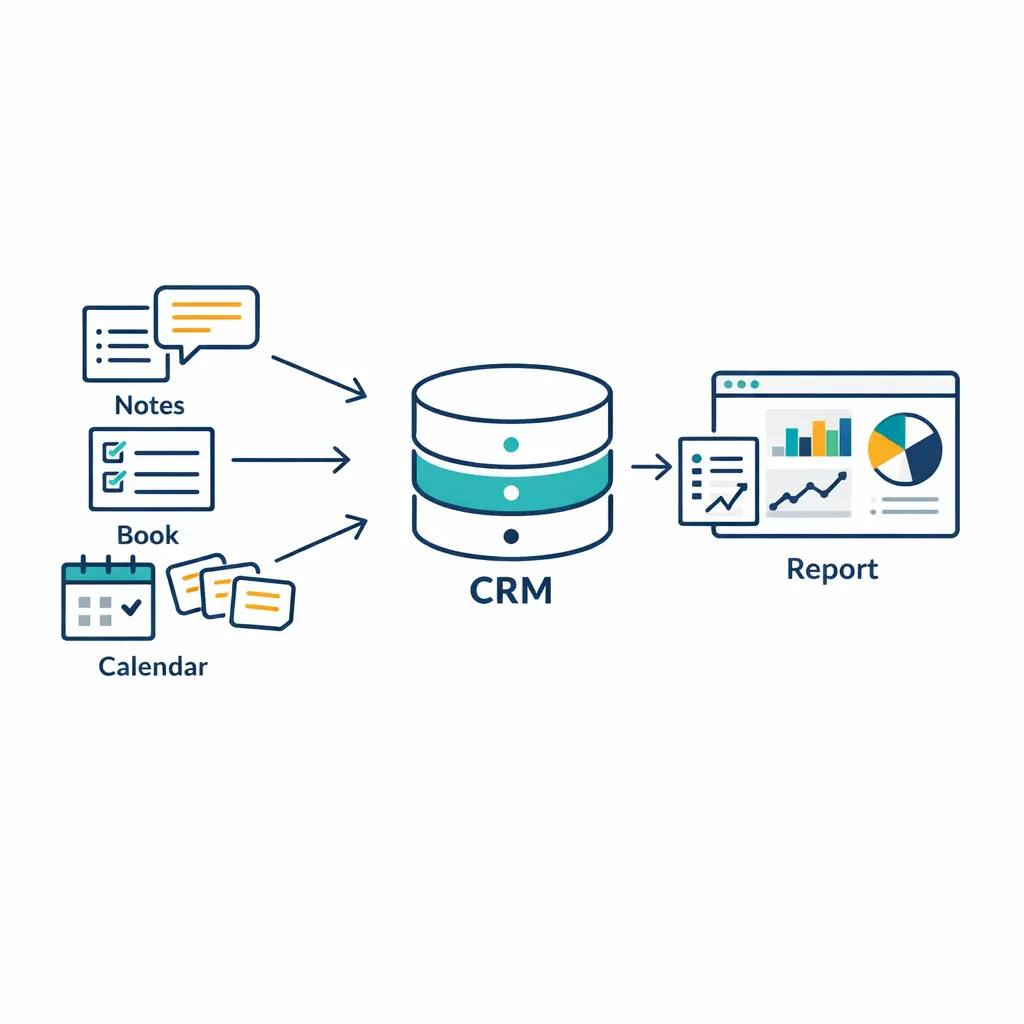
The output of intake should be usable, not just readable: standardized notes, required fields completed, a clear disposition, and a booked next step that flows into your system of record.
A basic attorney answering service can collect names for later review. A legal intake service is stronger when the firm needs a repeatable method for gathering all required conflict-search fields, capturing deadlines, flagging urgent facts, and making sure the intake record is complete enough for legal review. This matters in plaintiff work, litigation support workflows, multi-office firms, and any practice where the cost of a bad consult is high.
The output of intake should be usable, not just readable. A structured workflow should leave the firm with standardized notes, required fields completed, a clear disposition, and a booked next step when appropriate. If your system of record depends on connected workflows, platforms supported by ecosystems like Clio's app directory and MyCase integrations make it easier to design intake around documentation, scheduling, and handoff instead of free-form messages.
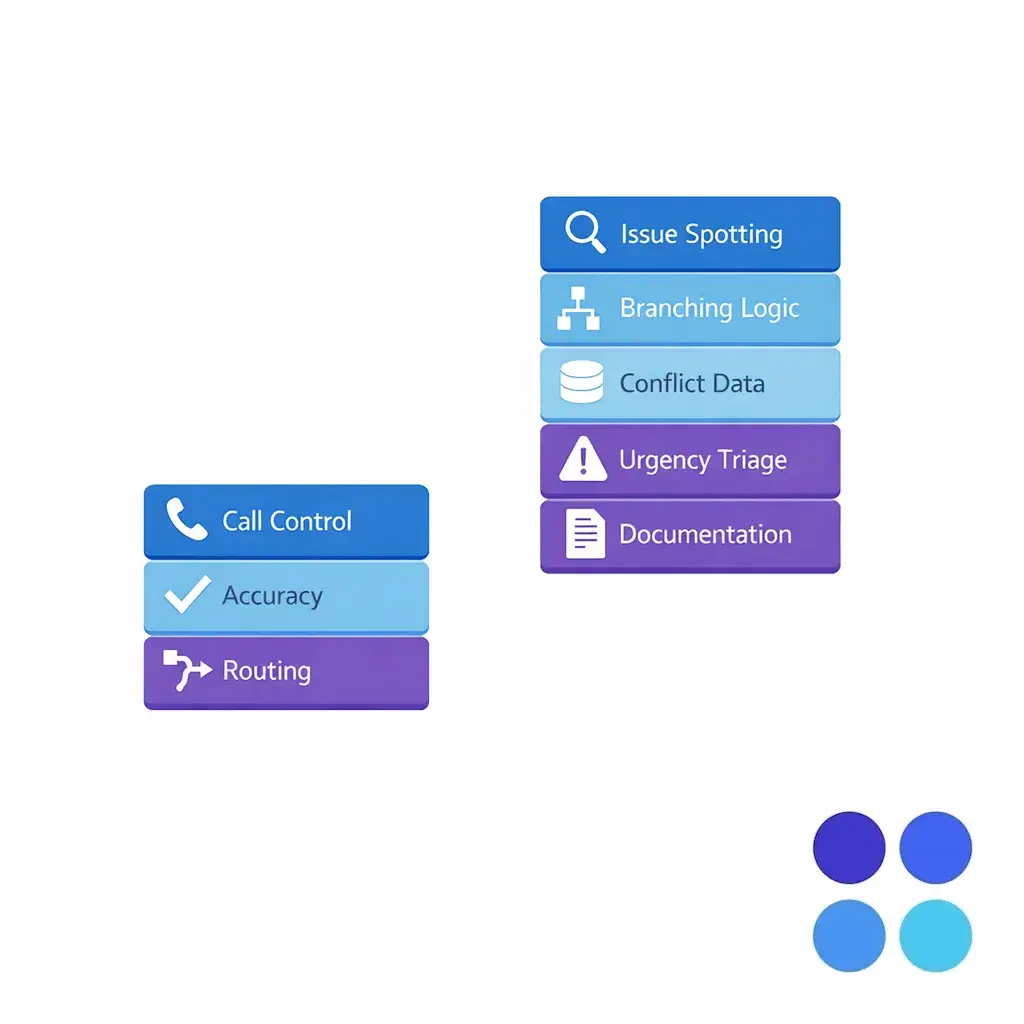
Answering agents need call control and accuracy; intake specialists need that plus issue spotting, branching judgment, and command of firm-specific criteria.
A law firm answering service needs agents who can control the call, follow instructions, capture the right details, and route accurately. A legal intake specialist needs all of that plus stronger issue spotting, better branching judgment, and tighter command of firm-specific criteria.
When nonlawyer staff handle client-facing workflows, the firm still owns supervision, instructions, and quality control under ABA Model Rule 5.3 on responsibilities regarding nonlawyer assistance. That means your provider choice should be evaluated like an extension of operations, not just a vendor that picks up the phone.
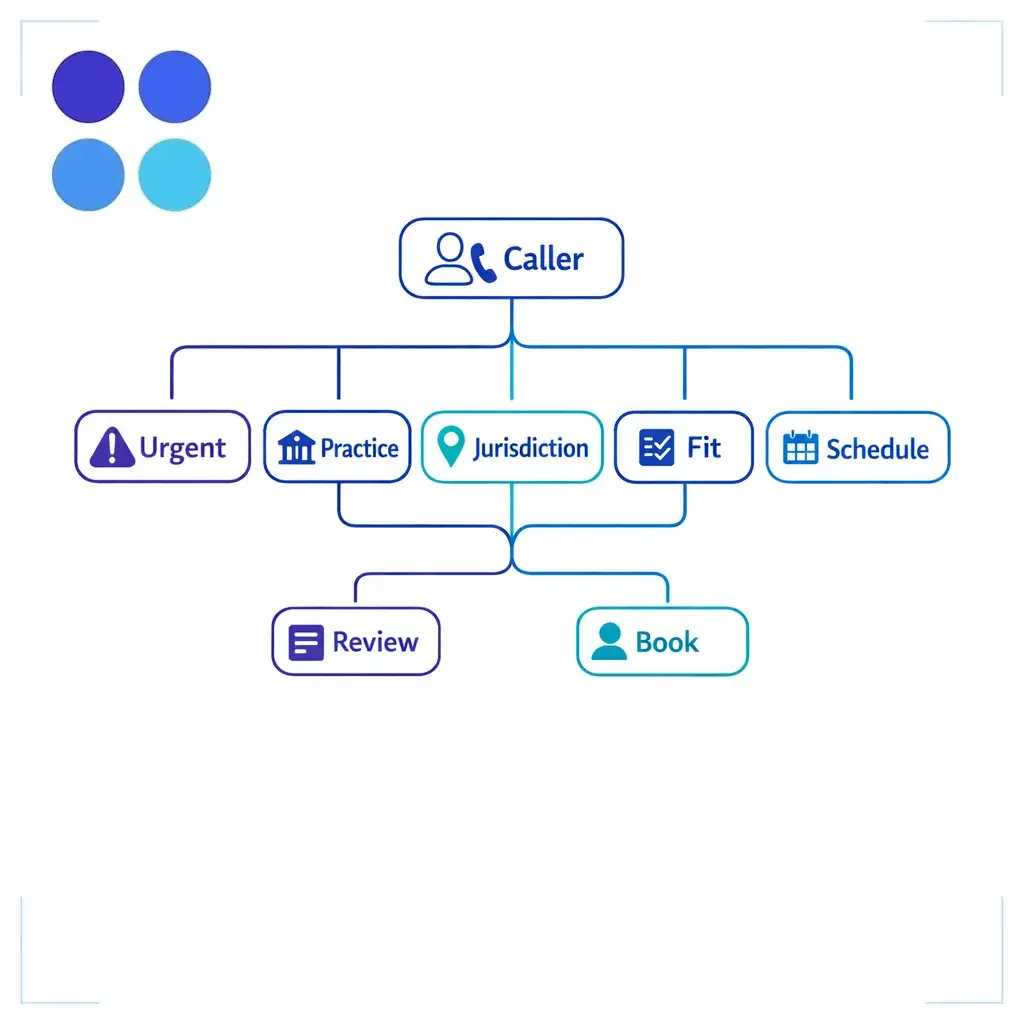
Answering scripts are linear; intake scripts are decision trees that branch by practice area, source, jurisdiction, urgency, and fit, capturing decision-critical facts first.
Answering scripts are usually linear. They capture who is calling, why they are calling, whether the matter is urgent, and how the firm should respond.
Intake scripts are decision trees. They often branch by practice area, ad source, jurisdiction, language, urgency, and fit criteria, which is why script ownership matters as much as agent quality.
The common mistake is assuming a longer script is always better. It is not. The right script captures decision-critical information first, then stops as soon as the next approved action is clear.
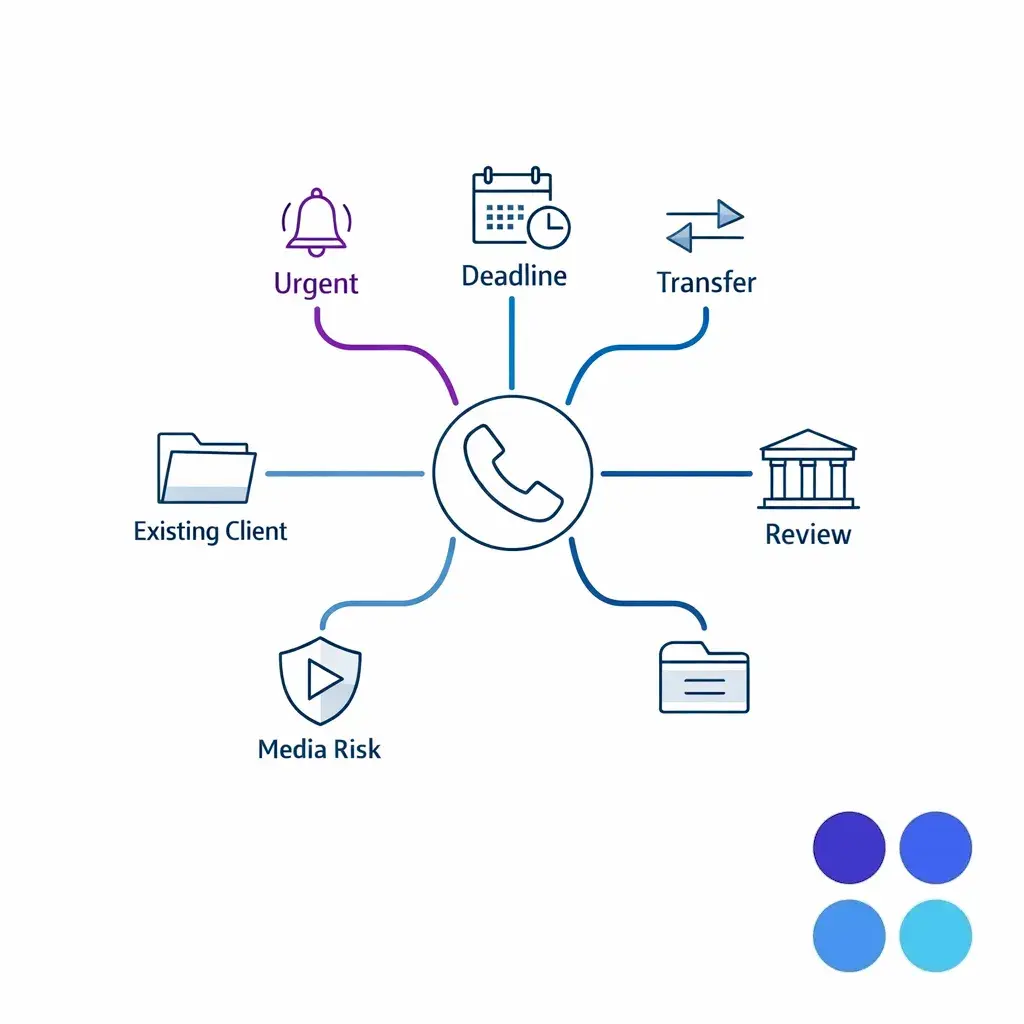
Intake usually needs more escalation rules than answering, routing differently for arrests, imminent deadlines, service issues, media exposure, or high-value matters.
Every legal call center needs escalation rules, but intake workflows usually need more of them. A message-only workflow may escalate for "urgent" matters; an intake workflow often escalates differently for arrest-related calls, imminent deadlines, service issues, potential media exposure, existing client emergencies, or high-value matters.
Those rules should also reflect ABA Model Rule 1.6 confidentiality obligations so agents gather only the information the firm truly needs and route sensitive details through the right channel. Better escalation is not just faster. It is narrower, cleaner, and safer.
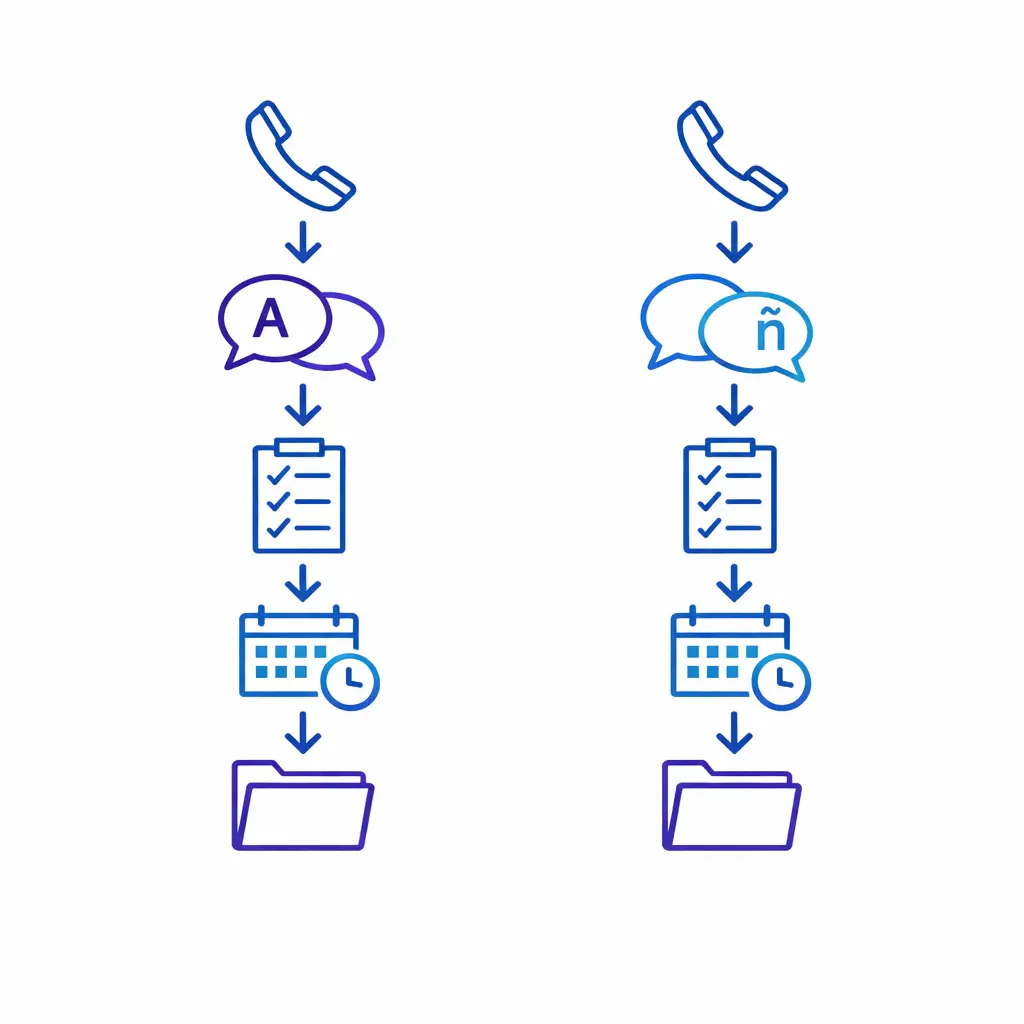
Bilingual coverage helps only if the workflow is consistent across languages, keeping qualification standards, required fields, tone, and booking logic aligned no matter who answers.
Bilingual legal answering service coverage is useful only if the workflow is consistent across languages. The goal is not simply translating the script. The goal is keeping qualification standards, required fields, tone, and booking logic aligned no matter who answers. That is one reason firms with a growing Spanish-speaking caller base often move from basic answering into structured intake, where consistency becomes as important as availability.
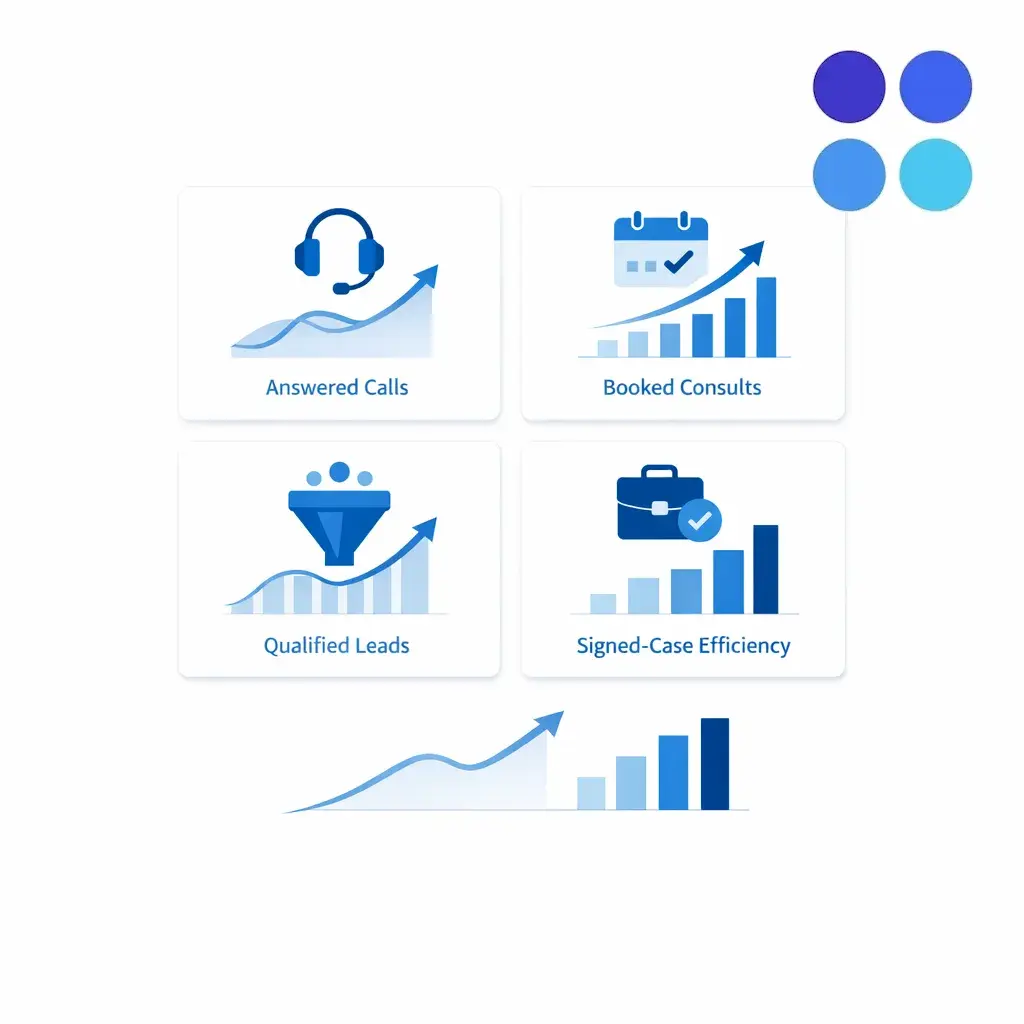
Compare workflows on speed-to-lead, contact rate, consult booking rate, qualified lead rate, signed-case efficiency, and missed-call rate, not just minutes answered.
Measure the time from first contact to first human response, and separately the time from first contact to completed intake or booked consult. A legal answering service often improves the first metric quickly. A legal intake service should improve both.
Contact rate shows how many inquiries your workflow reaches live. Consult booking rate shows how many of those conversations turn into scheduled next steps.
If contact rate rises but booking rate does not, your firm may have solved coverage without solving qualification. That is usually the point where firms move from answering into intake.
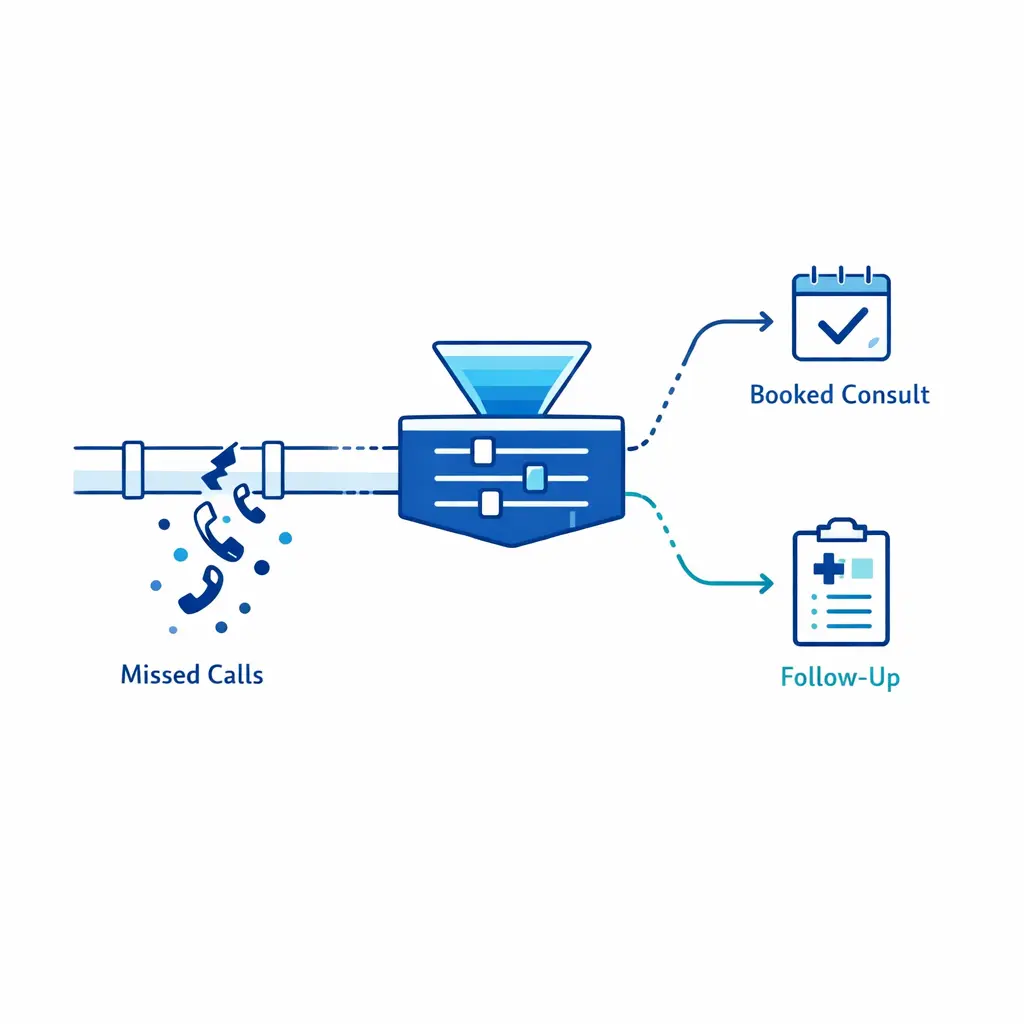
If the missed-call problem is concentrated after hours, plug that leak first with live coverage, then decide whether deeper intake belongs after-hours, during business hours, or both.
Track qualified leads as a percentage of total new inquiries, and break it out by channel, time of day, and practice area. This reveals whether your intake process is actually screening well or just filling calendars.
Signed-case efficiency is the most useful bridge metric for growth-minded firms. A practical version is signed matters divided by qualified intakes, with a second view of signed matters divided by total inquiries.
This metric helps you compare shallow answering workflows against deeper intake workflows on the outcome that matters most. It also shows whether script changes improve quality or only increase volume.
If your missed-call problem is concentrated outside normal staffing hours, start there. An after hours legal answering service can improve capture immediately, and then you can decide whether deeper legal intake belongs after-hours, during business hours, or both.
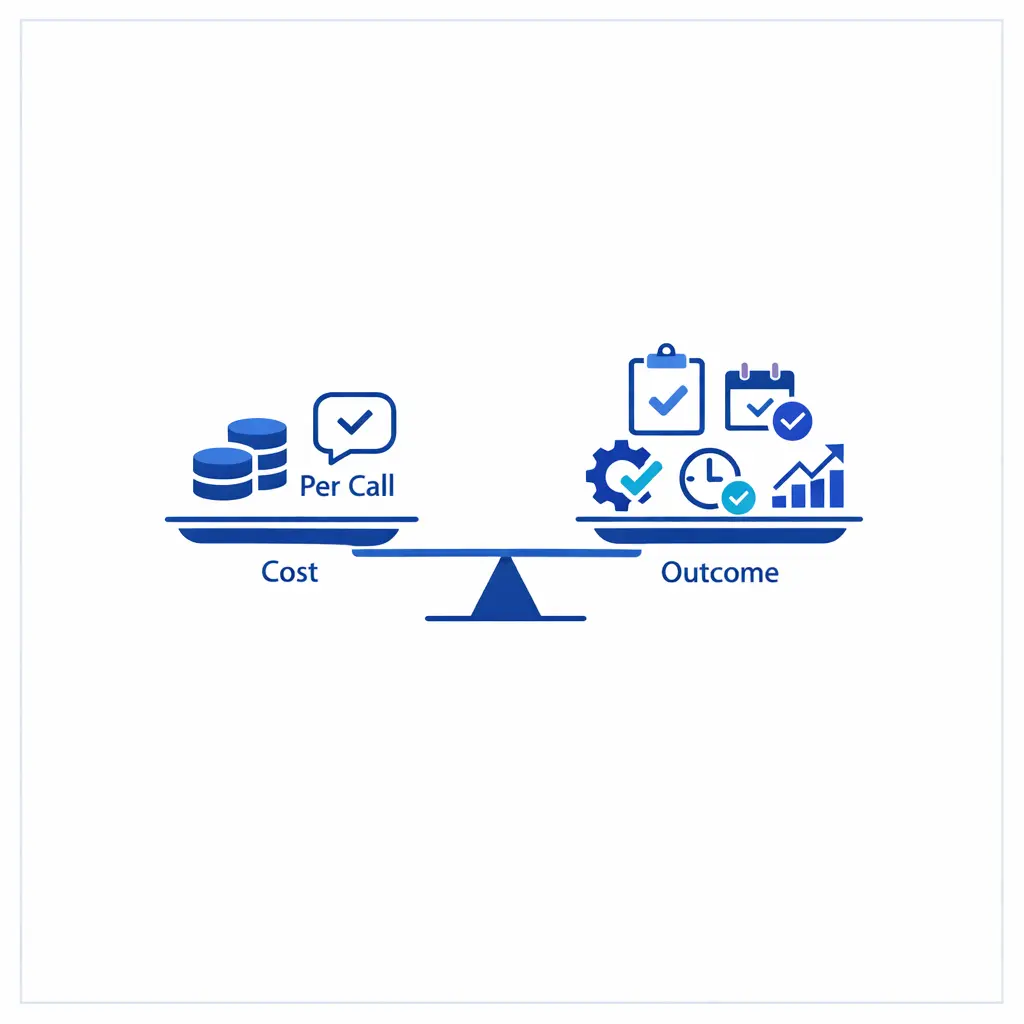
Measure intake against outcomes, not just vendor fees: cost per answered call, completed intake, consult booked, qualified lead, and signed matter, plus internal labor saved.
Answering services are often easier to buy because the pricing model is simpler. Firms usually compare per-minute, per-call, or bundled coverage and focus on whether the provider can answer reliably and route accurately.
Legal intake services usually cost more operationally because the workflow demands more training, deeper scripting, QA, supervision, and often scheduling or documentation steps. That does not make intake more expensive in business terms. It only means the ROI has to be measured against better outcomes, not just lower vendor fees. Use a comparison framework like this:
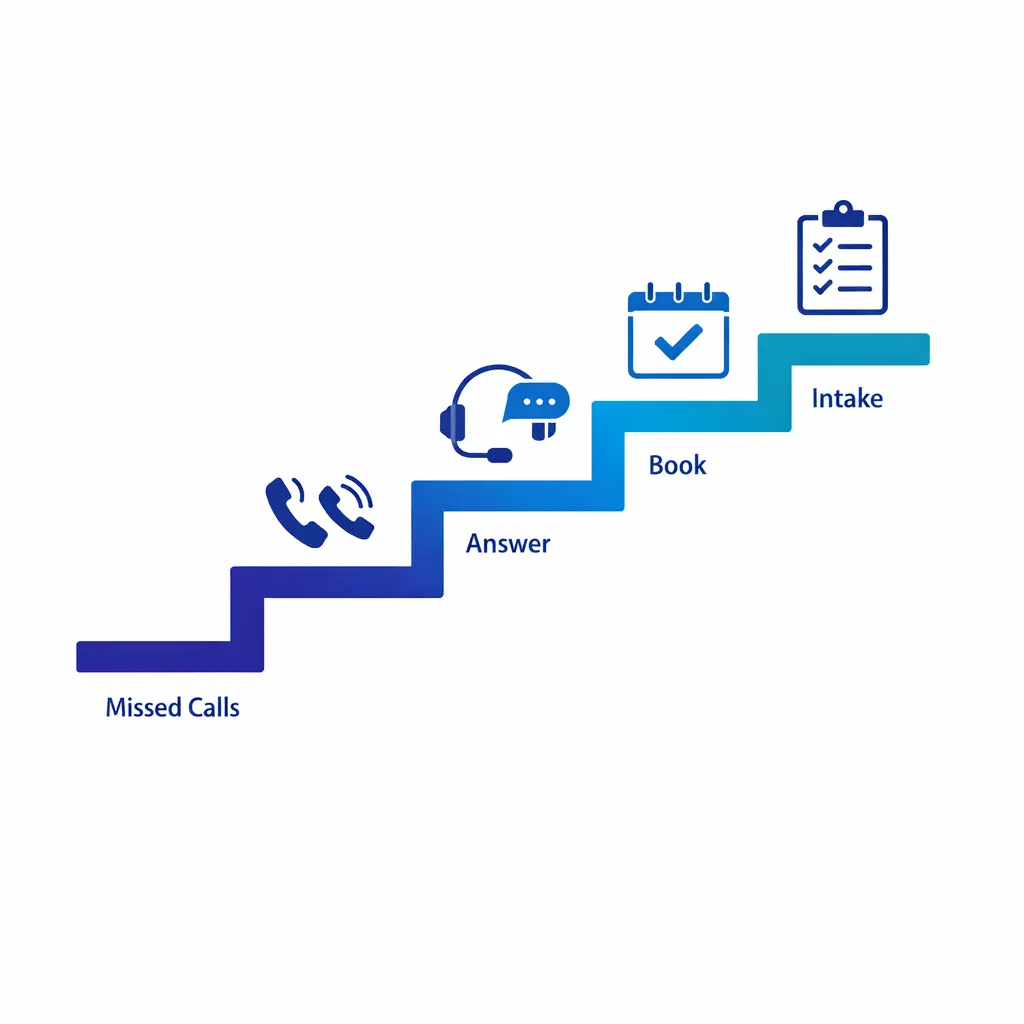
Solo and small firms can start with strong answering and callback discipline, then add structured intake when the attorney becomes the bottleneck or poor-fit consults pile up.
The right answer is often hybrid. Many firms use a legal answering service for general overflow and after-hours coverage, while reserving full legal intake for marketing-driven leads, selected practice areas, or peak campaign windows.
If the attorney still wants to review most new matters personally, start with a strong law firm answering service or virtual receptionist for lawyers. Build message quality, callback discipline, and schedule control first.
Add structured intake when the attorney becomes the bottleneck or when too many consults are being booked with poor-fit matters. That is often the moment when a small firm graduates from coverage to qualification.
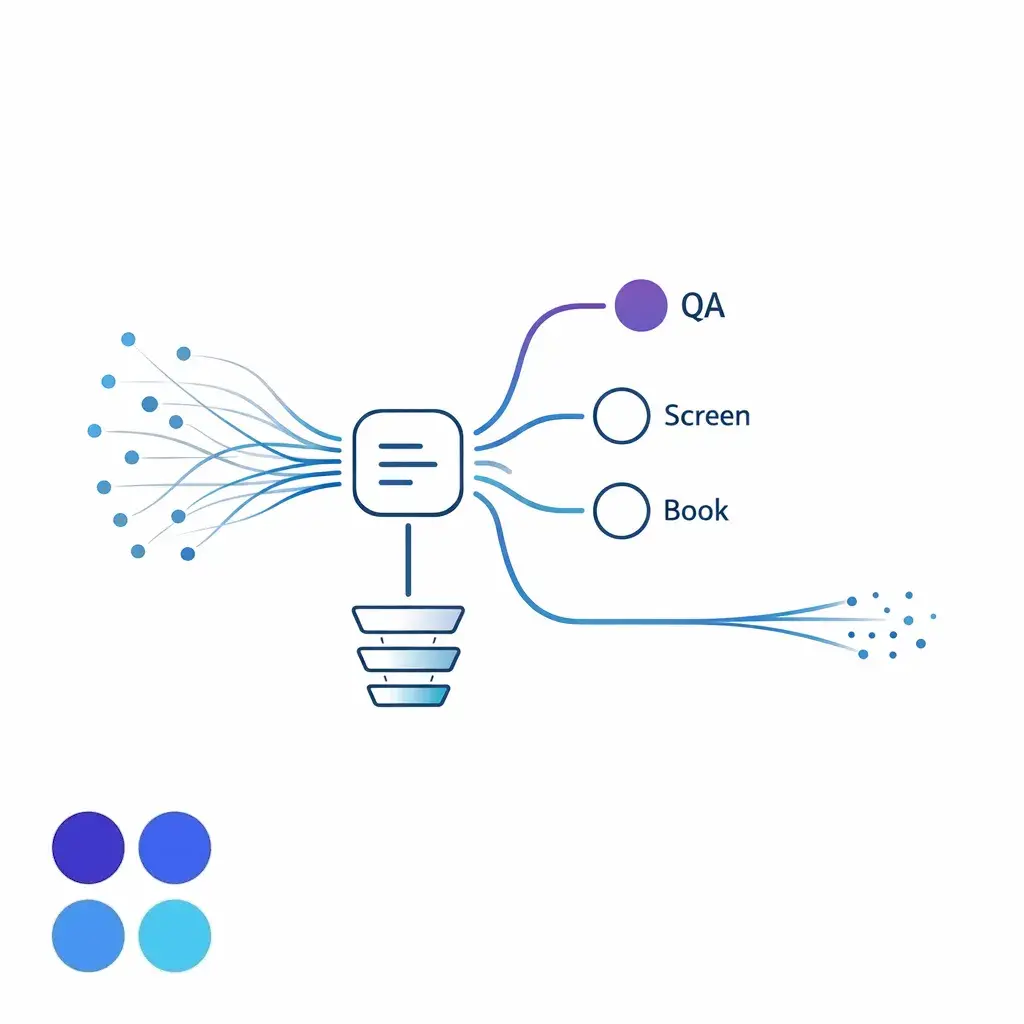
High-volume PI and mass tort firms usually need intake: evaluate script governance, QA, booking logic, urgency routing, bilingual consistency, and system-of-record discipline.
These firms usually need more than answering. When media spend is meaningful and inquiry volume is high, legal intake services are better aligned to lead qualification, documentation quality, and signed-case efficiency.
For this segment, a legal intake call center or intake-heavy answering service should be evaluated on script governance, QA, booking logic, urgency routing, bilingual consistency, and system-of-record discipline. Fast pickup matters, but clean screening matters more.
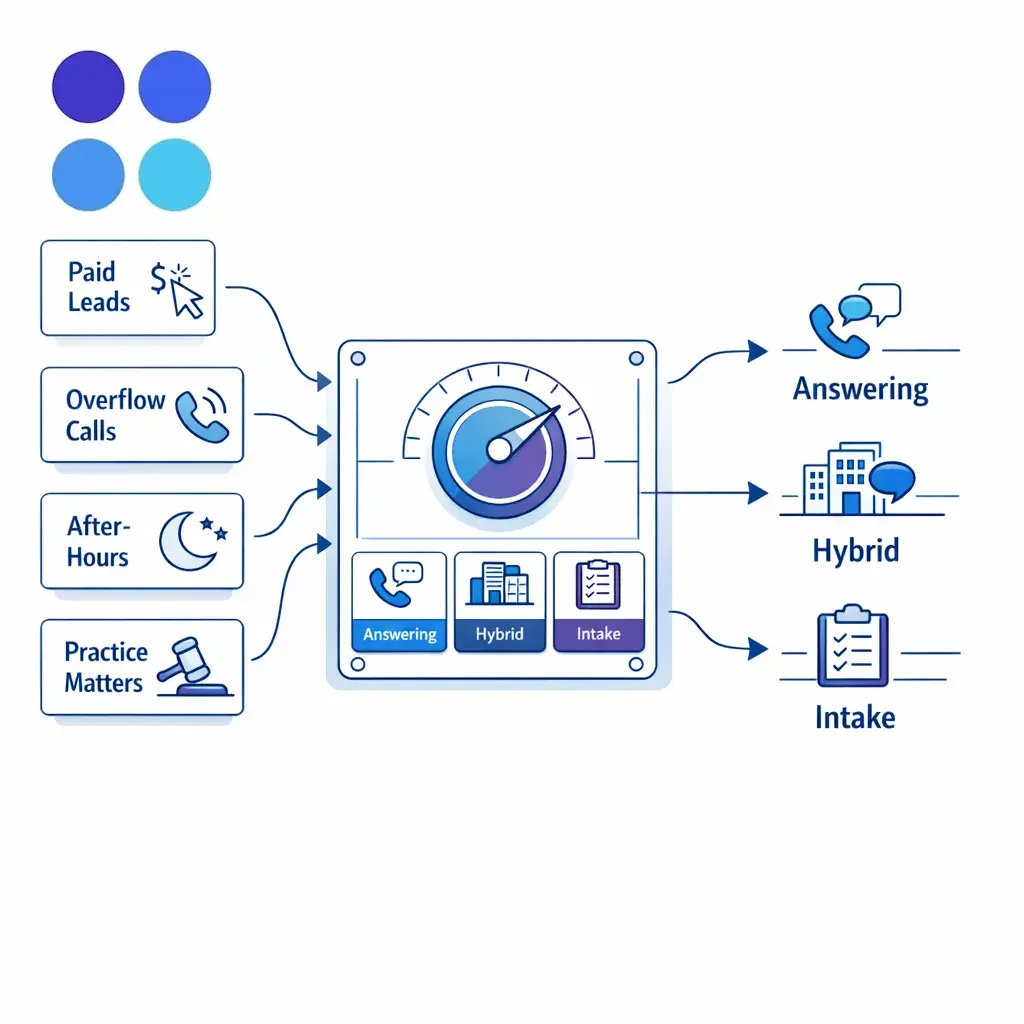
Many firms land on a hybrid: a legal answering service for overflow and after-hours, with full intake reserved for marketing-driven leads, select practice areas, or peak windows.
If your in-house intake team performs well during normal hours but loses coverage during spikes, outsource overflow first. If the team struggles with follow-up speed, qualification consistency, or documentation quality all day long, deeper outsourced intake may be the better fit.

A quality filter separates poor-fit inquiries from qualified consults before scheduling, so attorney calendars fill with matters worth the time.
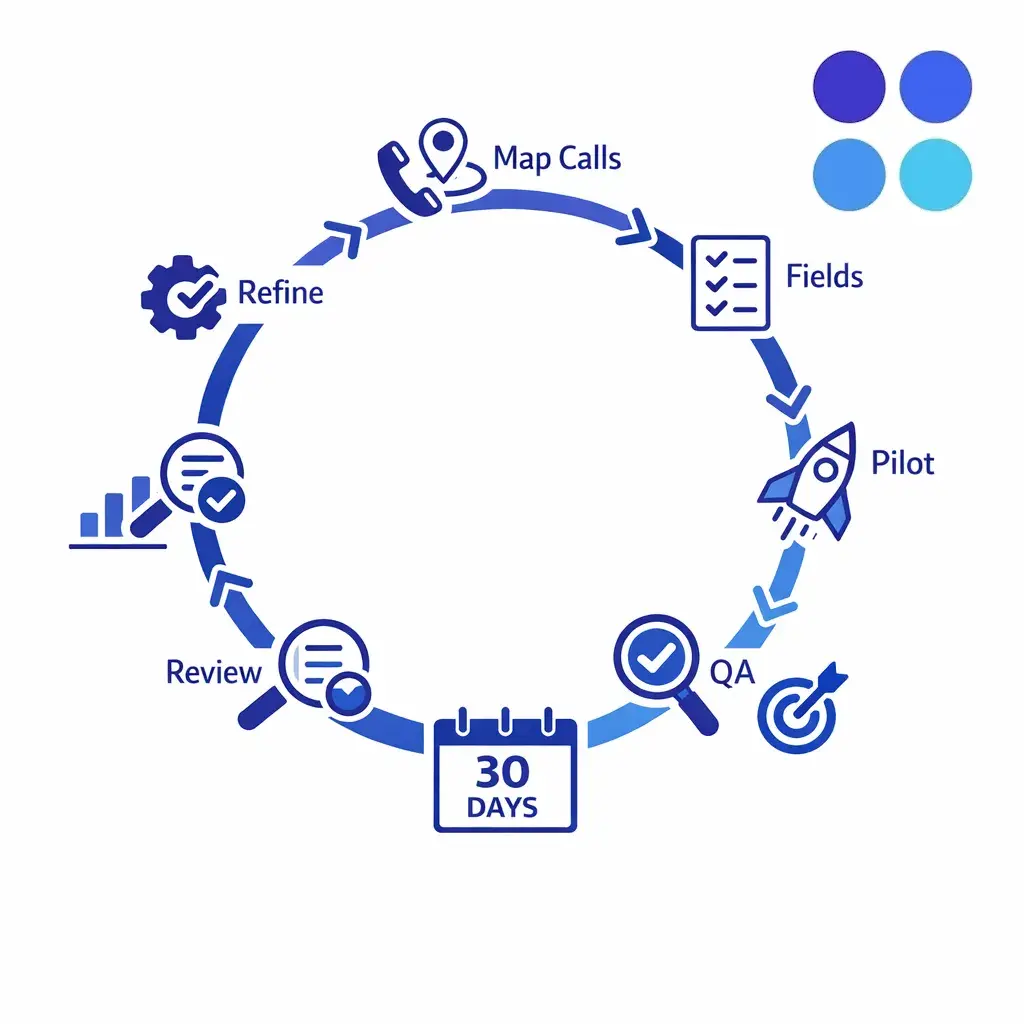
Pilot with KPIs for 30 days, review calls and records weekly, and compare what was captured against what attorneys actually needed before committing.
Legal intake turns an inbound inquiry into a usable decision record. It captures the core facts, applies the firm's screening rules, collects the required fields for review, and moves the caller to the right next step such as scheduling, escalation, or decline.
The legal intake process is the structured path from first contact to documented handoff. It usually includes answering, fact gathering, qualification questions, conflict data collection, urgency review, note entry, disposition, and scheduling or attorney follow-up.
Yes, but only at the data-collection level if the firm defines the script clearly. A legal answering service can gather names, entities, and related parties, while the firm should retain control over search rules, exception handling, and final clearance.
Many do. Firms often use answering for overflow and after-hours coverage, then use deeper intake for paid leads, high-value practice areas, or any workflow where qualification quality determines whether attorney time is being used well.
They make intake more operationally useful because data can move into the firm's workflow faster and in a more structured way. That reduces note cleanup, shortens handoff time, and gives attorneys and intake managers a cleaner record to act on.
In law firm operations, intake usually means collecting facts and routing a matter internally. It is not the same thing as filing a court response or giving legal advice about what a person should say in court documents.
The price depends on coverage hours, call volume, languages, script depth, booking complexity, integrations, and QA requirements. The better comparison is not only monthly vendor cost, but cost per answered call, qualified intake, consult booked, and signed matter.
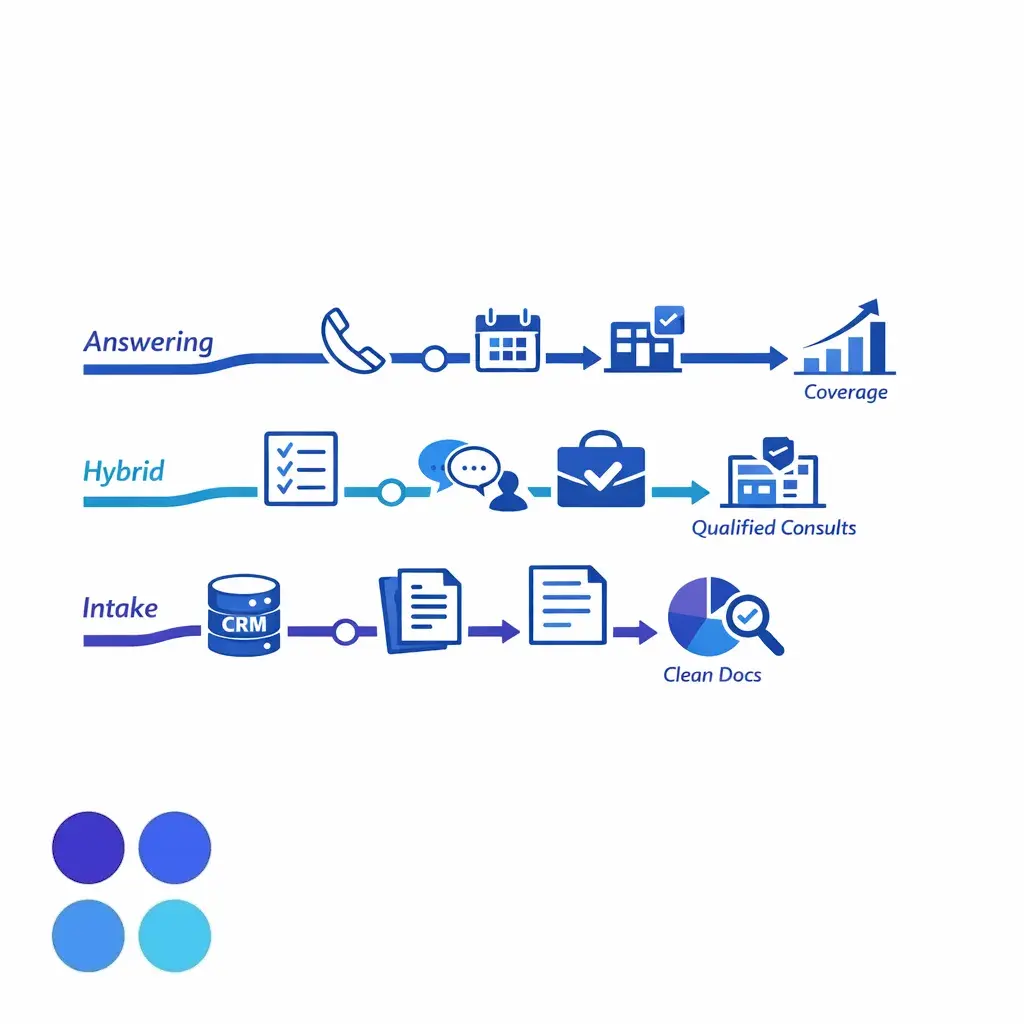
Start with the bottleneck you need to fix and the KPI you want to move; the right path, answering, intake, or hybrid, follows from your firm's growth stage.
If your firm is deciding between a legal answering service, a full law firm intake service, or a hybrid model, use the workflow lens first. Go Answer can help you design coverage around missed-call capture, intake completeness, escalation rules, and cleaner handoffs across intake and operations.
Start with the bottleneck you need to fix and the KPI you want to move. If you want a scoped recommendation for your firm, Request Pricing or Book a Discovery Call to discuss after-hours coverage, structured legal client intake, and scalable support that matches your growth goals.

Learn why thousands of companies rely on Go Answer.
Try us risk-free for 14 days!
Enjoy our risk-free trial for 14 days or 200 minutes, whichever comes first.
Have more questions? Call us at 888-462-6793
Learn why thousands of companies rely on Go Answer.
Have more questions? Call us at 888-462-6793
If you would like to get in contact with a Go Answer representative please give us a call, chat or email.

Thanks for your interest!
A representative will be reaching out to you shortly.
Have more questions? call us on 888-462-6793
