
Customer Service Outsourcing Companies: How Enterprise Teams Compare Providers, SLAs, and Coverage Models
By Matt O'HaverLast modified: June 30, 2026
Voted Top Call Center for 2024 by Forbes
Virtual Receptionists
Save time and money with our virtual receptionists.
AI Receptionist
AI-powered receptionist that answers, routes, and qualifies calls 24/7.
Enterprise Solutions
Solutions designed to scale with your organization’s needs.
Legal Services
Our virtual legal receptionists are experts in legal intake.
Last modified: June 30, 2026
Enterprise teams rarely evaluate customer service outsourcing companies for cost alone. They evaluate them because coverage gaps, inconsistent intake, long response times, and weak after-hours handling create operational risk that is hard to solve with internal hiring alone.
This is especially true for multi-location service businesses, legal teams with intake-heavy workflows, healthcare organizations, and high-volume inbound operations. In those environments, the outsourcing decision affects appointment conversion, escalation speed, brand consistency, compliance exposure, and the quality of the first interaction.
This guide is for operations leaders, CX owners, revenue teams, and service executives comparing outsourced customer service providers. You will learn how to assess delivery models, build a useful SLA checklist, test QA rigor, review bilingual and after-hours coverage, evaluate integration readiness, and separate large call center BPO firms from specialist partners that may fit intake-heavy work better.
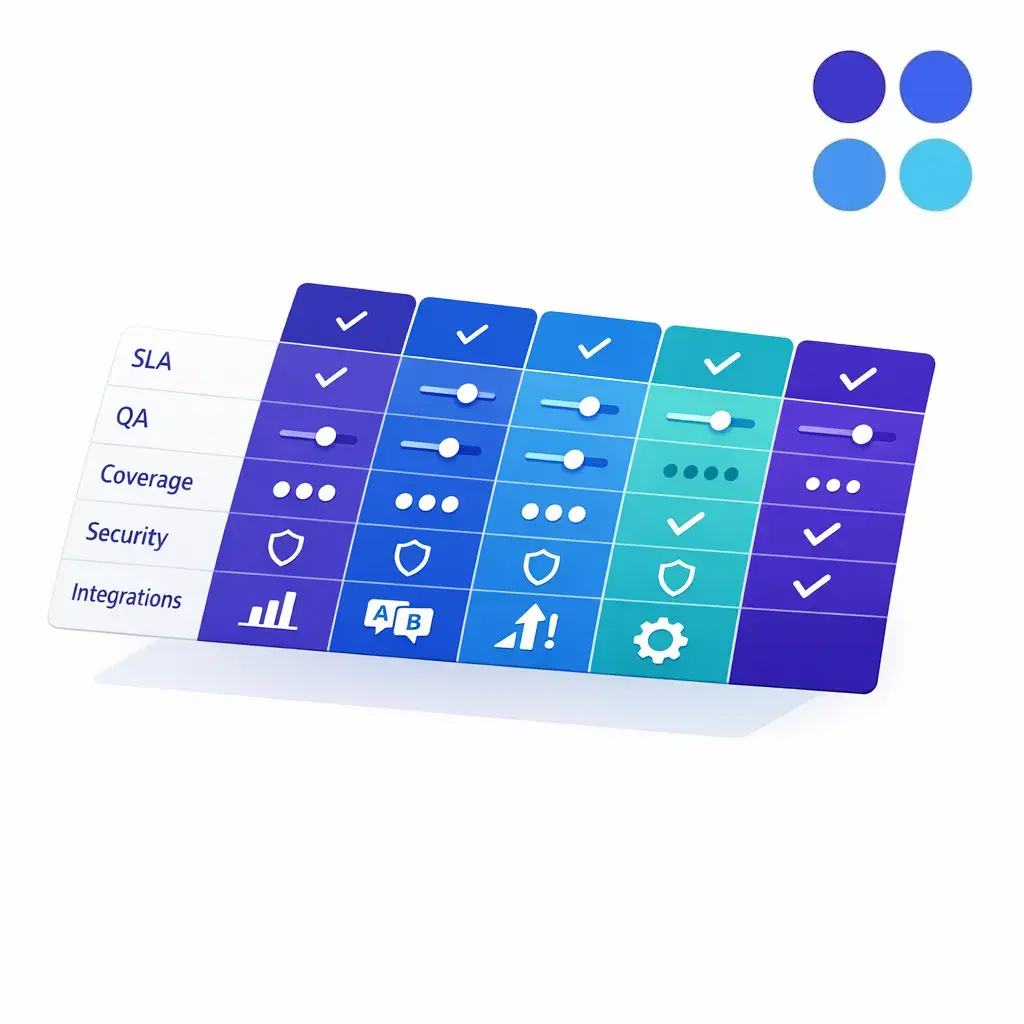
Treat selection as a structured review, not a brand popularity contest. The real question is whether a provider can support your service model, control risk, and scale without degrading intake quality.
Customer service outsourcing companies handle some portion of customer-facing work under a defined operating model. For enterprise buyers, the real question is not whether a vendor can answer calls. It is whether the provider can deliver reliable coverage, measurable quality, clean escalations, usable reporting, and workflow control at the level your business requires.
In practice, these terms overlap. Outsourced customer service usually points to front-line interactions such as phone coverage, email handling, chat, scheduling, order status, and basic issue routing. Customer support outsourcing often suggests deeper product or case knowledge, more troubleshooting, and tighter tie-ins to your help desk or CRM.
Call center BPO is usually the broadest label. Buyers often use it when they want more than labor, including staffing, training, workforce management, quality assurance, reporting, escalation governance, and ongoing operational ownership.
The right model depends on queue complexity, brand risk, and how much control you want to keep. Enterprise customer support programs usually fit into four patterns.
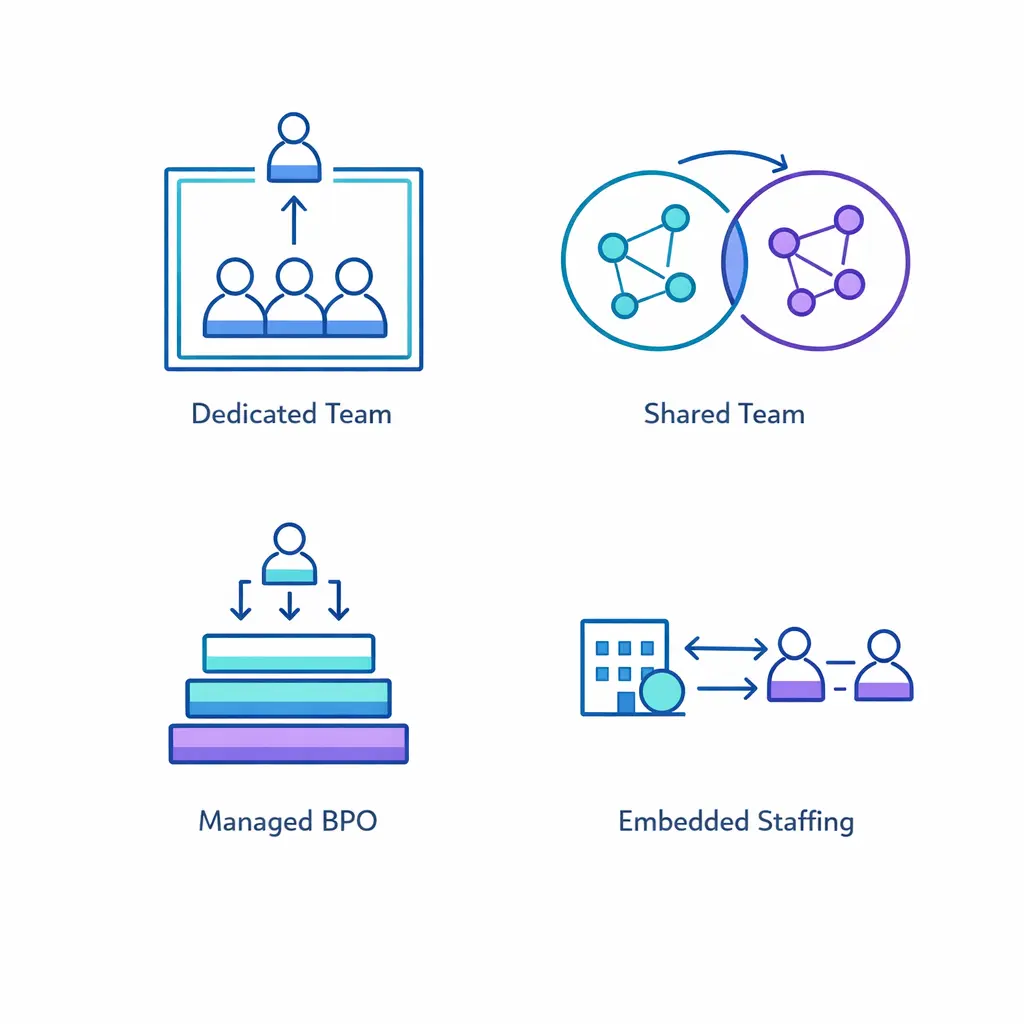
For intake-heavy environments, model selection matters more than provider size. A smaller specialist with tighter scripts, stronger routing discipline, and better call handling may outperform a larger provider that is optimized for general customer care.
If you want a fast shortlist, start here. The strongest customer service outsourcing comparison is not a brand popularity contest. It is a structured review of whether the provider can support your service model, control risk, and scale without degrading intake quality.
A usable SLA should describe what is being measured, when the clock starts, when it stops, what is excluded, and who owns each handoff. If those definitions are vague, the reported result can look good while the customer experience gets worse.
For voice, teams usually focus on speed to answer, abandonment, transfer behavior, and escalation handling. For digital channels, first response time and time to resolution matter more. For intake-heavy workflows, add business outcomes such as qualified lead capture, appointment conversion, retained caller contact information, and correct routing.
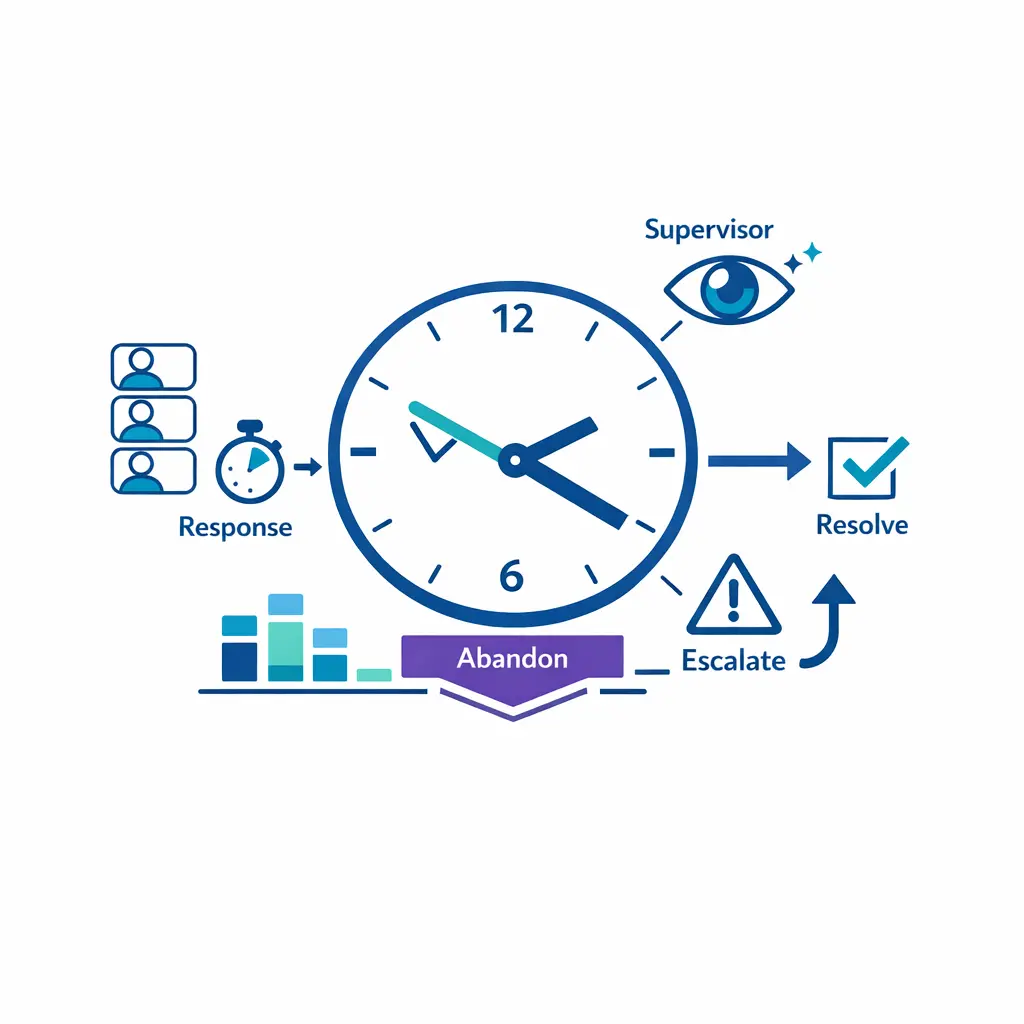
Ask providers to separate service levels from operating promises. A service level states the target answer speed; an operating promise explains how they staff to it, what happens during spikes, and how fast supervisors intervene when a queue drifts.
Many outsourced customer service providers talk about quality. Fewer can show a quality system that is detailed enough for enterprise use. Ask to see the scorecard structure, what is weighted most heavily, how calls are selected, how disputes are handled, and how coaching is tied to recurring defects.
Good QA programs do not stop at random call reviews. They include calibration sessions between your team and the provider, written definitions for pass and fail behaviors, trend reporting by issue type, and a closed loop for retraining. In intake-heavy programs, quality should measure not only courtesy and script adherence, but also data accuracy, next-step compliance, and outcome quality.
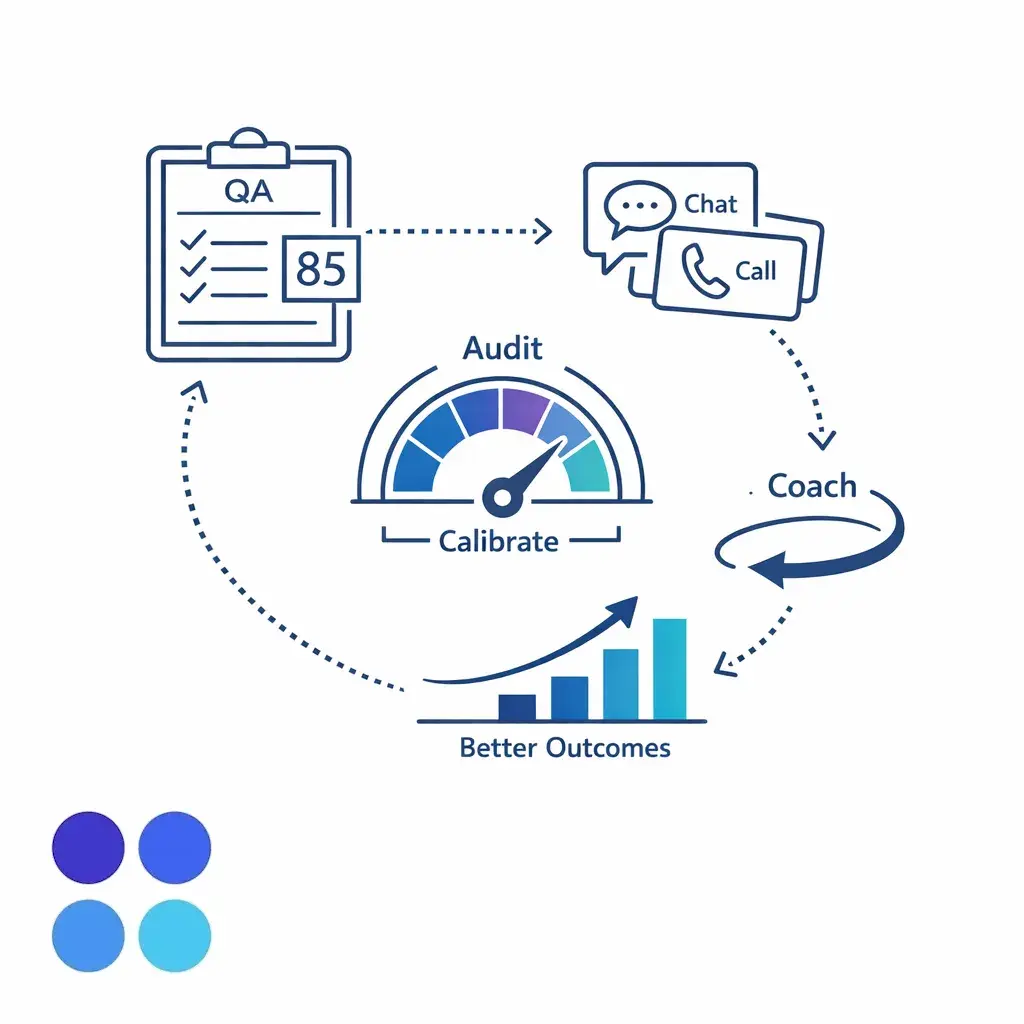
Do not confuse call recording with quality management. Recording is raw material. QA maturity comes from how a provider audits interactions, aligns graders, corrects drift, and proves that coaching changes behavior over time.
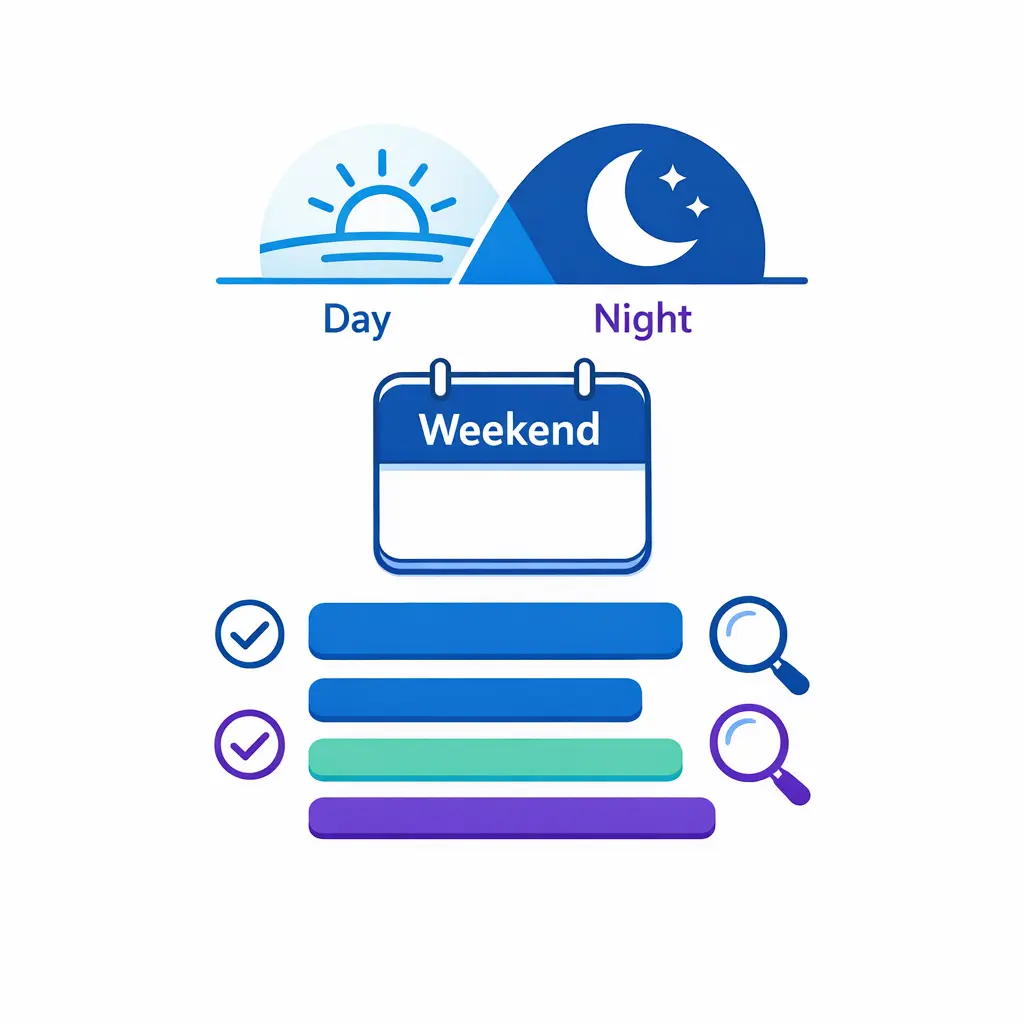
Coverage is where many outsourcing deals succeed or fail. A provider may look strong during business hours and still struggle with the workflows that matter most, such as nights, weekends, overflow spikes, severe weather events, or short-notice staffing changes.
Ask how the provider designs coverage by interval, not just by daypart. You want to know who owns overnight supervision, what happens when volume doubles unexpectedly, how holiday staffing is approved, and whether overflow agents follow the same scripts and escalation rules as the primary team.
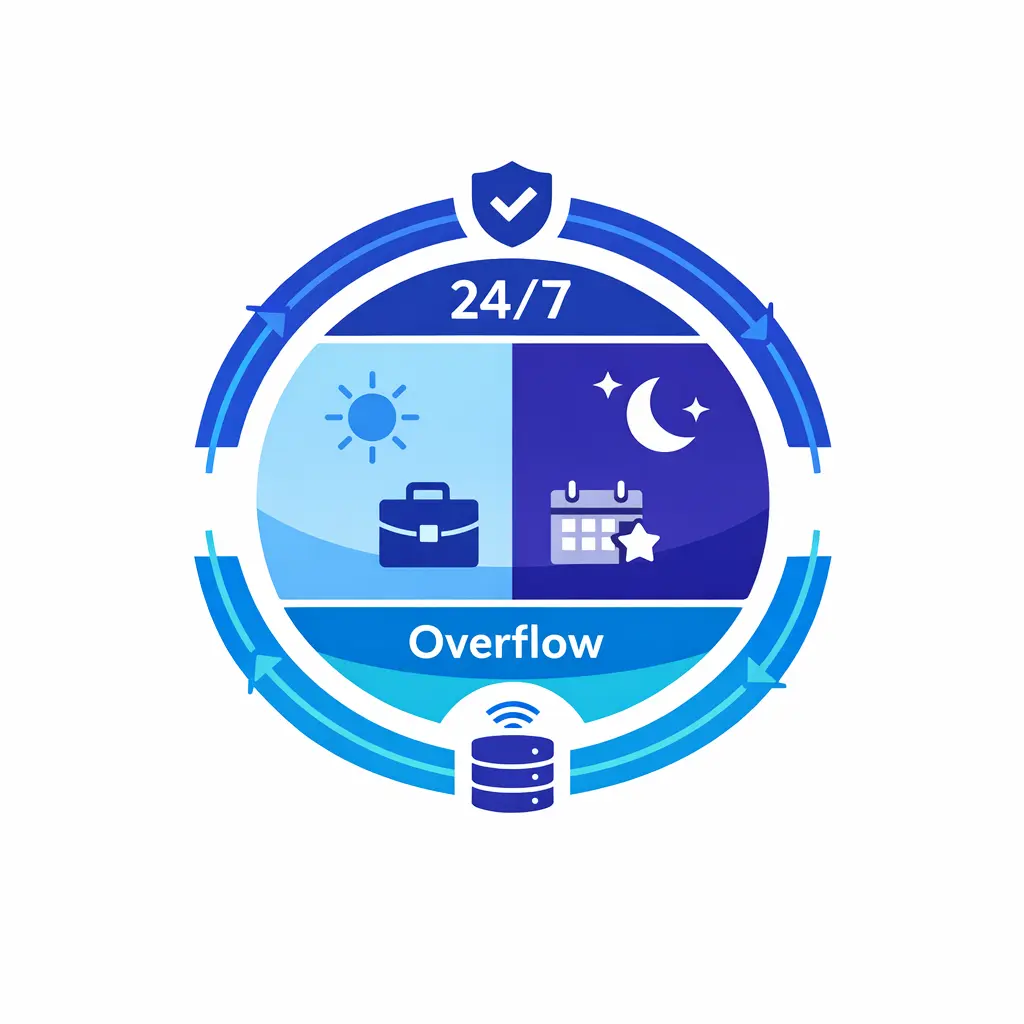
After-hours coverage should not be a stripped-down backup queue unless that is a conscious choice. If nights and weekends drive bookings, intake, or urgent triage, that model needs the same rigor as daytime operations.
Language support is not a checkbox. Ask whether bilingual coverage is native, business fluent, or script-based. Also ask whether bilingual agents are dedicated to your program, shared across accounts, or pulled into the queue only when a language threshold is hit.
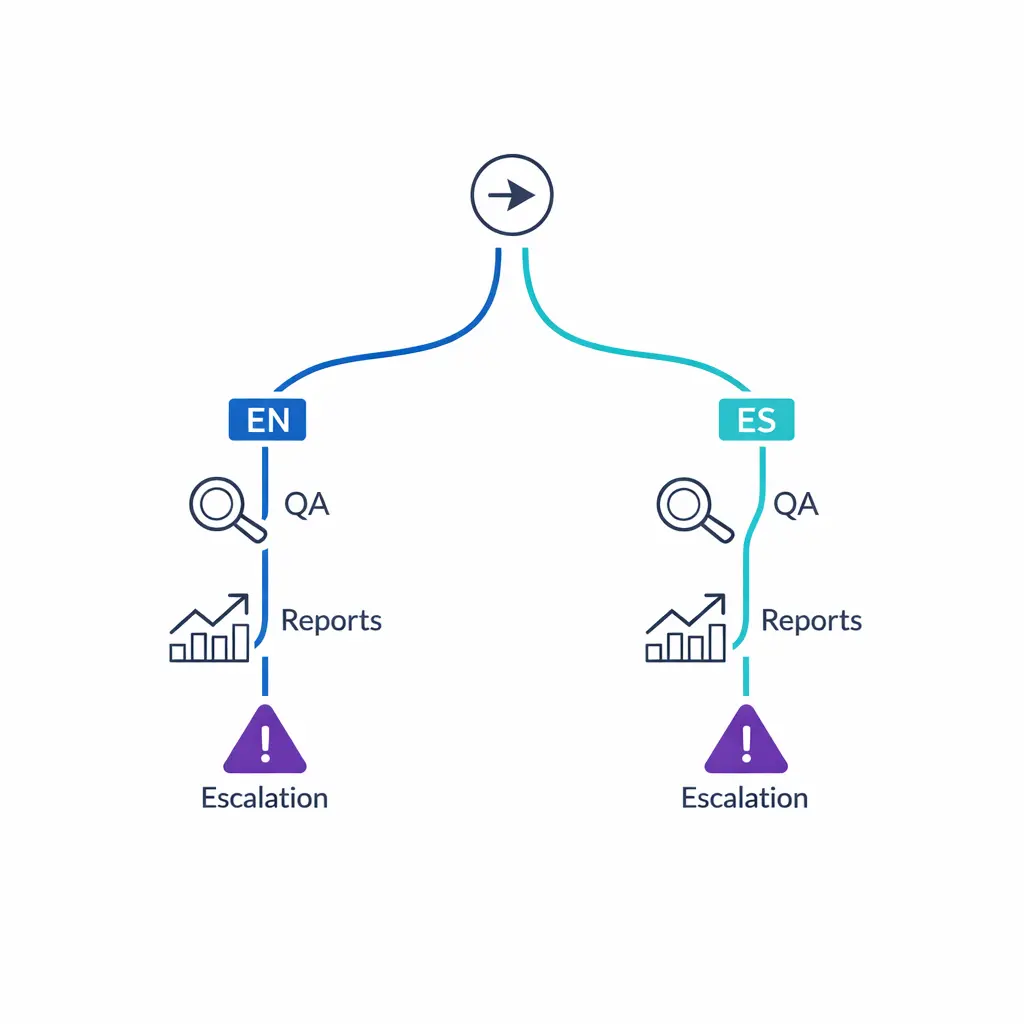
Bilingual performance deserves its own workstream: define which languages are in scope, the service window for each, and whether the same escalation quality exists in non-English interactions.
Geography choices should follow workflow needs. Onshore models may be better for high-empathy, brand-sensitive, or heavily contextual interactions. Nearshore models can balance cost, accent alignment, and time-zone overlap. Offshore models can be highly effective for scale, but they require tighter onboarding, stronger documentation, and more disciplined calibration if the workflow is nuanced.
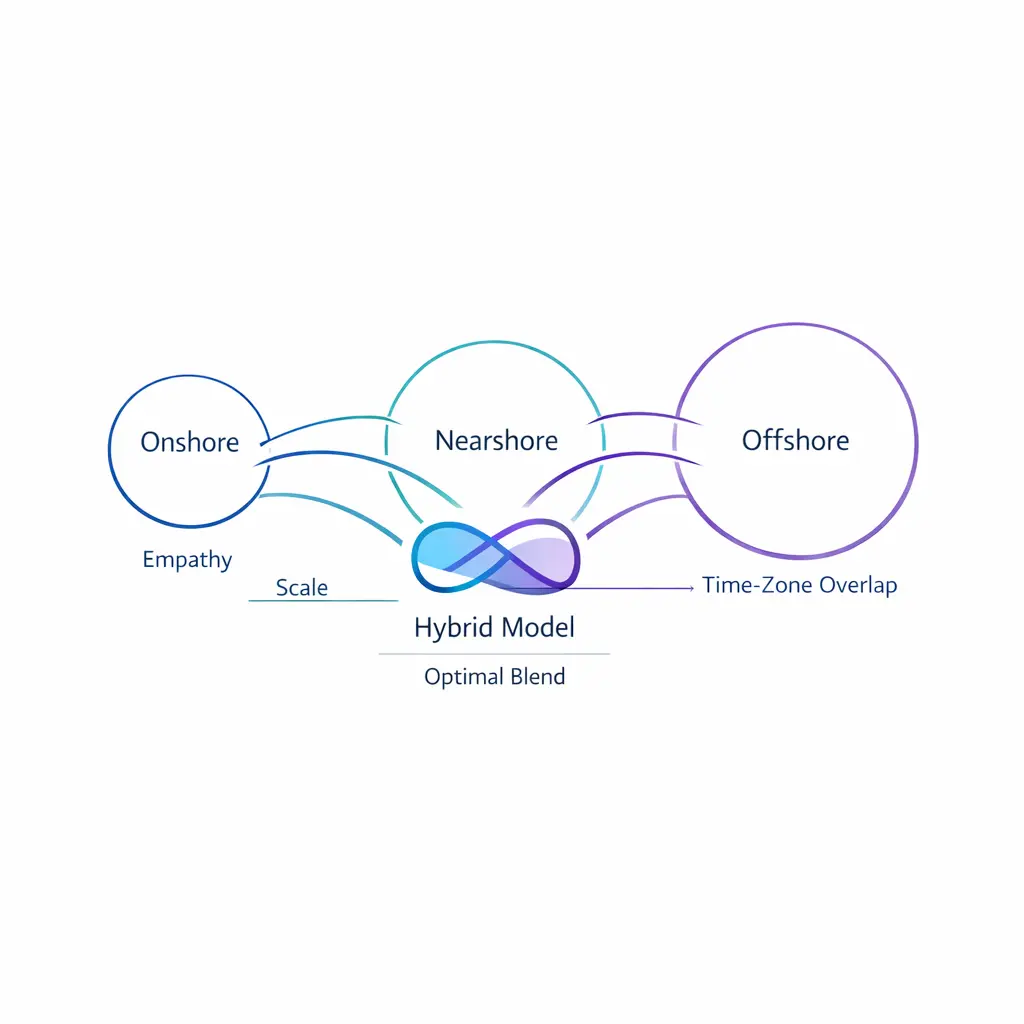
The right answer is often hybrid. Many teams use one model for core daytime operations and another for overflow, weekends, or broader multilingual support.
If your workflow touches protected health information, payment card data, or personal data tied to EU residents, diligence should map the operating model to the HIPAA Security Rule, PCI DSS, the General Data Protection Regulation, and commonly requested information security frameworks such as ISO/IEC 27001.
Do not stop at logos or broad claims. Ask which controls apply to your exact workflow, whether the scope covers the locations and systems you will use, how access is managed, how incidents are escalated, and what evidence can be reviewed during procurement.
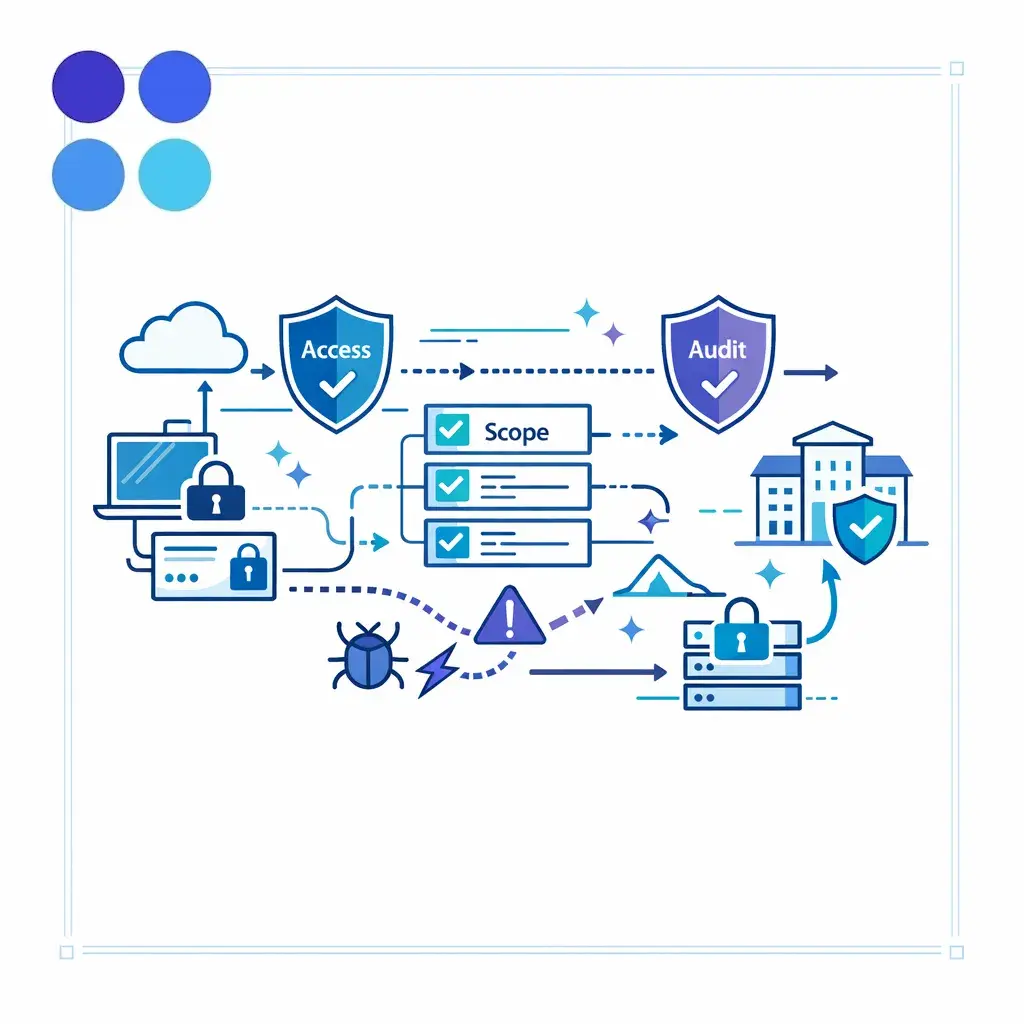
For legal and healthcare operations, review the practical workflow, not only the paper policy: where data is entered, who can hear it, what is stored, how it is transmitted, and what happens during an urgent after-hours escalation.
Integration depth separates enterprise customer service outsourcing from basic answering coverage. If a provider can only work through a generic inbox, spreadsheet, or message relay, you may gain labor but lose control.
Ask how the provider works inside your CRM, help desk, telephony platform, scheduling tool, or knowledge base. Clarify whether agents can create records, update dispositions, trigger follow-up tasks, and pass structured data into downstream workflows without manual re-entry.
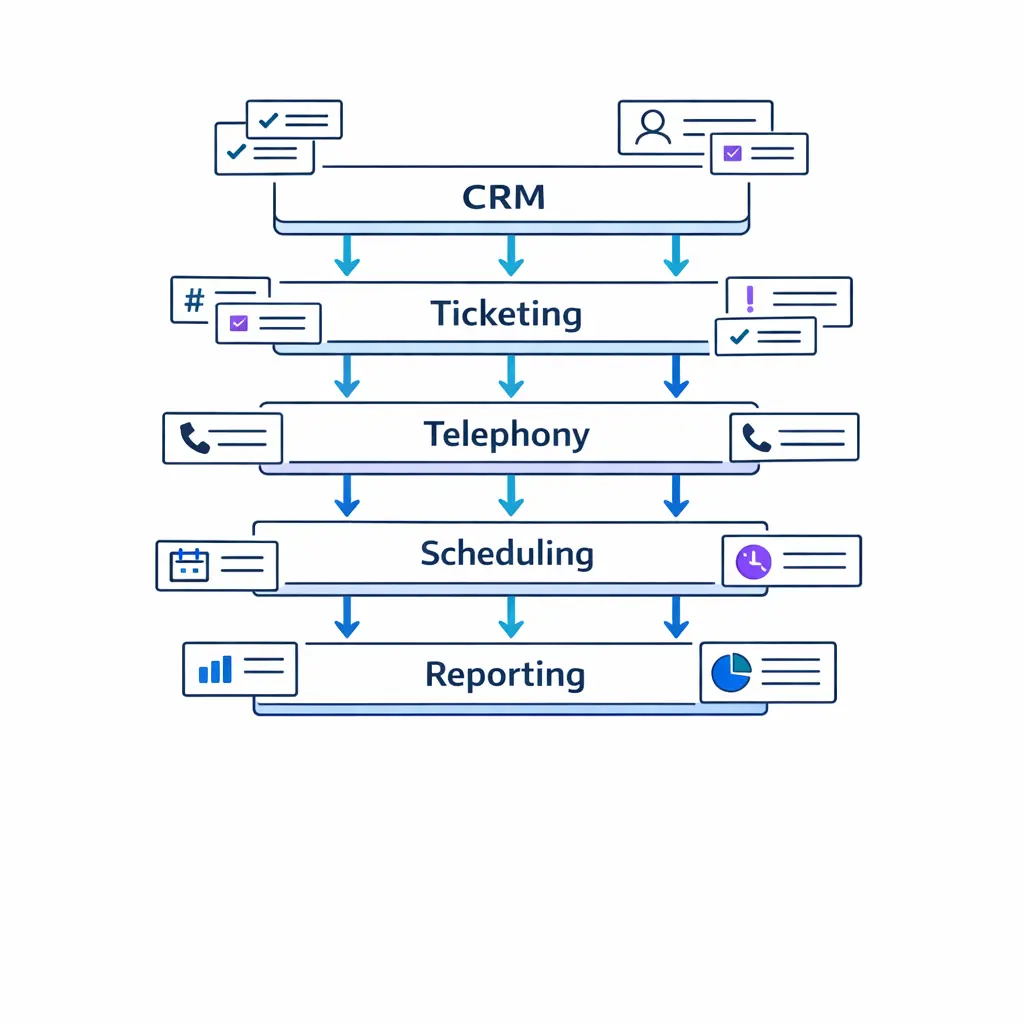
Reporting matters as much as connectivity. A provider should surface operational metrics, QA trends, staffing performance, and intake outcomes in a format your team can actually use, mapped to your management rhythm.
Most listicles compare providers at a shallow level. Enterprise teams should use public positioning only as a first-pass filter, then move quickly into workflow testing, diligence, and contract review.

Across any shortlist, compare the same things in the same order: coverage design, language model, escalation ownership, QA system, security evidence, then commercial terms. That sequence beats starting with hourly price.
Pricing for enterprise customer support is usually custom because the real cost sits inside staffing assumptions, shrinkage, supervision, QA, reporting, integration effort, and after-hours design. A provider that looks cheaper at the top line can become more expensive if the SLA is thin, rework is high, or escalations bounce back to your internal team.
Large call center BPO firms are usually the better fit when you need broad geographic reach, layered management, multiple channels, and room to expand into adjacent workflows. They make the most sense when procurement is formal, reporting requirements are extensive, and the program will touch several business units.
The tradeoff is that your account may need more governance to stay aligned. Enterprise scale is valuable, but it does not automatically mean your specific workflow gets specialist attention.
Programs with major volume swings should look for providers that can show how they handle surge staffing, overflow routing, and rapid schedule changes. In these environments, the coverage model matters more than a polished sales deck.
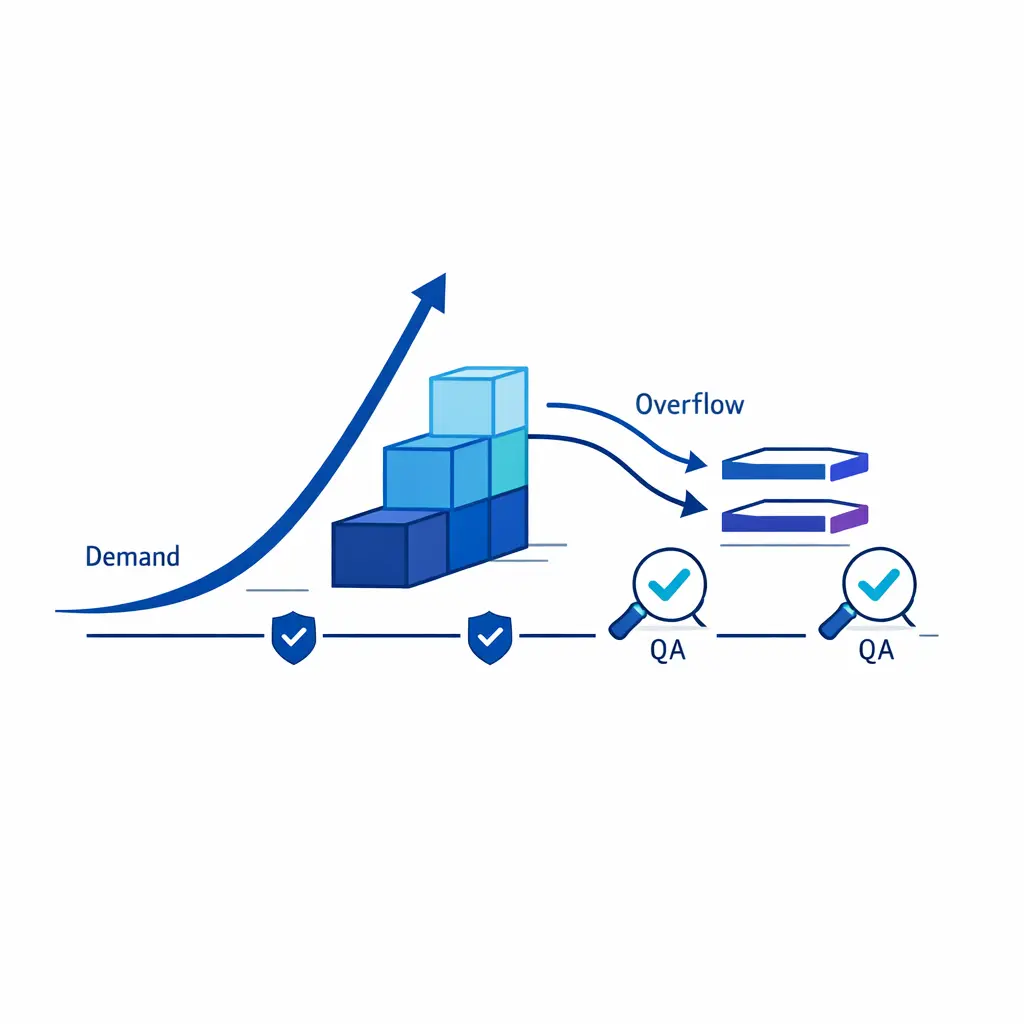
Ask how a provider protects quality during demand spikes. If the answer is mostly about adding bodies, with little detail on training, supervision, or escalation control, you are looking at labor capacity rather than a stable operating model.
Multilingual customer support requires more than access to bilingual labor. It requires queue design, language-based routing, QA in the relevant language, and reporting that separates true language performance from blended averages.
If language coverage is central to the program, ask providers to define exactly which languages are in scope, what service window is available for each, and whether the same escalation quality exists in non-English interactions. Enterprise buyers should treat bilingual performance as its own workstream.
Some outsourced customer service providers are strongest when the work lives inside a modern systems stack. These providers tend to fit teams that want tighter CRM workflows, better ticket hygiene, integrated reporting, and more disciplined handoffs across channels.
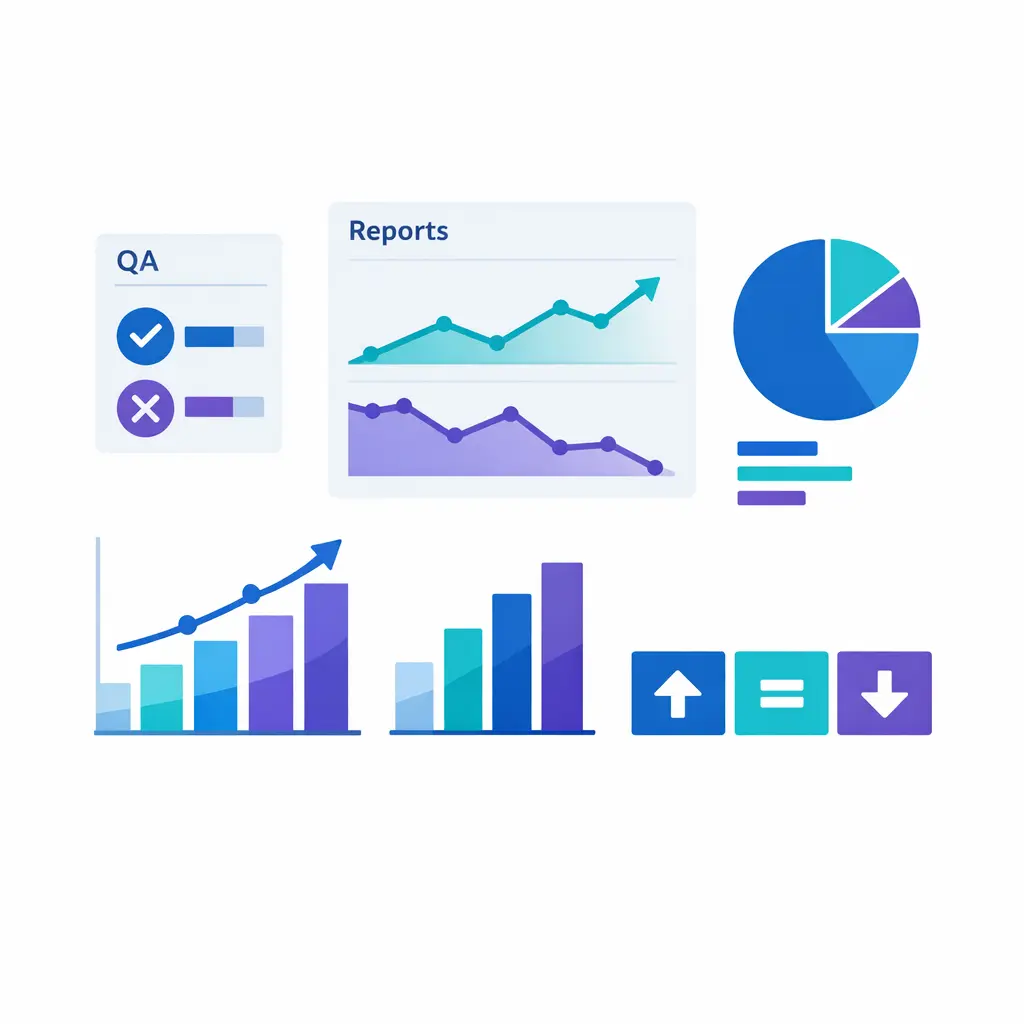
Technology fit matters most when you need detailed dispositions, structured lead capture, knowledge-base usage, or downstream workflow triggers. If a provider cannot operate cleanly inside your tools, you will spend too much time repairing data.
Regulated workflows usually favor providers that can support a more controlled implementation. That means clearer access management, narrower process scope, stronger exception handling, and a willingness to document how the operating model aligns to your security and privacy requirements.
For these programs, a smaller but more controllable environment can beat a very large generic model. Prioritize auditability, escalation discipline, and process clarity over headline scale.
Ecommerce, legal intake, healthcare scheduling, home services, and similar inbound-heavy environments often need a different kind of outsourcing partner. The first interaction has revenue weight, and the work usually blends service, qualification, routing, and appointment logic.
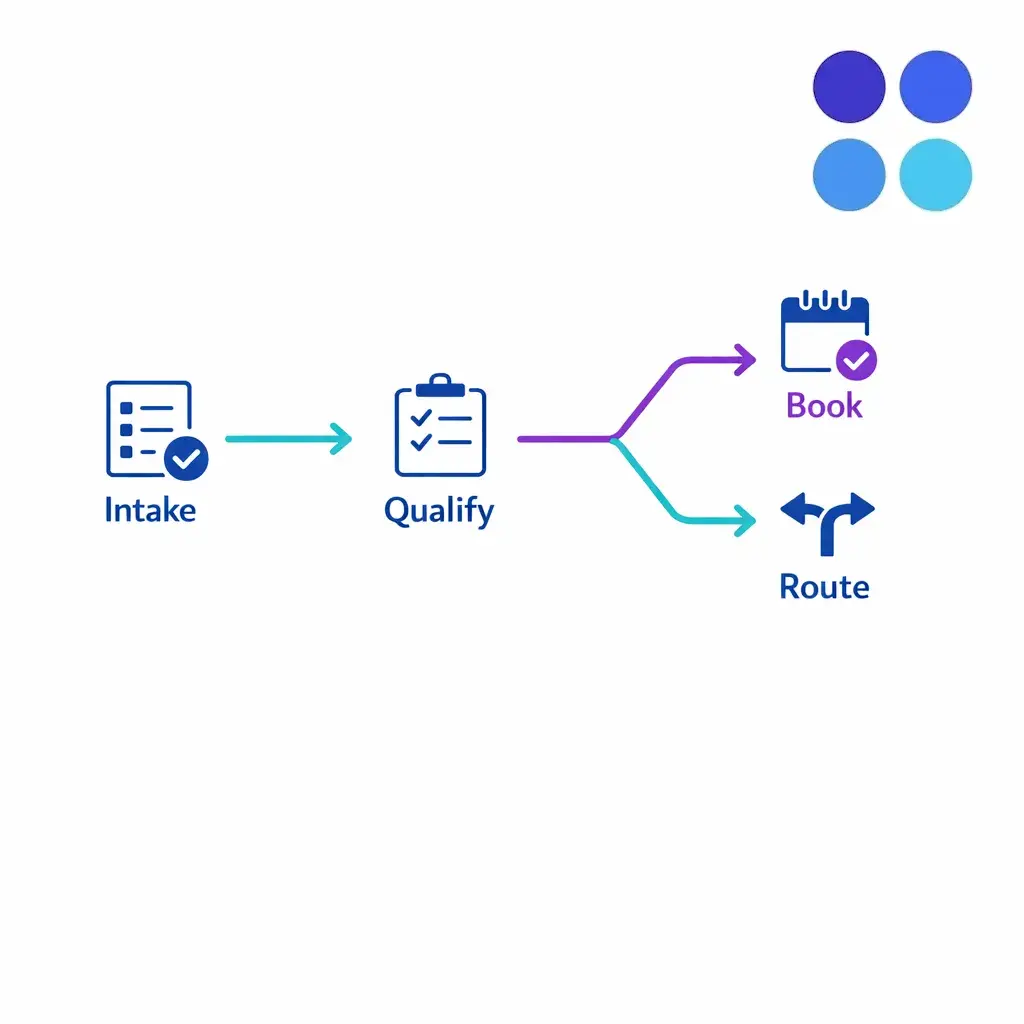
When the job is not only answering the customer but also capturing the right information, preserving intent, and moving the contact to the right next step, shift buyer attention toward intake quality and after-hours continuity.
If the SLA does not define measurement rules, exclusions, reporting windows, and escalation ownership, assume there will be disagreement later. Vague language gives both parties room to interpret results differently when performance is under pressure.
If the provider cannot show scorecards, calibration habits, defect categories, or coaching loops, quality is probably informal. Informal quality breaks down quickly when volume rises or new agents are added.
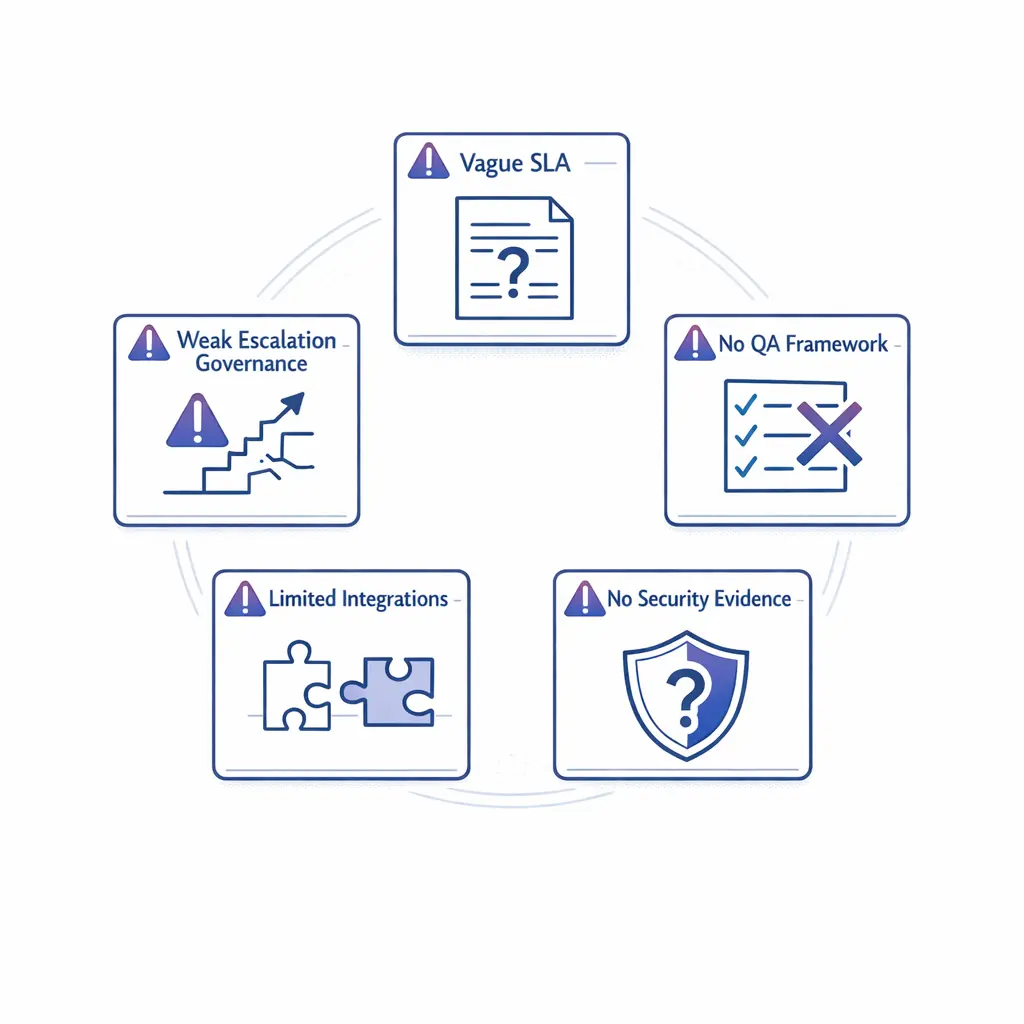
Watch for vague SLAs, no visible QA framework, weak escalation governance, limited integration depth, and no security proof points. Each one shifts operational burden back onto your internal team after launch.
Many buyers focus on front-line handling and spend too little time on what happens when something goes wrong. You need named escalation paths, response windows, urgent-case logic, and clear ownership across both teams.
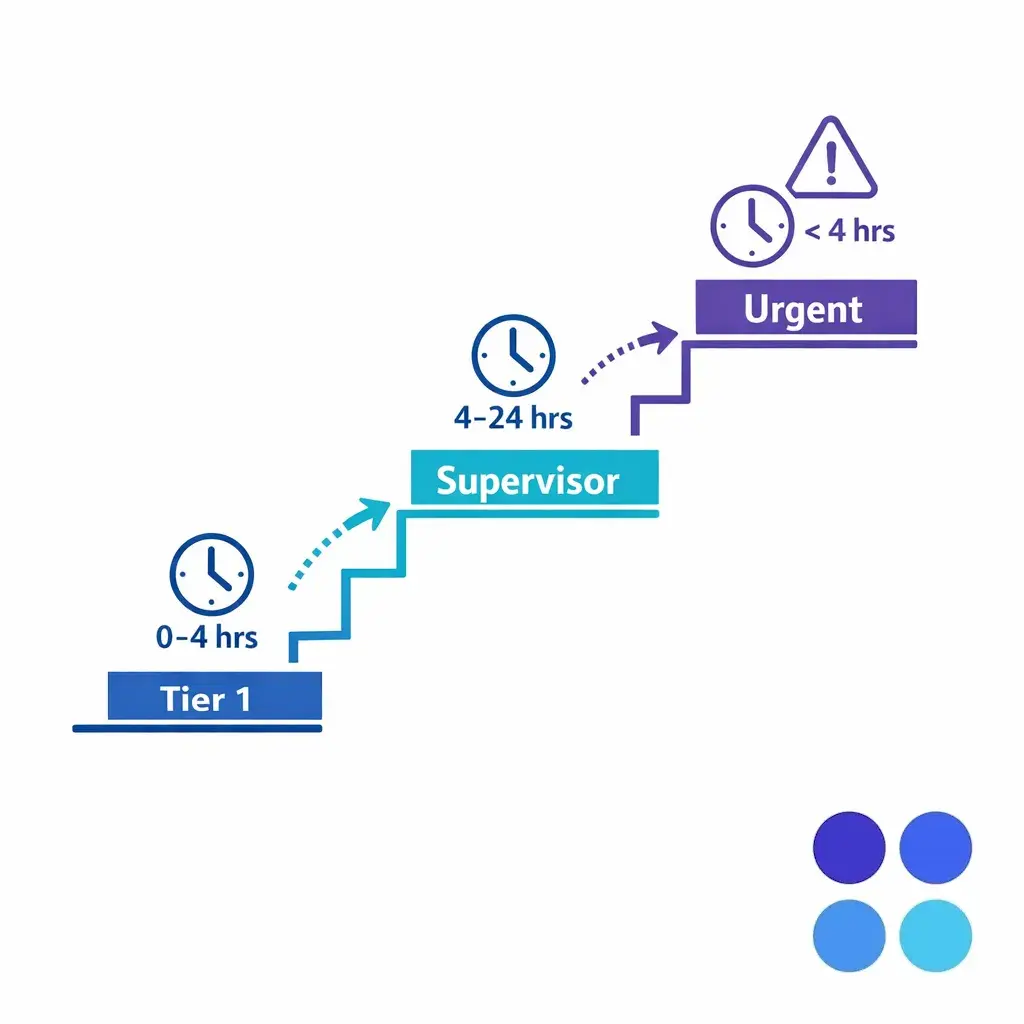
A clear escalation ladder defines who is notified, how urgent the case is, and the response window at each step, with ownership mapped across both the provider and your internal team.
A provider that only offers basic message taking may still be useful for overflow, but it is not enough for complex enterprise customer support. If your workflow depends on structured data, ticket states, appointment logic, or CRM visibility, integration limits will become operational drag.
A polished security answer without evidence is not enough. If the provider cannot explain scope, access control, workflow boundaries, and evidence review during diligence, the burden will fall back on your team after launch.
Per hour pricing can work well for overflow, variable coverage, and receptionist-adjacent models. Per FTE pricing is usually easier to manage when the workflow is stable and the team is effectively dedicated. Per ticket or outcome-linked structures can be attractive, but they need careful definitions so incentives stay aligned with quality.
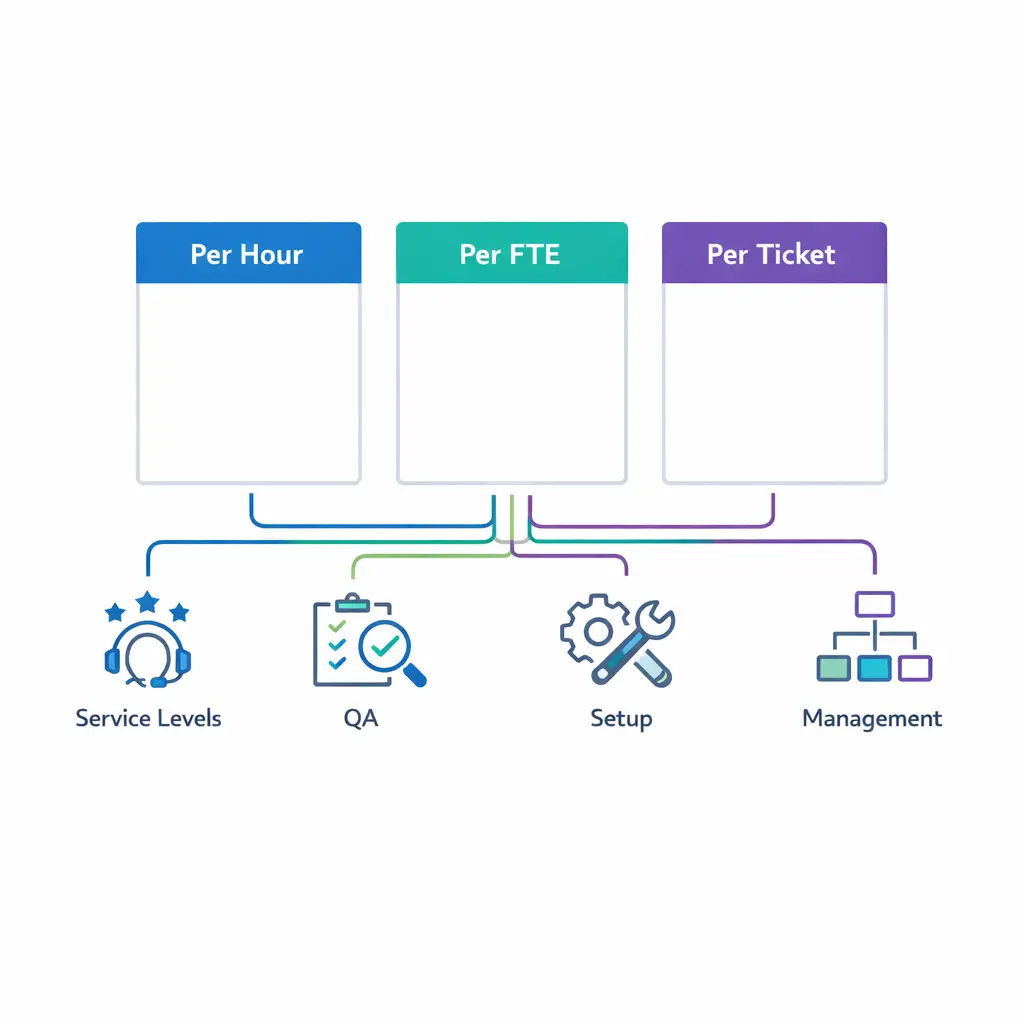
Match the pricing model to the work: per hour for variable overflow, per FTE for stable dedicated teams, and per ticket or outcome only with careful definitions that keep incentives aligned with quality.
Look past the base rate. Ask about implementation fees, scripting work, training time, system configuration, reporting builds, management layers, weekend premiums, holiday coverage, language surcharges, and change-order rules.
Hidden costs often appear when the workflow is more complex than the pricing model assumed. That is why scope clarity matters so much during procurement.
The cheapest proposal is rarely the best value if it depends on loose QA, shallow supervision, or a weak after-hours model. Enterprise teams should compare price against outcome protection: coverage reliability, intake accuracy, escalation speed, reporting quality, and how much operational burden stays off the internal team.
In other words, compare the provider you are buying, not just the rate card you are seeing.
Start with larger providers when the scope is multi-region, multi-channel, and procurement-heavy. Focus on governance structure, rollout discipline, integration methods, and the provider's ability to operate consistently across locations and business units.
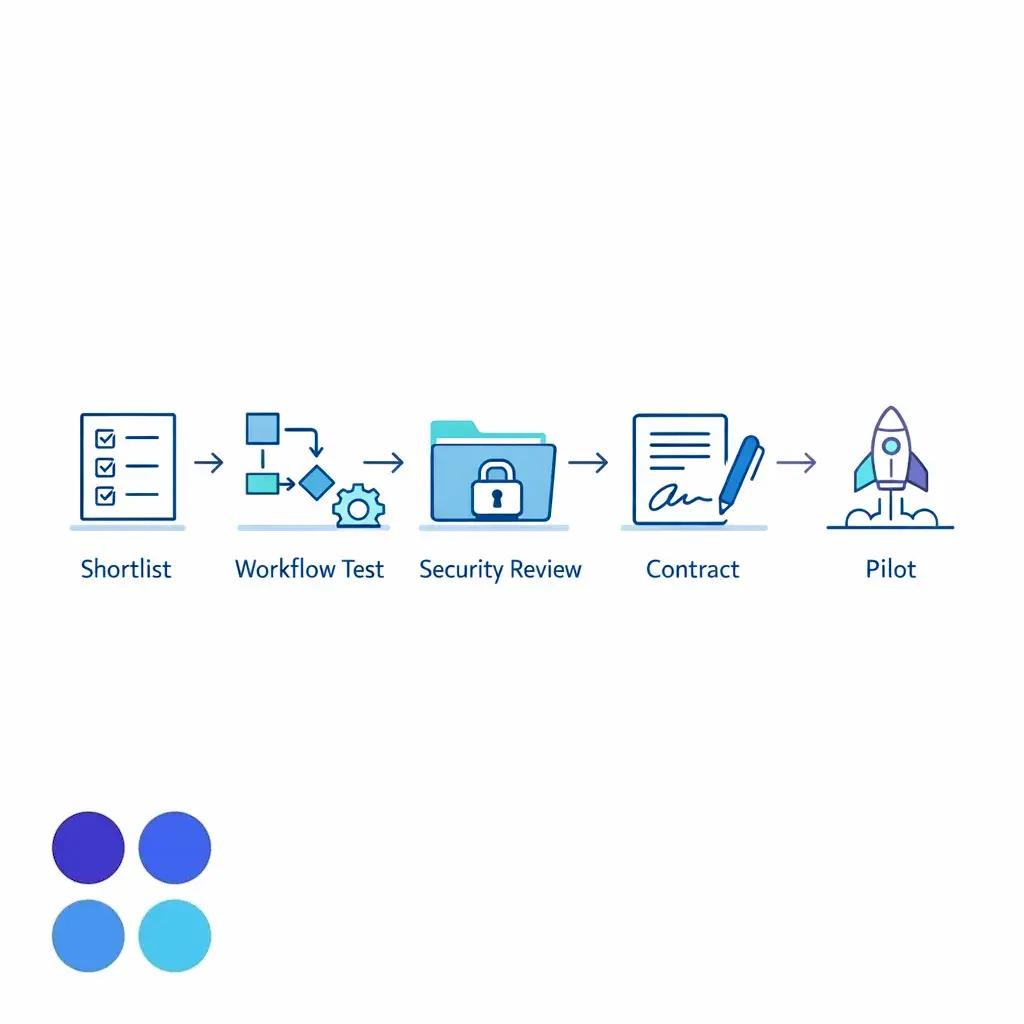
Move through diligence in steps: shortlist, workflow testing, security review, contracting, and a defined pilot. Each stage should prove the operating model before you expand scope.
Make the evaluation operational, not conceptual. Test language routing, night and weekend supervision, overflow triggers, urgent escalation handling, and reporting by daypart. A provider should be able to explain exactly how the experience changes after hours, if at all.
Prioritize fit over size. Look for a partner that understands scripts, qualification logic, empathy, structured data capture, and workflow handoff. In this category, the best outsourced customer service provider is often the one that protects conversion quality and next-step accuracy, not the one with the biggest footprint.
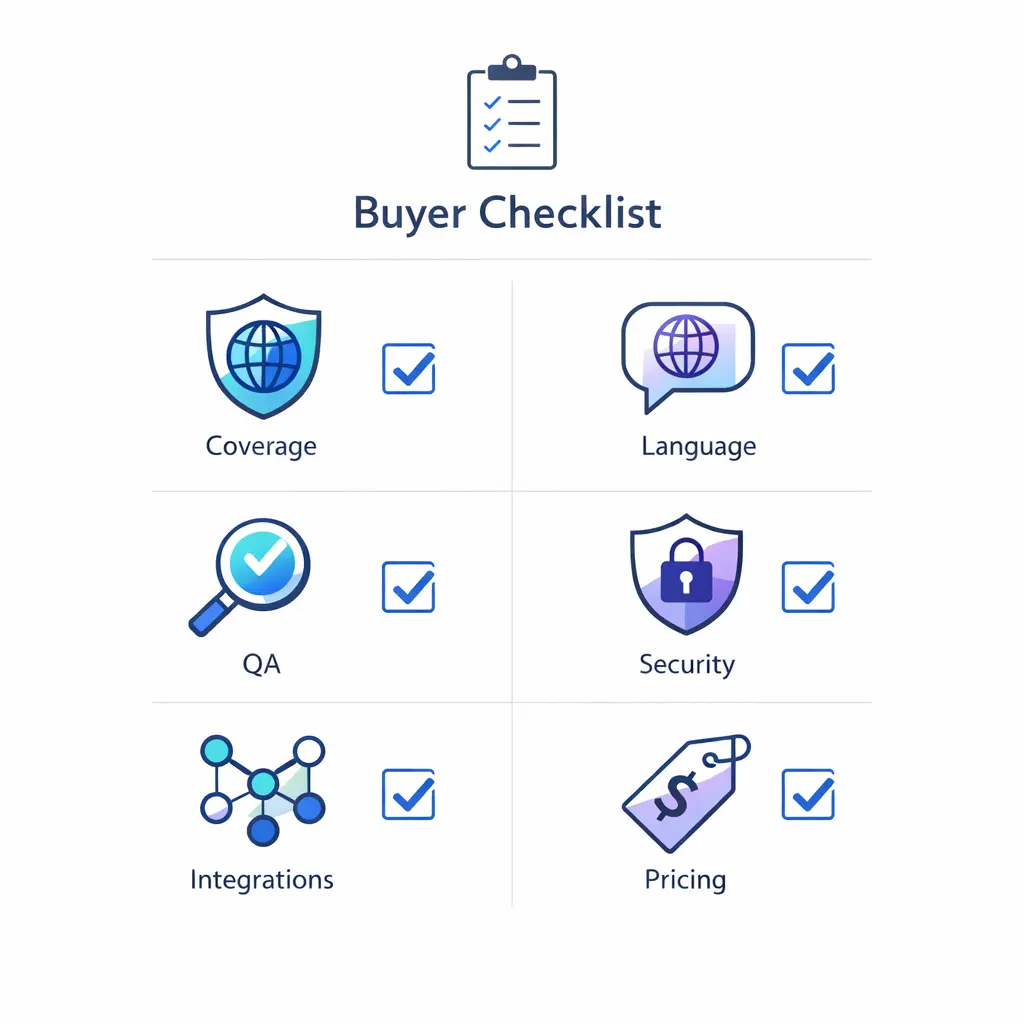
Use one review frame that organizes coverage, language, QA, security, integrations, and pricing. A single checklist keeps the comparison consistent across every provider on your shortlist.
Worked through in order, this framework keeps the comparison grounded in operational reality: what the provider actually delivers across coverage, quality, escalation, and reporting, rather than how the rate card looks on first read.
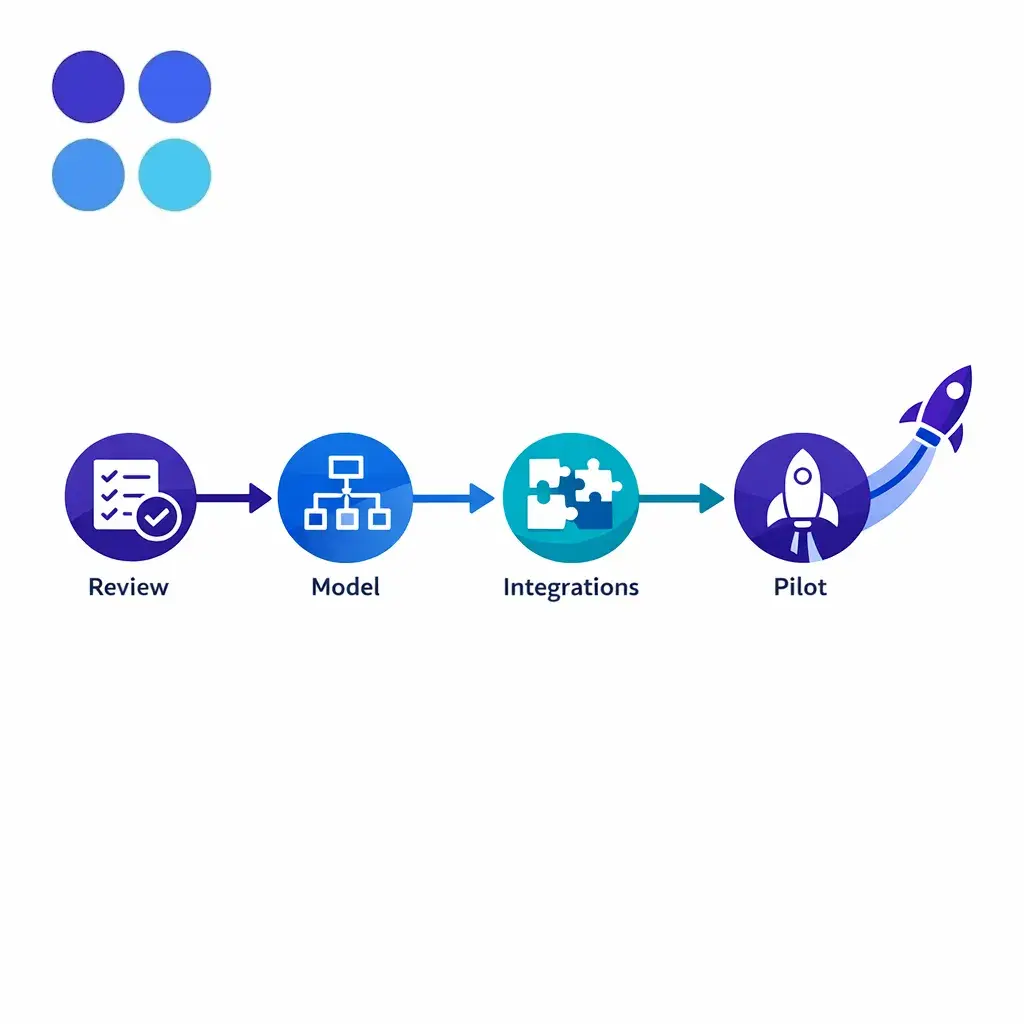
The next step is low-friction: a short discovery conversation that moves from a review of your needs to a pilot-ready outsourcing design built around your real workflow.
If your team is comparing customer service outsourcing companies for bilingual coverage, overflow handling, after-hours continuity, or higher-quality intake workflows, a specialist evaluation can save time. Request pricing or book a discovery call with Go Answer to review your coverage model, service expectations, and integration needs with a partner built for operational reliability.

Learn why thousands of companies rely on Go Answer.
Try us risk-free for 14 days!
Enjoy our risk-free trial for 14 days or 200 minutes, whichever comes first.
Have more questions? Call us at 888-462-6793
Learn why thousands of companies rely on Go Answer.
Have more questions? Call us at 888-462-6793
If you would like to get in contact with a Go Answer representative please give us a call, chat or email.

Thanks for your interest!
A representative will be reaching out to you shortly.
Have more questions? call us on 888-462-6793
