
Proactive vs Reactive Customer Service: Which Model Reduces Missed Revenue and Escalations?
By Matt O'HaverLast modified: June 16, 2026
Voted Top Call Center for 2024 by Forbes
Virtual Receptionists
Save time and money with our virtual receptionists.
AI Receptionist
AI-powered receptionist that answers, routes, and qualifies calls 24/7.
Enterprise Solutions
Solutions designed to scale with your organization’s needs.
Legal Services
Our virtual legal receptionists are experts in legal intake.
Last modified: June 16, 2026
Service leaders often frame proactive vs reactive customer service as a philosophy debate. For enterprise teams, the better question is operational: which model protects revenue, stabilizes coverage, and reduces escalation pressure across every hour, queue, and location?
This guide is for multi-location service businesses, legal intake-heavy firms, healthcare practices, and high-volume inbound teams. You will learn where proactive customer service outperforms reactive customer service, where reactive service is still essential, which customer support metrics matter most, and how after hours support and overflow design affect outcomes.
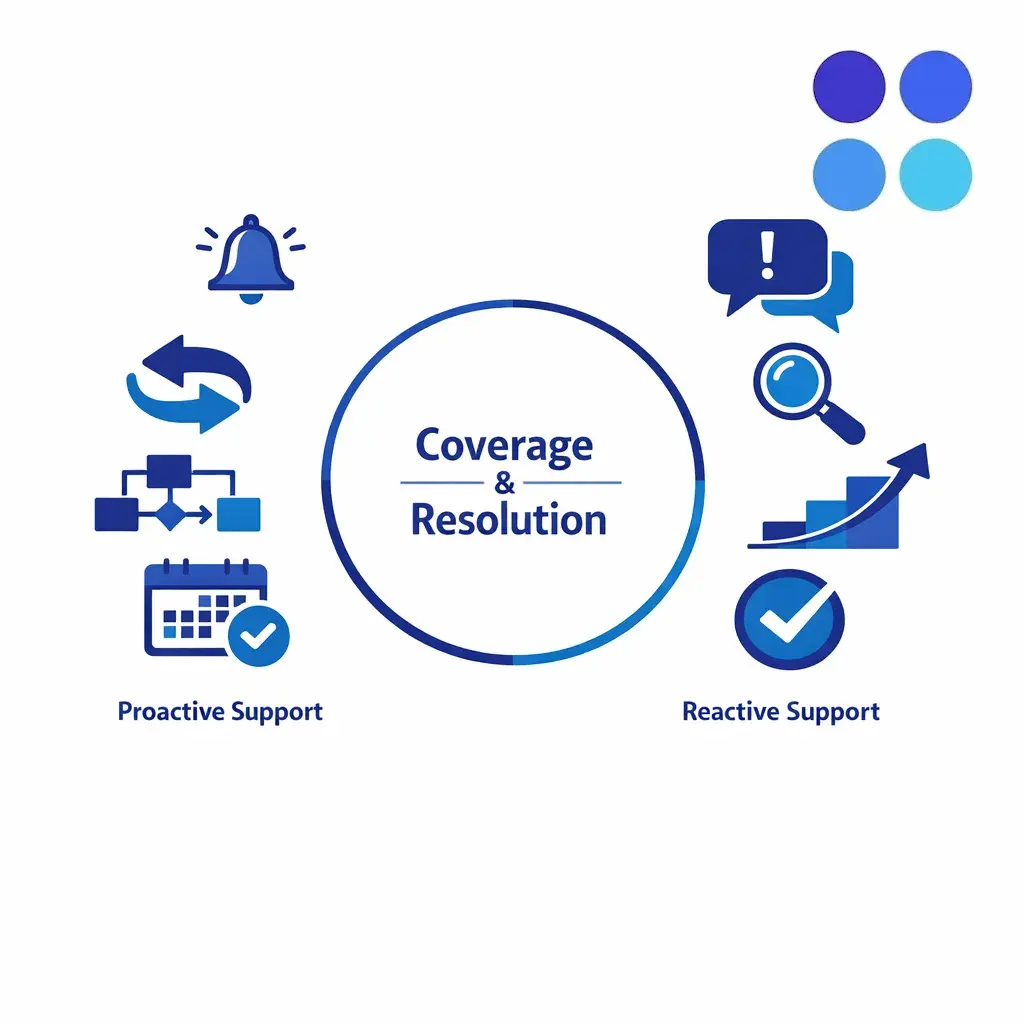
The strongest model is balanced: proactive coverage prevents predictable friction while reactive support resolves the complex, emotional work that timing alone cannot fix. Most enterprise teams need both, deliberately separated.
Proactive customer service starts before the customer has to ask for help. Reactive customer service starts after the customer reaches out with a problem, question, or urgent need.
Good service is usually both. Proactive coverage removes predictable friction, while reactive support handles the complex, emotional, and exception-based work that cannot be resolved by timing alone.
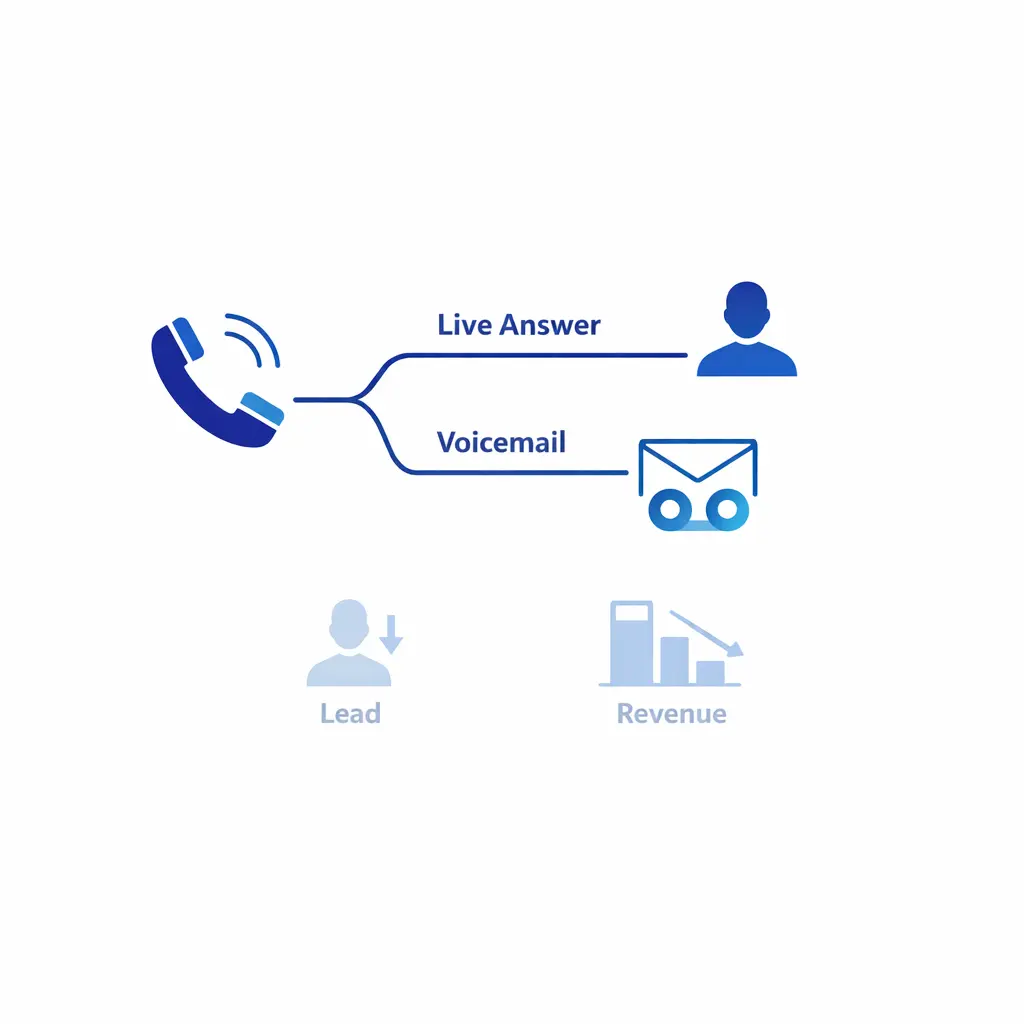
For many service businesses, the highest-risk moment is the first unanswered call. It drops to voicemail, the lead cools, and revenue quietly leaks before anyone sees a complaint.
In practice, proactive customer service means your team acts early. That can include appointment reminders, missed-call callbacks, status updates, overflow routing before queues fail, or outreach that closes a gap in the intake workflow before it becomes a complaint.
The goal is not more contact for its own sake. The goal is to remove preventable effort, protect conversion opportunities, and give the customer a clear next step before uncertainty turns into abandonment.
Reactive customer service begins when the customer starts the interaction. They call because a bill looks wrong, an order failed, an appointment is unclear, a matter feels urgent, or a prior promise was not kept. This is the side of service that depends on listening, investigation, judgment, and recovery.
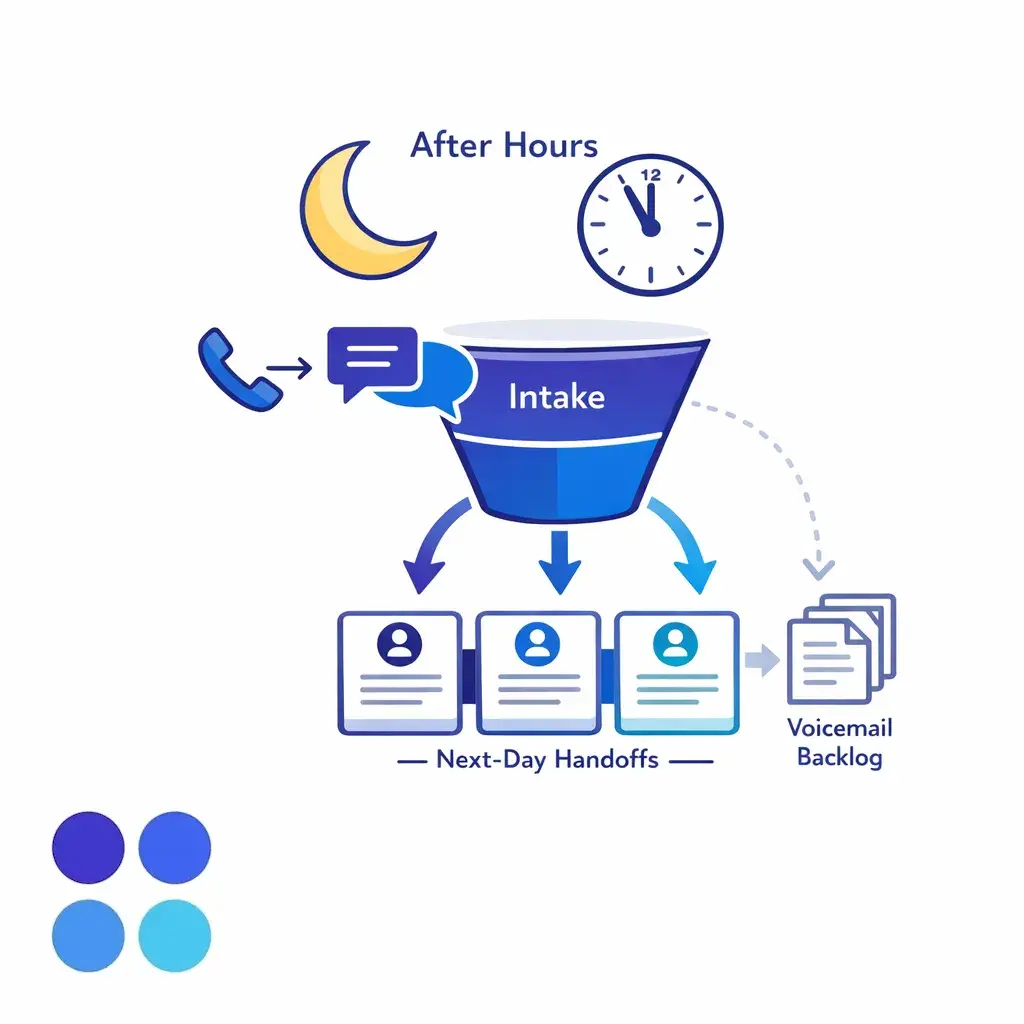
After-hours demand does not wait for business hours. Capturing nights, weekends, and lunch-hour inquiries live feeds them into the pipeline instead of starting the next day with a larger backlog and colder leads.
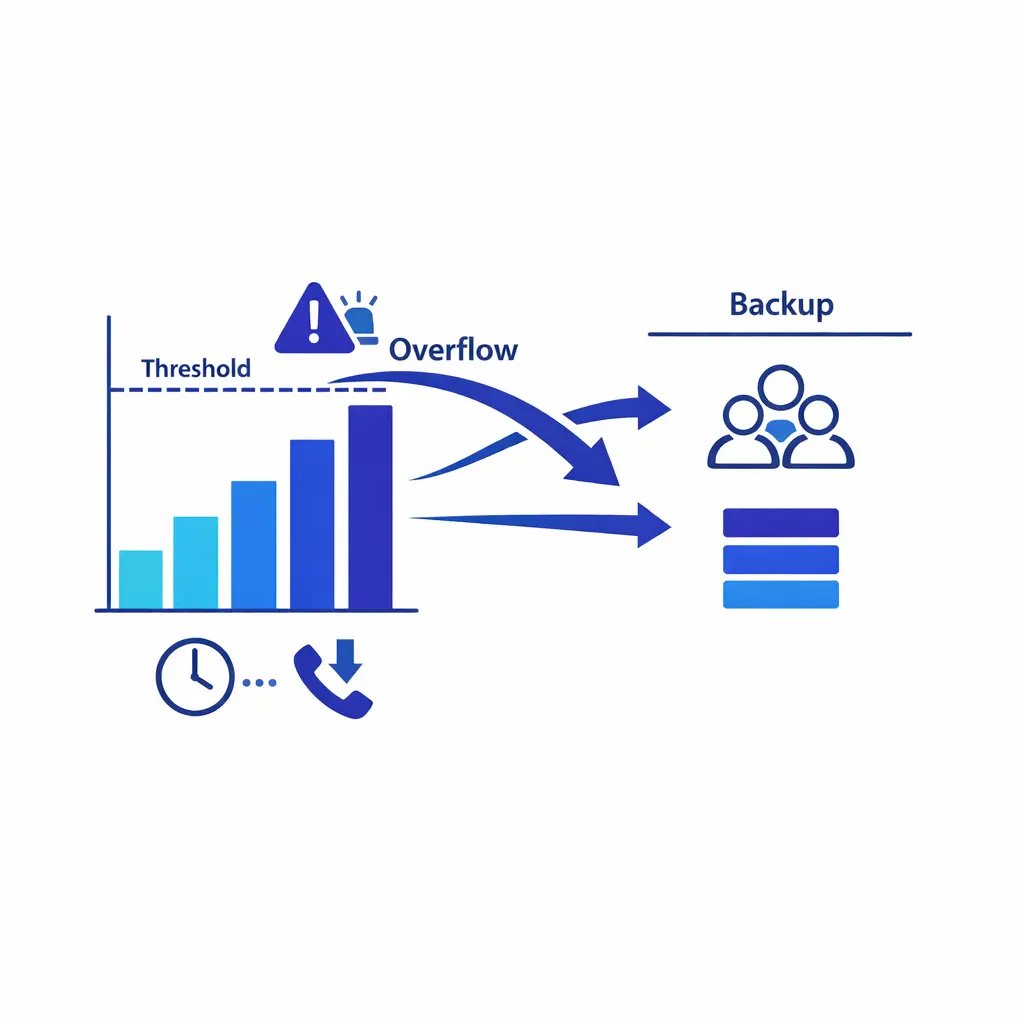
Anticipate spikes instead of reacting to them. Thresholds, queue alerts, and overflow routing move calls to trained backup teams before hold times climb and abandonment rises — protecting answer rates and intake quality.
For many service businesses, the highest-risk moment is the first unanswered call. Proactive after hours support gives the caller a live path forward, captures intent while it is fresh, and turns a vague follow-up promise into a defined next step.
That matters in legal, healthcare access, home services, and any business where the customer may be contacting more than one provider. When the front door stays open, the next business day starts with qualified handoffs instead of cold voicemail cleanup.
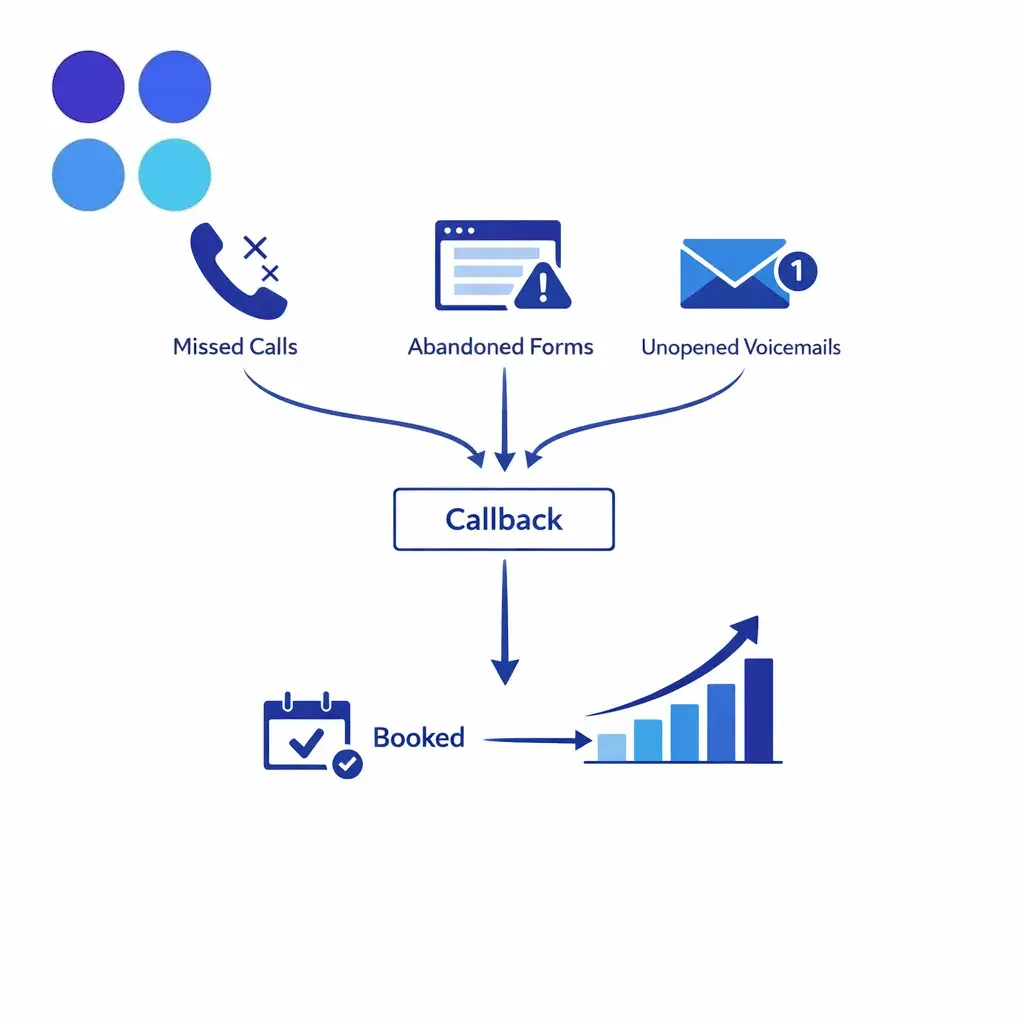
Small, recoverable moments add up: a missed scheduling call, an abandoned form, a voicemail with no same-day response. A callback-recovery workflow loops those back into booked appointments before they age out.
Many organizations lose revenue in small, recoverable moments: a missed scheduling call, an abandoned form, or a voicemail that never receives a same-day response. Proactive callback recovery keeps those opportunities from aging out.
For outbound reminder texts and callback campaigns, teams should align consent and outreach workflows with Telephone Consumer Protection Act rules. That becomes more important when operations scale across locations or use automated dialing and messaging tools.
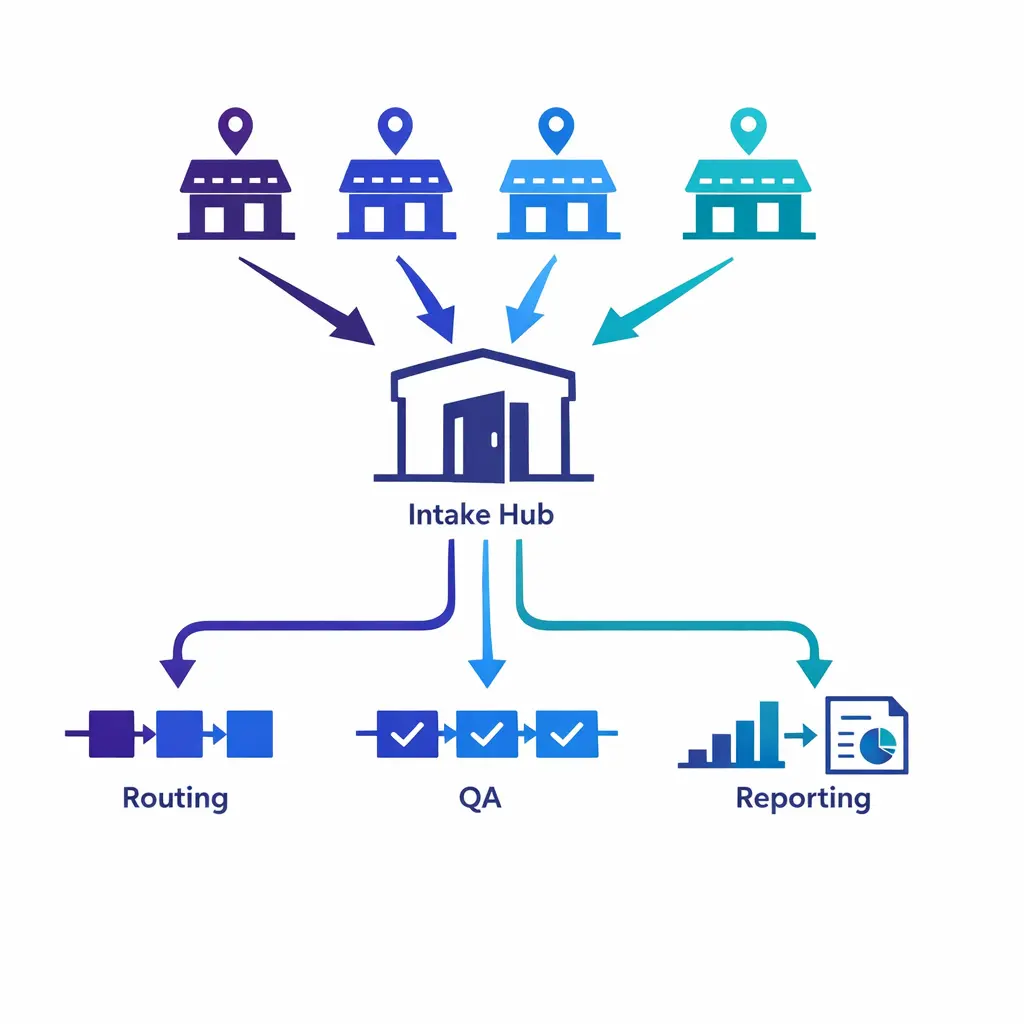
In multi-location operations, proactive service creates one dependable front door. Standard greetings, location-aware routing, shared escalation logic, and centralized QA give every site the same service discipline.
In multi-location operations, proactive customer service creates one dependable front door even when staffing is distributed. The result is less variation between locations and fewer preventable escalations caused by inconsistent handoffs. It also makes reporting more useful because leadership can compare like with like.
Reactive customer service remains the right choice when the issue is messy, sensitive, or personal. A customer who is frustrated, confused, or worried usually needs a trained human who can listen, clarify, and take ownership. Speed matters, but resolution quality and judgment matter more.
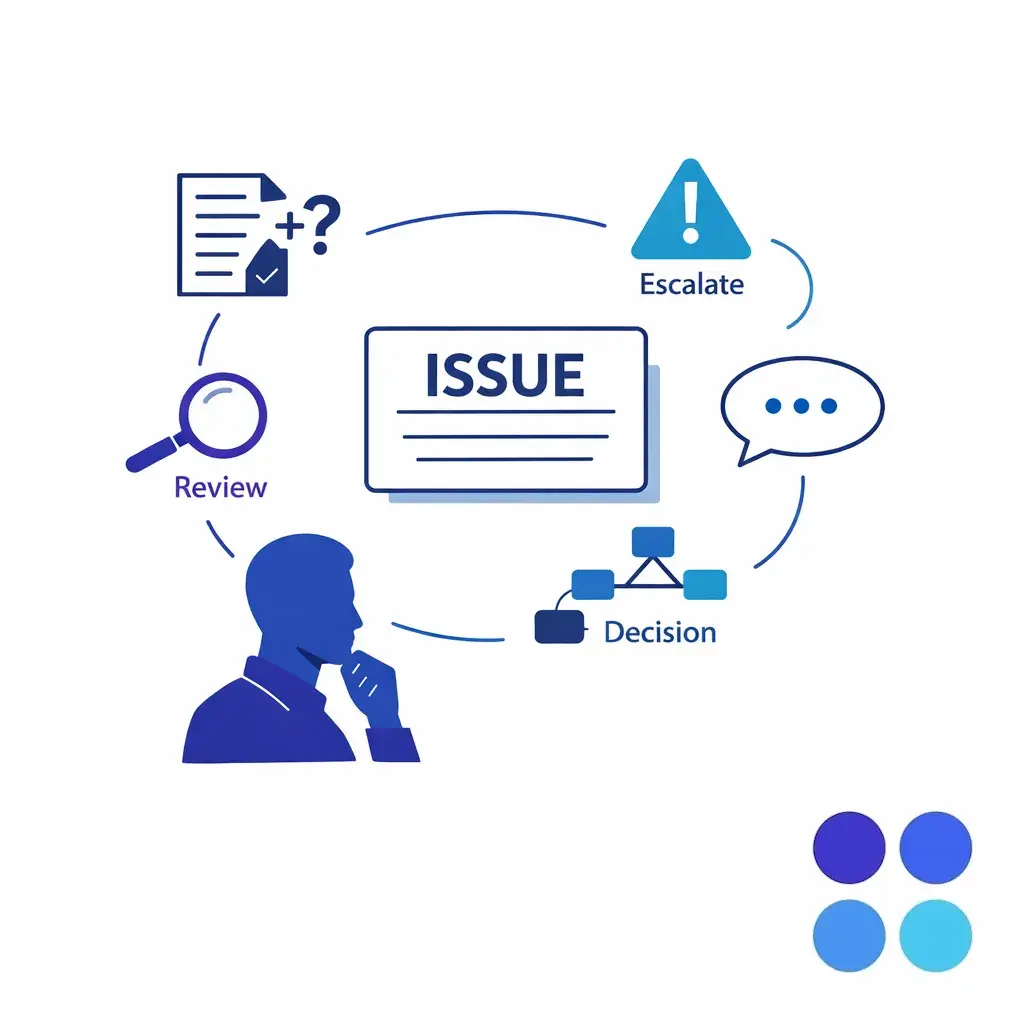
Some issues cannot be scripted away. Complex, sensitive, or emotional cases need a trained human who can listen, investigate, and take ownership — where resolution quality matters more than raw speed.
Complaint handling is naturally reactive because the customer is already responding to a failure. The best reactive teams acknowledge quickly, explain what will happen next, and avoid bouncing the person between departments. That is where customer escalation management becomes a discipline, not just a queue: the handoff path should be obvious, authority levels clear, and front-line staff should know when to escalate and when to resolve.
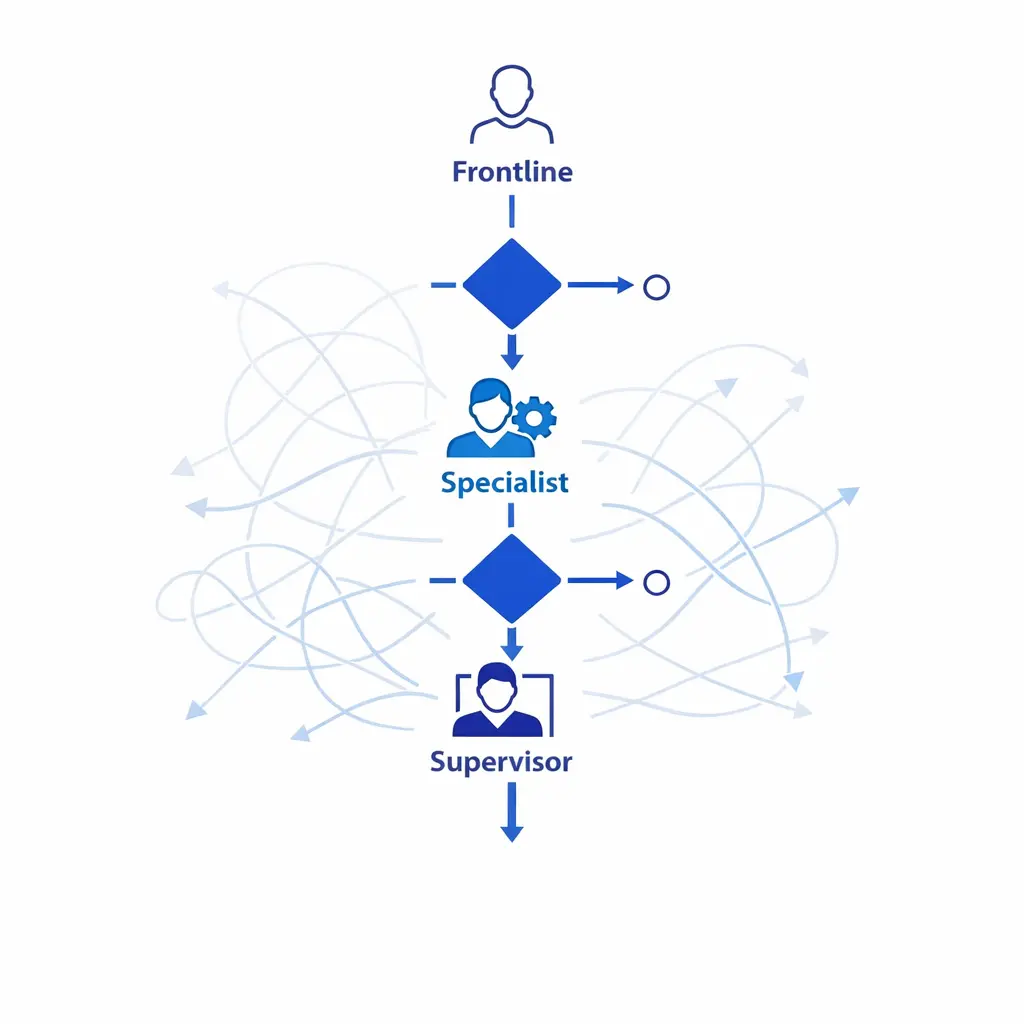
A clear, tiered escalation path moves an issue from frontline to specialist to supervisor without chaotic handoffs — lowering severity and protecting the customer's confidence along the way.
Not every issue should be prevented by script. Some require exceptions, policy interpretation, or risk review. Reactive support protects the business when trained staff are empowered to make careful decisions instead of forcing a one-size-fits-all answer.
For PI, mass tort, and litigation support workflows, reactive-only service often means waiting for staff to return calls after the moment of urgency has passed. A proactive intake layer answers immediately, captures the basics, and routes urgent consultations into the right follow-up path.
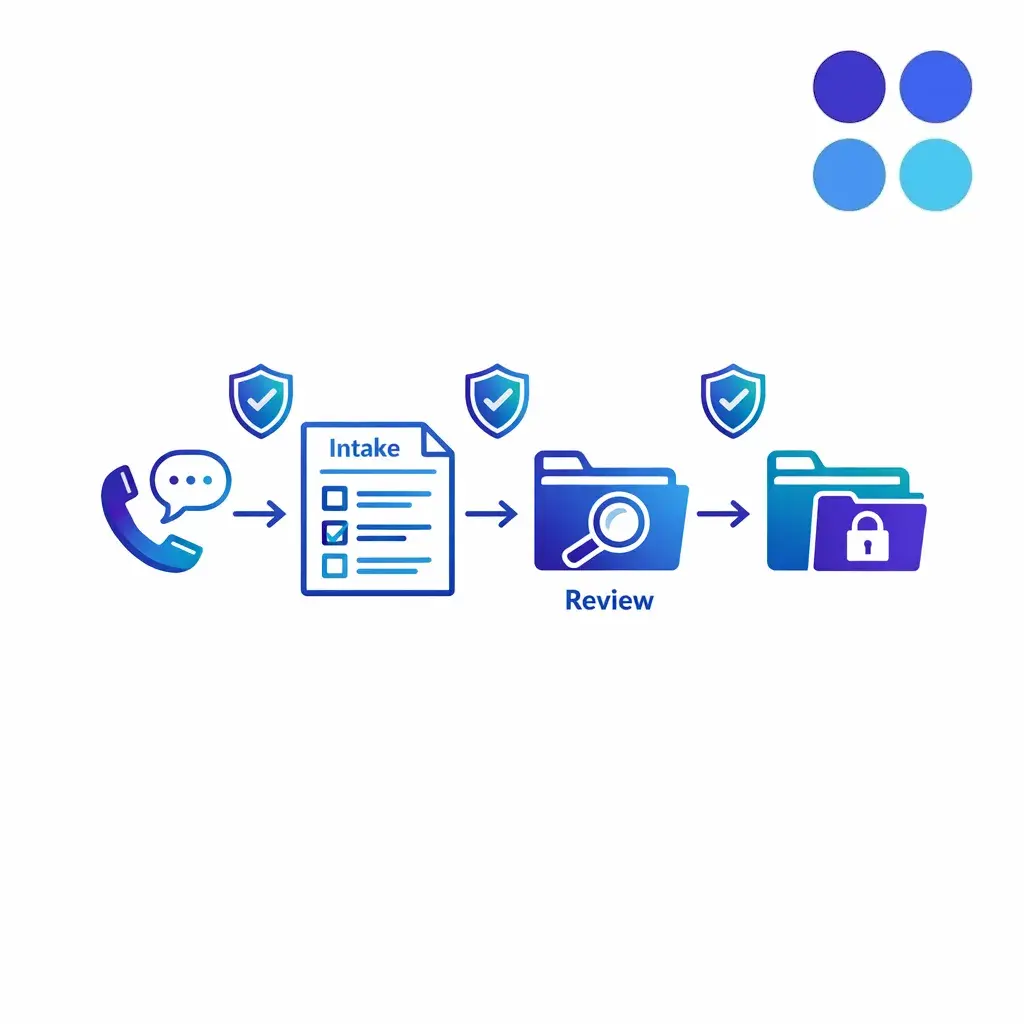
A proactive legal intake layer answers immediately, captures key facts, and routes them securely for review and conflict checks — without over-collecting or improvising legal advice.
That process also needs discipline. People who contact a firm for advice may be treated as prospective clients, so the intake team should collect the right information for a secure handoff and conflict review without over-collecting or improvising legal guidance.
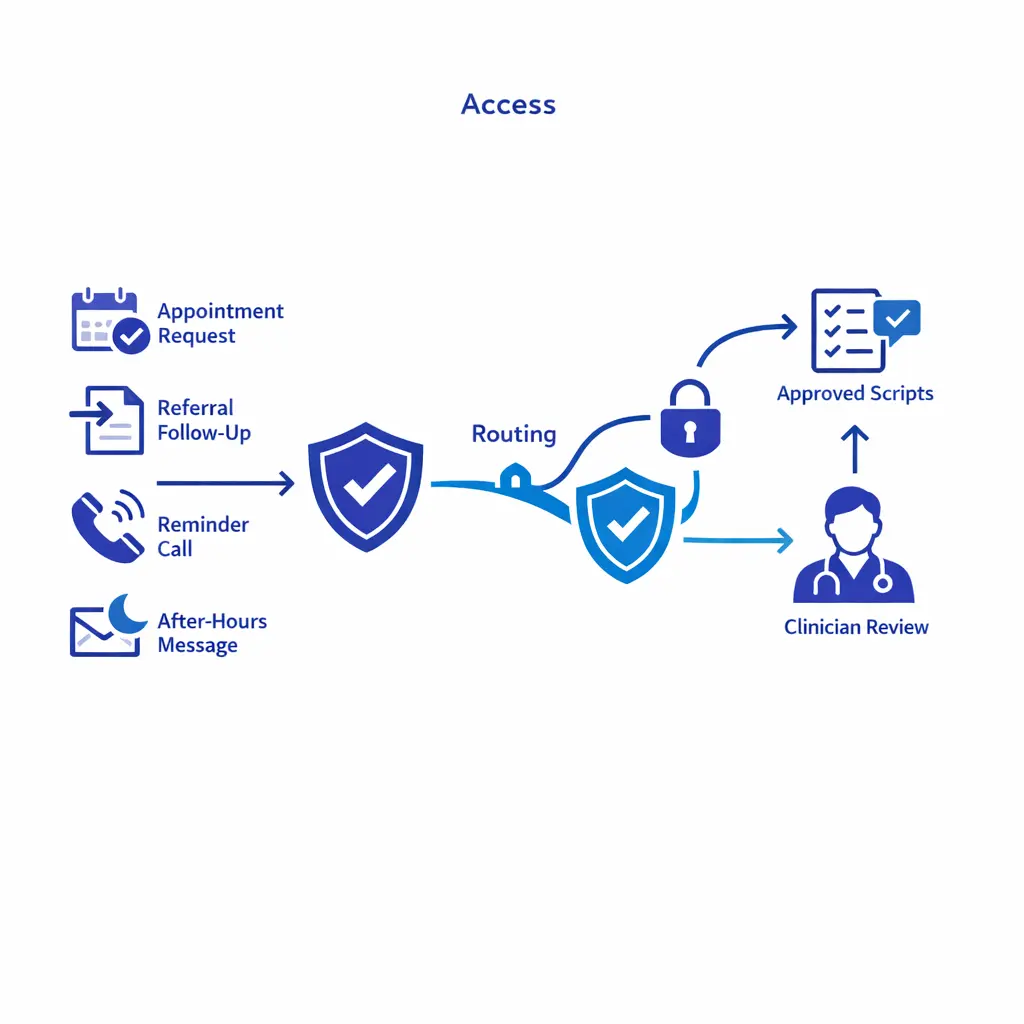
In healthcare, proactive service improves access within nonclinical boundaries: appointment requests, referral follow-up, reminders, and after-hours message capture move through privacy-safe routing.
In healthcare, proactive service is most useful when it improves access without expanding beyond nonclinical boundaries. Appointment requests, referral follow-up, reminder calls, and after-hours message capture work best when the workflow is built around the HIPAA Privacy Rule and the minimum necessary standard.
That usually means approved scripts, limited data capture, clear routing rules, and clinician-owned escalation protocols for urgent symptoms. A strong model improves access while keeping privacy, QA, and escalation boundaries intact.
For enterprise teams, the blended model is usually the most scalable. Proactive coverage protects answer rates, captures after-hours demand, and keeps overflow from breaking service levels, while reactive specialists handle exceptions, service recovery, and high-value accounts.
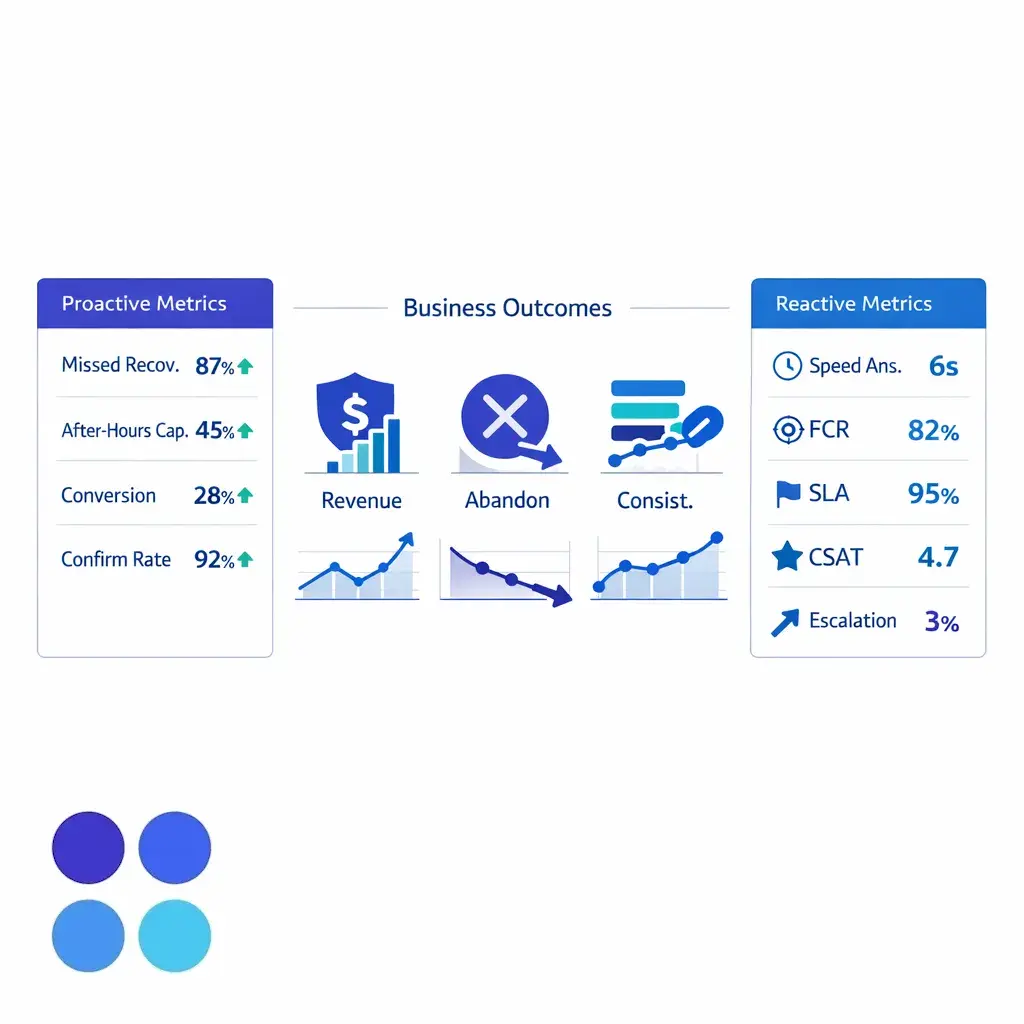
Measure each model on its own terms. Proactive metrics track prevention and capture; reactive metrics track resolution quality. In the center sit the business outcomes both are meant to protect.
A proactive dashboard should show whether you prevented friction early enough to protect revenue:
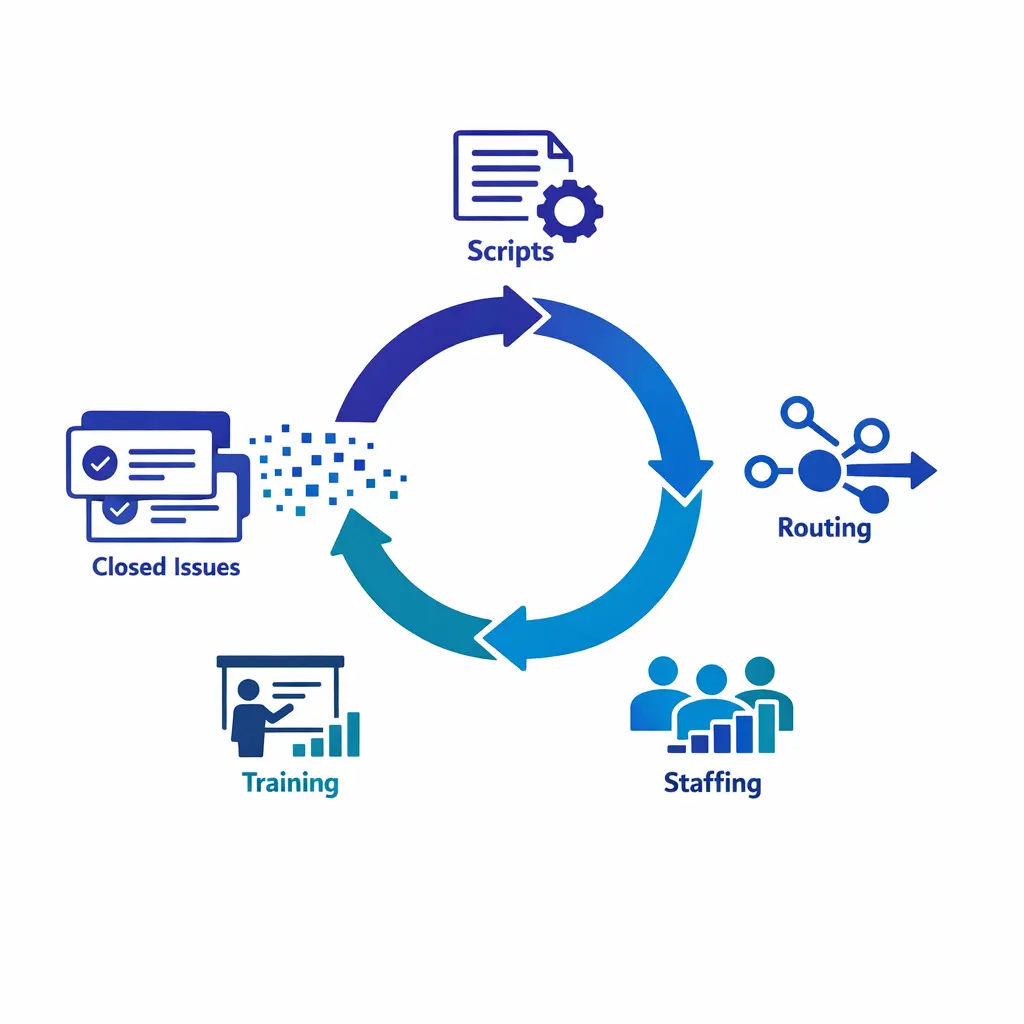
Reactive service should not end when the case closes. Feed resolved tickets back into scripts, routing, staffing, and training so the same friction is less likely to reappear.
Leadership should judge both models by business outcomes, not just channel performance. Track abandonment rate across phone and digital channels, conversion from inbound inquiries by hour and location, missed-revenue indicators such as aged leads and unreturned voicemails, complaint reopen rate, and location-to-location consistency in answer rates and QA outcomes.
Start with the issues that appear again and again. If the same missed-call pattern, scheduling gap, or billing question keeps generating contacts, it belongs on the proactive side of your customer service strategy.
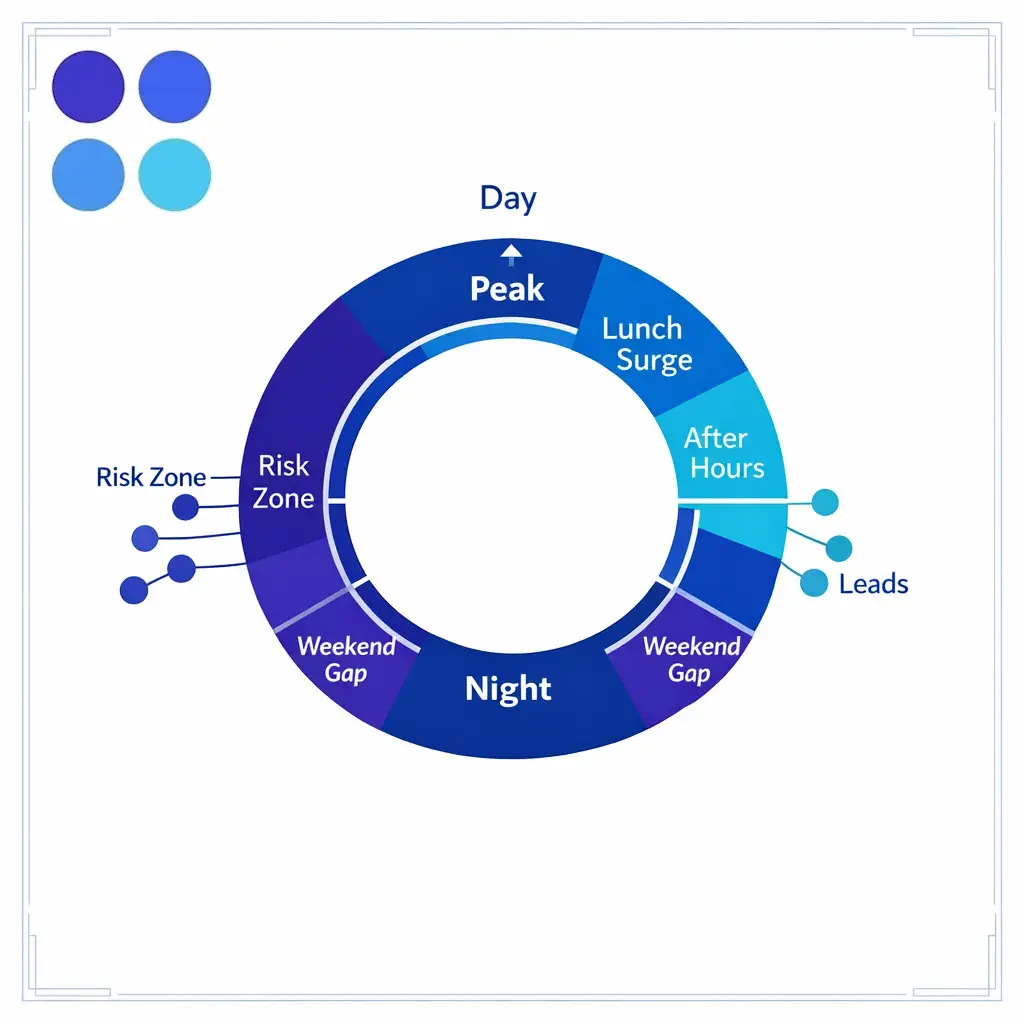
Map coverage by hour. A 24-hour view exposes missed-demand windows, lunch surges, and uncovered nights and weekends — often revealing a coverage problem mistaken for a service problem.
Set rules for the moments that should never wait for manual attention: unanswered calls, abandoned chats, web forms without follow-up, sudden queue spikes, and accounts approaching renewal or lapse. Keep your most capable people on work that truly requires human judgment, then use reactive contacts as diagnostic data — rewriting scripts, routing, staffing, and training so the same friction is less likely to reappear.
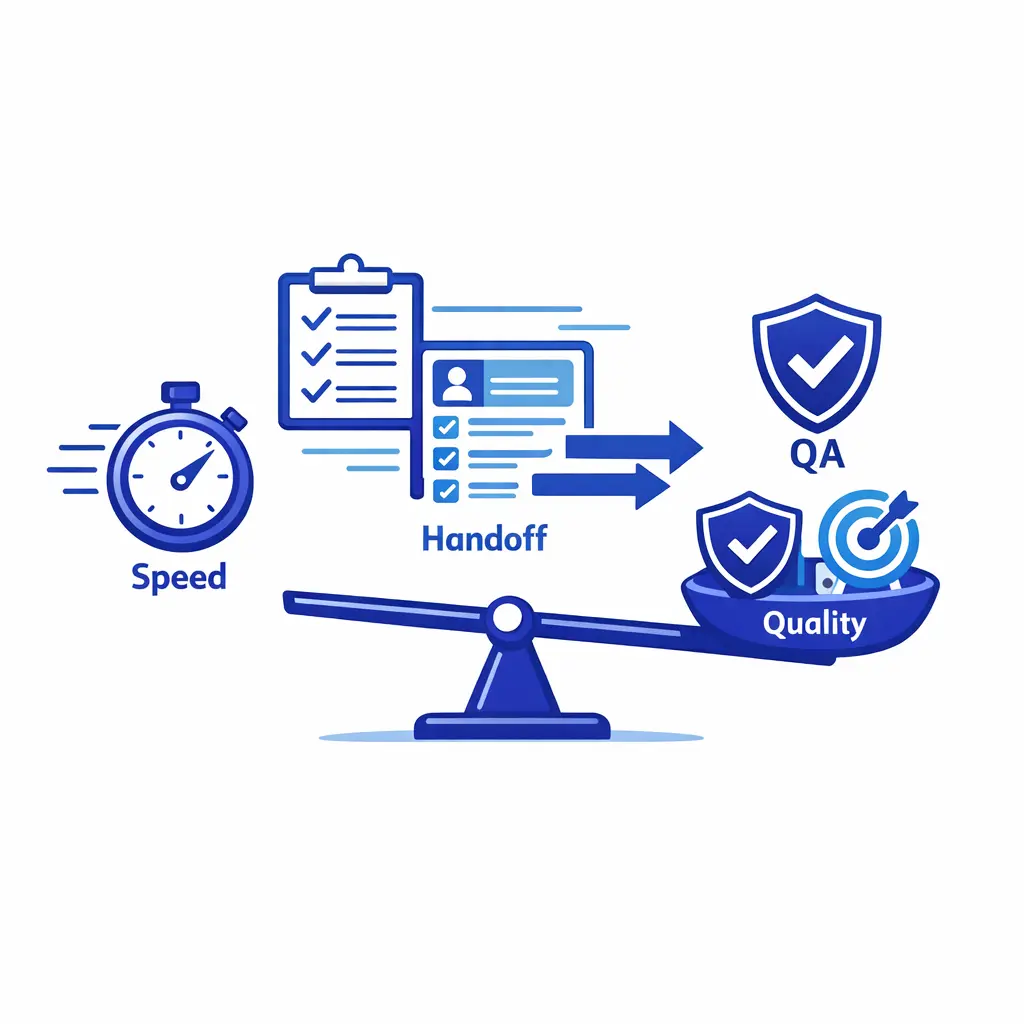
Speed alone does not ensure quality. Measure intake accuracy, disposition quality, and completed handoffs — not just answer rate — or fast handling will quietly create missed revenue and rework.
The better model is a blended one. Proactive coverage reduces predictable friction, captures after-hours demand, and prevents avoidable escalations, while reactive support resolves the unexpected, high-emotion, and high-judgment issues that still require skilled human ownership.
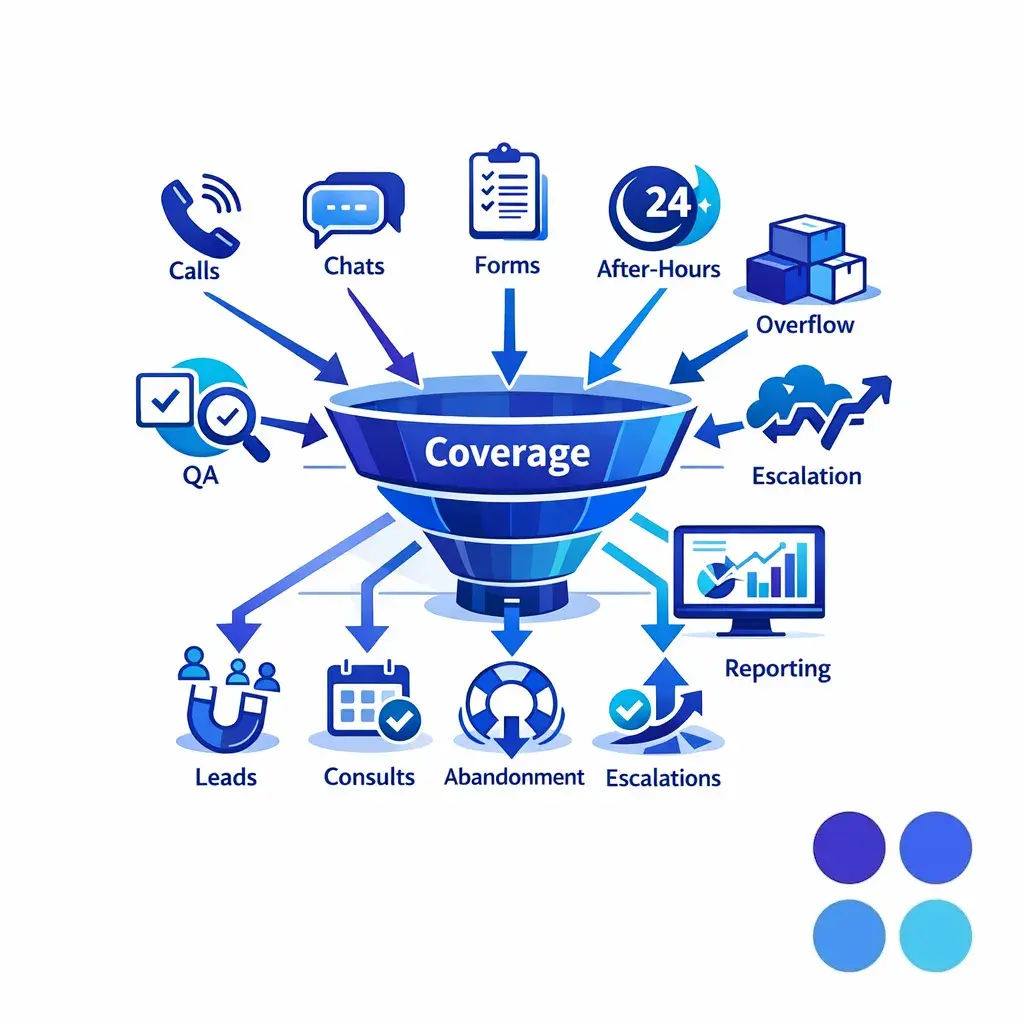
The right coverage model turns calls, chats, and forms into captured opportunities and fewer escalations — protecting revenue without forcing a choice between proactive prevention and reactive resolution.
Proactive customer service begins before the customer asks for help, usually through reminders, recovery workflows, or preventive outreach. Reactive customer service begins after the customer makes contact because something needs clarification, correction, or resolution.
It should be both. A strong operating model uses proactive service to prevent common friction and reactive service to solve the complex problems that cannot be predicted or scripted away.
A good example is complaint resolution after a service failure. The customer reaches out first, explains the problem, and expects the business to acknowledge, take ownership, and resolve it clearly.
The opposite is proactive customer service: instead of waiting for the customer to initiate contact, the business reaches out or intervenes early to prevent confusion, delay, or lost conversion.
In healthcare, it often means reminder calls, scheduling support, referral follow-up, and after-hours message capture using approved scripts. In legal intake, it means live answer, structured fact capture, and fast routing for consultations instead of letting urgent prospects fall into voicemail.
Go Answer helps organizations turn customer service strategy into operational coverage: live answer when demand arrives, structured intake when quality matters, and escalation paths that protect both experience and revenue. If you are comparing proactive and reactive customer service for overflow, after hours support, legal intake, healthcare access, or multi-location operations, you can request pricing or book a discovery call to talk to a specialist.

Learn why thousands of companies rely on Go Answer.
Try us risk-free for 14 days!
Enjoy our risk-free trial for 14 days or 200 minutes, whichever comes first.
Have more questions? Call us at 888-462-6793
Learn why thousands of companies rely on Go Answer.
Have more questions? Call us at 888-462-6793
If you would like to get in contact with a Go Answer representative please give us a call, chat or email.

Thanks for your interest!
A representative will be reaching out to you shortly.
Have more questions? call us on 888-462-6793
