
Customer Service Training Topics for High-Volume Teams: 15 Modules That Improve QA, Consistency, and Escalation Handling
By Matt O'HaverLast modified: June 23, 2026
Voted Top Call Center for 2024 by Forbes
Virtual Receptionists
Save time and money with our virtual receptionists.
AI Receptionist
AI-powered receptionist that answers, routes, and qualifies calls 24/7.
Enterprise Solutions
Solutions designed to scale with your organization’s needs.
Legal Services
Our virtual legal receptionists are experts in legal intake.
Last modified: June 23, 2026
High-volume teams do not struggle because people are lazy or uncommitted. They struggle when training is too generic for queues that move fast, require accurate notes, and depend on clean handoffs between agents, supervisors, intake staff, and back-office teams.
This guide is for service managers, legal intake leaders, healthcare operators, and multi-location businesses that need practical customer service training topics tied to real outcomes. You will get a prioritization framework, 15 modules for frontline teams, a rollout plan, common mistakes to avoid, and a simple way to measure whether training is improving QA, consistency, and escalation handling.
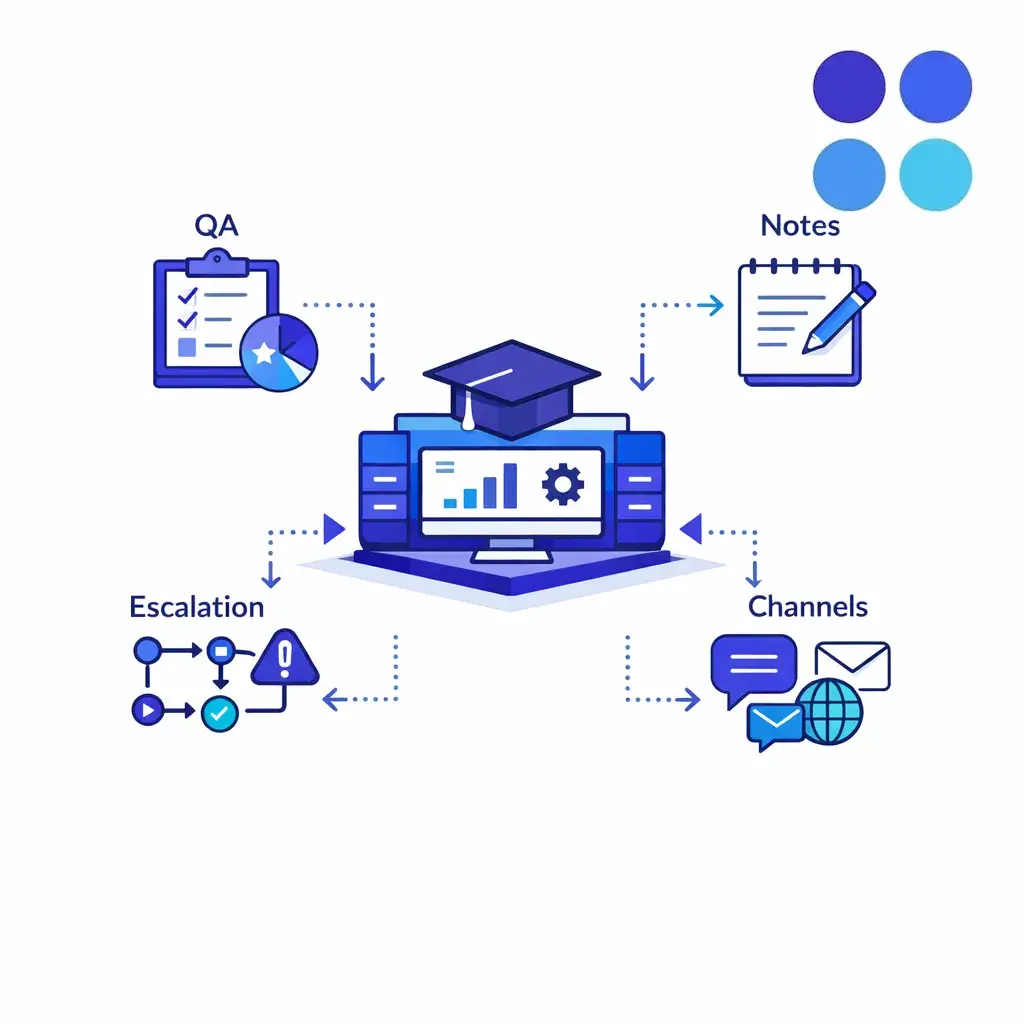
Treat training as a system, not a one-time event. A central hub connects QA, escalations, notes, and channels so every queue runs on the same standards instead of improvised habits.

Fifteen focused modules form a complete curriculum for frontline teams — from listening and empathy to documentation, escalation, compliance, and QA calibration — each tied to a real operational outcome.
In a low-volume environment, one weak interaction is a small problem. In a high-volume environment, one weak habit gets repeated dozens or hundreds of times across a week, which turns minor inconsistency into a measurable operational drag.
That is why training should be treated as part of standard work, not just onboarding. The discipline of documented processes, corrective action, and repeatable quality is closely aligned with ISO 9001 quality management systems. High-volume support also creates more handoffs, which is why structured teamwork methods such as AHRQ TeamSTEPPS are helpful references for transfers, callbacks, and escalation standards.
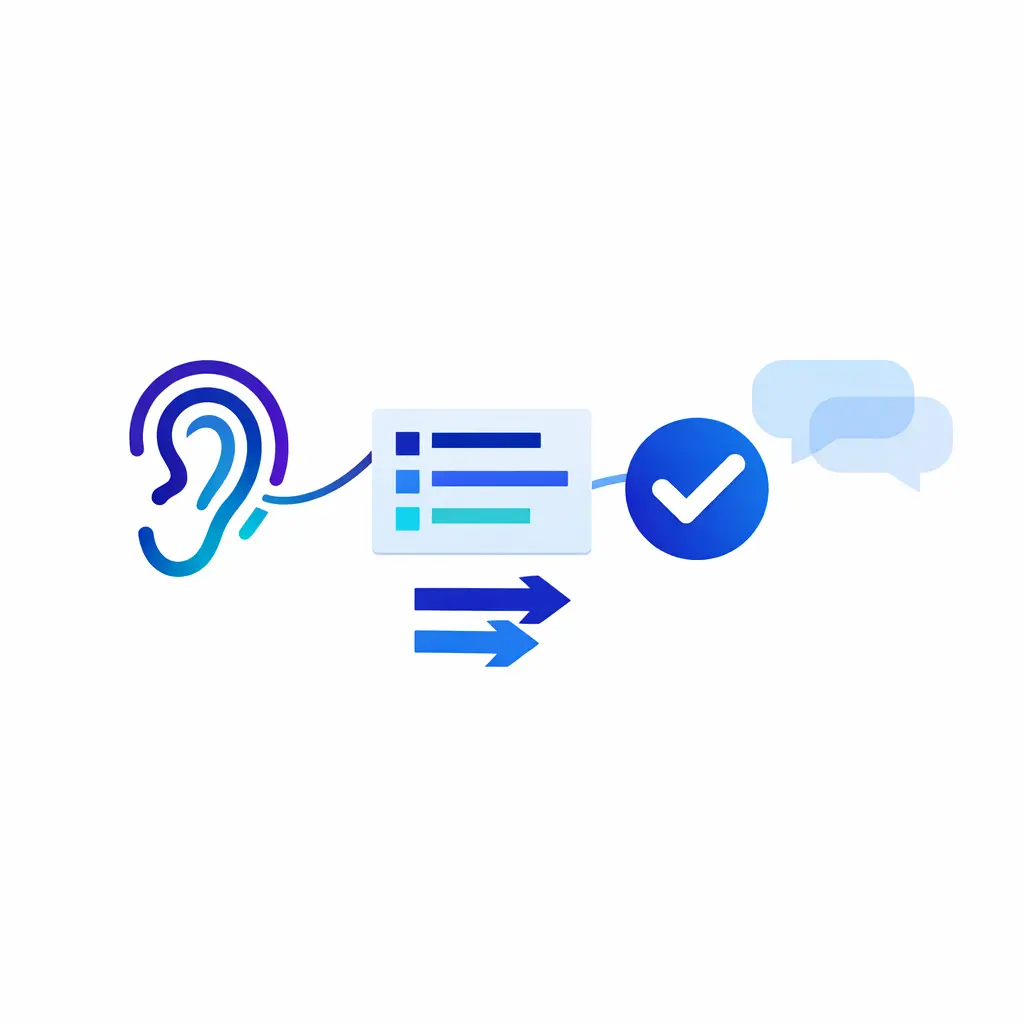
Listen before you solve. Summarize the problem in plain language, confirm urgency, and ask one focused follow-up — better issue capture means fewer repeat contacts and cleaner notes for the next person.
Tie each module to one primary outcome and one supporting KPI. Start with the failure pattern you already see: if customers repeat themselves, train listening and note quality; if supervisors are overwhelmed, strengthen escalation handling and decision thresholds.
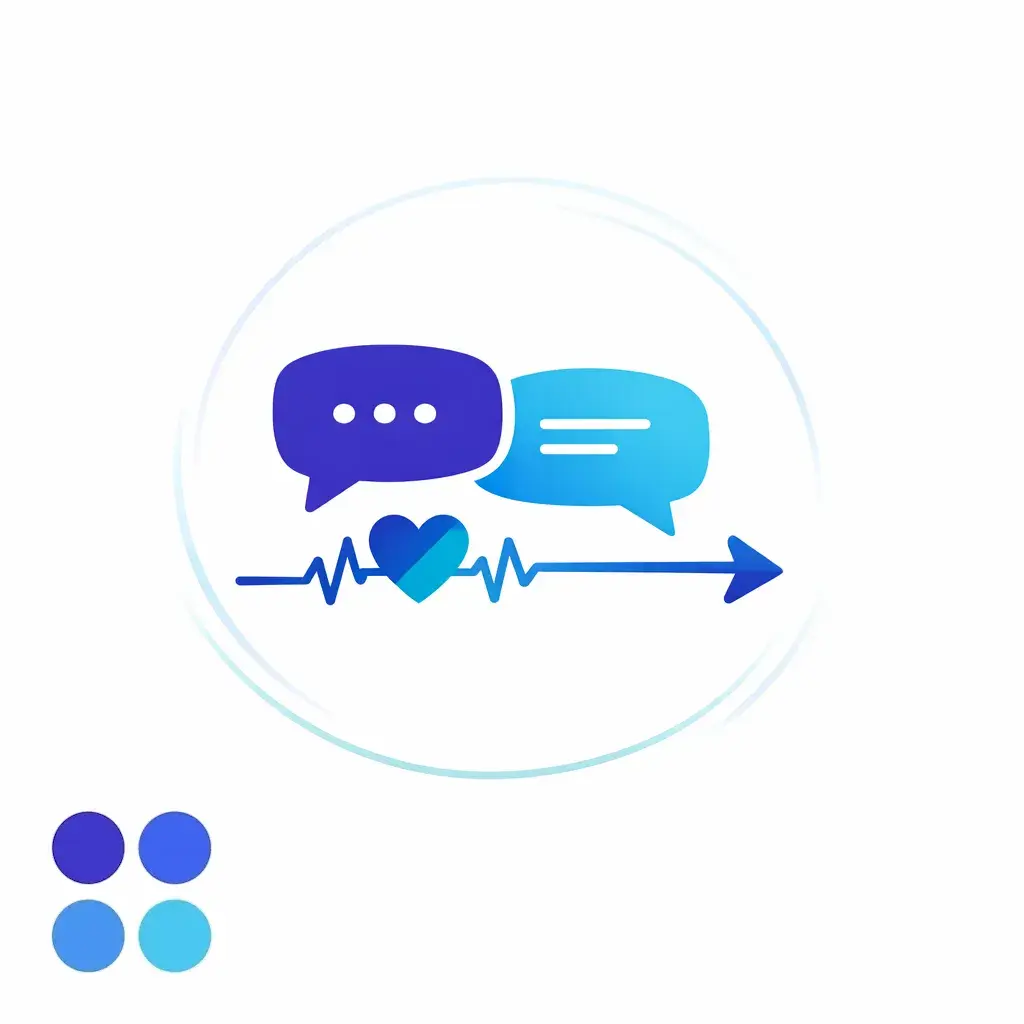
Empathy with speed: acknowledge what the customer is experiencing in short, controlled language, then move to the next useful step. It sounds human without slowing the queue.
Active listening means hearing the issue, confirming it, and capturing what matters before moving into a solution. Train agents to summarize the problem in plain language, confirm urgency, and ask one focused follow-up question instead of five scattered ones. This improves first-contact understanding and produces better notes for the next person in the workflow.
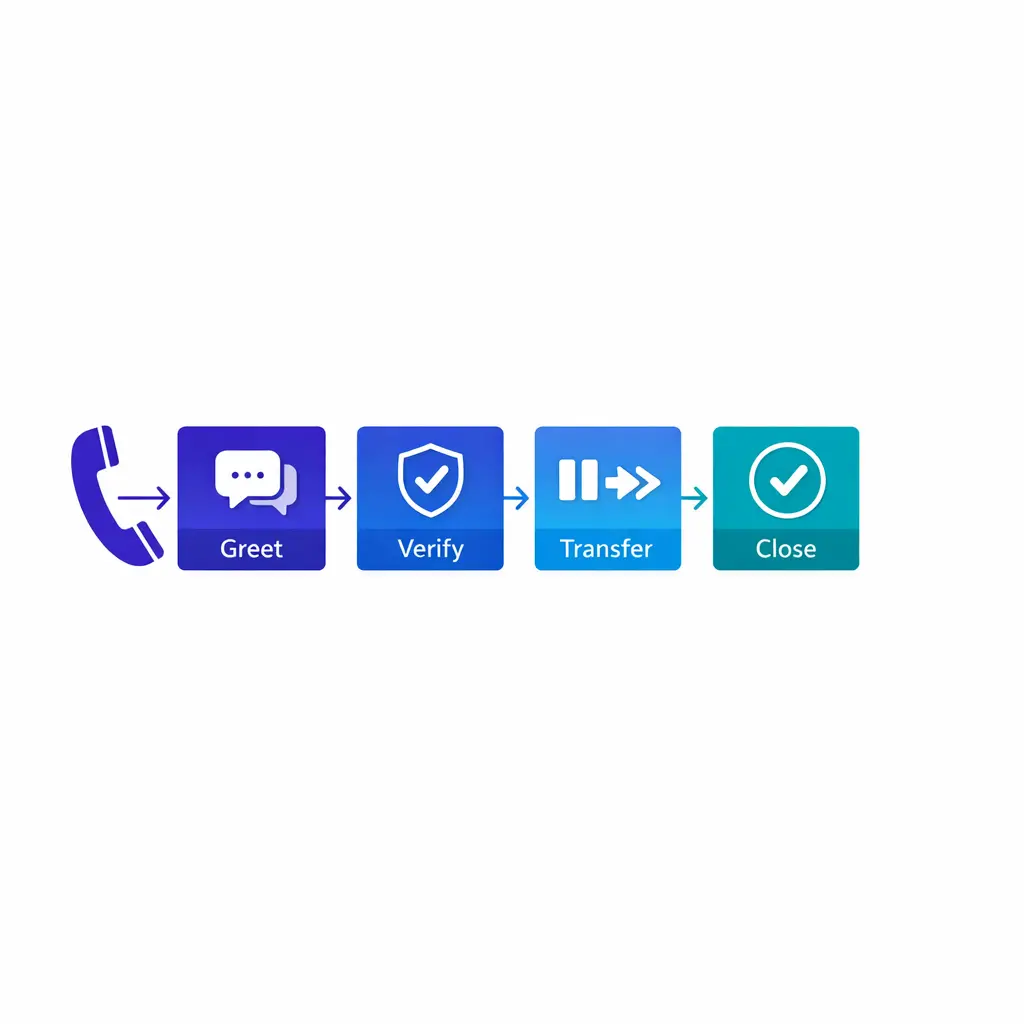
Call flow control shapes the whole interaction — greeting, verification, holds, transfers, and close — into one calm, organized sequence that reduces friction and dead air.
Empathy is not a long apology or a script full of soft phrases. It is the skill of recognizing what the customer is experiencing, acknowledging it directly, and then moving the interaction toward the next useful step. For high-volume teams, empathy training should teach short, controlled language that sounds human without slowing down the queue.
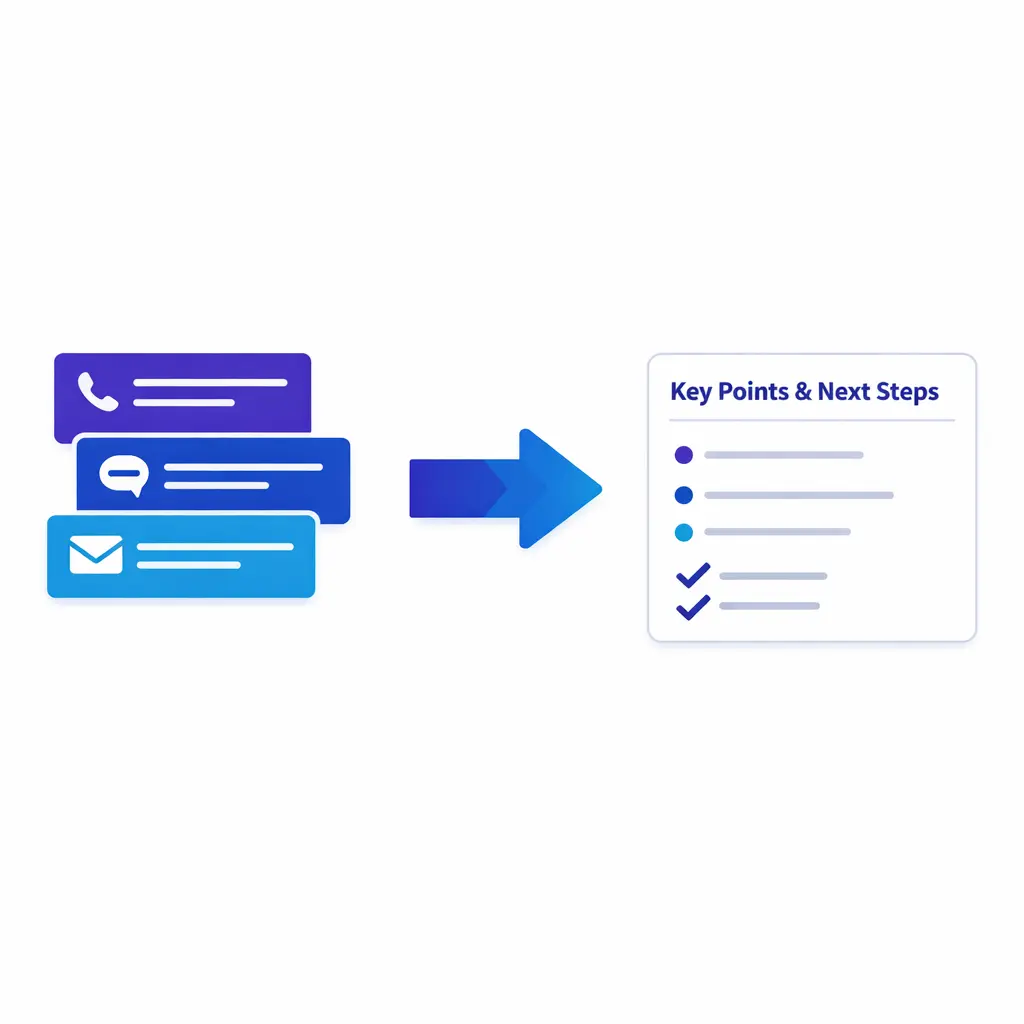
Clear communication that scales: short sentences, fewer internal terms, and a clean recap at the end so the customer can repeat the next steps back accurately across any channel.
This module covers the full shape of a live interaction: greeting, verification, agenda setting, hold management, transfer language, and closing. Strong phone etiquette makes agents sound calm and organized, which reduces friction even when the answer is not the one the customer wanted, and helps newer agents avoid dead air and weak transitions.
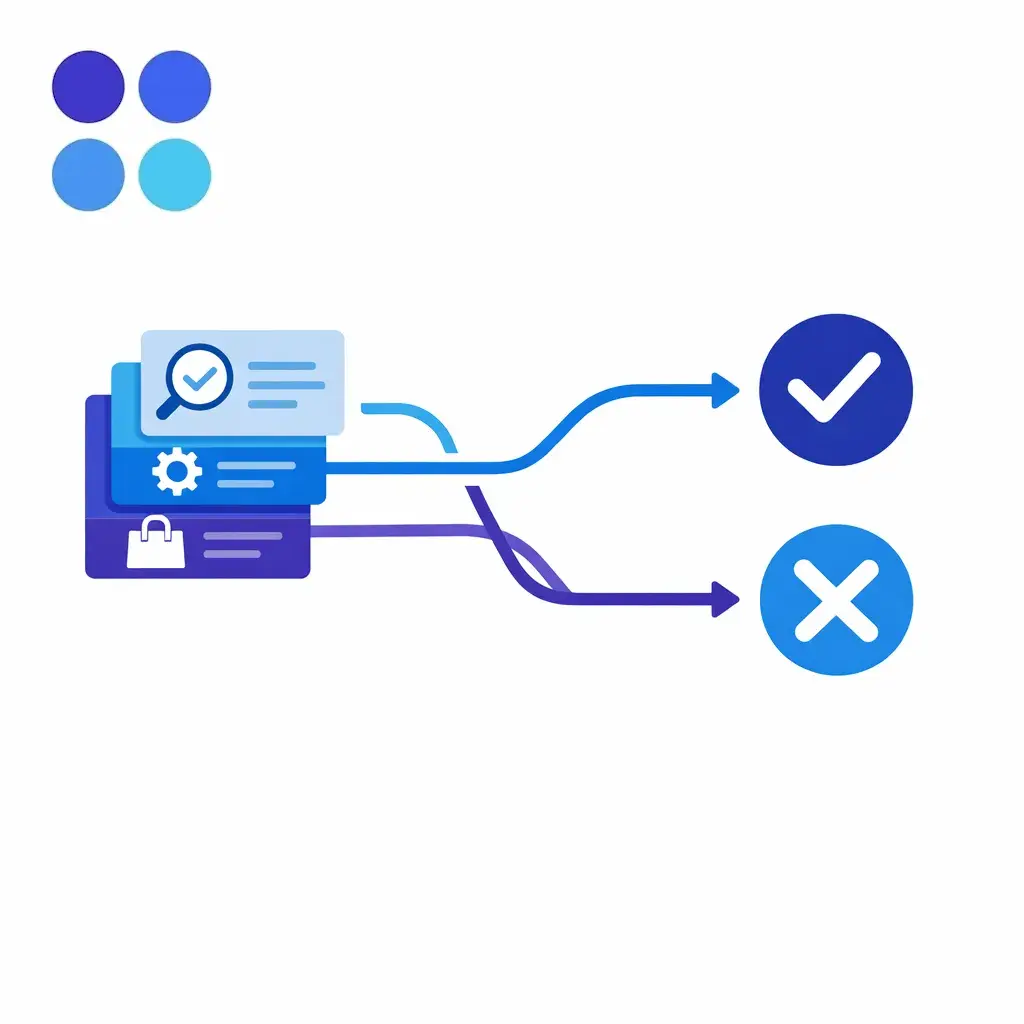
Knowledge builds confidence. Agents who know the service — top scenarios, common exceptions, and what needs specialist review — set accurate expectations instead of guessing.
Agents need to explain policies, next steps, and timelines in language a customer can actually repeat back. Train for shorter sentences, fewer internal terms, and cleaner recap statements. In chat, SMS, and email, cover message structure so the customer can scan the answer quickly without missing key instructions.
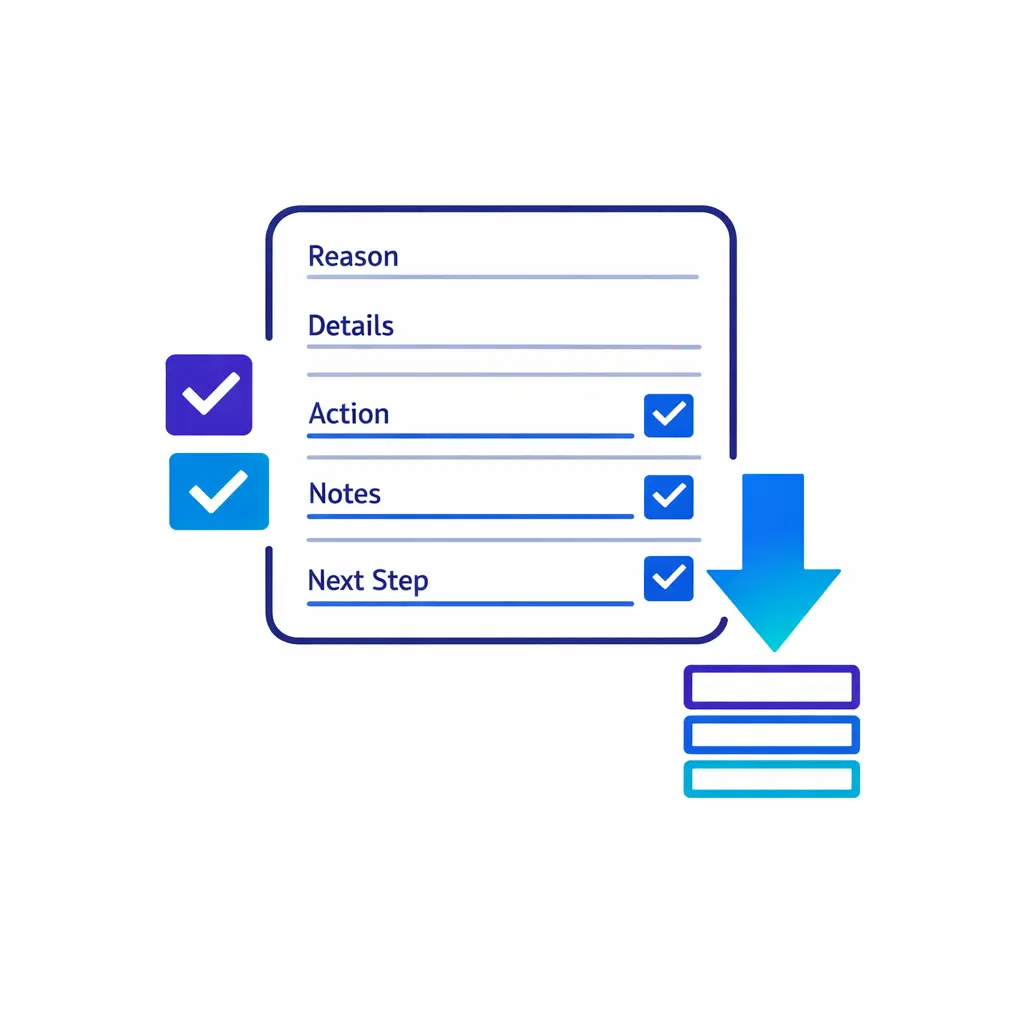
Documentation prevents rework. Capture reason, facts, action, next step, and escalation status the same way every time so the next agent or scheduler never starts from behind.
Customers lose confidence when the agent knows the script but not the service. Focus on the top scenarios, the most common exceptions, what the team can solve directly, and what requires specialist review. For legal intake or complex service businesses, this also means teaching agents what they should never guess, promise, or improvise.
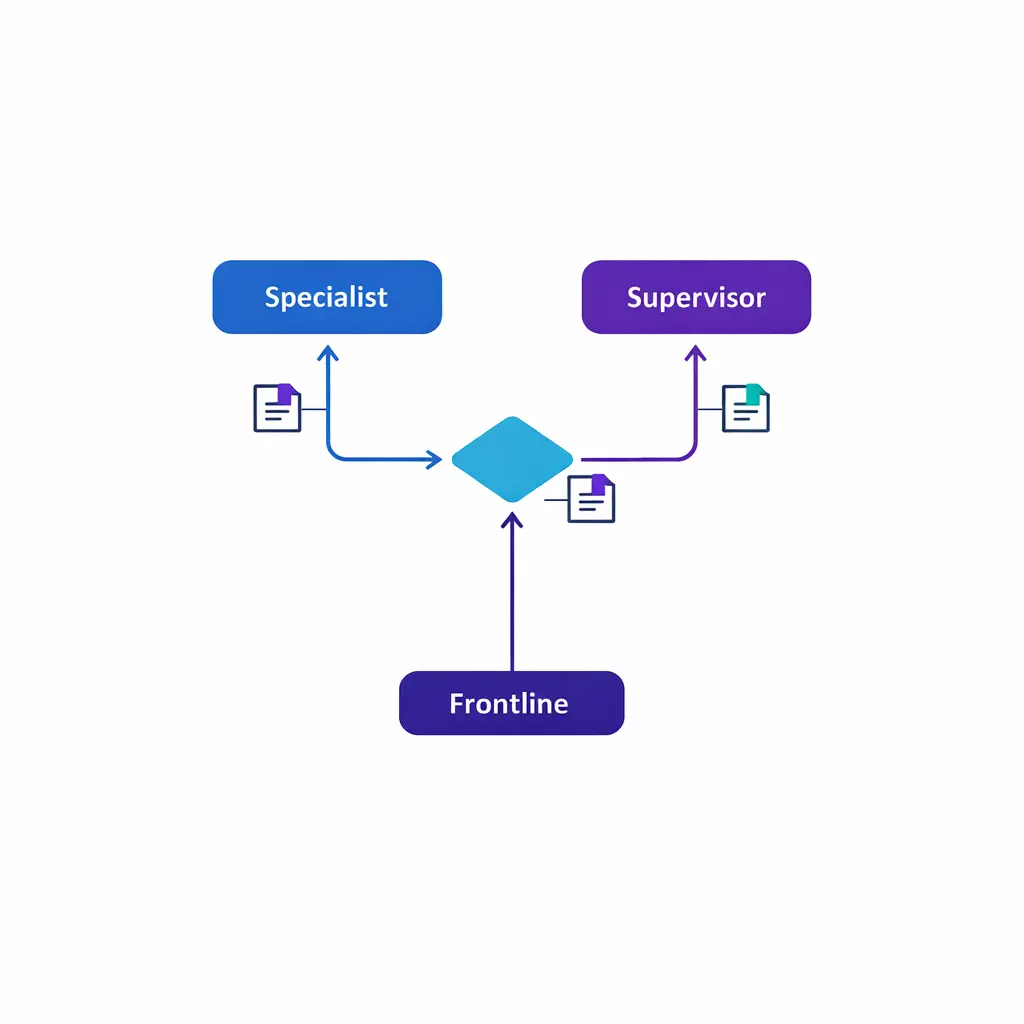
Clean handoffs route each case to the right level with the required notes attached. Clear thresholds mean fewer cases held too long and fewer escalations that should have stayed frontline.
Bad notes create repeat work. Train agents to capture the reason for contact, the facts collected, the action taken, the promised next step, and the escalation status in a predictable format every time. Documentation quality affects everyone after the first interaction: incomplete notes mean the next agent, intake specialist, or scheduler starts from behind.
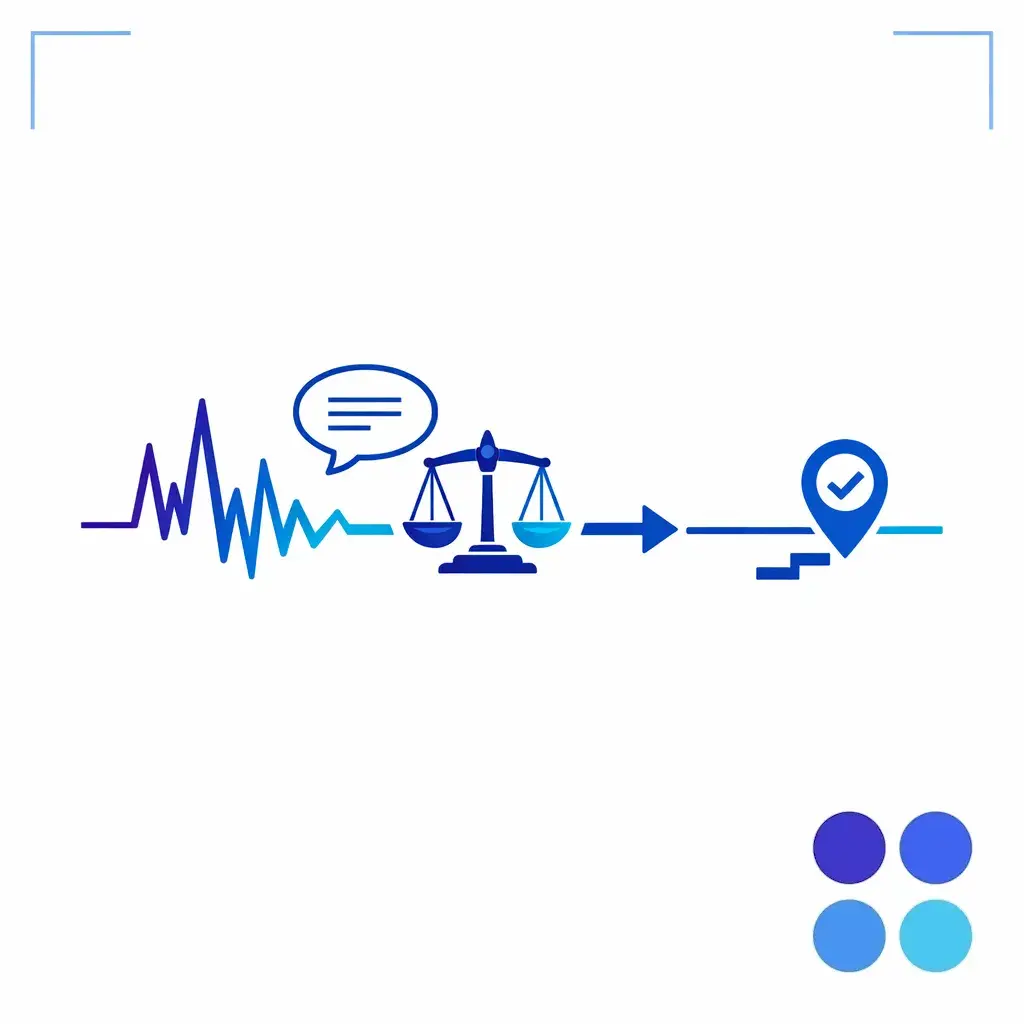
De-escalation under pressure: lower intensity first, separate emotion from the issue, and give a specific path forward. Role-play makes the sequence and tone automatic.
Escalation handling training should answer three questions: when to escalate, where to send the issue, and what information must travel with it. Teams need clear thresholds so agents do not hold cases they should route up, and do not escalate issues that should stay in the frontline queue. Good handoff training includes ownership language, recap language, and required note fields.
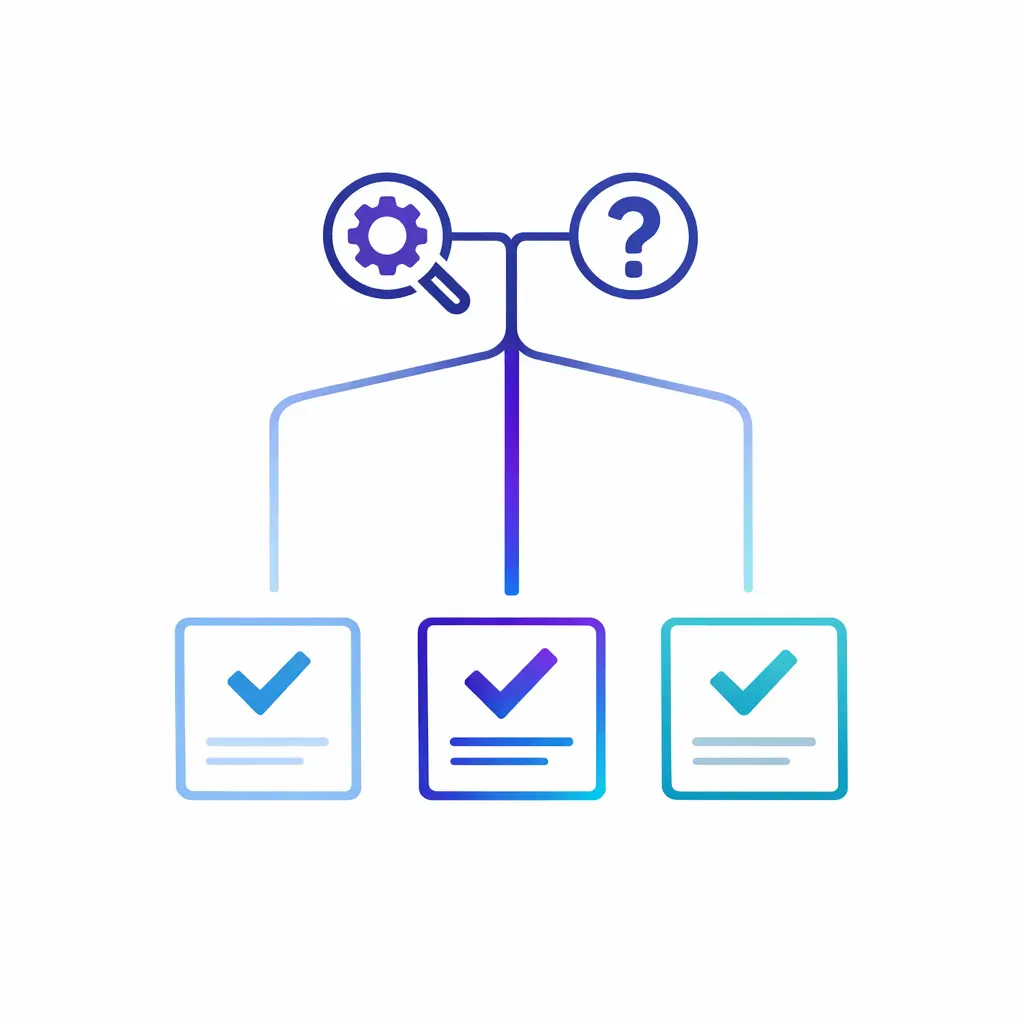
Problem-solving with decision rules: identify the root issue, check allowed options, choose the best action, and explain it clearly — a repeatable model that beats vague instinct.
Complaint handling is different from routine service because customers often judge fairness, speed, and effort as much as the actual answer. Train agents to lower intensity first, separate emotion from the underlying issue, and give a specific path forward. Role-play is especially valuable here because the skill is about sequence and tone under pressure.
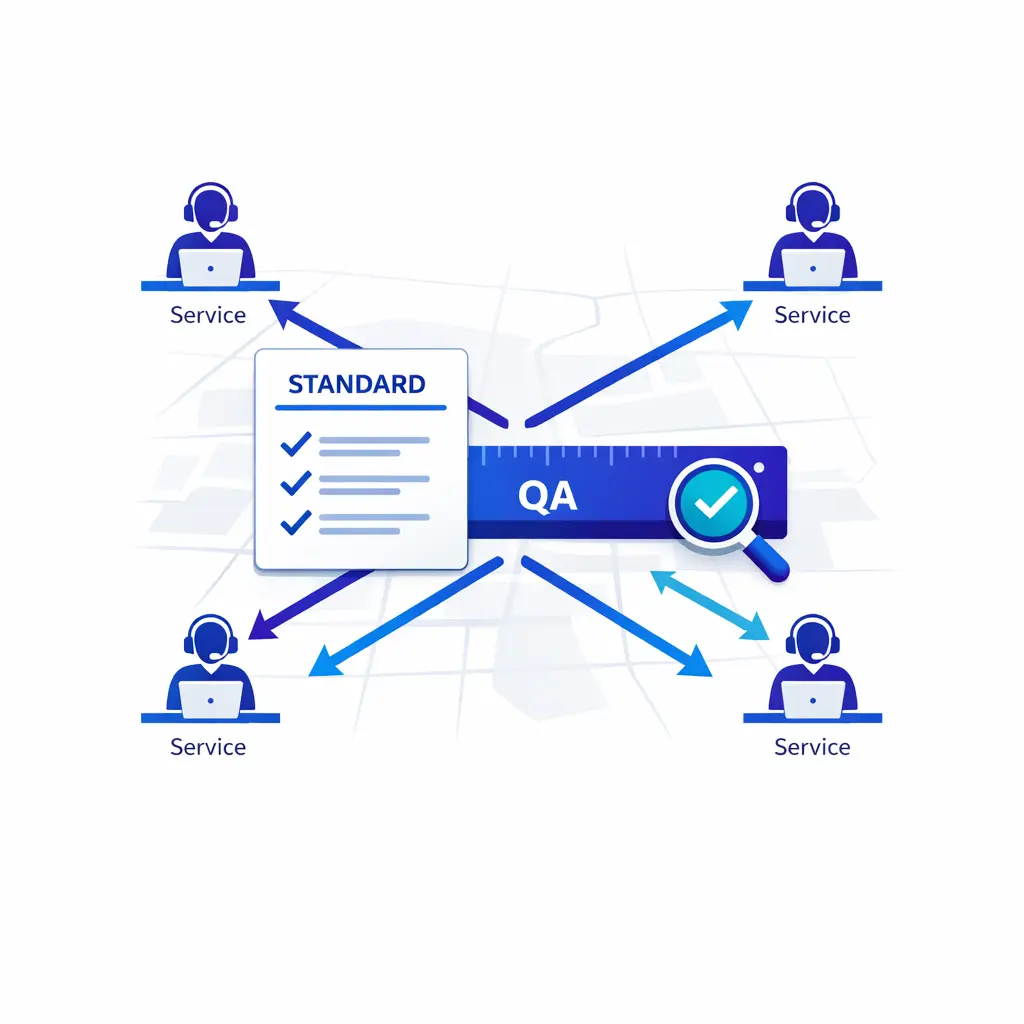
Consistency across teams and locations means one standard applied regardless of site, shift, or tenure — same greeting style, note quality, and follow-through everywhere.
Frontline teams need a practical decision model, not just a policy manual. Teach agents how to identify the root issue, check available options, choose the best allowed action, and explain the decision clearly. This module improves speed and confidence because agents stop relying on vague instinct and start using a repeatable approach.

Ready for volume spikes: pace control, prioritization, and concise empathy protect note quality when demand surges through Monday backlogs, seasonal peaks, and after-hours windows.
A customer-focused mindset is not the same as saying yes to everything. It means solving within policy, reducing effort for the customer, and delivering the same standard regardless of location, shift, or agent tenure. This is where you teach what “good” looks like in your operation, from greeting style to note quality to follow-up commitments.
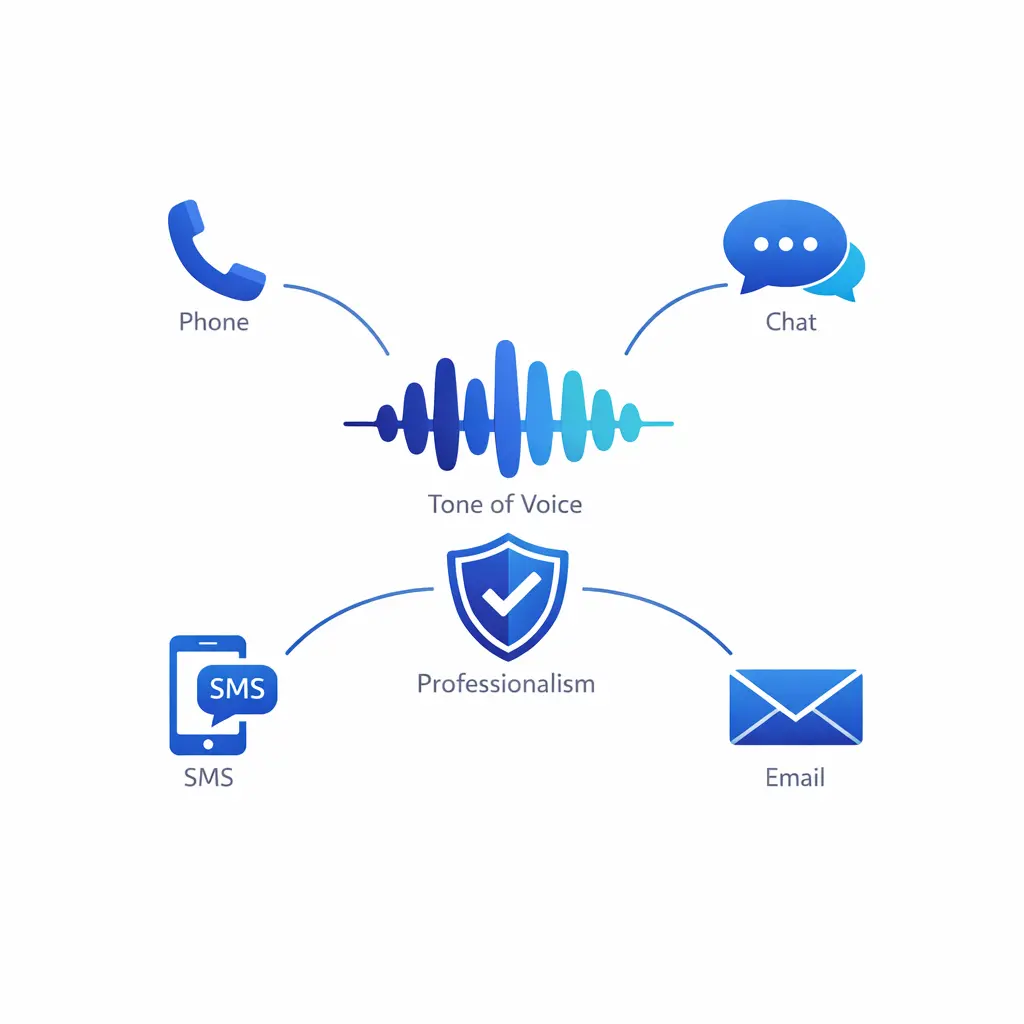
One tone across every channel: phone, voicemail, chat, SMS, and email share the same standards for professionalism, empathy, and clarity so the brand feels consistent everywhere.
Many agents perform well when the queue is calm and lose structure when demand spikes. This module teaches pace control, prioritization, concise empathy, and how to protect note quality when call volume rises. It is especially important for Monday backlogs, seasonal surges, urgent intake windows, and after-hours coverage.
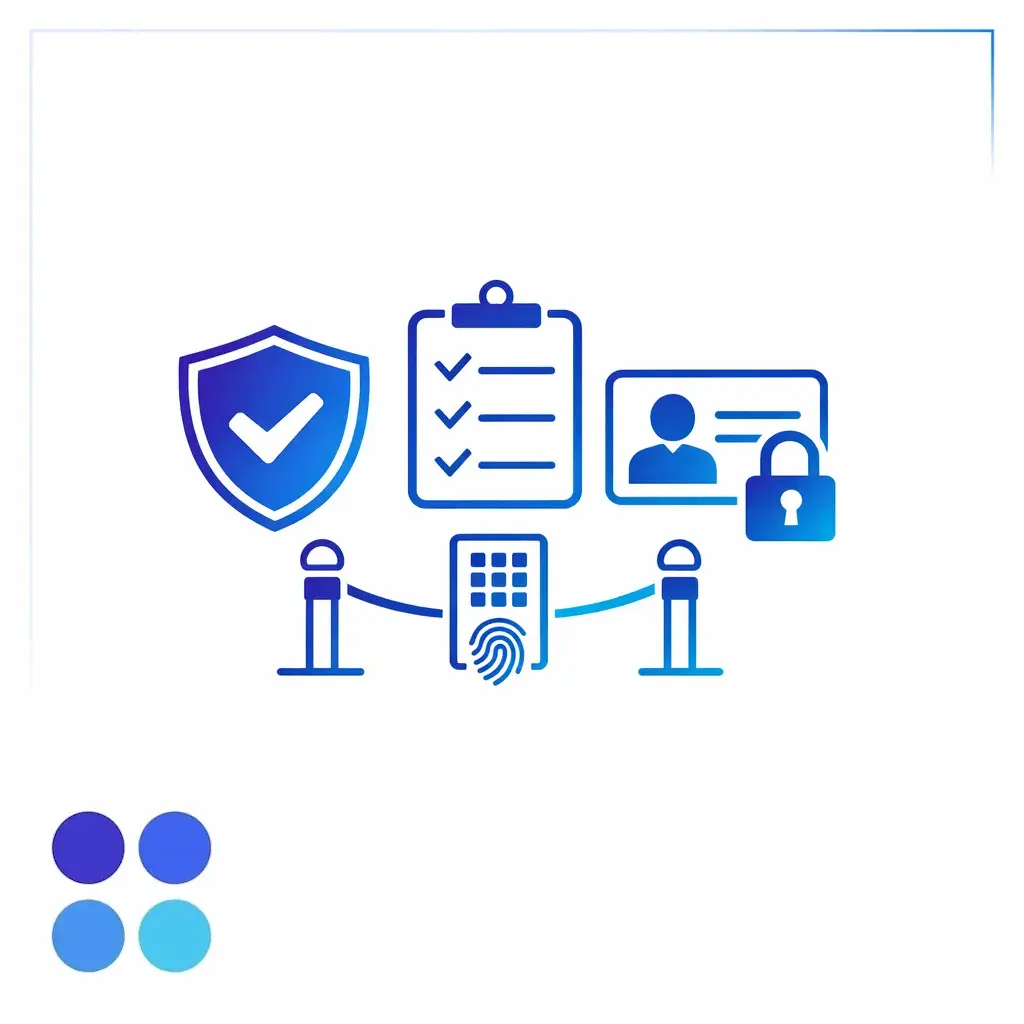
Privacy and compliance basics: verification, access rules, limited data capture, and secure handling keep sensitive information safe. Keep this module short, specific, and repeated often.
Customers experience one brand even when the team uses several channels. Train agents to adjust tone for phone, voicemail, chat, SMS, and email while keeping the same standards for professionalism, empathy, and clarity. This matters for multi-location businesses because channel inconsistency creates the impression that different offices follow different rules.
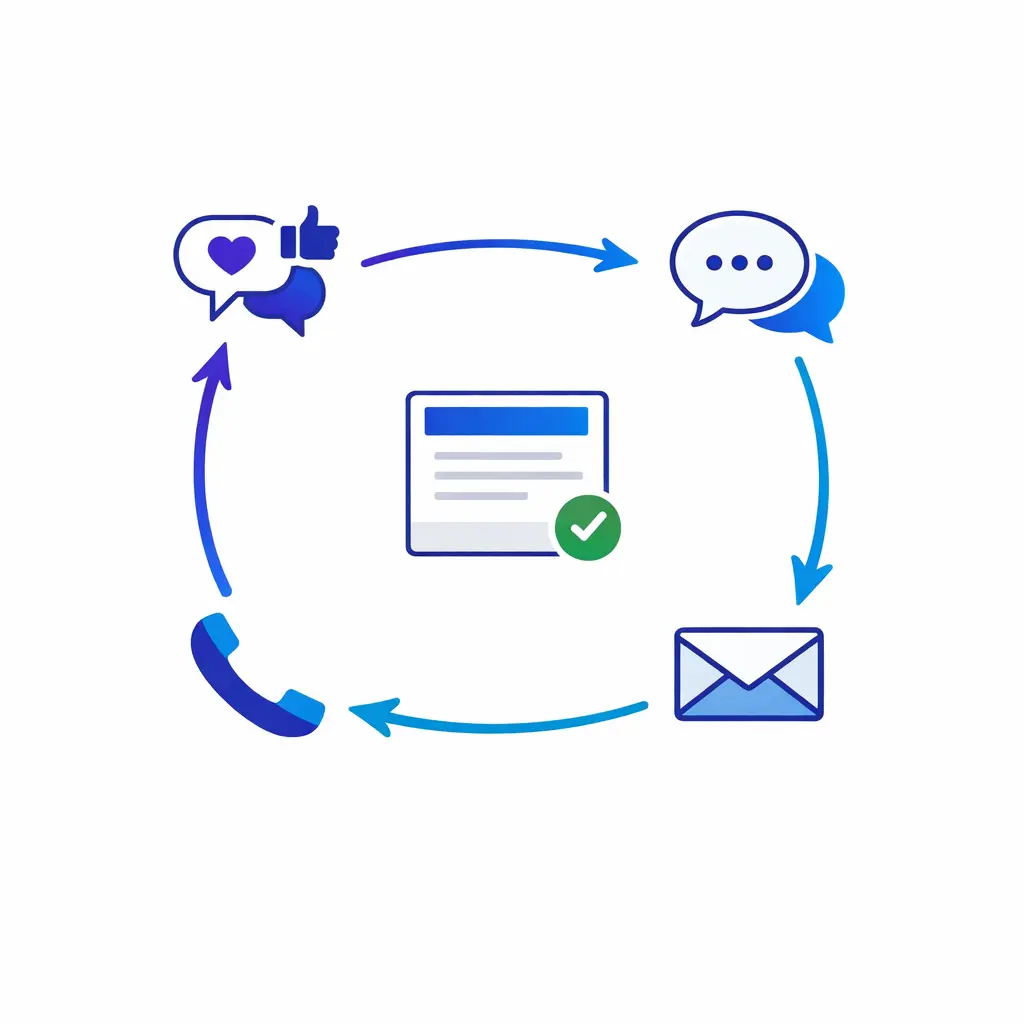
Context follows the customer. As an interaction moves between social, chat, and phone, agents preserve the case details and professional tone so no one has to restart the story.
Some teams need operational discipline around information handling. If your workflow includes patient communication, appointment details, or other sensitive healthcare information, training should reflect the HIPAA Privacy Rule and the HIPAA Security Rule.
More broadly, any team that collects personal information by phone, chat, or web form should be trained on access rules, authentication steps, retention practices, and secure handling using the company's policies and the FTC business privacy and security guidance as a practical baseline. This module should be short, specific, and repeated often.
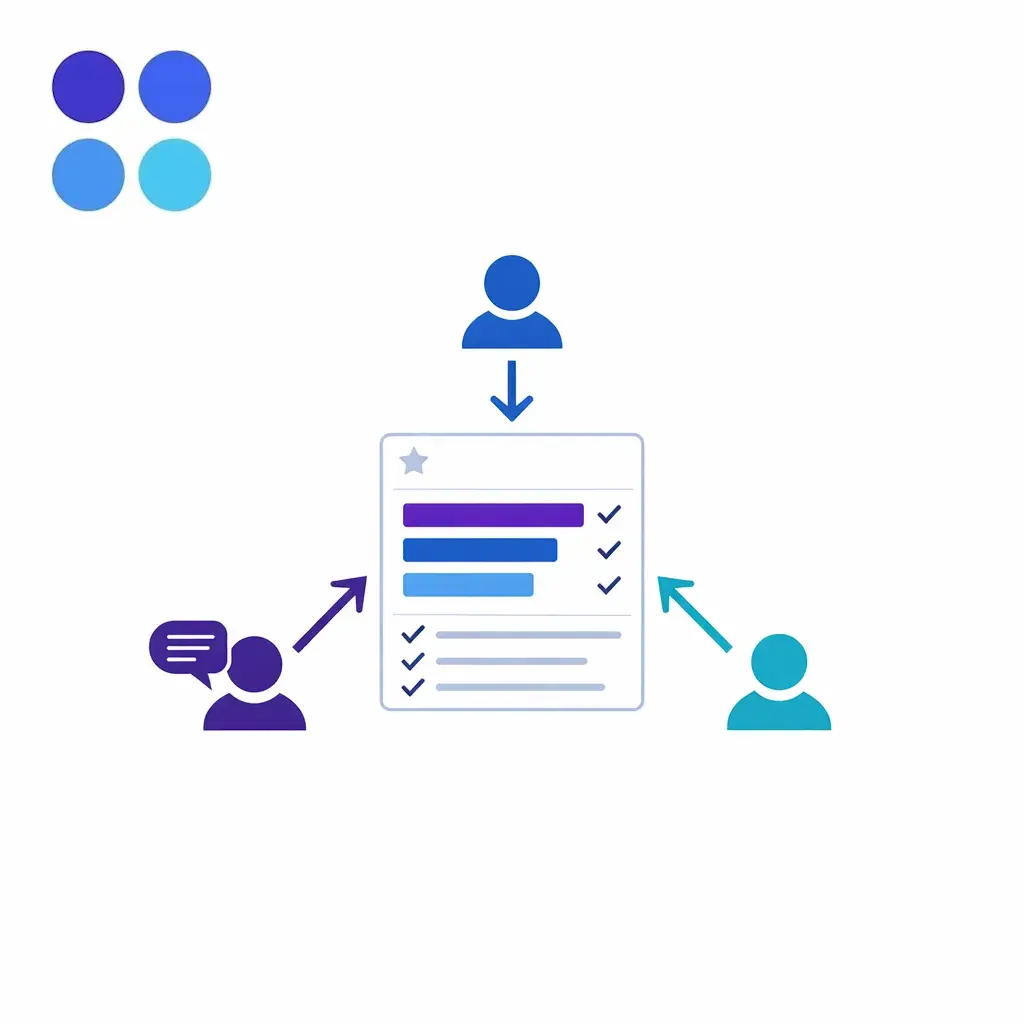
QA calibration keeps reviewers in sync around one scorecard. When everyone scores the same interaction the same way, coaching becomes evidence-based instead of a matter of preference.
Omnichannel support is not just “same answer everywhere.” Agents need to know how channel behavior changes pacing, tone, response structure, and documentation. A short chat exchange can still require strong recap language, and a social reply often needs careful public tone before a private handoff. Train for continuity so agents switch channels without losing context.
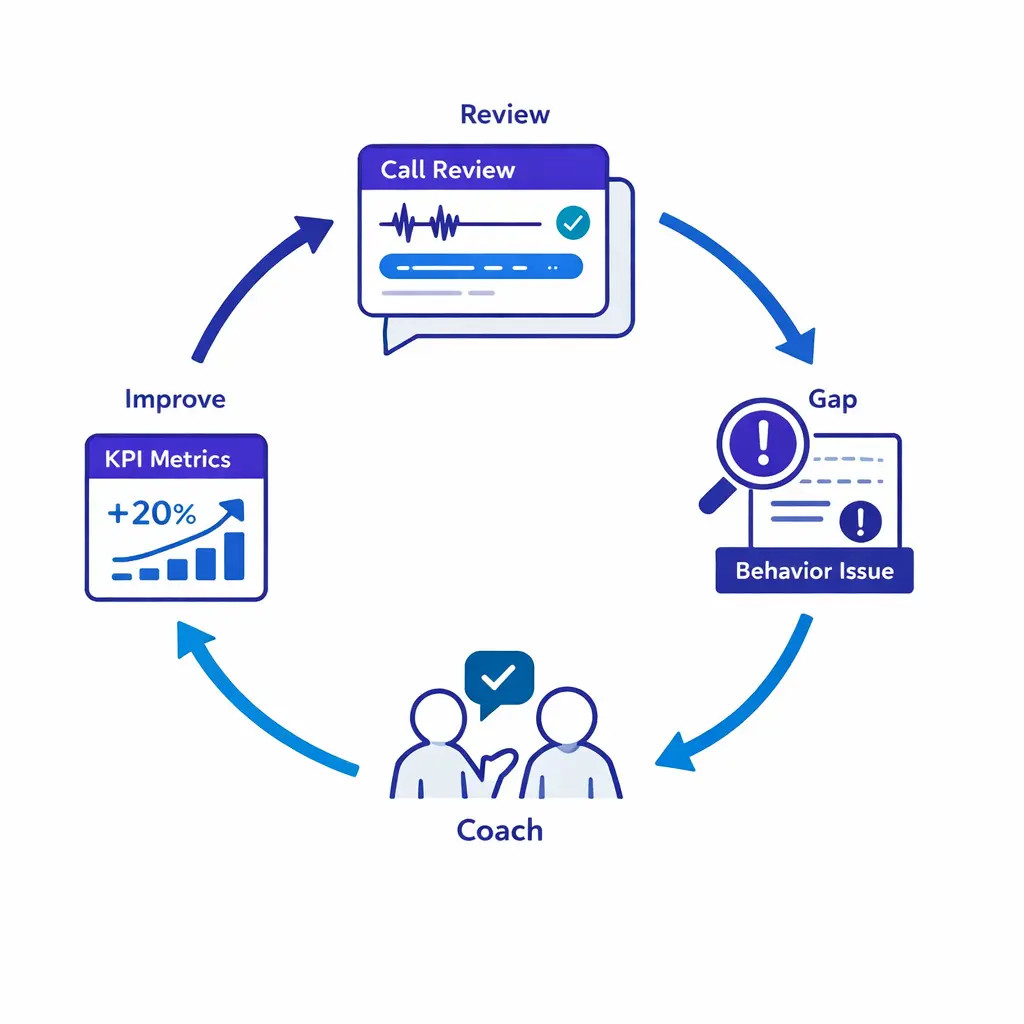
A weekly coaching loop connects call reviews, focused feedback, and improved metrics — managers coach the top two or three failure themes in small, repeatable batches.
QA calibration means supervisors, coaches, and reviewers score the same interaction the same way. If two reviewers hear the same call and reach different conclusions, the issue is not just agent performance; it is a training and scoring problem. This module teaches managers how to coach from evidence, not preference, and keeps QA tied to behavior that can be repeated, corrected, and measured.
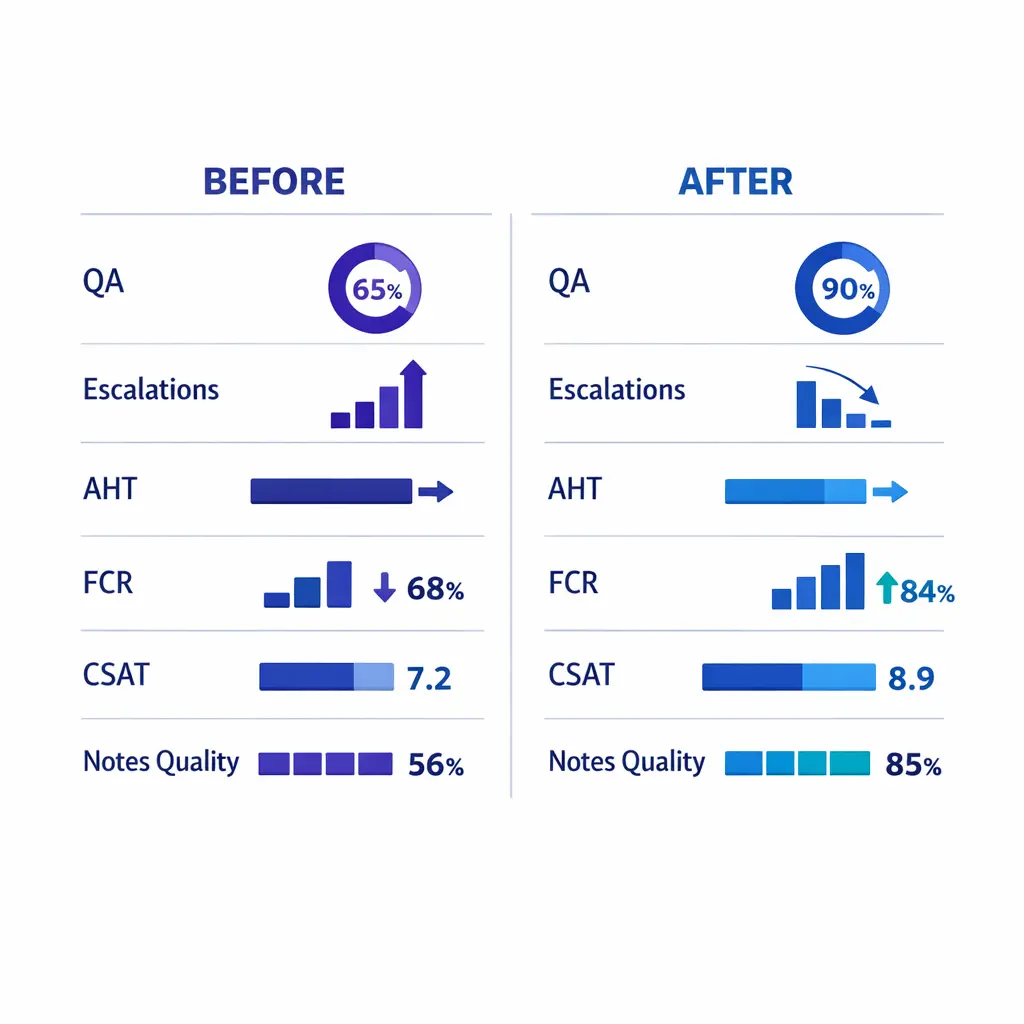
Measure training impact by comparing pre- and post-training outcomes across QA, escalation rate, AHT, FCR, CSAT, and documentation quality — not attendance or completion rates.
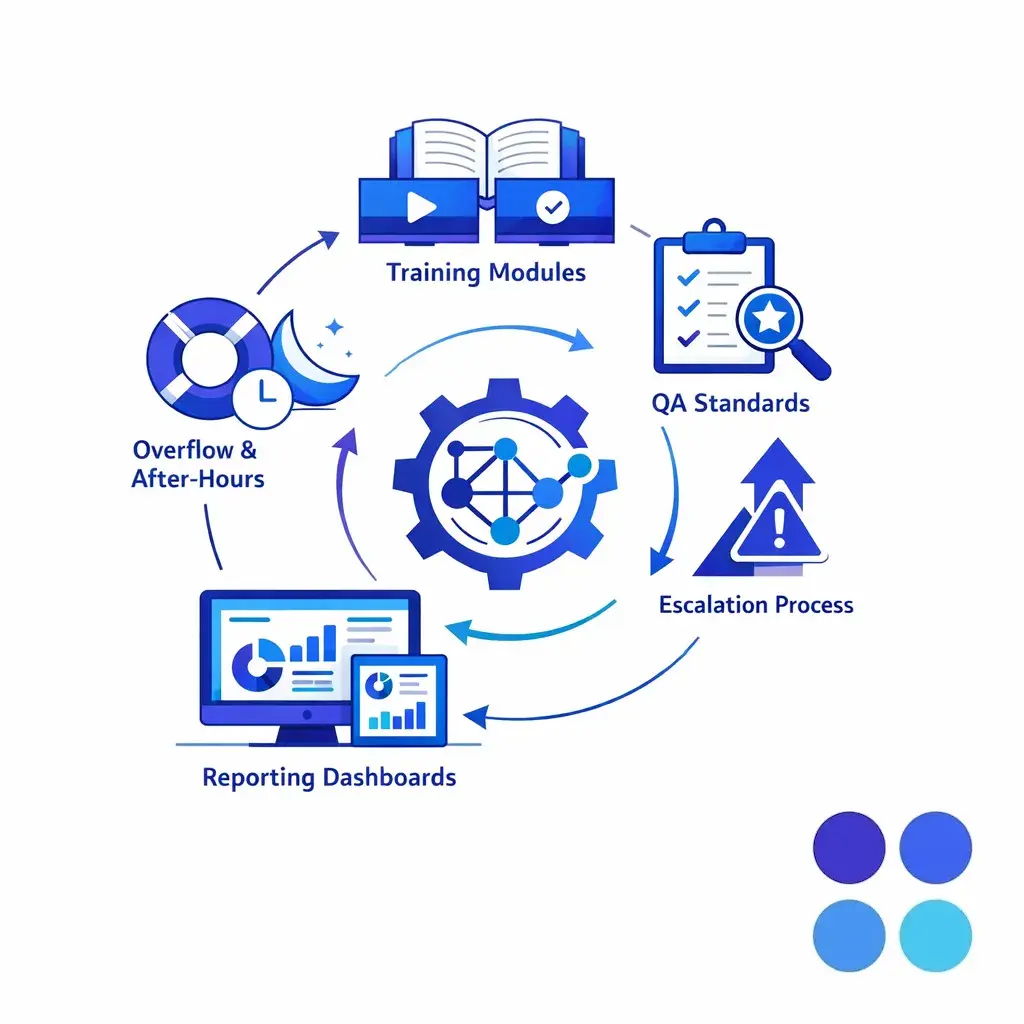
Build a training system that scales: link training, QA, coverage, and reporting into one framework so quality holds as volume grows across teams, channels, and locations.
Start new hires with the modules that protect the queue first: active listening, call handling, written and verbal clarity, documentation accuracy, and escalation paths. Then add product knowledge, complaint handling, and channel-specific tone. This creates a stable base before agents handle edge cases.
Run short refreshers instead of occasional long workshops. A monthly cadence works well: one core skill, one live example, one role-play, and one QA trend to reinforce. Rotate topics based on defect patterns rather than reteaching the entire service manual every quarter.
Use QA to identify the top two or three failure themes each week, then coach those themes in small batches. If you use internal teams plus overflow or after-hours support, both groups should train to the same scorecard and the same escalation matrix.
Do not judge training by attendance or completion rates alone. Compare performance before and after each module by queue, shift, or cohort.
The most useful topics are active listening, empathy, phone etiquette, communication, product knowledge, documentation accuracy, escalation handling, de-escalation, problem-solving, consistency standards, pressure management, tone of voice, compliance basics, omnichannel support, and QA calibration — each tied to a specific operational problem and KPI.
Active listening, empathy, clear communication, problem-solving, and ownership.
Repeated explanations, inconsistent answers, unclear next steps, excessive transfers, and cold or rushed interactions — usually traced to gaps in listening, knowledge, documentation, communication, escalation handling, and tone control.
Call opening, verification, call control, hold etiquette, transfer standards, note-taking, de-escalation, problem-solving, wrap-up discipline, and QA coaching, plus high-volume handling, channel consistency, and calibration for larger operations.
If your team needs more than a list of customer service topics, Go Answer can help translate these modules into working call flows, QA standards, intake scripts, and escalation processes for high-volume support, overflow, and after-hours coverage. Request pricing or book a discovery call to align frontline training with consistency goals, compliance-aware workflows, and measurable service outcomes.

Learn why thousands of companies rely on Go Answer.
Try us risk-free for 14 days!
Enjoy our risk-free trial for 14 days or 200 minutes, whichever comes first.
Have more questions? Call us at 888-462-6793
Learn why thousands of companies rely on Go Answer.
Have more questions? Call us at 888-462-6793
If you would like to get in contact with a Go Answer representative please give us a call, chat or email.

Thanks for your interest!
A representative will be reaching out to you shortly.
Have more questions? call us on 888-462-6793
