
Bilingual Answering Service: 7 Questions Enterprise Teams Should Ask Before They Commit
By Matt O'HaverLast modified: July 7, 2026
Voted Top Call Center for 2024 by Forbes
Virtual Receptionists
Save time and money with our virtual receptionists.
AI Receptionist
AI-powered receptionist that answers, routes, and qualifies calls 24/7.
Enterprise Solutions
Solutions designed to scale with your organization’s needs.
Legal Services
Our virtual legal receptionists are experts in legal intake.
Last modified: July 7, 2026
If your business depends on intake quality, booked appointments, urgent escalations, or after-hours coverage, a bilingual answering service is not a minor vendor decision. It affects lead capture, message accuracy, compliance exposure, and the consistency of every English and Spanish customer interaction. This guide is for enterprise teams, multi-location operators, legal intake leaders, healthcare practices, and high-volume service businesses that need to evaluate providers with an operations lens, not just a coverage promise.
You will learn how to compare live, AI, and hybrid models, how to test routing and escalation logic, what to review in QA and security, where bilingual workflows commonly fail, and what to ask before you sign a long-term agreement.
What is a bilingual answering service? A bilingual answering service is a phone coverage solution that handles inbound calls in two languages, most often English and Spanish, using live agents, AI, or a hybrid workflow. The goal is not just translation. It is accurate intake, clear routing, and reliable next steps in the caller's preferred language.
What is bilingual customer service? Bilingual customer service is support delivered in two languages with the same standard for clarity, empathy, accuracy, and follow-through. In practice, that means your Spanish-speaking callers should not get a weaker script, slower handoff, or less complete intake than your English-speaking callers.
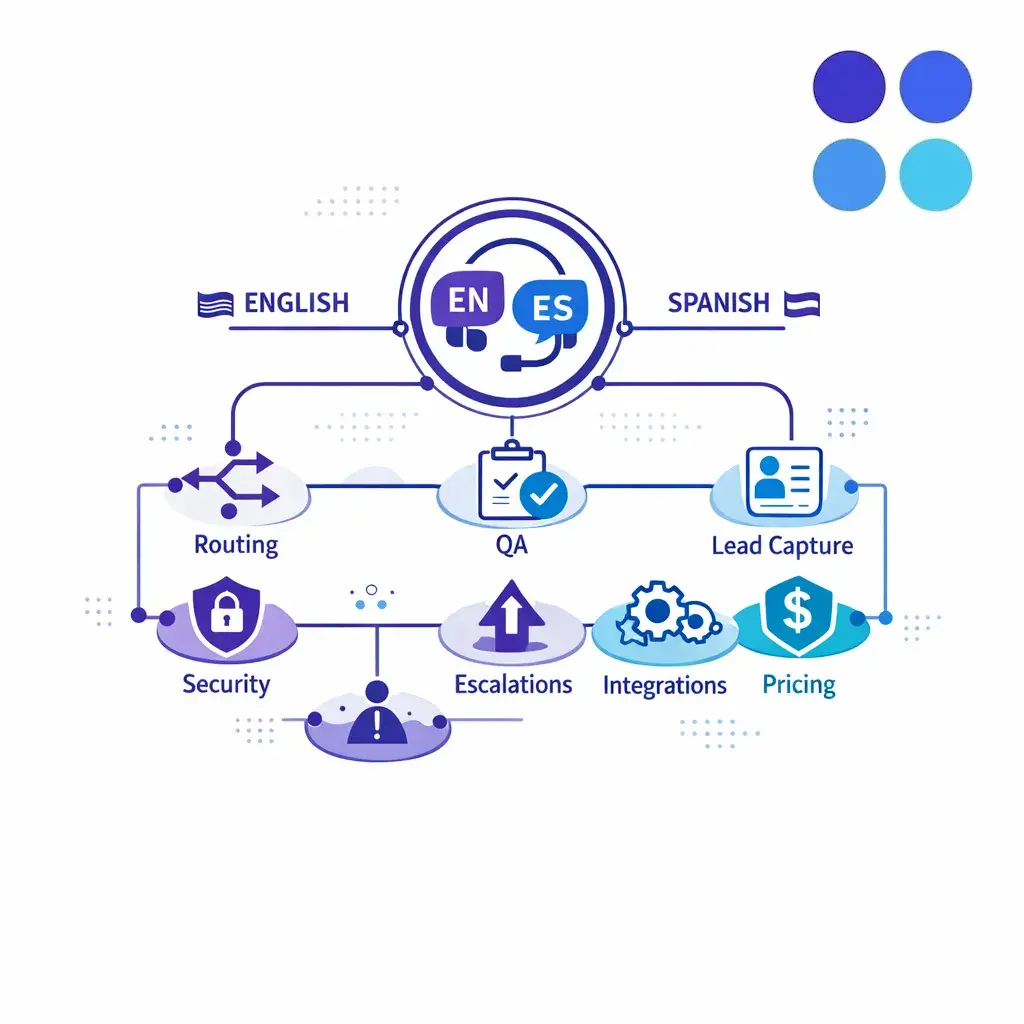
Evaluate bilingual coverage with an operations lens, not just a coverage promise. A single view should weigh routing, QA, compliance, and conversion across every English and Spanish interaction.
A practical shift in this market is that many teams no longer compare only live receptionist vendors. They now evaluate live coverage, AI answering, and hybrid models side by side. Once automation enters the call path, your review should expand to escalation boundaries, transcript quality, human override rules, and governance aligned to the NIST AI Risk Management Framework.
That matters most in high-stakes environments. A simple Spanish answering service may be enough for basic message taking, but legal intake, medical scheduling, dispatch, and multi-location lead capture usually require more rigorous scripting, QA, and failover design.
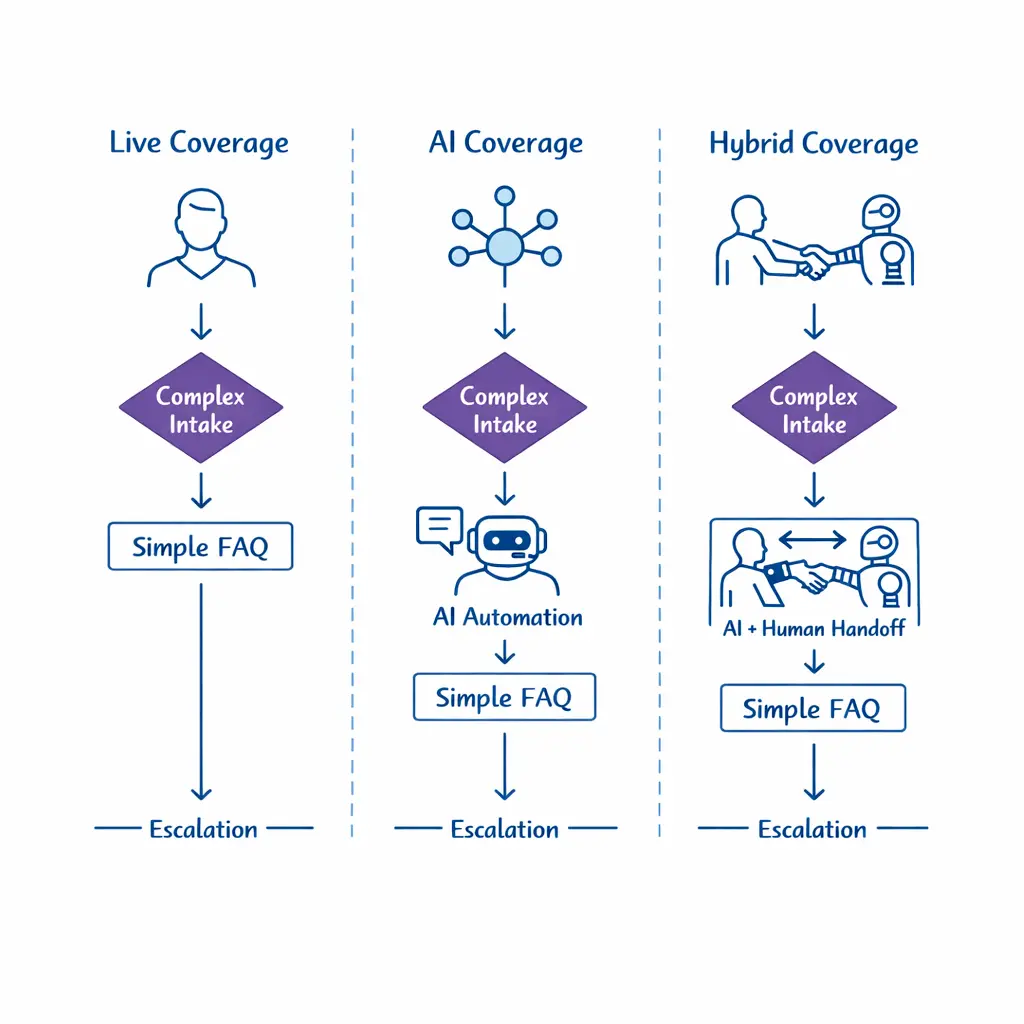
Three delivery models, compared at a glance:
Start by separating the delivery model from the marketing language. A bilingual virtual receptionist may be a fully live team, a bilingual call center may mix live and automation, and an "AI receptionist" may still rely on humans for transfers, booking exceptions, or overflow.
What is the best AI answering service? For enterprise use, the best option is usually the one with the clearest limits. Ask where automation stops, how confidence thresholds trigger escalation, and whether Spanish and English callers follow the same transfer standards.
How much does AI answering service cost? Treat AI pricing as a workflow question, not a demo question. Ask whether you are paying for minutes, conversations, automations, transfers, summaries, or a second live bill when a call exits the bot.
Many buyers say "bilingual answering service" when they really mean two different needs. One is dependable English and Spanish call handling across all hours. The other is a multilingual answering service for a smaller set of languages, locations, or specialties. Be specific about your call mix before you buy, and ask how many agents can actually handle Spanish calls end to end, not just transfer them.
A bilingual receptionist is the front-line person who answers, screens, documents, routes, and often books or escalates calls in two languages. A virtual receptionist does the same work remotely, usually on behalf of one or many client locations, and may support appointment scheduling, lead capture, dispatch, overflow, and after-hours answering. Some providers sell a bilingual receptionist service but only deliver basic message taking, so make sure intake, qualification, or booking are included in both language flows.
Ask how callers are identified before they reach an agent. A strong enterprise answering service should show you exactly how language preference is detected, whether through menu selection, dialed number, campaign source, client record, or prior call history.
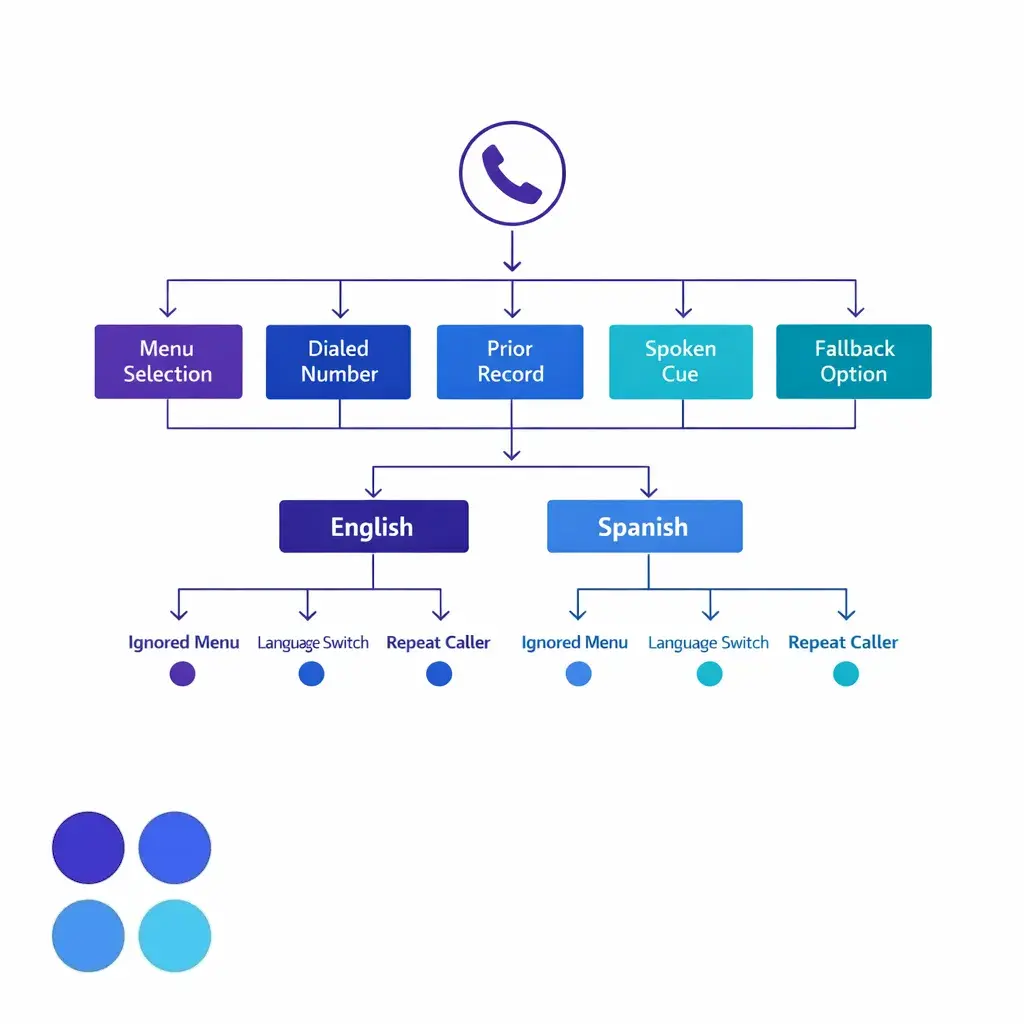
Do not stop at "Press 1 for English, 2 for Spanish." Test what happens when a caller ignores the menu, switches languages mid-call, speaks Spanglish, or calls from a repeat number already tied to a prior intake.
Routing design is not just about office hours. You need to know how overflow and after-hours answering works by location, business unit, practice area, and urgency level. If your Miami office and Phoenix office require different scripts, calendars, or on-call rosters, the provider should be able to prove that logic in both languages.
Ask to see backup paths in plain terms. If a bilingual agent queue is full, does the call wait, roll to voicemail, transfer to a general queue, or trigger a callback process? The right answer depends on your operation, but the rule should be deliberate and documented.
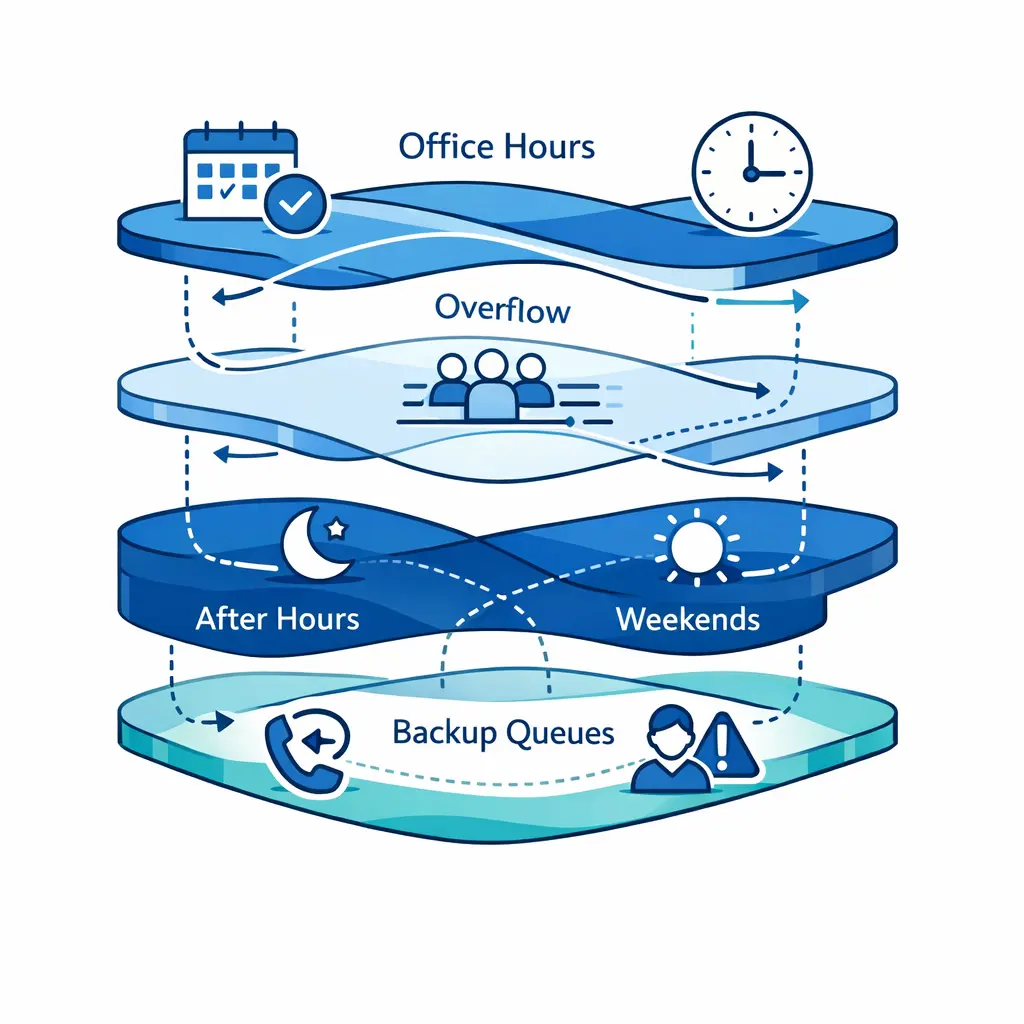
Pressure-test the fallback when no bilingual agent is free: queue thresholds, supervisor alerts, callback ownership, and a defined maximum time before the call is escalated, rerouted, or captured for follow-up.
The easiest bilingual mistake is assuming one script can simply be translated and everything will stay aligned. What you need instead is script governance: the same required fields, disposition logic, escalation criteria, empathy standards, and booking steps in English and Spanish. Ask how calls are scored in each language. If QA only reviews English calls, you do not have bilingual QA. You have partial visibility.
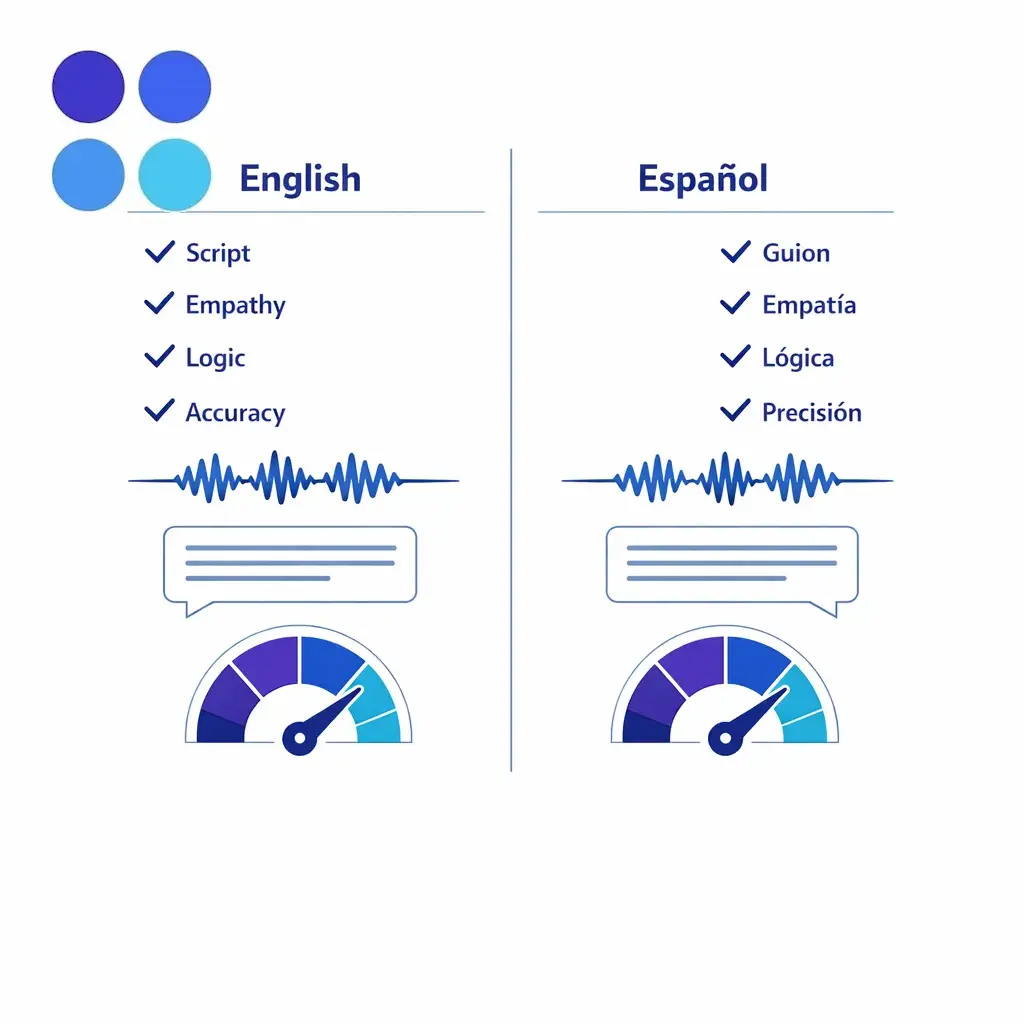
Score both languages against the same rubric. Matching required fields, disposition logic, escalation criteria, and message accuracy in English and Spanish is what makes QA truly bilingual.
Do not accept "bilingual" as a sufficient hiring or staffing label. Ask how the provider defines fluency, who validates terminology, how accent clarity is assessed, and whether agents handling legal intake or medical calls receive vocabulary-specific coaching. For a bilingual legal answering service or bilingual medical answering service, conversational fluency may not be enough. Intake errors often happen around names, symptoms, case facts, medication details, dates, and urgency cues.
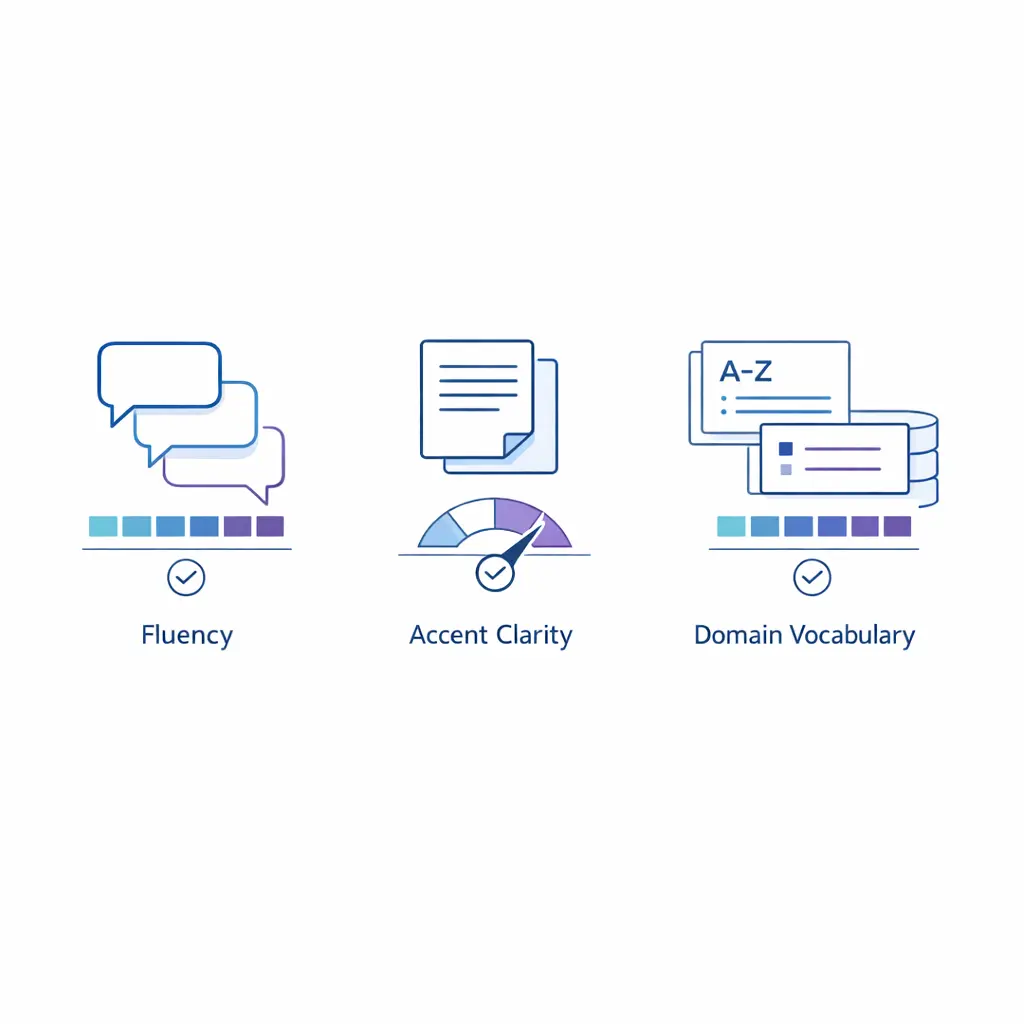
Distinguish native-level clarity from conversational fluency. For legal and medical intake, terminology accuracy around names, symptoms, case facts, and urgency cues matters more than a "bilingual" label.
QA should cover more than tone. Review a sample of call summaries, CRM notes, appointment details, and transferred messages from both language groups. The key question is whether the written output preserves meaning, next steps, and urgency without losing detail. If the provider uses AI transcripts or summaries, ask who reviews them, how exceptions are corrected, and whether English and Spanish outputs are measured against the same quality thresholds.
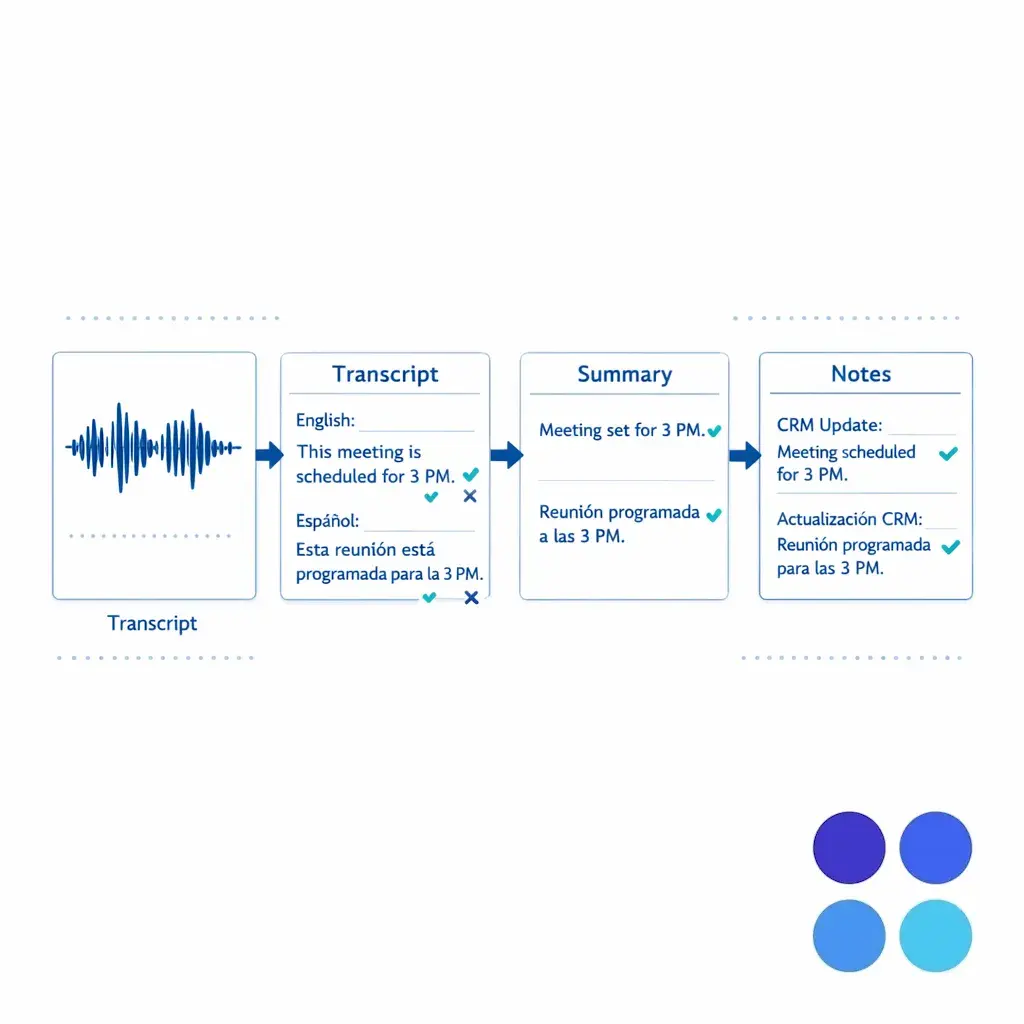
A clean audio file does not guarantee a usable intake record. Check that transcripts, summaries, and CRM notes preserve meaning, next steps, and urgency equally in both languages.
A commercial buyer should treat bilingual coverage as a conversion system, not a courtesy feature. Your provider should be able to capture core lead data, qualify the opportunity, follow business rules, and move the caller to the next committed action, whether that is a booked appointment, retained callback, or warm transfer. Ask for the exact intake form by use case. New lead intake, existing client support, appointment scheduling, and urgent service dispatch usually require different fields, different scripts, and different success measures.
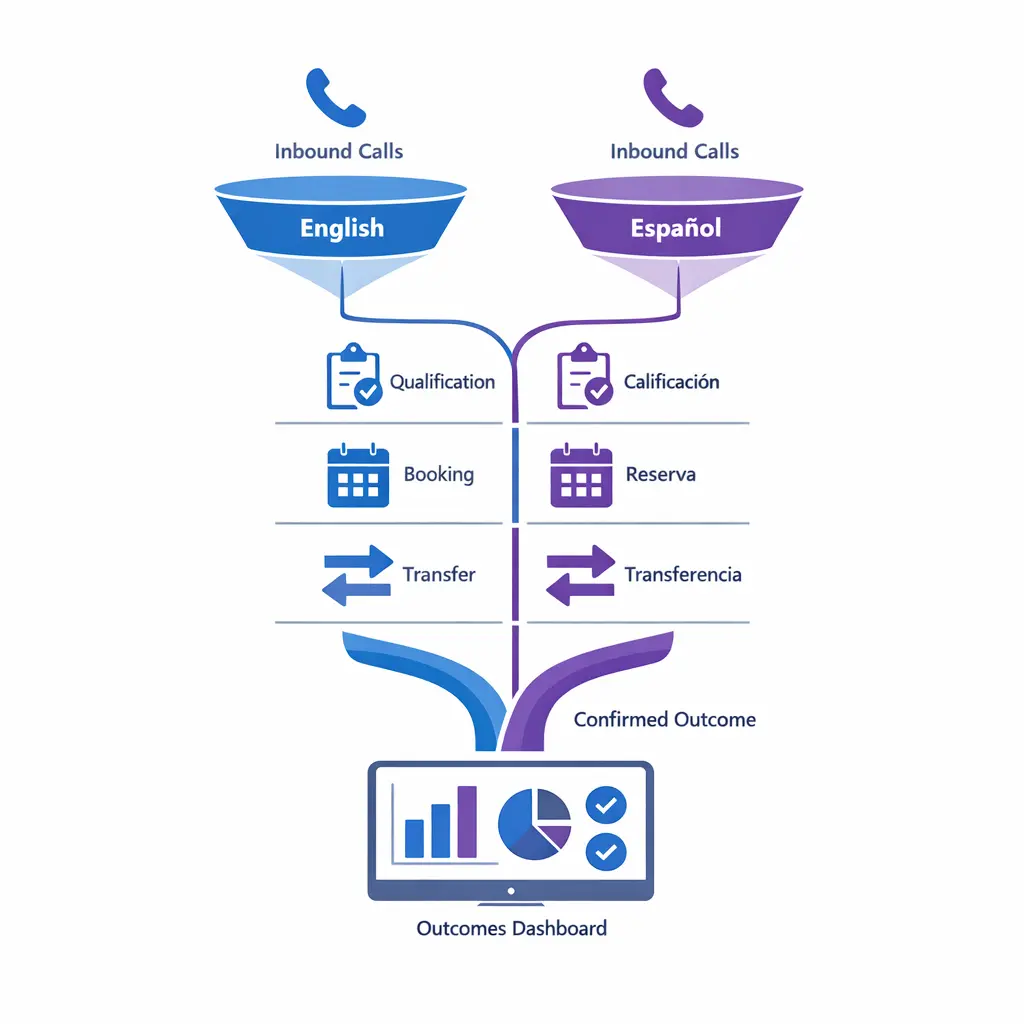
Treat each answered call as a conversion step: capture lead data, qualify, follow business rules, and move the caller to a booked appointment, retained callback, or warm transfer in either language.
The more handoffs you add, the more leakage you create. A bilingual call center that answers quickly but cannot complete key tasks may still hurt conversion if callers must repeat details, wait for a callback, or restart with another team. Ask which tasks can be completed on the first call in Spanish and which ones are English-only. Many operations discover too late that their English path books appointments while their Spanish path only takes messages.
After-hours coverage is where a strong answering service bilingual model often proves its value. If your internal team is unavailable nights, weekends, lunch hours, or during staffing gaps, the provider should protect inbound demand instead of simply logging missed opportunities. Test this with real scenarios: place calls after hours, during a lunch rush, and during a simulated surge, then review how many steps it took to reach a human and whether the call ended with a clear next action.
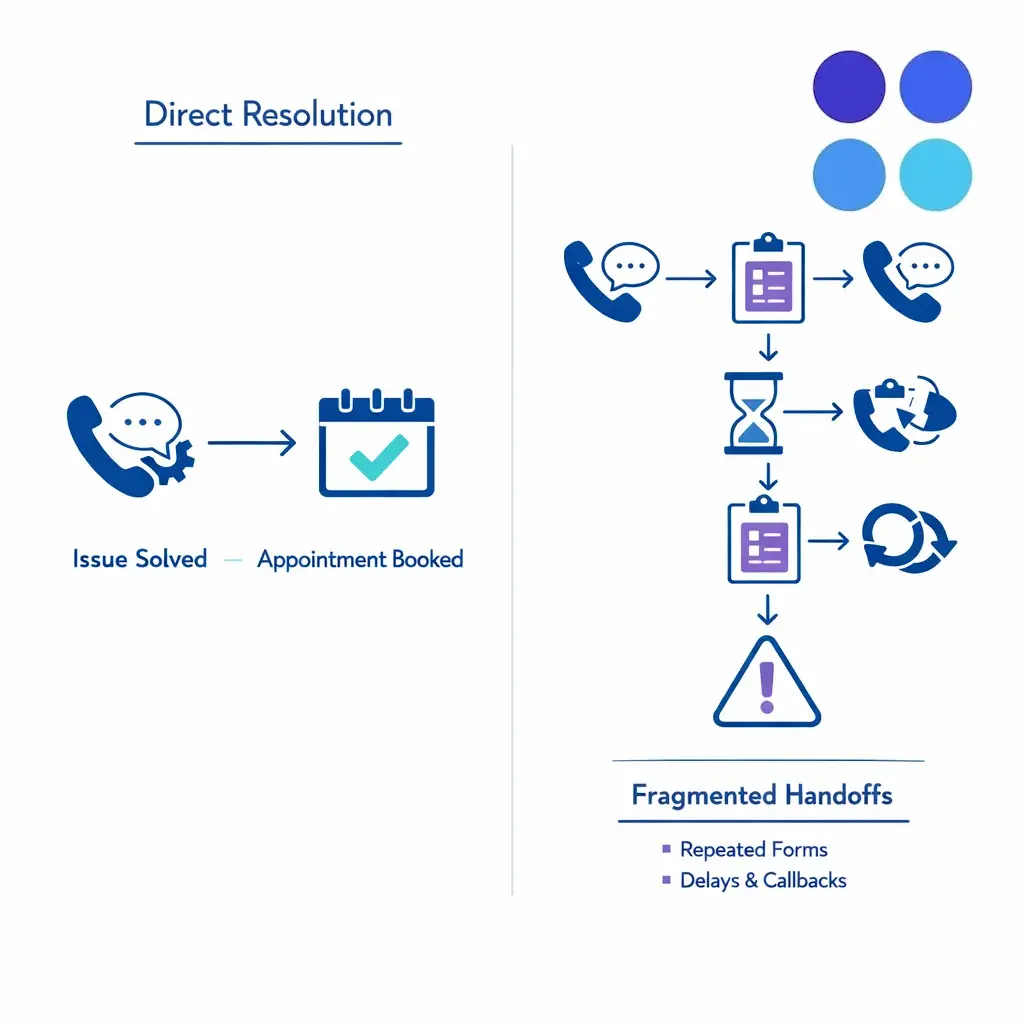
Every extra handoff leaks conversion. Confirm which tasks finish on the first call in Spanish, not just English, so one language path does not quietly drop to message-taking only.
If the service will handle patient information, do not settle for broad claims of "HIPAA compliant." Ask whether the provider functions as a business associate under HIPAA, whether it will sign a BAA, and how bilingual notes, recordings, and scheduling data are separated and protected.
Then go deeper into safeguards. Review how access, transmission, storage, and monitoring align with the HIPAA Security Rule, especially if messages move through email, mobile devices, transcription tools, or third-party scheduling platforms.
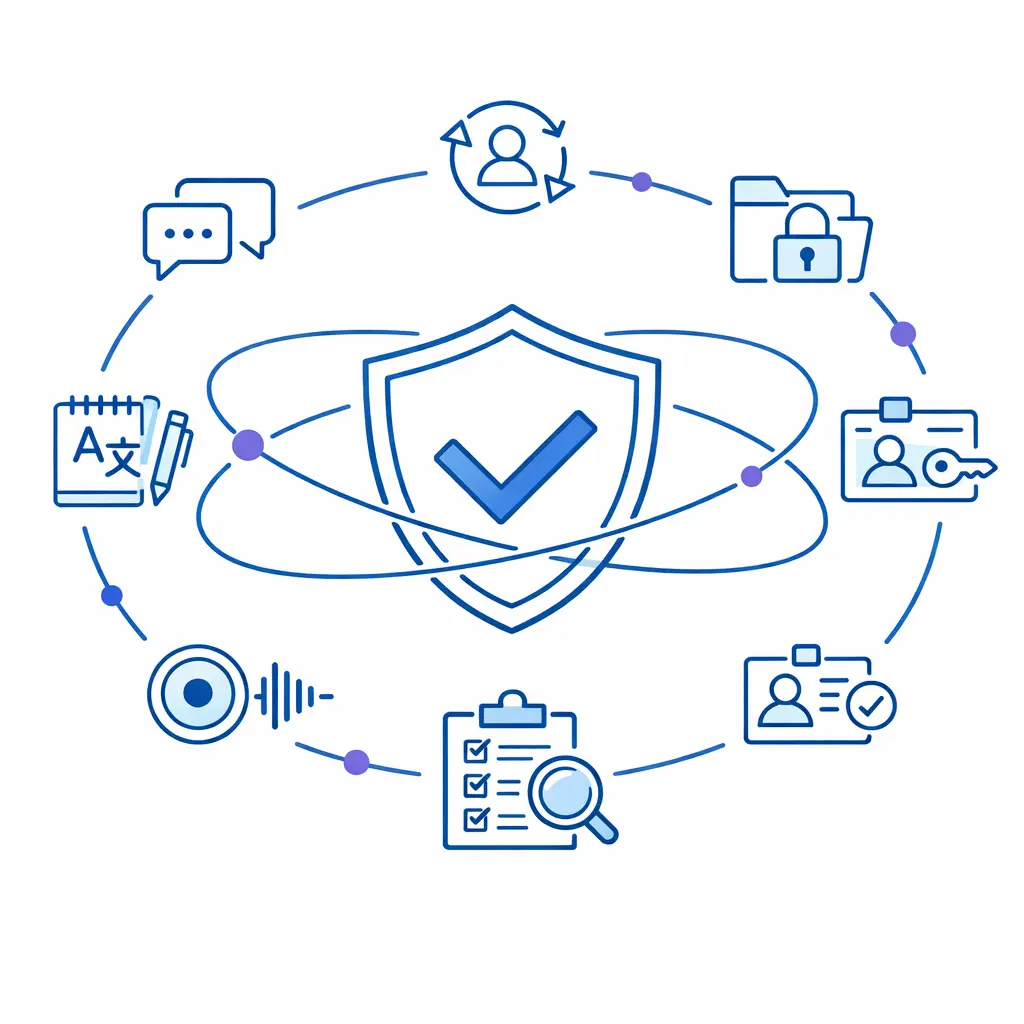
Review security at the workflow level: where caller data is entered, where it is stored, who can edit it, how changes are logged, and how long bilingual recordings or transcripts remain available.
Security should be reviewed at the workflow level, not just the contract level. Ask where caller data is entered, where it is stored, who can edit it, how changes are logged, and how long recordings or transcripts remain available. A practical enterprise review often maps vendor controls to the NIST Cybersecurity Framework 2.0, giving your team a structured way to question identity controls, logging, incident response, third-party dependencies, and recovery planning.
Bilingual workflows create extra points of failure if translation, summarization, and note-taking happen across multiple tools. Ask whether the provider stores original-language notes, translated notes, or both, and who is accountable when those records do not match. For legal teams, intake partners should be able to support confidentiality duties under ABA Model Rule 1.6. That does not replace legal review, but it is a useful starting point for vendor diligence.
Every enterprise buyer should ask for an escalation map, not just an assurance. What counts as urgent, who is notified, how many attempts are made, when a supervisor is involved, and what happens if the first escalation fails? This matters even more in Spanish flows. If urgency recognition is weaker in one language, your operation may think it has coverage when it really has inconsistent risk handling.
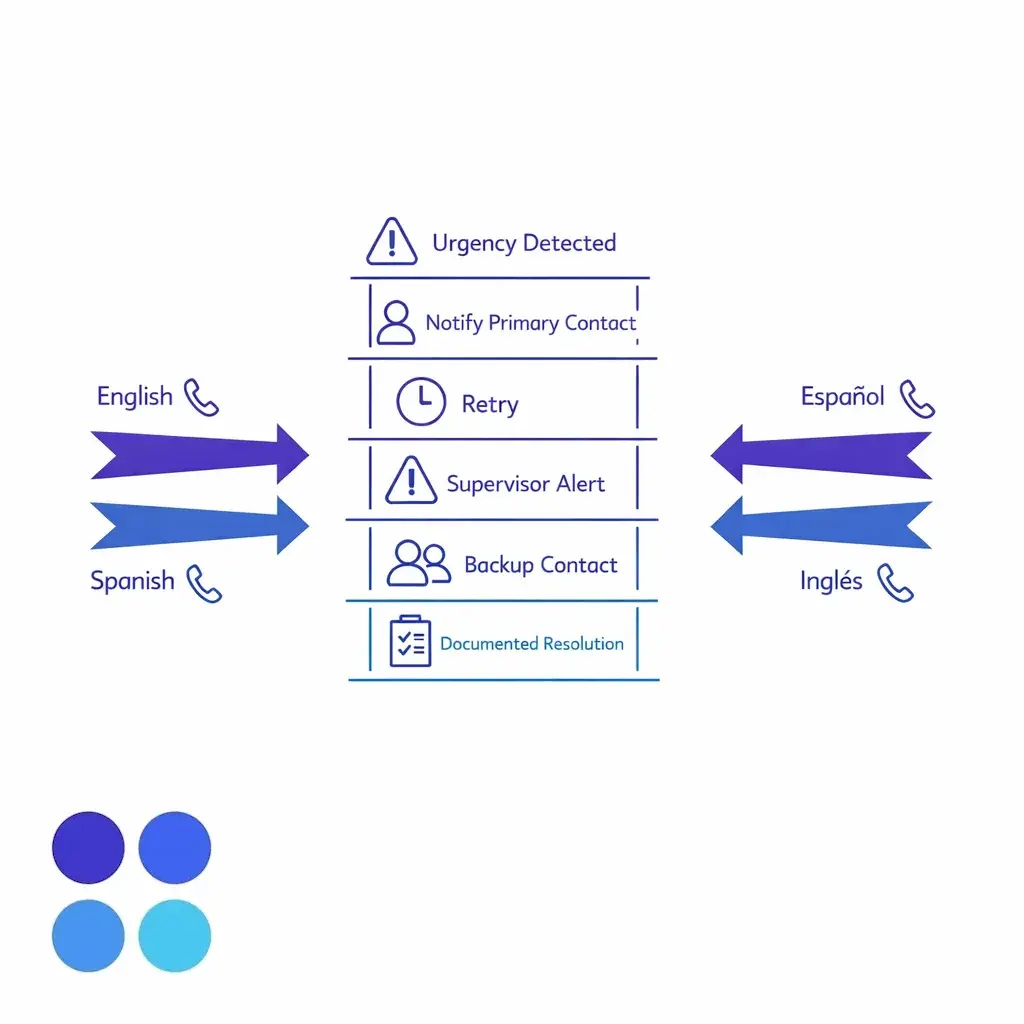
Ask for an escalation map, not an assurance: what counts as urgent, who is notified, how many attempts are made, when a supervisor steps in, and what happens if the first escalation fails, in both languages.
If your provider supports on-call, dispatch, or rotating staff rosters, ask how schedules are updated and who owns last-minute changes. The best bilingual answering service for service businesses is often the one that can execute these rules cleanly at 2 a.m., not the one with the nicest daytime demo. Make the vendor walk through a real scenario: no answer from the first contact, no answer from the second, partial information from the caller, and a language switch midstream.
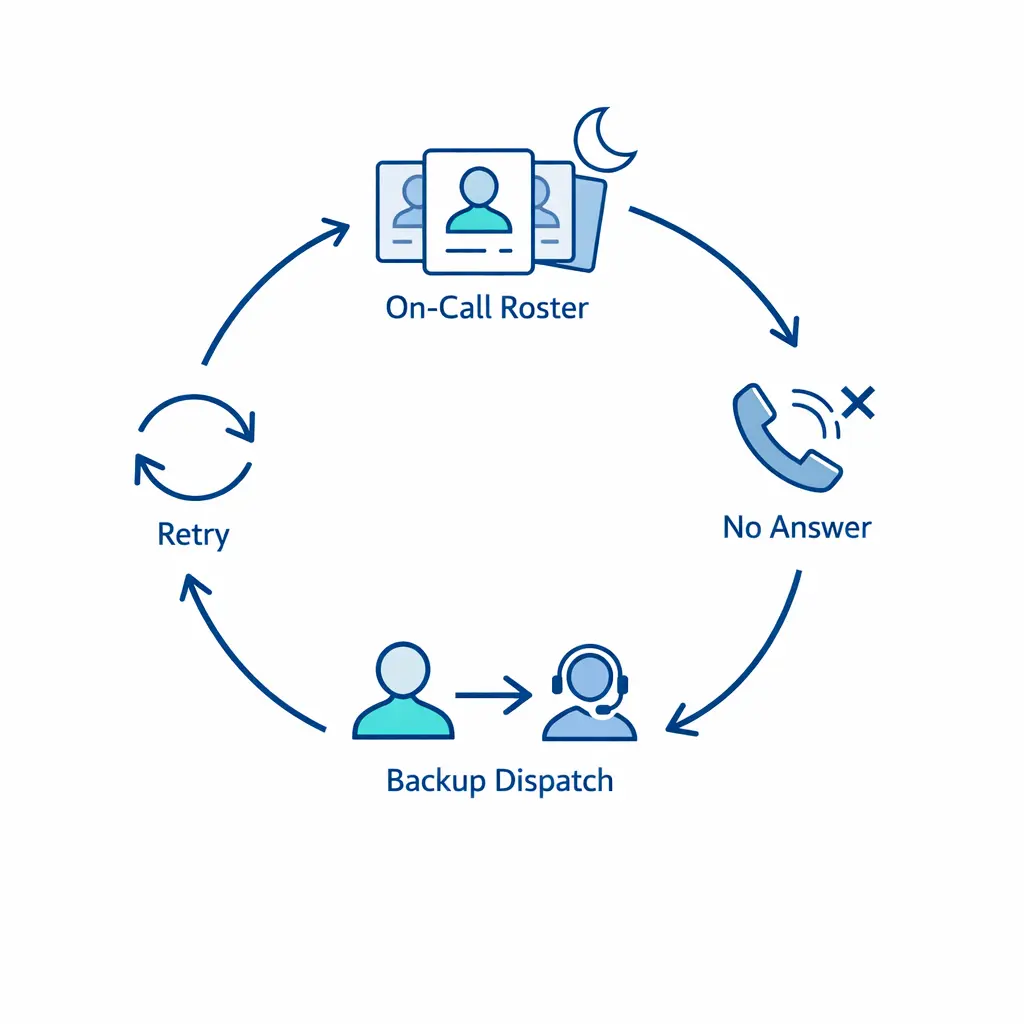
The right partner executes on-call rules cleanly at 2 a.m.: rotating rosters, no-answer retries, and a clear backup contact flow, not just a polished daytime demo.
Before committing, create a failure drill. Test wrong-number transfers, unrecognized urgency phrases, out-of-date on-call rosters, voicemail fallbacks, and agents who need supervisor support. Then compare the English and Spanish outcomes step by step. If the vendor cannot show you how failures are detected and corrected, it will be difficult to trust the process during real spikes, outages, or emotionally charged calls.
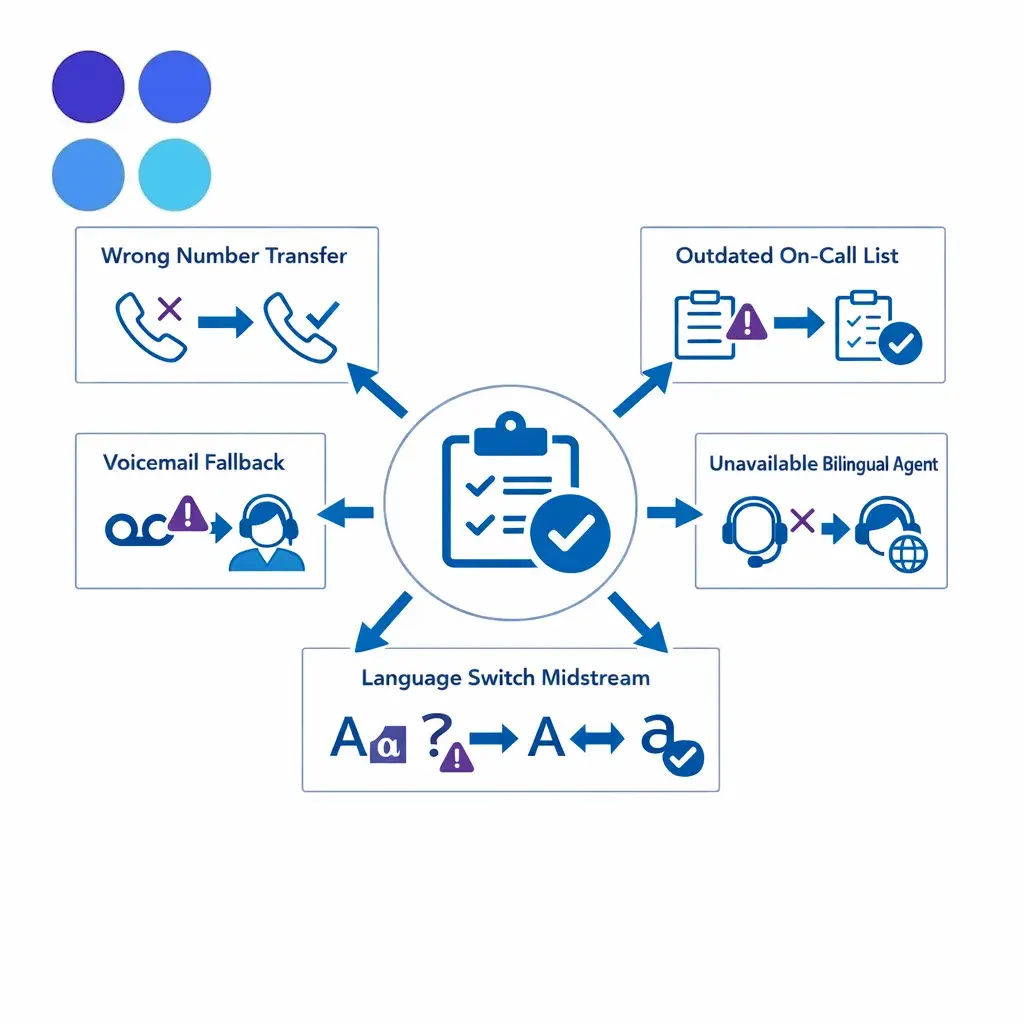
Run a failure drill: wrong-number transfers, unrecognized urgency phrases, outdated rosters, and voicemail fallbacks, then compare English and Spanish outcomes step by step.
Your answering service should fit your operating system, not create a second one. Ask how data moves into your CRM, intake platform, EHR, scheduling tool, help desk, or ticketing system, and whether bilingual notes preserve the fields your downstream teams actually use. For multi-location teams, also ask whether forms, routing, and calendars can differ by site or line of business.
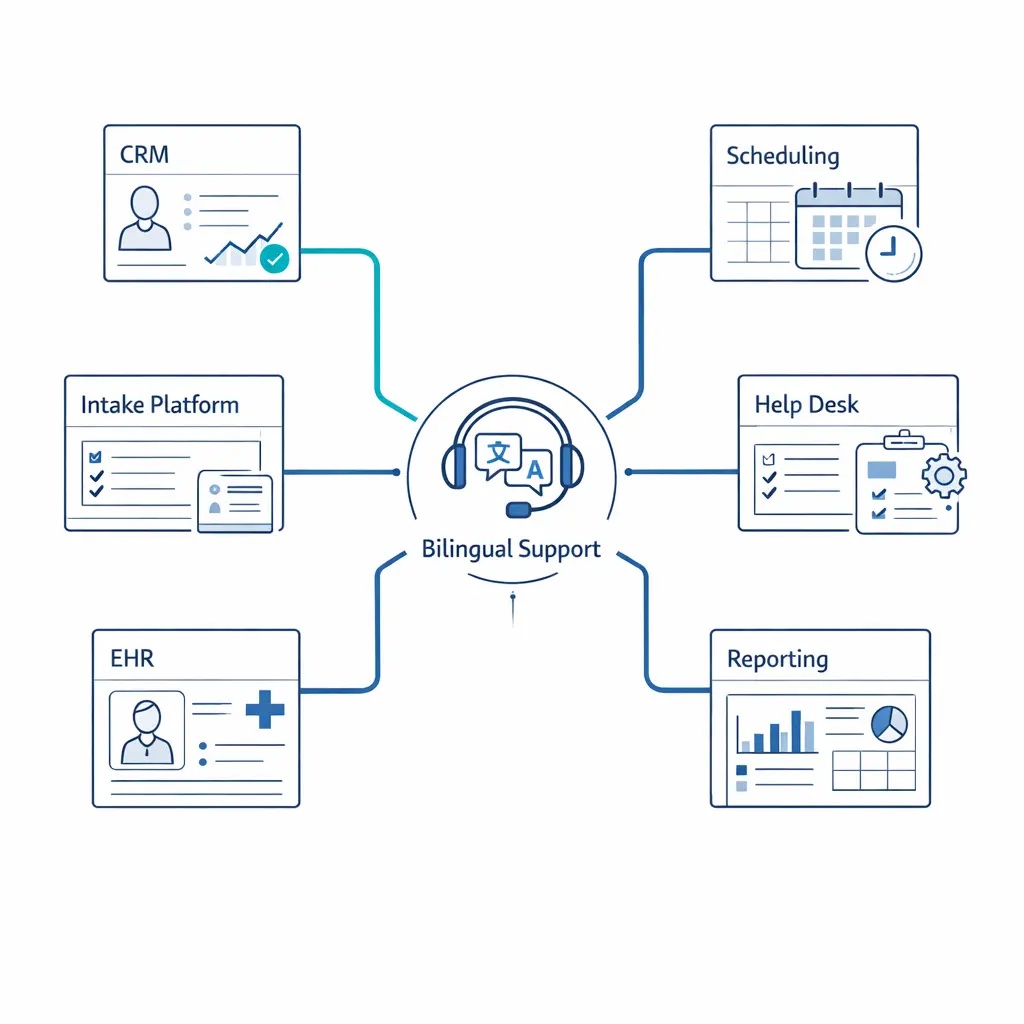
Your answering service should fit your stack, not create a second one. Confirm bilingual notes flow into your CRM, intake, EHR, scheduling, and ticketing tools with the fields downstream teams use.
Enterprise buyers need visibility by language, time of day, call type, disposition, and outcome. If Spanish calls are grouped into a single catchall bucket, you will struggle to spot staffing gaps, script issues, or conversion leakage. Ask what you can review without opening a support ticket. Usage transparency should include call counts, abandoned interactions, transfer outcomes, booking completion, and exception tracking by language.
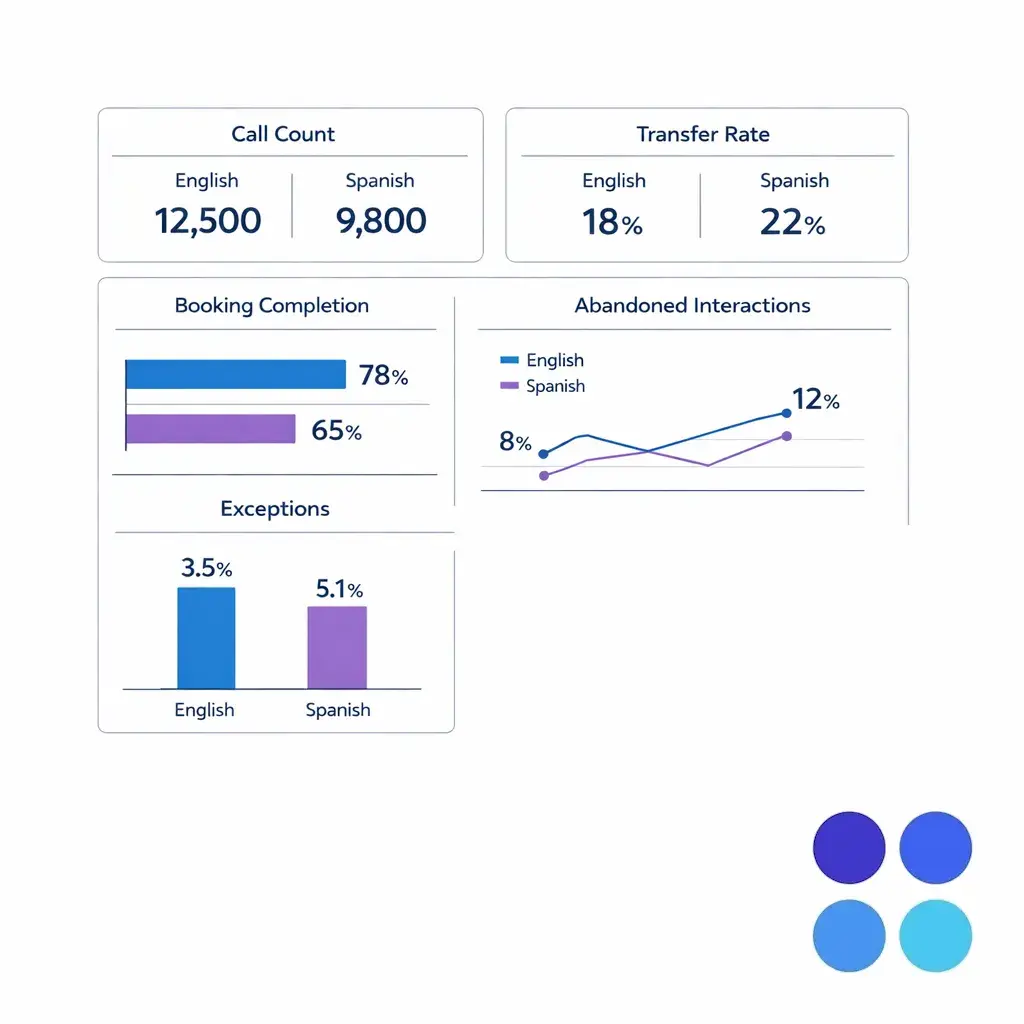
Demand visibility by language, not a catchall bucket: call volume, transfers, bookings, and exceptions separated for English and Spanish so staffing gaps and leakage are easy to spot.
A strong enterprise answering service should support controlled variation. Your personal injury intake script may need different screening than mass tort, general litigation support, urgent care scheduling, or home services dispatch. The key question is whether customization stays governed. You want flexible scripts, but you also want version control, approval workflows, and a reliable way to keep English and Spanish changes aligned.
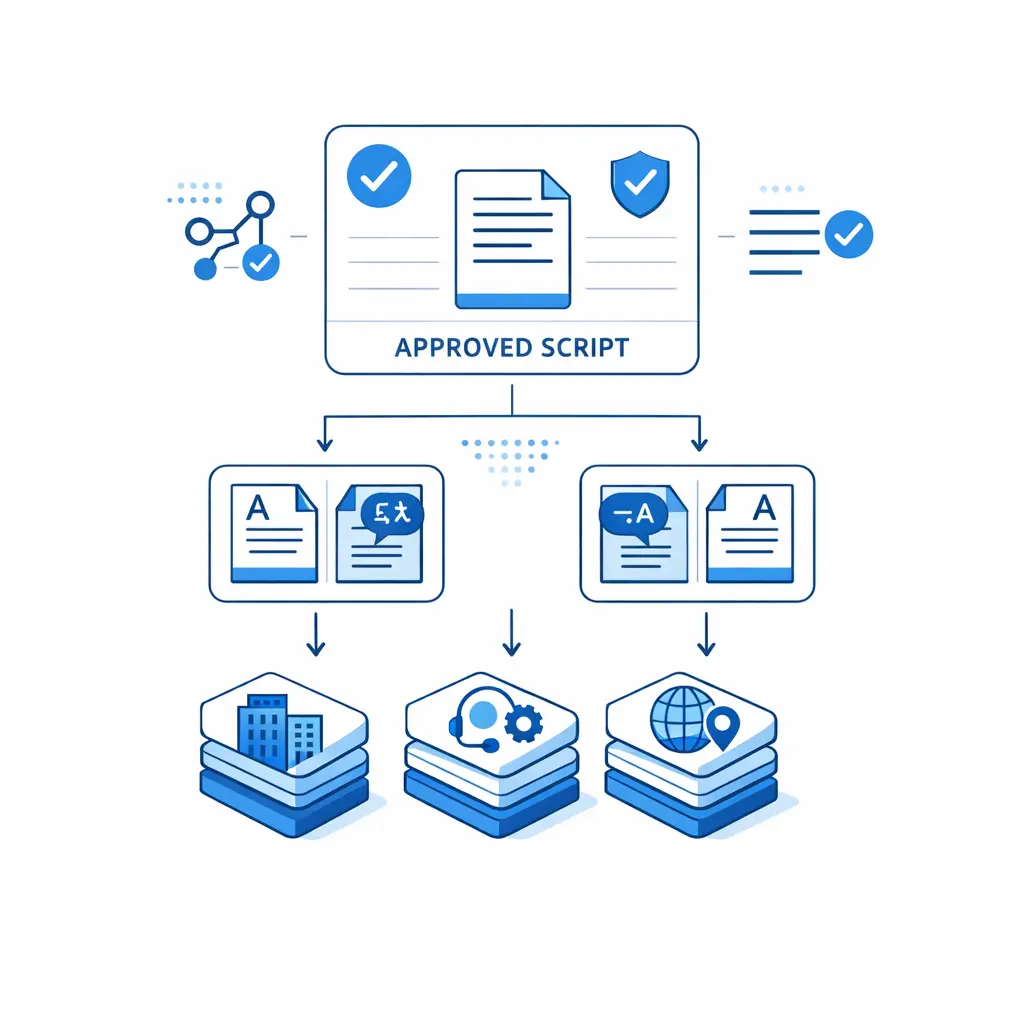
Customization should stay governed. Look for version-controlled scripts, approval workflows, and a reliable way to keep English and Spanish changes aligned across locations and service lines.
What is the average cost for an answering service? For enterprise buyers, the more useful question is what drives spend. Headline rates can hide the real cost of complexity, especially when your program includes bilingual coverage, overflow handling, appointment scheduling, intake forms, or custom escalations. Ask the provider to price the same month three ways: routine volume, peak month, and after-hours heavy month.
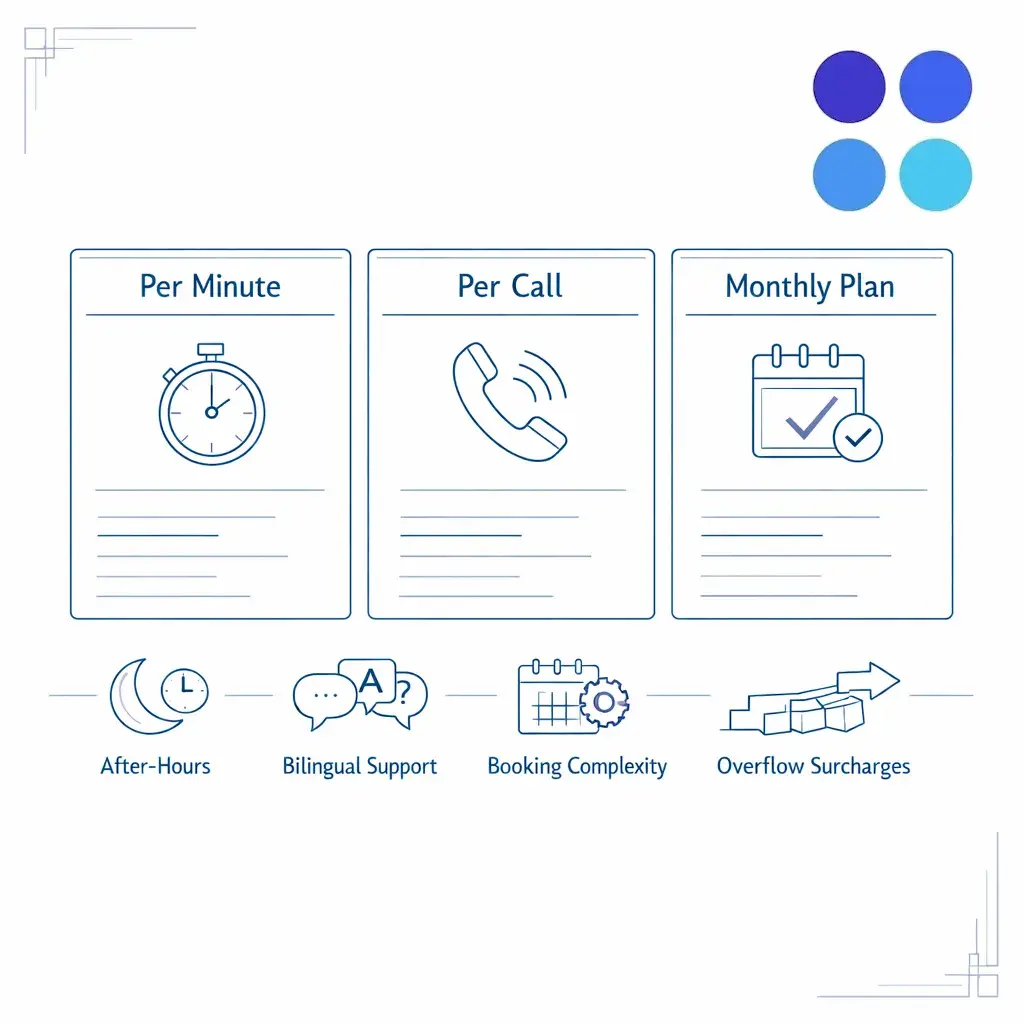
Price the same month three ways, routine, peak, and after-hours heavy, and compare per-minute, per-call, and monthly plans against the bilingual and after-hours cost drivers that move spend.
Clarify what counts as included service and what triggers a premium. Some vendors package English and Spanish coverage into one rate. Others price bilingual support, weekends, holidays, scripting changes, or booking complexity separately. You also need to know what happens when calls transfer out of automation, exceed a minute threshold, or require multiple outbound attempts. The cheapest proposal on paper can become the most expensive one in production.
Do not compare vendor cost only to receptionist wages. Compare it to missed-call exposure, scheduling leakage, after-hours gaps, management overhead, training burden, QA requirements, and the cost of keeping internal bilingual coverage consistent across all shifts. For some teams, the right answer is a full outsourced bilingual call center. For others, it is a focused overflow and after-hours layer that protects conversion when the in-house team is unavailable.
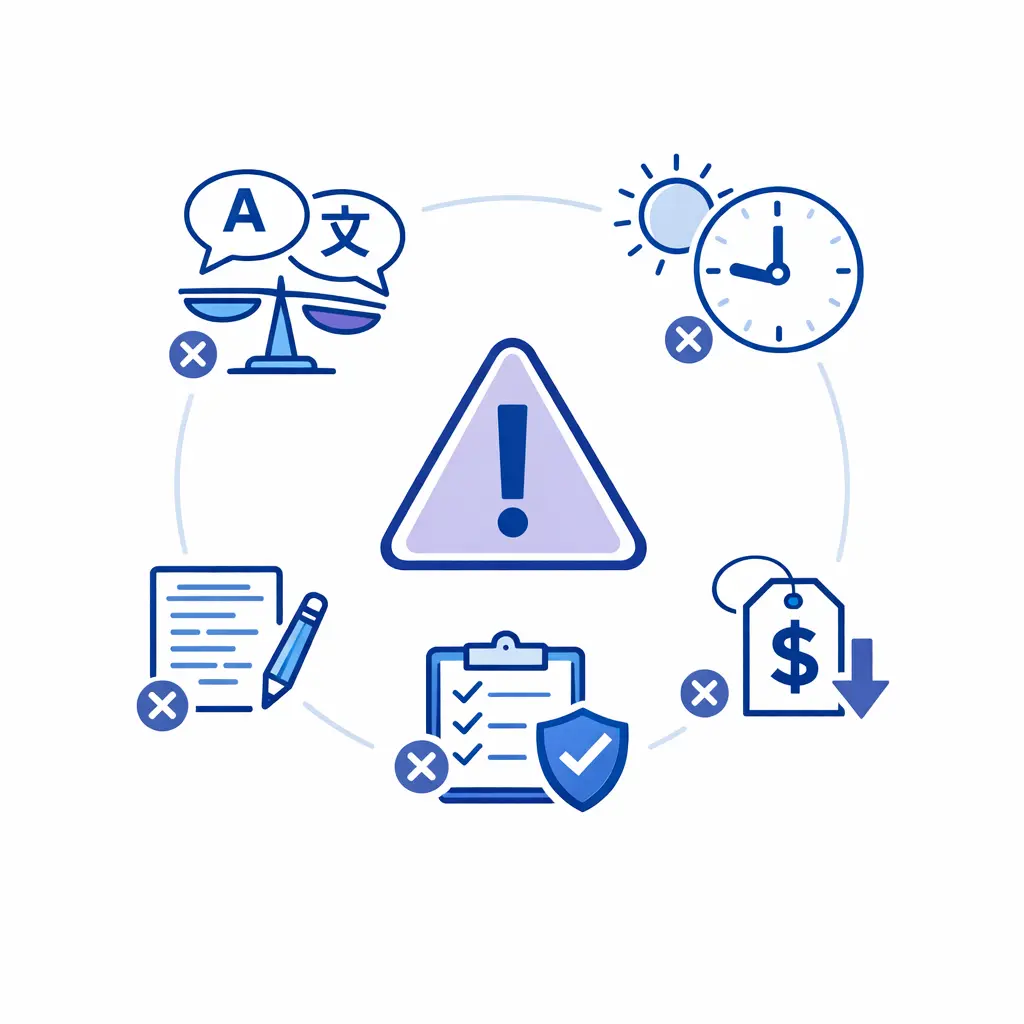
The five most common buying mistakes: assuming bilingual means equal quality, testing only daytime calls, reviewing scripts but not outputs, accepting generic compliance language, and buying on price before fit.
Use a pilot before you commit to a long rollout. The goal is not just to prove that calls get answered. The goal is to prove that your provider can protect intake quality, compliance expectations, and conversion outcomes across both language paths.
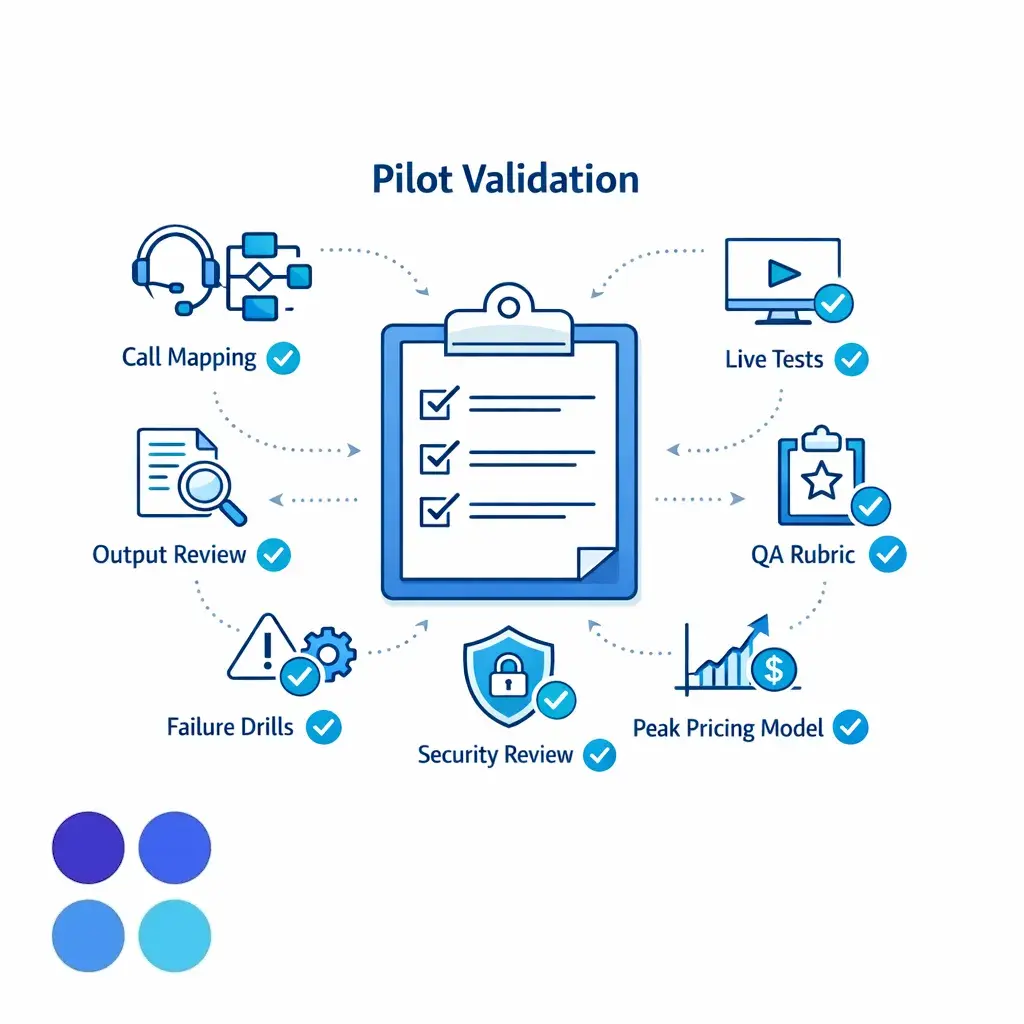
Run a pilot before a long rollout: test calls across hours, QA scoring on both languages, real output review, failure drills, and security validation, all before data moves at scale.
A disciplined pilot tells you what a brochure cannot: whether your provider protects intake quality, compliance expectations, and conversion outcomes equally across English and Spanish before you commit to a long-term agreement.
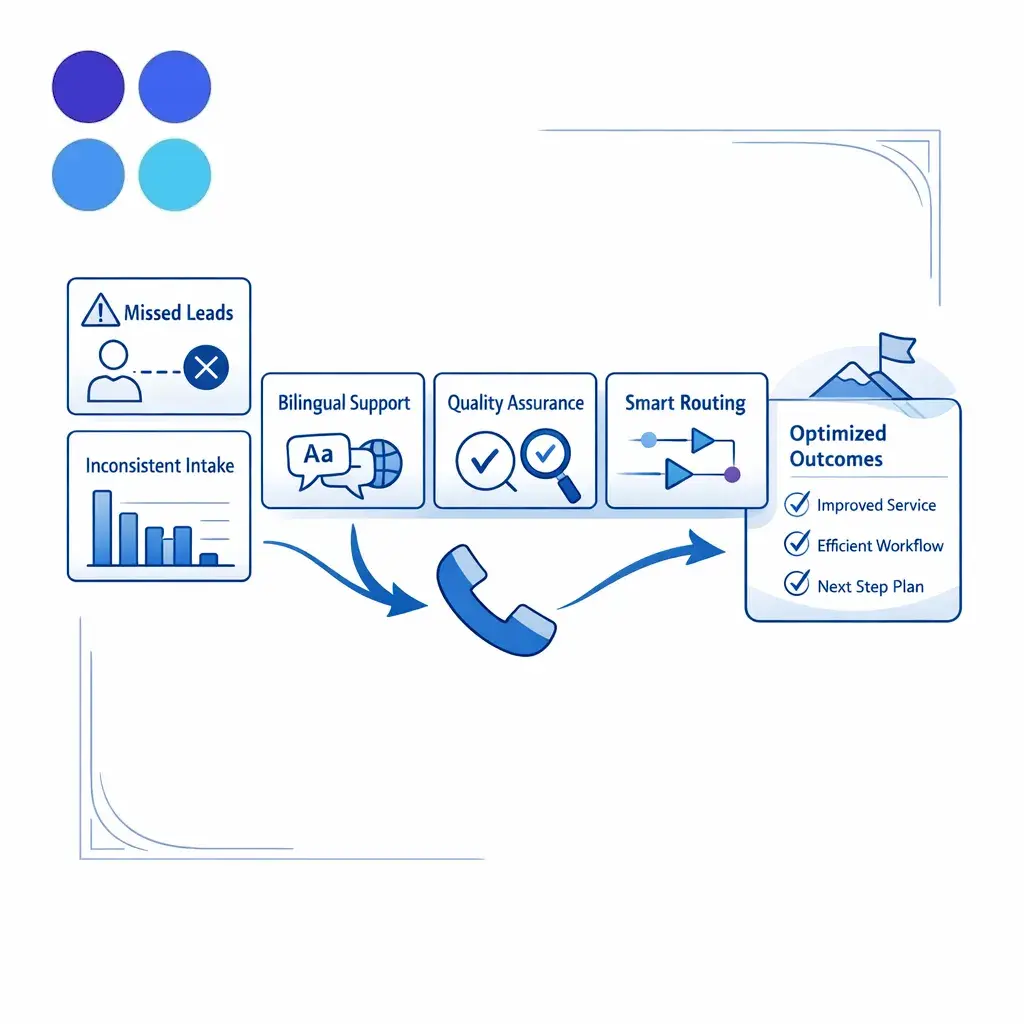
The next step is low-friction: a short discovery call that moves from your current gaps to evaluated coverage and a confident decision built around routing, QA, and escalation control.
If your current English and Spanish call handling is creating missed leads, uneven intake, or after-hours risk, Go Answer can help you evaluate the gaps before you change providers or expand coverage. That review is useful whether you need a bilingual virtual receptionist program, a larger enterprise answering service, or a hybrid model built around routing, QA, and escalation control. When you are ready, Request Pricing to book a discovery call, see how it works, and discuss the use cases that matter most to your team.

Learn why thousands of companies rely on Go Answer.
Try us risk-free for 14 days!
Enjoy our risk-free trial for 14 days or 200 minutes, whichever comes first.
Have more questions? Call us at 888-462-6793
Learn why thousands of companies rely on Go Answer.
Have more questions? Call us at 888-462-6793
If you would like to get in contact with a Go Answer representative please give us a call, chat or email.

Thanks for your interest!
A representative will be reaching out to you shortly.
Have more questions? call us on 888-462-6793
