
How to Build a 24/7 Support Operation Without Burning Out Your Team
By Troy Van WillisLast modified: April 7, 2026
Voted Top Call Center for 2024 by Forbes
Virtual Receptionists
Save time and money with our virtual receptionists.
AI Receptionist
AI-powered receptionist that answers, routes, and qualifies calls 24/7.
Enterprise Solutions
Solutions designed to scale with your organization’s needs.
Legal Services
Our virtual legal receptionists are experts in legal intake.
Last modified: April 7, 2026
“Always on” support sounds simple until the first month of overnight coverage turns into rising overtime, inconsistent handoffs, and a team that feels like they never truly log off. For enterprise and multi-location service businesses, legal intake-heavy firms, and healthcare practices, the stakes are even higher because every call can carry revenue, safety, or compliance implications.
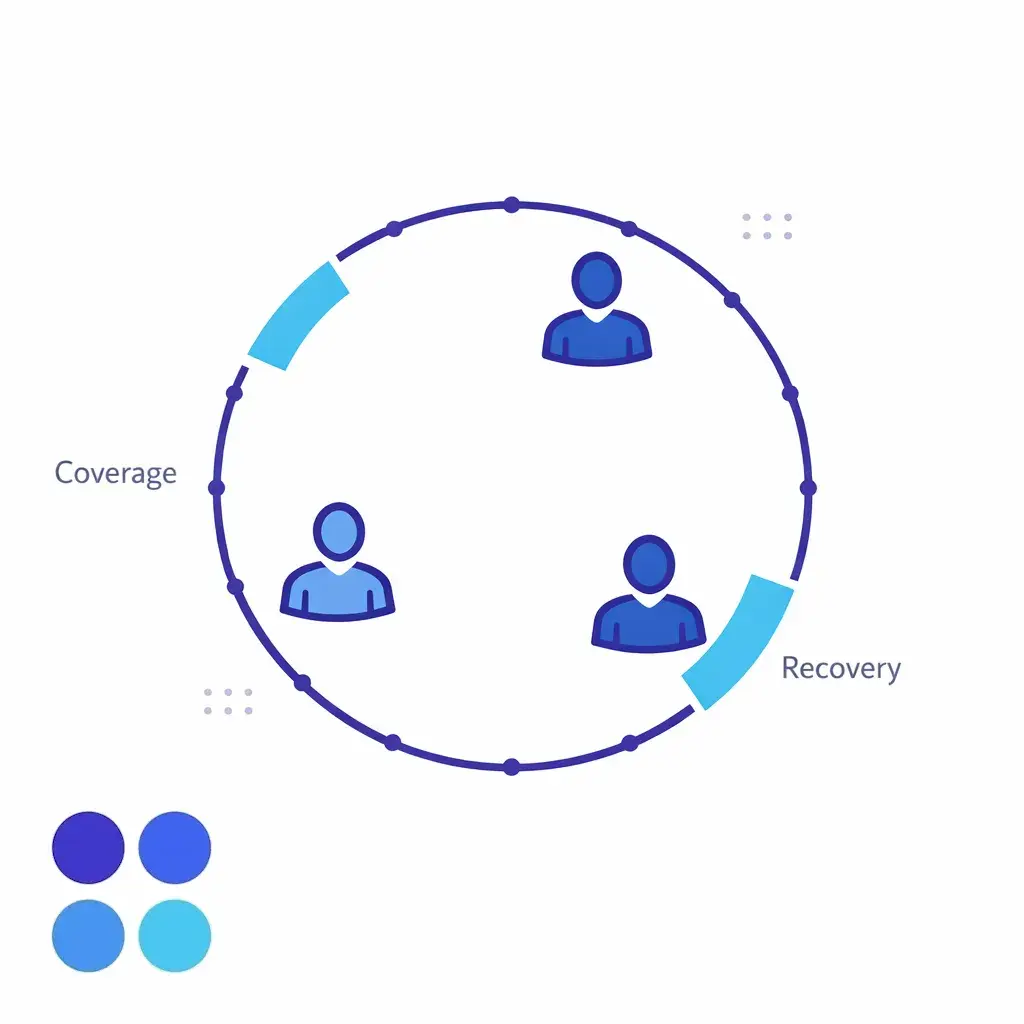
This guide is for operations leaders who need reliable after-hours and weekend coverage without grinding down their best people.
You will learn practical operating models, staffing patterns, quality controls, and compliance-minded safeguards that help you scale 24/7 support sustainably, whether you keep it in-house, add an overnight customer support supplier, or partner with a 24/7 call center provider.
A healthy 24/7 operation is built around continuity: customers get the right help quickly, issues are documented clearly, and the next team picks up with context. That is different from “one team answers everything at any hour,” which usually creates hero culture and chronic fatigue.
Define the promise you are actually making after hours. For many organizations, the promise is: respond fast, capture complete intake details, route correctly, and escalate true emergencies, while deferring non-urgent work to business hours.
Before you add headcount or outsource round-the-clock support, document what your overnight function will and will not do. This reduces scope creep and lowers pressure on night agents.
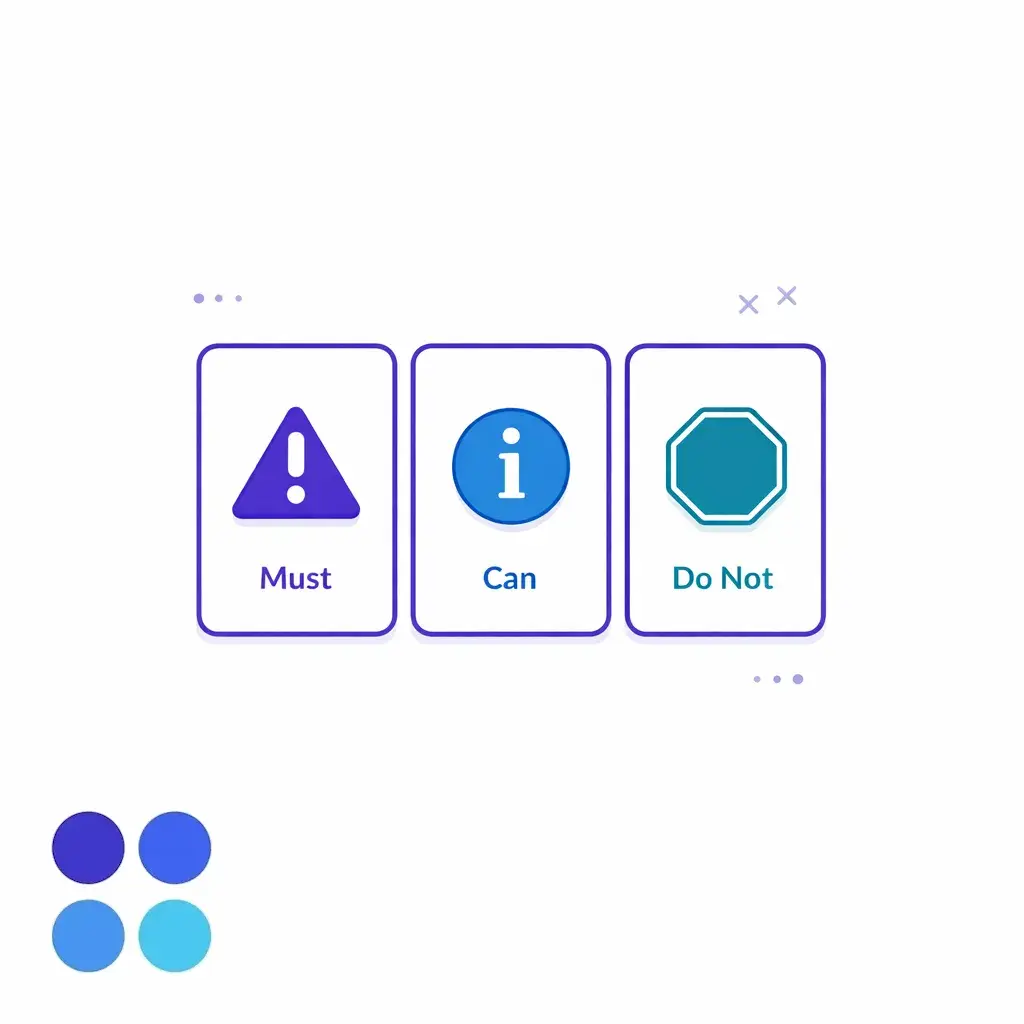
Must-handle: urgent safety or service disruptions, high-value leads, incident reporting, intake capture, on-call dispatch.
Can-handle: appointment requests, FAQs, password resets, order status, basic troubleshooting.
Do-not-handle: complex account changes, sensitive approvals, anything requiring specialized systems access without supervision.
There is no single best structure for 24/7 coverage. The right model depends on call volume patterns, the complexity of your workflows, and how costly a mistake is at 2:00 a.m.
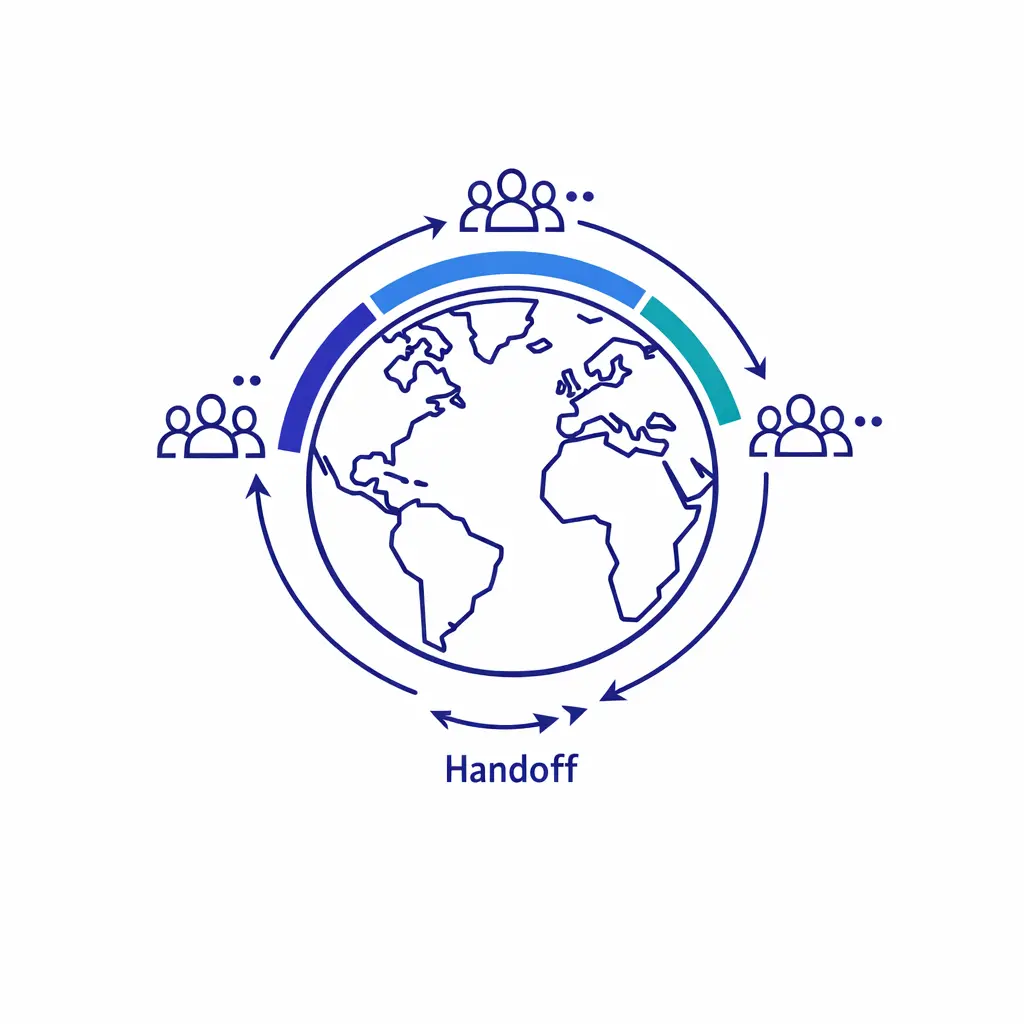
Teams in different time zones cover their local daytime. This reduces overnight burden, but requires strong standardization so customer experience stays consistent across regions.
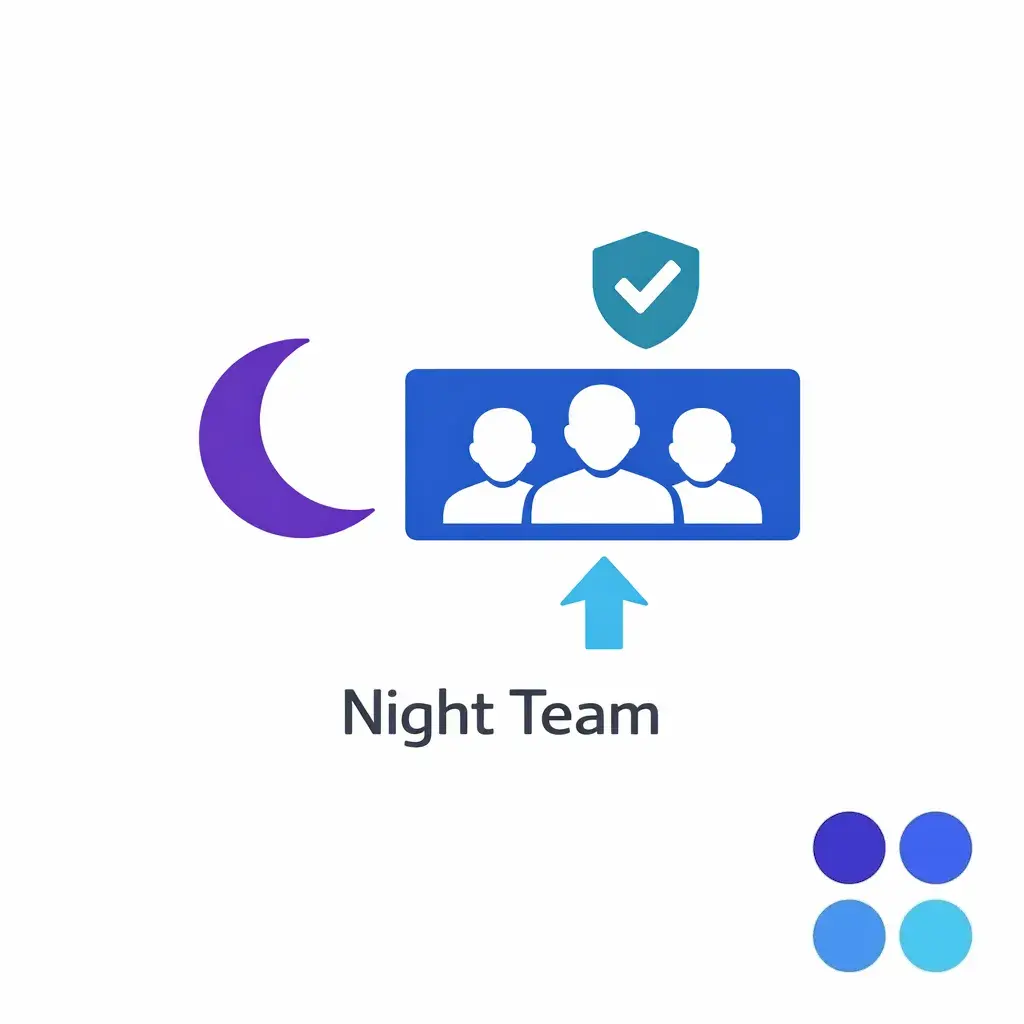
A stable night team can build deep expertise in overnight scenarios, especially for dispatch-heavy or emergency escalation workflows. The key is to treat the night shift as a first-class team with coaching, QA, and career progression, not a “temporary assignment.”
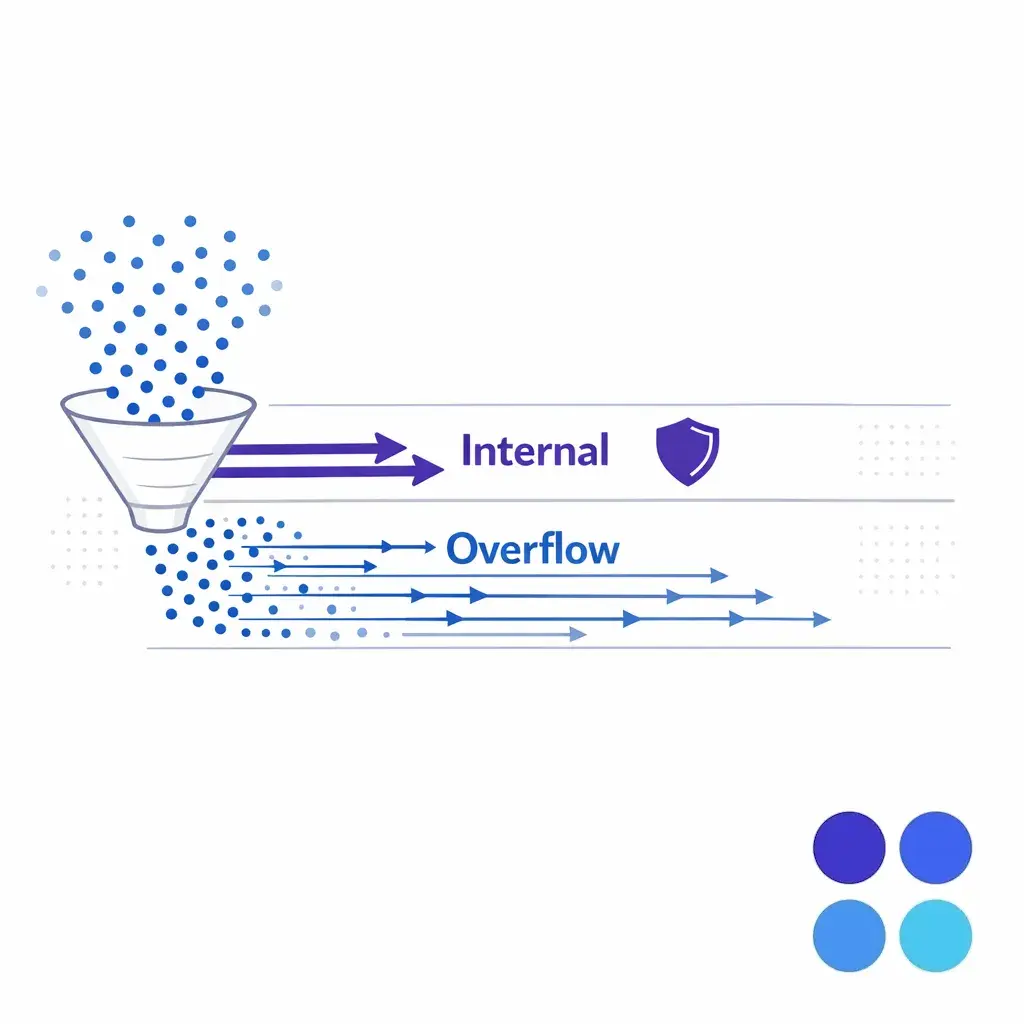
Many enterprises combine a small internal team with overflow support after hours. In this structure, internal staff handle high-risk work, while a 24/7 customer service provider handles standard calls, message-taking, or overflow during spikes.
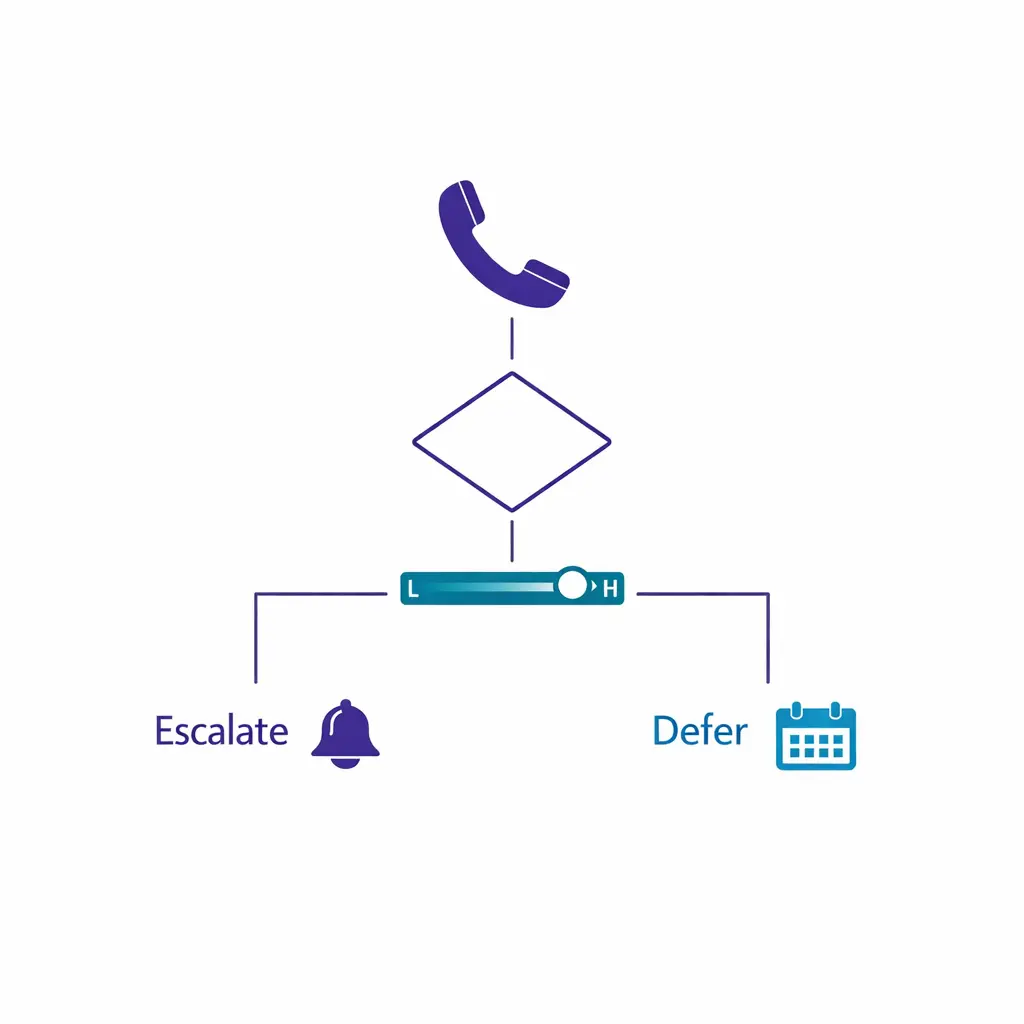
On-call can work if volume is truly low and the escalation criteria are tight. If on-call becomes a nightly expectation, it will burn people out and quietly degrade decision quality.
Burnout usually starts as a math problem: too much work compressed into too few reliable staffed hours. Fixing it means planning for variability, not just averages.
Overnight demand is rarely smooth. Instead of staffing to the median hour, plan around your worst repeatable patterns: end-of-day overflow, weekend spikes, storms and outages, marketing bursts, or court deadlines.
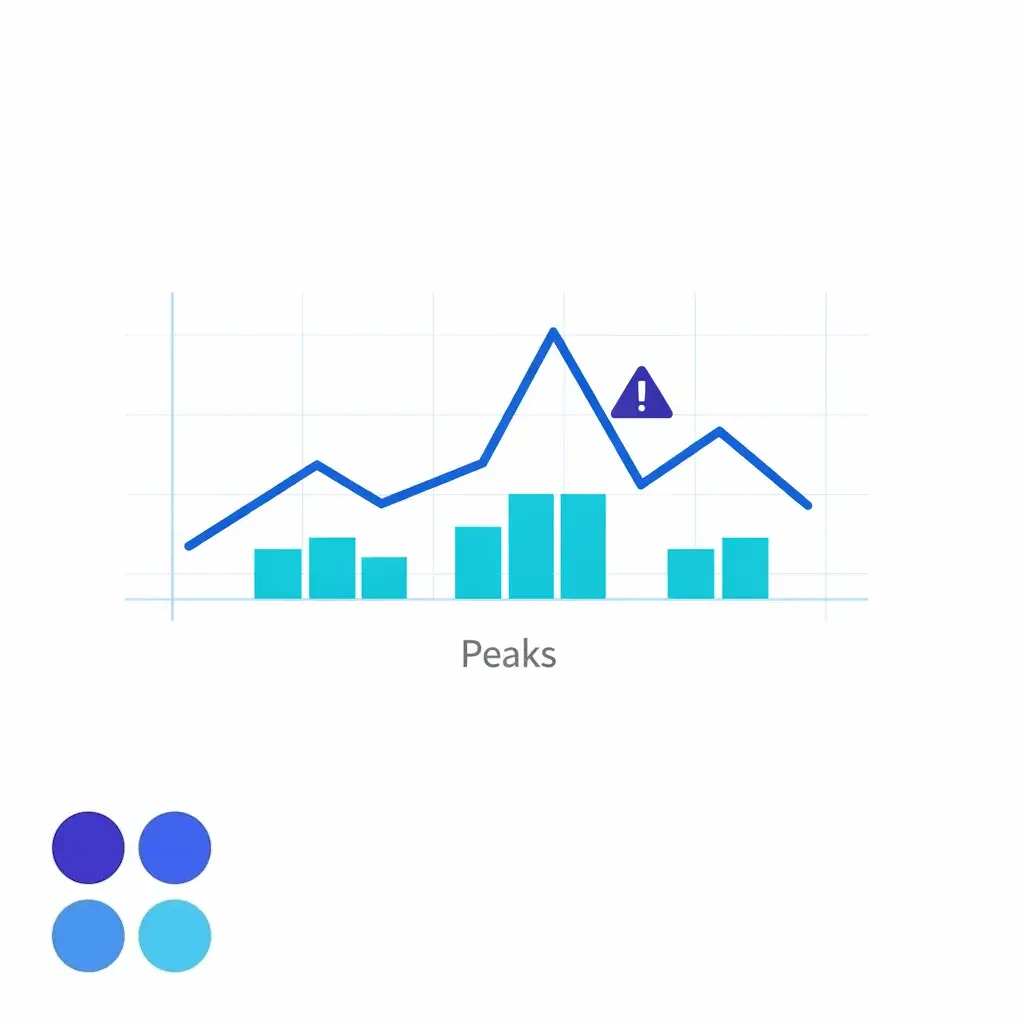
Identify peak windows by hour and by day, then staff those windows first.
Decide your maximum acceptable hold time for after-hours calls and what happens when you exceed it.
Build a surge plan for the top 3 predictable spikes (weather, promotions, Monday mornings, etc.).
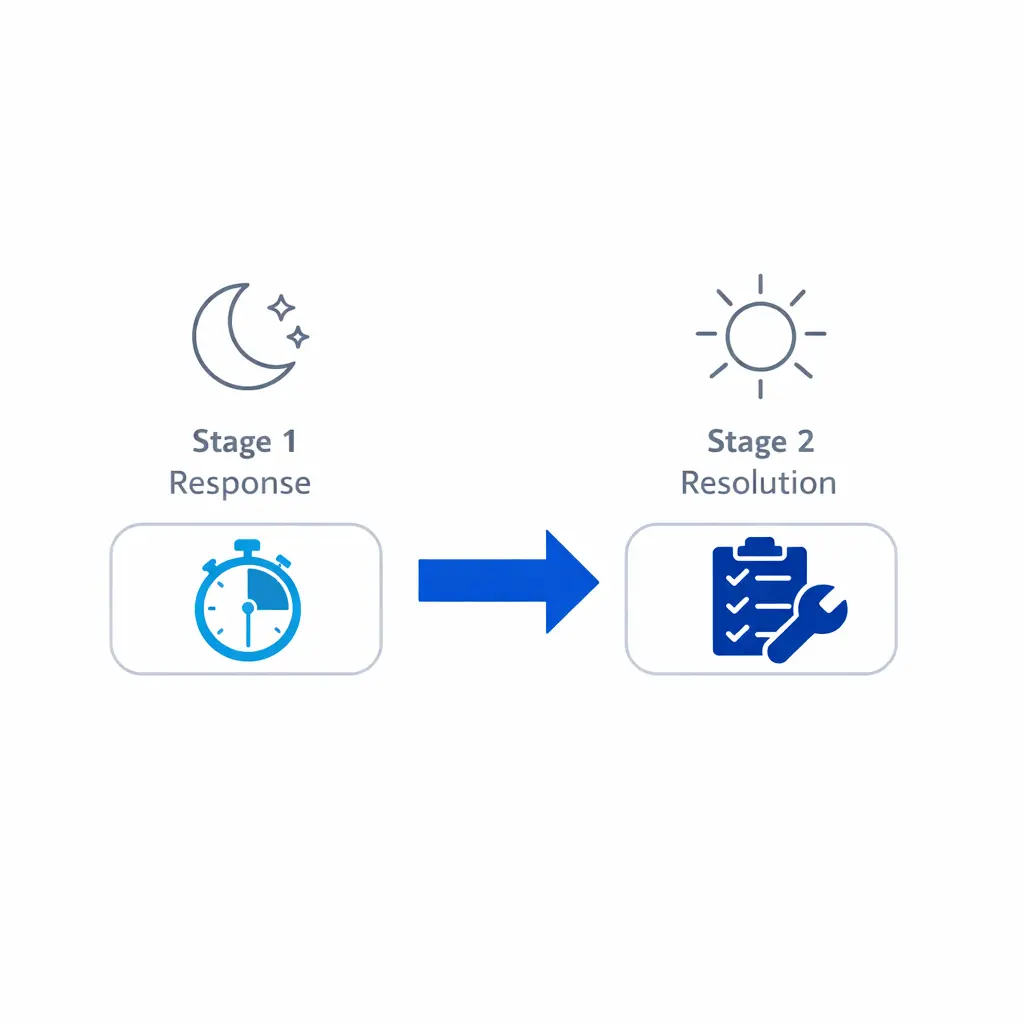
To protect night staff, design workflows so overnight teams focus on fast, accurate capture and safe triage.
Reserve deep investigation and back-office work for business hours unless there is a true emergency.
This single change often lowers overnight handle time, improves consistency, and reduces the feeling that night agents must “solve everything alone.”
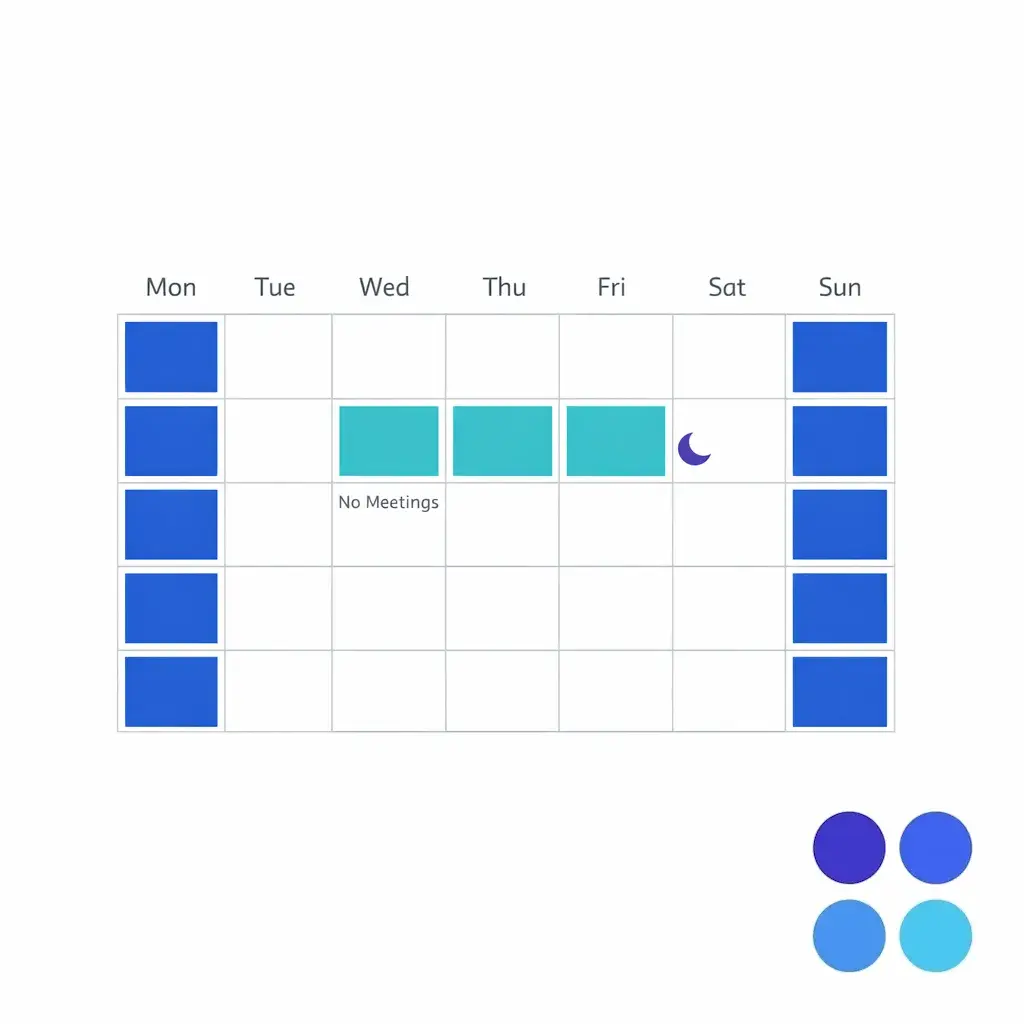
Scheduling is the main lever for sustainability. If the schedule forces chronic overtime or constant circadian disruption, you will pay for it through attrition, quality drift, and increased rework.
If your 24/7 plan “works” only when people regularly run long, it is not a plan. Track overtime by team and by shift, then treat it as an operational defect to eliminate.
When designing schedules in the U.S., make sure your overtime assumptions align with the Fair Labor Standards Act (FLSA) overtime requirements and your state rules. Even when overtime is legal, relying on it as a staffing strategy accelerates burnout.
Rotation can spread the burden, but frequent switching between day and night is exhausting. If you rotate, do it on a predictable cadence, provide recovery time, and avoid sudden flip-flops that leave people sleeping at random hours.
Hard “off” windows for night staff (no meetings scheduled during their sleep hours).
Post-incident recovery after major escalations, like outages or crisis events.
Backup coverage so sick days do not trigger panic staffing.
Most 24/7 failures are not caused by the call itself, but by what happens next. If day teams wake up to vague notes, missing intake details, or unclear ownership, resentment builds and the cycle repeats.
Create a required structure for every overnight case, ticket, or intake so the morning team can act immediately. Keep it short, consistent, and measurable.
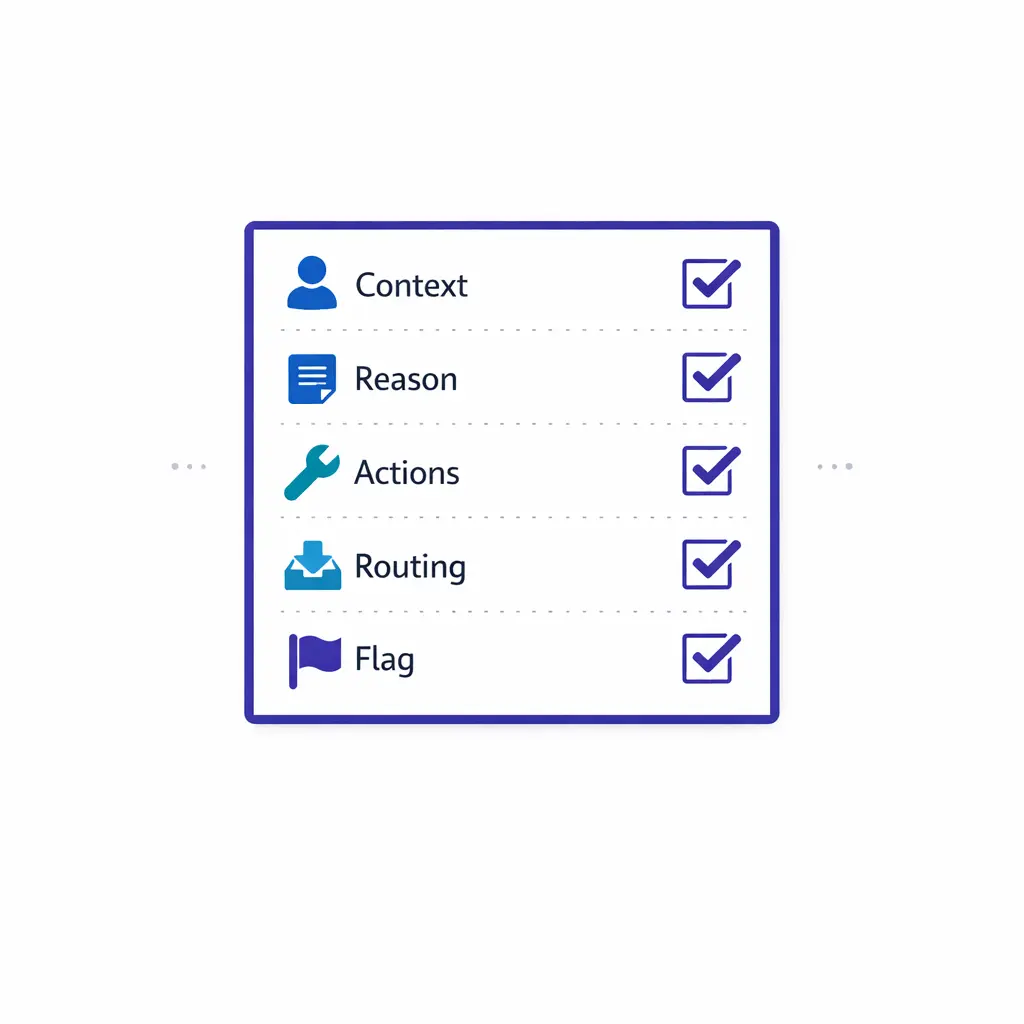
Customer context: who they are, location, best callback, urgency.
Reason for contact: problem statement in plain language.
Actions taken: what was tried, what was promised, what is pending.
Routing: correct queue, practice group, clinic line, or branch.
Escalation flag: why it was escalated and to whom.
Build an escalation matrix that removes guesswork
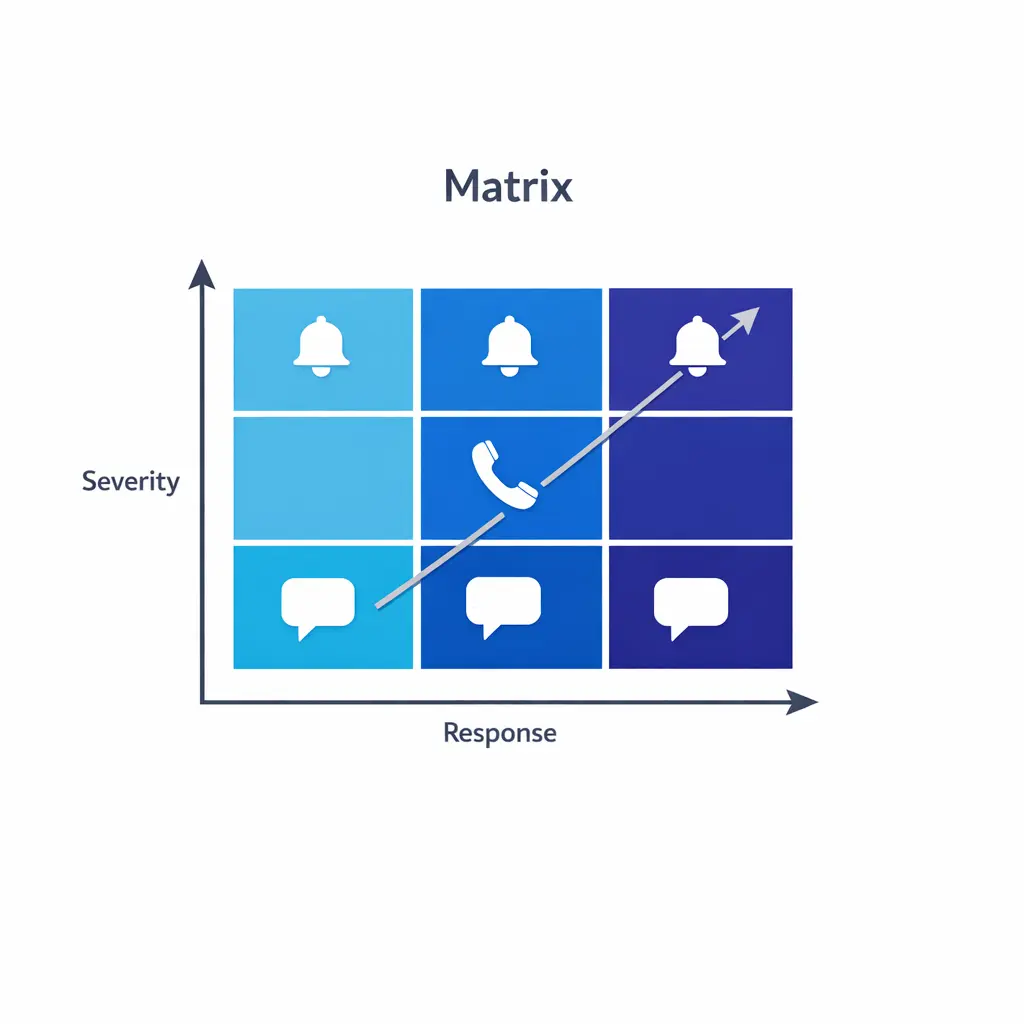
Night teams should never debate “should I wake someone up?” in real time without guidance.
Define escalation triggers, who is on-call, how long to wait, and what to do if there is no response.
Overnight coverage often drifts because leaders are asleep when performance issues occur. You can fix that by making QA and coaching a normal part of the night operation, not a daytime-only activity.
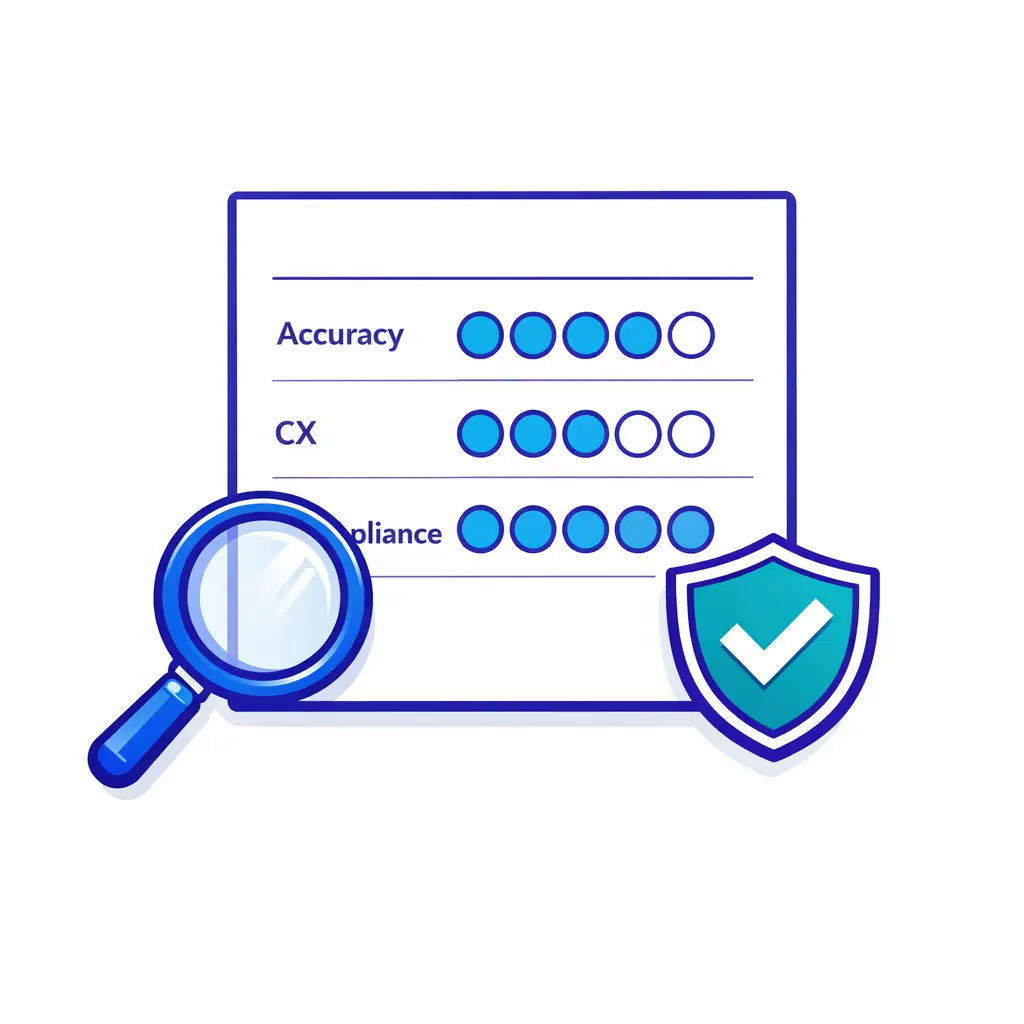
Accuracy: correct intake fields, correct routing, correct promises.
Customer experience: tone, clarity, and de-escalation where needed.
Process compliance: scripts, disclosures, and documentation standards.
Resolution support: did the next team have what they needed?
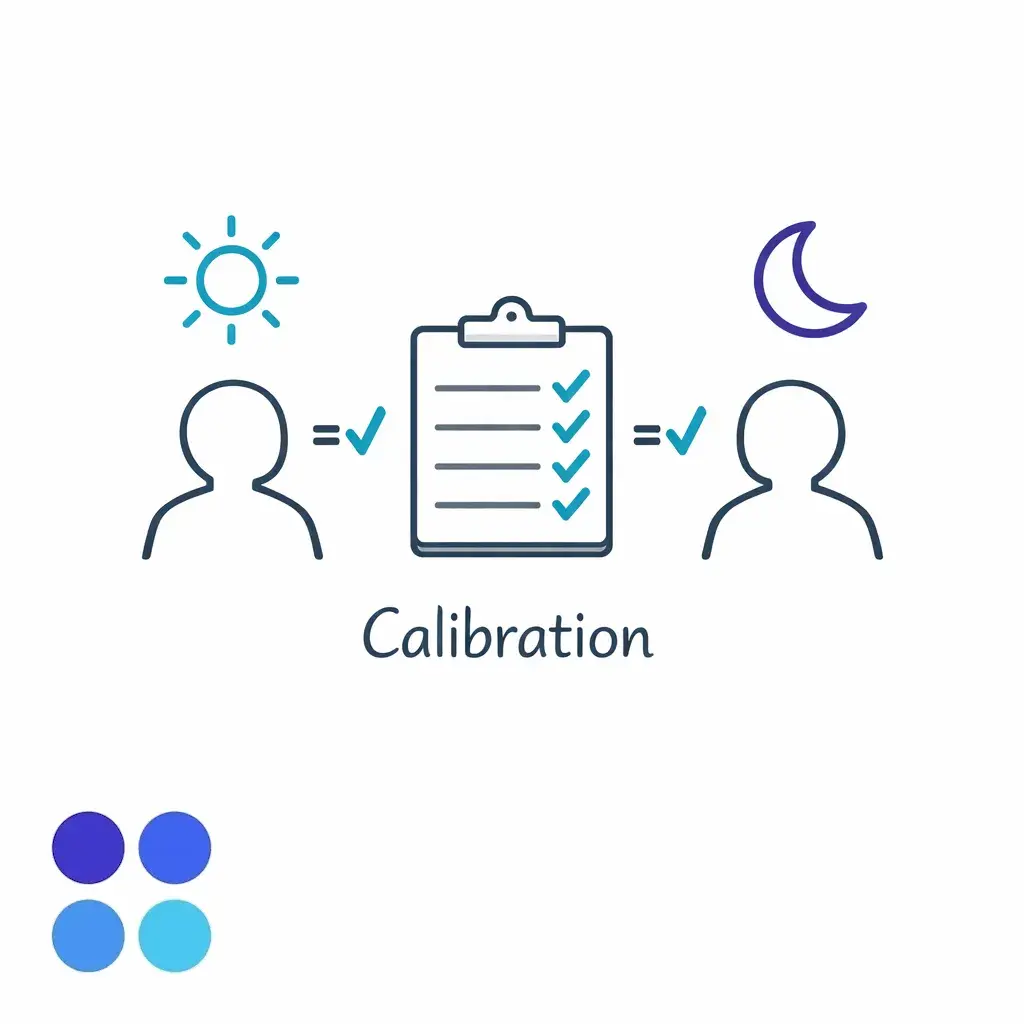
Hold regular calibration sessions where day and night leads score the same interactions and align on expectations.
This reduces “day vs. night” friction and helps improve the handoff loop.
Round-the-clock support usually means more systems access, more recordings, more data transfers, and more vendors. If you operate in regulated environments, you need clear controls before you scale coverage.
If your organization is a HIPAA covered entity and you use a vendor for after-hours calls, confirm whether the vendor functions as a business associate and can support the expectations described in HHS guidance on HIPAA business associates.
In practice, this means being clear about permitted uses of protected health information, minimum necessary access, and how messages are stored and transmitted.
Operationally, keep after-hours scripts tight: collect what is needed to route care, avoid unnecessary details, and document accurately. If you record calls, define retention and access rules so recordings do not become an unmanaged shadow system.
For law firms, intake and client communications must be designed around confidentiality expectations such as those described in ABA Model Rule 1.6 on confidentiality of information.
Your scripts, training, and tooling should support secure intake capture, limited disclosure, and disciplined handling of sensitive details.
Also ensure after-hours teams know exactly what they can promise. A simple rule helps: if it affects strategy, fees, or legal advice, it is an escalation, not an improvisation.
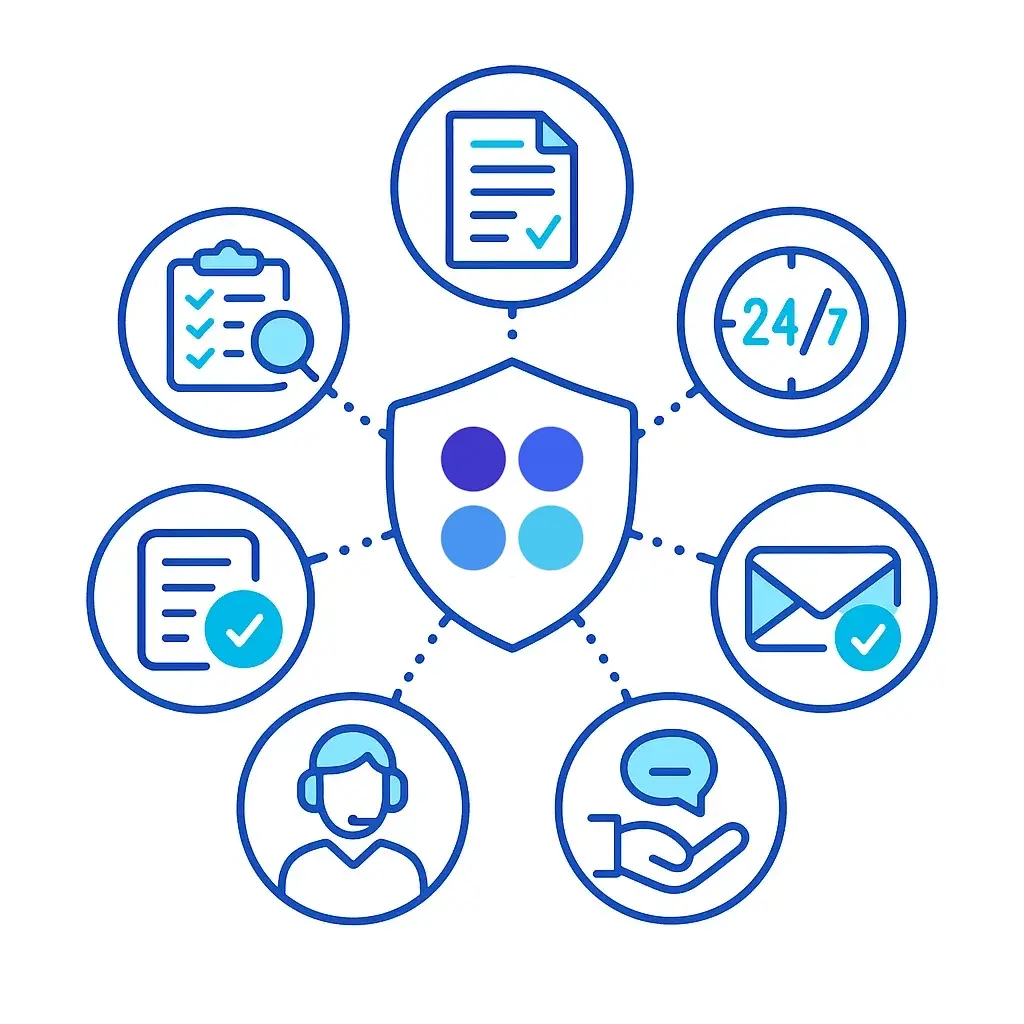
If your after-hours coverage includes outbound callbacks, texts, or automated outreach, align processes with the FCC’s guidance on telemarketing and robocalls.
that typically means tracking consent status, honoring opt-outs, and keeping outreach scripts consistent across internal and outsourced teams.
A practical way to align internal and vendor security expectations is to map controls to a common framework like the NIST Cybersecurity Framework.
Even if you are not “doing security” on the night shift, you can still enforce basics like role-based access, auditability, and secure credential handling.
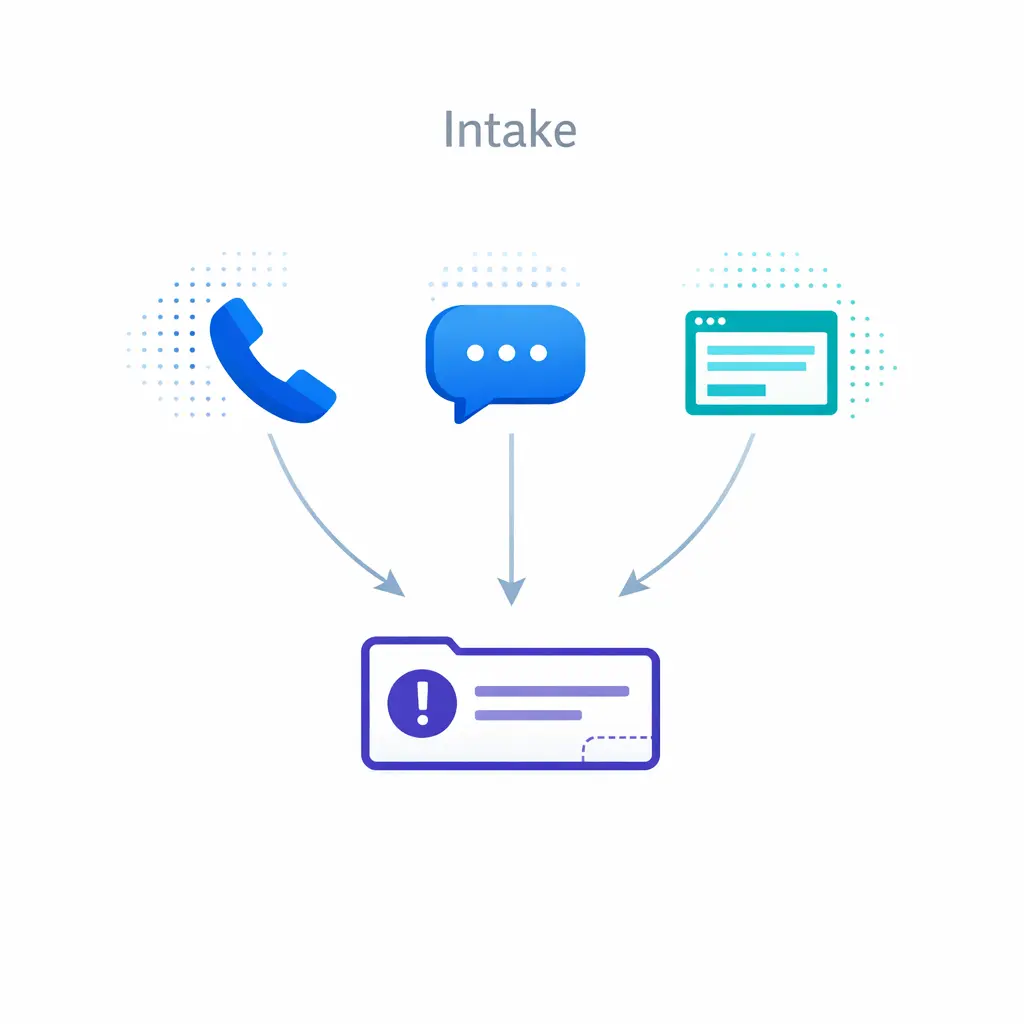
24/7 operations are harder because customer expectations have expanded across channels. Many businesses now juggle phones, web forms, chat, and texts, and “after-hours” means the work can arrive from anywhere.
At the same time, it is easier to build stable coverage because modern tooling and frameworks make standardization more achievable. Cloud workflows, centralized knowledge bases, and control models aligned to resources like the NIST Cybersecurity Framework make it simpler to onboard teams quickly, audit performance, and scale overflow support without losing visibility.
Rotation sounds fair, but if it is too frequent it creates constant fatigue and unstable performance. A better approach is to combine a stable night core with optional rotation that includes real recovery time.
Even when the goal is simply to capture and route, you still need standards: required fields, disposition codes, escalation triggers, and QA. Otherwise the day team inherits rework, and the night team gets blamed for problems they were never equipped to solve.
Outsourcing round-the-clock support can be highly effective, but only when you own the operating system. If you cannot define success metrics, provide a maintained knowledge base, and run calibration, you will get inconsistent outcomes no matter who answers the phone.
Night shifts face edge cases: emergencies, confused callers, intoxicated callers, system downtime, and routing exceptions. If you do not build a runbook for these scenarios, you force agents to invent process in real time.
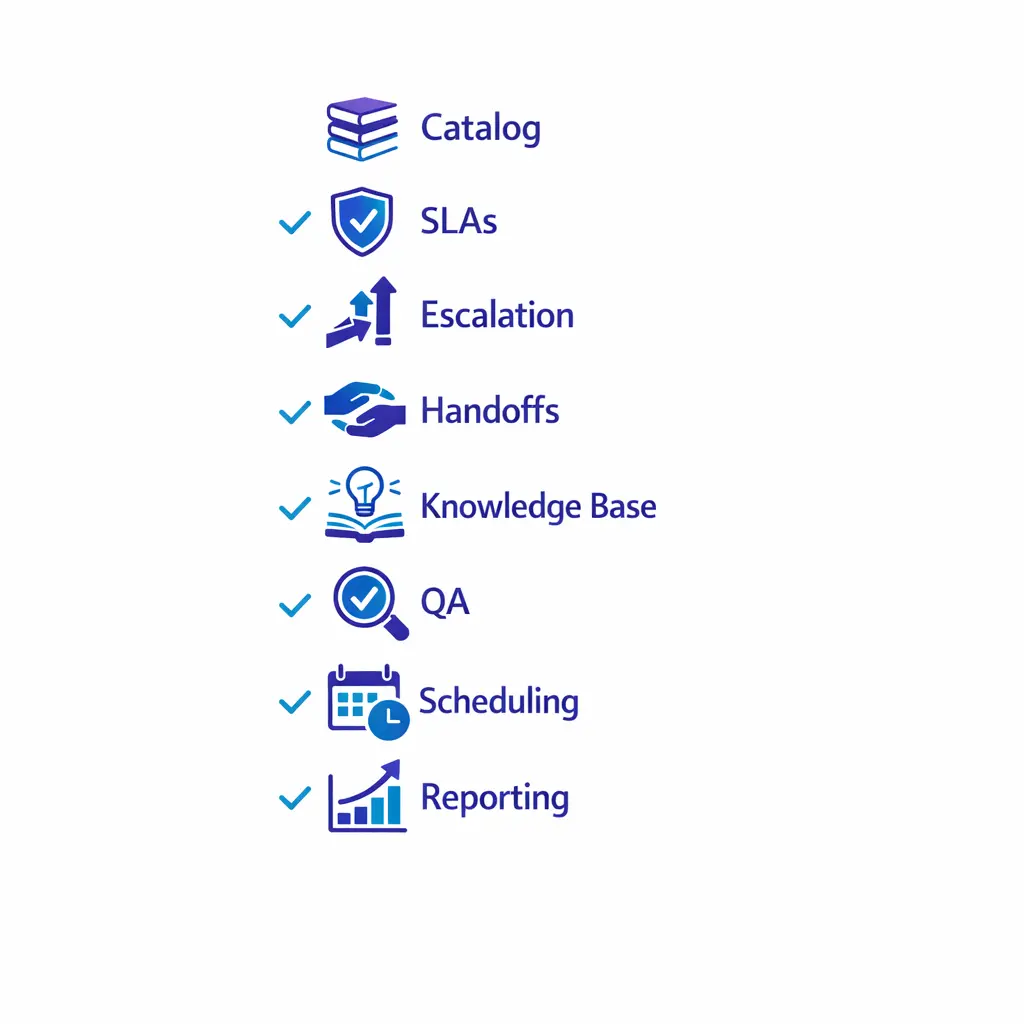
Write your after-hours service catalog: what you handle, what you route, what you escalate, and what you defer.
Define SLAs by category: urgent vs. standard, and what “good” looks like at night.
Create an escalation matrix: triggers, contacts, response times, and fallback paths.
Standardize handoffs: required fields, dispositions, and morning review procedures.
Build the knowledge base: scripts, FAQs, exception handling, and update owners.
Stand up QA: scorecards, calibration cadence, and coaching loops that include night coverage.
Harden scheduling: reduce overtime reliance, protect recovery time, and staff predictable spikes.
Audit compliance touchpoints: HIPAA business associate alignment where applicable, legal confidentiality practices, and consent/opt-out handling for outbound communications.
Decide your sourcing model: in-house, hybrid, or a 24/7 customer service provider for overflow and after-hours.
Pilot before you scale: start with one location, one workflow, or one call type, then expand once metrics stabilize.
If you are trying to reduce missed calls, protect your internal team’s energy, and still deliver consistent intake quality, a hybrid model is often the fastest path. Many enterprise teams use a specialized partner to cover overflow and after-hours while keeping high-risk or high-complexity work internal.
If you want to see what that looks like in practice, explore how Go Answer supports enterprise-grade coverage with structured workflows, QA-minded intake, and scalability that does not depend on burning out your best people.
Request Pricing if you already know your expected call volume and coverage hours.
Book a Discovery Call to map your after-hours service catalog and escalation paths.

Learn why thousands of companies rely on Go Answer.
Try us risk-free for 14 days!
Enjoy our risk-free trial for 14 days or 200 minutes, whichever comes first.
Have more questions? Call us at 888-462-6793
Learn why thousands of companies rely on Go Answer.
Have more questions? Call us at 888-462-6793
If you would like to get in contact with a Go Answer representative please give us a call, chat or email.

Thanks for your interest!
A representative will be reaching out to you shortly.
Have more questions? call us on 888-462-6793
