
Enterprise Call Center Solutions: What Large Organizations Should Look For
By Rick AlovisLast modified: April 14, 2026
Voted Top Call Center for 2024 by Forbes
Virtual Receptionists
Save time and money with our virtual receptionists.
AI Receptionist
AI-powered receptionist that answers, routes, and qualifies calls 24/7.
Enterprise Solutions
Solutions designed to scale with your organization’s needs.
Legal Services
Our virtual legal receptionists are experts in legal intake.
Last modified: April 14, 2026
When a large organization depends on inbound calls to drive revenue, protect customers, or capture time-sensitive intake, the call center is not a cost center. It is an operational control point that affects conversion, case quality, patient experience, and brand trust across every location.
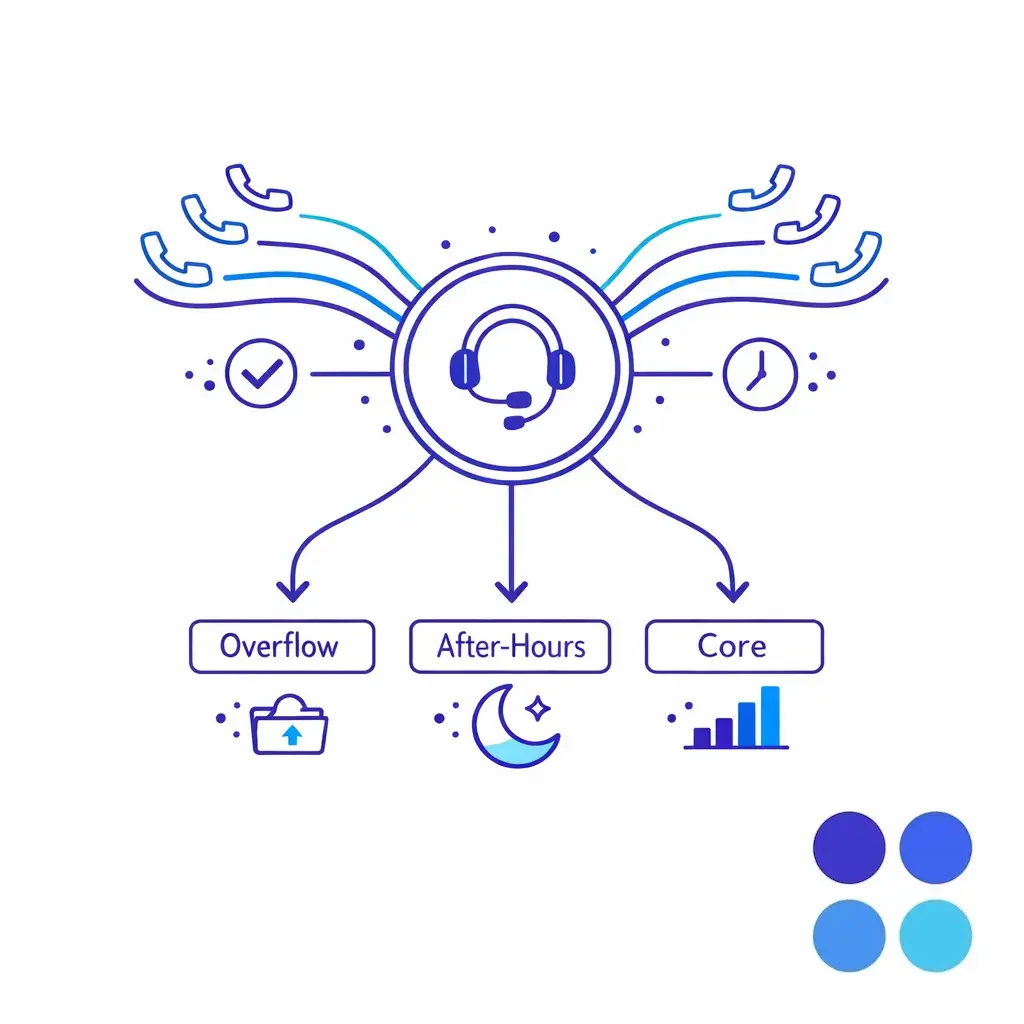
This guide is for enterprise and multi-location service businesses, legal intake-heavy firms, healthcare practices, and high-volume inbound teams that need overflow and after-hours coverage without sacrificing quality.
You will learn how to evaluate enterprise call center solutions, what to demand from enterprise BPO services, and how to de-risk security, compliance, and rollout.
Instead of focusing on vendor buzzwords, we will focus on outcomes: coverage, consistency, intake accuracy, integration readiness, and governance. You will also get a practical selection scorecard and an implementation checklist you can use with procurement, IT, compliance, and operations.
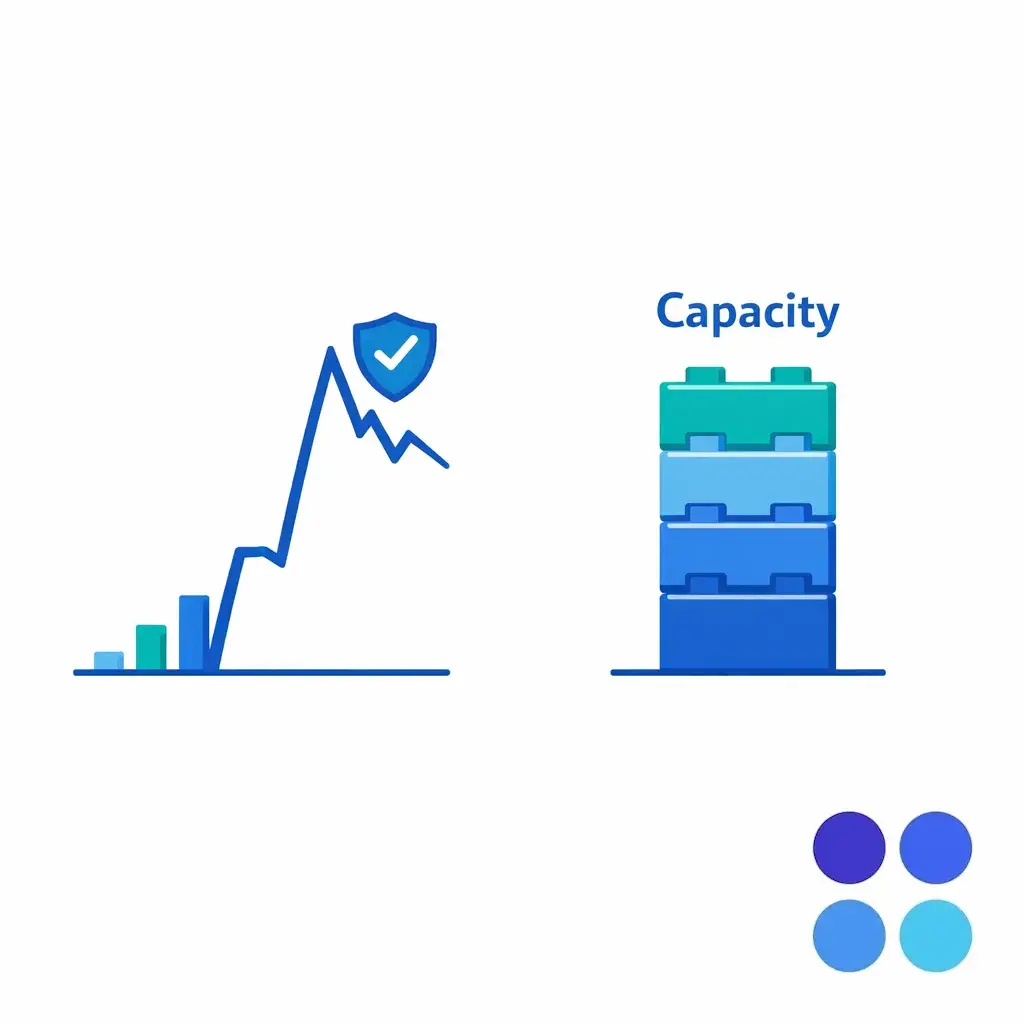
In an enterprise context, a call center is rarely “just phones.”
It is a system of people, processes, and technology designed to handle variability in volume while maintaining consistent service levels across brands, locations, and lines of business.
Most large organizations end up choosing a mix of models: internal teams for core hours and institutional knowledge, plus a scalable call center partner for overflow, after-hours, seasonal spikes, or specialized intake workflows. The right approach depends less on headcount and more on how critical speed-to-answer and intake accuracy are to your business.
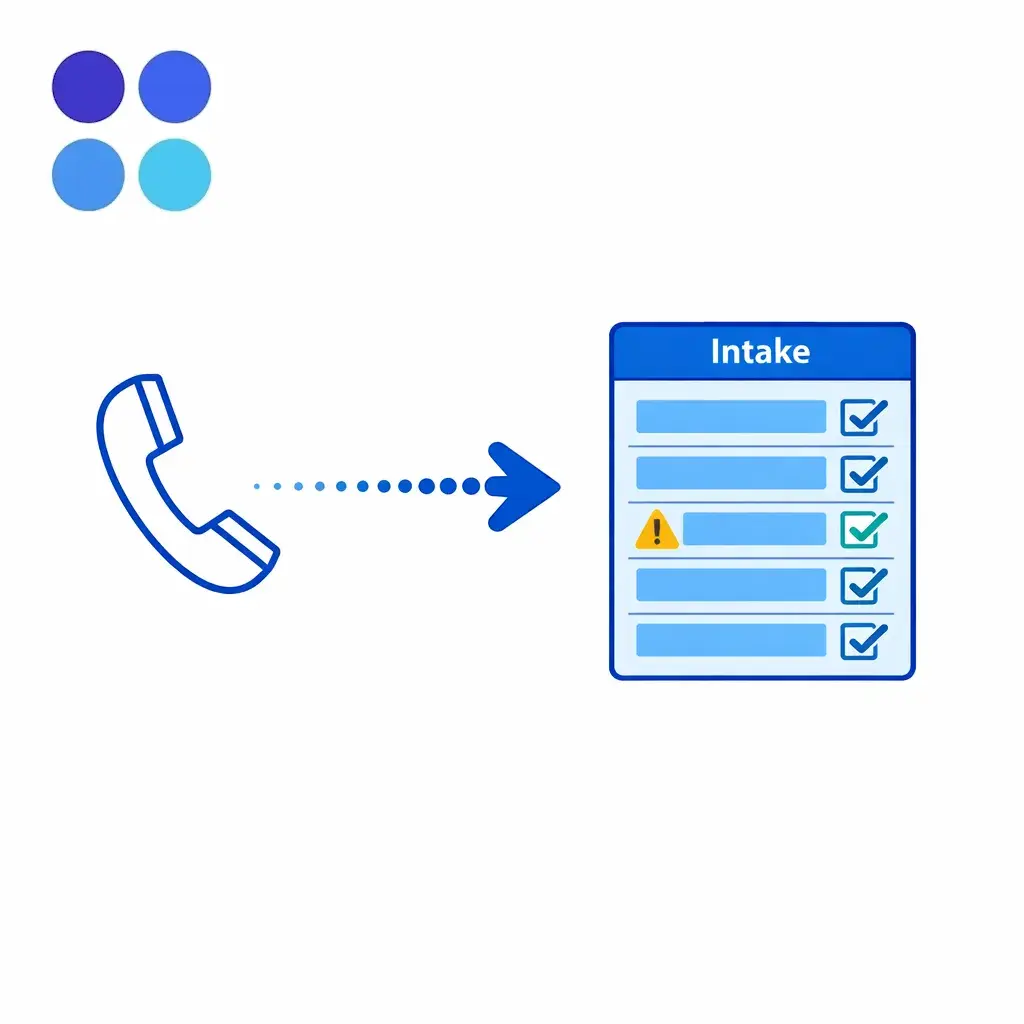
Multi-location routing and consistency: Standardized scripts, policies, and escalation across dozens or hundreds of sites.
High-stakes intake: Legal lead qualification, medical appointment triage, or urgent scheduling where missing details creates downstream risk.
Coverage guarantees: After-hours and overflow coverage that protects against missed calls, abandoned calls, and backlog.
Complex scheduling and follow-up: Appointment setting, reminders, rescheduling, and internal ticketing that must align with your systems.
Enterprise reporting: Performance measurement by location, campaign, practice group, or service line with auditable QA.
Enterprise customer support expectations have continued shifting from “answer the phone” to “capture structured data, protect sensitive information, and prove controls.” This is showing up in procurement requirements, security questionnaires, and the expectation that vendors operate with the same discipline as internal teams.
On the security side, many organizations are aligning vendor reviews to widely used frameworks such as the NIST Cybersecurity Framework (CSF), including updates reflected in CSF 2.0’s expanded emphasis on governance. Even if your call center provider is not “doing NIST,” your security team is likely mapping their answers into that kind of structure.
On the assurance side, enterprise buyers increasingly ask for independent reports rather than slides and policy PDFs. For service providers, one common route is AICPA service organization reporting (including SOC reports), which helps enterprises evaluate how a vendor’s controls are designed and operating over time.
Operationally, more enterprises are also demanding shorter ramp times and more flexible capacity without losing brand voice. This pushes providers to invest in training systems, QA programs, and knowledge management that can scale with change, not just with volume.
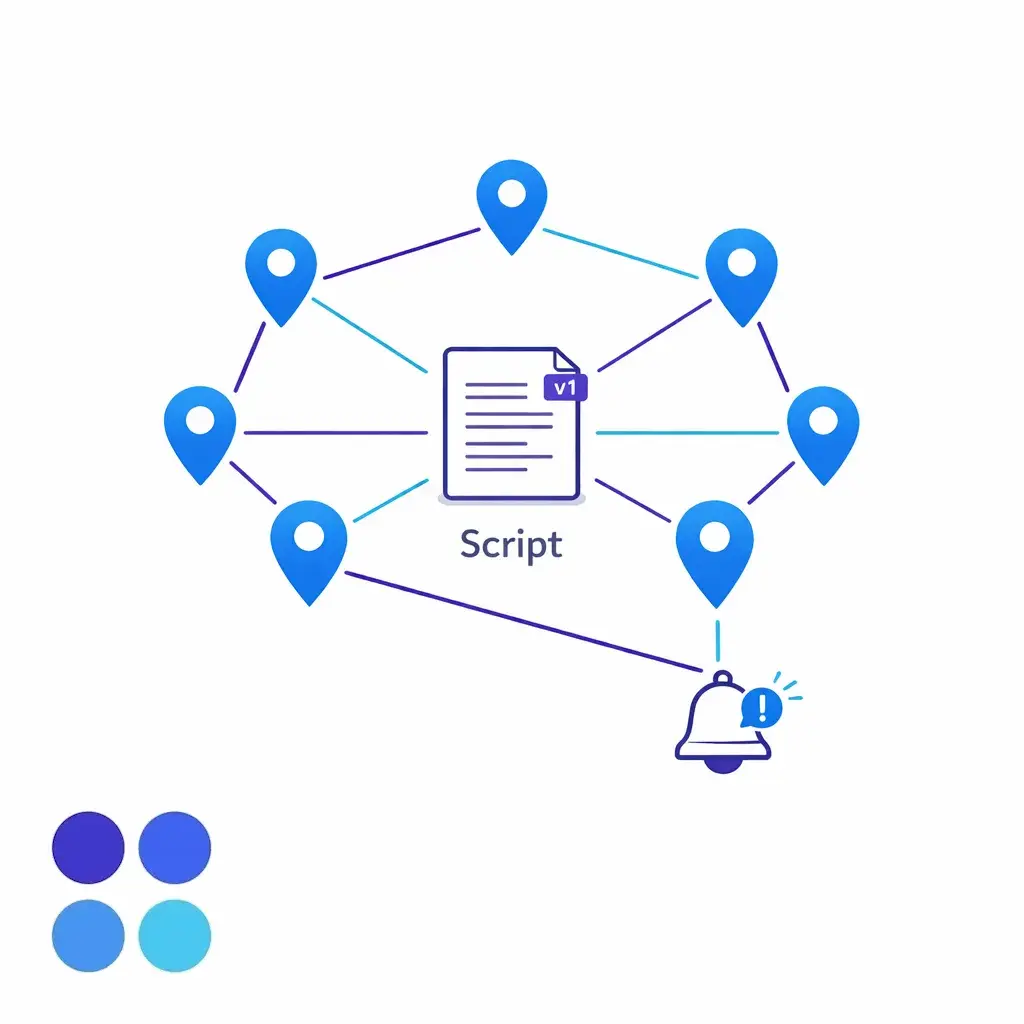
Enterprise call center solutions should be evaluated on what they protect and produce: customer experience, conversion, risk reduction, and operational throughput.
Basic metrics like speed to answer matter, but enterprises get the most value by treating the call center as part of an end-to-end workflow.
Overflow and after-hours coverage only works if it is reliable under stress. The enterprise test is not the average day. It is the day you have a weather event, a marketing spike, a product issue, or a staffing gap at multiple locations.
Elastic staffing: Ability to scale up and down quickly without compromising training quality.
Priority handling: Different routing rules for high-value calls, urgent calls, or specific regions.
Clear escalation: Defined paths for emergencies, supervisor handoffs, and client-side escalation.
For legal and healthcare workflows, the call is often the beginning of a case or patient journey. That means the “product” is not the conversation. It is the completeness and correctness of the captured information, plus the right next step.
Look for structured intake that aligns to your downstream systems. If your CRM, case management, or scheduling workflows depend on consistent fields, your call center partner should be able to capture the same structured data every time.

Script control: Versioned scripts with approvals and auditability.
Disposition discipline: Consistent outcomes like scheduled, qualified, disqualified, urgent escalation, or follow-up required.
Data validation: Simple checks that prevent obvious errors (phone, email, address, DOB where relevant).
Appointment integrity: Prevent double-booking and enforce scheduling rules if integrated.
Large businesses typically have multiple service lines and locations, but customers expect one brand.
The enterprise requirement is consistency: tone, policy, and resolution pathways across every interaction.
That consistency comes from training and governance, not from a single “good agent.” Ask how the provider manages knowledge updates, trains for policy changes, and prevents script drift across shifts and sites.
Enterprise customer care needs reporting that answers operational questions, not vanity charts. Your stakeholders will ask: which locations are understaffed, which campaigns produce low-quality leads, and which call types are generating repeat contacts.
Location and service-line reporting: Understand performance by site, brand, practice group, or queue.
Quality measurement: QA rubrics that translate into coaching and measurable improvement.
Exception tracking: Identify repeat failures such as missing fields, misrouted calls, or policy misapplication.
“Scalable” often gets reduced to “they have a lot of agents.” For enterprise buyers, scalability is more specific: the provider can absorb volume while protecting quality, security, and operational control.
Ask how quickly the provider can ramp, but also how they keep training consistent during ramp. Scaling without training integrity often produces short-term coverage at the cost of long-term rework, poor customer experience, and bad data.
Documented onboarding: Role-based training plans and certification before live calls.
Nested support: Supervisors and floor support that scale with agent headcount.
Peak planning: A plan for seasonality and predictable spikes, not just last-minute scrambling.
Enterprises change constantly: campaigns shift, clinics add providers, firms open new case types, and policies evolve. Your call center for large businesses should be able to implement changes without introducing downtime or confusion.
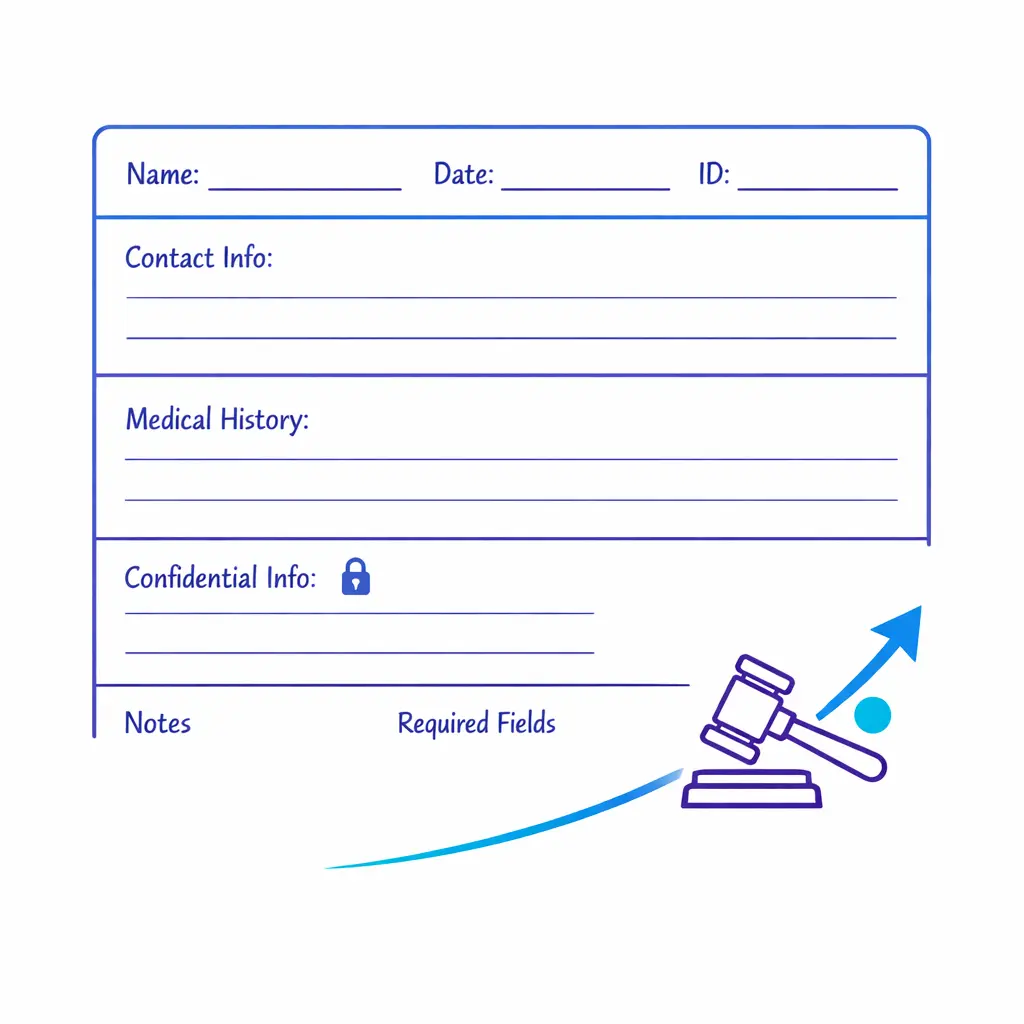
Change management: A formal process for script updates, routing changes, and new workflows.
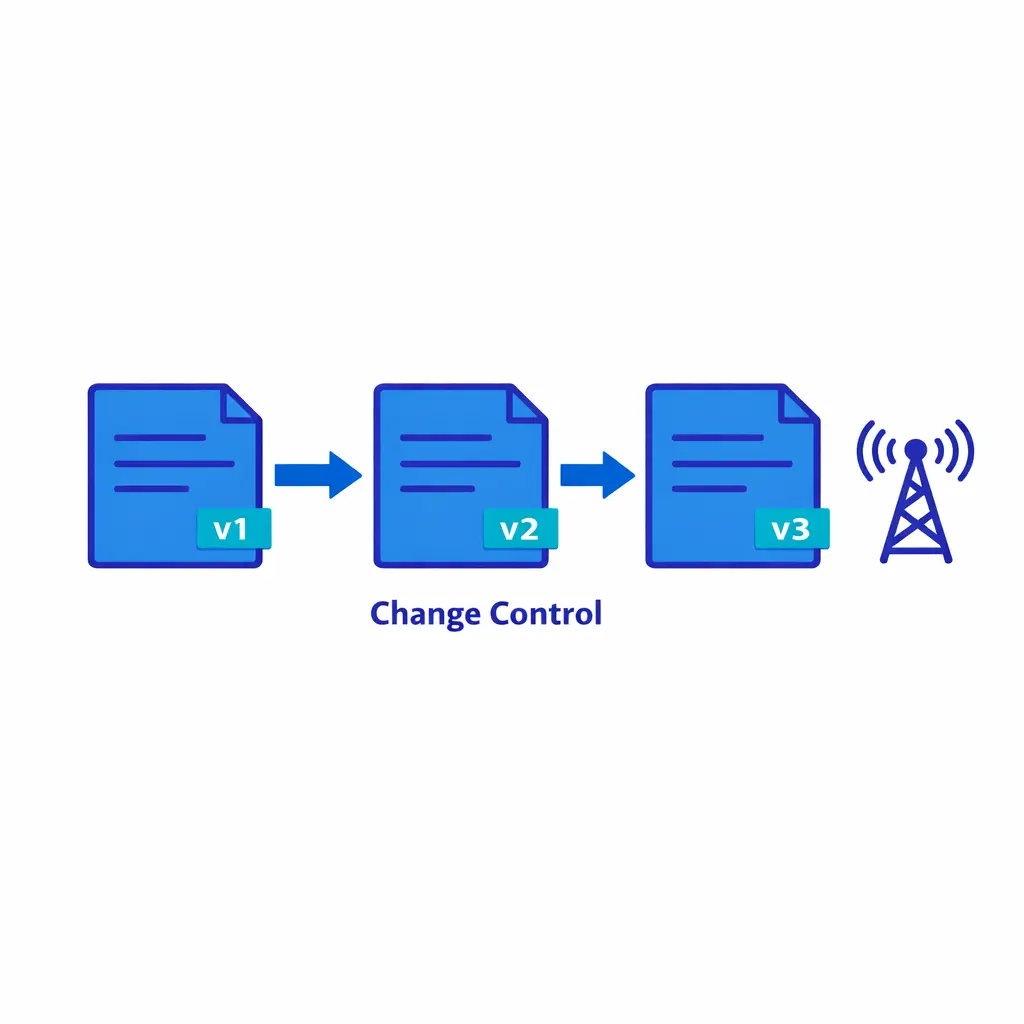
Version control: You should be able to see what changed, when, and why.
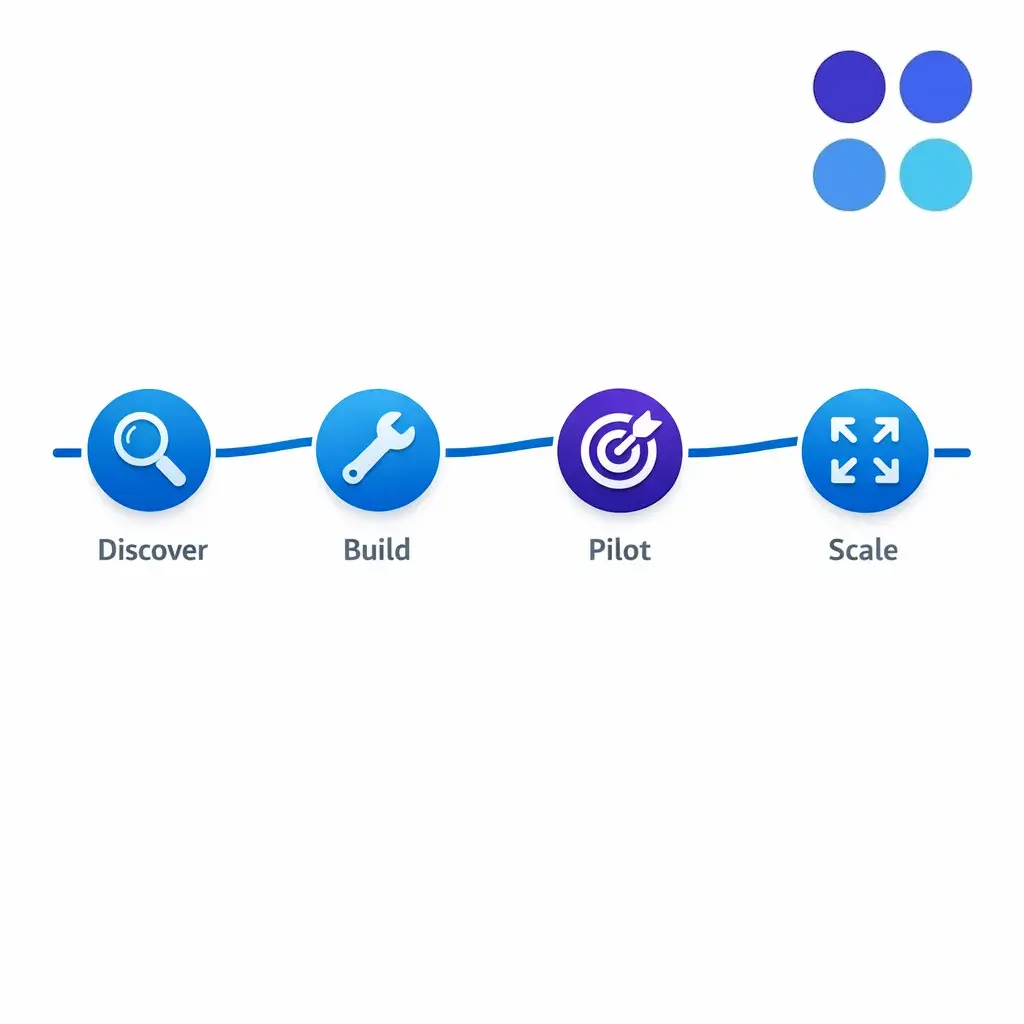
Rollout discipline: Pilot changes, measure impact, then scale.
Even if you outsource to enterprise BPO services, you still need confidence that the provider’s platform can support enterprise routing and reporting. This includes multi-queue routing, multi-site logic, and the ability to separate or segment lines of business as needed.
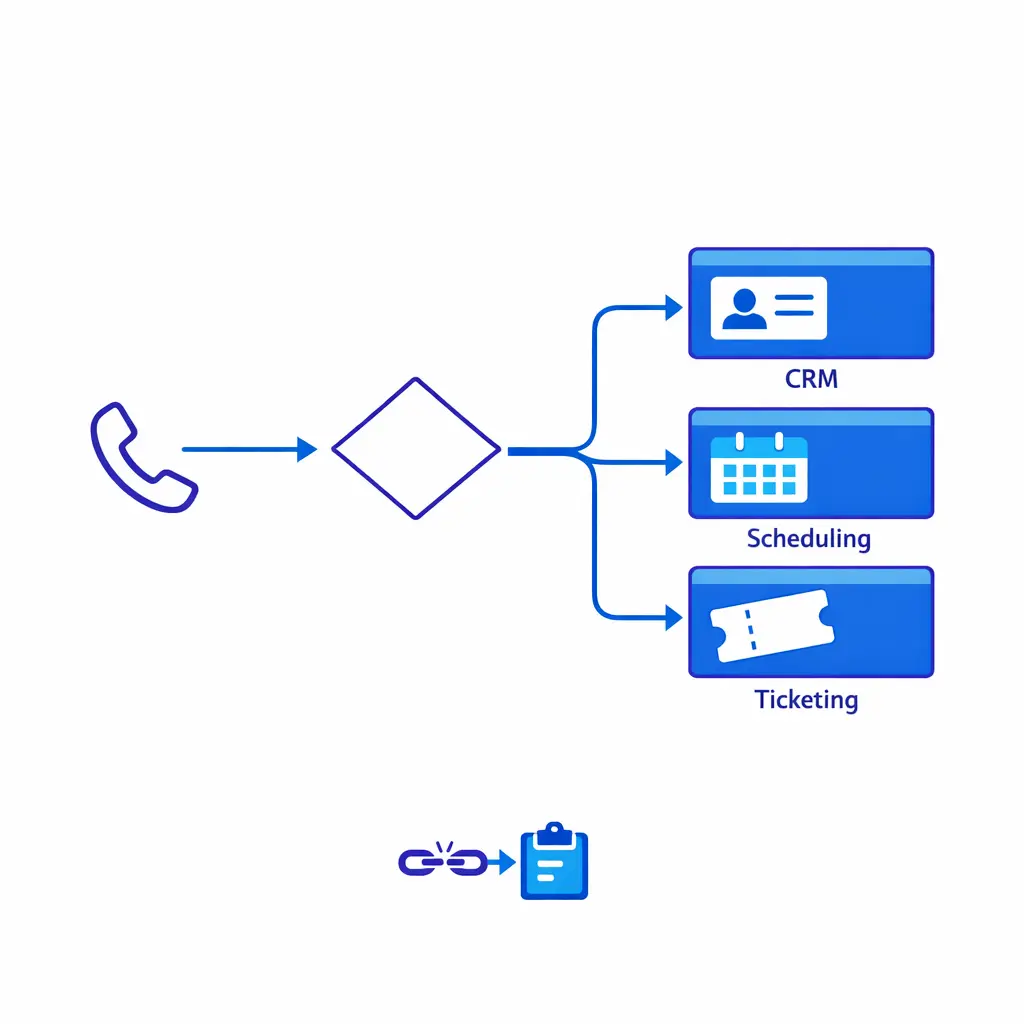
Integration readiness matters as much as call handling. If the provider can only deliver call notes via email, you will eventually hit a ceiling. Enterprises typically need structured handoff into CRMs, case management, scheduling tools, or ticketing systems.
Enterprise buyers should assume sensitive information will be discussed on calls, even if it is not requested. The right posture is to design the environment so that sensitive information is handled intentionally, with role-based access, minimal data exposure, and monitored processes.
If your workflow includes protected health information, your vendor relationships and handling practices need to reflect healthcare requirements. Start by confirming whether the call center is acting as a business associate and how it supports the relationship and obligations described in HHS guidance on HIPAA business associates.
From there, evaluate the provider’s safeguards, access controls, and operational discipline against the kinds of protections described in the HIPAA Security Rule overview. The goal is not simply to collect documents, but to ensure day-to-day call handling aligns with how your clinic or health system is expected to protect information.
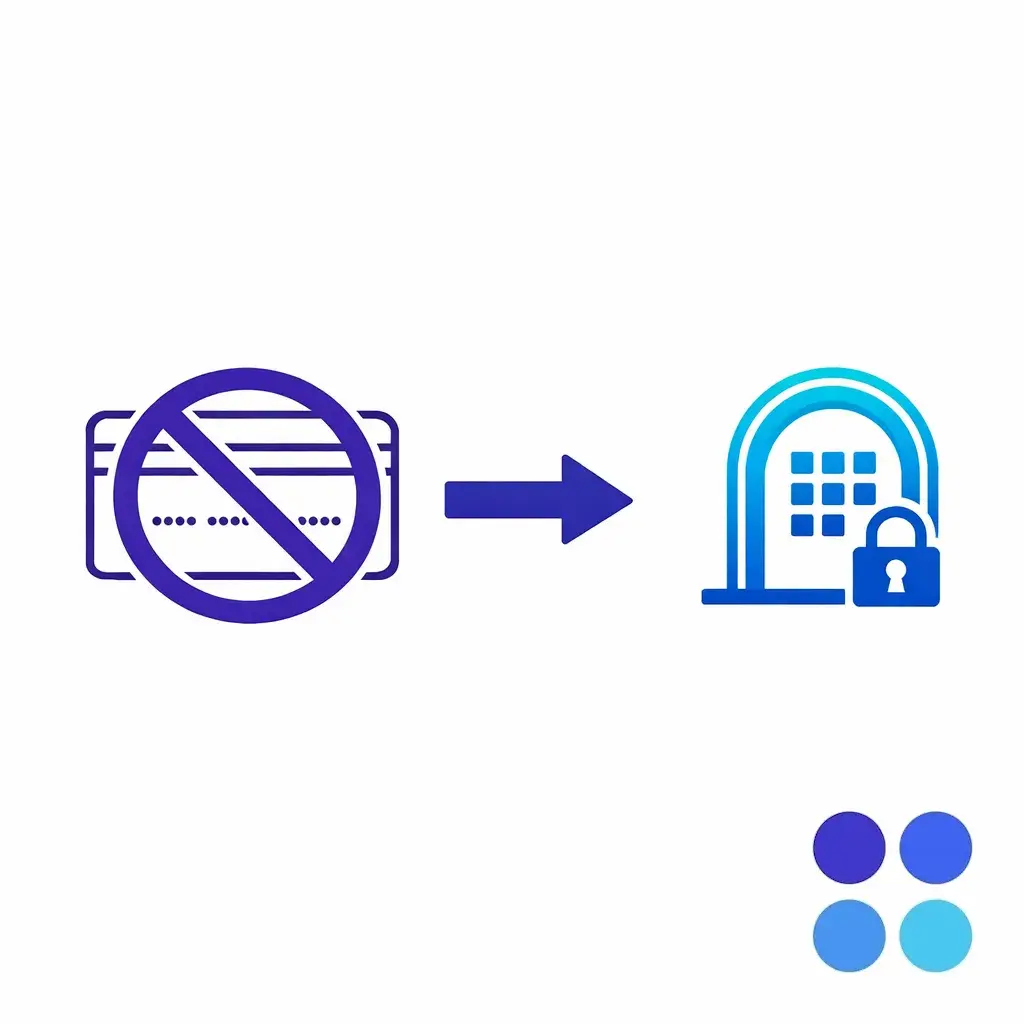
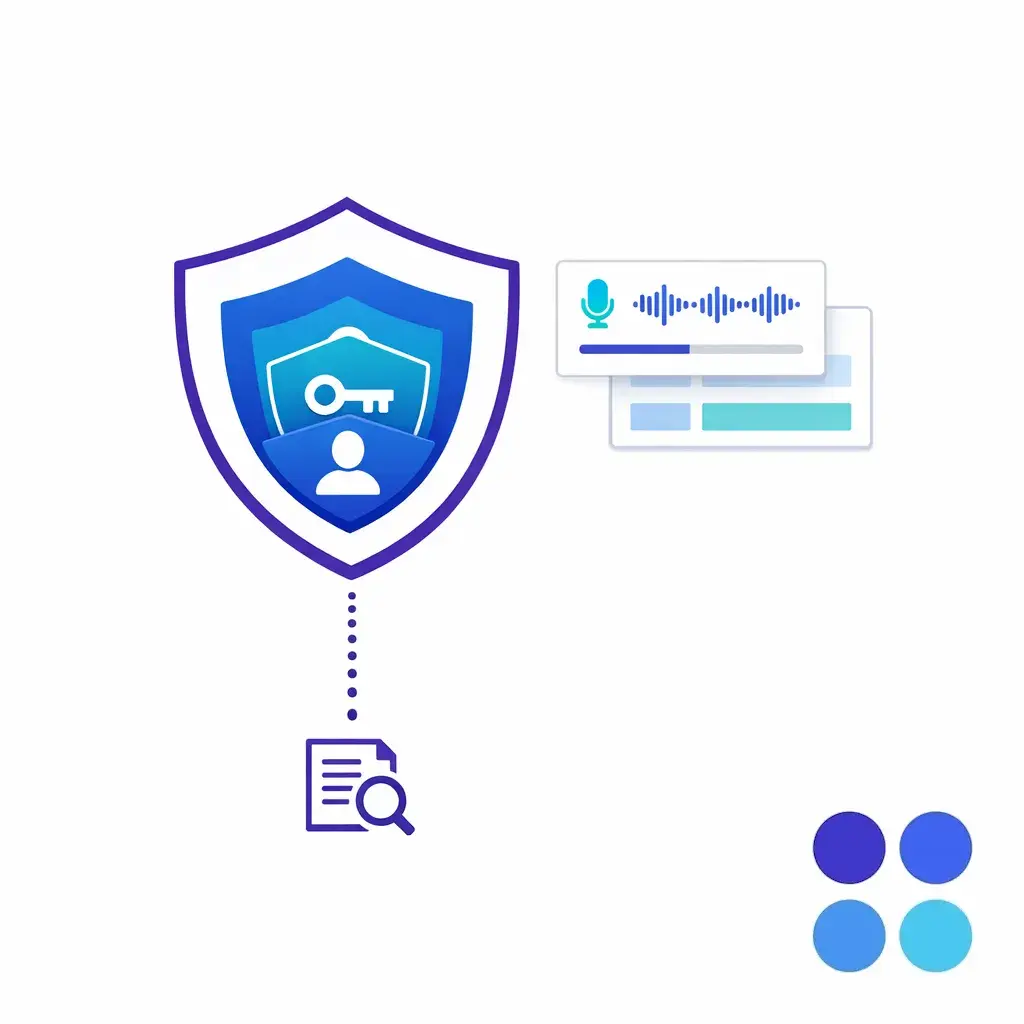
Access control: Role-based access to systems and recordings, with prompt removal when roles change.
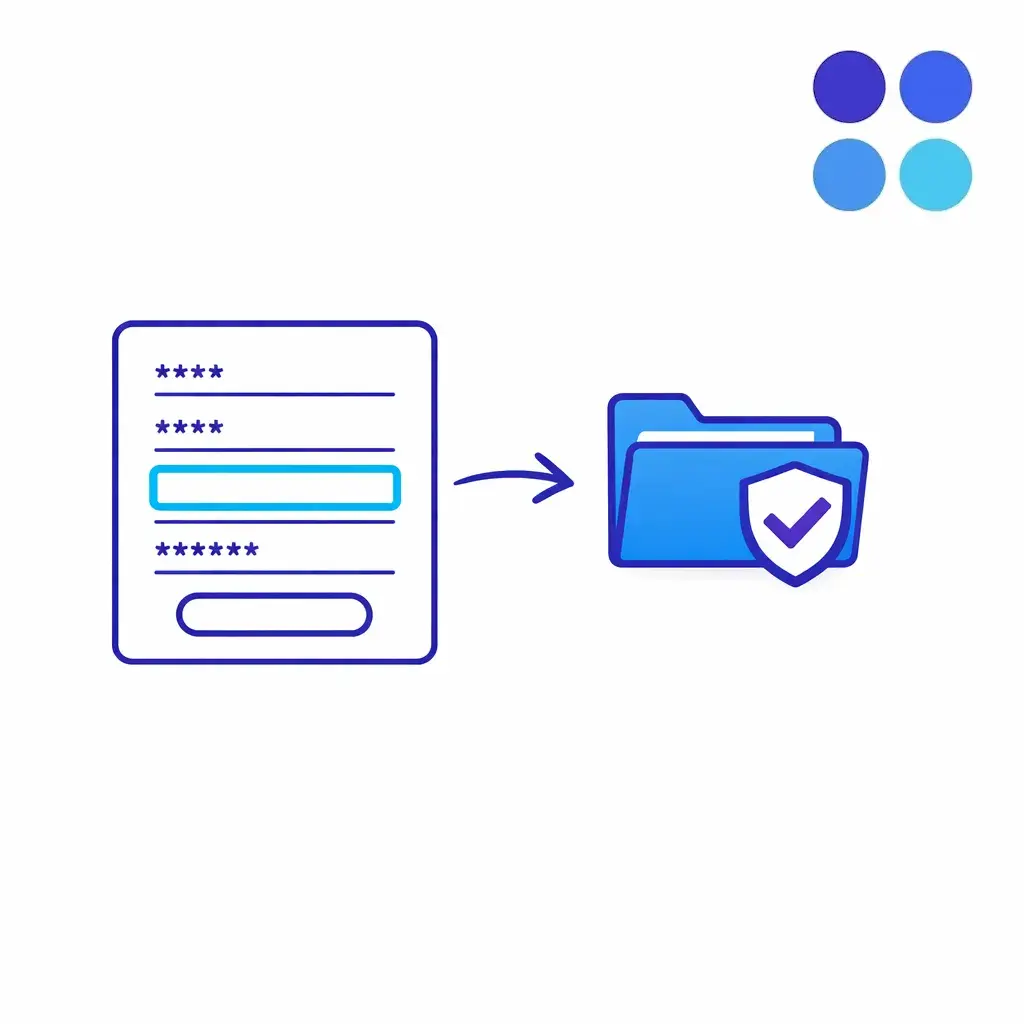
Minimum exposure: Collect only what is needed to complete the task and route appropriately.
Secure environments: Policies and monitoring that reduce the risk of unauthorized viewing or recording.
Incident readiness: Clear escalation paths and response expectations if something goes wrong.
Legal intake is often uniquely sensitive because it can include privileged details, allegations, medical information, and high-emotion situations. Even when outsourced, enterprises and firms still need a defensible approach to confidentiality that aligns with professional responsibilities such as ABA Model Rule 1.6 on confidentiality of information.
In practice, this means your call center partner should be able to support controlled access to data, consistent documentation, and disciplined escalation for urgent or conflict-sensitive situations. It also means the intake workflow should reduce “free-form” exposure by guiding agents through structured questions and clear boundaries.
Even if your call center is not “a payments team,” customers may try to provide card numbers on the phone. Enterprises should define a clear policy: either do not accept card data through the outsourced channel, or support it using controls aligned to the PCI Data Security Standard (PCI DSS).
Do not leave this to chance. If your agents are improvising, you risk inconsistent handling and hidden compliance exposure.
Security questionnaires and “trust decks” are useful, but enterprise teams often need stronger evidence that controls are real and ongoing. If a provider can offer independent assurance aligned to AICPA service organization reporting, it can reduce internal review time and increase confidence that controls are monitored rather than assumed.
Even without formal reports, your vendor should be able to demonstrate control ownership, monitoring cadence, and a clear process for corrective actions when QA or security issues are identified.
Multi-location enterprises typically struggle with consistency. Locations want autonomy, corporate wants standardization, and customers just want the right answer quickly. The best enterprise call center solutions support both control and flexibility through deliberate routing and governance.
Enterprises often need routing by geography, location hours, service line, language, and urgency. If you are using a partner for after-hours coverage, the provider should be able to treat local nuance as configuration, not as tribal knowledge.
Location-aware scheduling: Capture local context (hours, services, provider availability) without forcing callers through long menus.
Standard escalation: Corporate-defined escalation triggers with local contacts and time windows.
Consistent identity: One brand voice across locations, with controlled variations where necessary.
Enterprise customer service performance tends to degrade when knowledge updates are handled informally. Your provider should be able to accept updates from corporate, validate them, and push them through training and scripts quickly.
Ask how fast changes can be implemented and how they prevent “mixed messages” during a transition. In regulated or high-risk environments, also ask how changes are approved and audited.
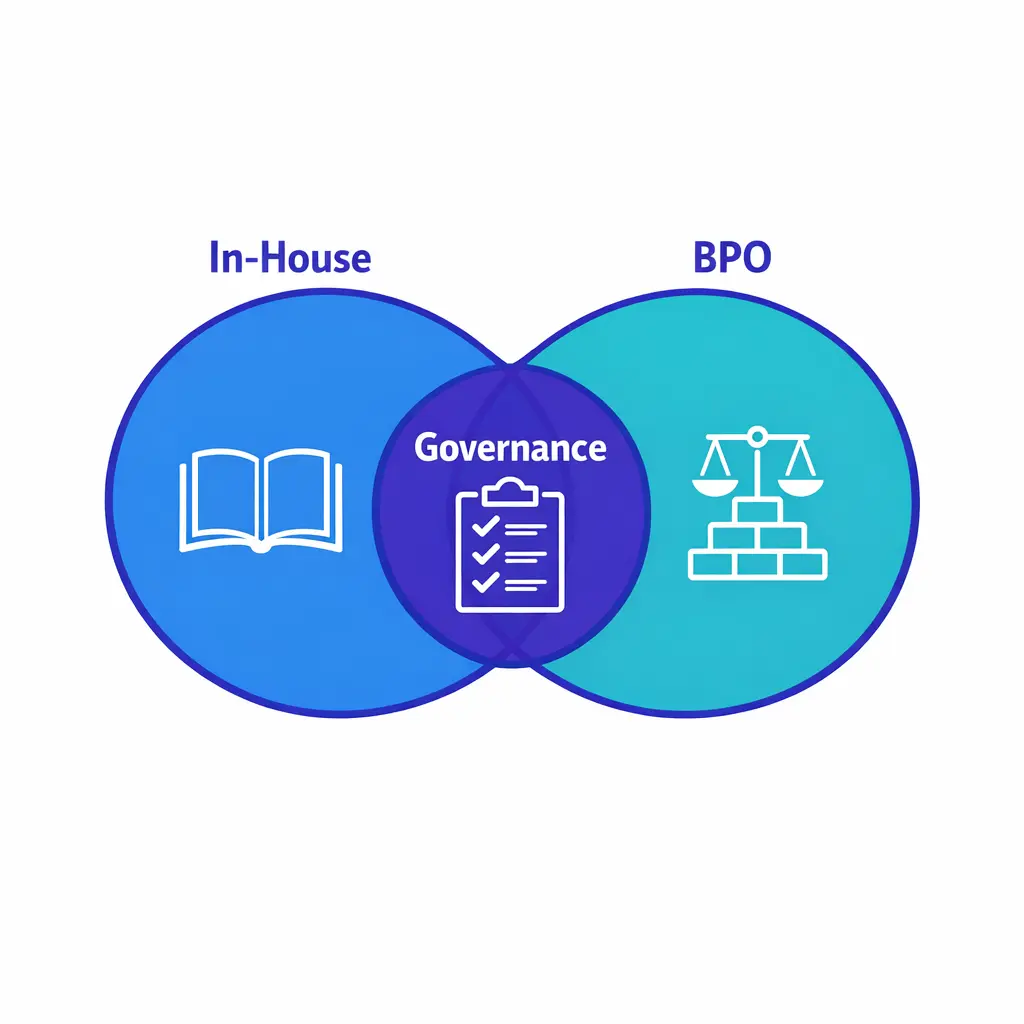
Enterprises typically evaluate three approaches: build internally, buy contact center software and run it, or outsource to an enterprise BPO partner. In reality, many organizations need a hybrid.
In-house teams are often best for tightly coupled workflows that rely on deep institutional knowledge, high-touch relationship management, or real-time internal coordination. They can also be preferable when you have strong internal workforce management and training infrastructure.
Outsourcing is most valuable when the work requires consistent coverage and scale, and when the cost of staffing variability is high. Examples include overflow, after-hours, seasonal peaks, and intake processes that are repeatable but must be executed with high accuracy.
Coverage gaps: You cannot justify full staffing for nights/weekends, but you cannot miss calls.
Spiky demand: Volume fluctuates, and you need elasticity without hiring cycles.
Standardizable workflows: Scripting and structured intake can deliver consistent outcomes.
Contact center platforms can be excellent, but software does not create training, QA discipline, or operational ownership. Enterprises often underestimate the effort required to design scripts, manage staffing, maintain knowledge, measure quality, and coach performance week after week.
If your organization already has strong operational ownership, software can be powerful. If not, a partner that brings both people and process can reduce time-to-value and risk.
Procurement checklists tend to overweight generic requirements and underweight operational reality. Use the scorecard below to force clarity on how the provider will perform in your environment, not in a demo.
Define the promise: Speed-to-answer targets by queue (not just a single blended SLA).
Overflow rules: When do calls overflow, where do they go, and how is priority enforced?
After-hours definition: What is “after-hours” for each location, and how are holidays handled?
Escalation SLAs: How quickly are urgent issues escalated and to whom?
Structured intake: Can the provider capture consistent fields and enforce required questions?
Eligibility logic: For legal intake or specialized services, can they follow your qualification rules reliably?
Disposition discipline: Can they standardize outcomes for reporting and downstream workflow?
Documentation quality: Are notes readable, consistent, and useful, or are they free-form and uneven?
Role-based training: Different scripts require different skill levels.
Industry experience: Legal intake and healthcare scheduling have unique demands.
Refresher cadence: How often are agents re-certified on critical scripts?
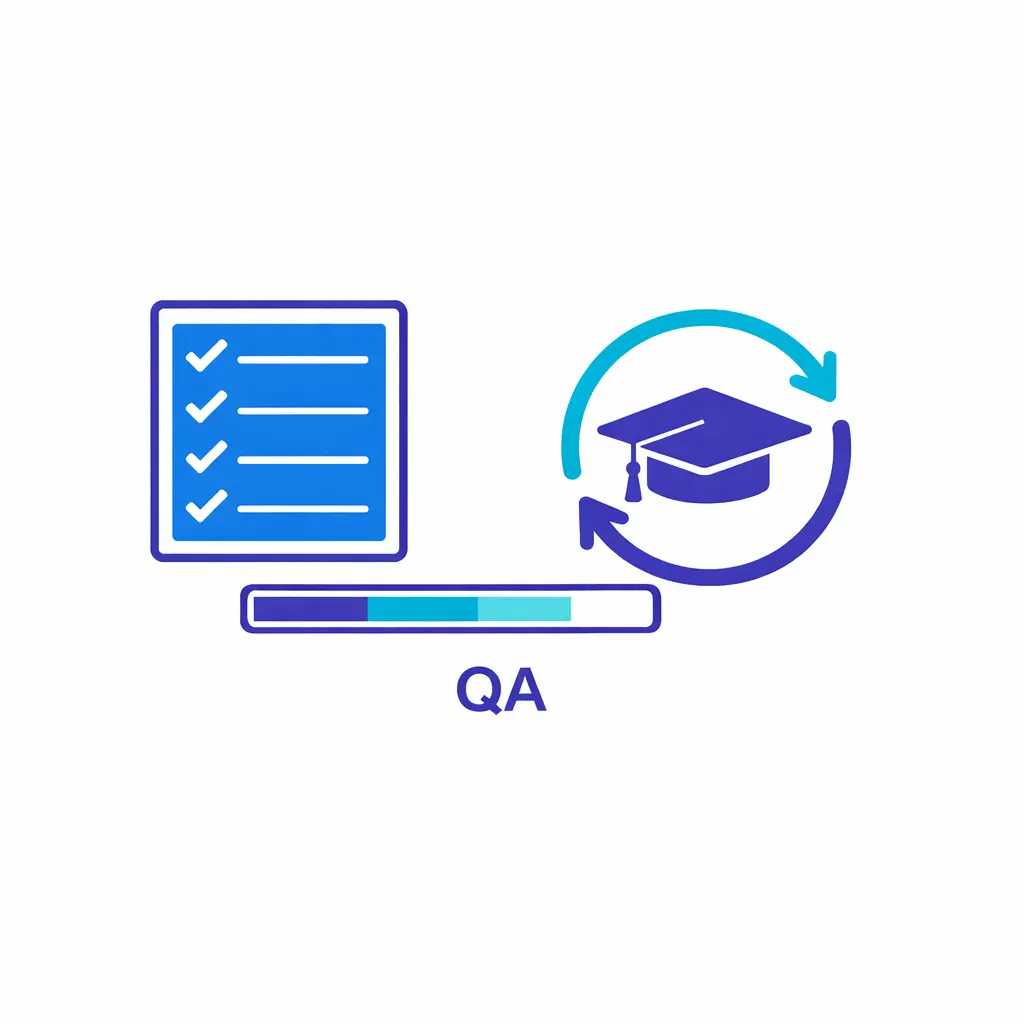
QA should be more than random monitoring. Enterprises need an auditable program that ties to business outcomes and improves over time.
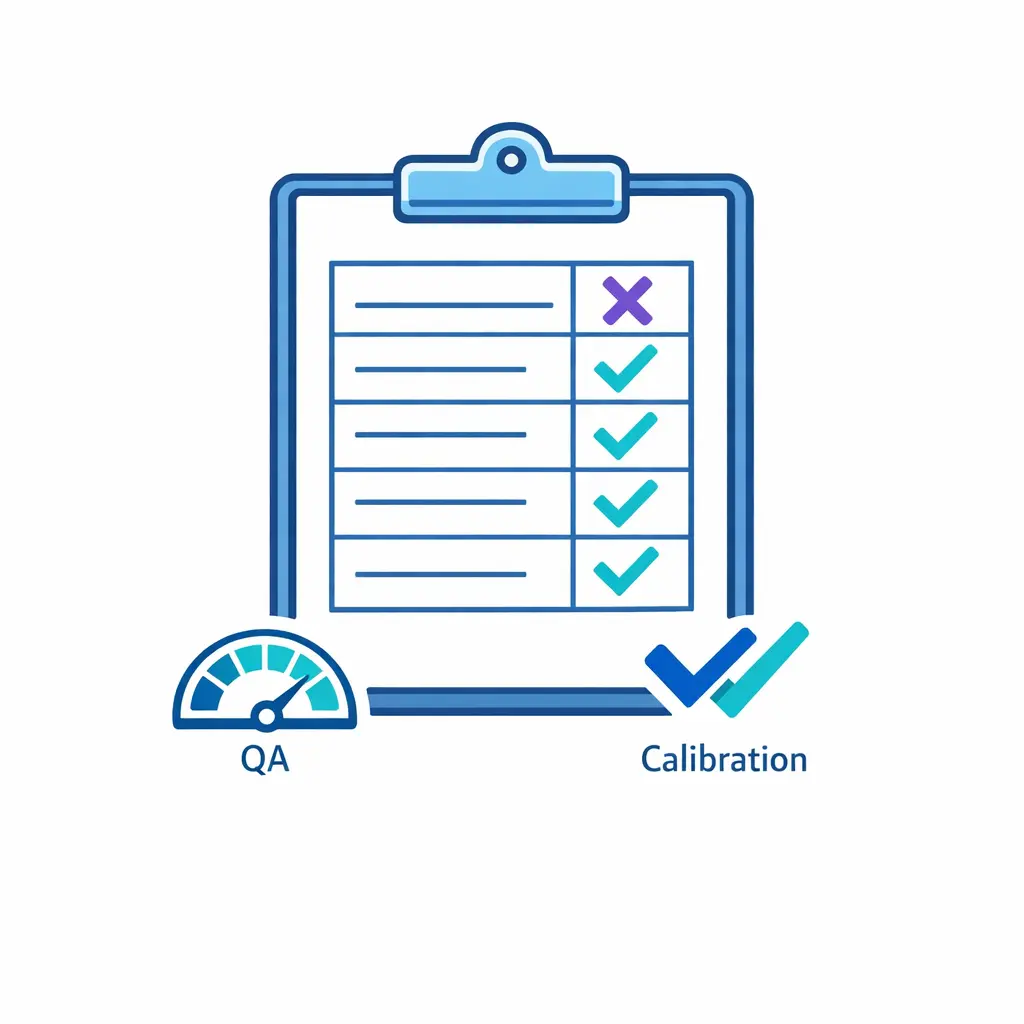
QA rubric: Clear scoring aligned to your priorities (accuracy, empathy, compliance, next-step correctness).
Coaching loop: A repeatable process for feedback, remediation, and re-measurement.
Calibration: Joint calibration sessions so your team and the vendor score calls the same way.
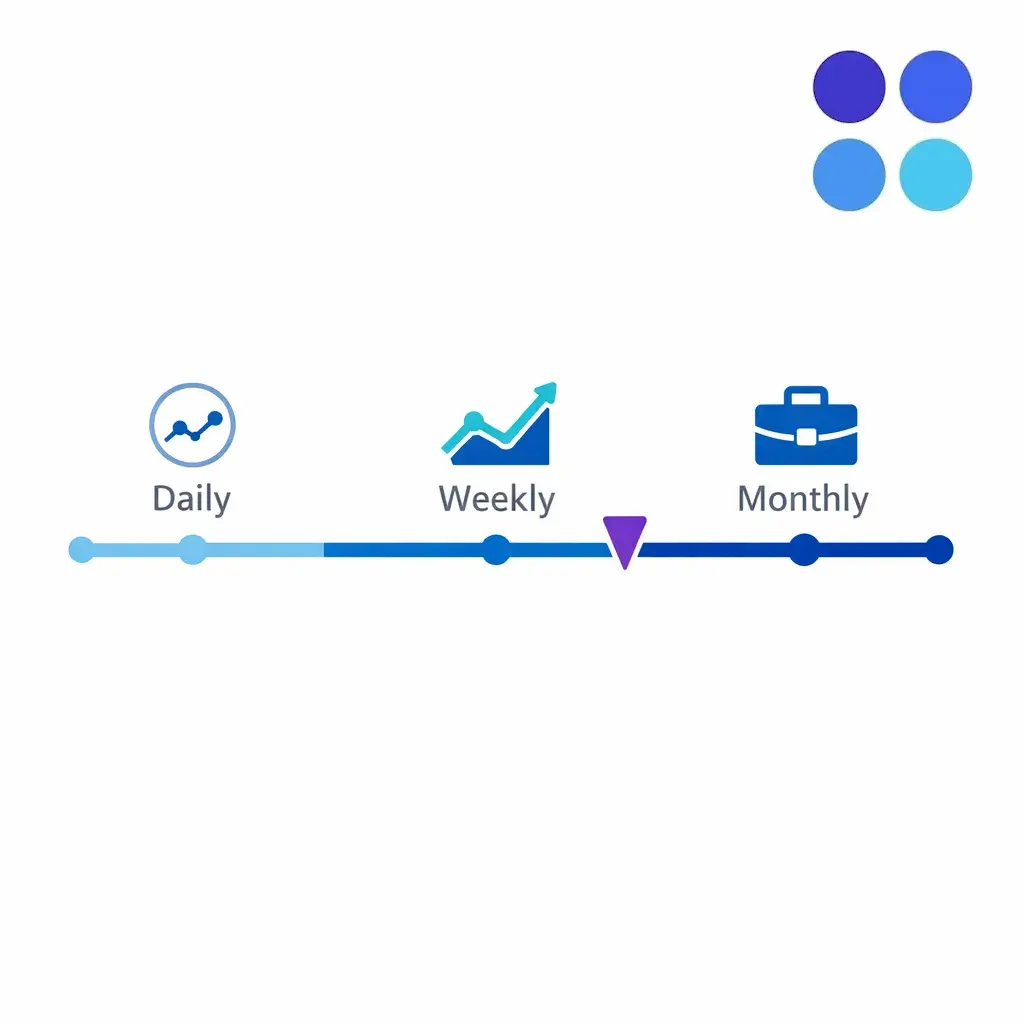
Weekly operations review: Trends, exceptions, and corrective actions.
Monthly business review: Capacity planning, volume forecasts, and workflow improvements.
Data access: Clear ownership of call recordings, transcripts (if used), and performance data.
Integration is where enterprise contact center solutions either become a strategic advantage or an operational headache. Define what “integration” means for you before you evaluate vendors.
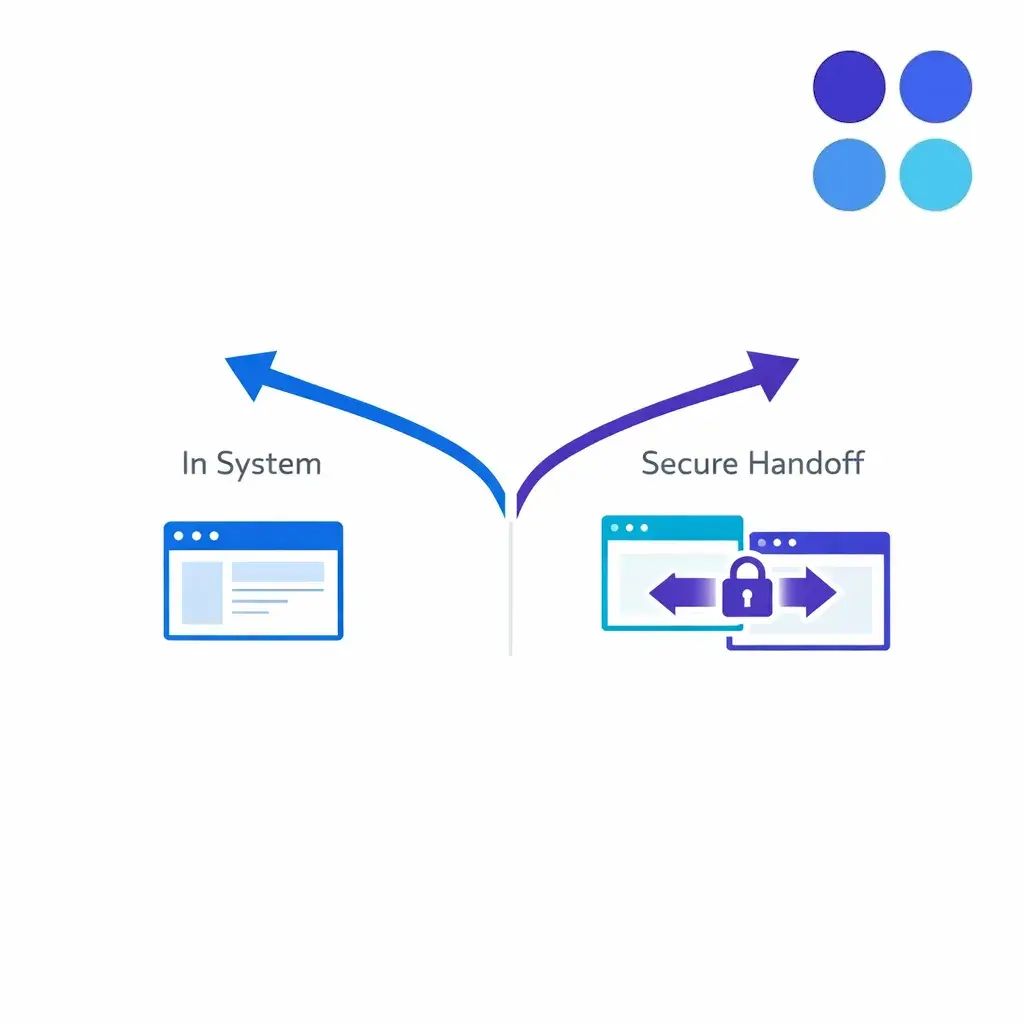
System touchpoints: CRM, EHR, scheduling, ticketing, case management, or custom tools.
Structured handoff: How the call outcome becomes a task, appointment, lead, or case update.
Error handling: What happens when an integration fails or a system is down?
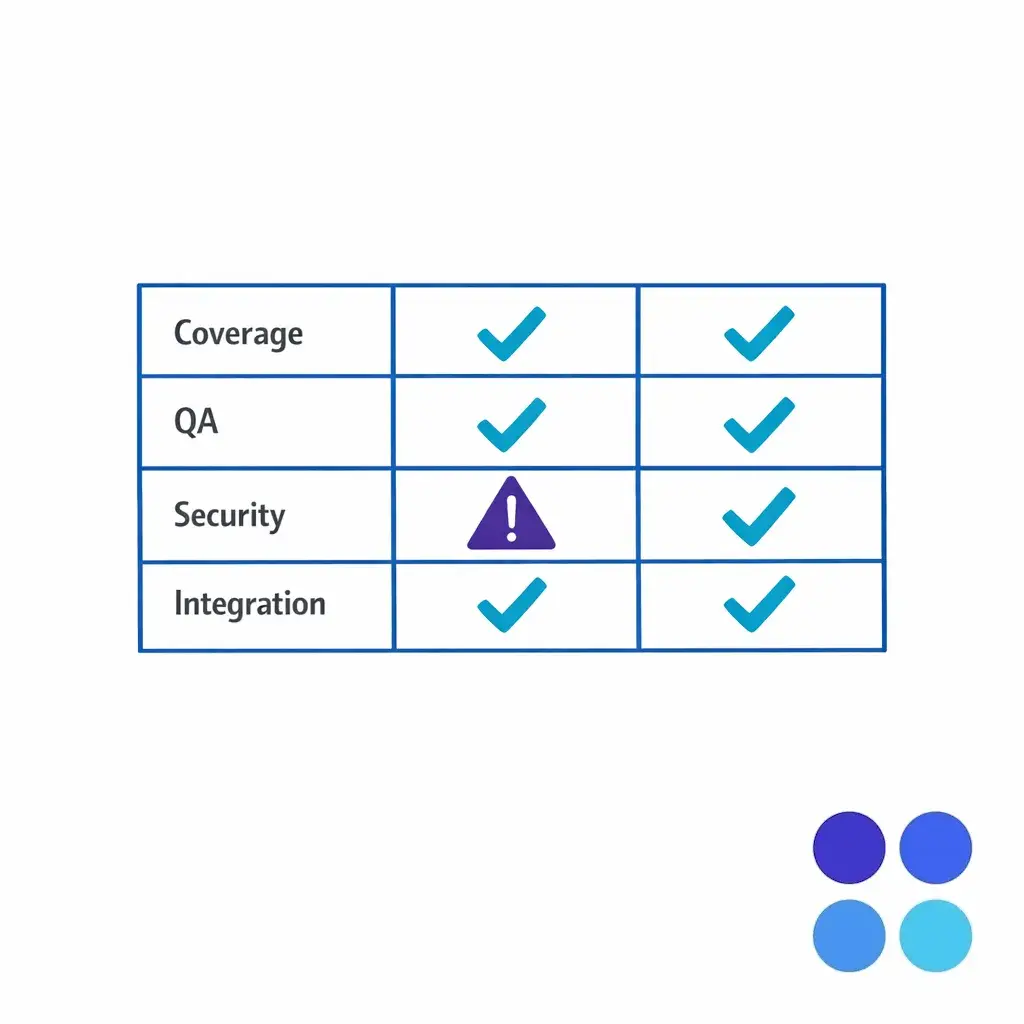
Security should be evaluated as ongoing operations, not just paperwork. Ask who owns controls, how they are monitored, and what happens when issues are discovered.

Healthcare: Ability to support relationships and obligations consistent with HIPAA business associate guidance and safeguards aligned to the HIPAA Security Rule overview.
Legal: Confidentiality practices consistent with professional expectations such as ABA Model Rule 1.6.
Payments: Clear approach to card data aligned to PCI DSS if applicable.
Assurance: Ability to provide independent reporting such as SOC-related service organization reporting if your enterprise requires it.
Large organizations sometimes select “big call center companies” based on claimed seat count and generic capabilities. But scale without workflow fit can increase rework, bad data, and downstream burden on your internal teams.
Instead, evaluate how the provider produces the outputs you actually need: qualified leads, complete intake, correctly scheduled appointments, and properly escalated urgent calls.
Overflow and after-hours calls are often the most valuable or most urgent. They include first-time callers, emergencies, and issues that customers could not resolve during business hours.
If you outsource this channel, demand the same QA, training, and governance you would require internally. Otherwise, the calls you most need to protect become the least controlled.
Enterprises frequently assume onboarding is a two-week project. In reality, the time is often consumed by alignment: defining scripts, dispositions, escalation rules, and data capture standards that work across stakeholders.
Plan for iterations. A structured pilot with clear success criteria will reduce risk and create the evidence you need for a broader rollout.
Enterprises sometimes collect compliance documents at the start and then move on. But risk typically emerges later, during changes: new scripts, new queues, new staff, and new integrations.
Build compliance into governance. The provider should have a mechanism to review changes, train agents, and validate that the new workflow operates as intended.
Automation can reduce handle time and improve consistency, but it can also create brittle experiences and missed nuance. Legal intake and healthcare scheduling often require empathy, probing, and judgment to route correctly.
Use automation to support agents, not to replace the steps that protect accuracy and trust. The best enterprise customer support blends structured workflow with human control at the right moments.
Enterprises reduce risk when they treat the call center as a program, not a vendor handoff. The steps below help create alignment across operations, IT, compliance, and business owners.
Clarify objectives: Overflow coverage, after-hours coverage, intake quality, conversion, or all of the above.
Map call types: Top call drivers by volume and by risk.
Define dispositions: Standard outcomes that match your reporting and workflows.
Write escalation rules: What triggers escalation, to whom, and within what timeframe.
Finalize scripts: Approved versions with ownership and change control.
Stand up reporting: Dashboards or recurring reports by location and queue.
Configure routing: Location rules, holiday schedules, and overflow thresholds.
Integrate workflows: Structured data handoff into CRM, scheduling, or case management.
Start with a controlled scope: A subset of locations, queues, or hours.
Run QA calibration: Align on scoring and fix gaps early.
Review exceptions: Identify the most common failure modes and correct them.
Expand coverage: Add locations, hours, or call types with a documented rollout plan.
Operationalize governance: Weekly reviews, monthly planning, and change management.
Optimize scripts: Improve conversion, reduce rework, and tighten data capture over time.
Use this checklist to move from “we need a scalable call center” to a concrete evaluation and rollout plan. It is designed to be shared across operations, IT, compliance, and procurement.
Define your scope: Overflow, after-hours, full coverage, or specific intake lines.
List non-negotiables: Required data fields, escalation rules, languages, hours, and reporting.
Decide what must integrate: CRM, EHR, scheduling, case management, ticketing.
Set QA requirements: QA rubric, sampling plan, coaching loop, calibration cadence.
Document security needs: Access control, auditability, handling of sensitive information.
Clarify compliance boundaries: What agents can and cannot collect or say.
Define success metrics: Not only speed-to-answer, but intake completeness, qualified rate, booking rate, and escalation accuracy.
Plan a pilot: Controlled rollout with measurable acceptance criteria.
Assign owners: One accountable owner for operations, IT, and compliance sign-off.
If you need enterprise customer support that can handle high-volume inbound calls, protect intake quality, and scale across locations, it helps to talk with a team that builds for operational reliability. Go Answer works with organizations that need overflow and after-hours coverage without losing control of scripting, QA, and intake outcomes.
Request Pricing: Share your locations, hours, and call types so you can get a realistic model.
Book a Discovery Call: Walk through your workflows, escalation needs, and integration requirements.

Learn why thousands of companies rely on Go Answer.
Try us risk-free for 14 days!
Enjoy our risk-free trial for 14 days or 200 minutes, whichever comes first.
Have more questions? Call us at 888-462-6793
Learn why thousands of companies rely on Go Answer.
Have more questions? Call us at 888-462-6793
If you would like to get in contact with a Go Answer representative please give us a call, chat or email.

Thanks for your interest!
A representative will be reaching out to you shortly.
Have more questions? call us on 888-462-6793
