
LPO vs In-House Paralegals: Cost, Speed, Quality, and Compliance Tradeoffs
By Adom FrancisLast modified: March 17, 2026
Voted Top Call Center for 2024 by Forbes
Virtual Receptionists
Save time and money with our virtual receptionists.
AI Receptionist
AI-powered receptionist that answers, routes, and qualifies calls 24/7.
Enterprise Solutions
Solutions designed to scale with your organization’s needs.
Legal Services
Our virtual legal receptionists are experts in legal intake.
Last modified: March 17, 2026
Enterprise and high-volume legal operations teams are under pressure to do more with the same headcount: answer more inquiries, move matters forward faster, and keep quality and compliance tight across locations and time zones. That is why the LPO vs in-house paralegal decision shows up in budgeting, coverage planning, and risk reviews, not just “legal staffing” conversations.
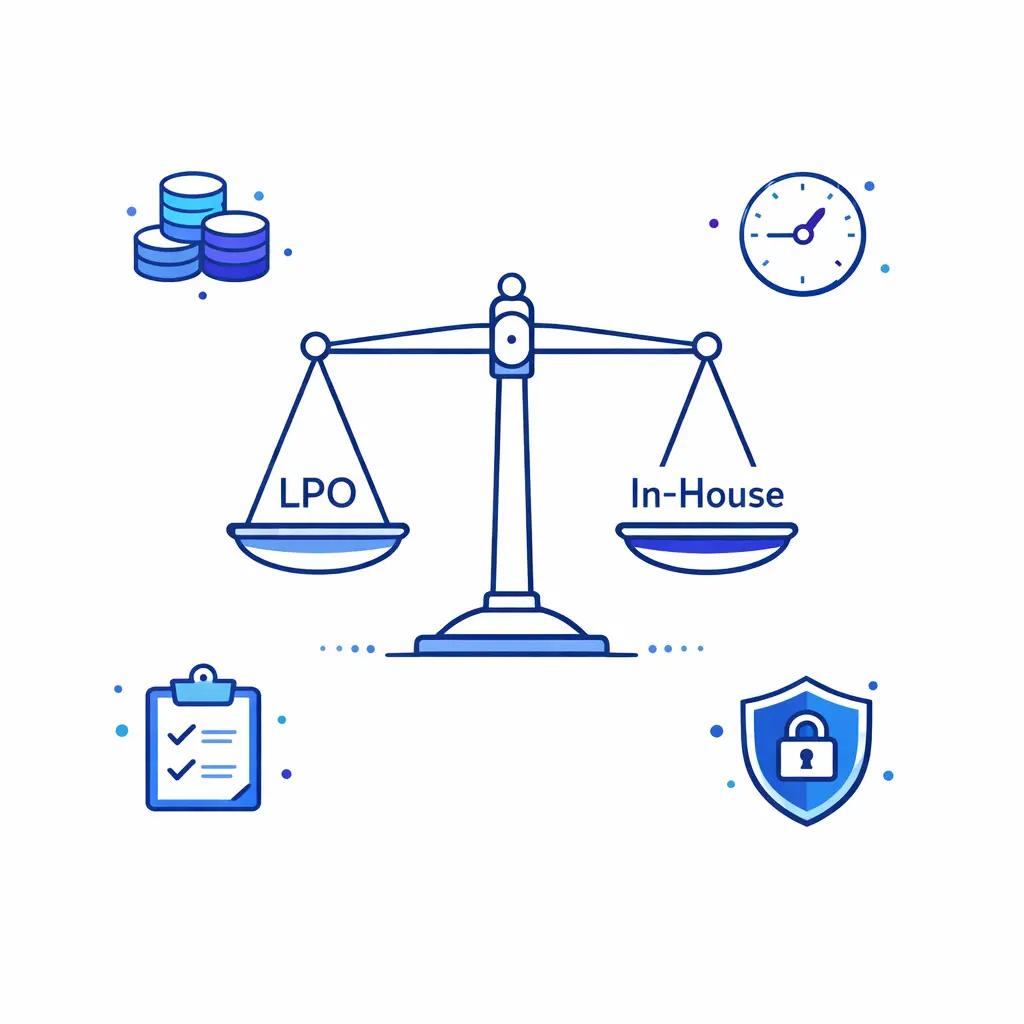
This guide is for legal intake-heavy firms (PI, mass tort, litigation support), multi-location service businesses with legal workflows, and healthcare practices that need reliable coverage without compromising confidentiality. You will learn how to compare cost structure, ramp speed, quality control, and compliance obligations, and how to design a model that scales safely.
In-house paralegals are employees (or long-term contractors managed like employees) embedded in your organization’s processes, tools, and supervision chain. They typically cover a broad set of tasks, from intake and case management support to drafting, records, and coordination with outside counsel.
Legal process outsourcing (LPO) refers to contracting a third-party provider to perform defined legal support processes. “LPO” can mean onshore or offshore delivery, dedicated teams or shared services, and it can cover work ranging from intake support and document review to drafting and research, depending on the provider and your internal supervision.
Most LPO vs in-house comparisons fail because they treat “cost per hour” as the only variable. In practice, there are four buckets that determine outcomes: cost structure, speed and coverage, quality and rework, and compliance and confidentiality.
Cost: fixed vs variable spend, and how much management time you must add
Speed: time-to-coverage and time-to-competency
Quality: whether work is repeatable, reviewable, and measured
Compliance: supervision, confidentiality, data security, and scope-of-work limits
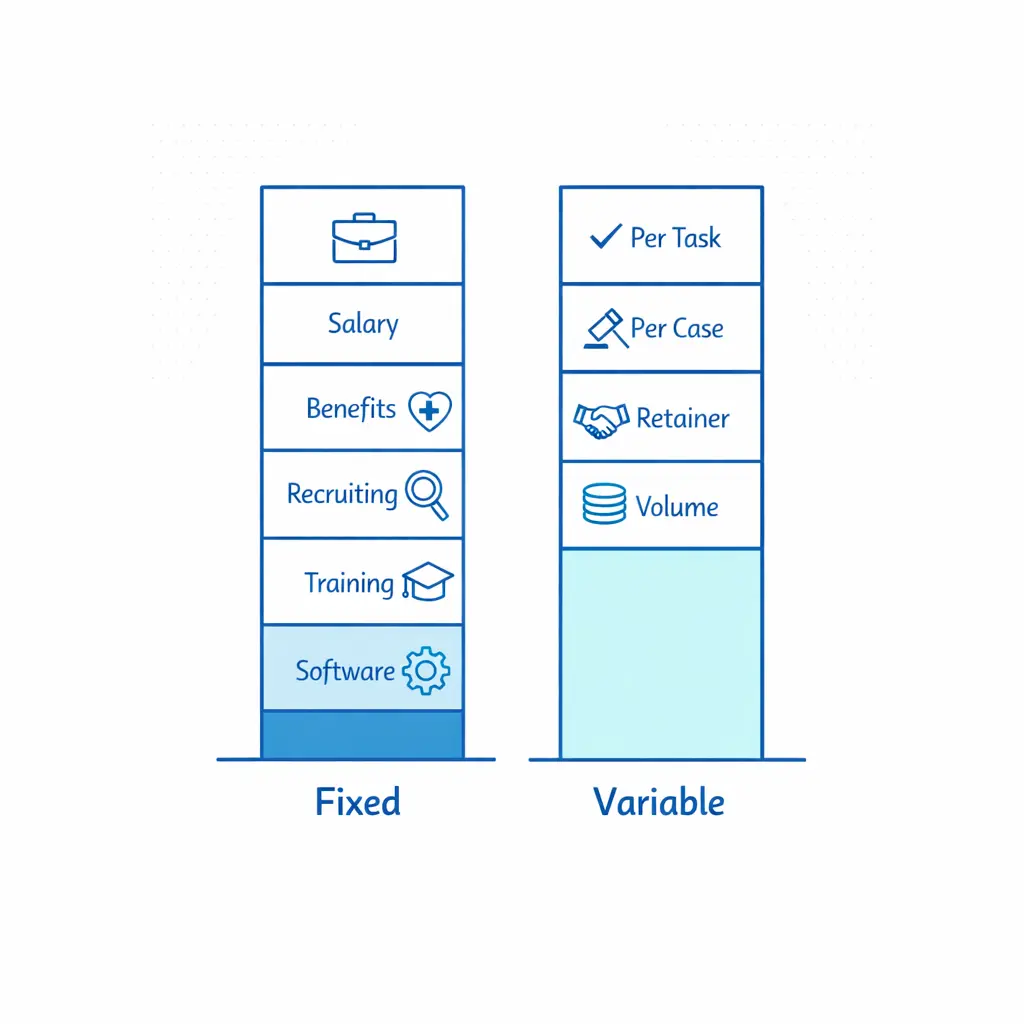
With in-house paralegals, the obvious costs are salary and benefits, but the real “fully loaded” number includes recruiting, onboarding, training, management oversight, software seats, and coverage gaps. If you want external benchmarks for baseline compensation and wage ranges, the Bureau of Labor Statistics occupational data for paralegals and legal assistants is a reliable starting point, even though your local market and specialization will vary.
LPO pricing is usually more variable: per hour, per task, per case, or through a monthly retainer tied to volume and service levels. That can reduce idle time costs when demand is uneven, but it can also create “meter anxiety” if the scope is not tightly defined and measured.
Ask these before comparing quotes or headcount requests. They force you to measure the real driver: how predictable your workload is and how much oversight you can provide.
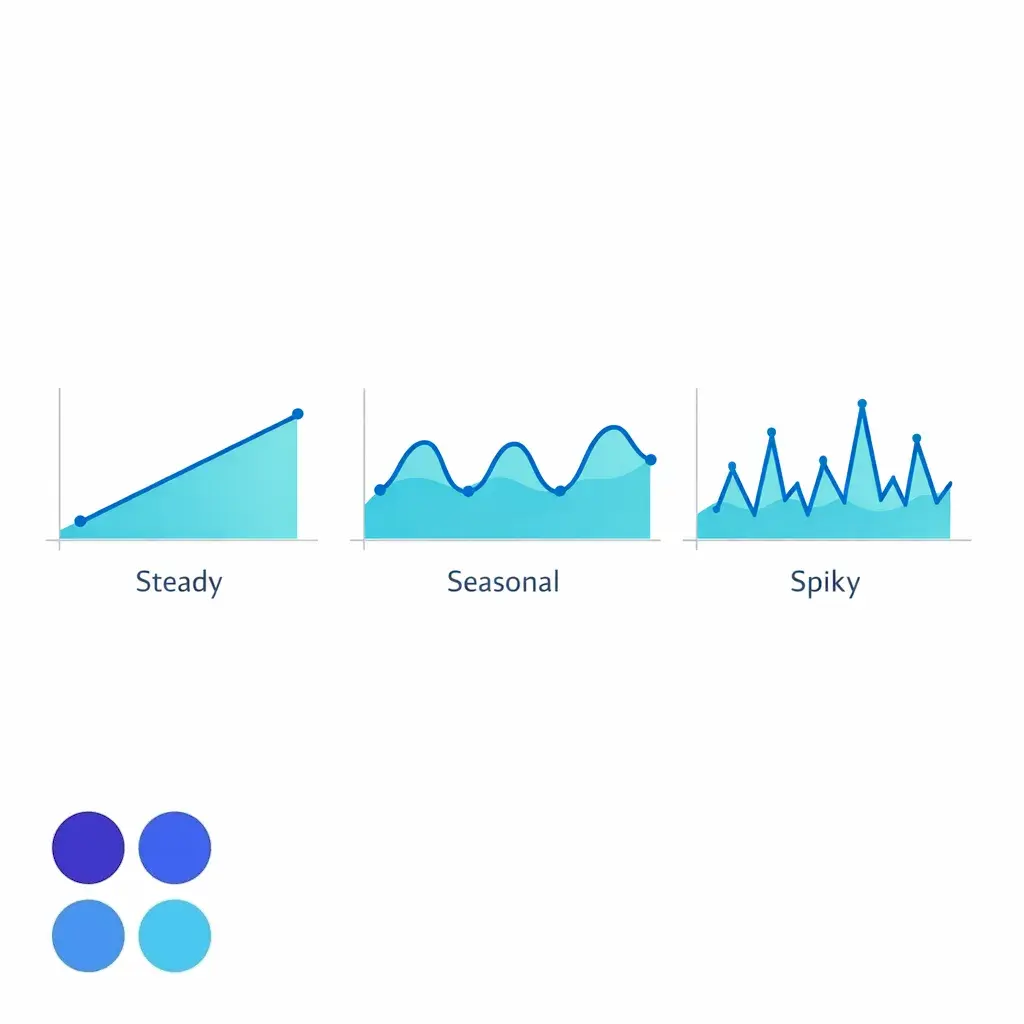
Volume shape: Is work steady, seasonal, or spiky (campaign-driven, litigation-driven, incident-driven)?
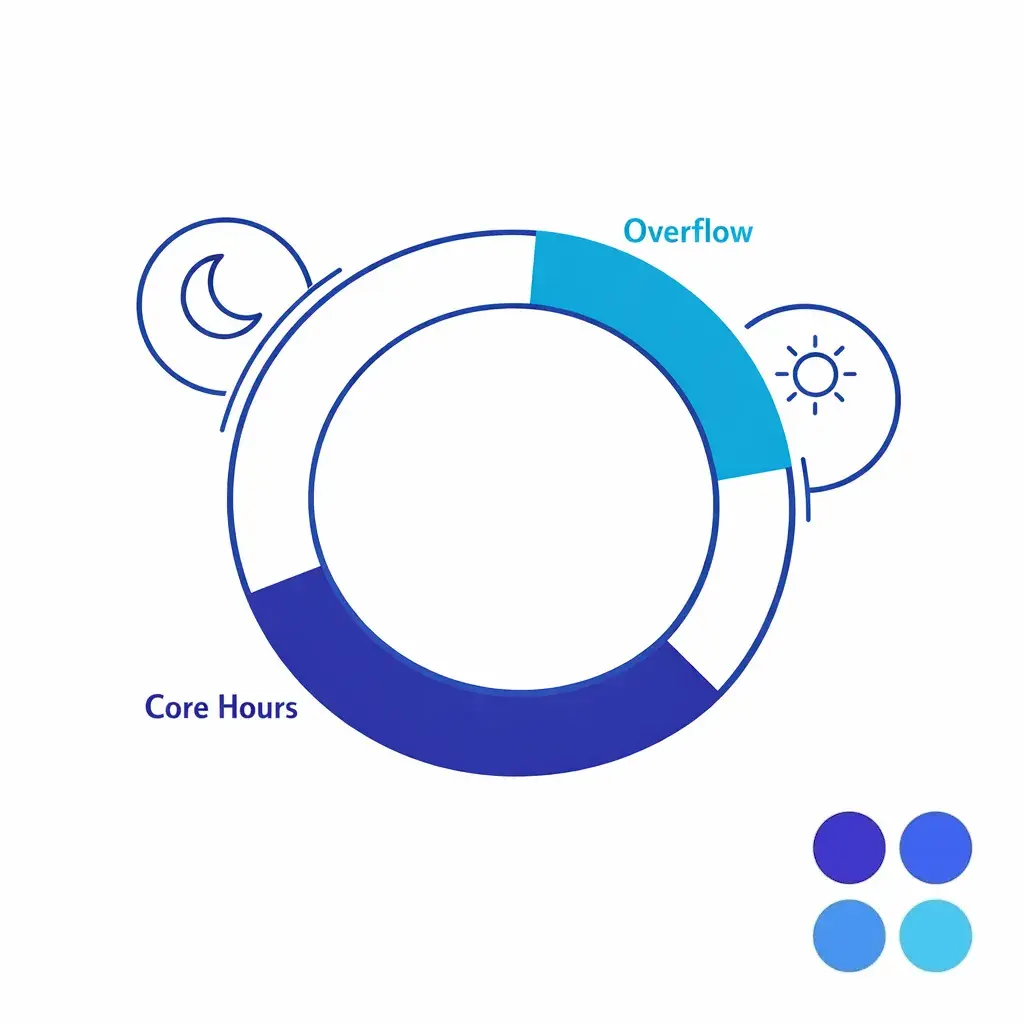
Coverage model: Do you need nights, weekends, holidays, or multi-time-zone coverage?
Management bandwidth: Who will write SOPs, train, review, and handle escalations?
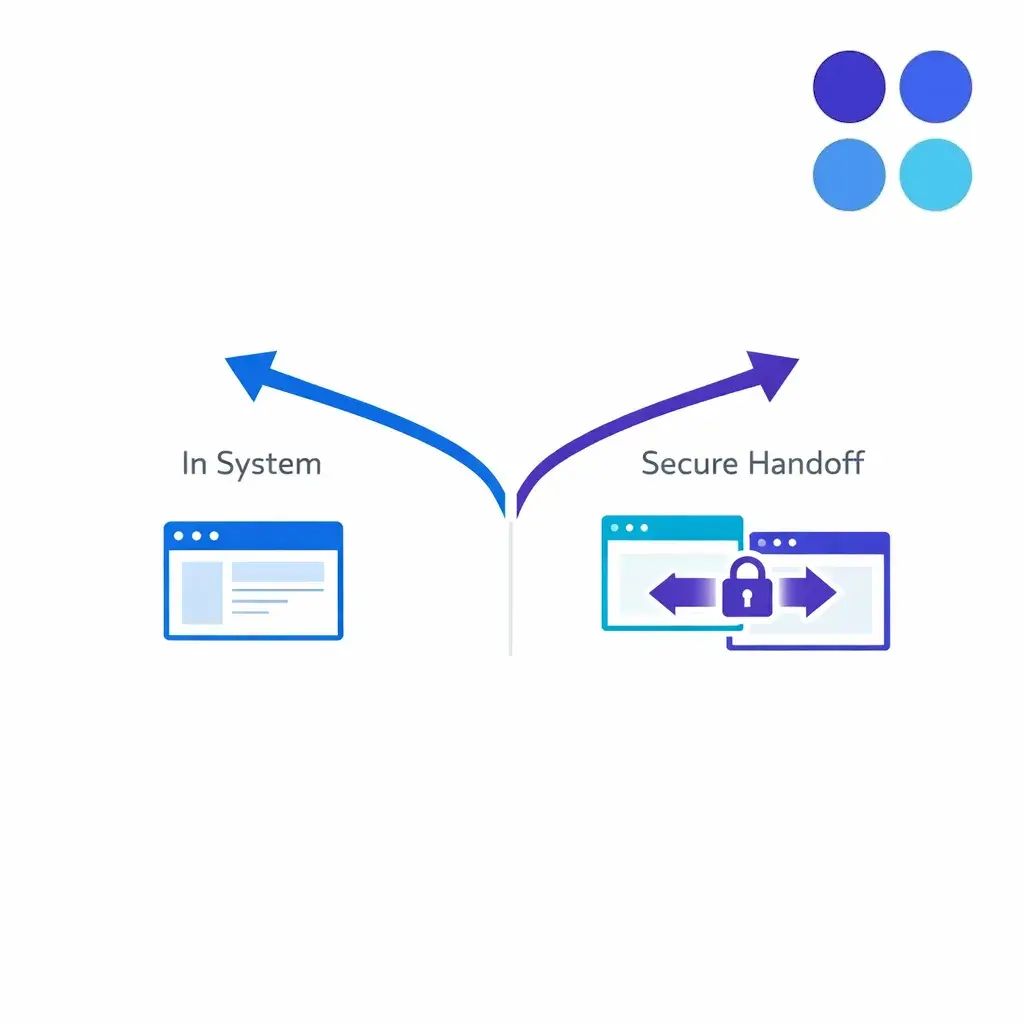
Tooling: Will the provider work inside your systems, or will you create a secure handoff workflow?
Rework cost: What happens when intake is incomplete, records are mislabeled, or drafts need heavy edits?
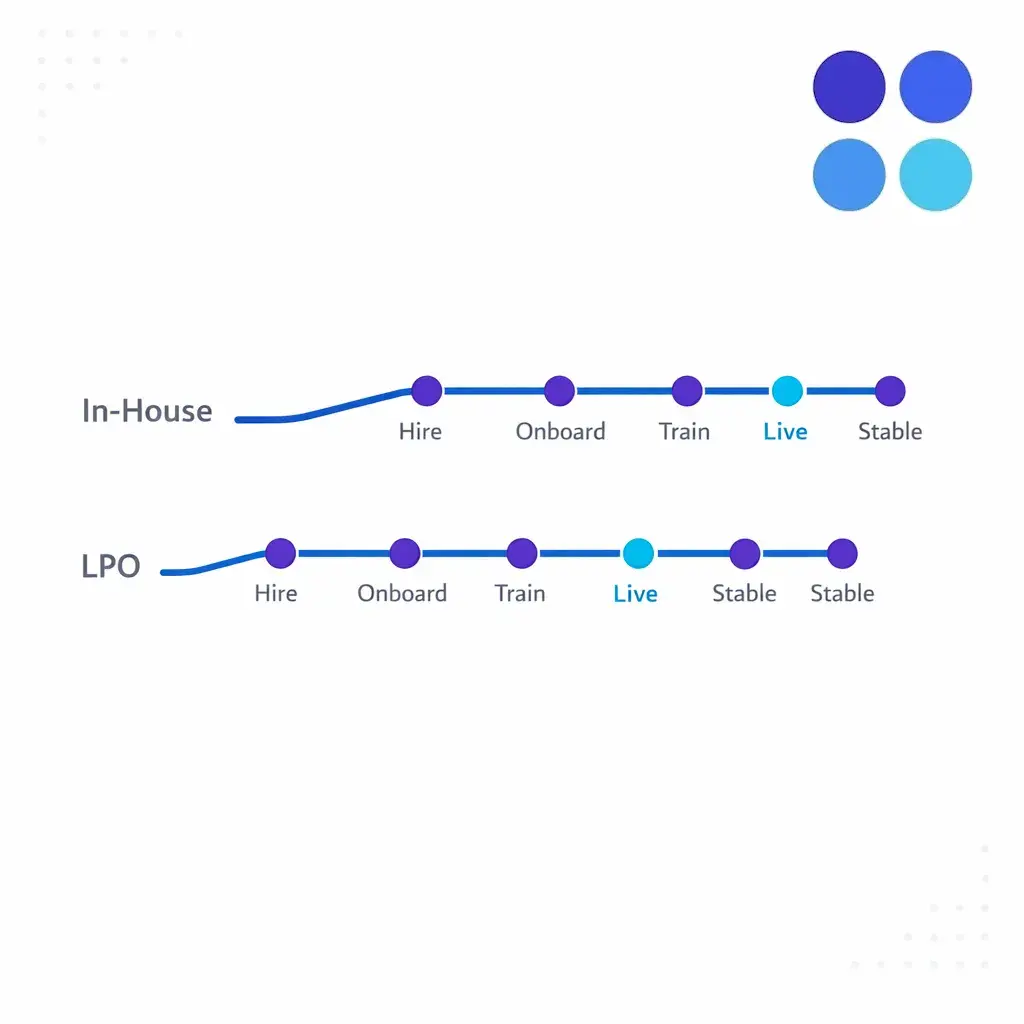
In-house teams tend to win on “context speed” once trained: they build institutional knowledge about your matter types, your attorneys’ preferences, and your intake guardrails. The tradeoff is that hiring and onboarding can be slow, and coverage depends on scheduling, PTO, and attrition.
LPO can win on time-to-capacity when you need overflow quickly, especially for standardized workflows with clear inputs and outputs. It is not magic, though: if your process is undocumented, your definitions are fuzzy, or your escalation path is unclear, LPO can move fast in the wrong direction.
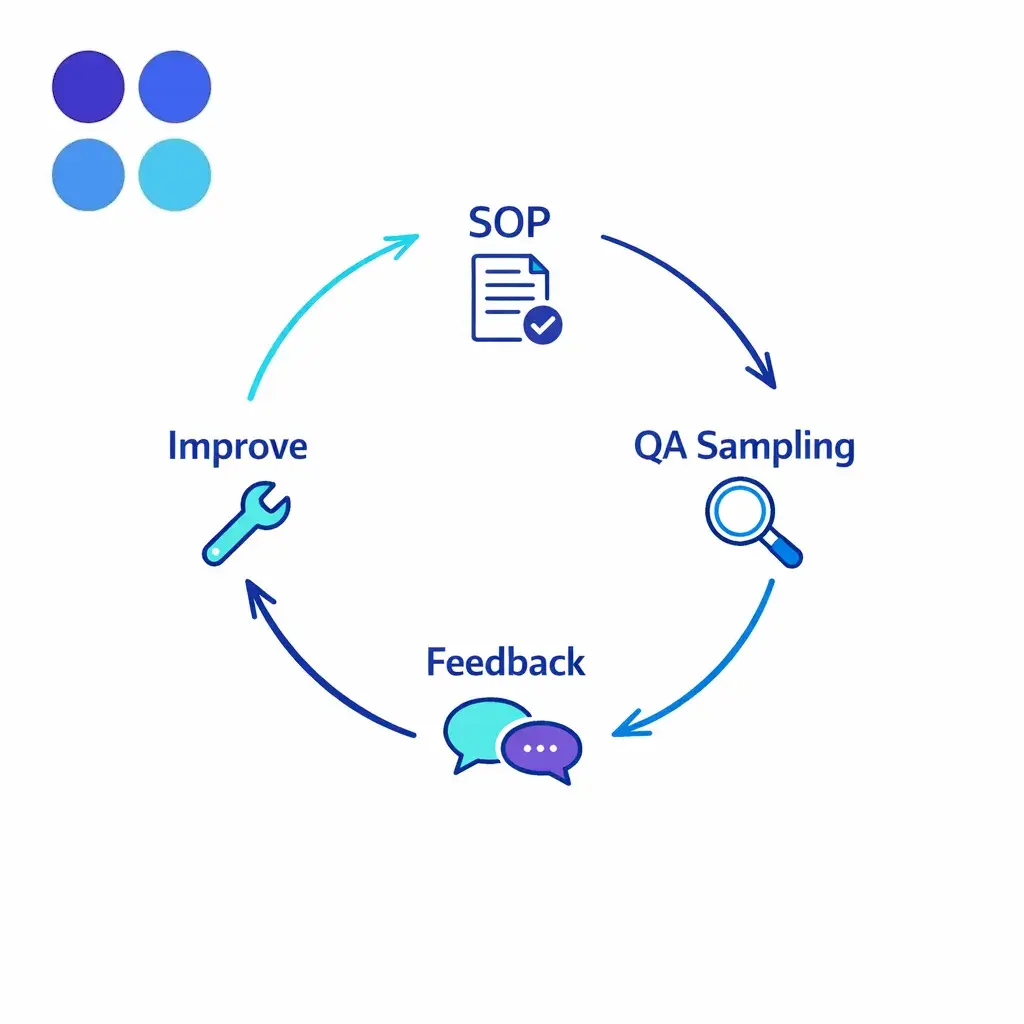
Standardized intake and triage: consistent questions, structured data capture, clear routing rules
High-volume back office: indexing, summarizing, basic drafting templates, matter opening, records tracking
Extended coverage: overflow and after-hours support without overstaffing daytime roles
Ambiguous, high-judgment work: unclear fact patterns, sensitive client interactions, nuanced attorney preferences
Cross-functional coordination: frequent back-and-forth with attorneys, clinical staff, or operations teams
Exception-heavy workflows: constantly changing rules, bespoke client requirements, or novel legal issues
Quality is rarely about whether a paralegal is in-house or outsourced. Quality is about whether you have a measurable process with clear definitions, review loops, and accountability.
If you outsource without process design, you will often get “work performed” but not “work performed consistently.” If you build a legal QA process, LPO can be as reliable as in-house for well-scoped tasks, and it can be easier to scale because the work is already standardized.
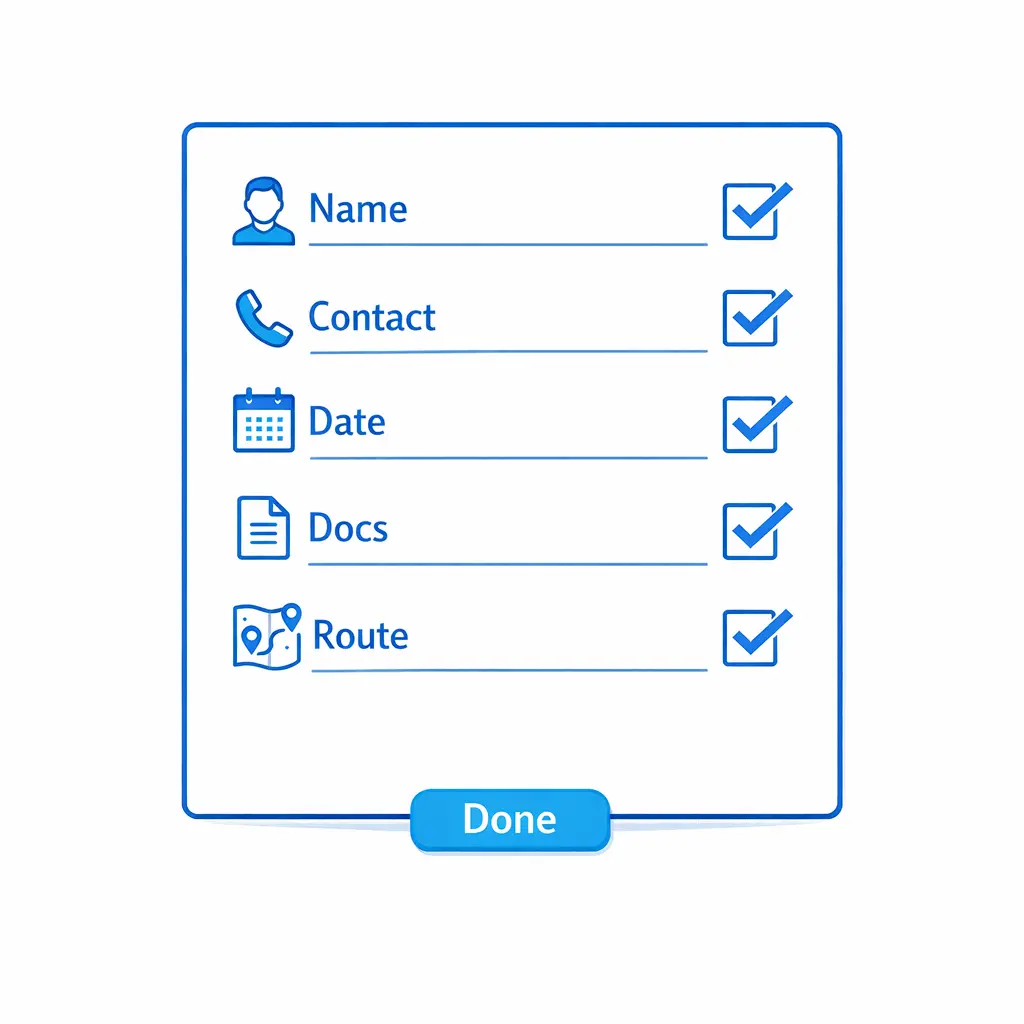
Definition of done: required fields, required documents, and acceptance criteria
Work instructions: playbooks, scripts, templates, and examples of good vs bad output
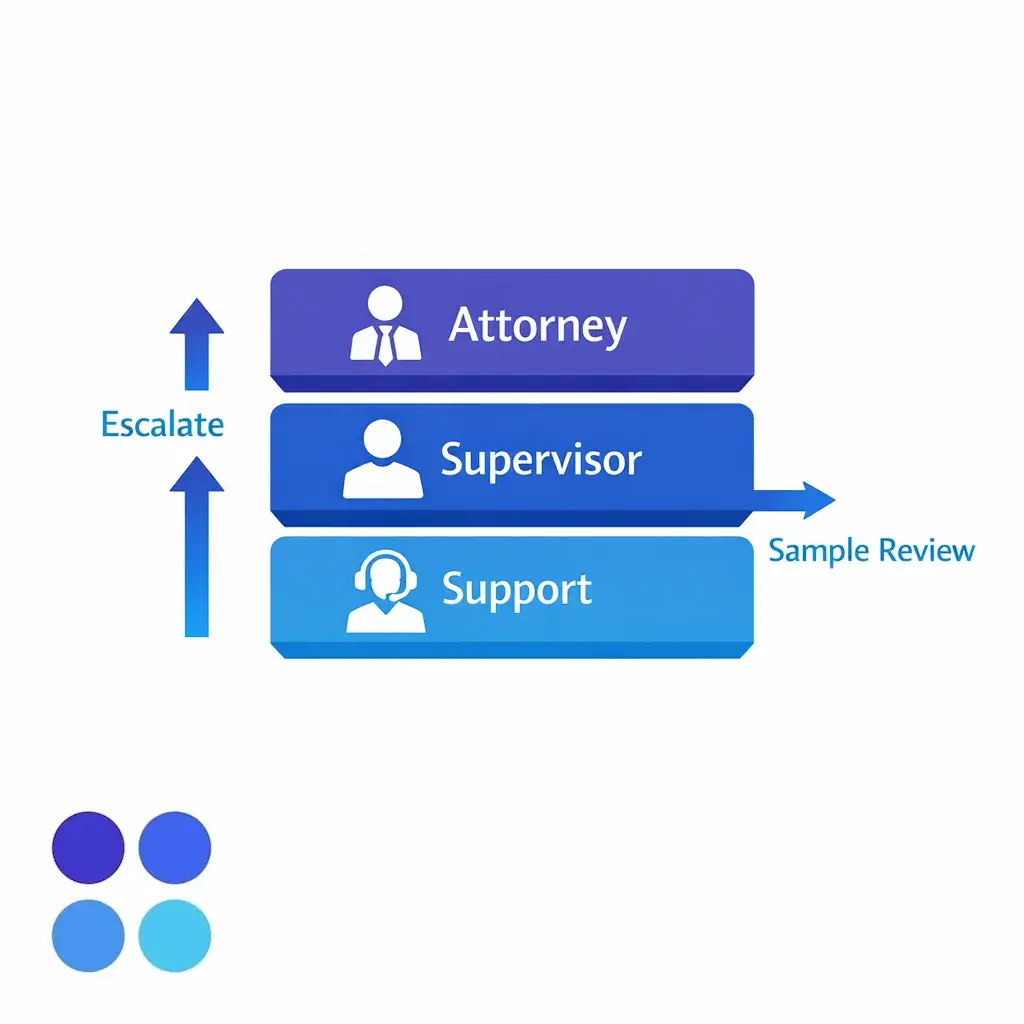
Layered review: sampling, second-checks for high-risk items, and clear escalation triggers
Error taxonomy: categorize mistakes (missing data vs wrong data vs late data) so fixes are systemic
Feedback cadence: weekly calibrations early on, then monthly once the process stabilizes
Use metrics that reflect outcomes, not activity. If you only track “tasks completed,” you miss the costs of rework and delays.
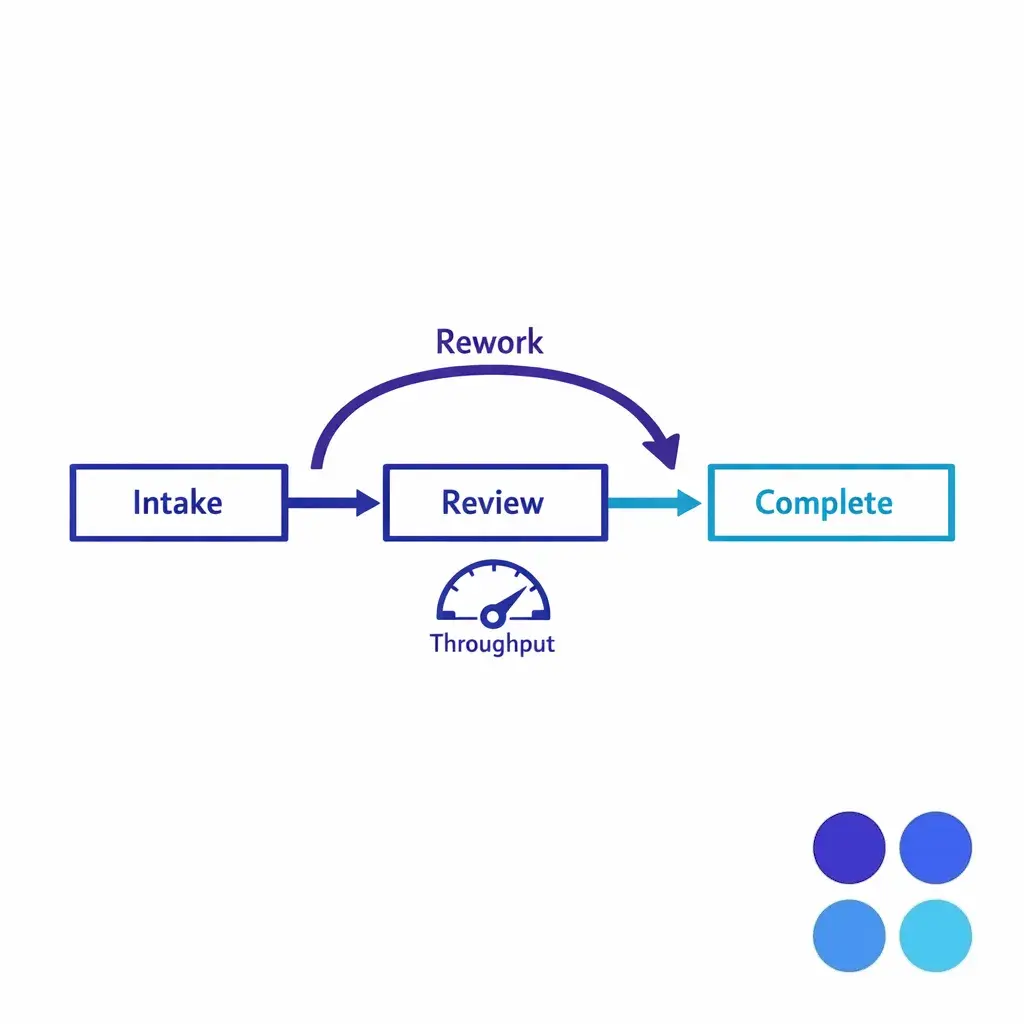
First-pass accuracy: % of items accepted without rework
Cycle time: time from intake to routed/complete packet
Defect severity: minor vs material errors (for example, wrong party info)
Escalation rate: how often staff must ask for attorney intervention
Compliance is where many LPO vs in-house decisions become binary, even though they do not need to be. You can outsource tasks, but you cannot outsource responsibility for supervision, confidentiality, and appropriate controls.
When nonlawyers support legal work, lawyers have a duty to supervise and ensure conduct is compatible with professional obligations. The ABA Model Rule 5.3 (Responsibilities Regarding Nonlawyer Assistance) is the clearest statement of that expectation and is a useful reference point even where local rules differ.
Confidentiality also remains your obligation. Under the ABA Model Rule 1.6 (Confidentiality of Information), you need safeguards appropriate to the sensitivity of the matter and the risk of disclosure, which should shape vendor selection, access controls, and how information is shared.
Finally, scope matters. Outsourced support must be structured to avoid the unauthorized practice of law, and lawyers must be cautious about how legal judgment and client advice are handled under ABA Model Rule 5.5 (Unauthorized Practice of Law; Multijurisdictional Practice of Law).
If your workflow touches protected health information, vendor design is not optional. HHS explains when a vendor becomes a HIPAA “business associate” and when a business associate agreement is required, which often applies to outsourced intake, records handling, and patient communications depending on the arrangement.
Even when HIPAA is not directly triggered, the controls HIPAA expects can be a useful baseline for intake-heavy operations. HHS’s overview of the HIPAA Security Rule is a practical reference for thinking about administrative, physical, and technical safeguards when you are evaluating an LPO provider that will touch sensitive data.
For enterprise teams, the best LPO relationships are managed like operational dependencies, not like one-off staffing. A common way to structure controls is to map requirements to a recognized framework such as the NIST Cybersecurity Framework, then translate those controls into contract terms, access rules, and auditability.
Practical governance matters more than buzzwords. You want traceability: who accessed what, when, why, and how issues are corrected.
Least-privilege access: give only the systems and data required for the task
Segmentation: separate client matters, locations, or practice groups if risk warrants
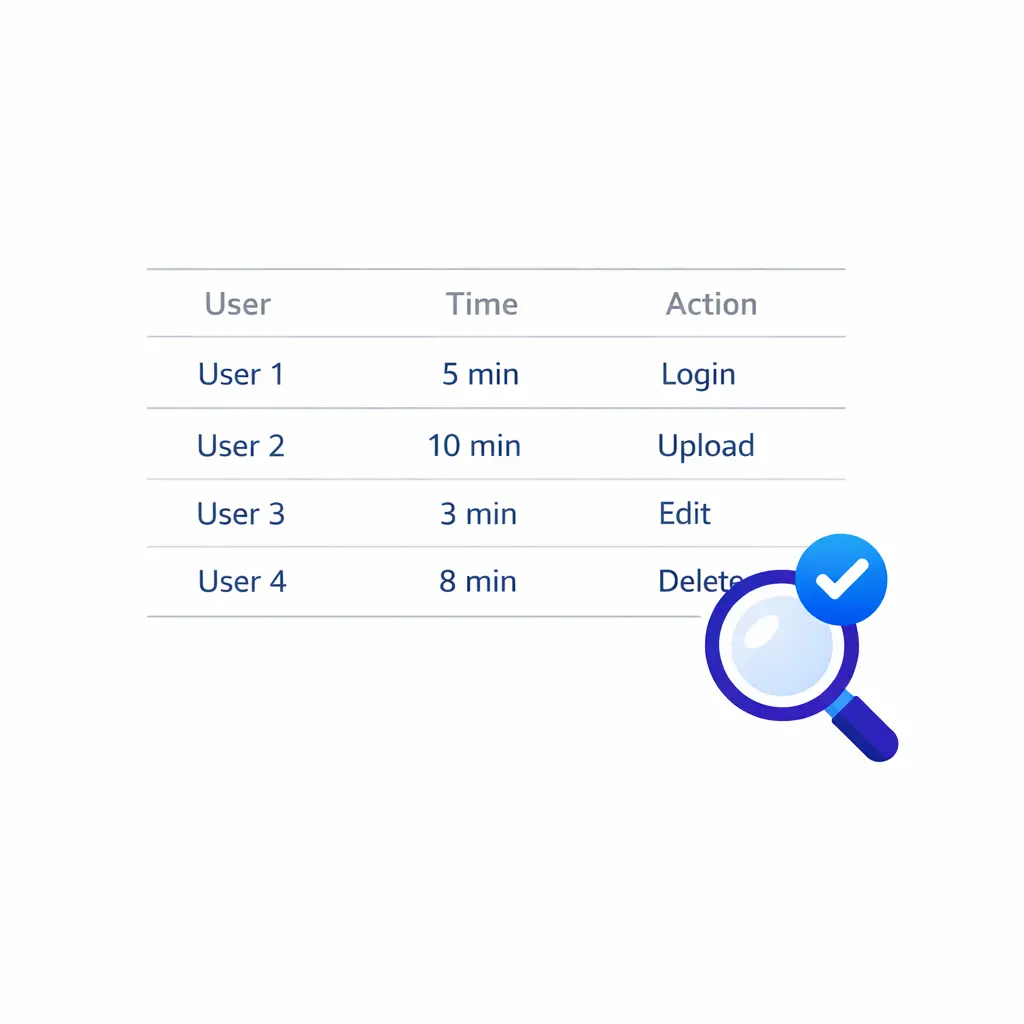
Logging and monitoring: ensure activity is recorded and reviewable
Documented incident path: define who gets notified, how quickly, and what “containment” means
The biggest change is not that more work can be outsourced, but that organizations now expect outsourced work to be run like a measurable, auditable operation. Leaders want defined SOPs, consistent coverage, and predictable QA, because variability is what breaks intake and downstream case work.
As a result, the decision is increasingly hybrid. Many teams keep high-judgment, client-facing, and exception-heavy work in-house, while outsourcing standardized steps with tight definitions, strong security controls, and clear escalation rules.
A lower hourly rate does not help if work bounces back for rework, or if attorneys spend time cleaning up intake packets. Compare models using outcomes: first-pass accuracy, cycle time, and escalation rates, then translate those into dollars.
If “intake” means something different to every office or every attorney, LPO will amplify inconsistency. Document the workflow first, define required fields and routing rules, and then outsource the stable parts.
Signing an NDA is not the same as operational confidentiality. Align supervision, access controls, training, and auditability to your ethical and regulatory duties, then confirm the provider can actually operate that way day to day.
In-house teams can still suffer from inconsistent scripts, undocumented exceptions, and uneven training. If you cannot measure quality internally, outsourcing will not fix the root cause; building a QA process will.
Use this section as a practical “fit test.” You do not need perfect answers, but you do need clarity about risk and variability.
Work requires frequent legal judgment, nuanced client communication, or constant attorney feedback
Your matters are highly sensitive and you need maximum control over context and handling
The workflow changes weekly and cannot be stabilized into SOPs
You are building long-term internal capability and leadership wants institutional knowledge retained
Work is high-volume and processable (defined inputs, defined outputs)
You need rapid overflow, extended coverage, or multi-location support
You can commit to a clear scope, SOPs, and a review cadence
Leadership wants a variable cost structure aligned to demand
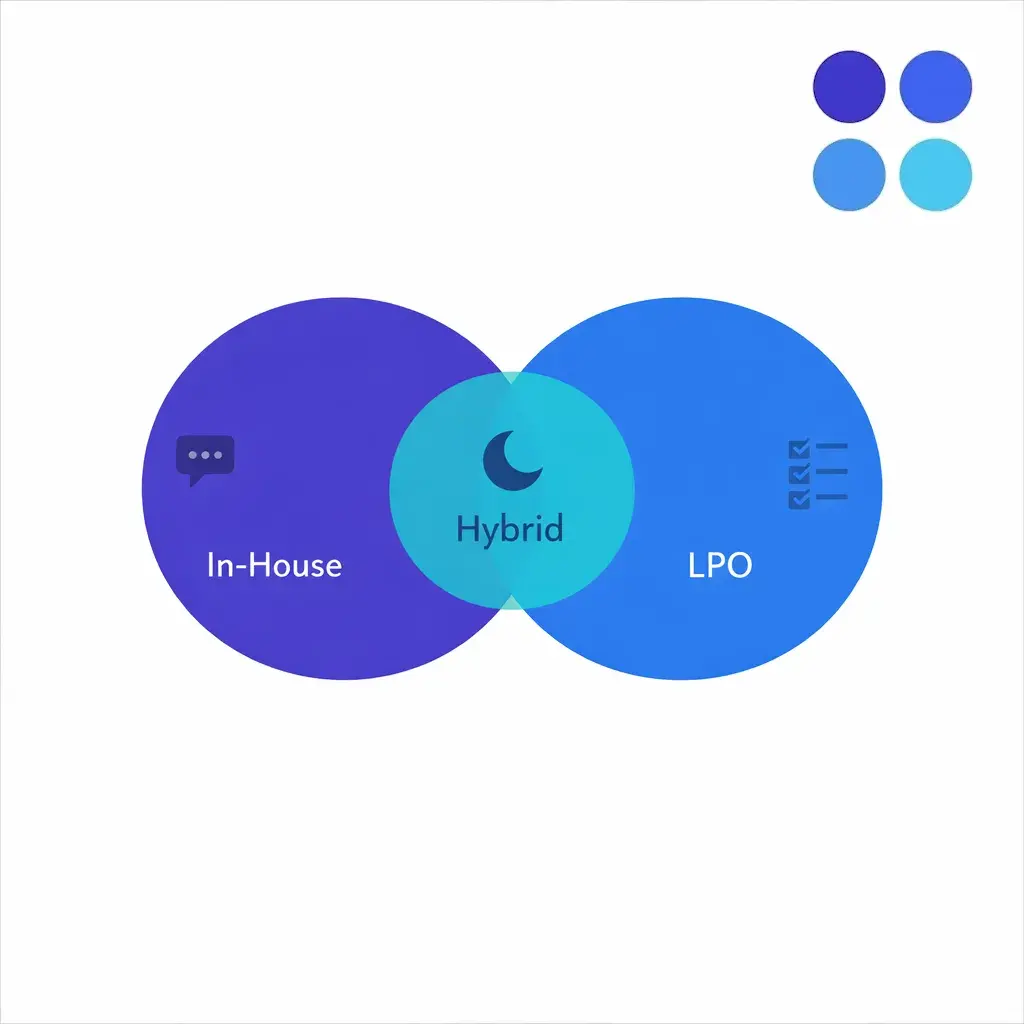
You want in-house ownership of client experience and exceptions, with LPO handling standardized steps
You need after-hours coverage but want in-house staff focused on daytime high-value work
You are scaling fast and want redundancy across sites without overhiring
This checklist is designed for operators, legal ops leaders, and practice managers who need a plan that survives procurement, security review, and real-world volume.
Define the scope in plain language: list tasks, what is out of scope, and what must be escalated.
Write “definition of done” criteria: required fields, required documents, and acceptance checks.
Map data sensitivity: identify what is confidential, what is PHI, and what systems contain it.
Design the supervision model: decide who reviews work, how often, and what sampling looks like.
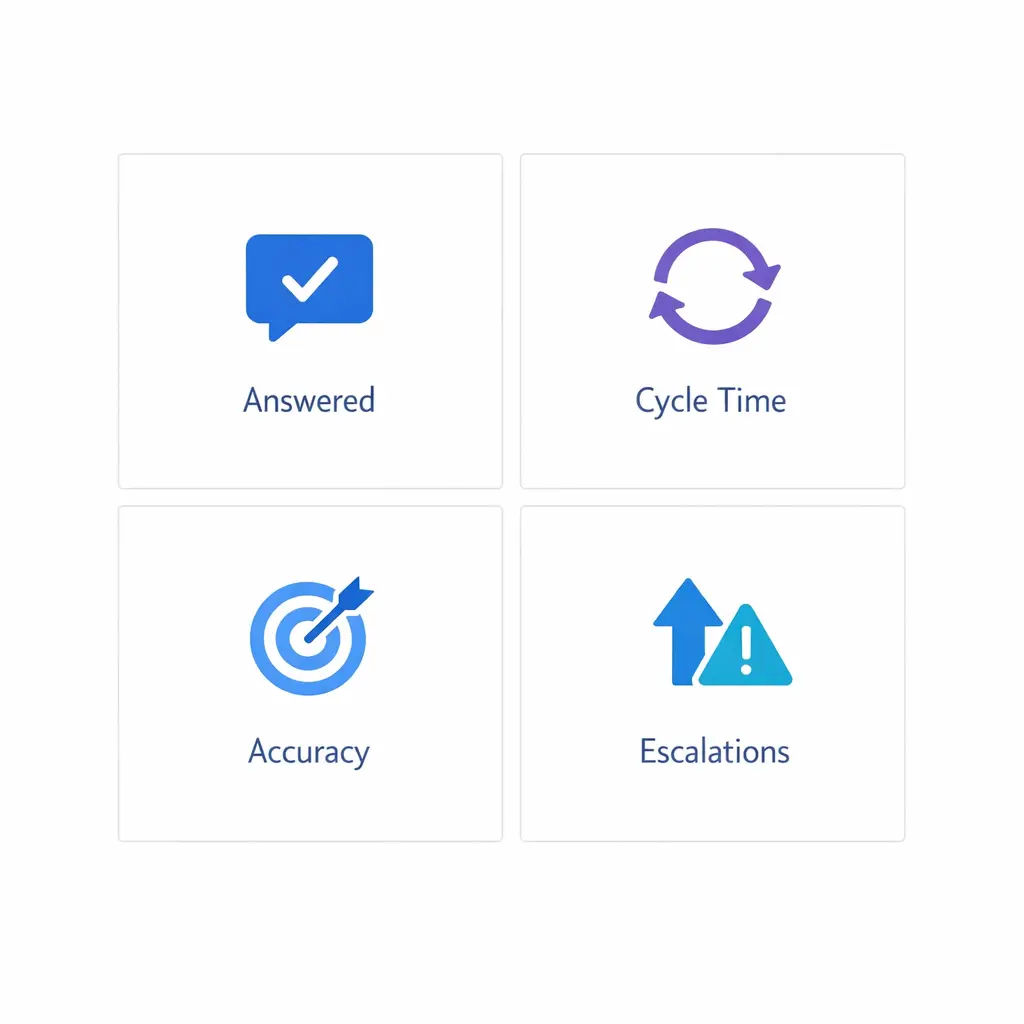
Set measurable SLAs: cycle time targets, accuracy targets, and escalation response times.
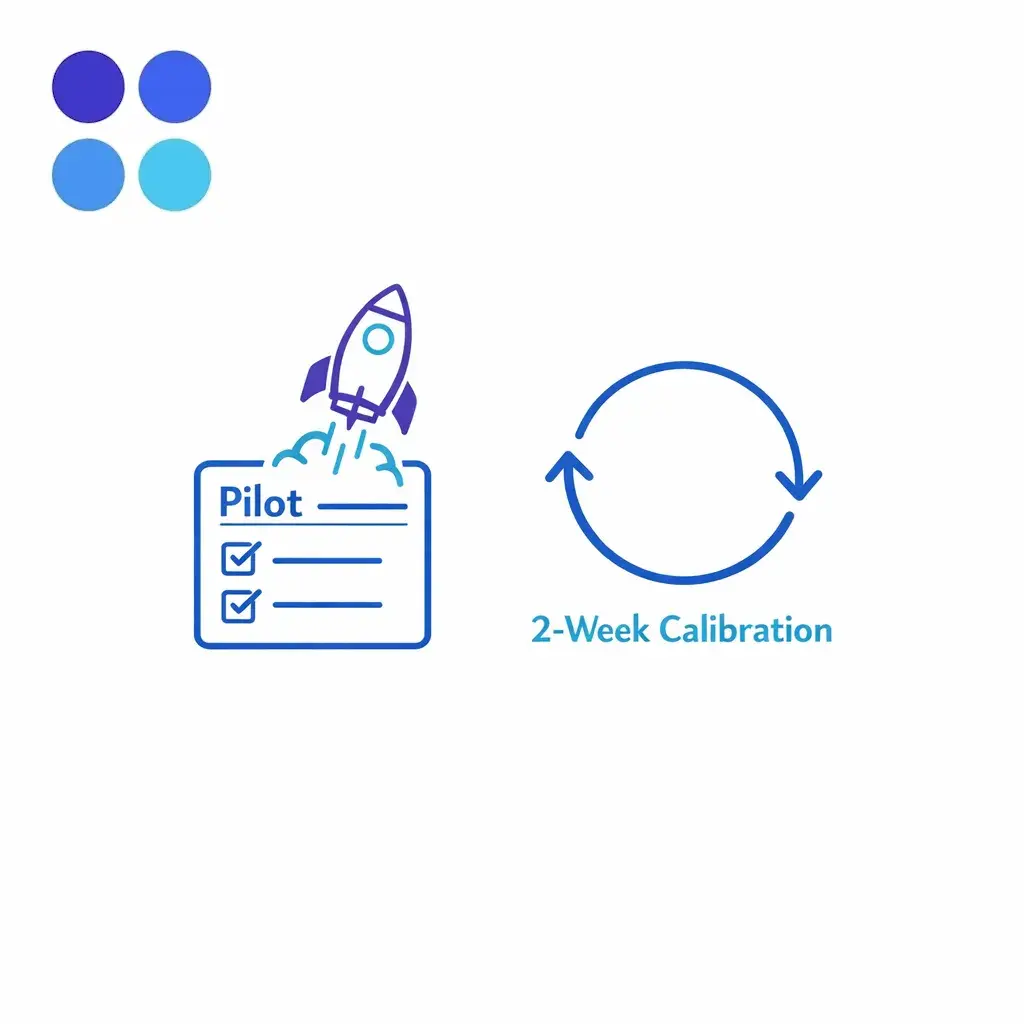
Plan onboarding like a launch: scripts, templates, test cases, and a two-week calibration loop.
Start with a pilot: pick one workflow, one region, or one matter type and measure outcomes.
Operationalize reporting: weekly dashboards early, then monthly once stable.
Lock in governance: access controls, audit logs, and an incident response path.
If your biggest constraint is coverage and intake consistency, pairing a strong process with reliable capacity is often the fastest route to measurable improvement. Teams that use Go Answer typically prioritize operational outcomes: consistent intake data capture, predictable overflow handling, and a QA loop that keeps quality stable as volume grows.
Whether you choose LPO, in-house, or a hybrid model, the practical goal is the same: reduce dropped opportunities, reduce rework, and keep sensitive information handled correctly. The best partner will meet you where you are today, then help you mature the process without disrupting day-to-day operations.
If you are evaluating LPO vs in-house paralegals and want a concrete operating model, you can get clarity quickly by mapping one workflow end-to-end (intake, routing, follow-up, and QA). If you want help pressure-testing scope, coverage, and controls for an enterprise environment, Go Answer can walk through options aligned to your volume and compliance needs.
Request Pricing if you already know your approximate volume and coverage hours.
Book a Discovery Call if you want to compare in-house vs outsourced scenarios with a real workflow.
Talk to a Specialist if you need to align intake, QA, and security controls across multiple locations.
Explore Enterprise BPO if you are standardizing processes across sites and need scalable coverage.
See How It Works if you want to understand onboarding, scripts, escalations, and reporting.
View Use Cases if you want examples of intake-heavy, high-volume workflows and where outsourcing fits best.

Learn why thousands of companies rely on Go Answer.
Try us risk-free for 14 days!
Enjoy our risk-free trial for 14 days or 200 minutes, whichever comes first.
Have more questions? Call us at 888-462-6793
Learn why thousands of companies rely on Go Answer.
Have more questions? Call us at 888-462-6793
If you would like to get in contact with a Go Answer representative please give us a call, chat or email.

Thanks for your interest!
A representative will be reaching out to you shortly.
Have more questions? call us on 888-462-6793
