
SLA-Driven Call Center BPO for Multi-Location Brands: Coverage Models, QA Scorecards, and Escalation Paths
By Rick AlovisLast modified: April 28, 2026
Voted Top Call Center for 2024 by Forbes
Virtual Receptionists
Save time and money with our virtual receptionists.
AI Receptionist
AI-powered receptionist that answers, routes, and qualifies calls 24/7.
Enterprise Solutions
Solutions designed to scale with your organization’s needs.
Legal Services
Our virtual legal receptionists are experts in legal intake.
Last modified: April 28, 2026
Multi-location service brands live or die by consistency: the same caller should get the same experience, the same answers, and the same next steps whether they reach Location #3 at 9:00 a.m. or the after-hours line at 9:00 p.m. The operational challenge is that volume, staffing, and urgency vary by location, by daypart, and by season, and “good intentions” are not a management system.
This guide is for enterprise and multi-location leaders who own outcomes like intake quality, speed to answer, appointment conversion, and risk reduction, including legal intake-heavy firms and healthcare practices that need trust and compliance built into the workflow.
You will learn how to design SLA-driven coverage models, build a contact center quality assurance scorecard that actually improves intake, and implement an escalation matrix that prevents small issues from becoming big failures.
An SLA (service level agreement) is the contract layer that turns “we’ll do our best” into measurable performance commitments, review cadences, and remedies. In an inbound environment, the most commonly misunderstood piece is “service level,” which is typically defined as the percentage of contacts answered within a target time threshold, such as “answered within X seconds” for calls or “responded within Y minutes” for messages, as explained in the ICMI definition of contact center service level.
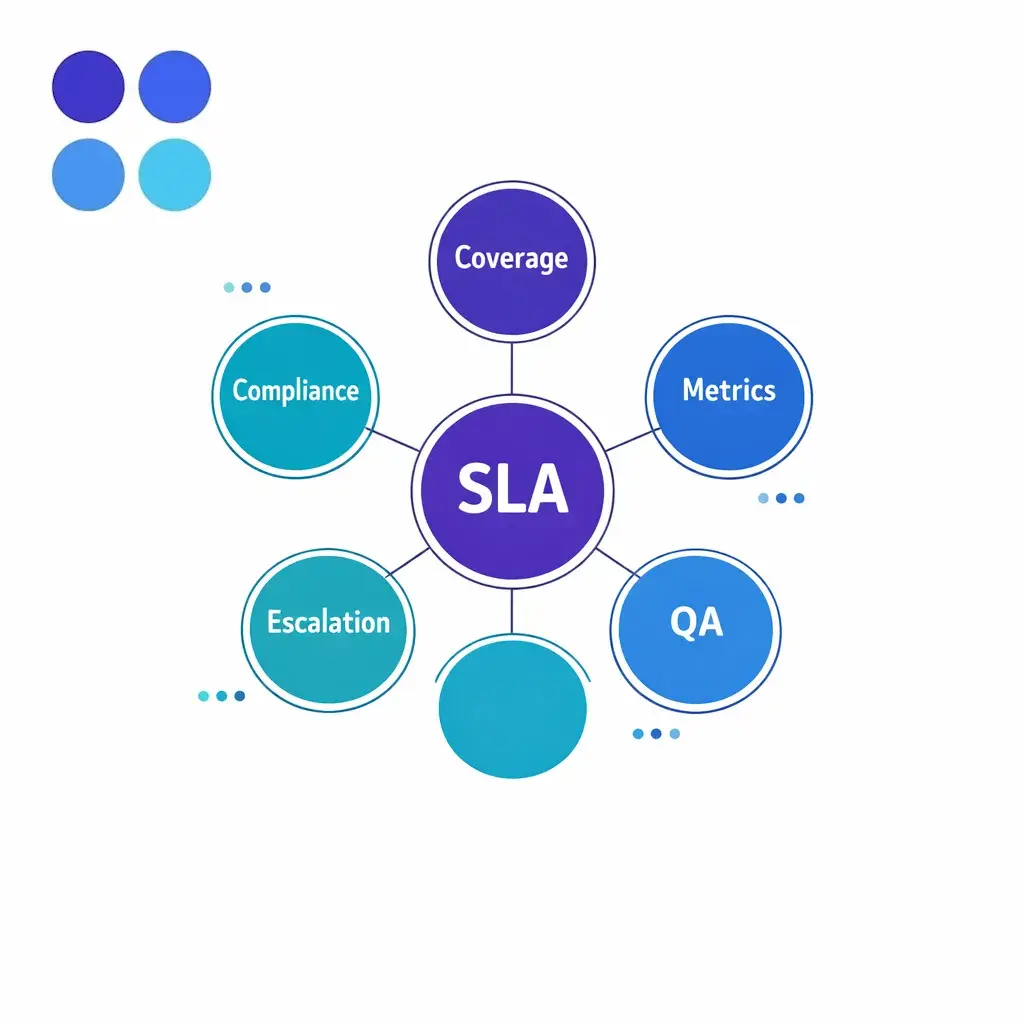
For multi-location brands, an SLA should do more than set speed targets. It should specify scope (what counts as an “offered” contact), channel coverage, hours, overflow rules, QA measurement, escalation paths, reporting, and change control so your locations do not quietly drift into different operating realities.
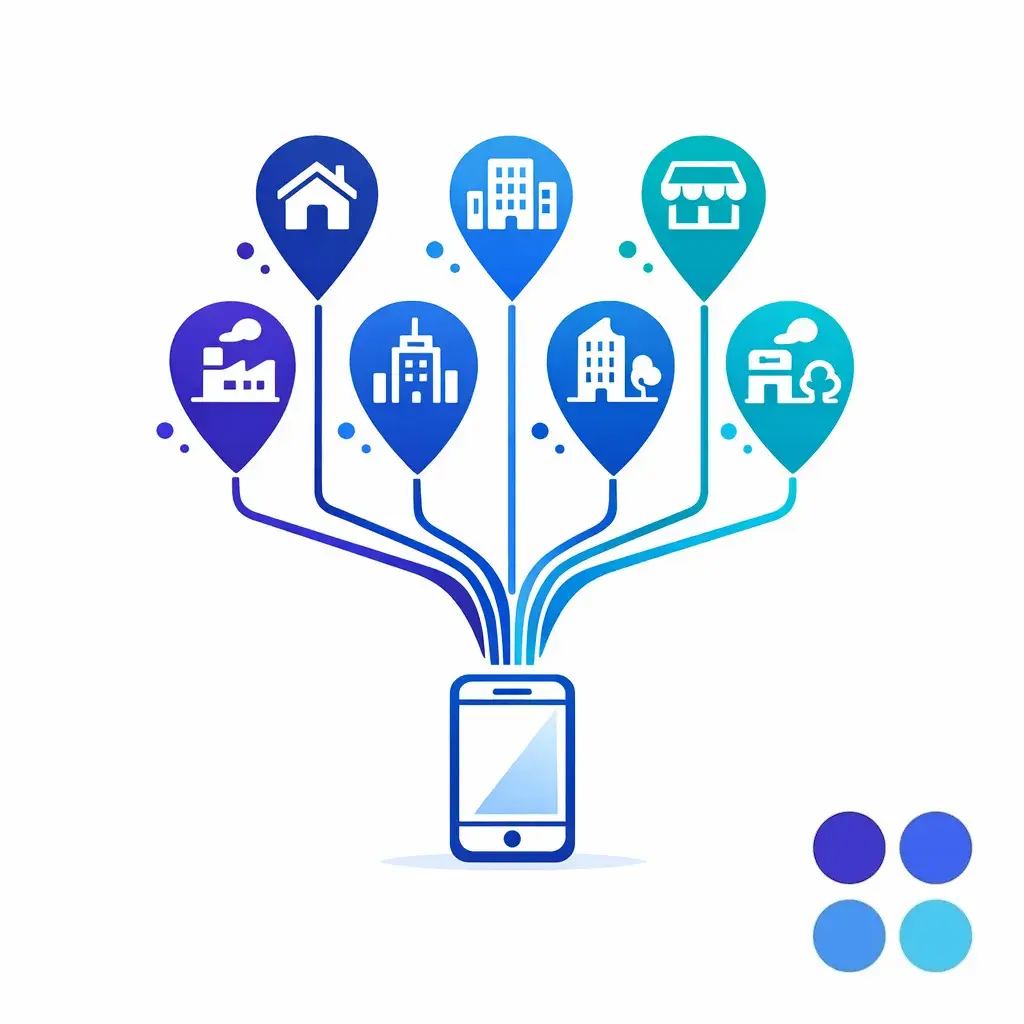
Coverage definition: which numbers/queues/locations are covered, by channel and by hour.
Volume and seasonality assumptions: how staffing scales when offered contacts spike.
Performance metrics: service level, abandonment, first contact resolution, and intake accuracy measures.
Quality program: QA scorecards, calibration, coaching, and re-audits.
Escalation and incident handling: severities, response times, and who owns decisions.
Compliance and data handling: recording, PHI/PII protections, retention, and access control.
Multi-location brands are operating in a tighter trust environment: customers are more skeptical of unknown numbers, and regulators are more active on communications practices. If you use outbound confirmation calls, callbacks, or automated messaging as part of intake, you need policies that align with the FCC’s telemarketing and robocall rules under the TCPA framework, and you need vendor controls that prevent “helpful automation” from turning into compliance exposure.
At the same time, privacy expectations are no longer limited to one sector. A growing number of states have passed consumer privacy statutes, creating a patchwork that multi-state brands must operationalize, as tracked by NCSL’s overview of state comprehensive privacy laws. Even when your specific business is exempt in certain contexts, your callers and employees still expect disciplined data handling across locations and vendors.
Operationally, leaders are also demanding fewer “black boxes.” Instead of paying for bodies and hoping for outcomes, enterprise teams want measurable, auditable intake performance, with escalation paths that surface risk early and prevent location-by-location improvisation.
Coverage design is where most SLA call center programs either scale smoothly or fail loudly.
The best model depends on what you are optimizing: speed, conversion, cost, clinical urgency, legal urgency, or brand consistency.
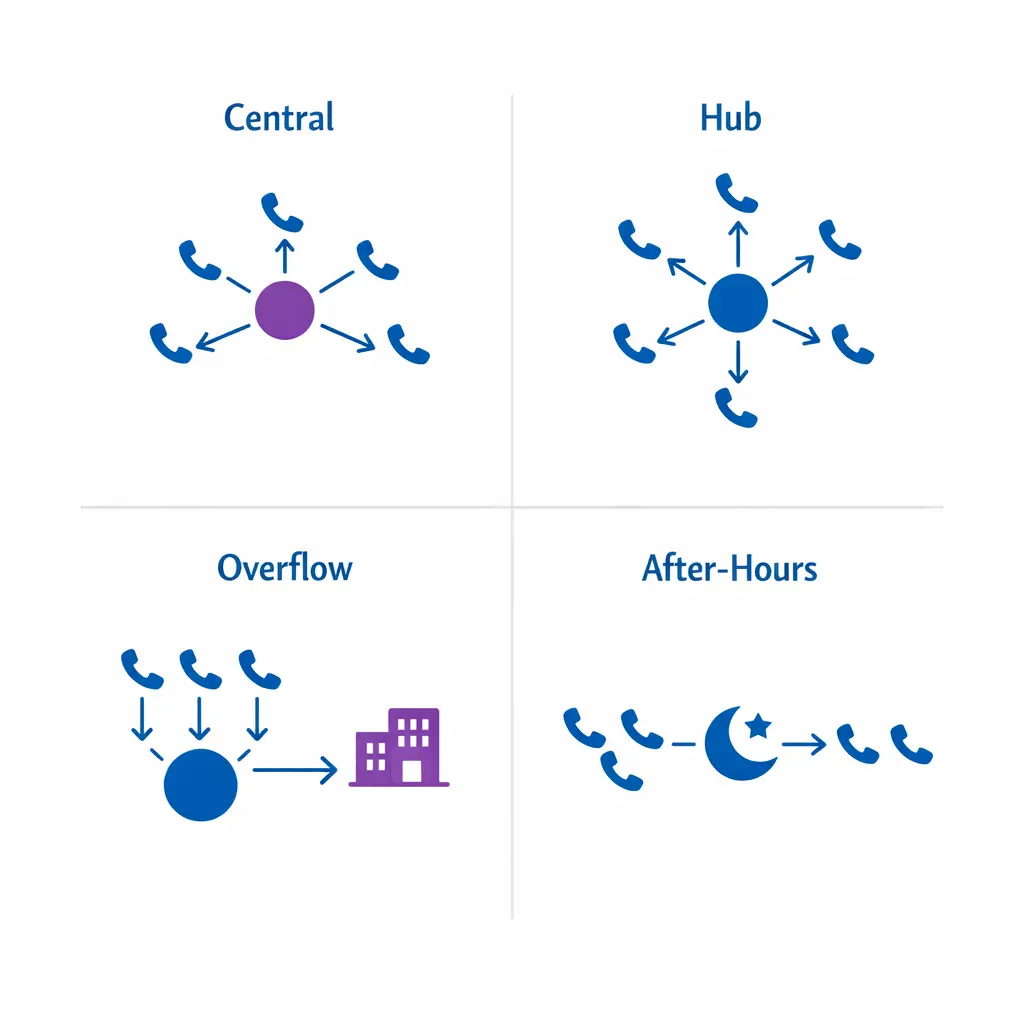
In practice, many organizations use a hybrid model with separate rules for business hours, overflow call handling, and after-hours call coverage.
All locations route to a shared pool of agents who follow standardized scripts, knowledge, and workflows. Centralization improves consistency and makes it easier to hit service-level targets because you can smooth demand across locations.
Best for: brands that need uniform intake, standardized scheduling, or consistent qualification.
Watch-outs: local nuance can get lost unless knowledge and escalation are explicit.
A central team handles the bulk of calls, but certain call types (VIPs, specific payers, certain case types, high-acuity clinical lines) route to location-specific SMEs. This model works well when “local expertise” is real and measurable, not just preference.
Best for: multi-specialty healthcare, legal intake with specialty case screening, or franchises with local policies.
Watch-outs: routing logic can get complex; you need clear ownership for rule changes.
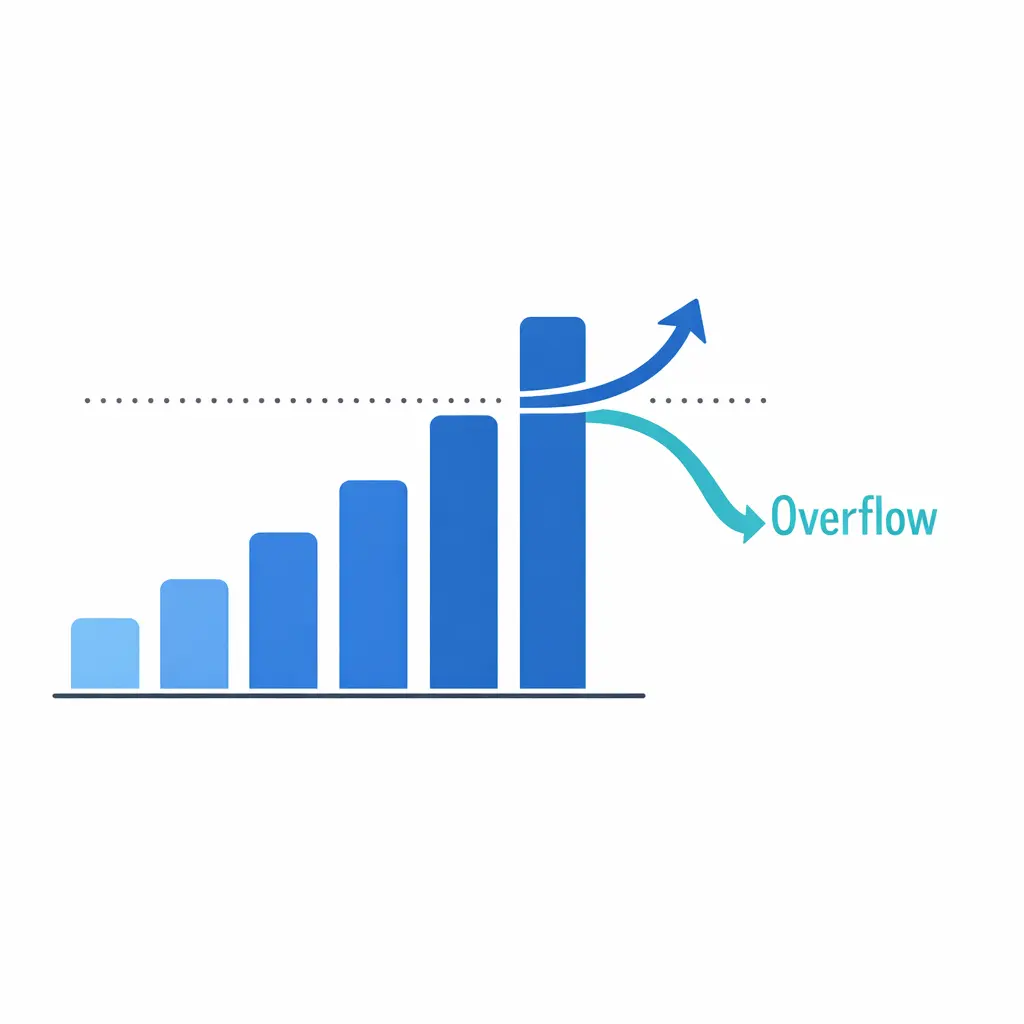
In overflow call handling, your in-house staff remains the primary answer point, while the BPO catches spillover when queues exceed thresholds or staffing drops. This model reduces abandonment and protects on-site teams during peak periods, but it only works if the handoff rules are objective and monitored.
Best for: locations with strong in-house performance that need surge capacity.
Watch-outs: if thresholds are not tuned, callers bounce between teams and experience inconsistency.
After-hours call coverage is often where brands lose high-intent opportunities and create avoidable risk. The SLA should define what “success” means after hours: appointment booked, case created, message delivered, warm transfer to on-call, or documented triage with clear disclaimers and next steps.
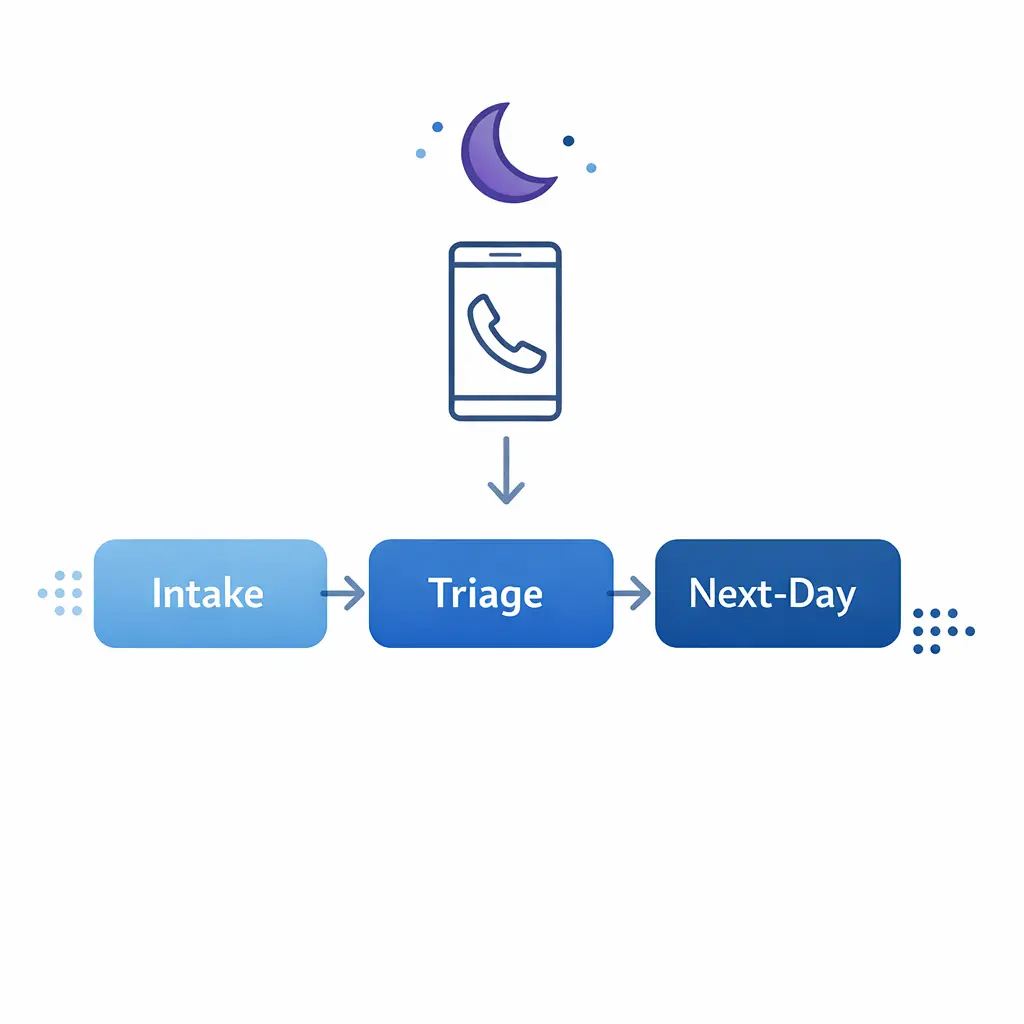
Best for: businesses where missed calls mean lost revenue, lost cases, or delayed care.
Watch-outs: unclear on-call escalation rules lead to either over-escalation (burnout) or under-escalation (risk).
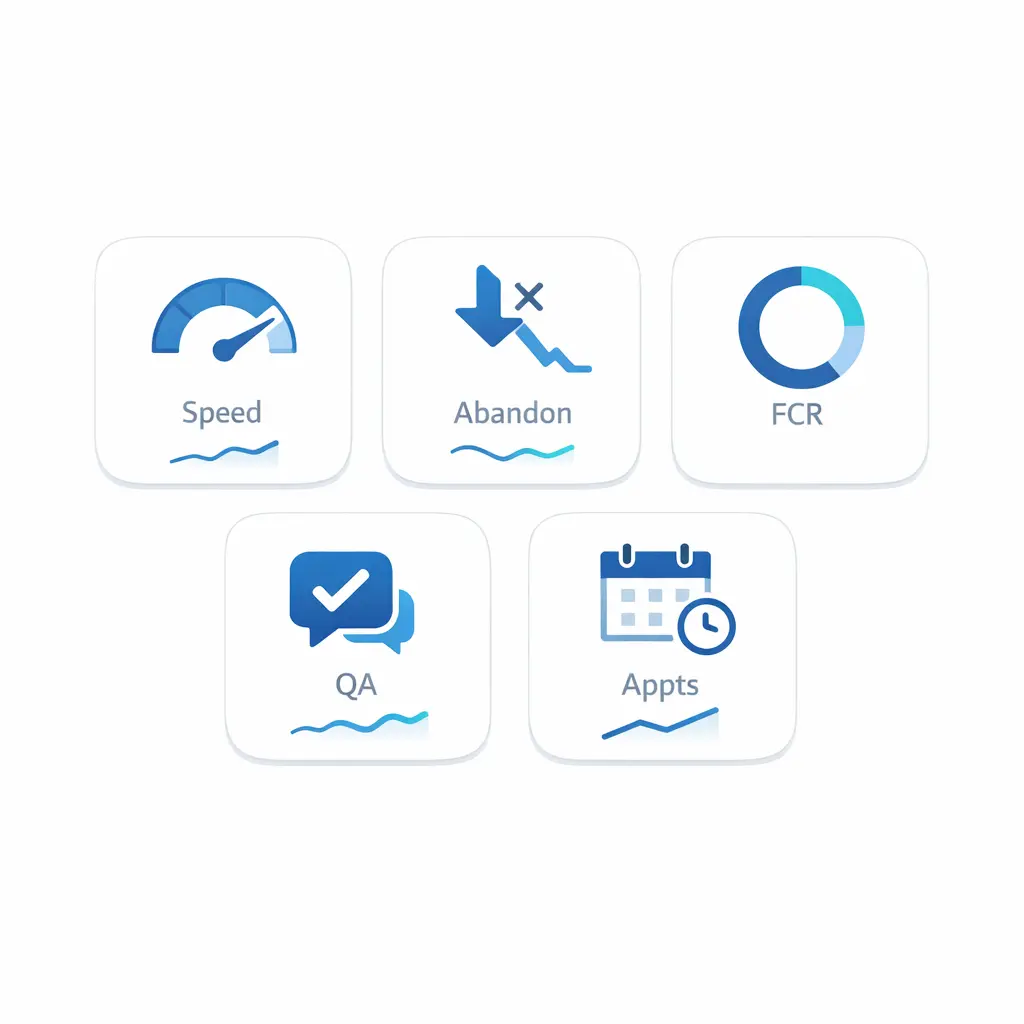
Metrics should map to the business outcomes that made you consider a BPO in the first place: capture more opportunities, reduce leakage across locations, and raise the quality of the information collected.
The trap is picking metrics that are easy to report but hard to act on, or metrics that optimize speed at the expense of intake accuracy.
Service level is a foundational call center service level definition and is usually expressed as “X% answered within Y seconds,” as described in the ICMI service level glossary entry. For a multi-location brand, you should specify whether the SLA target applies overall, by location, by queue, and by time-of-day, because pooling can hide underperformance in small locations.
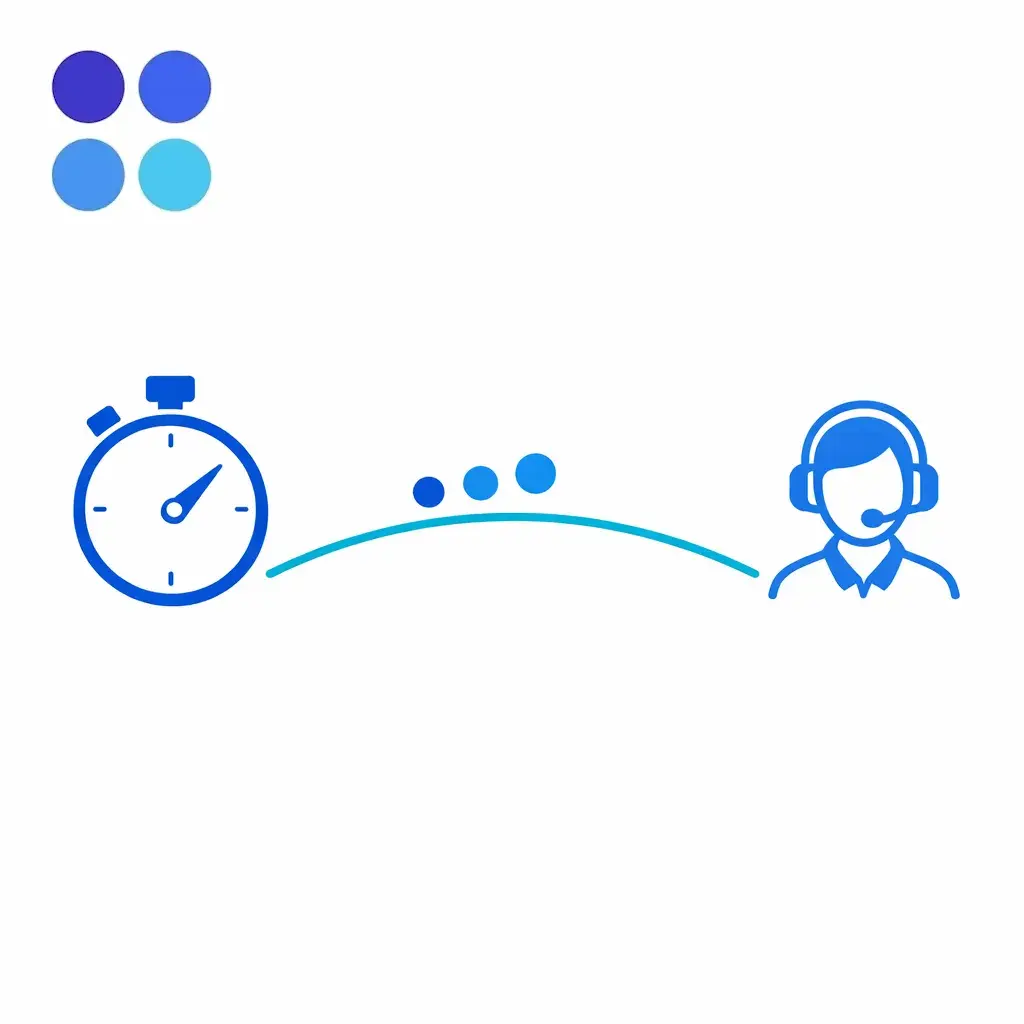
Good SLA phrasing: “Measured per queue, per daypart; excludes calls blocked by carrier errors; reviewed weekly.”
Operational lever: staffing plans, routing design, and overflow thresholds.
Abandonment measures the share of callers who disconnect before reaching an agent, and it is commonly tracked as a rate of abandoned calls divided by offered calls, as defined in the ICMI abandon rate glossary entry. If abandonment is high, your “conversion rate” is capped before your agents even speak to the customer.
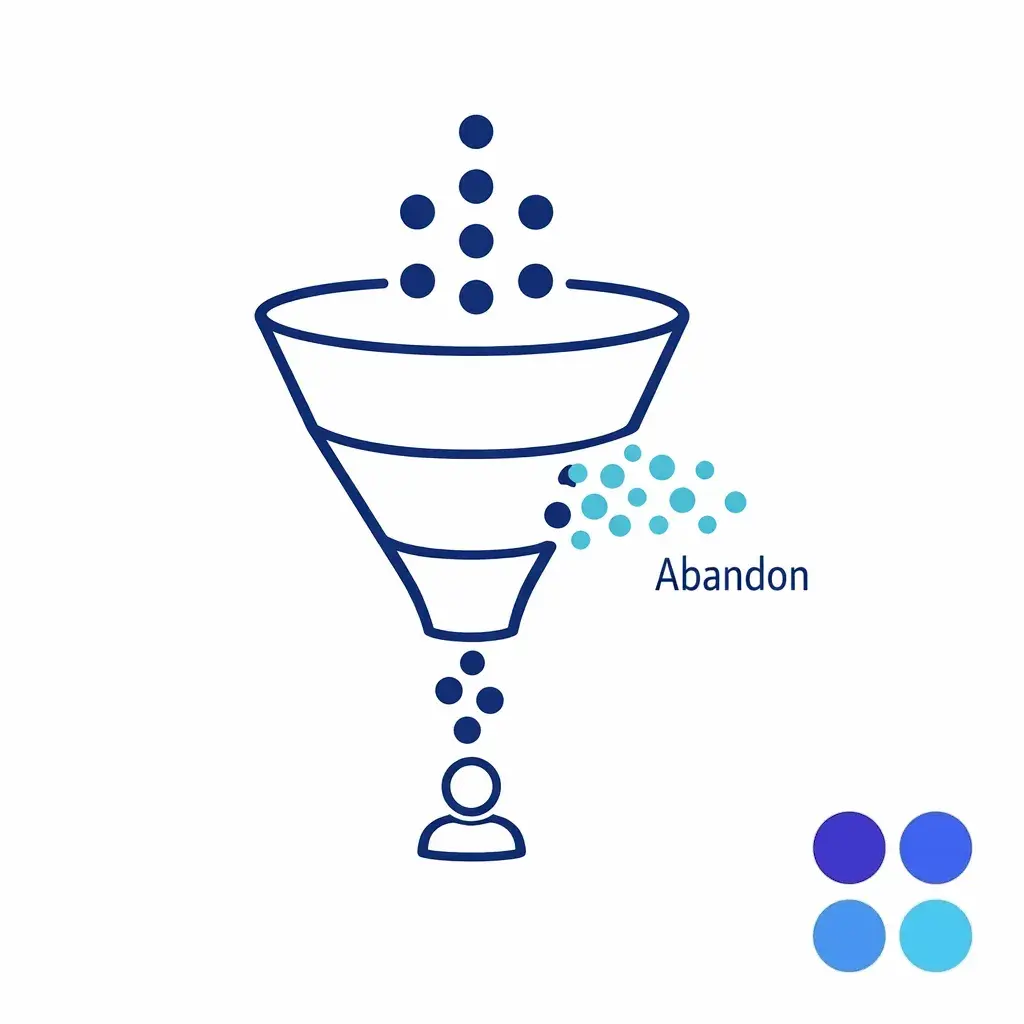
Good SLA phrasing: “Reported by queue and location, with separate reporting for short abandons if you choose to segment them.”
Operational lever: forecasting, queue messaging, and when overflow activates.
First contact resolution is a KPI focused on solving the customer’s need without requiring follow-up contacts, as described in the ICMI first contact resolution glossary entry. For intake-heavy operations, you may also want an “intake completeness” metric that measures whether the first interaction produced all required fields, consents, and next steps.

Good SLA phrasing: “FCR tracked by disposition and call reason; audited monthly with a defined sampling plan.”
Operational lever: scripts, knowledge base quality, and agent authority to take the next step.
Multi-location leaders often discover that their biggest cost is not the BPO fee. It is downstream rework: bad contact info, missing required questions, incomplete scheduling data, or inconsistent qualification across locations. Your SLA should include quality measures that reflect your workflows, not generic “professionalism” scores.

Examples of measurable QA outcomes: identity verification completed, required disclosures delivered, mandatory fields captured, correct disposition and routing, accurate documentation in CRM/EHR/case system.
Service recovery metric: percentage of QA defects corrected within a defined time window.
A QA scorecard is your translation layer between business requirements and agent behaviors. The goal is not to “grade people,” but to reduce variation across locations and to make coaching specific. For enterprise programs, the scorecard also becomes your audit trail: you can prove what was expected, what was measured, and what changed.
Use categories that reflect what the caller needed and what your downstream teams need to do their job. Keep it consistent across locations, and add a controlled “location addendum” if local requirements truly differ.
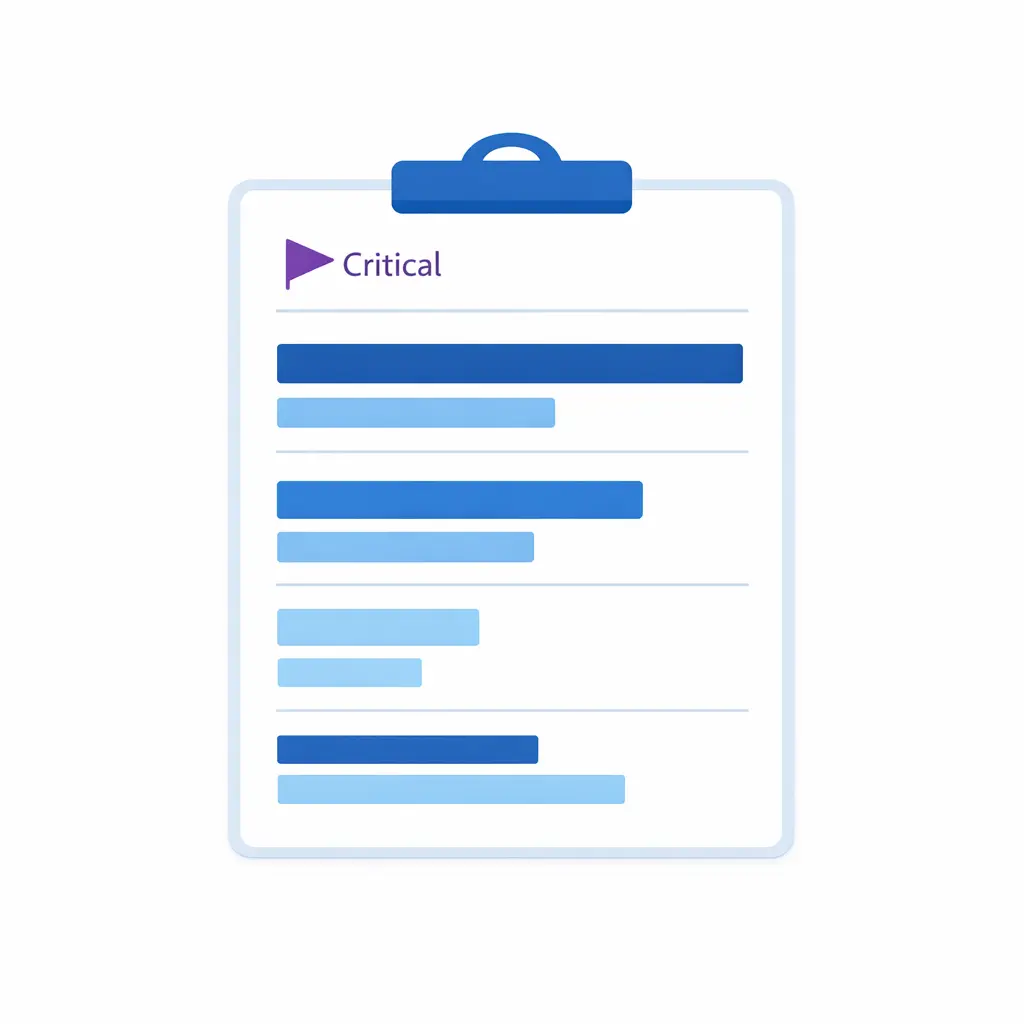
Opening and call control: correct greeting, brand name, purpose-setting, and permission to ask questions.
Verification and consent: any required identity checks, recording disclosures, and opt-in language when applicable.
Discovery and qualification: required questions for case type, appointment type, symptoms, urgency, or eligibility.
Documentation accuracy: names, phone numbers, email, addresses, dates, and key narrative captured cleanly.
Routing and next step: correct disposition, correct queue/team, appointment made or follow-up created with SLA.
Professional standards: empathy, clarity, adherence to approved language, and avoidance of prohibited statements.
Not all errors are equal. A friendly tone cannot offset a compliance miss or a misrouted urgent call. Many enterprise teams use a mix of weighted scoring and “critical errors” that trigger automatic failure and remediation.
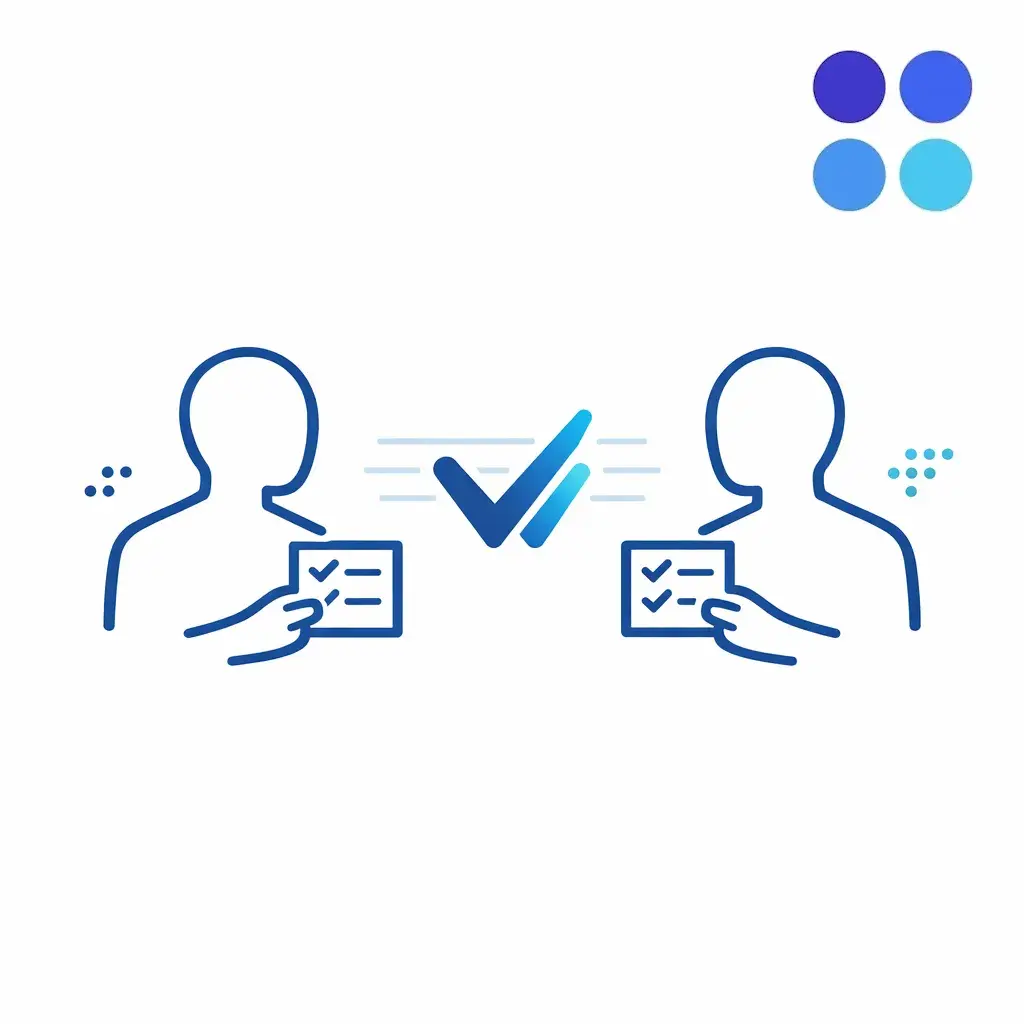
Weighted sections: discovery, documentation, and routing often deserve the most weight because they drive outcomes.
Critical errors: missing required disclosures, mishandling sensitive data, or failing to escalate urgent scenarios.
Calibration: schedule regular calibration between your team and the BPO so “what good looks like” stays aligned.
QA only improves performance if it creates a closed loop. Define how many interactions are evaluated per agent per week (or per month), how coaching is documented, and when a re-audit is required after remediation. For multi-location brands, also define how you will compare performance across locations without punishing low-volume sites with noisy data.
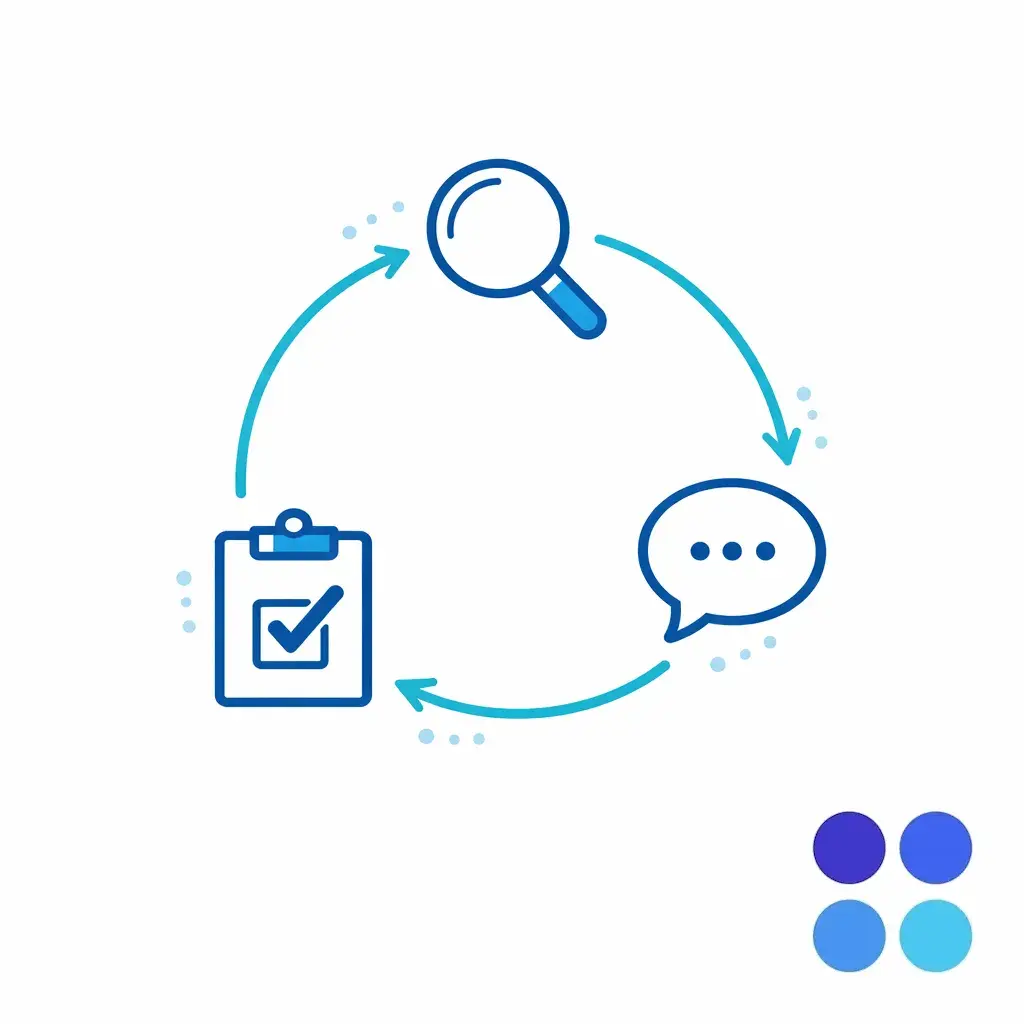
Coaching SLA: time window for feedback after an interaction is evaluated.
Remediation SLA: time window to correct process gaps (script updates, knowledge updates, routing fixes).
Trend reporting: defect categories over time, not just a single composite score.
An escalation matrix is the operational “break glass” system for moments when scripts and normal workflows are not enough. Multi-location teams need escalation not just for emergencies, but for operational incidents: system outages, sudden volume spikes, location closures, and reputational risks that require a consistent message.
Keep it simple so it works at 2:00 a.m. A typical model uses severity tiers with explicit owners and response targets, and it specifies whether the BPO can act immediately or must obtain approval.
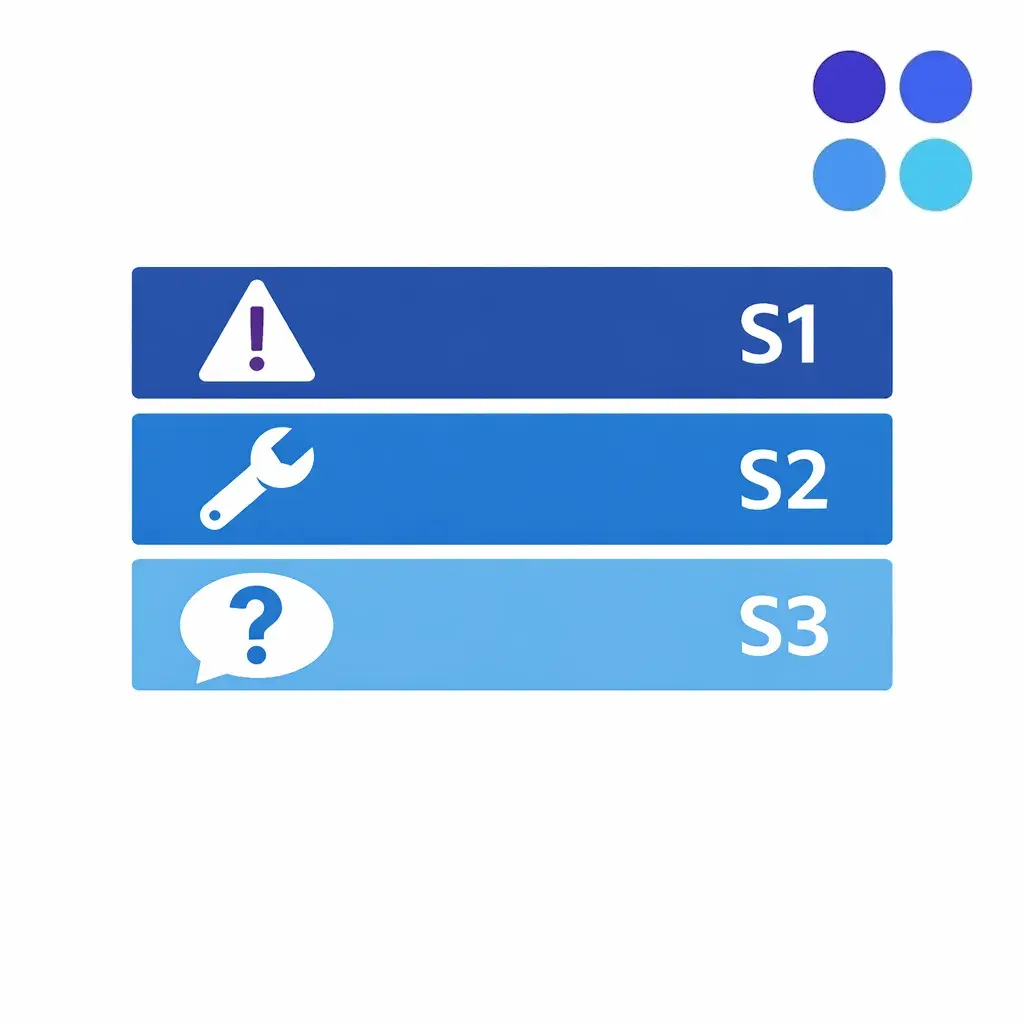
Severity 1 (urgent): safety risk, urgent clinical routing, time-sensitive legal deadlines, or credible threats.
Severity 2 (high): system outage, queue failure, high abandonment across multiple locations.
Severity 3 (normal): policy question, non-urgent complaint, minor script or scheduling issue.
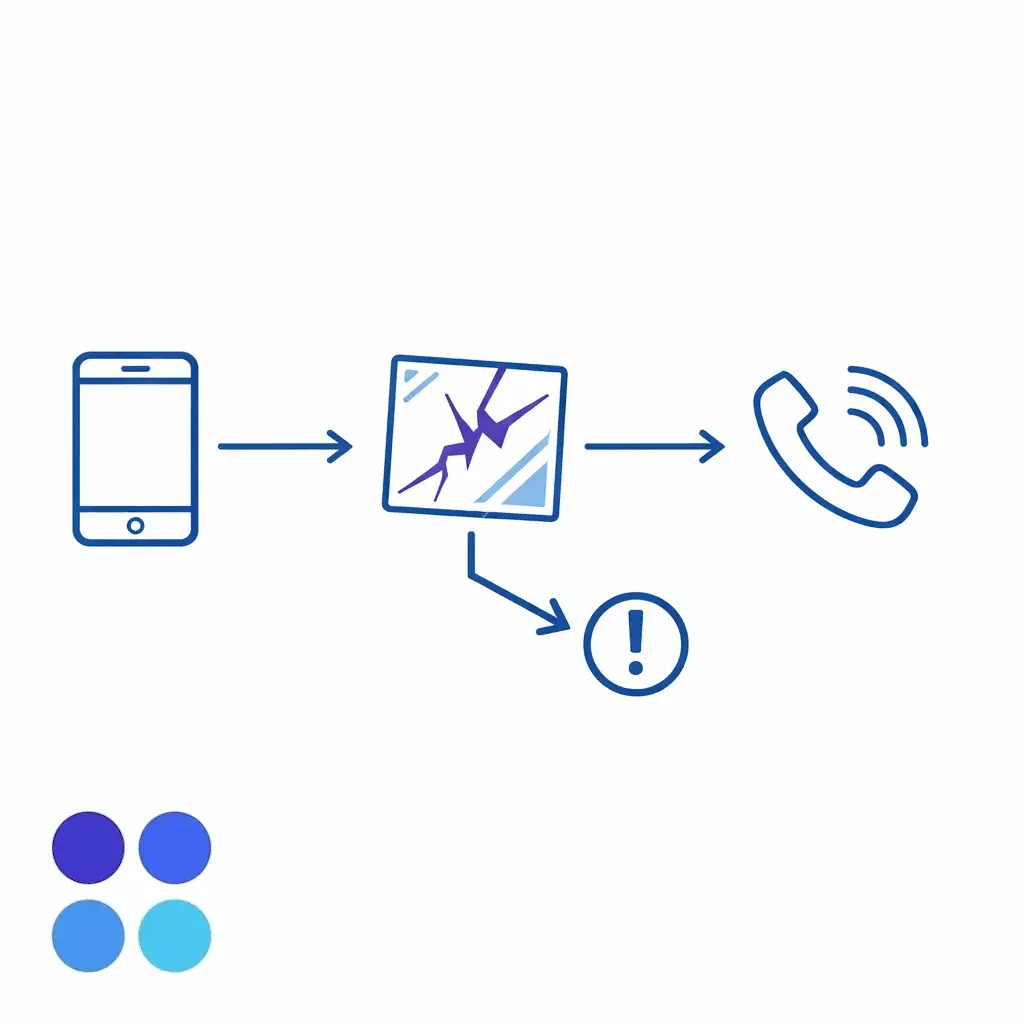
Urgent caller scenario: agent triggers warm transfer to on-call line; if unreachable, follow defined fallback steps and document actions.
Location closure: route to alternate location; apply standardized messaging; notify brand admin within the agreed window.
Bad data risk: if intake fields fail validation, agent must correct in real time or escalate to a supervisor before ending the call.
Complaint escalation: define which complaints get same-day review and who approves refunds, reschedules, or exceptions.
Escalations fail when they are “handled verbally” and then forgotten. Require consistent documentation: what happened, when it happened, who was contacted, what decision was made, and what follow-up is due. This documentation becomes part of the governance rhythm (weekly reviews and monthly trend analysis).
Even a strong SLA will drift without governance.
Multi-location operations change constantly: new locations, new providers, new practice hours, new campaigns, new case types, and new payer rules.
Your SLA should include the operating cadence that keeps the program aligned as the business evolves.
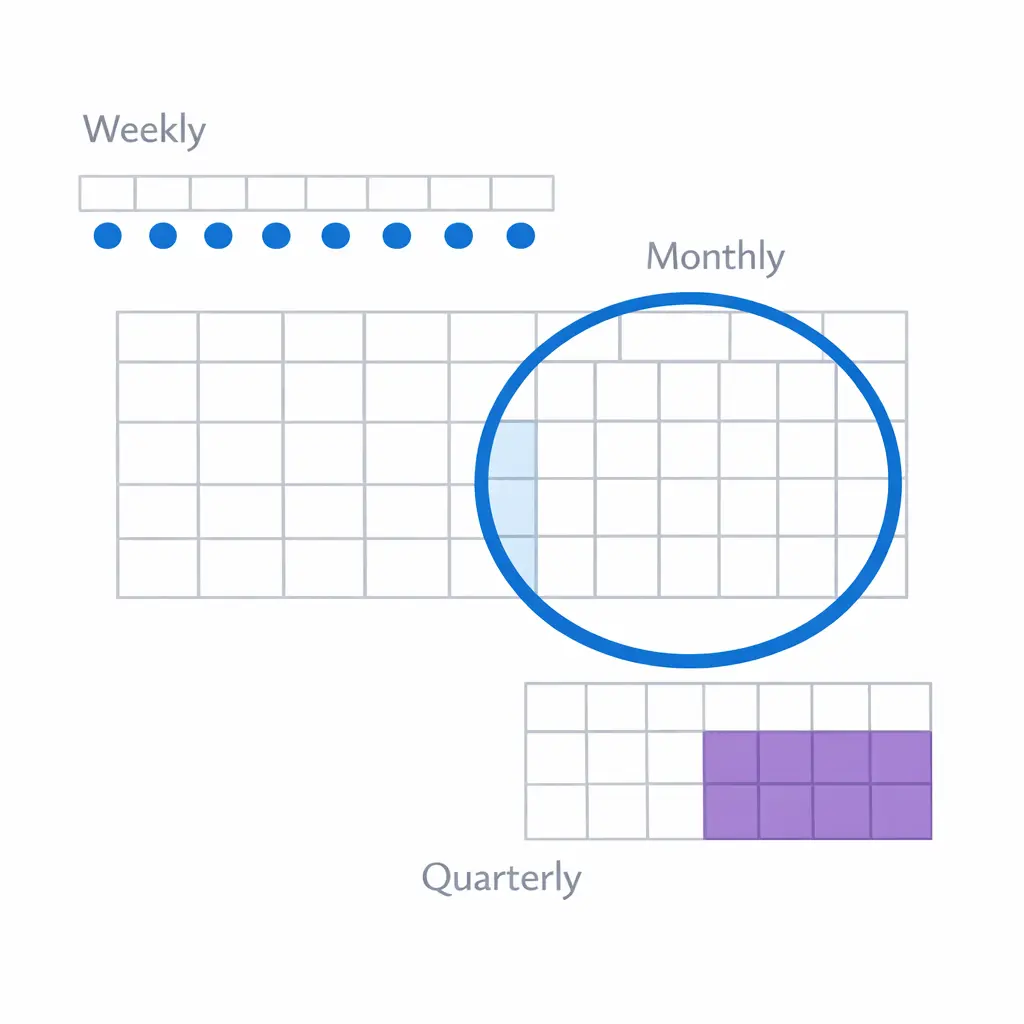
Weekly operations review: service level, abandonment, volume, and top QA defects by location/queue.
Monthly quality review: calibration results, coaching completion, defect root causes, and script/knowledge changes.
Quarterly business review: location expansions, channel additions, capacity planning, and SLA adjustments.
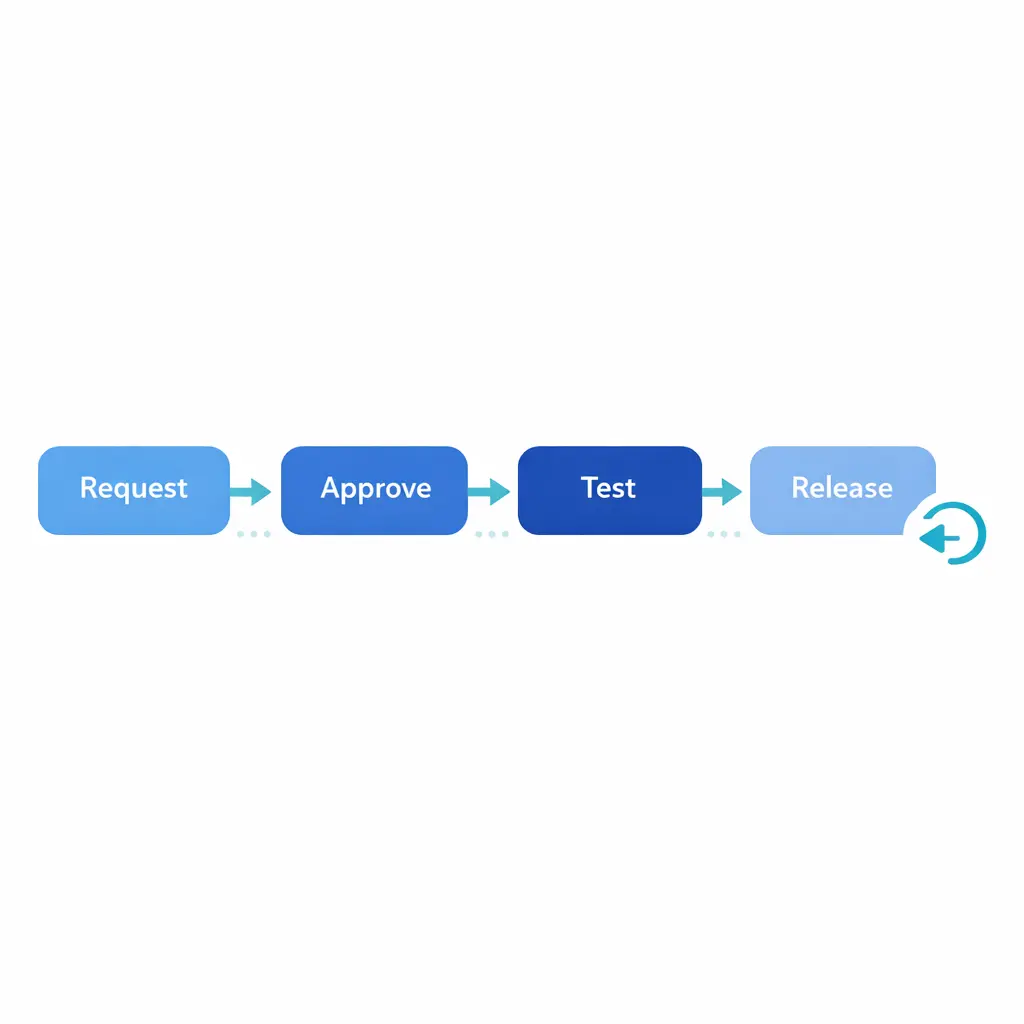
One of the most common failure modes is “shadow updates,” where a location changes a script, a routing rule, or a scheduling policy without updating the intake team. Build a simple change-control workflow: who can request a change, who approves, how it is tested, and when it goes live, with a rollback plan.
Enterprise brands should treat compliance as an operational requirement, not a legal afterthought. If call recording or monitoring is part of QA, ensure your practices align with applicable law, including the federal interception and disclosure framework in 18 U.S.C. § 2511 and any stricter state requirements that may apply to your caller population.
For healthcare practices and any workflow involving protected health information, the SLA should reflect that the HIPAA Privacy Rule governs permitted uses and disclosures of PHI, as outlined by HHS’s HIPAA Privacy Rule overview. If your BPO handles PHI on your behalf, the relationship may require a contract that meets HIPAA’s business associate expectations, as described in HHS guidance on business associates.
Minimum necessary and access control: limit what agents can see and export, and log access where feasible.
Secure data handling: define retention, redaction rules, and where recordings and transcripts can be stored.
Approved language: prohibited statements, disclaimers, and escalation requirements for sensitive scenarios.
Speed matters, but it is not the same thing as performance. If you only manage speed, you can still produce low-quality intake that causes rework, missed follow-ups, and inconsistent experiences across locations. Pair speed metrics with QA and resolution metrics so “fast” does not become “sloppy.”
Standardization is good until it ignores real local differences (hours, providers, appointment types, court/jurisdiction nuances, or escalation contacts). Solve this with a core script plus a controlled location addendum, and require change control so “local” does not become “random.”
If the only escalation contact is one manager, escalations will fail when that person is unavailable. Build redundancy into your escalation matrix: primary, secondary, and an always-available fallback. Test it quarterly with a tabletop exercise so you know it works.
Scorecards are not a substitute for process improvement. If the same defect repeats, it is often a script issue, a knowledge issue, a systems validation issue, or a routing design issue. Make root-cause fixes part of the SLA, with owners and due dates.
Use plain language that removes ambiguity. The goal is that both teams can answer, “Did we meet the SLA?” without debating definitions.
Service level example: “For the Primary Intake queue, provider will answer at least X% of offered calls within Y seconds, measured per calendar week, excluding carrier outages and calls routed to voicemail by client configuration.”
Overflow example: “Overflow activates when in-house queue depth exceeds N or when estimated wait exceeds M seconds, and deactivates when queue depth remains below N for Z minutes.”
QA example: “Provider will complete Q scored evaluations per agent per month using the agreed scorecard; any critical error triggers same-week coaching and a re-audit within R days.”
Escalation example: “Severity 1 events require immediate warm transfer to on-call; if on-call is unreachable within T minutes, provider follows the documented fallback workflow and notifies the client incident channel.”
Reporting example: “Provider will deliver a weekly performance report with service level, abandonment, top contact reasons, and QA defect trends by location and queue.”
Inventory demand: list every location, number, queue, channel, and hour-of-coverage requirement.
Define “offered” and “answered”: align measurement rules so reports match reality.
Pick 5–8 metrics that map to outcomes: speed, abandonment, FCR/intake completeness, and QA critical errors are a strong start.
Design the QA scorecard: include critical errors, required fields, and location addendums under change control.
Build an escalation matrix: severities, owners, response times, and tested fallback paths.
Align systems: decide where the system of record lives (CRM/EHR/case platform) and how documentation is validated.
Set governance: weekly ops review, monthly quality review, quarterly business review.
Run a pilot: start with a subset of locations/queues, then scale once variance is under control.
If you are standardizing intake across locations, adding overflow call handling, or expanding after-hours coverage, the fastest way to reduce risk is to make the operating model explicit: coverage rules, SLA metrics, QA scorecards, and escalation paths that everyone follows. Go Answer supports enterprise-grade, SLA-driven call center BPO programs designed for consistent intake quality across multi-location operations.
If you want help translating your current call patterns into a coverage model and an enforceable SLA, you can book a discovery call or request pricing and walk through locations, volumes, workflows, and the reporting you need to manage performance with confidence.

Learn why thousands of companies rely on Go Answer.
Try us risk-free for 14 days!
Enjoy our risk-free trial for 14 days or 200 minutes, whichever comes first.
Have more questions? Call us at 888-462-6793
Learn why thousands of companies rely on Go Answer.
Have more questions? Call us at 888-462-6793
If you would like to get in contact with a Go Answer representative please give us a call, chat or email.

Thanks for your interest!
A representative will be reaching out to you shortly.
Have more questions? call us on 888-462-6793
